Train. Compete. Recover.
A multi-purpose athletic facility in Speedway, Indiana — basketball leagues, skill training, and wellness services all under one roof.
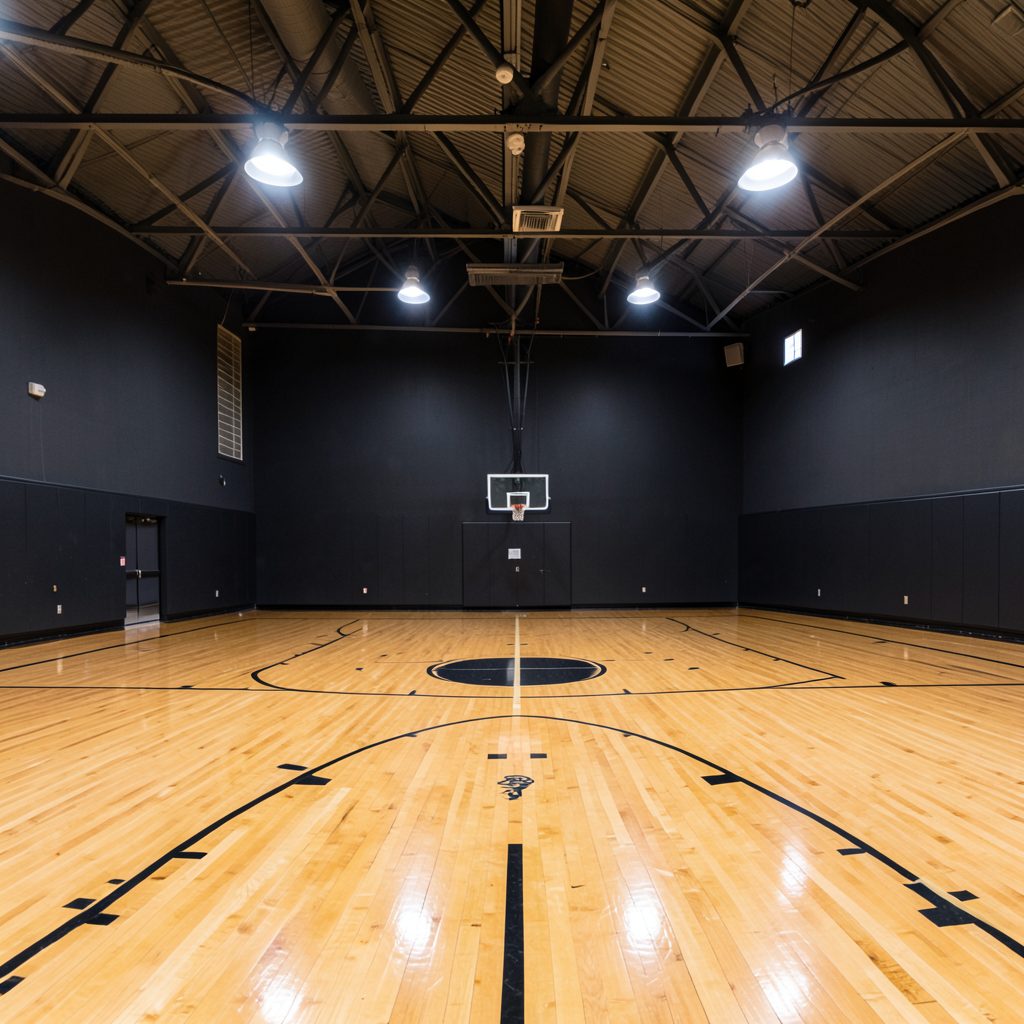
The Factory D1 Indy brings together three entities under one roof: competitive basketball leagues for all age groups, individual and group training, and wellness & recovery services including Normatec boot recovery and cryotherapy. Located off I-465 and High School Road at 6331 Crawfordsville Road, Speedway, Indiana 46224.
Get In TouchHow Cryotherapy Affects Inflammation in Athletes
Training creates a controlled form of stress. Small amounts of muscle damage, metabolic byproducts, and connective tissue strain can trigger inflammation as the body begins repairing itself. That response is useful, but excessive soreness and swelling may make it harder for an athlete to practice, compete, or move comfortably.
Cryotherapy uses cold exposure to influence that short-term response. Depending on the method, it may involve a localized cold application, an ice bath, or whole-body cooling in a specialized chamber. The goal is usually to reduce discomfort and perceived recovery time rather than eliminate every aspect of inflammation.
For basketball players, cyclists, and other active people, cold therapy can be one part of a wider recovery routine. Hydration, sleep, mobility work, nutrition, and sensible training loads still have a major effect on how the body adapts.
What Inflammation Does After Exercise
Inflammation is part of the immune system’s repair process. Following intense activity, blood vessels and immune cells respond to microscopic tissue stress. The result can include warmth, tenderness, stiffness, and temporary swelling. Delayed-onset muscle soreness, often called DOMS, commonly becomes more noticeable between 12 and 48 hours after unfamiliar or demanding exercise.
This response is not automatically harmful. Some inflammation supports tissue remodeling and helps the body become more resilient. The concern arises when soreness is severe, swelling persists, or repeated hard sessions leave insufficient time for recovery. Athletes may then alter movement patterns, lose power, or place additional stress on another area.
Cryotherapy may reduce some symptoms by narrowing blood vessels near the cooled tissue. This vasoconstriction can temporarily limit local blood flow and reduce nerve sensitivity. Once the area warms again, circulation returns, but the exact effect on inflammatory signaling depends on the treatment, timing, body region, and individual response.
How Cold Exposure May Reduce Discomfort
Cold temperatures slow nerve conduction, which can dull pain signals and create a temporary numbing effect. Cooling can also reduce the sensation of throbbing or heaviness after strenuous exercise. These changes may help an athlete move more comfortably during a later stretching session or low-intensity recovery workout.
Whole-body cryotherapy produces a different experience from placing an ice pack on a sore knee. Brief exposure to very cold air stimulates skin receptors across a larger surface area, prompting short-term changes in circulation and nervous-system activity. Research has explored possible effects on inflammatory markers, oxidative stress, and perceived muscle soreness, but results are not consistent enough to treat cryotherapy as a universal solution.
A useful distinction is symptom relief versus tissue healing. Feeling less sore after a session does not necessarily mean that an injured muscle, tendon, or joint has fully recovered. Cold therapy can support comfort while the underlying condition still requires rest, assessment, rehabilitation, or gradual loading.
What Athletes Can Realistically Expect
Studies of cold-water immersion and whole-body cooling often find improvements in perceived soreness, especially after repeated high-intensity exercise. Some athletes also report feeling fresher before their next session. These benefits may be especially relevant during tournaments, league schedules, training camps, or periods with several demanding workouts close together.
The evidence for reducing measurable inflammation is more complicated. Cryotherapy may influence certain inflammatory and stress markers, but findings vary across studies. Temperature, exposure length, timing, and the athlete’s training status all matter. A reduction in inflammation is not always desirable immediately after strength training because some inflammatory signaling contributes to muscle adaptation.
For that reason, frequent post-workout cold exposure may not be ideal when the primary objective is maximizing strength or hypertrophy. It may have a clearer role after unusually strenuous competition, when soreness interferes with movement, or when an athlete needs short-term comfort between events. The right decision depends on the training phase and the reason for using it.
Recovery Methods At A Glance
| Method | Main Potential Benefit | Best-Fit Situation | Important Consideration |
|---|---|---|---|
| Whole-body cryotherapy | Temporary soreness and discomfort relief | Athletes seeking a brief recovery session | Evidence for long-term inflammation control remains mixed |
| Cold-water immersion | Cooling of larger muscle groups and perceived recovery | Tournament weekends or repeated intense efforts | Can be uncomfortable and may affect training adaptation |
| Local ice or cold pack | Targeted numbing and swelling control | A specific sore area after activity | Protect skin and avoid excessive exposure |
| Normatec compression | Rhythmic pressure that may support comfort and circulation | Legs that feel heavy after training | It does not replace evaluation of injury or swelling |
| Gentle mobility and walking | Maintains movement and reduces stiffness | Most recovery days | Intensity should stay low when soreness is significant |
| Sleep, hydration, and nutrition | Supports repair and adaptation | Every training cycle | Benefits build over time rather than immediately |
No recovery method works in isolation. At a multi-purpose facility such as The Factory D1 Indy, an athlete might combine structured basketball training with conditioning, mobility, and recovery services according to the day’s workload. That approach is generally more useful than treating cryotherapy as a shortcut.
Choosing The Right Time For Cryotherapy
Timing should reflect the athlete’s goal. A brief cooling session after a demanding game may help reduce soreness and make the next day feel more manageable. Using it immediately after every resistance-training session could be less appropriate for someone focused on long-term muscle growth. Coaches and qualified professionals can help match recovery tools to the training calendar.
Cryotherapy should also be considered alongside the nature of the discomfort. General post-exercise soreness is different from sharp pain, joint instability, pronounced swelling, numbness, or a suspected strain. Cold exposure may mask symptoms without addressing the cause, so persistent or worsening problems deserve medical evaluation.
Young athletes require particular care because they are still growing and may have difficulty describing symptoms accurately. Recovery should support confidence and healthy participation rather than encourage children to push through pain. Programs that build skill, enjoyment, and self-belief—such as confidence through basketball—can be paired with age-appropriate guidance on rest and recovery.
Safety Considerations And Individual Differences
Cryotherapy is not suitable for everyone. People with cold hypersensitivity, certain circulation disorders, uncontrolled high blood pressure, significant heart conditions, or some neurological and skin conditions may face additional risk. Anyone with a relevant medical history should consult a healthcare professional before using whole-body or cold-water treatments.
The session should be supervised, properly timed, and stopped if the athlete experiences intense burning, dizziness, breathing difficulty, chest discomfort, confusion, or unusual skin changes. More cold and longer exposure do not automatically produce better results. Safe protocols depend on the equipment and service provider.
Athletes should also avoid using cold treatment to cover up an injury so they can return to competition prematurely. A reduction in pain is useful only when paired with sound movement assessment and a gradual return to activity. Recovery services should complement coaching, physical therapy, and medical care rather than replace them.
Building A Practical Recovery Routine
A balanced plan starts with the basics and adds cryotherapy when it serves a clear purpose. Track soreness, sleep quality, training intensity, and performance over several sessions. This makes it easier to determine whether cooling provides meaningful value or simply creates a short-lived sensation of relief.
For athletes training at a basketball and fitness facility, recovery can be organized around practices, games, cycling sessions, and strength work. Consider these guidelines:
- Use cryotherapy for temporary soreness relief after demanding activity, not as a substitute for injury care.
- Avoid making whole-body cooling an automatic response to every strength session.
- Follow the facility’s exposure instructions and report discomfort immediately.
- Pair cold therapy with sleep, hydration, adequate food, and light mobility.
- Ask a healthcare professional about safety if you have circulation, heart, nerve, skin, or blood-pressure concerns.
The most effective recovery routine is one an athlete can use consistently and safely. A coach may recommend mobility after practice, a compression session after a long day, or cryotherapy after a particularly taxing competition. Adjustments should be based on response rather than trends.
Athletes and families in Speedway can explore recovery options at The Factory D1 Indy alongside basketball training, leagues, cycling, and conditioning services. Schedule a visit to learn how cryotherapy and other recovery tools can fit into a responsible plan for training, competition, and long-term performance.
Inside The Factory

Three Entities, One Roof
Leagues
Eight league divisions span every age group: Indy Pro AM, 18+ Open Men's, 30+ Men's, Bite Size (ages 3–6), Impact League, 5th/6th Grade, Middle School, and High School. Gather your team and compete.
Training
Individual and group basketball training for all skill levels. Major M.O.V.E.S. Basketball Training serves ages 4–7 on Wednesday and Thursday evenings at 6:30 PM — $30 per session or $100 unlimited monthly.
Wellness & Recovery
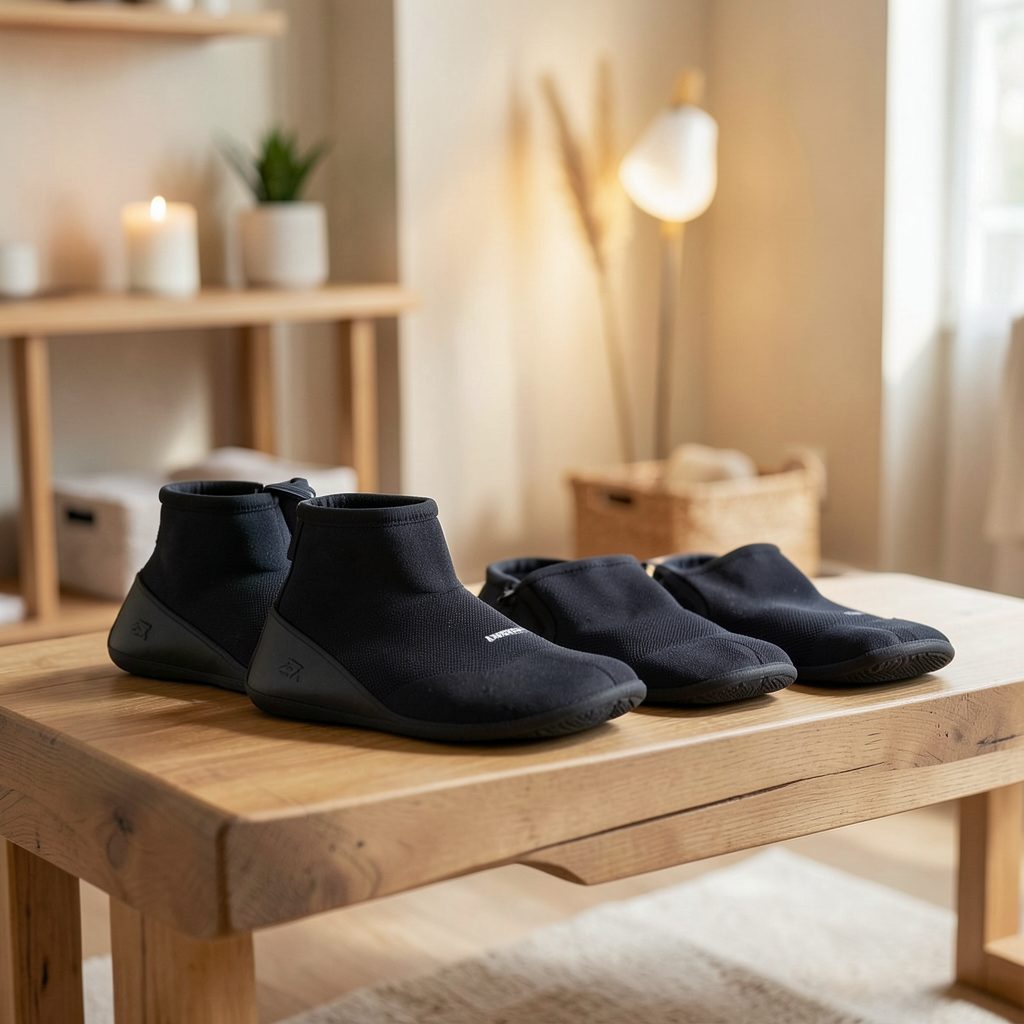
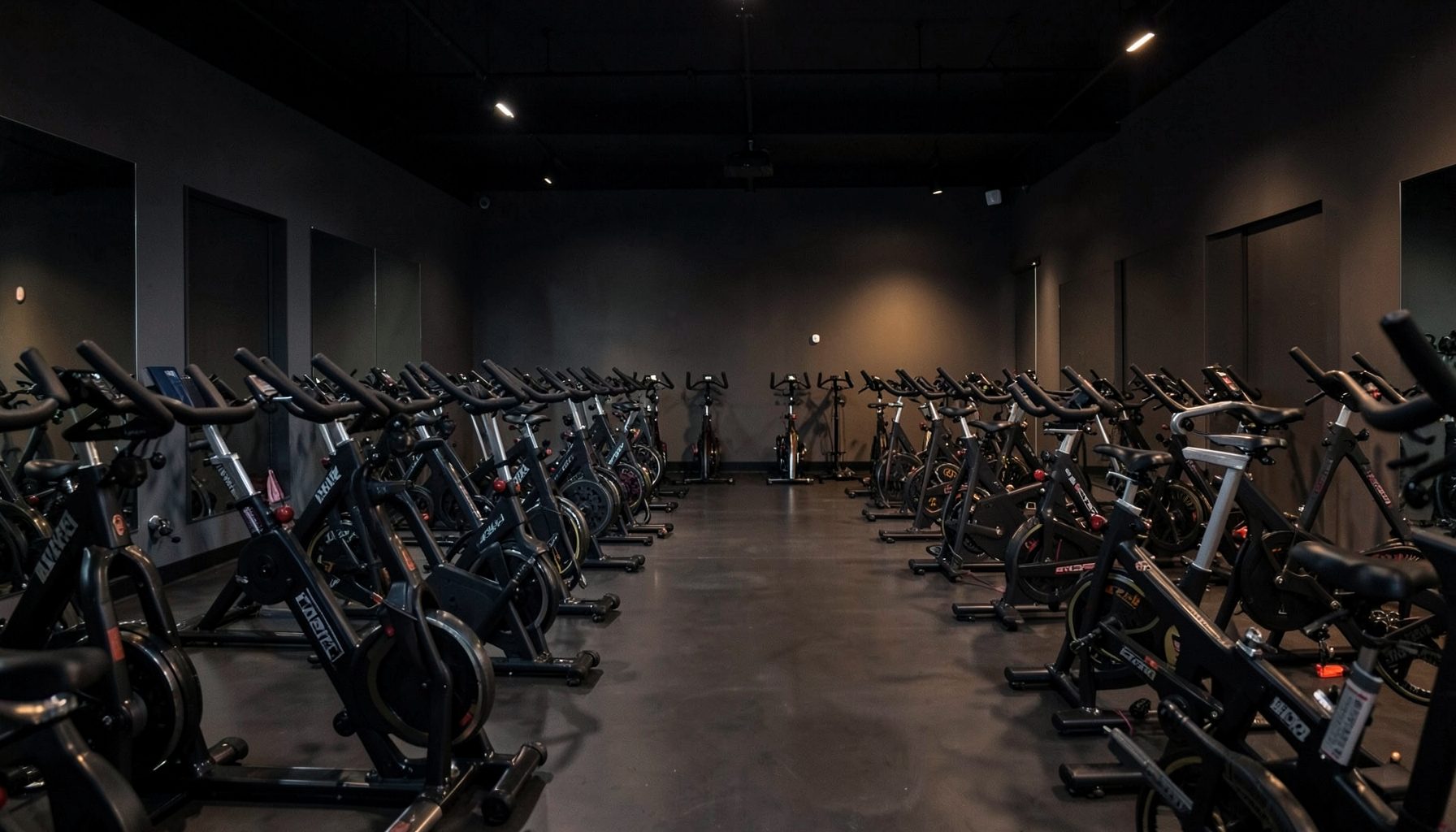
Normatec boot recovery and cryotherapy treatments help athletes bounce back faster. Cycle and spin classes add a cardio dimension to the holistic performance approach.
Have a Question?