Train. Compete. Recover.
A multi-purpose athletic facility in Speedway, Indiana — basketball leagues, skill training, and wellness services all under one roof.
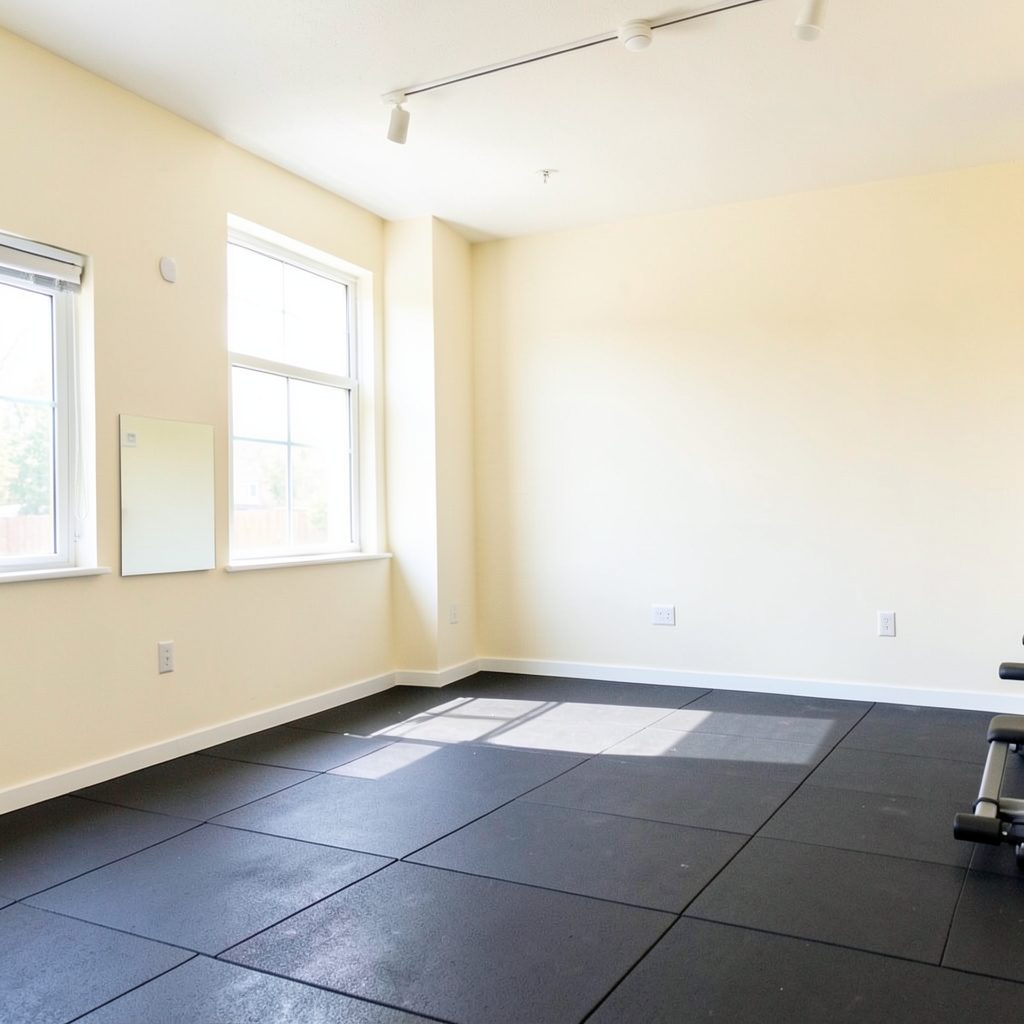
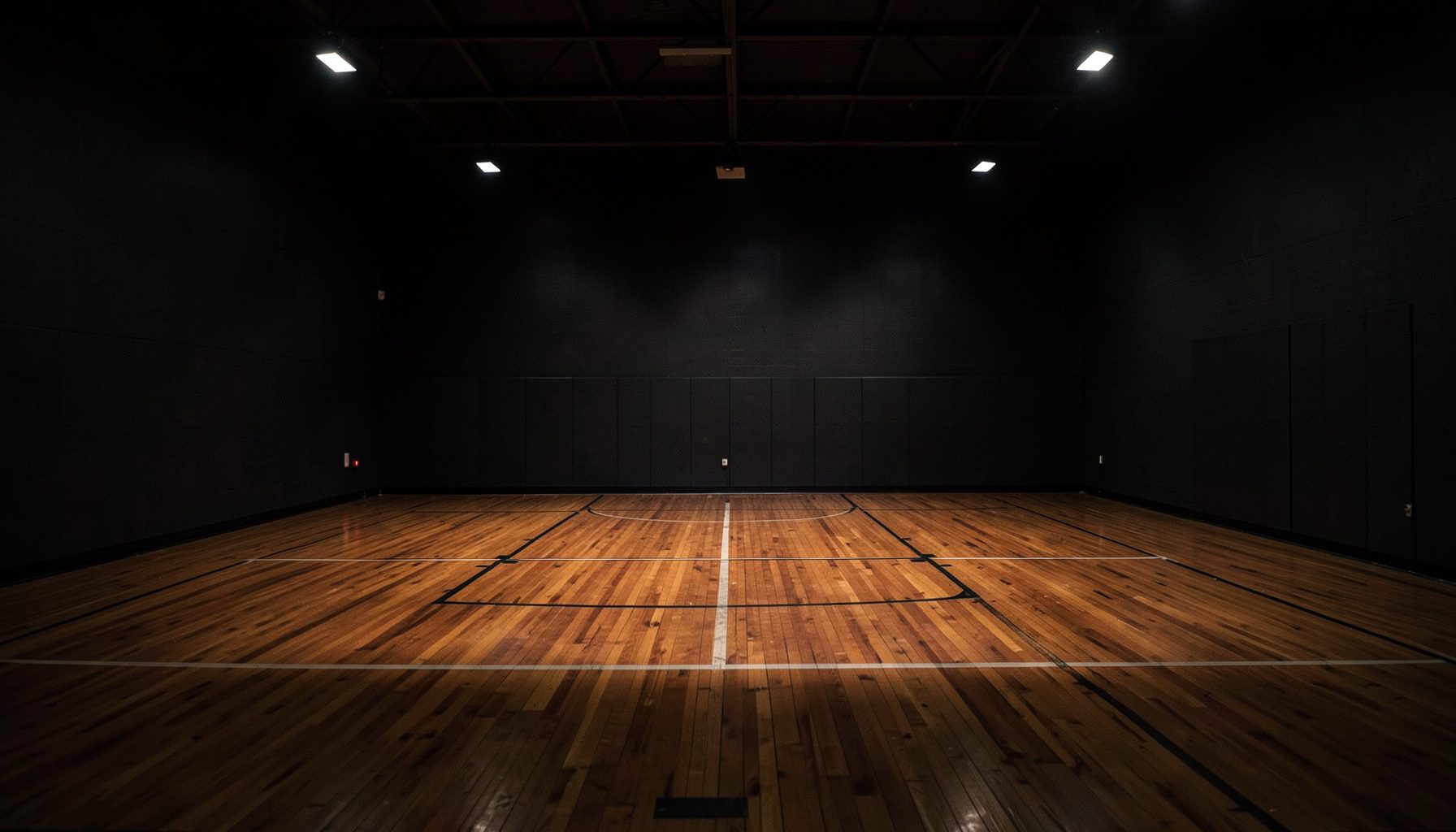
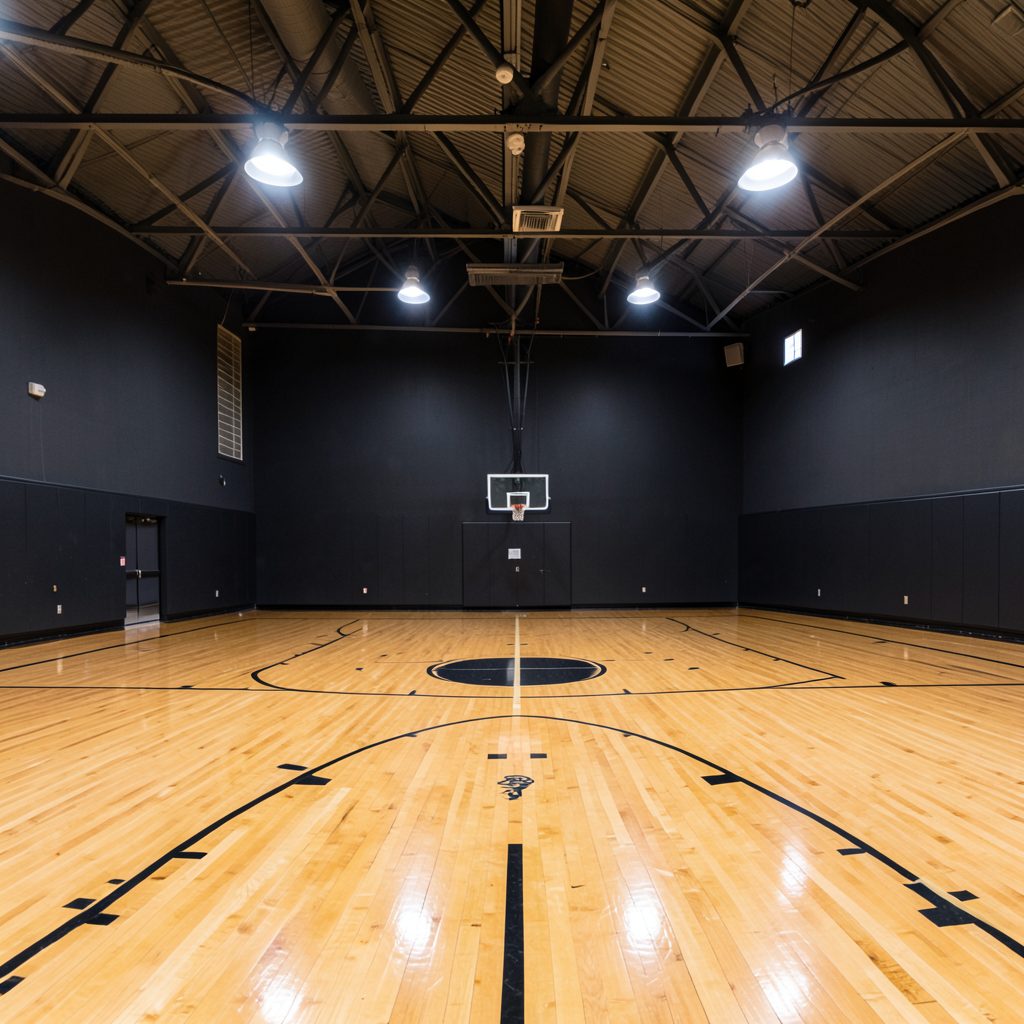
The Factory D1 Indy brings together three entities under one roof: competitive basketball leagues for all age groups, individual and group training, and wellness & recovery services including Normatec boot recovery and cryotherapy. Located off I-465 and High School Road at 6331 Crawfordsville Road, Speedway, Indiana 46224.
Get In TouchDesigning a Weekly Training Schedule for Youth Basketball Athletes
Youth basketball athletes improve fastest when their week has a clear purpose. Skill work, strength, conditioning, games, rest, and recovery each support a different part of development. A balanced schedule helps young players build confidence without turning every day into a high-pressure competition.
The ideal routine depends on age, experience, school workload, position, and current fitness level. A beginner may need more time for coordination and basic movement, while an advanced player may benefit from targeted shooting volume, decision-making drills, and structured strength training. The goal is consistent progress that supports long-term athletic health.
A useful weekly plan should also remain flexible. Tournament weekends, exams, family commitments, growth spurts, and minor soreness can change how much training an athlete can handle. Coaches and parents should monitor energy, sleep, mood, and performance so the schedule can be adjusted before fatigue becomes an injury risk.
Set Weekly Priorities
Before assigning sessions to specific days, choose two or three priorities for the week. These might include ball-handling under pressure, finishing with both hands, defensive footwork, rebounding technique, or improving shooting consistency. Focusing on a small number of objectives makes practice more productive than attempting to fix every skill at once.
A youth player’s priorities should reflect current needs rather than highlight-reel moves. For example, an athlete who loses position near the basket may gain more from learning to pursue the ball and secure it safely than from adding another dribble combination. Players can review this rebounding technique guide when building practice goals around positioning, timing, and securing possession.
Each session should have a simple purpose. A 60-minute workout might include 10 minutes of movement preparation, 20 minutes of technical skill development, 20 minutes of game-like decisions, and 10 minutes of free throws or cooldown work. This structure keeps athletes engaged while creating measurable targets.
Balance Skill Work And Competition
Basketball skills improve when repetition is combined with realistic decision-making. Individual workouts are valuable for shooting form, weak-hand control, footwork, and finishing mechanics. Group practices add passing angles, defensive pressure, communication, spacing, and transition play.
Avoid scheduling intense skill sessions every day. Young athletes need time for the nervous system and muscles to recover, especially after high-volume shooting, repeated jumping, or full-court games. A productive week may include two focused individual workouts, two team practices, one competitive game, and one lighter activity.
Competition should teach athletes how to apply skills rather than simply measure whether they won. A scrimmage can emphasize a particular behavior, such as making an extra pass, sprinting back in transition, or boxing out on every shot. These constraints help players transfer training into game performance.
Add Conditioning And Strength Safely
Basketball conditioning should develop repeated sprint ability, change-of-direction control, coordination, and recovery between efforts. Short shuttle runs, defensive slides, jump-rope intervals, and small-sided games can be more useful for young players than long-distance running. Conditioning should resemble the demands of basketball while remaining age-appropriate.
Strength training for youth athletes should emphasize movement quality and control. Bodyweight squats, split squats, lunges, push-ups, rows, planks, landing drills, and medicine-ball exercises can build a strong foundation. Qualified coaching is especially important when athletes begin using external loads or performing more complex lifts.
Place demanding conditioning and lower-body strength sessions away from major games when possible. For example, a hard workout the day before competition may leave a player slow and heavy-legged. A lighter mobility session, shooting routine, or recovery activity is usually more suitable during the 24 hours before a game.
Use Recovery As Part Of Training
Recovery is an active part of athletic development, not unused time. Young players need adequate sleep, regular meals, hydration, and low-intensity movement. Easy cycling, walking, stretching, and mobility exercises can support circulation without adding significant training stress.
A weekly schedule should include at least one genuine rest day. Rest does not mean an athlete must remain motionless; it means avoiding organized high-intensity basketball and strenuous conditioning. This pause allows muscles, joints, and the mind to reset.
Facilities that offer recovery services can add useful options during demanding periods. Compression therapy, cryotherapy, and guided mobility may support an athlete’s routine when used appropriately, but they should complement basic habits rather than replace sleep, nutrition, and sensible workload management. Any recovery service should be selected with parental and professional guidance for younger athletes.
Sample Weekly Schedule
The following model works as a starting point for a school-age athlete with several organized basketball commitments. Session length and intensity should be adjusted based on age, experience, competition level, and medical guidance.
| Day | Primary Focus | Example Session | Intensity |
|---|---|---|---|
| Monday | Skill development | Ball-handling, finishing, form shooting, free throws | Moderate |
| Tuesday | Team practice | Defensive positioning, passing, transition play, scrimmage | High |
| Wednesday | Recovery and movement | Easy cycling, mobility, stretching, light shooting | Low |
| Thursday | Strength and skills | Bodyweight strength, landing mechanics, shooting under pressure | Moderate |
| Friday | Pre-game preparation | Brief warmup, spot shooting, free throws, tactical review | Low |
| Saturday | Competition | League game or tournament play, cooldown afterward | High |
| Sunday | Rest and reset | Sleep, easy walk, meal preparation, weekly review | Very low |
Monday can address technical details after the weekend, while Tuesday offers a chance to apply those skills in a team setting. Wednesday should reduce the load rather than become a hidden extra practice. Thursday can combine controlled strength work with basketball actions, and Friday should leave the athlete fresh instead of exhausted.
If Saturday includes multiple tournament games, Thursday should become lighter and Friday may be limited to mobility and brief shooting. When there is no weekend competition, Saturday can include a longer development session, while Sunday should still protect time for rest and family activities.
Adjust The Plan For Age And Experience
Younger athletes generally benefit from shorter sessions, frequent changes of activity, and an emphasis on enjoyment. Their practices should develop running, stopping, jumping, balance, throwing, catching, and basic basketball control. Repetitive conditioning or highly specialized positional training is rarely necessary at this stage.
Middle-school athletes can begin handling more structured skill blocks and simple strength routines. Coaches may introduce workload tracking, basic recovery education, and drills that require reading defenders. Still, the schedule should leave room for free play, multi-sport participation, and gradual physical development.
Older or advanced athletes may need more individualization. A guard might prioritize ball-screen decisions and pull-up shooting, while a forward may emphasize post footwork, rebounding, and defensive positioning. Even at a competitive level, increased training should be introduced gradually rather than added all at once.
Track Workload And Warning Signs
A simple training log can reveal whether a schedule is working. Athletes can record session length, perceived effort from one to ten, sleep quality, soreness, and mood. Coaches can also monitor shooting accuracy, sprint quality, defensive effort, and decision-making during practice.
Persistent soreness, declining performance, irritability, poor sleep, unusual fatigue, or reluctance to attend practice may signal that the workload is too high. Pain that changes movement should never be ignored. Parents and coaches should communicate early and involve a qualified healthcare professional when symptoms continue.
Use the weekly plan as a guide rather than a rigid contract. Reducing repetitions, shortening practice, or replacing a hard workout with recovery can protect progress. Consistency comes from managing training intelligently across months, not from forcing every session when an athlete is depleted.
A strong youth basketball routine gives every day a role: develop a skill, compete with purpose, build athletic capacity, or recover fully. Families can begin with the sample schedule, then adapt it around school, league commitments, and the athlete’s response to training. Visit The Factory D1 Indy to support structured basketball development, competitive play, conditioning, and recovery in one community-focused athletic environment.
Inside The Factory

Three Entities, One Roof
Leagues
Eight league divisions span every age group: Indy Pro AM, 18+ Open Men's, 30+ Men's, Bite Size (ages 3–6), Impact League, 5th/6th Grade, Middle School, and High School. Gather your team and compete.
Training
Individual and group basketball training for all skill levels. Major M.O.V.E.S. Basketball Training serves ages 4–7 on Wednesday and Thursday evenings at 6:30 PM — $30 per session or $100 unlimited monthly.
Wellness & Recovery
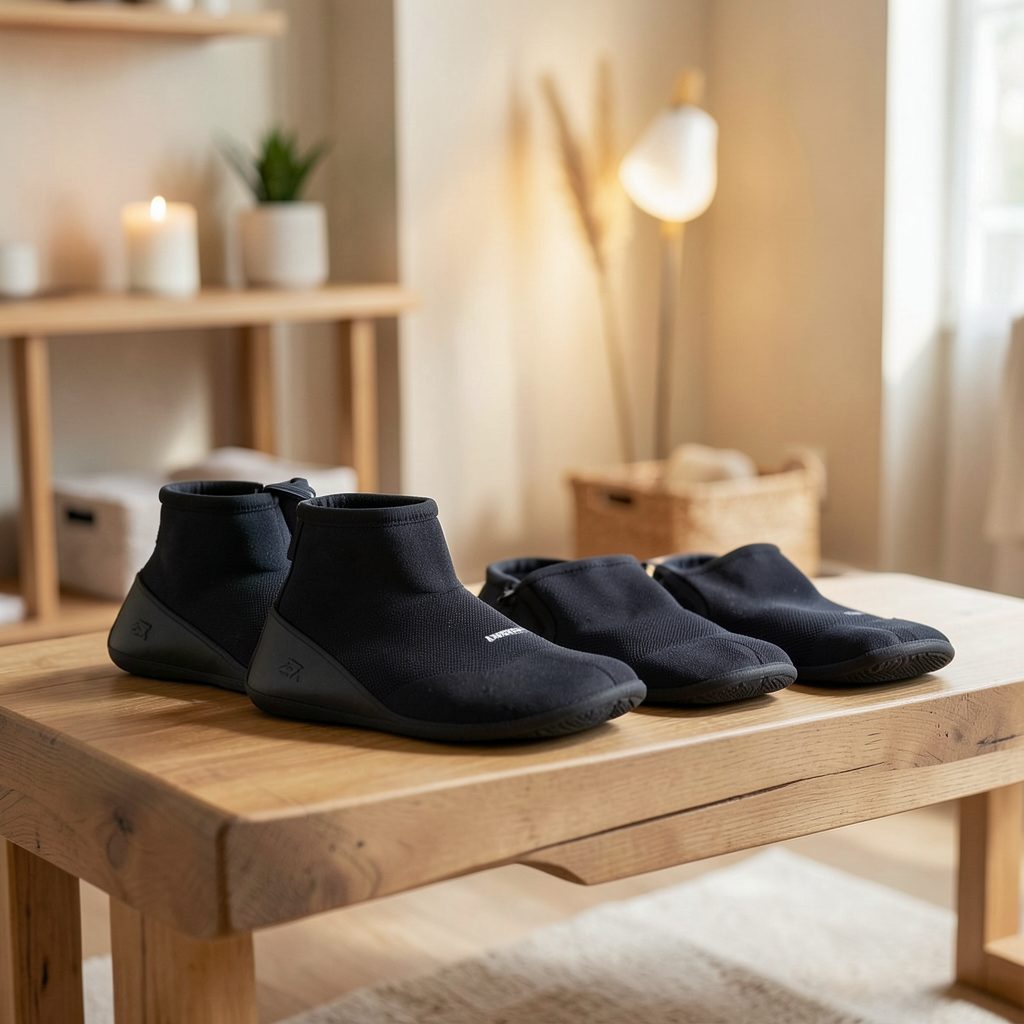
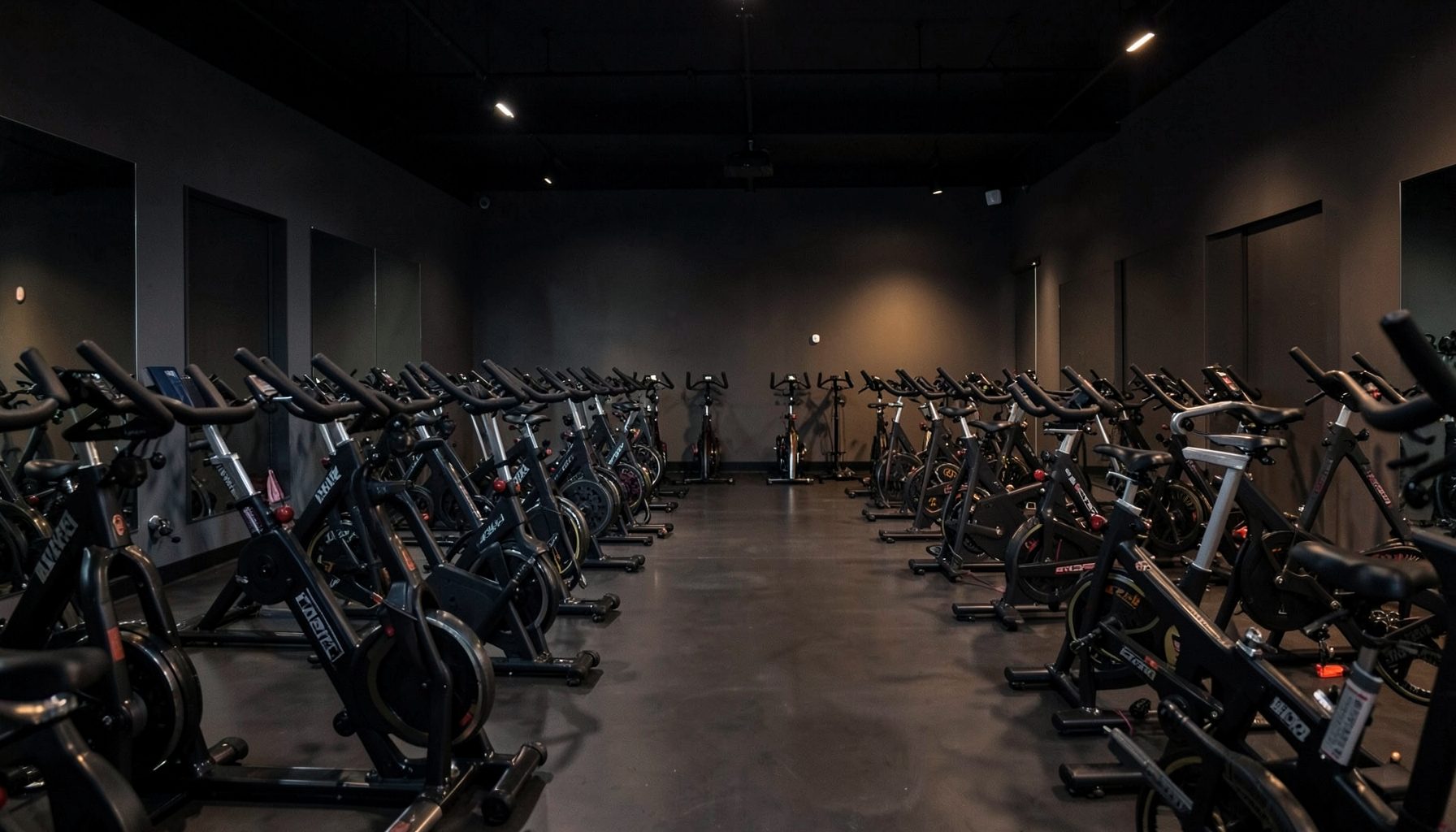
Normatec boot recovery and cryotherapy treatments help athletes bounce back faster. Cycle and spin classes add a cardio dimension to the holistic performance approach.
Have a Question?