Train. Compete. Recover.
A multi-purpose athletic facility in Speedway, Indiana — basketball leagues, skill training, and wellness services all under one roof.
The Factory D1 Indy brings together three entities under one roof: competitive basketball leagues for all age groups, individual and group training, and wellness & recovery services including Normatec boot recovery and cryotherapy. Located off I-465 and High School Road at 6331 Crawfordsville Road, Speedway, Indiana 46224.
Get In TouchDrills That Build Reliable Hook Shots And Post Moves
A dependable hook shot can turn a crowded lane into a scoring opportunity. It gives post players a way to finish over a taller defender, protect the ball with the body and create a clean release without needing a perfect angle to the rim. Strong post moves also help league players draw fouls, find cutters and keep the offence moving when perimeter options are covered.
The best results come from practising footwork before adding speed or contact. A player who can pivot, seal, balance and read the defender will usually become more effective than someone who simply takes hundreds of rushed shots. These skills matter in social leagues, school competitions and serious club basketball across Australia, where games can be physical and possessions are often decided by small positioning errors.
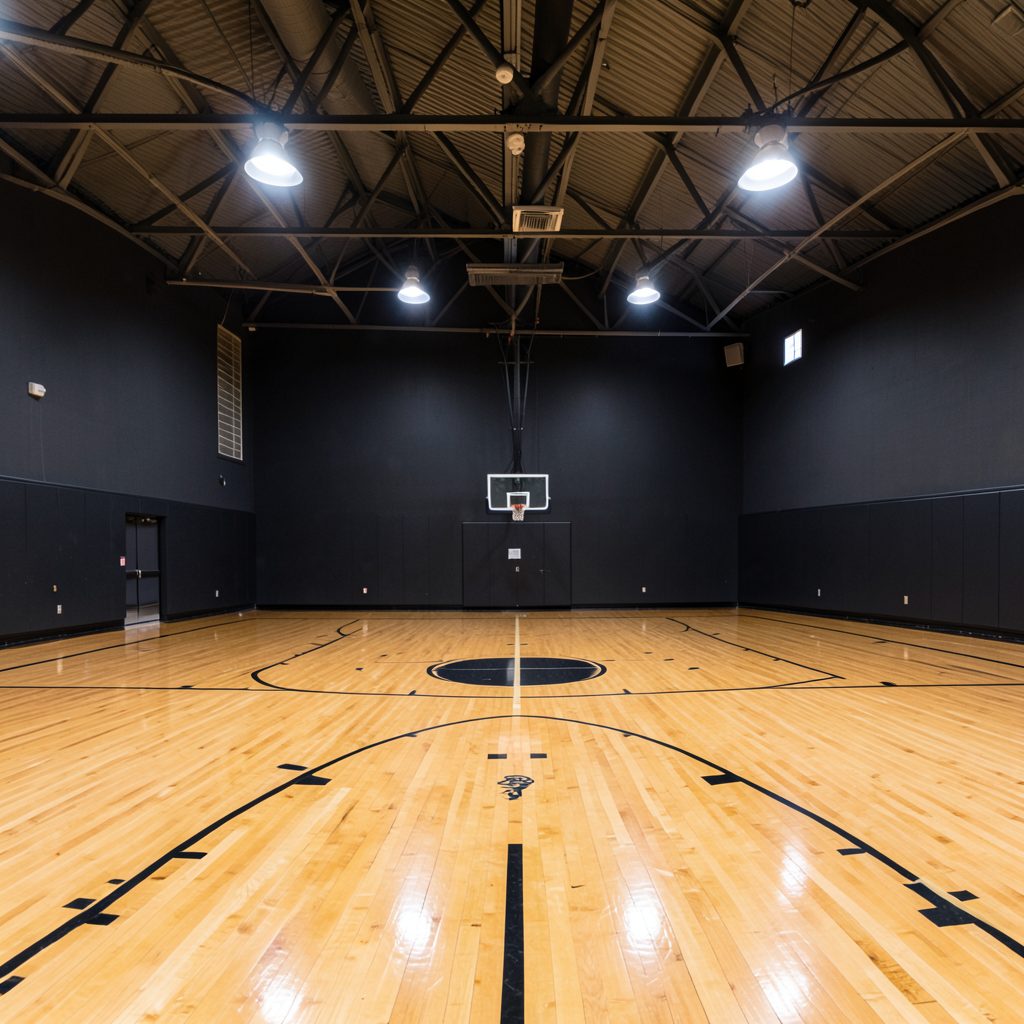
Training should also reflect real league conditions. Evening sessions after work, school-term commitments and limited access to full courts mean drills need to be focused and easy to repeat. The Factory D1 Indy combines basketball development with wider athletic services, and its basketball training facility provides a useful model for athletes who want structured practice rather than unplanned shooting.
Build Footwork Before The Finish
Start with the front pivot series. Place a cone or chair on the low block, receive the ball with your back to the basket and establish a strong base with feet slightly wider than shoulder width. Practise turning over the left shoulder, then return to the middle and repeat over the right shoulder. Keep the inside shoulder pointed towards the rim, hold the ball high and avoid allowing the pivot foot to slide.
Progress into a drop-step drill. From the low post, take one controlled dribble, step across the defender’s imagined body and finish with a power lay-up. The key is to move the defender with your hips rather than reaching around them. Perform six repetitions to each side, then add a coach or training partner holding a pad near the shoulder to create safe, realistic contact.
A useful Australian adjustment is to practise both directions from the same spot. In many local stadiums, including busy community venues in Melbourne or Sydney, the basket may feel different because of lighting, court markings or background movement. Rehearsing both shoulders helps players stay comfortable when a league game gives them an unfamiliar angle or a defender takes away the preferred hand.
Develop A Balanced Hook Shot
The basic hook-shot drill begins one step outside the restricted area. Face the baseline, place the non-shooting shoulder between the defender and the ball, then lift the outside knee as the shooting arm rises. The release should come from a high point, with the wrist relaxed and the eyes fixed on a specific section of the backboard or rim.
Make ten shots from the left block and ten from the right, using one hand whenever possible. This exposes weaknesses in touch and balance. The shooting elbow should stay underneath the ball rather than drifting sideways, and the player should land in a stable position instead of fading away unnecessarily. A small amount of shoulder separation is useful; excessive leaning usually reduces accuracy.
Next, add the half-turn hook. Begin with a reverse pivot, take one short dribble towards the middle and lift into the shot before the defender can recover. This movement is especially useful against a defender who sits on the baseline side. Coaches can vary the contest by showing a hand late, using a foam pad or calling the direction at the last moment.
Add Counters For Live Defenders
Post scoring becomes harder when the defender knows the first move. The counter series should therefore connect the drop-step, middle turn and up-and-under action. Begin with a controlled back-down for two dribbles. If the defender holds the baseline, spin towards the middle for a hook. If the defender leans middle, step through towards the baseline and finish on the opposite side of the rim.
Use a chair for the first phase, then move to one-on-one work. The offensive player gets three seconds to establish position and must make a decision after the first contact. The defender is allowed to contest without reaching. This teaches the attacker to read pressure rather than perform a memorised sequence. Award one point for a clean score, two for a score after a counter and one defensive point for a forced travel or poor shot.
The seal-and-feed drill adds passing to the movement. A perimeter player enters the ball after the post player creates a target hand and seals with the lower body. After receiving the pass, the post player can shoot the hook, pivot out to a reset pass or attack the open middle. This reflects league play, where post success often depends on timing with guards more than individual strength.
Train Against Fatigue And Contact
Hook shots tend to break down late in games because tired players drop their hips, lower the ball and rush the release. A practical conditioning sequence is three court sprints followed by four hook shots from each block. Repeat for three rounds, resting only long enough to maintain safe technique. The goal is not to turn every session into punishment; it is to preserve footwork and touch while breathing heavily.
Use contact intelligently. A partner can apply light pressure with a bump pad as the player catches, pivots and finishes. The contact should imitate legal body positioning, not uncontrolled collisions. Players should protect the ball with the shoulder and elbows bent, while keeping the hands visible and avoiding a swinging arm that could be called an offensive foul.
Recovery also affects post performance. Australian athletes often fit training around long commutes, early work starts and weekend competitions, so sleep, hydration and gradual cooldowns deserve attention. Some facilities offer compression and cold-based services; guidance on cryotherapy and burnout can help athletes consider recovery as part of their training routine rather than an emergency response after soreness appears.
Transfer The Moves Into League Play
Finish each session with a small-sided game that rewards the decisions practised earlier. Play three-on-three from one half of the court, requiring every possession to include a post touch before a shot. Give the post player a maximum of two dribbles. This encourages sharp seals, quick pivots and efficient hooks instead of prolonged backing down.
Track details that reveal progress. Record how often the player catches in a deep position, scores with the weaker shoulder, draws help and makes the correct pass when doubled. A missed hook is less concerning if the footwork was legal and the shot was balanced. A made shot created by travelling or lowering the shoulder will not transfer reliably to competition.
League preparation should also account for Australian basketball culture and scheduling. Social competitions in Brisbane, Perth and Adelaide commonly run in the evening, while juniors may move between school basketball, club training and weekend tournaments. Coaches working with under-18 players should follow venue policies and hold the required Working with Children Check where applicable. Adults should also understand local association rules, insurance conditions and Basketball Australia or state-body competition requirements before adding full-contact drills.
A reliable post player does not need a dozen spectacular moves. Two strong pivots, a balanced hook with either hand, a drop-step counter and the discipline to pass out of a double team can create steady value across a season. Practise each element slowly, add pressure in stages and finish with decisions that resemble the game.
Book a focused session at a suitable court, bring a partner for controlled contact and complete the drills twice each week for four to six weeks. Keep a simple record of makes, turnovers and successful seals, then take the strongest moves into your next league game with clear intent.
Inside The Factory

Three Entities, One Roof
Leagues
Eight league divisions span every age group: Indy Pro AM, 18+ Open Men's, 30+ Men's, Bite Size (ages 3–6), Impact League, 5th/6th Grade, Middle School, and High School. Gather your team and compete.
Training
Individual and group basketball training for all skill levels. Major M.O.V.E.S. Basketball Training serves ages 4–7 on Wednesday and Thursday evenings at 6:30 PM — $30 per session or $100 unlimited monthly.
Wellness & Recovery
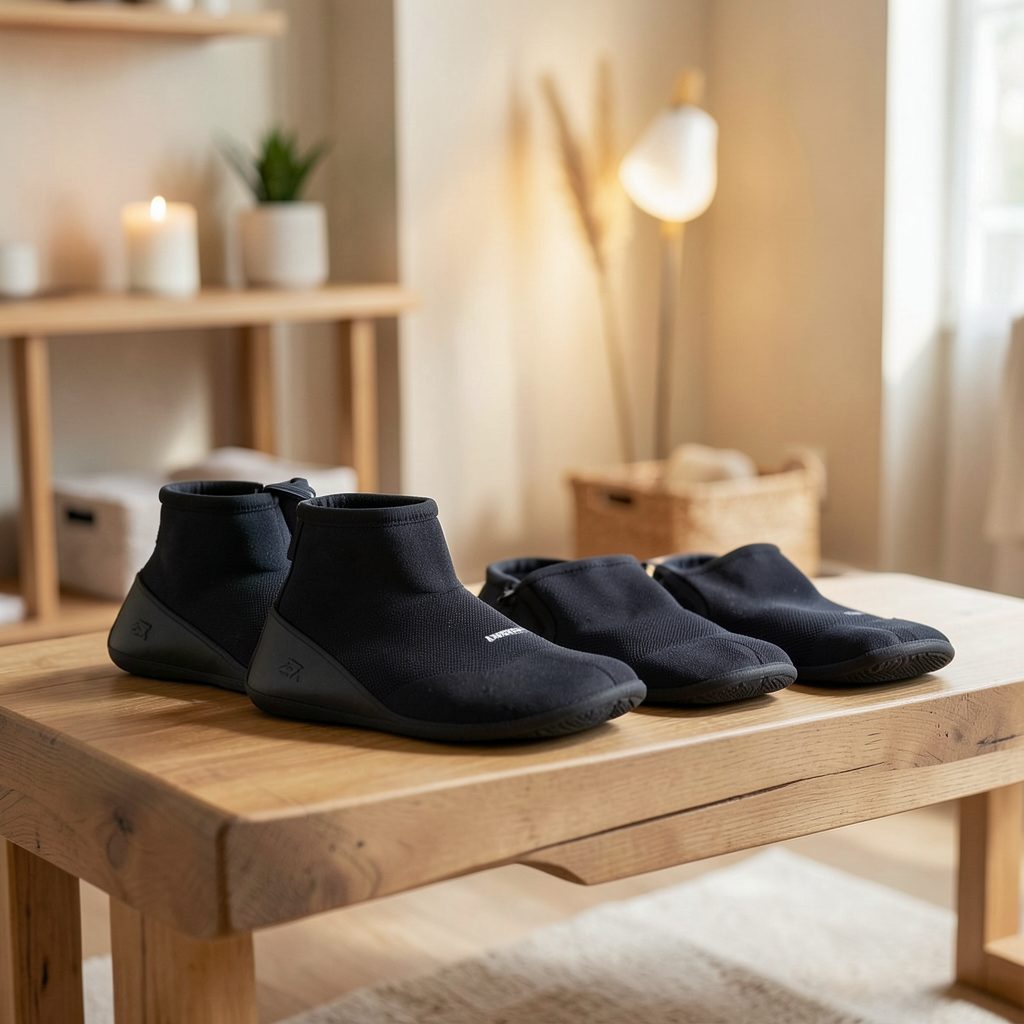
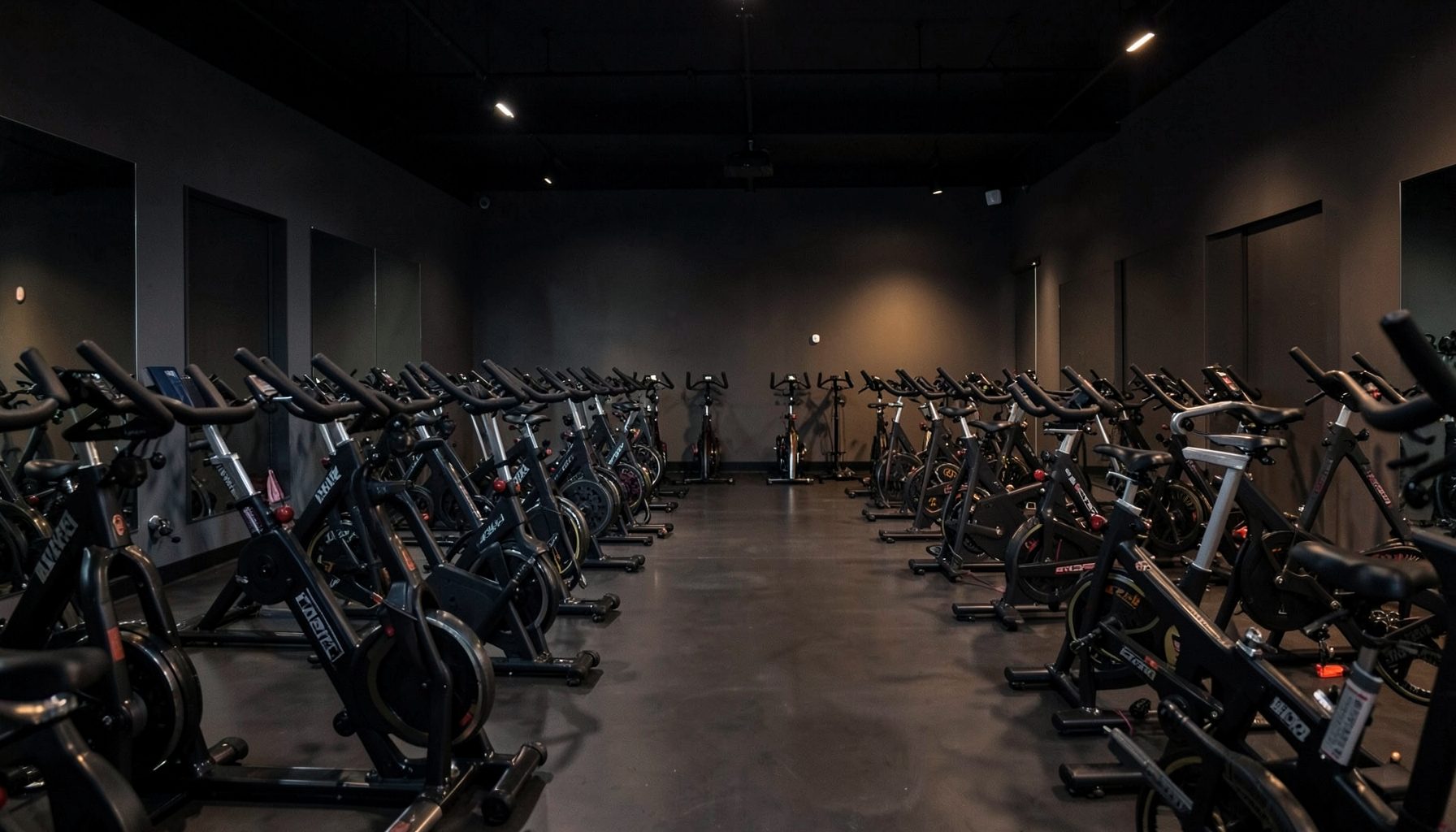
Normatec boot recovery and cryotherapy treatments help athletes bounce back faster. Cycle and spin classes add a cardio dimension to the holistic performance approach.
Have a Question?