Train. Compete. Recover.
A multi-purpose athletic facility in Speedway, Indiana — basketball leagues, skill training, and wellness services all under one roof.
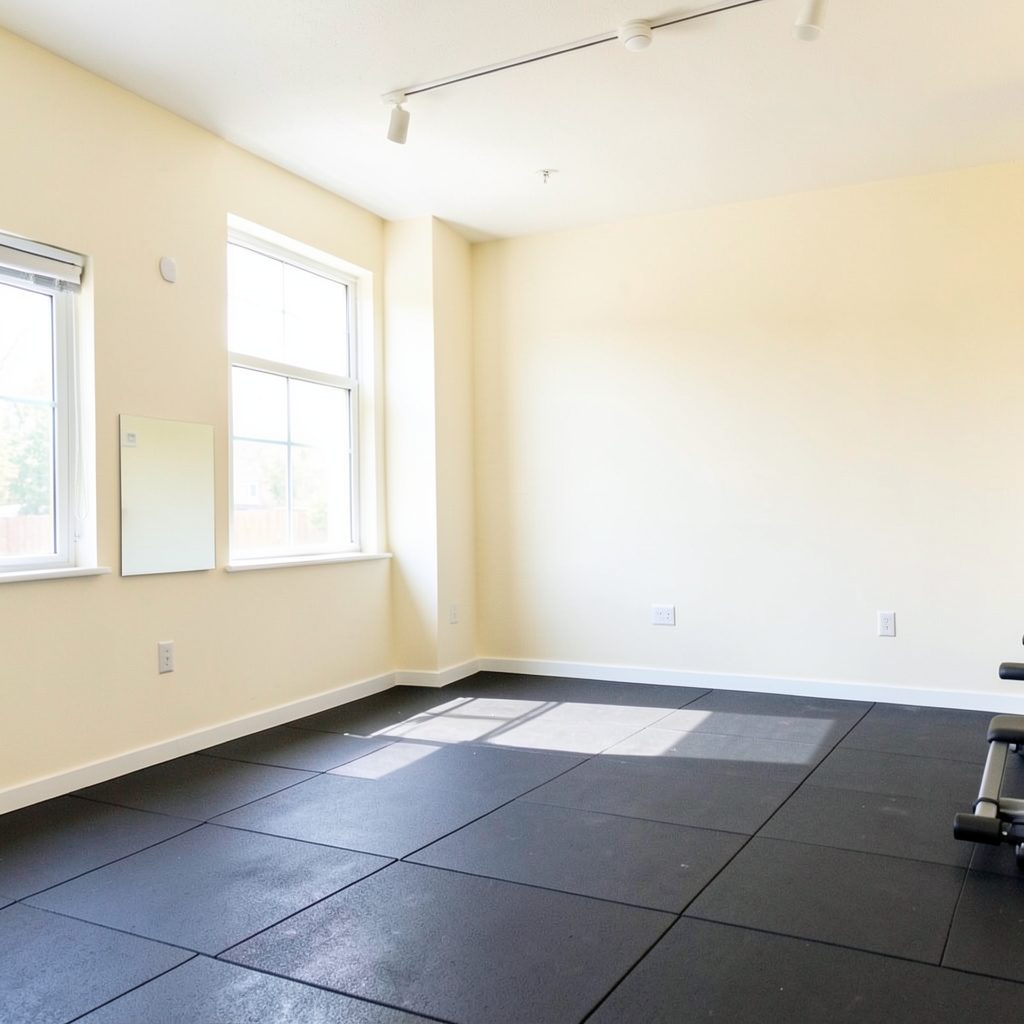
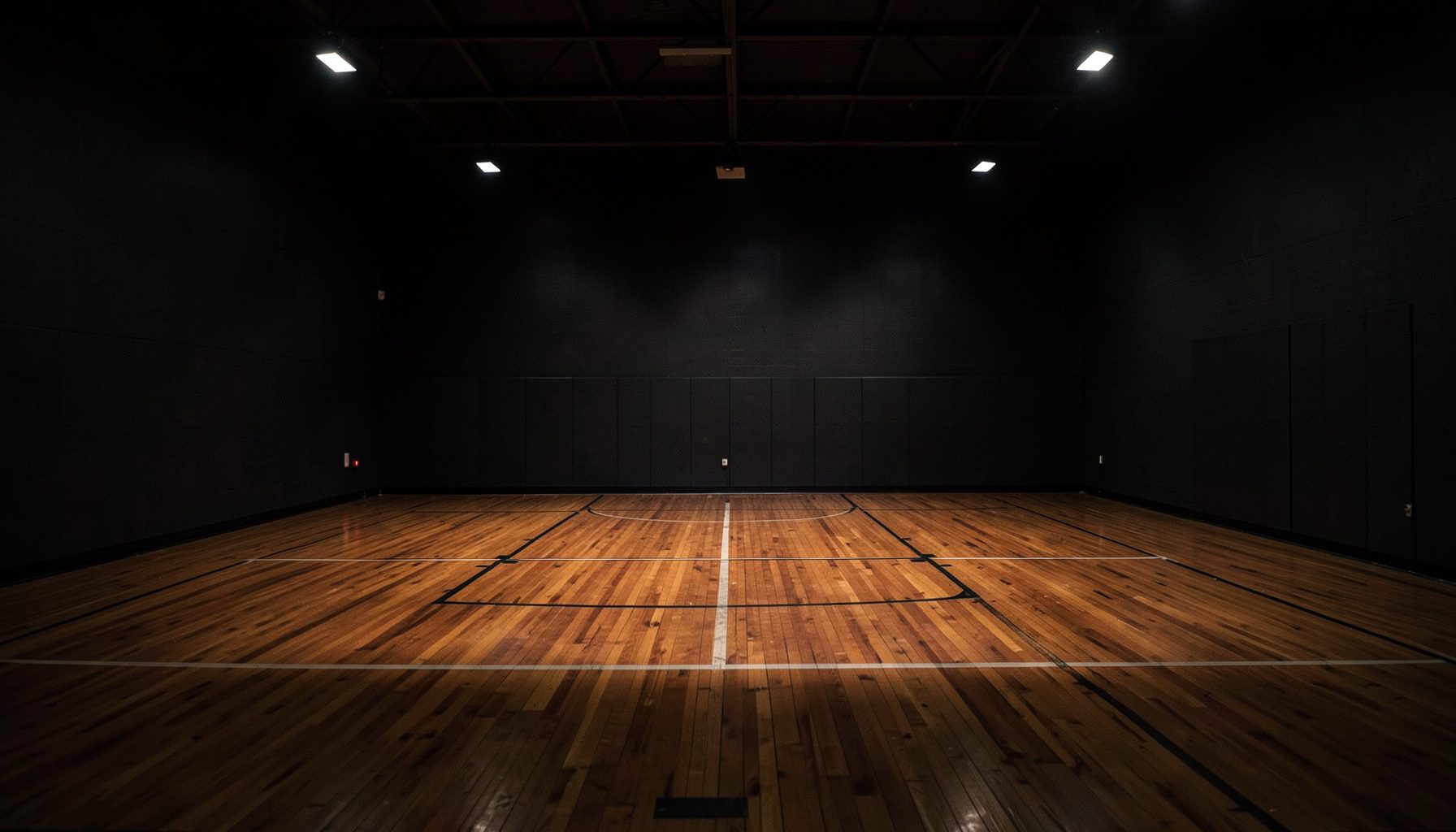
The Factory D1 Indy brings together three entities under one roof: competitive basketball leagues for all age groups, individual and group training, and wellness & recovery services including Normatec boot recovery and cryotherapy. Located off I-465 and High School Road at 6331 Crawfordsville Road, Speedway, Indiana 46224.
Get In TouchHow Cryotherapy Can Help Athletes Recover From Burnout
Athletic burnout can develop quietly. An athlete may continue attending practices and competitions while feeling unusually tired, irritable, unmotivated, or physically heavy. Performance can decline, recovery may take longer, and activities that once felt rewarding can begin to feel like obligations.
This pattern often reflects a combination of training stress, limited sleep, academic or work demands, pressure to perform, and insufficient recovery. Cryotherapy may provide a useful recovery tool within a broader plan that includes rest, nutrition, appropriate training loads, and mental wellness support.
At The Factory D1 Indy, athletes can train, compete, condition, and recover in one community-centered facility. Understanding what cold therapy can and cannot do helps athletes use it responsibly rather than treating it as a quick fix for persistent exhaustion.
Recognizing The Signs Of Athletic Burnout
Burnout is more than ordinary soreness after a difficult workout. Delayed recovery, recurring aches, restless sleep, reduced enthusiasm, and difficulty concentrating can signal that the body and mind are under sustained strain. Some athletes also experience a noticeable drop in confidence or begin avoiding practices they previously enjoyed.
The causes are usually layered. A demanding basketball schedule, frequent travel, intense strength sessions, and pressure from coaches or teammates can combine with school, work, family responsibilities, or inadequate fueling. When stress continues without enough recovery, the nervous system and immune system may become less resilient.
Cryotherapy cannot resolve an excessive training schedule or emotional distress. However, it may help an athlete feel temporarily refreshed after strenuous activity. That short-term relief can make it easier to follow a thoughtful recovery routine, especially when cold exposure is paired with sleep, hydration, mobility work, and communication with qualified professionals.
What Cold Therapy May Do
Whole-body or localized cryotherapy exposes the body to very cold temperatures for a brief, controlled period. The cold causes blood vessels near the skin to constrict, while the body responds by adjusting circulation and temperature regulation. After the session, blood flow to tissues may increase as the body returns toward its normal state.
Athletes often seek cryotherapy to manage post-exercise soreness, perceived inflammation, and the heavy feeling that can follow repeated training. Some report feeling more alert or energized afterward. These responses vary, and research continues to examine how consistently cryotherapy improves recovery, muscle soreness, and performance.
The most realistic benefit is often improved comfort rather than a direct treatment for burnout. If an athlete feels less sore, they may move more comfortably, complete gentle mobility work, or sleep better that night. Those indirect effects can support recovery, but they should never be used to justify training through serious pain or fatigue.
Cryotherapy Compared With Other Recovery Tools
Different recovery methods serve different purposes. Cryotherapy is brief and temperature-based, while sleep restores the body more comprehensively and proper nutrition supplies the energy and nutrients required for repair. Light movement can reduce stiffness, and compression therapy may support circulation and provide a relaxing post-training experience.
The best option depends on the athlete’s symptoms, schedule, health history, and training demands. A cold session may feel useful after a tournament weekend, while a rest day, sports massage, counseling appointment, or conversation with a coach may be more important during a prolonged period of emotional exhaustion.
| Recovery approach | Primary role | Useful when | Important limitation |
|---|---|---|---|
| Cryotherapy | Short-term cooling and perceived soreness relief | An athlete feels physically taxed after demanding activity | Does not correct chronic overload or sleep loss |
| Sleep | Physical and mental restoration | Fatigue, mood changes, and slower recovery are present | Requires consistent scheduling and adequate duration |
| Hydration and nutrition | Replenishes fluids and supports tissue repair | Training volume or sweating is high | Cannot replace rest or address emotional pressure |
| Light mobility | Maintains comfortable movement and reduces stiffness | The body feels tight after practice or competition | Should not aggravate pain or injury |
| Compression therapy | Comfort, relaxation, and circulation support | Legs feel heavy after repeated activity | Results vary and it is not a substitute for medical care |
A layered approach is more effective than relying on one recovery technology. For example, an athlete might finish a training session, rehydrate, eat a balanced meal, use a recovery service, and protect a full night of sleep. The sequence matters less than consistently addressing the major sources of stress.
Using Cryotherapy Within A Training Schedule
Timing can influence how an athlete experiences cold exposure. Some people prefer a session after a demanding competition or a high-volume training day, while others choose it during a lighter recovery period. A coach or sports professional can help determine whether the session fits the week’s workload and performance goals.
Athletes should avoid viewing cryotherapy as permission to add more practices, games, or conditioning sessions. If the same soreness and fatigue return repeatedly, the training plan may need adjustment. Lower-intensity movement, a rest day, or a temporary reduction in competition may provide more meaningful recovery than another intense session.
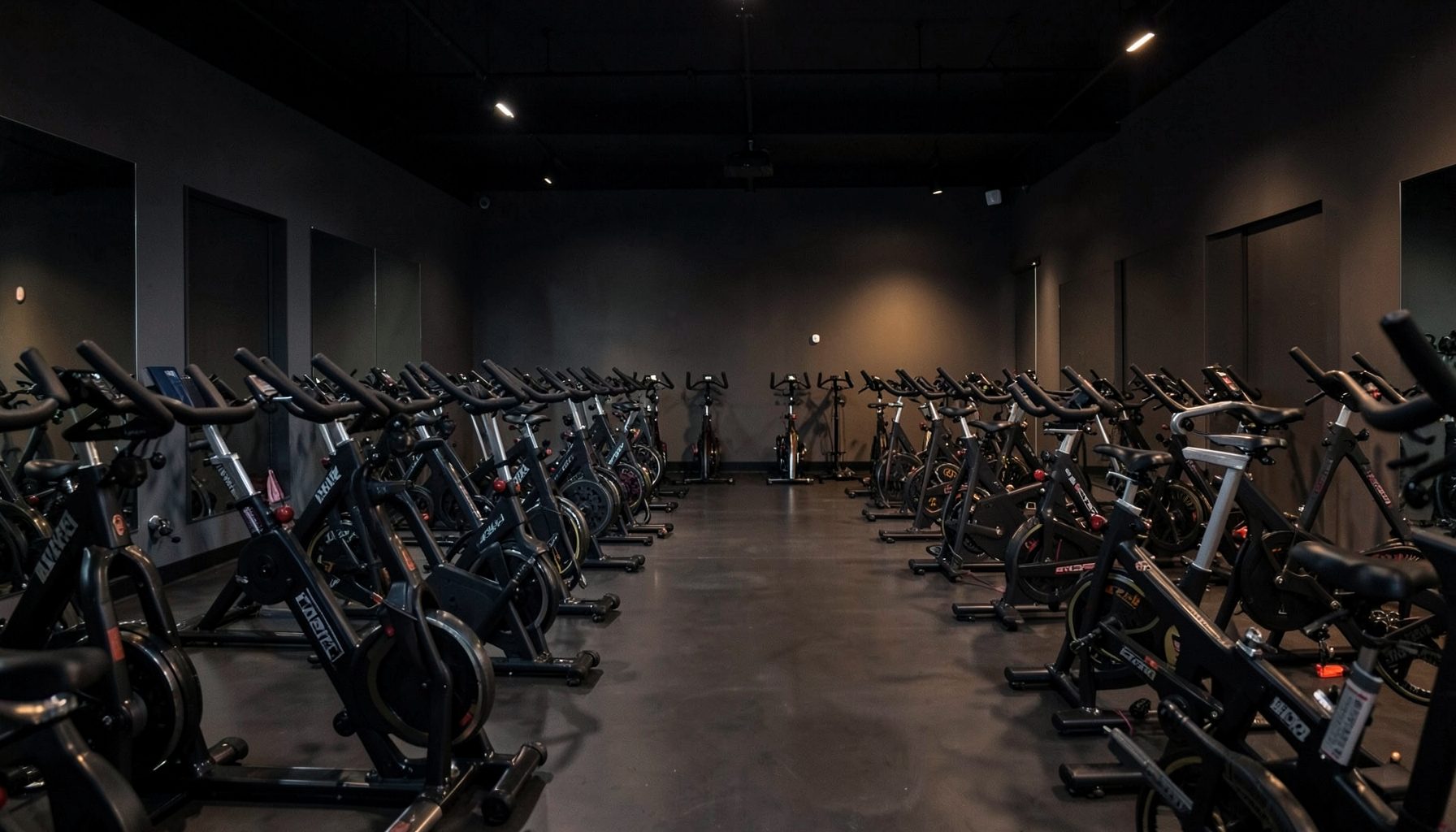
A broader cycle and spin program can also be adjusted around recovery needs. Low-impact conditioning may support cardiovascular fitness during a lighter phase, but spin classes still create training stress. Athletes should manage intensity rather than assuming every cycling session counts as rest.
Preparing For A Safe Session
Preparation helps an athlete get more from a cryotherapy appointment while reducing avoidable risks. Follow facility instructions, arrive adequately hydrated, and tell staff about relevant medical conditions, medications, circulation concerns, skin sensitivity, or previous reactions to cold. Cryotherapy may not be appropriate for everyone, so professional screening matters.
Wear clean, dry clothing and protect areas recommended by the facility. Wet fabric can increase discomfort during cold exposure, and jewelry or unsuitable materials may create problems. Athletes can review practical guidance on what to wear before arriving so the session remains focused and comfortable.
Cold therapy should feel intense but controlled, not unbearable. Follow the staff member’s instructions and leave immediately if there is severe pain, dizziness, breathing difficulty, unusual numbness, or another concerning symptom. Never use cryotherapy to mask a significant injury, unexplained swelling, or symptoms that require medical evaluation.
Building A Recovery Routine That Lasts
A sustainable routine addresses physical workload and the mental side of sport. Athletes should track energy, soreness, motivation, sleep quality, and performance trends over several weeks rather than judging recovery from a single good or bad day. Patterns can reveal when the schedule is becoming unrealistic.
Families, coaches, and teammates also have an important role. Young athletes may need adults to protect rest time and reduce unnecessary pressure. Adult competitors may need to coordinate training with work and family responsibilities. Honest communication can prevent fatigue from becoming a private burden.
Useful habits include:
- Schedule at least one genuine low-load or rest period each week.
- Prioritize consistent sleep and adequate meals before adding recovery services.
- Use cryotherapy for comfort and recovery support, not to conceal injury.
- Reduce training intensity when fatigue, irritability, or soreness persists.
- Speak with a healthcare professional when symptoms continue or worsen.
The goal is to help athletes return to training with better energy, confidence, and focus. Recovery services can be part of that process, but the foundation remains a manageable workload and enough time for the body and mind to adapt.
Take The Next Recovery Step
Cryotherapy may offer temporary soreness relief, a refreshed feeling, and a structured pause after demanding athletic work. Its value is greatest when it supports a complete plan involving sleep, fueling, hydration, mobility, appropriate conditioning, and open conversations about stress.
Athletes and families at The Factory D1 Indy can make recovery part of a larger training experience that includes basketball development, competitive leagues, cycle classes, and wellness services. Schedule a visit to explore whether cryotherapy fits your routine and take a practical step toward training with greater balance.
Inside The Factory
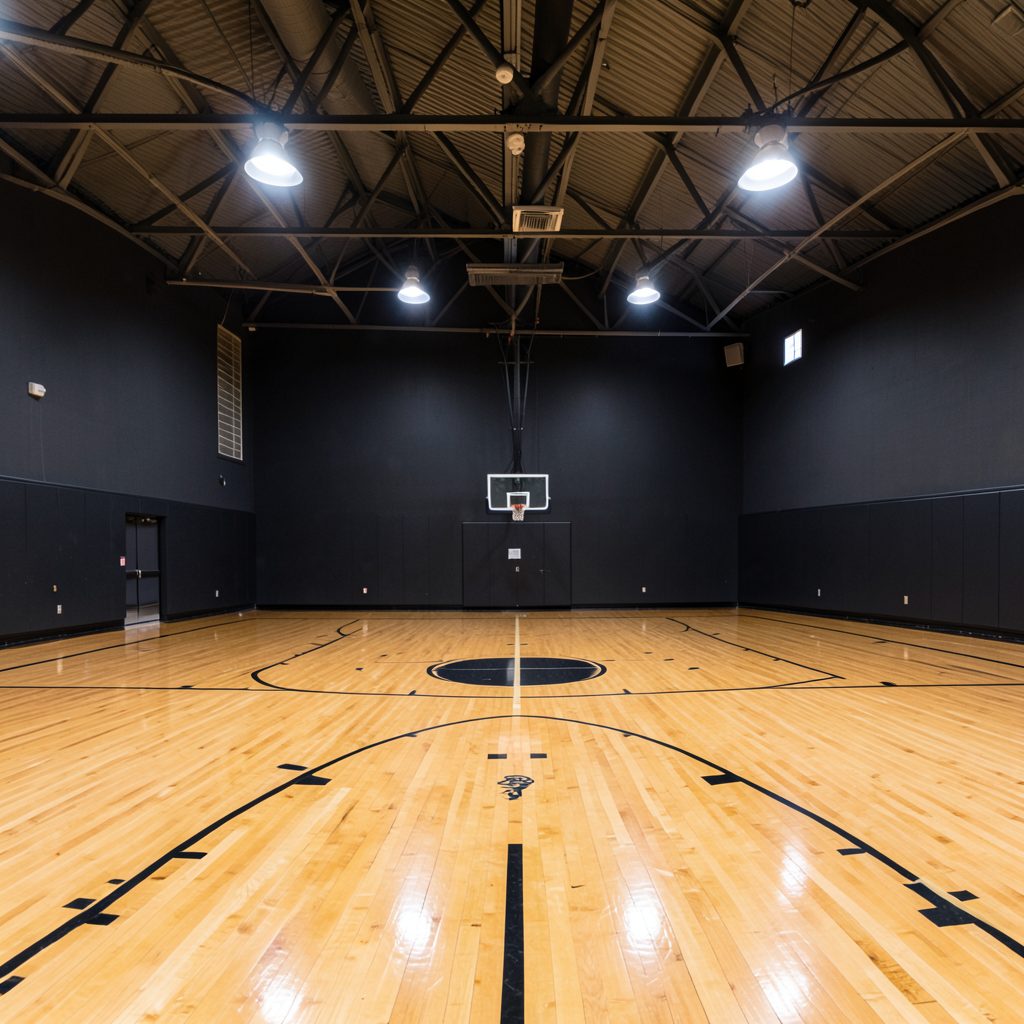

Three Entities, One Roof
Leagues
Eight league divisions span every age group: Indy Pro AM, 18+ Open Men's, 30+ Men's, Bite Size (ages 3–6), Impact League, 5th/6th Grade, Middle School, and High School. Gather your team and compete.
Training
Individual and group basketball training for all skill levels. Major M.O.V.E.S. Basketball Training serves ages 4–7 on Wednesday and Thursday evenings at 6:30 PM — $30 per session or $100 unlimited monthly.
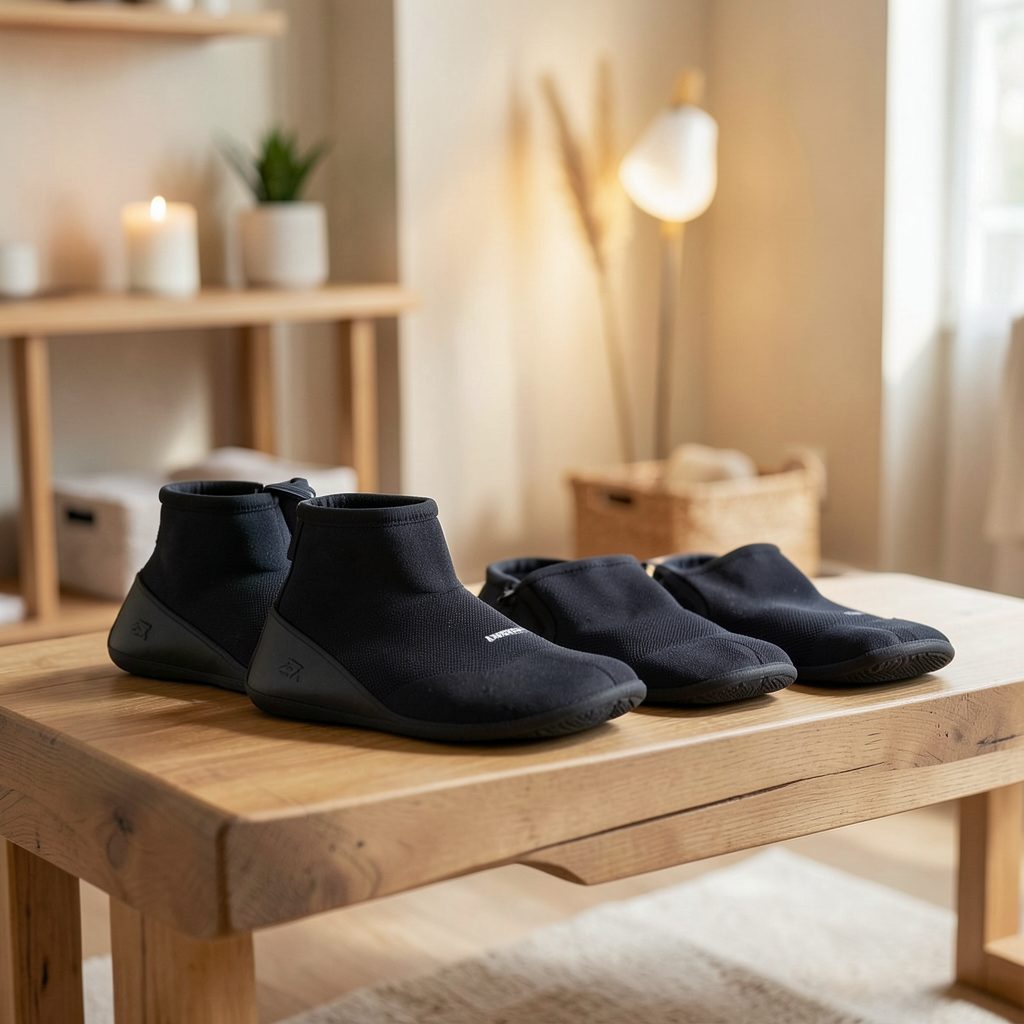
Wellness & Recovery
Normatec boot recovery and cryotherapy treatments help athletes bounce back faster. Cycle and spin classes add a cardio dimension to the holistic performance approach.
Have a Question?