Train. Compete. Recover.
A multi-purpose athletic facility in Speedway, Indiana — basketball leagues, skill training, and wellness services all under one roof.
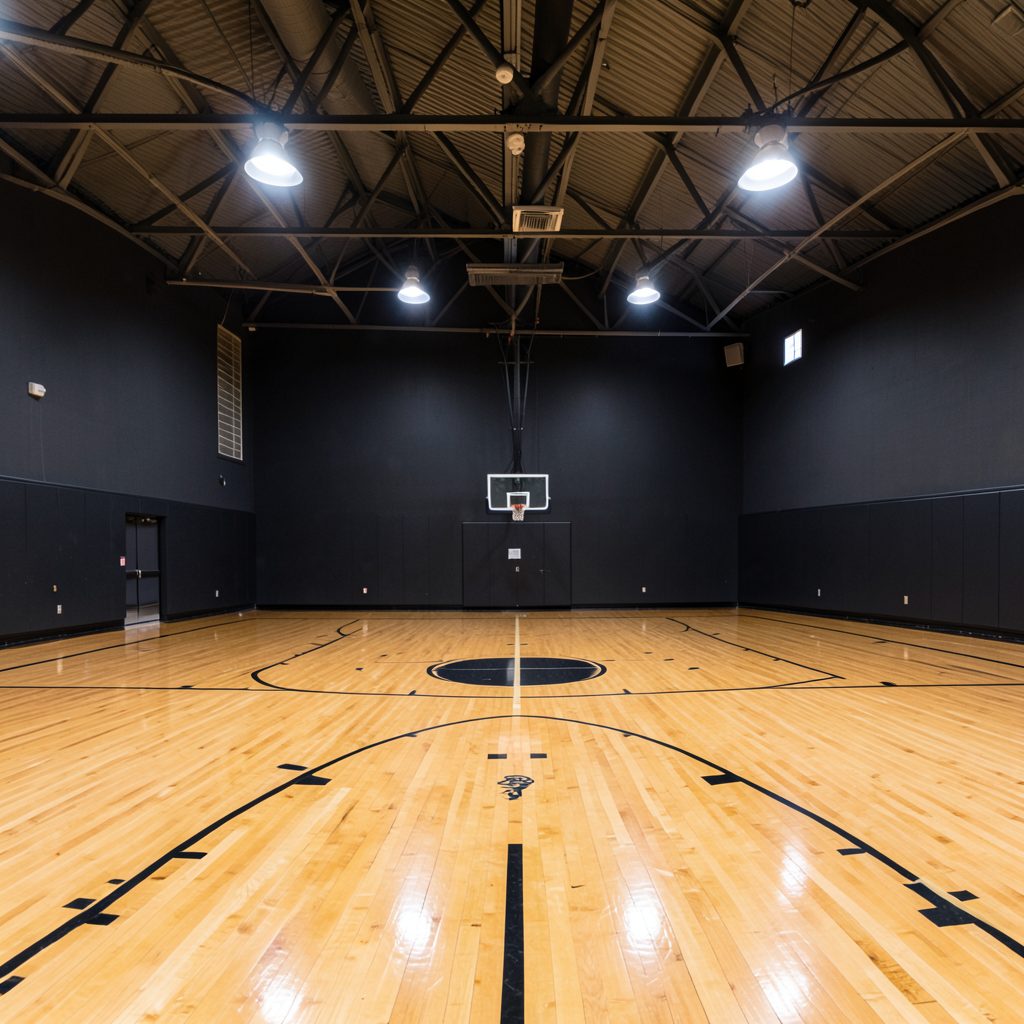
The Factory D1 Indy brings together three entities under one roof: competitive basketball leagues for all age groups, individual and group training, and wellness & recovery services including Normatec boot recovery and cryotherapy. Located off I-465 and High School Road at 6331 Crawfordsville Road, Speedway, Indiana 46224.
Get In TouchDrills That Sharpen Basketball Rebounding Positioning And Timing
Rebounding is often described as a battle for the ball, but the best rebounders win much of that battle before the shot reaches the rim. They read the shooter, locate nearby opponents, establish leverage, and move into a strong rebounding position without fouling. Timing then turns that position into a secure possession.
Young players commonly chase the flight of the ball while losing track of the player they must box out. Older athletes may understand the technique but react too late, jump from poor balance, or fail to pursue the ball after the first contact. Purposeful drills can connect awareness, footwork, physicality, and hand-eye coordination.
At The Factory D1 Indy, basketball training can be adapted for developing athletes, competitive league players, and adults who want sharper fundamentals. The following exercises work in individual sessions, small groups, or full-team practices and can be adjusted for age and experience.
Build A Reliable Rebounding Stance
A strong rebound begins with a stance that allows an athlete to move in any direction. Feet should be slightly wider than shoulder-width, knees bent, chest lifted, and weight balanced over the balls of the feet. Players should keep their hands active rather than resting them at their sides.
The first movement is usually a turn and find. As the shot goes up, the defender pivots to locate the nearest opponent, makes brief contact with the lower body or forearm, and then steps toward the basket or expected rebound area. The goal is to create space legally, not to push an opponent away.
A useful partner drill starts with one player inside the lane and another near the block. The coach calls “shot,” and the defender must turn, locate the partner, make controlled contact, and hold position for two seconds. The partner then moves toward the ball, giving the defender a realistic target without excessive contact.
Read The Shot Before It Hits The Rim
Rebounding positioning improves when players learn that different shots produce different rebound patterns. A corner three may travel farther to the opposite side. A hard drive that misses short can fall near the front of the rim. A shot with heavy backspin may stay closer to the basket than a flat, forceful attempt.
Coaches can teach this skill with a shot-read drill. Place players in rebounding spots around the lane while a coach or teammate shoots from changing locations. Before the shot, players call out where they expect the ball to go. After the miss, they pursue the rebound and explain whether the bounce matched their prediction.
Another variation uses a live passer and shooter. The rebounder must watch the shooter’s body, release angle, and distance rather than staring only at the rim. This trains early recognition and encourages players to move before the ball begins its descent.
Master The Hit-Find-Get Sequence
The phrase “hit, find, get” gives players a simple sequence to remember under pressure. “Hit” means making legal body contact to slow an opponent. “Find” means locating the ball and the opponent at the same time. “Get” means pursuing the rebound with two hands and strong balance.
To practice it, place an offensive player on the low block and a defender between that player and the basket. The coach shoots from the perimeter. The defender must make contact, pivot to track the ball, and pursue it outside the lane if necessary. The offensive player attempts to reach the ball without dislodging the defender before the catch.
The drill should reward pursuit rather than simply awarding the rebound to the player closest to the rim. Coaches can throw the ball deliberately to different zones, including the weak-side elbow and short corner. This teaches athletes that boxing out is the beginning of the play, not the finish.
Safe contact is essential during this exercise. Players should use their hips, legs, and positioning instead of extending elbows or grabbing jerseys. Reinforcing injury prevention tips helps coaches protect developing athletes while still teaching assertive play.
Train Timing With Toss And Tip Drills
Many players jump too early because they watch the shot rather than the rebound. Timing improves when athletes learn to stay grounded until the ball changes direction. A simple toss drill can isolate this skill without requiring a full game situation.
The coach stands beneath the basket and tosses the ball against the backboard from different angles. The player waits until the ball reaches its highest point, then jumps to catch it at the peak of the rebound. Begin with stationary catches and progress to movement across the lane.
For younger athletes, use foam or smaller basketballs and emphasize landing with bent knees. Advanced players can begin outside the restricted area, sprint to the rebound zone, and secure the ball through traffic. Each athlete should land on two feet, protect the ball near the chin, and make a strong outlet pass.
| Drill | Main Skill | Setup | Coaching Focus |
|---|---|---|---|
| Turn And Find | Awareness and pivoting | Defender and partner near the block | Locate the opponent before pursuing the ball |
| Hit-Find-Get | Box-out technique | One offensive player, one defender, live shot | Make legal contact and finish with two hands |
| Toss And Tip | Jump timing | Coach under the basket with varied tosses | Wait, rise at the correct moment, and land safely |
| Triangle Pursuit | Long rebounds | Three players around the arc and lane | Read the shot angle and chase outside the paint |
| Two-On-Two Glass | Decision-making | Two offensive and two defensive players | Communicate, box out, and secure the first possession |
Chase Long Rebounds With Triangle Pursuit
A common mistake is assuming every rebound belongs to the player under the rim. Perimeter shots often create long rebounds, especially when the attempt is contested or taken from behind the arc. Guards and wings must recognize when to crash and when to protect against transition.
Set three players around the perimeter and place one rebounder near each side of the lane. When the coach shoots, all players react to the ball’s angle. The nearest player establishes contact, while the others sprint toward likely landing areas. The coach can score the group on communication, pursuit, and possession security.
This drill develops a complete rebounding response rather than a narrow center-only habit. Players learn to call “shot,” identify their assignment, and close space quickly. It also creates a natural transition decision: once a teammate secures the ball, perimeter players must open passing lanes and prepare to run.
Add Pressure With Small-Sided Competition
Technique becomes dependable when players must execute it while making decisions. Two-on-two or three-on-three rebounding games provide that pressure. Start each possession with a coach’s shot, and award the defense a point only if it secures the rebound and completes an outlet pass.
Players should rotate between guard, wing, and interior positions. This prevents athletes from relying on size and encourages everyone to develop box-out habits. A smaller player may need an earlier hit and better angle, while a taller player may need to improve reaction speed and pursuit beyond the lane.
Another scoring system gives one point for a legal box out, one for the rebound, and one for the outlet. This lets coaches reward the process even when a teammate collects the ball. It also helps young players understand that effective rebounding is a team responsibility.
Progress From Technique To Game Speed
A productive rebounding session usually moves from controlled footwork to unpredictable action. Begin with stance work and partner positioning, then add live shots, changing angles, and competitive constraints. Athletes should master one behavior before adding another layer of speed or contact.
Coaches can use the following progression:
- Practice the turn, locate, and contact sequence without a shot.
- Add predictable tosses so players learn to delay their jump.
- Use perimeter shots from different locations to create varied bounces.
- Introduce offensive rebounders who can move after the release.
- Finish with small-sided games that reward rebounds and outlet decisions.
Video review can make progress easier to see. Record a few possessions and check whether players watch the ball too early, stand upright, reach instead of moving their feet, or fail to pursue a rebound outside their original area. One specific correction per sequence is usually more effective than a long list of instructions.
Make Rebounding A Daily Habit
Rebounding positioning and timing improve through repeated reading, contact, and pursuit—not through occasional reminders during games. Include a short rebounding segment in every basketball workout, even when the main focus is shooting, ball handling, or conditioning.
The Factory D1 Indy offers an environment where athletes can build these habits through skills training, youth programs, and competitive leagues. Consistent practice with different teammates exposes players to varied sizes, shot selections, and movement patterns, helping fundamentals hold up under real pressure.
A player who learns to anticipate the shot, establish position, jump at the right moment, and finish with strength can change the outcome of close possessions. Bring these drills to your next workout at The Factory D1 Indy and turn every missed shot into a chance to create a better team possession.
Inside The Factory
Three Entities, One Roof
Leagues
Eight league divisions span every age group: Indy Pro AM, 18+ Open Men's, 30+ Men's, Bite Size (ages 3–6), Impact League, 5th/6th Grade, Middle School, and High School. Gather your team and compete.
Training
Individual and group basketball training for all skill levels. Major M.O.V.E.S. Basketball Training serves ages 4–7 on Wednesday and Thursday evenings at 6:30 PM — $30 per session or $100 unlimited monthly.
Wellness & Recovery
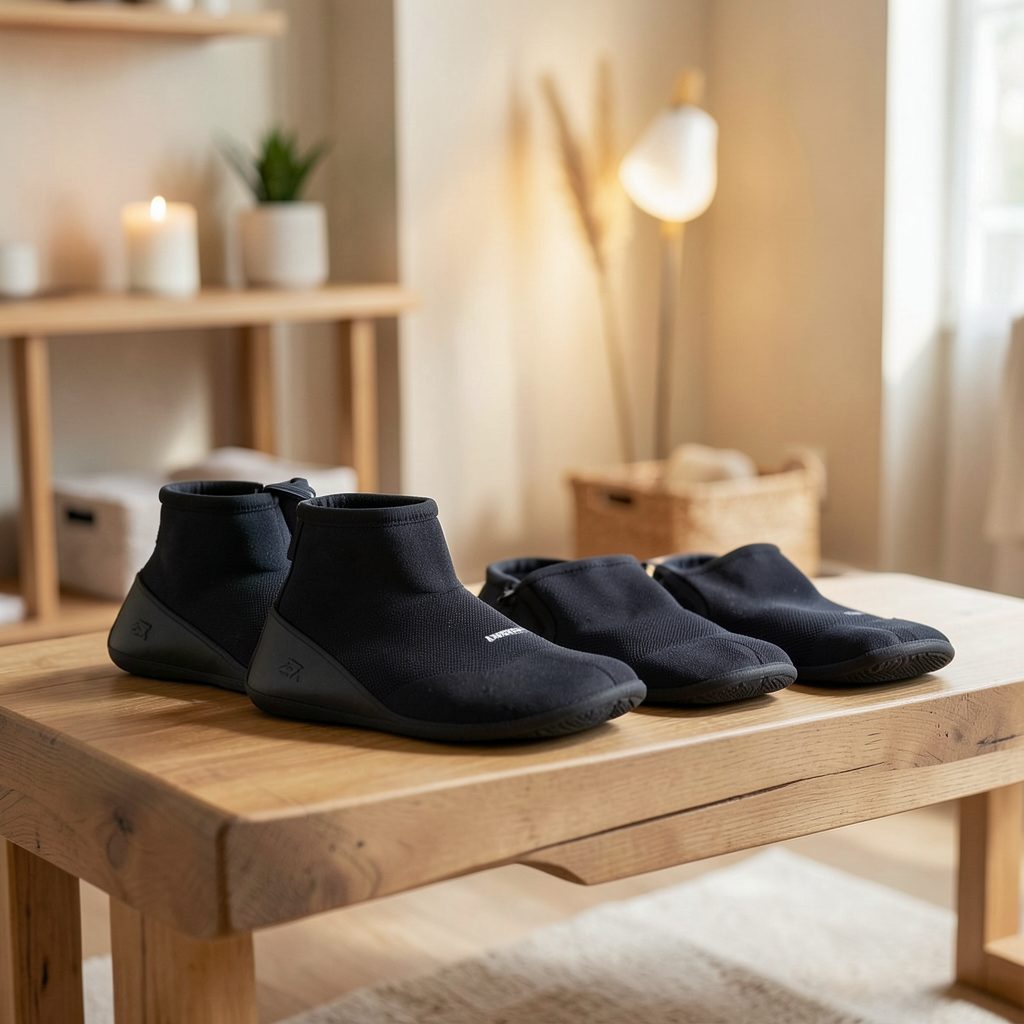
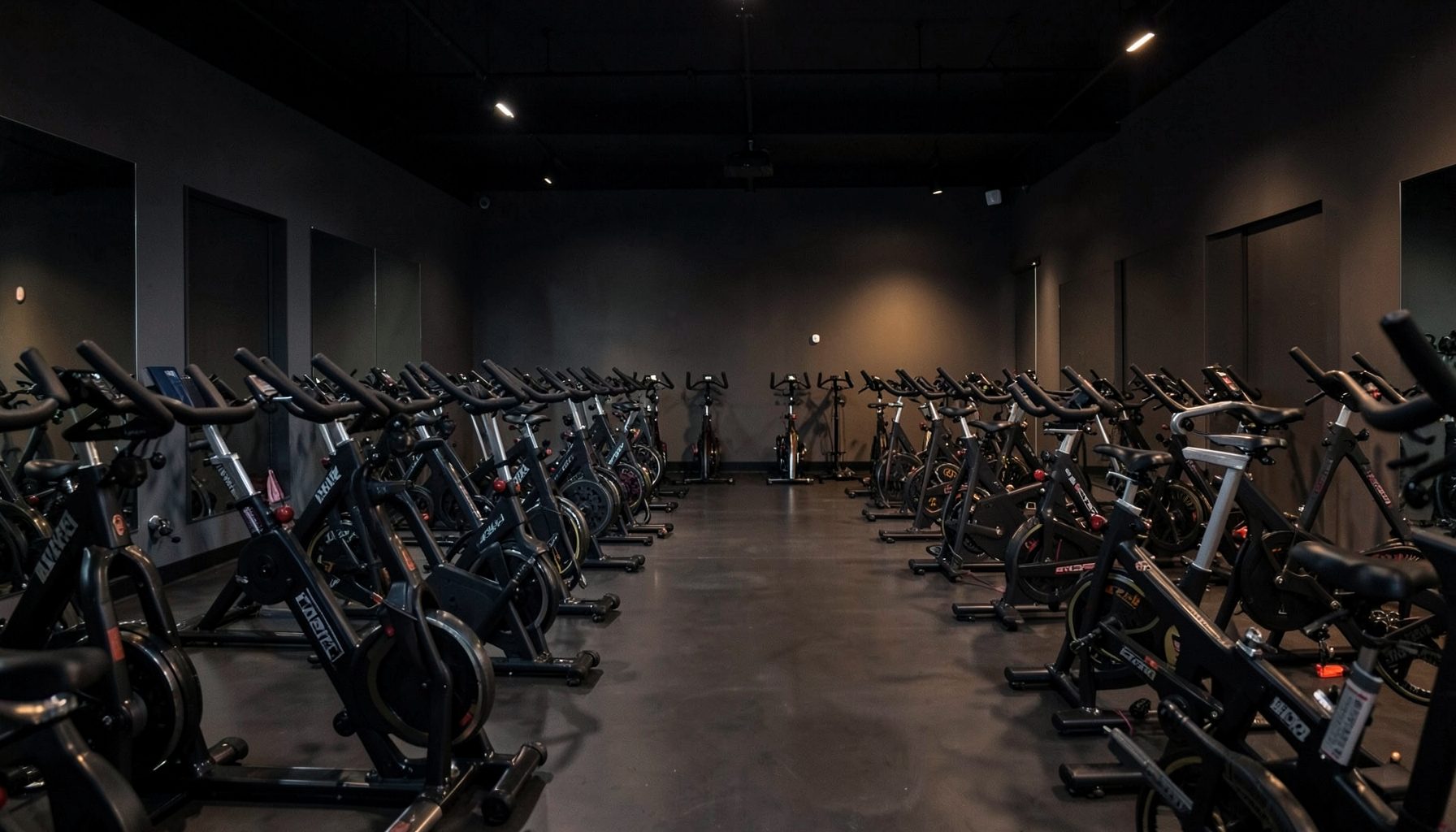
Normatec boot recovery and cryotherapy treatments help athletes bounce back faster. Cycle and spin classes add a cardio dimension to the holistic performance approach.
Have a Question?