Train. Compete. Recover.
A multi-purpose athletic facility in Speedway, Indiana — basketball leagues, skill training, and wellness services all under one roof.
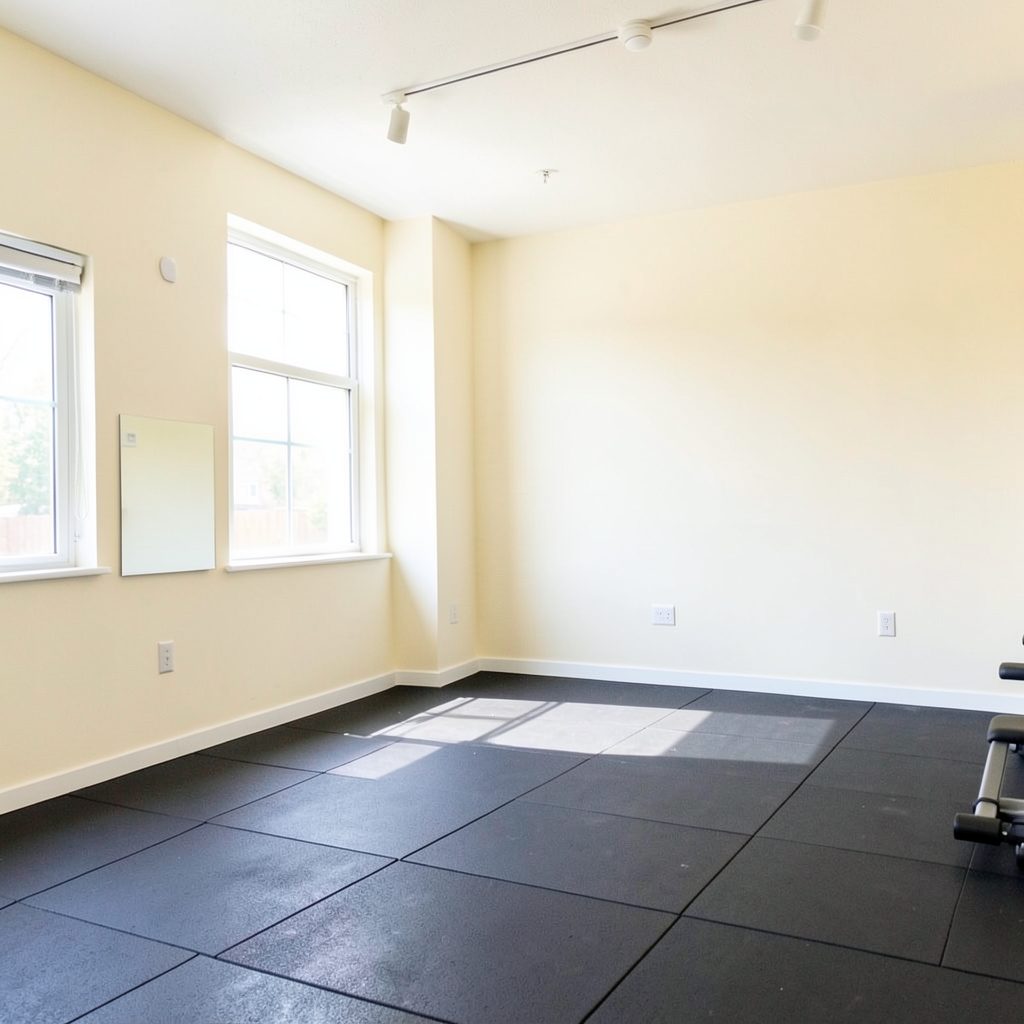
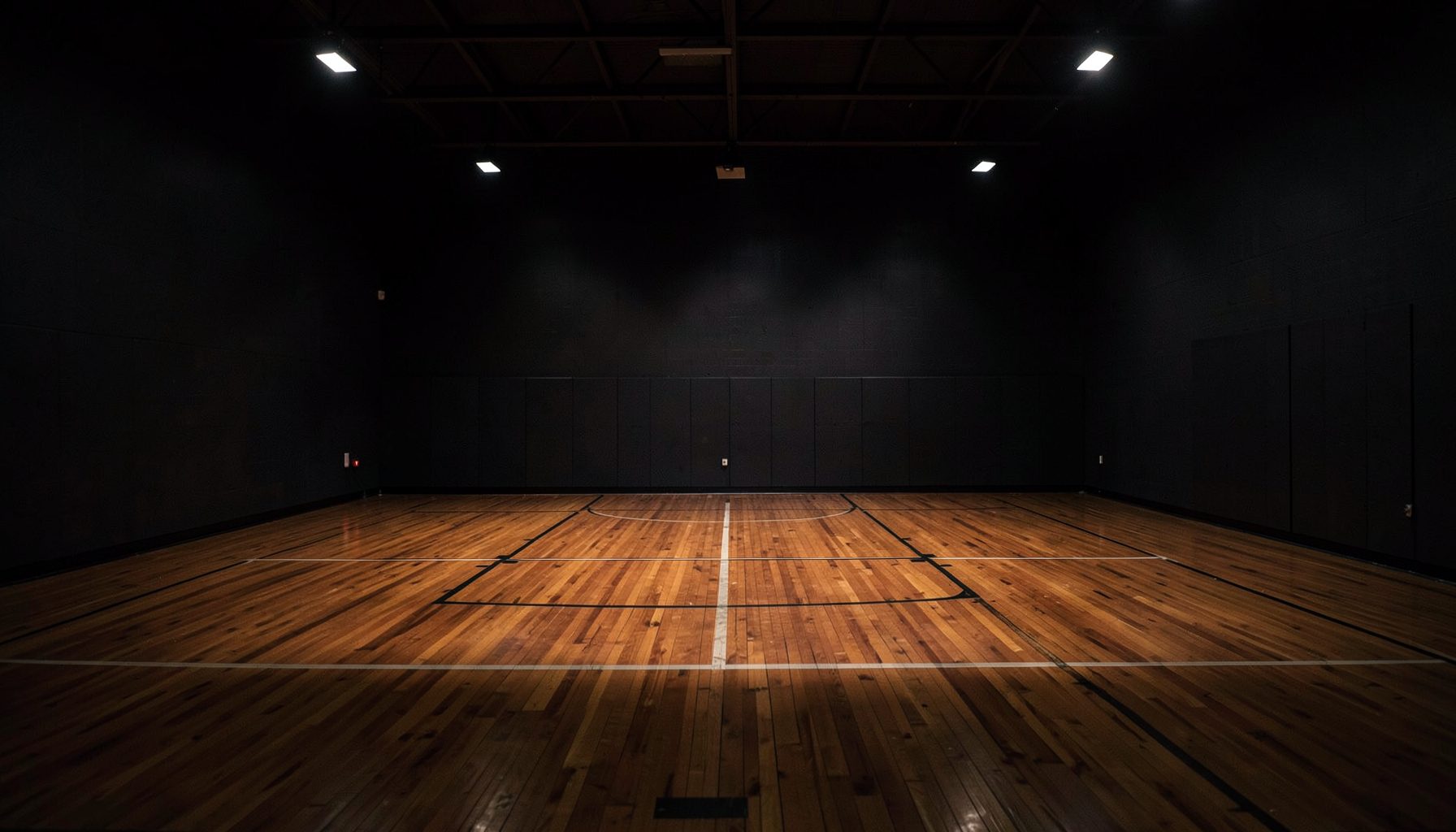
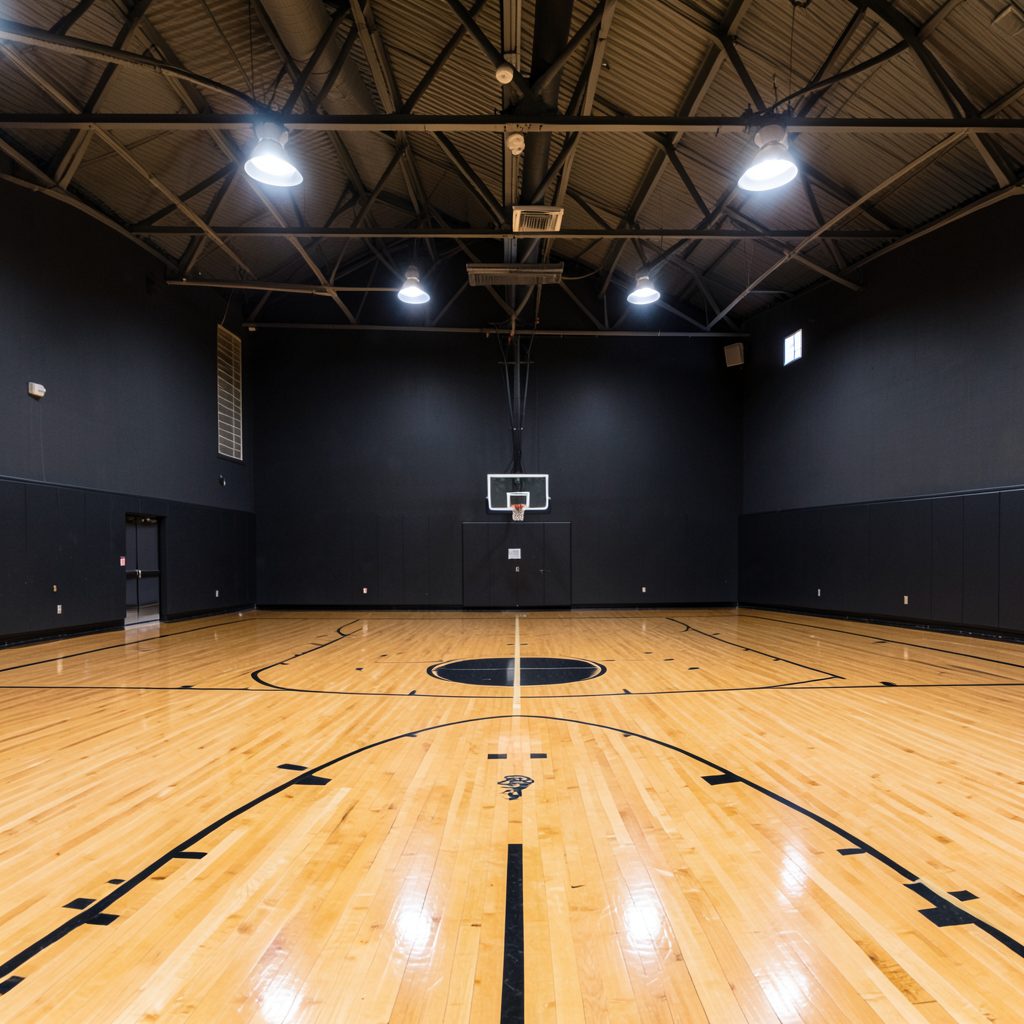
The Factory D1 Indy brings together three entities under one roof: competitive basketball leagues for all age groups, individual and group training, and wellness & recovery services including Normatec boot recovery and cryotherapy. Located off I-465 and High School Road at 6331 Crawfordsville Road, Speedway, Indiana 46224.
Get In TouchHow Cryotherapy Eases Joint Inflammation in Aging Athletes
Joints that once bounced back from a long run or a hard tackle gradually start to protest. Cartilage thins, synovial fluid loses some of its lubricating power, and the low-grade swelling that follows a heavy training session lingers longer than it used to. For masters athletes in Brisbane netball leagues, returning veterans of amateur rugby in Perth, or weekend marathoners in Melbourne, the reality of training in a body past its twenties is a familiar negotiation between ambition and recovery.
Cold therapy has circulated in locker rooms and physiotherapy clinics for decades, but whole-body cryotherapy has shifted it from a simple home ice pack into a more deliberate recovery protocol. Standing in a chamber cooled to between minus 100 and minus 140 degrees Celsius for two to four minutes is a markedly different proposition than a bag of frozen peas held against a sore knee. Athletes over fifty, in particular, are increasingly drawn to the modality because it offers a structured approach to dampening inflammation without the gastrointestinal side effects of long-term anti-inflammatory medication.
Joint inflammation is not simply pain that can be ignored. Cytokines and other inflammatory mediators accumulate around overused joints, accelerating cartilage breakdown and feeding chronic conditions such as synovitis. The Australian Institute of Sport in Canberra has long studied recovery science, and its researchers have emphasised that controlling the inflammatory cascade is one of the few levers athletes can pull to slow the wear that builds with decades of training. Cryotherapy appears to operate on exactly that lever.
Across the country, participation in masters football, veterans' cricket and over-35 running clubs continues to expand, with Sydney's coastal running paths and Adelaide's parklands hosting regular sessions for athletes who refuse to slow down simply because the calendar suggests they should. For many of these competitors, finding ways to keep joints healthy is the difference between training through the week and sitting on the sidelines.
The Science Behind Cold Exposure and Joint Tissue
When the skin is exposed to extreme cold for a short period, vasoconstriction narrows blood vessels in the extremities and reduces blood flow to superficial tissues. Once the session ends and the body begins to rewarm, vasodilation floods the same areas with fresh, oxygenated blood. This alternating cycle appears to flush out accumulated inflammatory by-products, including prostaglandins and certain cytokines that drive the swelling and stiffness many aging athletes feel the morning after hard efforts. The result is often a noticeable reduction in perceived joint soreness, particularly around the knees, hips and shoulders.
For aging athletes, the appeal of this flushing effect is partly about speed. Traditional recovery methods such as rest, stretching and massage still matter, but they operate over longer timeframes. A short cryotherapy session can compress what would otherwise be hours of careful recovery into a single appointment. There is also evidence that cold exposure reduces the activity of enzymes responsible for cartilage degradation, which is meaningful for athletes whose training volume has remained high even as their connective tissues have begun to change.
The growing enthusiasm among masters competitors has not gone unnoticed by sports medicine researchers, and facilities catering to aging athletes are documenting the shift. An overview of why cryotherapy is gaining popularity among athletes reflects a movement that mirrors what's happening in Australian sports communities, where competitors in their forties, fifties and beyond are seeking every available edge to keep training consistently.
Whole-Body Versus Local Application
Whole-body cryotherapy involves entering a cryogenic cabin that envelops nearly the entire body in cold air, while local cryotherapy targets a specific joint or limb with a focused stream of chilled gas or a fitted ice cuff. For aging athletes with generalised joint inflammation, the whole-body method tends to be preferred because systemic cold triggers a broader anti-inflammatory response affecting multiple joints simultaneously. Many Australian masters competitors choose this option after long tournament weekends when several joints feel irritated at once.
Local application, by contrast, suits athletes with a clearly identifiable problem area. A bowler in a Sydney veterans' cricket competition dealing with chronic elbow inflammation, or a forward in a Brisbane touch football league managing a worn shoulder, may find targeted cooling more useful because the dose can be concentrated and the treatment duration extended without exposing the rest of the body to extreme temperatures.
Cost is also a consideration. Whole-body sessions in Australian metropolitan studios typically run between sixty and ninety dollars per visit, while local cryotherapy can be administered at home with ice or a purchased cold wrap for a fraction of the price. For athletes on a fixed retirement income who still want the recovery edge, that price difference often determines which approach becomes a regular habit.
Hormonal and Cellular Pathways Behind the Effect
The anti-inflammatory effect of cryotherapy extends beyond simple swelling reduction. Cold exposure appears to influence the autonomic nervous system, lowering sympathetic activation in the hours that follow a session. That shift can translate into better sleep, and for older athletes whose sleep architecture has begun to fragment, deeper rest is itself a powerful recovery tool that supports tissue repair between training sessions.
At the cellular level, research suggests that repeated cold exposure moderates the behaviour of macrophages, the white blood cells responsible for clearing damaged tissue and orchestrating inflammation. By tempering macrophage activity, cryotherapy may help reduce chronic low-grade inflammation that accumulates around aging joints, particularly in athletes who continue to train at intensities their bodies no longer tolerate as gracefully as they once did.
Some studies have also explored the impact of cryotherapy on cortisol and testosterone balance, both relevant to recovery in older competitors. Modulated cortisol responses and slight upward shifts in testosterone following cold exposure may support tissue repair, though findings are still emerging. The Therapeutic Goods Administration in Australia classifies cryotherapy devices as medical equipment when used for therapeutic purposes, which means professional studios must meet specific operational and safety standards.
Comparing Recovery Methods for Inflamed Joints
| Method | Targeted Effect | Time Per Session | Best Suited For | Notable Limitations |
|---|---|---|---|---|
| Whole-body cryotherapy | Systemic inflammation reduction | 2–4 minutes | Multiple stiff areas; quick recovery reset | Higher cost per visit |
| Ice baths | Muscle and joint soreness | 10–15 minutes | Post-event fatigue and soreness | Harder tolerance for older joints |
| Compression therapy | Fluid mobilisation | 20–45 minutes | Swelling and circulation support | Requires equipment access |
| NSAIDs (oral) | Inflammation suppression | Hours of relief | Acute flare-ups | Gastrointestinal risk over time |
| Targeted physiotherapy | Structural correction | 30–60 minutes | Chronic joint dysfunction | Time and cost commitment |
Each of these approaches addresses a different layer of recovery. Cryotherapy tends to work best as a complement rather than a replacement, sitting alongside active rehabilitation, sensible training loads and adequate sleep.
Practical Considerations for Aging Australian Athletes
Before booking a session, aging athletes should consider a few practical details. Cryotherapy studios in Melbourne, Sydney and other major cities typically require a medical clearance form for clients over sixty or those with cardiovascular history. The TGA framework for therapeutic devices means equipment must be calibrated regularly, and reputable studios display their maintenance schedules openly.
Hydration matters more than many first-time users expect. The body loses moisture quickly during a cryotherapy session, and athletes who arrive dehydrated often feel lightheaded afterward. A glass of water before and after the session is the minimum, and combining cryotherapy with a compression session can compound the recovery effect without doubling the time investment. Some Australian athletes also coordinate their cryotherapy bookings with broader hybrid training networks that pair cold exposure with mobility work.
Frequency is another consideration. Most studios recommend two to three sessions per week during heavy training blocks and one session per week during lighter maintenance periods. For aging athletes, the temptation to overdo a recovery tool is real, and respecting the recommended cadence helps the body respond rather than merely endure.
When Caution Is Warranted
Cryotherapy is not appropriate for everyone. Athletes with uncontrolled hypertension, certain cardiovascular conditions, Raynaud's disease, or active respiratory infections should avoid whole-body cold exposure. Pregnant women and people with cold-related allergies also fall outside the typical safe user group. A pre-session health screening is not optional for these populations, and any reputable studio will require it.
Even healthy aging athletes can experience frostbite or skin irritation if protocols are rushed. Sessions must be supervised, dry skin must be protected, and jewellery should be removed before entering the chamber. Choosing an accredited studio with trained operators removes most of the risk, and asking to see the facility's safety documentation is a reasonable request for any athlete considering regular sessions.
For those who do qualify, the cumulative effect over weeks and months tends to matter more than any single visit. Mild joint inflammation responds gradually, and athletes who treat cryotherapy as a long-term investment rather than a one-off fix tend to report the most consistent results.
Whether you're a masters swimmer in Hobart, a veteran cyclist in the Adelaide Hills, or a weekend netballer in Perth, the question of whether cryotherapy fits your recovery plan deserves a thoughtful conversation with a qualified professional. Speak with the recovery team to discuss your specific training load and joint history, and build a strategy that supports the sport you love for years to come.
Inside The Factory

Three Entities, One Roof
Leagues
Eight league divisions span every age group: Indy Pro AM, 18+ Open Men's, 30+ Men's, Bite Size (ages 3–6), Impact League, 5th/6th Grade, Middle School, and High School. Gather your team and compete.
Training
Individual and group basketball training for all skill levels. Major M.O.V.E.S. Basketball Training serves ages 4–7 on Wednesday and Thursday evenings at 6:30 PM — $30 per session or $100 unlimited monthly.
Wellness & Recovery
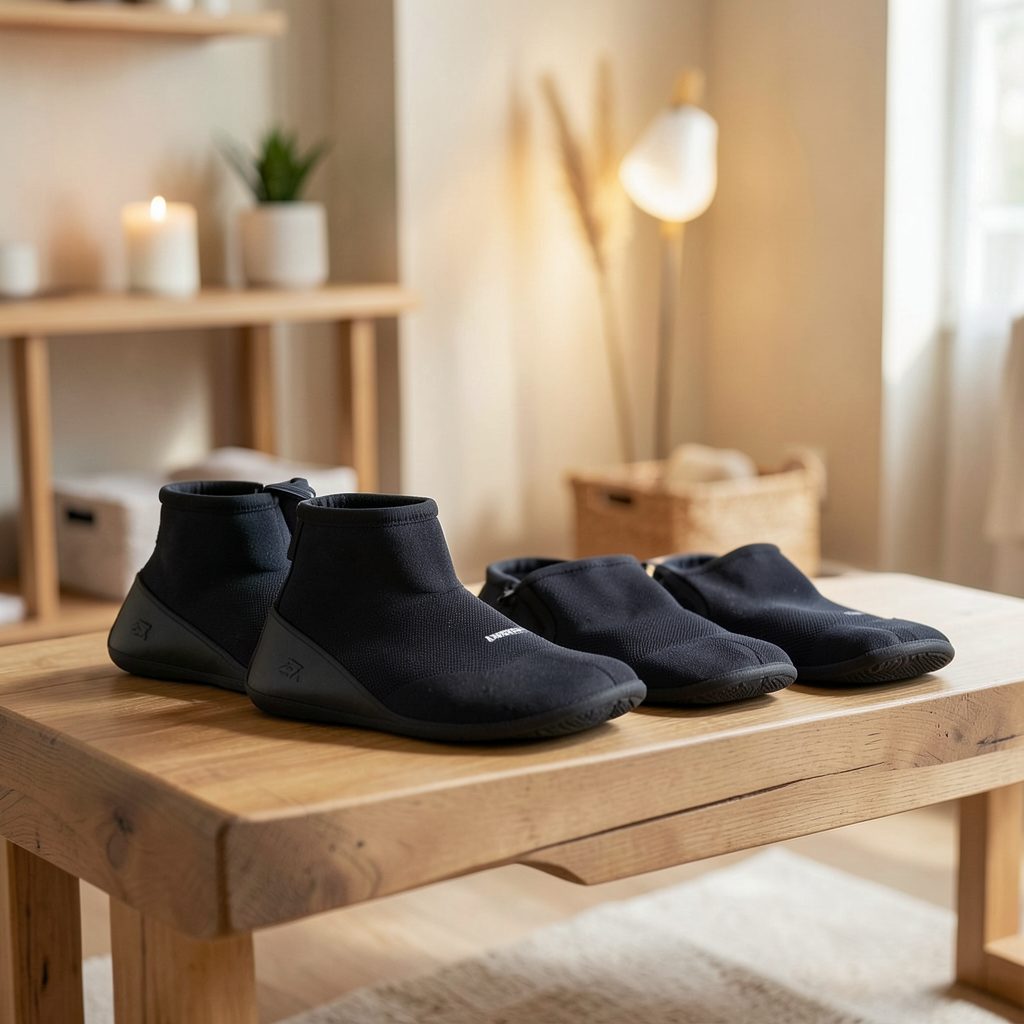
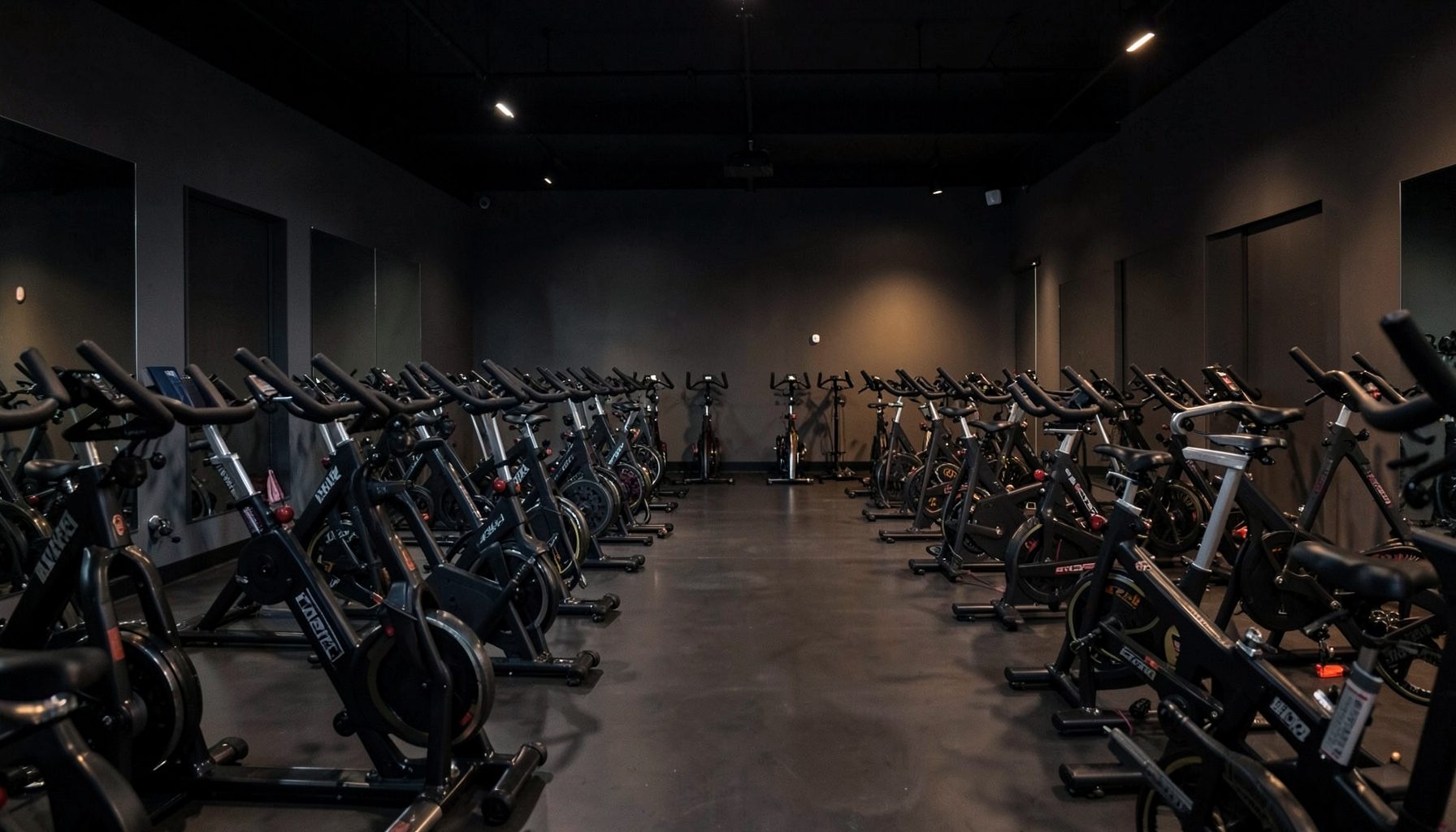
Normatec boot recovery and cryotherapy treatments help athletes bounce back faster. Cycle and spin classes add a cardio dimension to the holistic performance approach.
Have a Question?