Train. Compete. Recover.
A multi-purpose athletic facility in Speedway, Indiana — basketball leagues, skill training, and wellness services all under one roof.
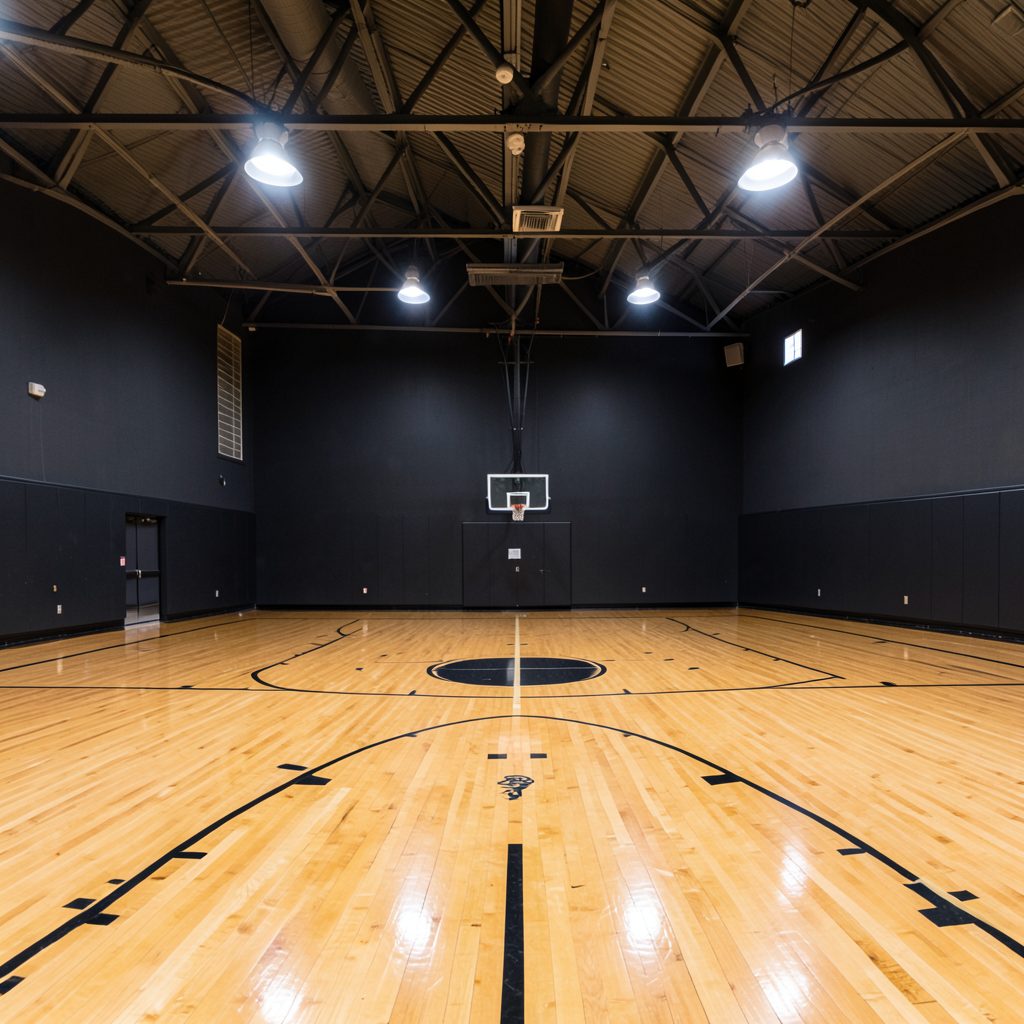
The Factory D1 Indy brings together three entities under one roof: competitive basketball leagues for all age groups, individual and group training, and wellness & recovery services including Normatec boot recovery and cryotherapy. Located off I-465 and High School Road at 6331 Crawfordsville Road, Speedway, Indiana 46224.
Get In TouchHow Cycle Classes Strengthen Mental Toughness In Athletes
Athletic performance depends on more than speed, strength, and technical ability. When competition becomes physically demanding, athletes must stay focused through fatigue, control their reactions, and continue making useful decisions under pressure. These mental skills can be trained just like shooting, footwork, or conditioning.
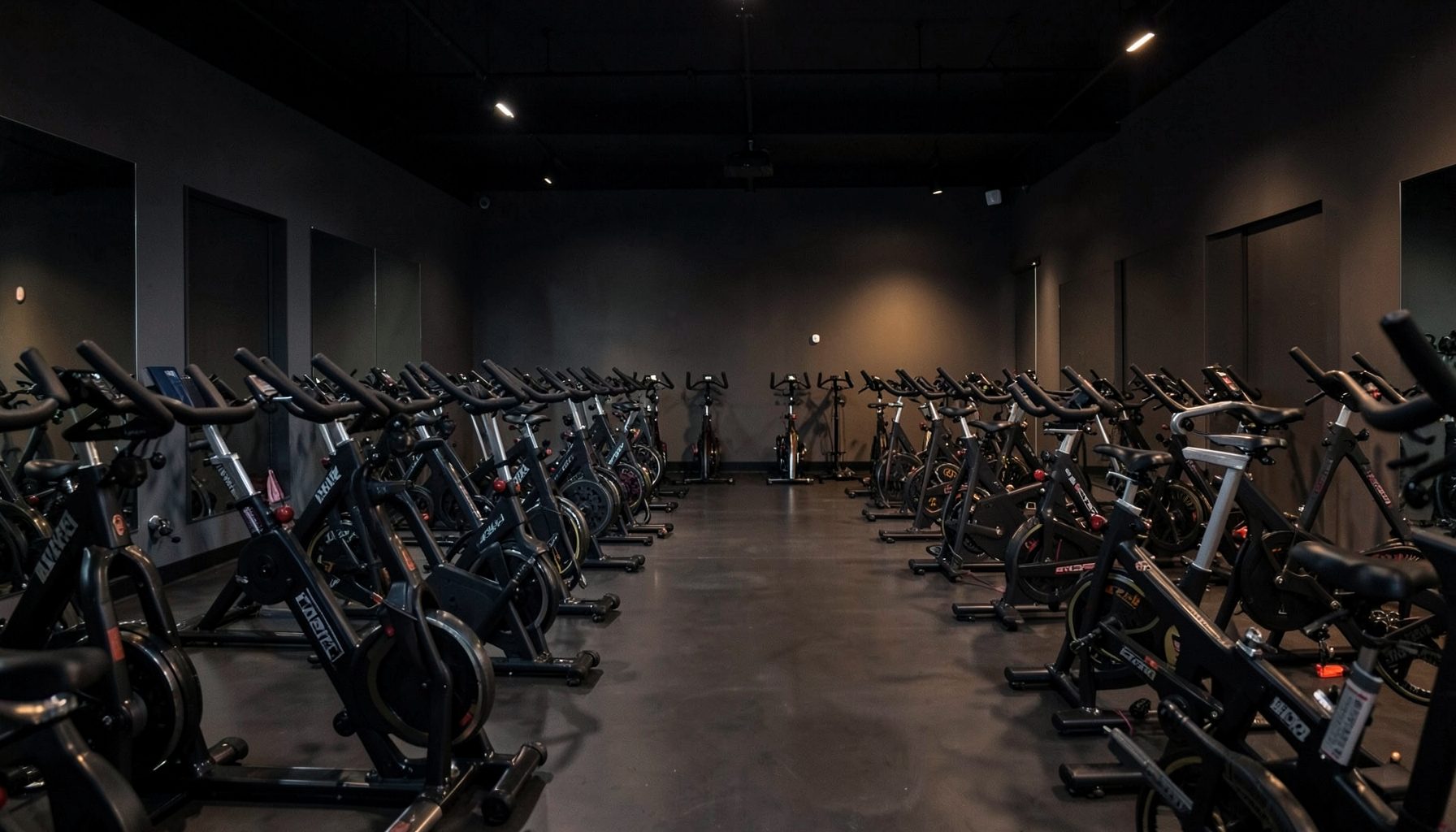
Cycle classes create a controlled environment for that kind of development. Riders work through resistance, cadence changes, timed intervals, and sustained effort while responding to coaching and music. The result is a demanding workout that gives athletes frequent opportunities to practice discipline, composure, and persistence.
For basketball players, soccer players, runners, and athletes in other sports, indoor cycling can complement sport-specific training. It builds cardiovascular capacity while teaching the mind to handle discomfort without allowing discomfort to dictate every decision.
Why Endurance Work Builds Grit
Mental toughness is often described as the ability to remain committed when conditions become uncomfortable. A cycle class offers repeated, manageable experiences of discomfort. The legs become tired, breathing grows heavier, and resistance begins to feel challenging, yet the athlete still has a clear task: maintain form, follow the interval, or reach the next recovery period.
This process helps athletes separate physical sensation from emotional reaction. Feeling tired does not automatically mean stopping is necessary. With proper coaching and pacing, participants learn to assess the effort, adjust their breathing, and continue with purpose. That awareness can carry into late-game situations when tired legs might otherwise lead to rushed passes, poor defensive positioning, or a loss of concentration.
The group setting adds another layer of accountability. Training beside other athletes can encourage effort without turning every workout into a competition. Riders learn to stay engaged with their own pace while drawing energy from the room, a useful balance between individual responsibility and team culture.
Intervals Make Discomfort Manageable
Interval training is especially valuable for psychological development because it breaks a difficult session into clear segments. Instead of thinking about an entire hour of exertion, an athlete focuses on the current climb, sprint, or recovery period. This narrows attention and makes demanding work feel achievable.
A well-designed cycle class also teaches athletes to respond rather than react. Resistance may increase suddenly, or a coach may ask for a faster cadence when fatigue is already present. The athlete must listen, evaluate effort, and execute the next instruction. That pattern strengthens concentration and builds confidence in the ability to perform while under pressure.
The recovery portions are just as important as the hard intervals. They teach athletes to regain control of breathing and posture instead of carrying panic from one effort into the next. Learning to reset quickly is valuable during a basketball game, when a player may need to recover after a fast break, defensive scramble, or difficult possession.
From Bike Session To Competition
The mental habits developed during cycling can be made more useful when athletes connect each part of the workout to a competitive demand. A standing climb may represent a powerful drive to the basket, a fast interval may resemble a transition sprint, and a recovery period may mirror the brief pause before the next possession.
| Cycle Class Demand | Mental Skill Developed | Competitive Application |
|---|---|---|
| Sustained resistance | Patience and persistence | Staying engaged during a long defensive possession |
| Fast cadence interval | Quick focus and controlled urgency | Transitioning rapidly without losing technique |
| Recovery segment | Emotional regulation | Resetting after a mistake or intense play |
| Coach-led changes | Adaptability and listening | Responding to tactical instructions |
| Group effort | Accountability and confidence | Contributing positively within a team |
Athletes should avoid treating every session as a test of maximum effort. Mental toughness includes knowing when to push, when to settle the pace, and when technique is beginning to break down. The strongest competitors do not ignore fatigue; they manage it intelligently while preserving quality movement.
Recovery habits support that process. Athletes balancing practices, games, and cycle classes can use guidance on how to recover between games so that mental training is not undermined by accumulated fatigue. A rested athlete is better prepared to practice focus and resilience than one who is constantly operating beyond recovery capacity.
Transfer Mental Skills To Basketball
Basketball demands frequent changes in intensity. A player may jog through one moment, sprint on a fast break the next, then defend in a low stance before making a precise pass. Cycle classes help athletes become comfortable with shifting effort levels, which can improve confidence during unpredictable game sequences.
The connection becomes stronger when athletes use simple mental cues during both cycling and basketball. Phrases such as “steady hands,” “strong posture,” or “next play” direct attention toward an actionable behavior. During a challenging interval, the athlete can focus on breathing and cadence. During a game, the same approach can redirect attention from a missed shot to defensive positioning or the next assignment.
Cycling can also improve self-talk. Athletes often discover that negative predictions arrive before their physical limit. Replacing “I cannot hold this” with “I can maintain this for ten more seconds” creates a specific, realistic target. Over time, these small adjustments build a more reliable internal voice during competition.
Make Consistency Part Of Training
Mental toughness develops through repeated exposure, not a single exhausting workout. Regular cycle classes give athletes a dependable opportunity to practice concentration and effort throughout a season. Consistency also makes progress easier to recognize, which can strengthen confidence without relying on game statistics alone.
A training schedule should account for sport practices, strength work, games, sleep, and recovery. Cycle classes may be most useful during conditioning phases, lighter competition weeks, or periods when an athlete needs a low-impact cardiovascular option. The goal is to add a productive challenge rather than create unnecessary exhaustion.
The Factory D1 Indy provides a setting where athletes can combine conditioning with other performance resources. Its training and recovery services can help athletes think about preparation as a complete process, including physical work, restoration, and long-term consistency.
Practical Ways To Train The Mind
Athletes can make each cycle class more effective by entering with a specific mental objective instead of simply trying to finish tired. One session might emphasize calm breathing, while another focuses on maintaining form during the final interval. Clear targets make progress easier to evaluate.
Useful habits include:
- Choose one controllable focus, such as cadence, posture, breathing, or smooth resistance changes.
- Break demanding intervals into short checkpoints rather than watching the entire workout at once.
- Use constructive self-talk that describes the next action instead of criticizing current fatigue.
- Practice a reset routine after each hard effort: slow the breath, relax the shoulders, and refocus.
- Record how effort felt before, during, and after class to identify patterns in confidence and recovery.
These methods help athletes carry the benefits beyond the studio. A player who learns to settle breathing after a difficult interval may recover more effectively between possessions. An athlete who stays committed through the final climb may be more willing to pursue a loose ball, finish a defensive rotation, or keep working when a match becomes demanding.
Cycle classes are valuable because they make mental training visible. Every interval presents a choice: panic or regulate, quit early or stay committed, lose form or make a smart adjustment. With consistent coaching and appropriate recovery, those choices become practiced responses rather than occasional acts of willpower.
Athletes who want to develop stronger conditioning and a more resilient competitive mindset can include cycle training alongside basketball practice, strength work, and recovery sessions at The Factory D1 Indy. Book a class and turn the next challenging interval into purposeful preparation for competition.
Inside The Factory


Three Entities, One Roof
Leagues
Eight league divisions span every age group: Indy Pro AM, 18+ Open Men's, 30+ Men's, Bite Size (ages 3–6), Impact League, 5th/6th Grade, Middle School, and High School. Gather your team and compete.
Training
Individual and group basketball training for all skill levels. Major M.O.V.E.S. Basketball Training serves ages 4–7 on Wednesday and Thursday evenings at 6:30 PM — $30 per session or $100 unlimited monthly.
Wellness & Recovery
Normatec boot recovery and cryotherapy treatments help athletes bounce back faster. Cycle and spin classes add a cardio dimension to the holistic performance approach.
Have a Question?