Train. Compete. Recover.
A multi-purpose athletic facility in Speedway, Indiana — basketball leagues, skill training, and wellness services all under one roof.
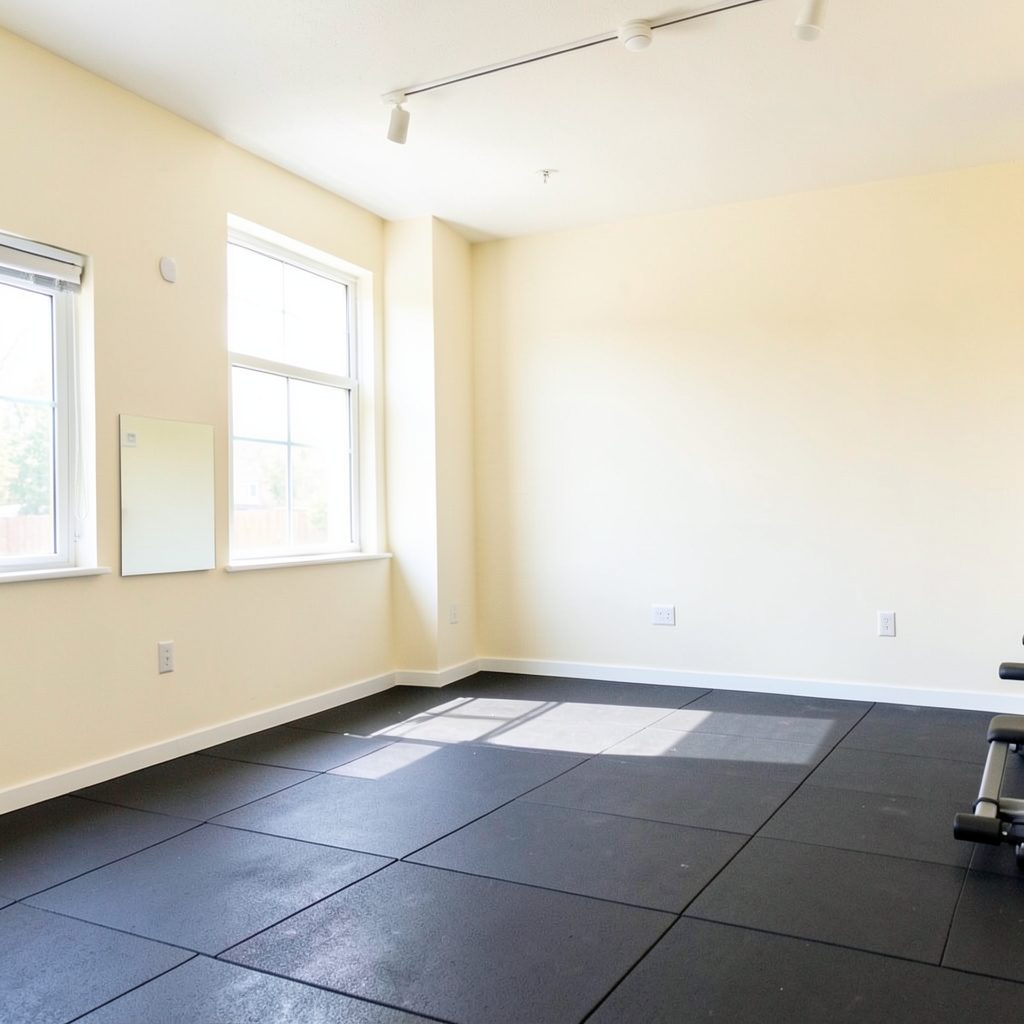
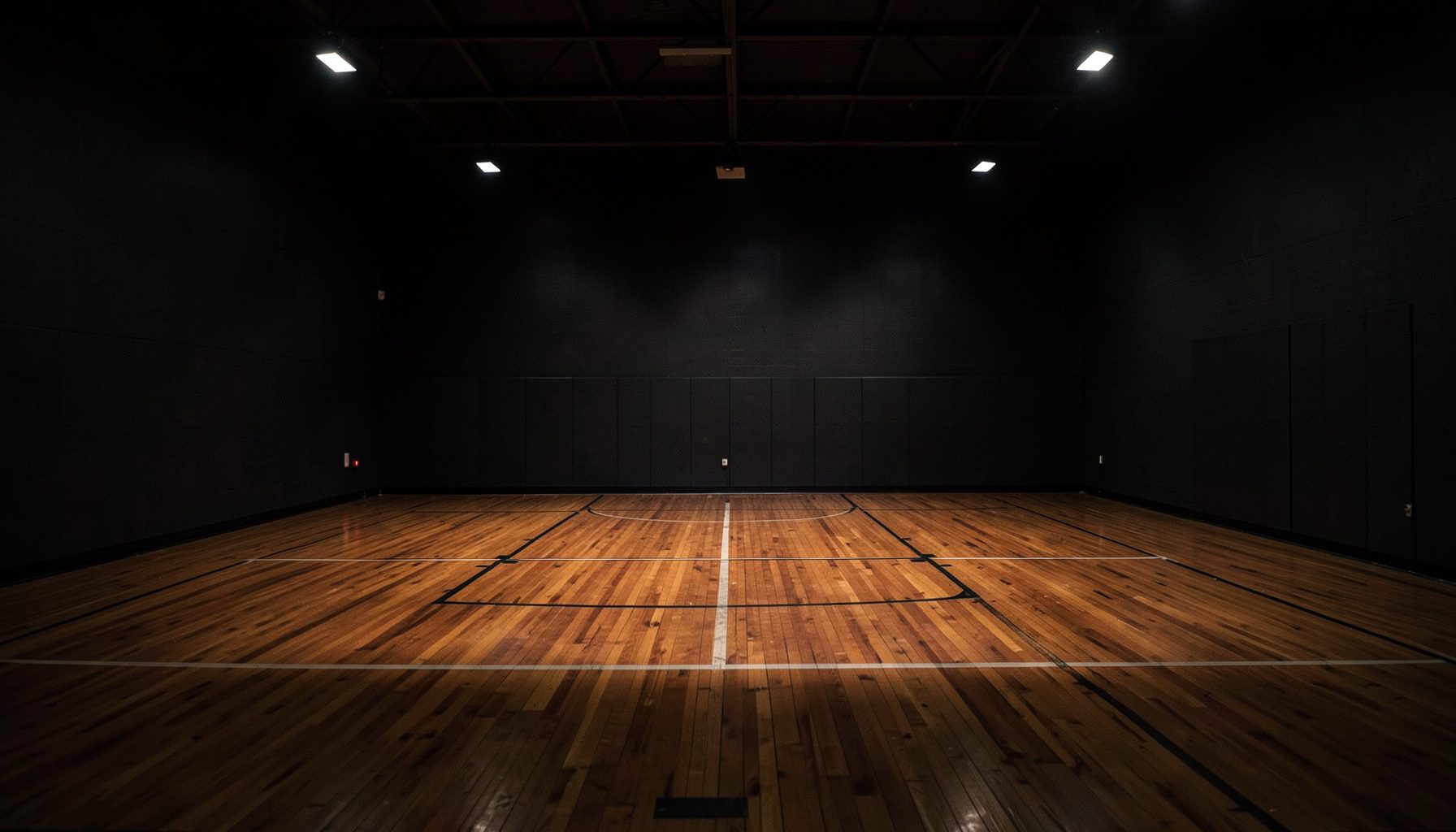
The Factory D1 Indy brings together three entities under one roof: competitive basketball leagues for all age groups, individual and group training, and wellness & recovery services including Normatec boot recovery and cryotherapy. Located off I-465 and High School Road at 6331 Crawfordsville Road, Speedway, Indiana 46224.
Get In TouchHow to Recover Quickly Between Back-to-Back Basketball Games
Back-to-back basketball games test more than shooting, defense, and conditioning. They also challenge how effectively an athlete can restore energy, reduce muscle tension, and regain focus during a short window. A few smart decisions between games can make the difference between moving well in the next matchup and feeling heavy from the opening tip.
The goal is not complete rest. Sitting still for too long can make the legs stiff, while intense stretching, heavy meals, or extra conditioning can drain the energy needed for the next game. Effective recovery combines gentle movement, deliberate hydration, useful nutrition, and a calm mental reset.
Every athlete responds differently based on age, fitness level, playing time, weather, and the time between games. Still, a consistent routine can help basketball players manage fatigue and arrive at the next contest prepared to compete.
Start the recovery clock immediately
The first few minutes after the final whistle matter. Walk slowly rather than dropping straight onto the bench, and take several deep breaths to help your heart rate come down gradually. A light cooldown allows circulation to continue while your body begins clearing some of the byproducts associated with hard exercise.
Use easy movements such as ankle circles, heel raises, relaxed walking, and gentle leg swings. These activities should feel restorative, not demanding. Avoid sprinting, jumping, or turning the cooldown into another workout.
Once breathing has settled, change out of soaked clothing if possible. Dry clothes can improve comfort and reduce the chill that sometimes follows intense activity. If the next game is outdoors or in a cold gym, keep the muscles warm with a sweatshirt or loose warm-up pants.
Replace fluids and usable energy
Sweat losses affect speed, concentration, and coordination. Begin drinking soon after the game, using small, regular sips instead of consuming a large amount at once. Water is often enough for shorter sessions, while an electrolyte drink may be useful after heavy sweating, extended play, or competition in hot conditions.
A simple way to monitor hydration is to pay attention to thirst, urine color, and changes in body weight across demanding training days. Very dark urine, headache, dizziness, unusual weakness, or nausea can signal that an athlete needs more recovery time and possibly medical attention.
Food should restore carbohydrates without creating stomach discomfort. A banana, applesauce pouch, pretzels, a small granola bar, yogurt, or a turkey sandwich can provide practical between-game fuel. Adding a moderate amount of protein supports muscle repair, but a large, high-fat meal may sit heavily during the next warm-up.
| Recovery need | Practical option | Timing and purpose |
|---|---|---|
| Fluids | Water or an electrolyte drink | Sip steadily after the game |
| Fast carbohydrates | Banana, fruit pouch, pretzels, or sports drink | Restore readily available energy |
| Protein | Yogurt, milk, turkey, eggs, or a protein-rich snack | Support muscle repair |
| Mobility | Walking, ankle circles, gentle leg swings | Reduce stiffness without fatigue |
| Mental reset | Quiet breathing and a short game review | Rebuild focus for the next contest |
Keep the body moving gently
When the break lasts longer than 30 minutes, gentle mobility can be more helpful than complete inactivity. Spend a few minutes walking, then use controlled movements for the calves, hips, quadriceps, hamstrings, and ankles. The range of motion should remain comfortable and relaxed.
Dynamic mobility is generally preferable to forcing long static stretches immediately after competition. Try marching in place, controlled lunges, hip rotations, or easy bodyweight squats. Stop if a movement produces sharp pain, joint instability, or a sudden increase in soreness.
A short re-warm-up before the next game is essential. Begin with light jogging, defensive slides at half speed, and controlled skips before progressing to layups and brief accelerations. The purpose is to raise body temperature and restore coordination, not to prove fitness before the game begins.
Use recovery tools with a clear purpose
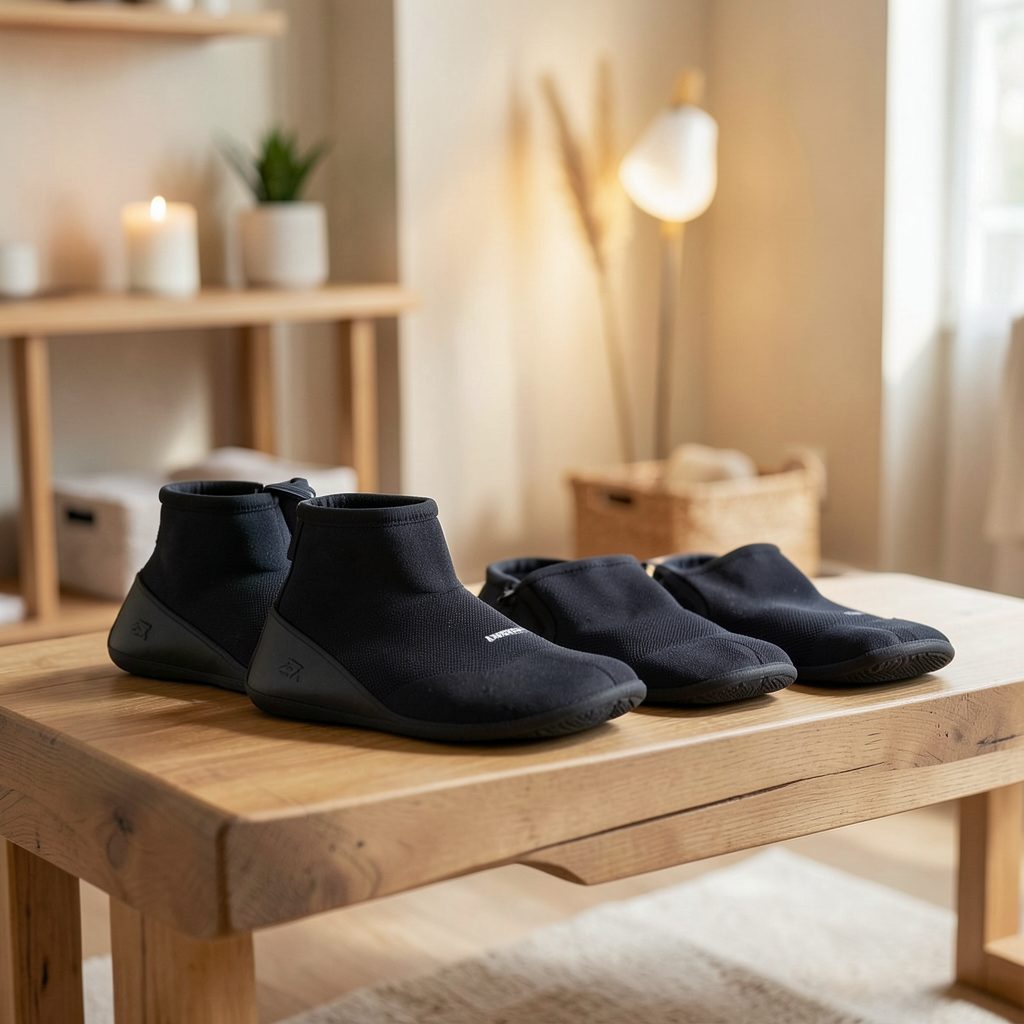
Compression garments or pneumatic systems may help athletes feel less heavy in the legs during a tournament day. Normatec compression therapy, for example, applies sequential pressure that many athletes use during a recovery period. It should complement hydration, nutrition, and rest rather than replace them.
Cold exposure and cryotherapy can also be part of a broader recovery routine, especially when an athlete feels generally overheated or unusually sore. However, athletes should follow facility guidance, respect individual tolerances, and avoid using intense cold to mask an injury that needs evaluation.
A calm environment can be just as valuable as equipment. Sit with the legs supported, loosen tight footwear, and avoid spending the entire break analyzing every mistake. Athletes who use recovery services at a sports facility should communicate discomfort, medical conditions, or unusual symptoms to trained staff before treatment.
Reset focus before the next tip
Mental fatigue often arrives alongside physical fatigue. After the game, identify one or two useful observations rather than replaying every turnover or missed shot. For example, a player might decide to sprint back earlier in transition or communicate more clearly on screens.
Use slow breathing to lower tension. Inhale through the nose for several seconds, exhale gradually, and repeat for a few cycles. This can help settle an elevated heart rate and create a clear transition from the previous game to the next one.
During the final warm-up, focus on simple performance cues: active feet, strong first steps, balanced finishes, or early communication. A short routine gives the brain something concrete to execute when tired legs and tournament pressure make concentration harder.
Build repeat-game fitness between competitions
Fast recovery during a tournament starts with preparation in the weeks before it. Basketball conditioning should include repeated efforts, change-of-direction work, and short recovery periods that resemble actual game demands. Strength training for the hips, glutes, calves, and trunk can also improve movement efficiency late in a long day.
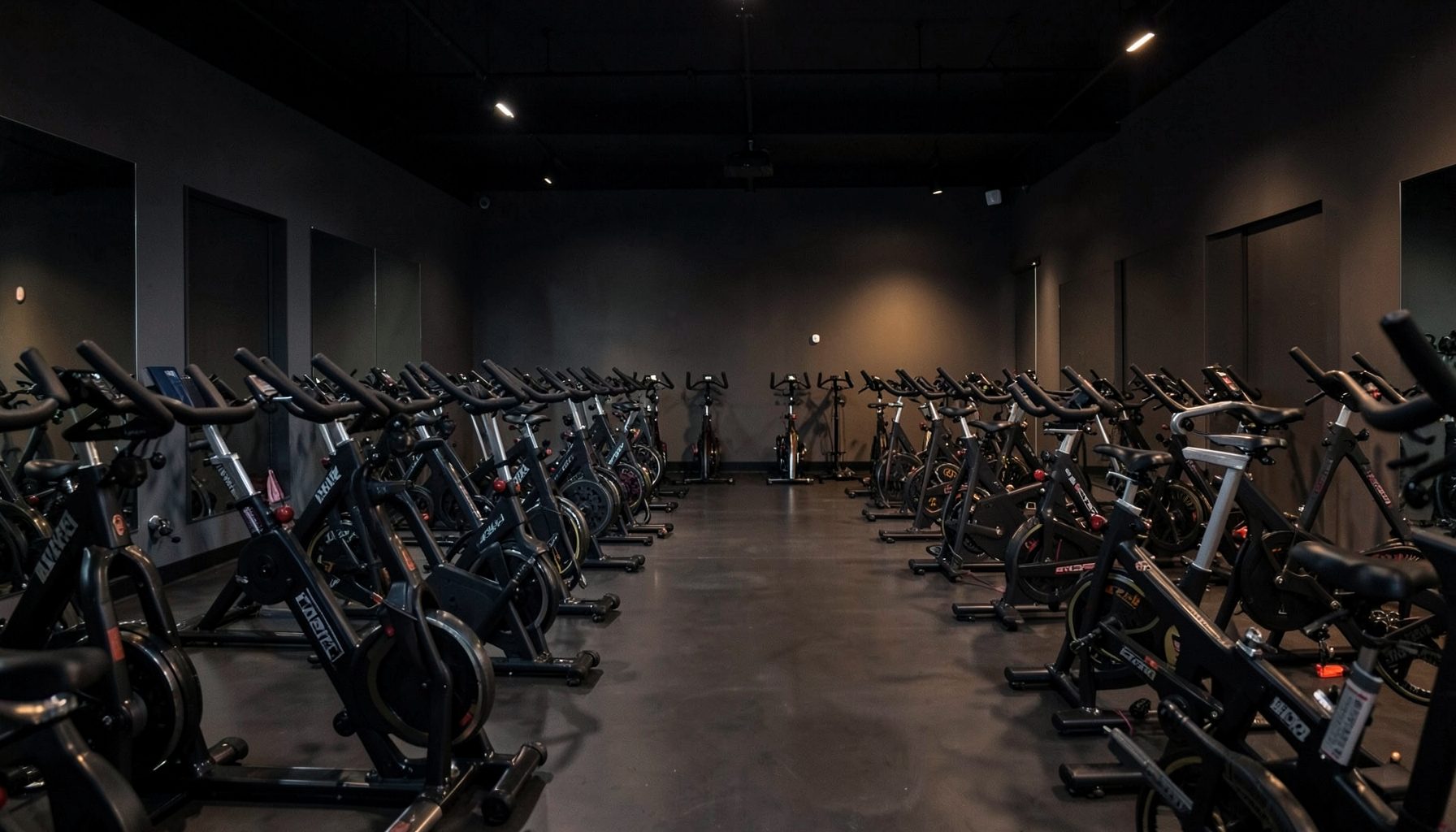
Cycling and spin sessions can support lower-body endurance with less impact than constant jumping. Athletes interested in how this type of conditioning transfers to the court can explore cycle classes for leg strength. The best program still balances conditioning with basketball practice, mobility, and sufficient rest.
Sleep remains one of the strongest recovery tools. Consistent sleep supports reaction time, mood, tissue repair, and energy regulation. During tournament weekends, athletes should protect nighttime rest, prepare food and equipment in advance, and avoid adding unnecessary late-night activity after competition.
A practical between-game routine
Use the following checklist as a flexible framework. The exact timing can change according to the length of the break, the athlete’s age, and the intensity of the previous game:
- Walk for five to ten minutes, then change into dry clothing and begin sipping fluids.
- Eat a light carbohydrate-focused snack with a moderate protein source.
- Complete gentle mobility for the ankles, calves, hips, and thighs without forcing a stretch.
- Rest in a cool, comfortable place while reviewing one useful adjustment from the previous game.
- Start a progressive warm-up before tipoff, moving from easy jogging to basketball-specific drills.
Players should report persistent dizziness, chest pain, severe shortness of breath, confusion, cramping that does not ease, or sharp localized pain to a coach, parent, athletic trainer, or medical professional. Continuing to compete through those symptoms can turn manageable fatigue into a serious problem.
The most effective tournament recovery plan is simple enough to repeat. Refuel early, drink consistently, keep the body warm and mobile, use recovery services responsibly, and approach the next game with a fresh performance cue. Athletes at The Factory D1 Indy can combine basketball training, competitive play, conditioning, and recovery resources in one community-focused setting. Build a routine before the next tournament and put it into practice between games.
Inside The Factory

Three Entities, One Roof
Leagues
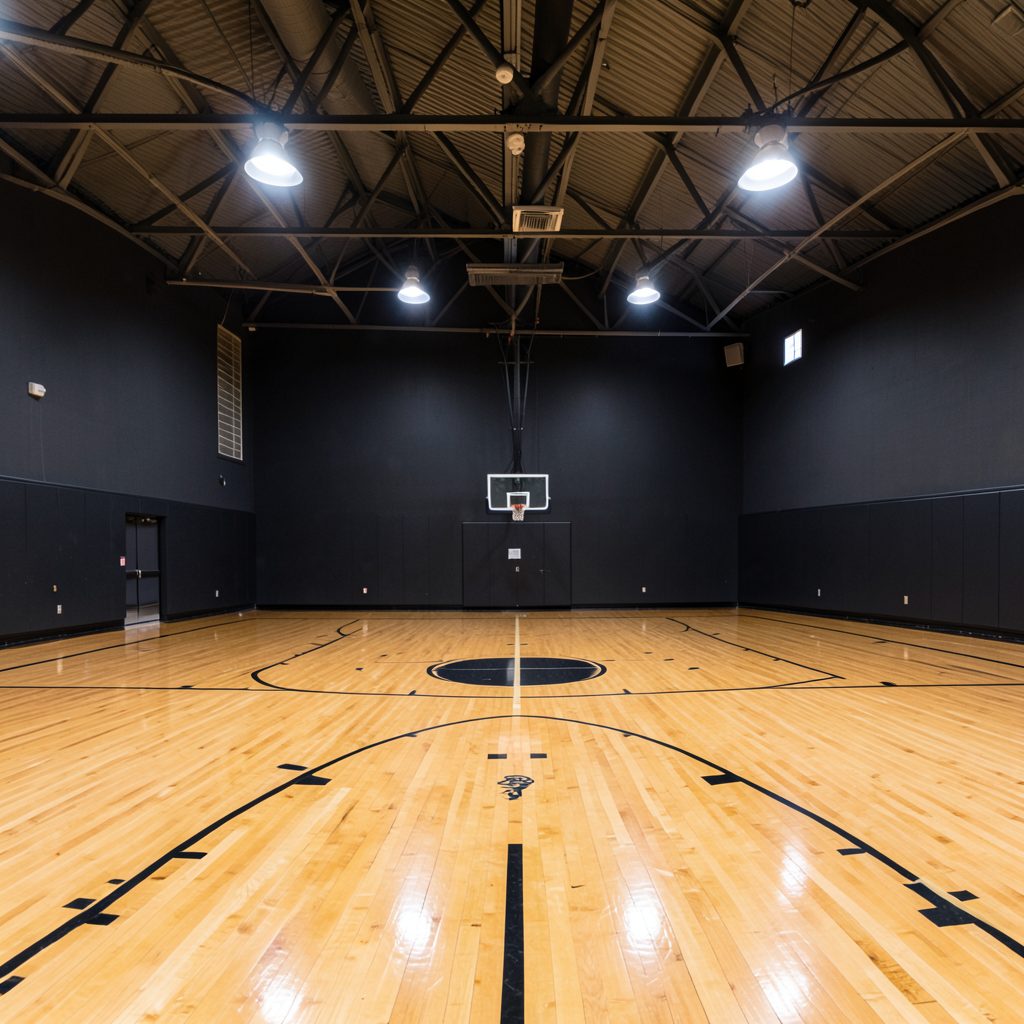
Eight league divisions span every age group: Indy Pro AM, 18+ Open Men's, 30+ Men's, Bite Size (ages 3–6), Impact League, 5th/6th Grade, Middle School, and High School. Gather your team and compete.
Training
Individual and group basketball training for all skill levels. Major M.O.V.E.S. Basketball Training serves ages 4–7 on Wednesday and Thursday evenings at 6:30 PM — $30 per session or $100 unlimited monthly.
Wellness & Recovery
Normatec boot recovery and cryotherapy treatments help athletes bounce back faster. Cycle and spin classes add a cardio dimension to the holistic performance approach.
Have a Question?