Train. Compete. Recover.
A multi-purpose athletic facility in Speedway, Indiana — basketball leagues, skill training, and wellness services all under one roof.
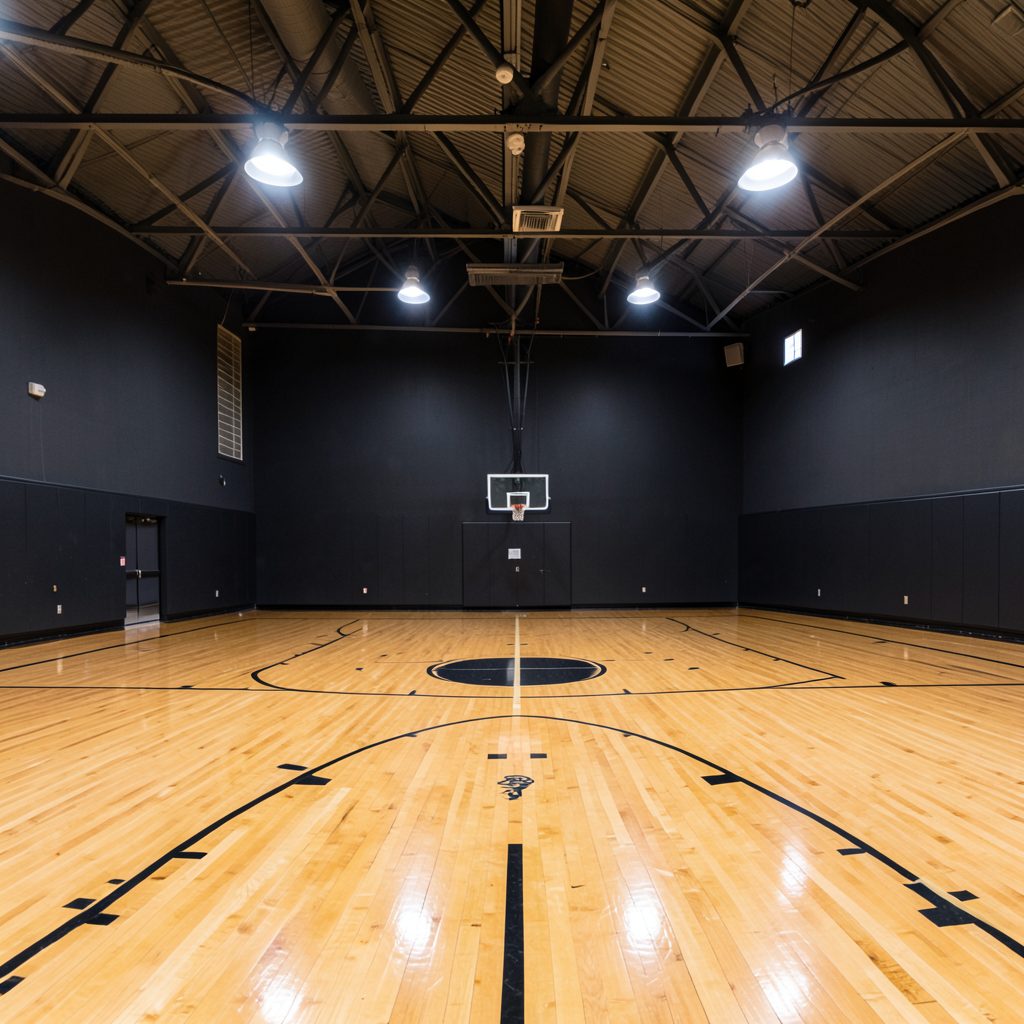
The Factory D1 Indy brings together three entities under one roof: competitive basketball leagues for all age groups, individual and group training, and wellness & recovery services including Normatec boot recovery and cryotherapy. Located off I-465 and High School Road at 6331 Crawfordsville Road, Speedway, Indiana 46224.
Get In TouchHow early-childhood basketball leagues build motor skills
Early-childhood basketball leagues offer much more than a first experience with organized competition. For young children, practices and games create a playful setting where they can run, stop, balance, reach, jump, throw, and respond to changing situations. These repeated movements gradually improve coordination while building confidence in an active environment.
At this age, the goal is not perfect shooting form or advanced tactics. Children are learning how their bodies move through space and how to control those movements while paying attention to teammates, coaches, boundaries, and a ball. A well-designed youth basketball program makes those lessons enjoyable and age appropriate.
The Factory D1 Indy in Speedway, Indiana, supports this type of development through youth basketball programs, skills training, leagues, and a broader athletic community. Early participation can establish movement habits that benefit basketball, other sports, and everyday physical activity.
Why movement comes first
Motor skills are commonly divided into gross motor and fine motor abilities. Gross motor skills use large muscle groups for actions such as running, jumping, balancing, and changing direction. Fine motor skills involve smaller, more precise movements, including fingertip control and hand-eye coordination. Basketball gives children opportunities to practice both categories during nearly every session.
A child may begin by chasing the ball or moving unpredictably toward the basket. With regular practice, that child starts to bend the knees before jumping, slow down before turning, and use both hands with greater control. These small adjustments show developing body awareness, balance, timing, and spatial orientation.
Young athletes also learn through repetition without needing a formal lecture about biomechanics. A coach can create a relay, dribbling game, or passing challenge that encourages children to repeat a movement naturally. The activity remains engaging while the nervous system gradually becomes more efficient at coordinating the required actions.
Skills children practice through play
Running and stopping are essential foundations of early basketball. Children accelerate toward a target, decelerate near a line, and learn to keep their balance after a sudden change in speed. These actions improve locomotor skills and help children understand how much force to use in different situations.
Jumping and landing are equally important. Simple activities such as reaching for a high target, hopping over a line, or jumping to grab a rebound introduce leg strength and body control. Coaches can emphasize soft landings, bent knees, and stable feet, helping children develop safe movement patterns without making the lesson overly technical.
Ball handling adds another layer of coordination. Dribbling requires a child to control force, track the ball visually, and use the hand at the right moment. Passing develops timing and directional accuracy, while catching teaches children to prepare their hands and absorb the ball rather than simply swatting at it.
The movements become more complex when children combine skills. Dribbling while moving, stopping before a pass, or catching and turning toward the hoop asks the brain to manage several tasks at once. This combination supports reaction time, bilateral coordination, rhythm, and decision-making.
How league play supports confidence
A league gives children a reason to use their emerging skills in a social setting. Instead of practicing in isolation, they move around other players, share space, follow rules, and respond to changing situations. These experiences build awareness and encourage children to adjust their speed and direction based on what is happening nearby.
Positive competition can also motivate repetition. A child may try a new movement more willingly when it is part of a game with teammates. A missed shot or misplaced pass becomes information rather than a final judgment, especially when adults reinforce effort, attention, and improvement.
Early-childhood divisions should keep the structure simple and the atmosphere supportive. Short games, modified equipment, smaller playing areas, and frequent opportunities to touch the ball help children stay engaged. When every participant receives meaningful involvement, children are more likely to develop both physical competence and a lasting interest in sports.
The social side matters as much as the physical side. Taking turns, listening to instructions, encouraging teammates, and recovering after mistakes help children develop self-regulation. Those habits support classroom behavior, group activities, and future athletic participation.
Finding an age-appropriate league
Parents should look for a program that matches a child’s developmental stage rather than focusing only on league reputation or competitive intensity. A suitable setting will use clear instructions, manageable game formats, and coaching methods that recognize the attention span and physical abilities of young players. This guide to leagues can help families evaluate the fit before registering.
The right environment should allow children to learn through play while still providing structure. Coaches need to explain rules in language children understand and demonstrate movements when possible. They should also provide encouragement that is specific, such as praising a controlled stop, a ready stance, or an unselfish pass.
| Developmental focus | Basketball activity | Motor skill supported |
|---|---|---|
| Balance | Jumping and landing games | Postural control and stability |
| Coordination | Dribbling with either hand | Hand-eye coordination and bilateral control |
| Agility | Short movement courses | Starting, stopping, and changing direction |
| Timing | Partner passing | Reaction time and force control |
| Spatial awareness | Small-sided games | Positioning and movement around others |
Families can observe whether children are active for much of the session or spend long periods waiting in lines. They can also ask about equipment size, practice length, coach-to-player ratios, and how the program handles different ability levels. These details strongly influence whether a young athlete feels capable and included.
The role of a multisport training facility
A facility with several athletic options can help children build a broad movement foundation. Basketball develops locomotor skills, object control, and reaction speed, while activities such as cycling and age-appropriate conditioning can strengthen endurance and body awareness. Variety can reduce repetition fatigue and give children different ways to enjoy exercise.
At The Factory D1 Indy, basketball training and youth leagues are part of a larger sports and fitness environment. Older athletes may use skills sessions, competitive leagues, cycle classes, or recovery services, while younger participants can focus on fundamental movement and positive experiences. This creates a community setting where families can remain connected to athletics as children grow.
Recovery services such as Normatec compression therapy and cryotherapy are generally more relevant to older athletes and should be used according to appropriate professional guidance. For young children, adequate hydration, rest, balanced nutrition, and attentive supervision are the primary foundations of recovery. The larger lesson is that athletic development includes preparation and care, not just game performance.
A consistent facility also gives children familiar spaces and routines. Arriving for practice, greeting coaches, warming up, learning a skill, and participating in a game can help young athletes feel secure. That consistency supports focus and makes it easier for children to take healthy risks, such as trying a new pass or moving into open space.
Practical ways families can reinforce development
Parents do not need a private court or elaborate equipment to support motor skill growth. A driveway, hallway, playground, or open patch of grass can provide space for simple activities. The emphasis should remain on movement quality, enjoyment, and regular participation rather than lengthy workouts.
Families can use everyday play to reinforce what children experience in a league:
- Play catch with different-sized soft balls to develop tracking and hand control.
- Create safe start-and-stop games that practice balance and body control.
- Encourage children to dribble with both hands for short, relaxed periods.
- Visit a playground for climbing, jumping, hanging, and changing direction.
- Praise effort, listening, teamwork, and persistence instead of focusing only on baskets.
Short sessions are often more effective than demanding practices. Five to fifteen minutes of playful movement can give a child valuable repetitions without creating frustration. Adults should demonstrate, offer one simple cue at a time, and allow children to experiment.
It is also helpful to let children experience different activities. Swimming, dance, gymnastics, running games, and cycling can all contribute to coordination and physical literacy. Basketball leagues are one valuable setting within a larger development process, and children benefit when sport remains enjoyable rather than feeling like an obligation.
Early-childhood basketball can shape how children move, cooperate, and feel about physical activity. When leagues prioritize age-appropriate play, frequent participation, and supportive coaching, children gain more than basic basketball techniques. They develop balance, agility, coordination, spatial awareness, confidence, and the willingness to keep learning.
Families in Speedway and the surrounding Indianapolis area can explore youth programs at The Factory D1 Indy to give young athletes a welcoming place to practice these foundations. Enroll in an age-appropriate program and let each practice become another positive step toward stronger movement skills and lifelong athletic enjoyment.
Inside The Factory
Three Entities, One Roof
Leagues
Eight league divisions span every age group: Indy Pro AM, 18+ Open Men's, 30+ Men's, Bite Size (ages 3–6), Impact League, 5th/6th Grade, Middle School, and High School. Gather your team and compete.
Training
Individual and group basketball training for all skill levels. Major M.O.V.E.S. Basketball Training serves ages 4–7 on Wednesday and Thursday evenings at 6:30 PM — $30 per session or $100 unlimited monthly.
Wellness & Recovery
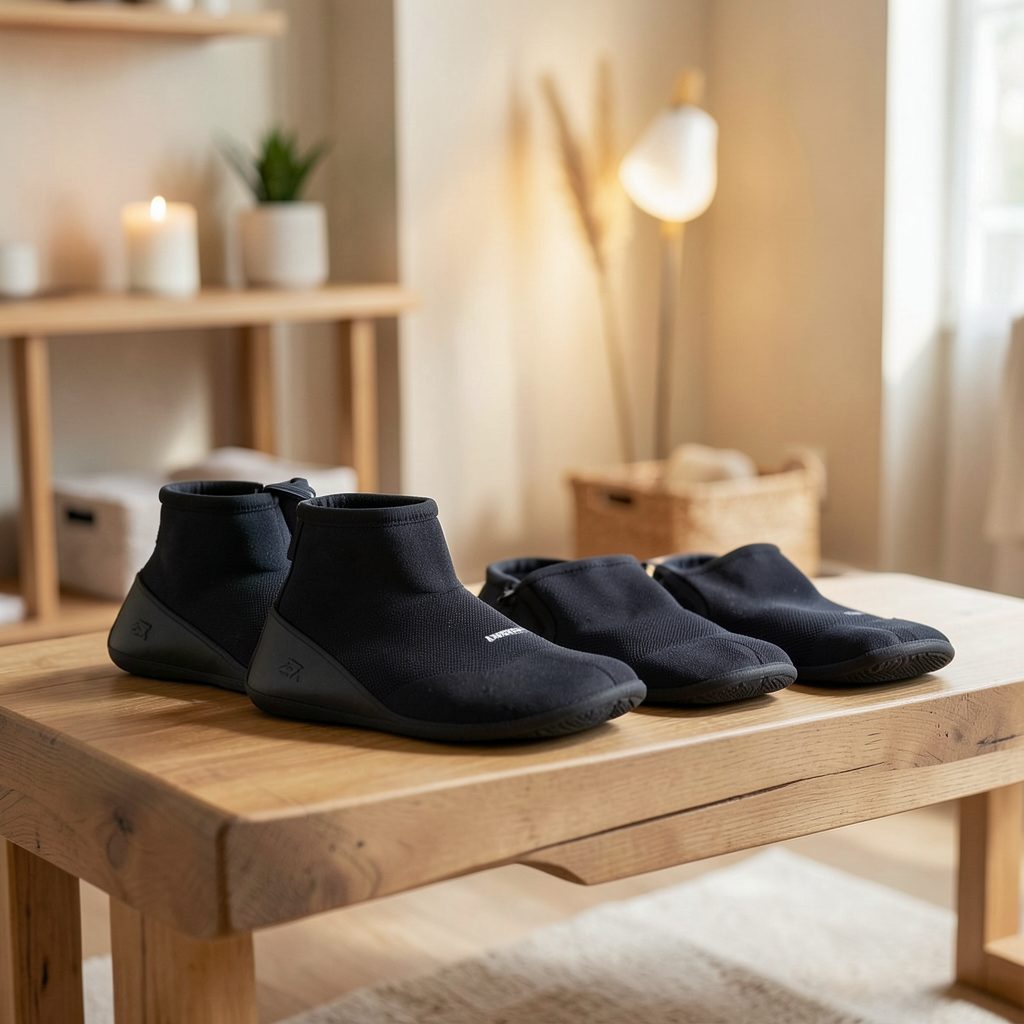
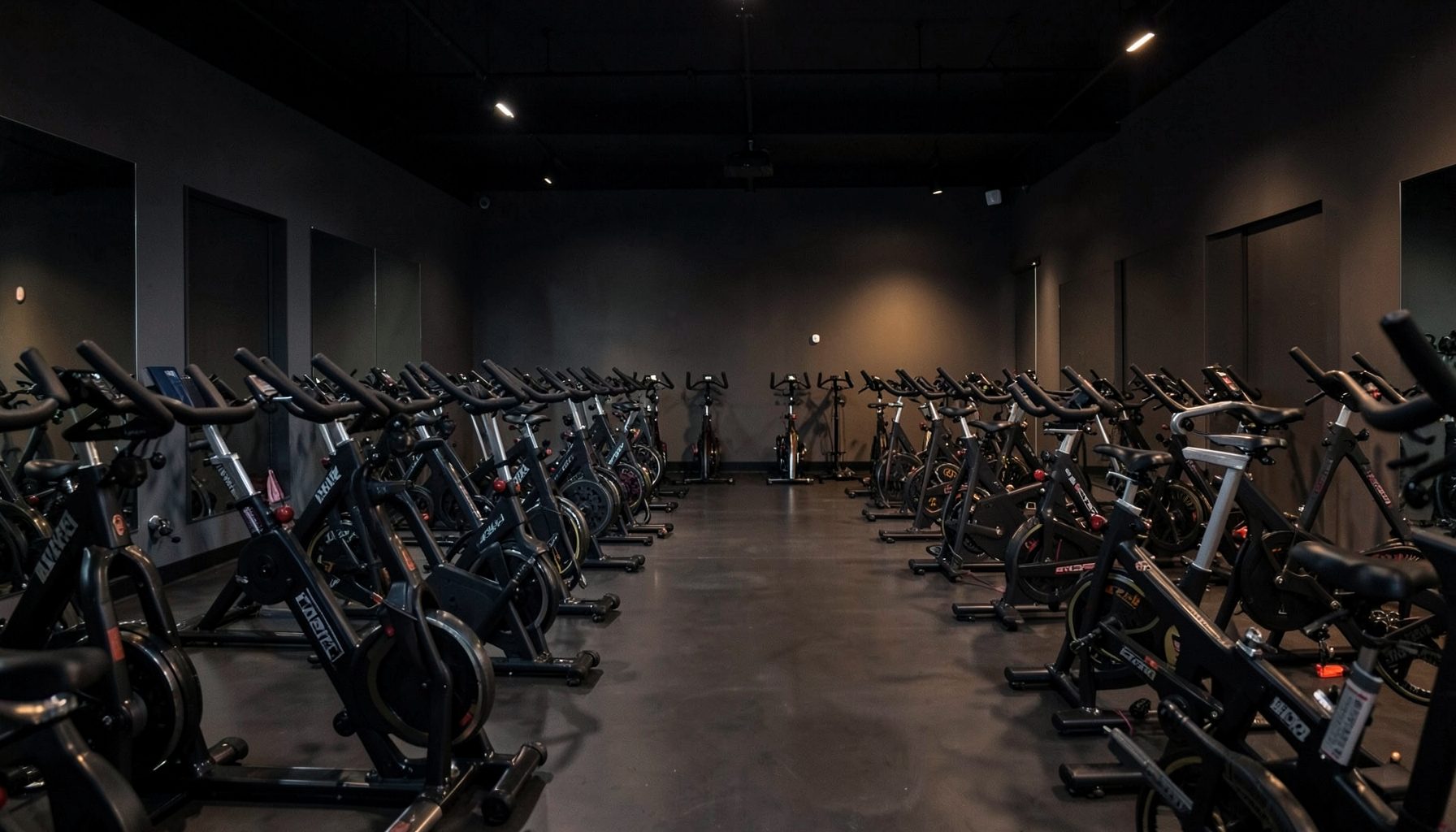
Normatec boot recovery and cryotherapy treatments help athletes bounce back faster. Cycle and spin classes add a cardio dimension to the holistic performance approach.
Have a Question?