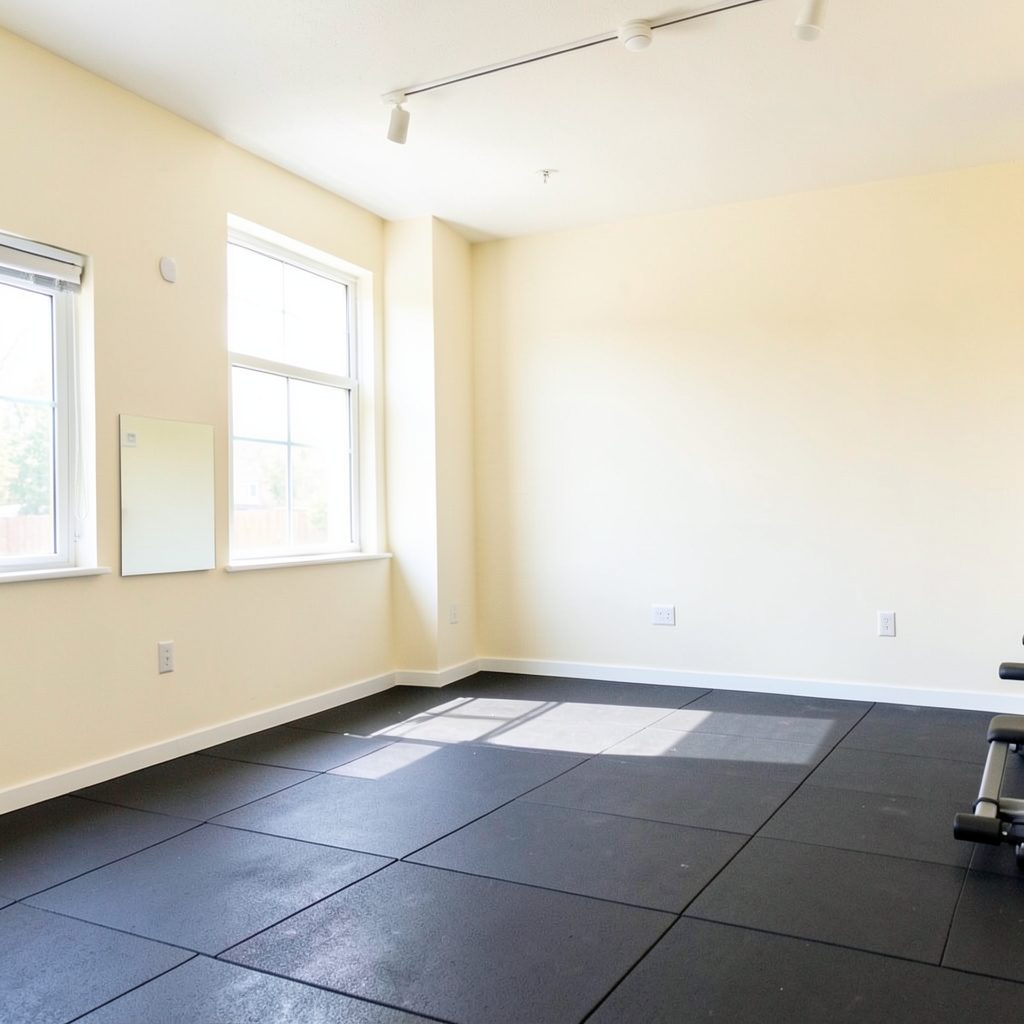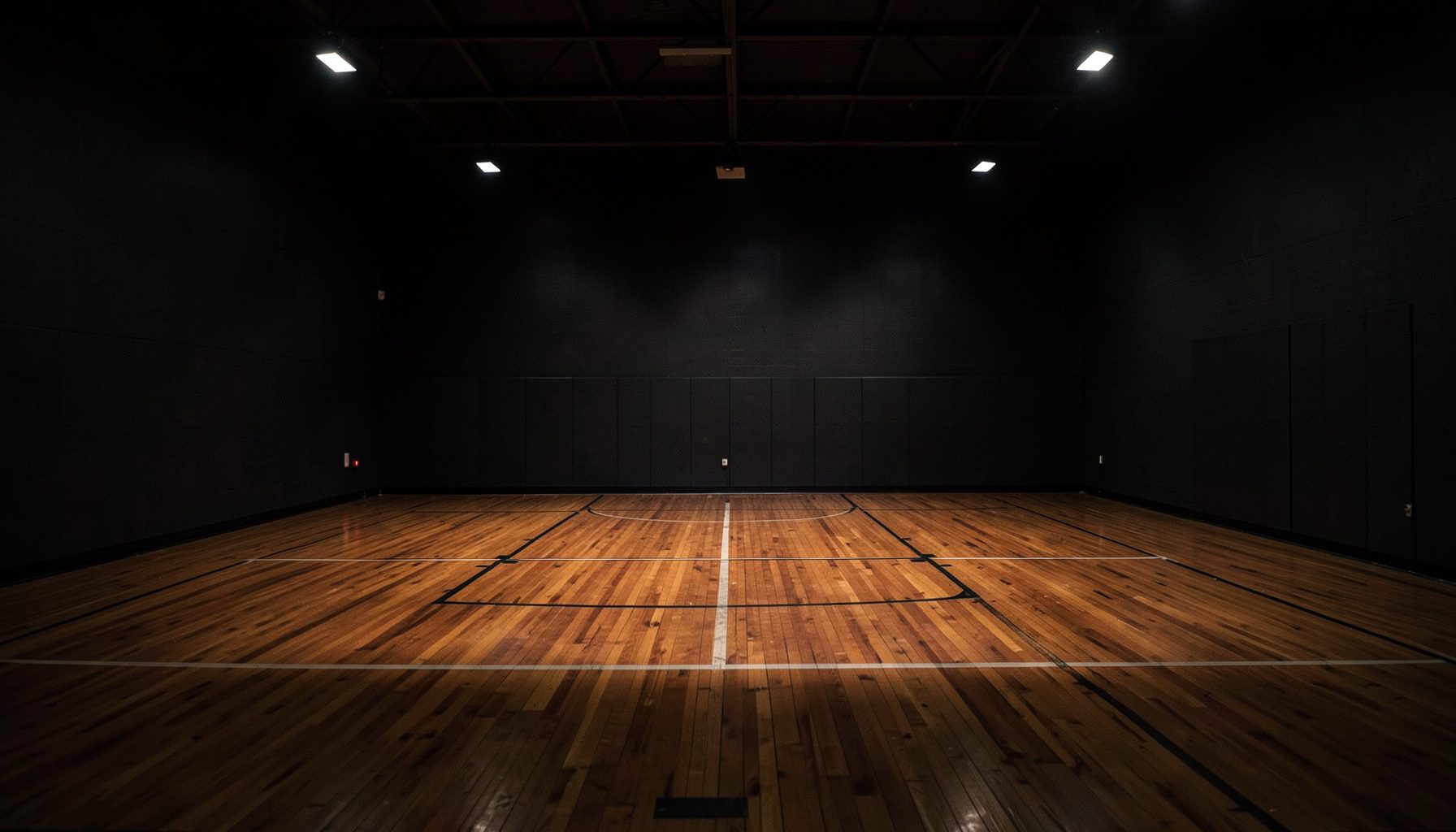
Train. Compete. Recover.
A multi-purpose athletic facility in Speedway, Indiana — basketball leagues, skill training, and wellness services all under one roof.
The Factory D1 Indy brings together three entities under one roof: competitive basketball leagues for all age groups, individual and group training, and wellness & recovery services including Normatec boot recovery and cryotherapy. Located off I-465 and High School Road at 6331 Crawfordsville Road, Speedway, Indiana 46224.
Get In TouchHow Normatec Compression Therapy Relieves Heavy Legs
Heavy legs can make a normal training session feel unusually demanding. The sensation may appear as tightness, sluggish movement, muscle fatigue, or a dull feeling of fullness in the calves and thighs. For basketball players, cyclists, and active adults, that heaviness can affect footwork, endurance, and confidence during the next workout.
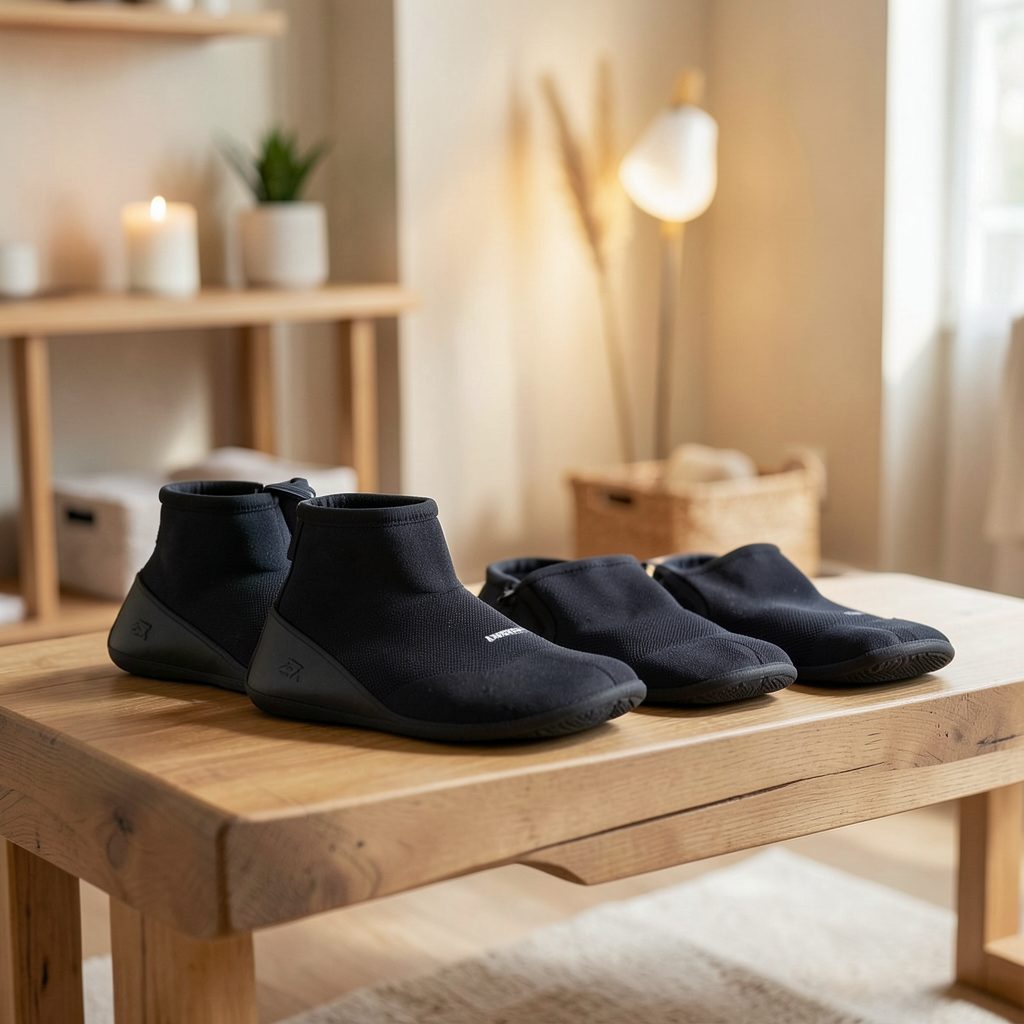
Normatec compression therapy is a recovery treatment designed to support circulation in the limbs. It uses inflatable sleeves that apply sequential pressure from the feet upward, creating a massage-like compression pattern. This process may help move fluid, ease post-exercise discomfort, and leave the legs feeling lighter after demanding activity.
At The Factory D1 Indy, recovery fits naturally alongside basketball training, competitive leagues, cycling, and conditioning. Understanding how pneumatic compression works can help athletes decide when it may be a useful part of their recovery routine.
What Causes The Heavy-Leg Feeling
Heavy legs commonly follow intense exercise, long periods of standing, travel, or repeated high-impact movement. During basketball, athletes sprint, stop, jump, and change direction many times. These actions place considerable demand on the calves, quadriceps, hamstrings, and glutes, which can lead to temporary muscle fatigue and soreness.
Fluid can also accumulate in the lower limbs after exercise. Muscular contractions help support circulation by compressing blood vessels as the legs move. When activity stops, that natural pumping action decreases. The result can be a feeling of pressure, stiffness, or reduced mobility, especially after a long tournament, cycling class, or multiple training sessions.
Heavy legs may also reflect insufficient sleep, dehydration, inadequate fueling, or an overly aggressive training load. Compression recovery cannot correct every cause of fatigue, so it works best alongside rest, hydration, balanced nutrition, and sensible programming.
How Sequential Compression Works
Normatec sleeves are worn around the legs and connected to a control unit. The system inflates sections of the sleeves in sequence, generally beginning near the feet and progressing upward. This pattern resembles the direction of natural fluid movement toward the core of the body.
The changing pressure can support venous return and help reduce the sensation of swelling or fullness after exercise. It also provides gentle compression to tired muscles, which many people experience as soothing. The treatment is passive, allowing an athlete to sit and recover without adding another physical demand.
Compression pressure is controlled rather than constant. The sleeves inflate and release in cycles, creating a wave-like sensation. Session length and intensity can vary according to comfort, training status, and the guidance of a qualified professional. Pressure should feel supportive, never painful, numb, or excessively restrictive.
Benefits For Athletes And Active Adults
For athletes, the main appeal is the possibility of feeling more comfortable between sessions. Reduced lower-leg heaviness may make it easier to walk, stretch, perform light movement, or return to technical practice. A player who feels less stiff may also move with better control during drills.
Recovery is closely connected to performance quality. Basketball athletes rely on balance, ankle control, and rapid changes of direction, so tired legs can influence defensive positioning and reaction time. Training these qualities alongside recovery can be valuable; this guide to balance in basketball defense explains why stability matters when athletes must respond quickly.
Some people use compression after a demanding workout, while others prefer it on a lighter recovery day. Cyclists may find it helpful after a long ride, and recreational athletes may use it after standing-intensive work or an especially active weekend. The benefit is often described as a refreshed or less congested feeling rather than an instant cure for soreness.
Normatec Compared With Other Recovery Methods
Compression therapy is one option within a broader recovery toolkit. It does not replace sleep, mobility work, strength planning, or medical assessment. Instead, it can complement those methods when the legs feel tired and the athlete wants a structured, low-effort recovery session.
Different approaches serve different needs. Gentle walking can maintain mobility, stretching may address a sense of tightness, and cold-based treatments can provide temporary relief after strenuous exercise. Massage may target specific areas of tension, while compression focuses on a rhythmic pressure pattern across a larger region.
| Recovery Approach | Common Purpose | What The Athlete Experiences | Best Used With |
|---|---|---|---|
| Normatec compression | Support circulation and reduce heavy-leg sensations | Rhythmic pressure and release | Hydration, sleep, light movement |
| Gentle walking | Maintain circulation and mobility | Low-intensity muscle activity | Cool-downs and rest days |
| Stretching | Address limited range of motion | A controlled pulling sensation | Warm muscles and mobility sessions |
| Massage | Reduce localized muscle tension | Manual pressure on specific areas | Targeted soreness and tightness |
| Cryotherapy | Provide short-term cooling and recovery support | Cold exposure and temporary numbing | Professional guidance and planned recovery |
The best choice depends on the cause of discomfort and the athlete’s overall condition. A person with ordinary post-exercise fatigue may enjoy compression, while persistent one-sided swelling or unexplained pain requires medical attention rather than another recovery session.
When To Use Compression Therapy
Normatec can be used after practices, games, cycling sessions, strength workouts, or long periods of activity. A session may fit well immediately after training, when the athlete has cooled down and replaced fluids. It can also be useful later in the day when the legs feel tired from repeated movement.
Some athletes incorporate compression between games during a tournament or between high-volume training days. The goal is to support comfort and readiness, not to use the treatment as permission to ignore warning signs. If soreness becomes sharper, worsens with movement, or changes the way a person walks, additional rest and professional evaluation are more appropriate.
Consistency may matter more than a single session. Using recovery services as part of a planned routine can help athletes notice how their bodies respond to training. Keeping track of sleep, hydration, soreness, and performance can reveal whether compression is genuinely helping or whether another adjustment is needed.
Safety And Sensible Use
Compression therapy is generally comfortable for many healthy adults, but it is not appropriate for everyone. Individuals with certain vascular conditions, a history of blood clots, serious circulation problems, uncontrolled heart conditions, active skin infections, or unexplained leg swelling should consult a healthcare professional before using pneumatic compression.
Stop the session if there is pain, tingling, numbness, unusual discoloration, shortness of breath, or significant discomfort. One swollen, hot, or painful leg deserves prompt medical attention, especially when the symptoms appear suddenly. A recovery device should never be used to mask symptoms that may require diagnosis.
Fit also matters. Sleeves should sit correctly and remain comfortable throughout the session. Athletes should follow the facility’s instructions, select an appropriate pressure setting, and communicate any health concerns before treatment. These precautions help make compression a practical addition to a broader wellness plan.
Build Recovery Into Training
The most effective recovery routine is realistic enough to repeat. Athletes can combine compression therapy with basic habits that support circulation, muscle repair, and readiness:
- Drink fluids before and after training, especially during long practices or cycling sessions.
- Eat a balanced meal or snack containing carbohydrates and protein after demanding activity.
- Add light walking, mobility drills, or easy stretching after prolonged sitting.
- Protect consistent sleep, since recovery is strongly influenced by rest quality.
- Schedule harder sessions and competition days so the body has time to adapt.
At The Factory D1 Indy, athletes can pair training and competition with recovery services in the same community-focused facility. That convenience can make it easier to treat recovery as part of preparation rather than an afterthought. A short compression session may be especially useful after a demanding basketball workout, spin class, or series of games.
Heavy legs are often a temporary response to workload, fluid shifts, and muscle fatigue. Normatec compression may help by applying sequential pressure that supports circulation and creates a more comfortable post-exercise experience. Its value is greatest when combined with sound training decisions, appropriate rest, and attention to symptoms.
To learn more about available recovery and wellness services at The Factory D1 Indy, contact the facility and plan a session that fits your training schedule.
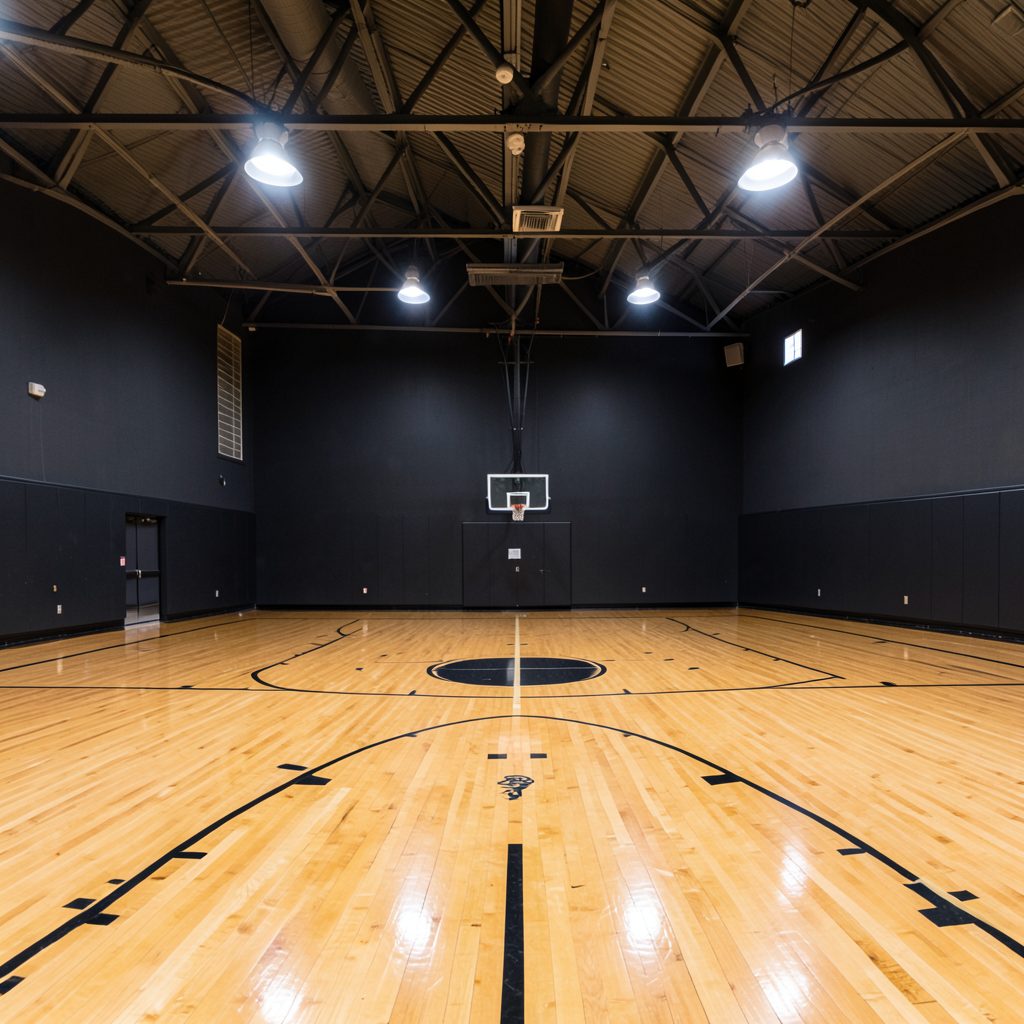
Inside The Factory
Three Entities, One Roof
Leagues
Eight league divisions span every age group: Indy Pro AM, 18+ Open Men's, 30+ Men's, Bite Size (ages 3–6), Impact League, 5th/6th Grade, Middle School, and High School. Gather your team and compete.
Training
Individual and group basketball training for all skill levels. Major M.O.V.E.S. Basketball Training serves ages 4–7 on Wednesday and Thursday evenings at 6:30 PM — $30 per session or $100 unlimited monthly.
Wellness & Recovery
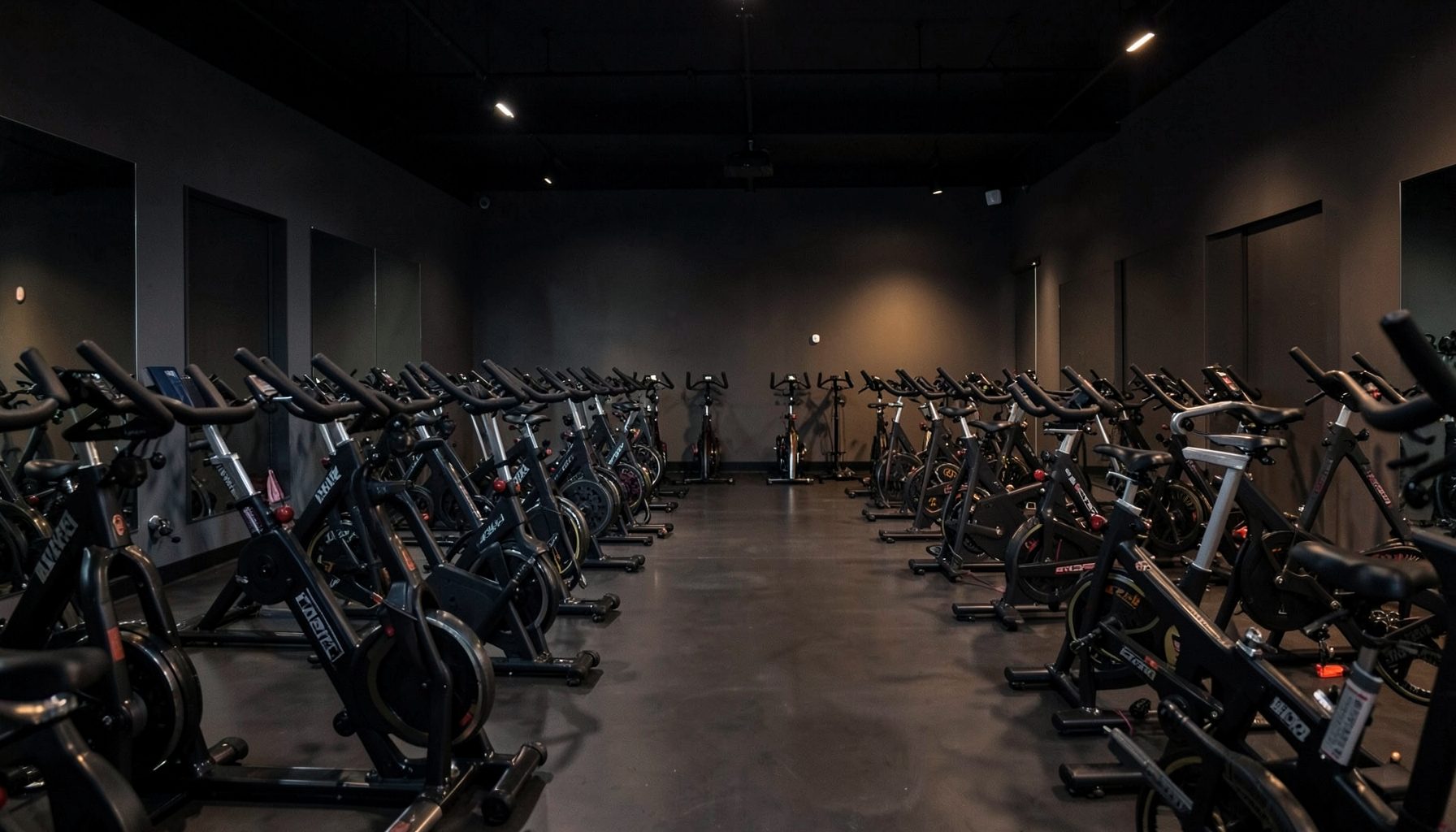
Normatec boot recovery and cryotherapy treatments help athletes bounce back faster. Cycle and spin classes add a cardio dimension to the holistic performance approach.
Have a Question?