Train. Compete. Recover.
A multi-purpose athletic facility in Speedway, Indiana — basketball leagues, skill training, and wellness services all under one roof.
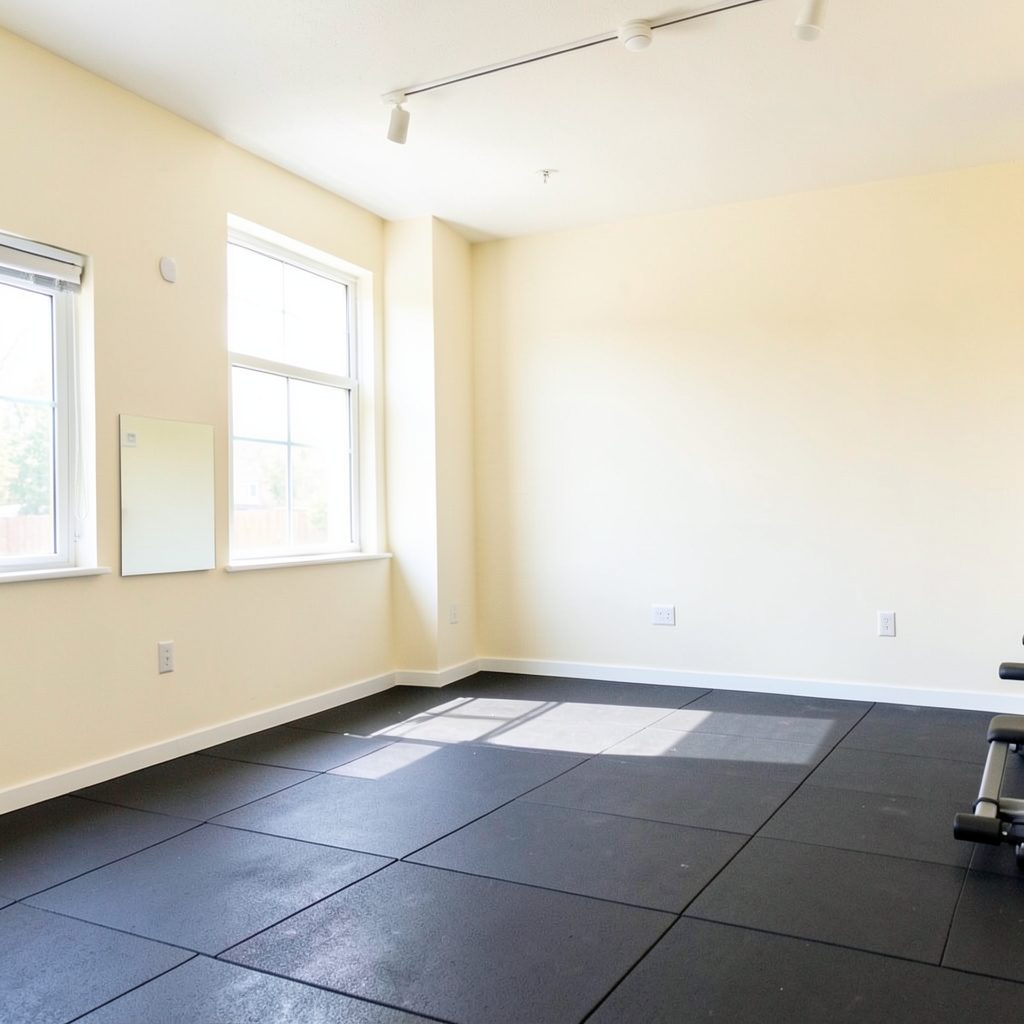
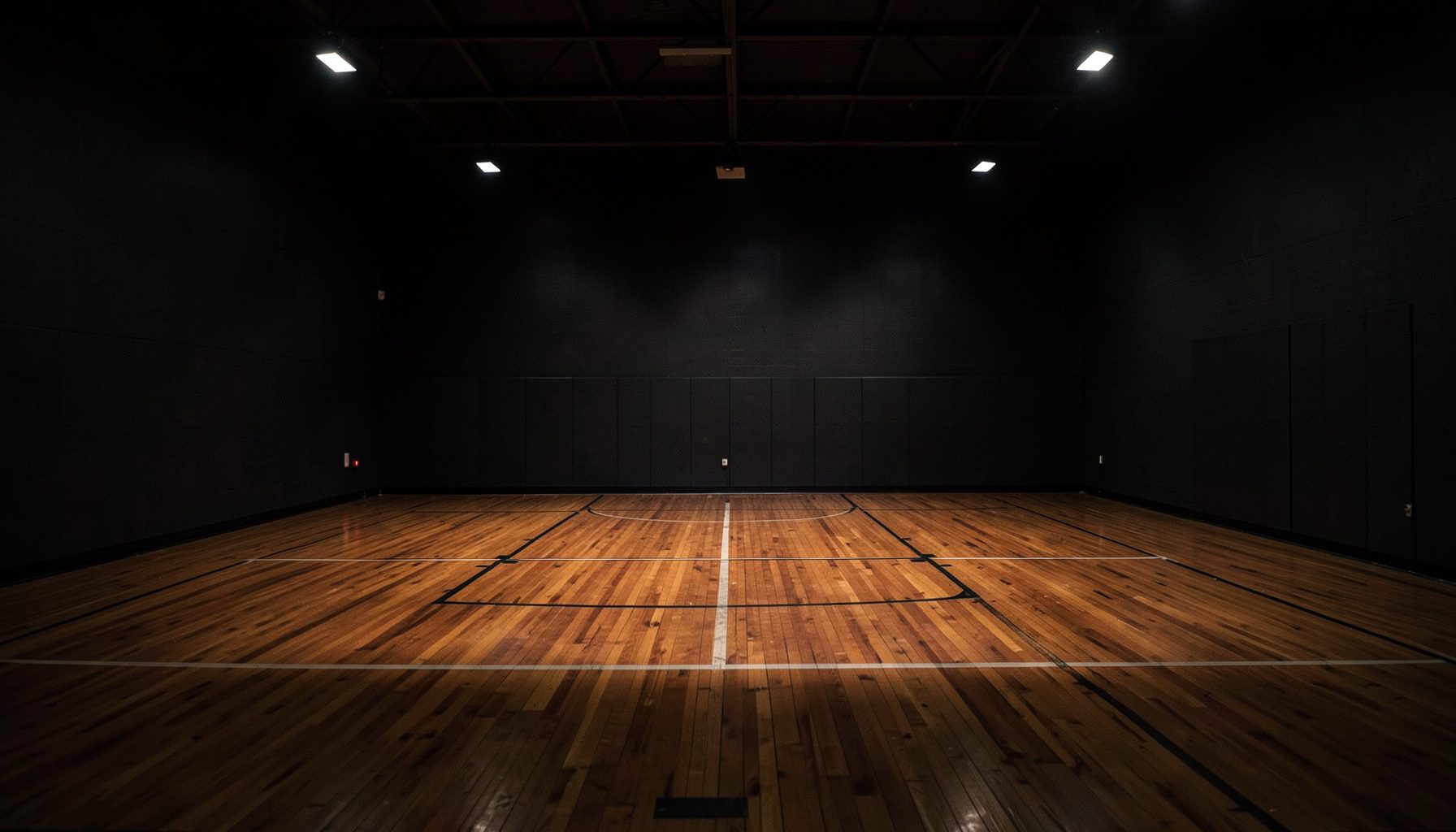
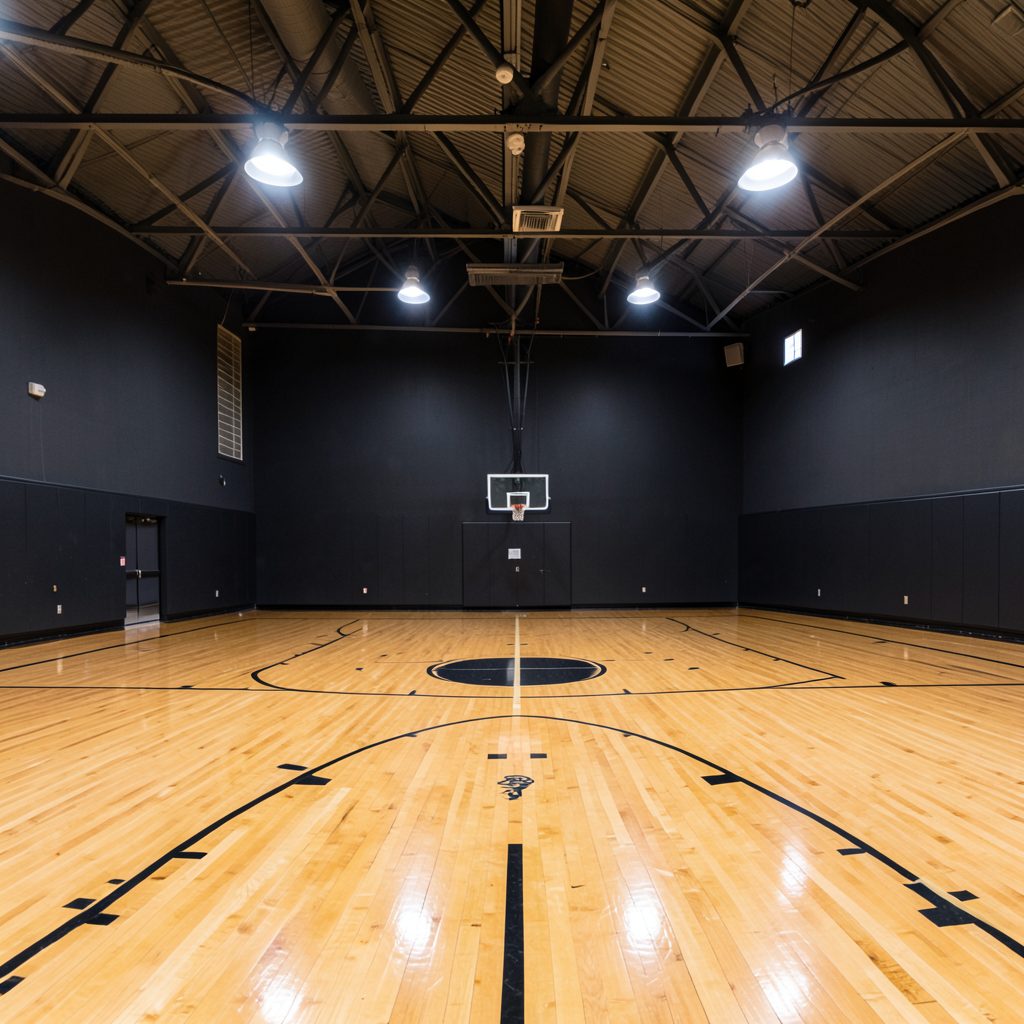
The Factory D1 Indy brings together three entities under one roof: competitive basketball leagues for all age groups, individual and group training, and wellness & recovery services including Normatec boot recovery and cryotherapy. Located off I-465 and High School Road at 6331 Crawfordsville Road, Speedway, Indiana 46224.
Get In TouchThe Role of Balance Training in Basketball Defense
A strong basketball defender needs more than quick hands and intense effort. Every closeout, slide, contest, and recovery depends on the ability to control the body while moving at speed. Balance training gives athletes that control, helping them stay ready for the next action instead of losing position after the first movement.
Defensive balance combines foot placement, core stability, hip strength, body awareness, and reaction speed. When these qualities work together, players can absorb contact, change direction, and keep their chest in front of an attacker without reaching or crossing their feet.
At The Factory D1 Indy, athletes of different ages and experience levels can develop these qualities through basketball training, competitive leagues, conditioning, and recovery services. A consistent approach connects individual skill work with the physical demands of live defense.
Why Balance Matters On Defense
A defender begins from a stance that must be low enough for movement and stable enough for resistance. The feet should usually be a little wider than the hips, the knees should remain flexed, and the weight should stay toward the balls of the feet. This position allows a player to push in any direction without needing a large preparatory step.
Poor balance creates predictable defensive problems. An upright player reacts slowly to a drive, while a defender leaning too far forward may get beaten by a hesitation move. Reaching often happens when the feet and torso are no longer aligned. Better balance reduces these breakdowns by keeping the athlete centered and ready.
Balance also supports defensive discipline. When players feel stable, they are less likely to lunge for steals or turn their shoulders too early. They can contain the ball, guide the offensive player toward help, and recover after a change of direction.
Building A Stable Defensive Base
Lower-body strength forms the foundation of defensive control. The glutes, quadriceps, hamstrings, calves, and hips work together during a defensive slide. Strength exercises such as split squats, lateral lunges, single-leg hinges, and controlled squat holds can improve the ability to produce force without losing alignment.
Core training is equally important. The core does not simply create visible abdominal strength; it connects the upper and lower body during movement. A stable trunk helps a defender maintain posture while shuffling, fighting through a screen, or absorbing shoulder contact. Planks with shoulder taps, dead bugs, Pallof presses, and suitcase carries can develop this control.
Single-leg work deserves special attention because basketball rarely keeps both feet planted evenly. A player may contest from one foot, brake after a closeout, or push off a staggered stance. Training one leg at a time reveals weaknesses that may remain hidden during bilateral exercises.
Balance During Defensive Footwork
Defensive movement is a sequence of controlled weight transfers. During a slide, the lead foot moves first while the trail foot follows without allowing the feet to click together. When a player opens the hips to run, the transition should be smooth rather than a sudden loss of posture. The goal is to stay connected to the floor while responding to the ball handler.
Coaches can teach this through short, precise drills. Players might shuffle between two lines, close out under control, backpedal, and then react to a coach’s direction. The emphasis should remain on quiet feet, bent knees, and a chest that stays oriented toward the ball. Speed can increase after the athlete demonstrates consistent body control.
Defensive balance also influences offensive readiness. A player who learns to stop and redirect efficiently can move from a defensive rebound into transition more quickly. Crossover footwork is especially useful for understanding weight shifts, and athletes can reinforce that movement with this crossover drill guide, applying the same control principles on both sides of the ball.
Training Methods And Their Purpose
Different exercises challenge balance in different ways. A stable surface helps athletes learn posture and alignment, while a controlled unstable-surface exercise can add a proprioceptive challenge after basic mechanics are established. Balance work should support basketball movement rather than replace strength, agility, or live defensive practice.
| Training method | Defensive quality developed | Basketball application |
|---|---|---|
| Single-leg hold with reach | Ankle and hip stability | Recovering after a closeout |
| Lateral lunge and stick | Deceleration and alignment | Stopping a drive |
| Shuffle-to-sprint drill | Weight transfer and reaction | Containing a change of direction |
| Split-stance medicine ball press | Core control under force | Absorbing contact while staying square |
| Closeout and retreat drill | Braking mechanics | Contesting without being beaten |
| Partner mirror drill | Reactive balance | Matching an attacker’s movement |
A useful progression begins with stationary positions, then adds controlled movement, reaction cues, and finally an opponent. For example, an athlete may hold a single-leg stance, reach in several directions, shuffle to a cone, react to a visual signal, and finish by guarding a live ball handler.
Quality matters more than exhaustion. If the knees collapse inward, the torso falls excessively, or the feet become tangled, the drill has moved beyond the athlete’s current control. Short sets with clear rest periods allow players to practice accurate movement instead of repeating poor habits.
Applying Balance In Game Situations
Closeouts are one of the clearest tests of defensive balance. A defender must sprint toward a shooter, shorten the final steps, lower the hips, and arrive under control. Flying past the offensive player creates an easy drive, while stopping too far away gives up a comfortable shot. Balanced braking allows the defender to contest while remaining prepared for the next move.
Screen defense presents another challenge. Fighting over a screen requires the player to lean and accelerate without completely losing the relationship to the ball handler. Going under a screen demands a quick change of direction and the ability to square up again. Strong hips and a stable trunk make these transitions more reliable.
In one-on-one defense, balance supports patience. The defender can mirror the attacker’s hips rather than reacting to every shoulder fake. When the offensive player changes pace, the defender absorbs the movement through the legs and keeps the hands active without relying on a reach. This is especially valuable late in possessions, when fatigue makes upright posture and wide steps more common.
Making Balance Training Consistent
Balance improves through regular exposure, so it should appear throughout the training week. A warm-up might include ankle mobility, lateral activation, and low-intensity single-leg exercises. The main workout can then include strength and movement drills, while practice finishes with live defensive repetitions that test those skills under pressure.
Athletes should also address the recovery side of performance. Fatigued muscles can reduce proprioception and make footwork less precise. Sleep, hydration, mobility work, and appropriate recovery services help players return to practice with better movement quality. The Factory D1 Indy combines athletic development with wellness options, and athletes can explore the facility’s broader training and wellness programs when building a complete routine.
Age and experience should guide the level of difficulty. Younger players benefit from simple stance, stopping, and sliding games that build body awareness. More advanced athletes can add contact, decision-making, unpredictable cues, and position-specific situations. The objective stays the same: preserve a strong base while the game becomes faster and less predictable.
Practical Priorities For Better Defense
Players and coaches can make balance training more effective by focusing on a few repeatable habits:
- Start every defensive drill in an athletic stance with the feet active and the chest lifted.
- Practice stopping and redirecting before adding maximum speed.
- Include single-leg strength and stability exercises at least twice each week.
- Use reaction drills that require athletes to respond to a ball, coach, or opponent.
- End sessions with live defensive possessions to transfer balance into competition.
These priorities create a useful connection between physical preparation and basketball decision-making. A player who can hold position during a drill still needs to apply that skill while reading a drive, communicating through a screen, or rotating toward help. Live repetitions reveal whether balance has become automatic.
Coaches should track movement quality rather than judging every athlete by the same speed standard. A controlled closeout with strong posture is more valuable than a fast closeout that gives up a drive. Over time, athletes can increase distance, reaction demands, and contact while preserving the same technical foundation.
Balance training becomes most valuable when it is treated as a defensive skill rather than an isolated fitness activity. Add purposeful footwork, single-leg strength, core control, and live reactions to regular basketball sessions at The Factory D1 Indy, and build the stability needed to defend with confidence from the first possession to the last.
Inside The Factory

Three Entities, One Roof
Leagues
Eight league divisions span every age group: Indy Pro AM, 18+ Open Men's, 30+ Men's, Bite Size (ages 3–6), Impact League, 5th/6th Grade, Middle School, and High School. Gather your team and compete.
Training
Individual and group basketball training for all skill levels. Major M.O.V.E.S. Basketball Training serves ages 4–7 on Wednesday and Thursday evenings at 6:30 PM — $30 per session or $100 unlimited monthly.
Wellness & Recovery
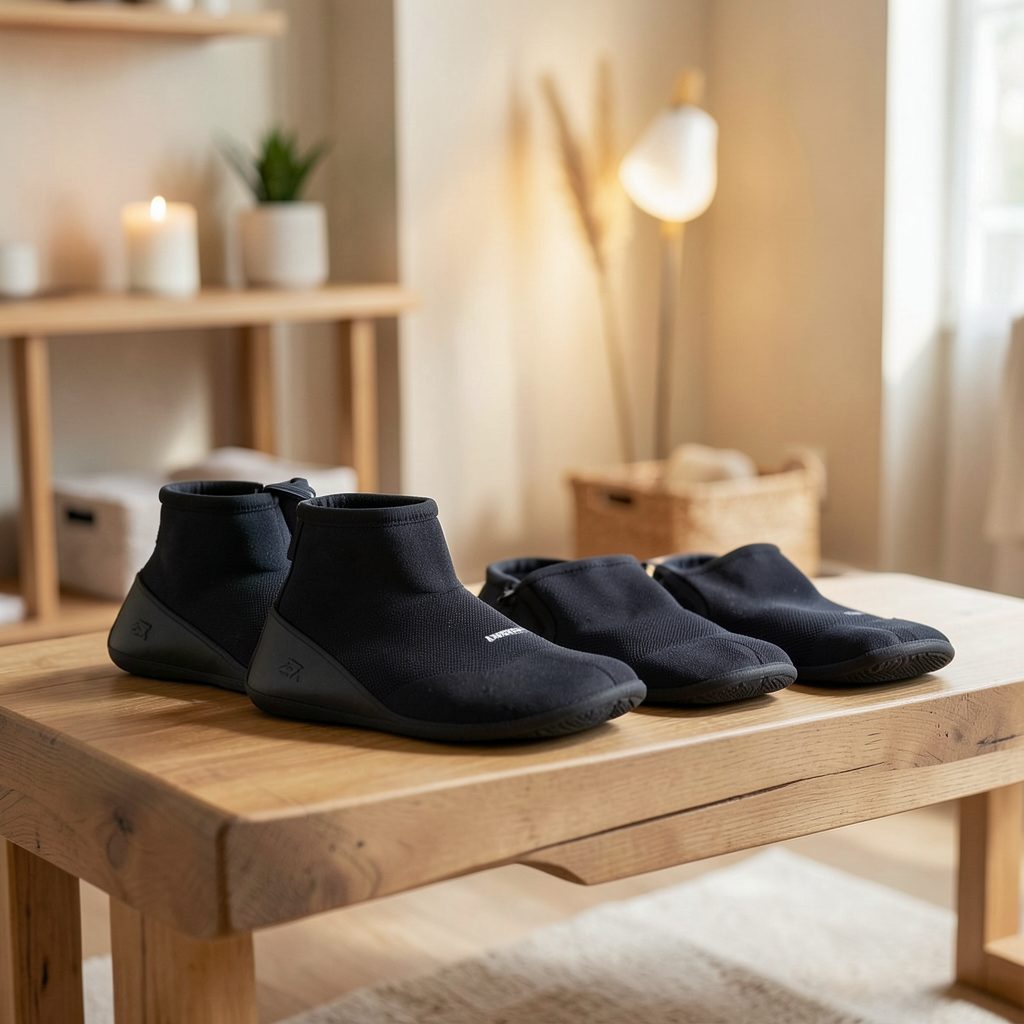
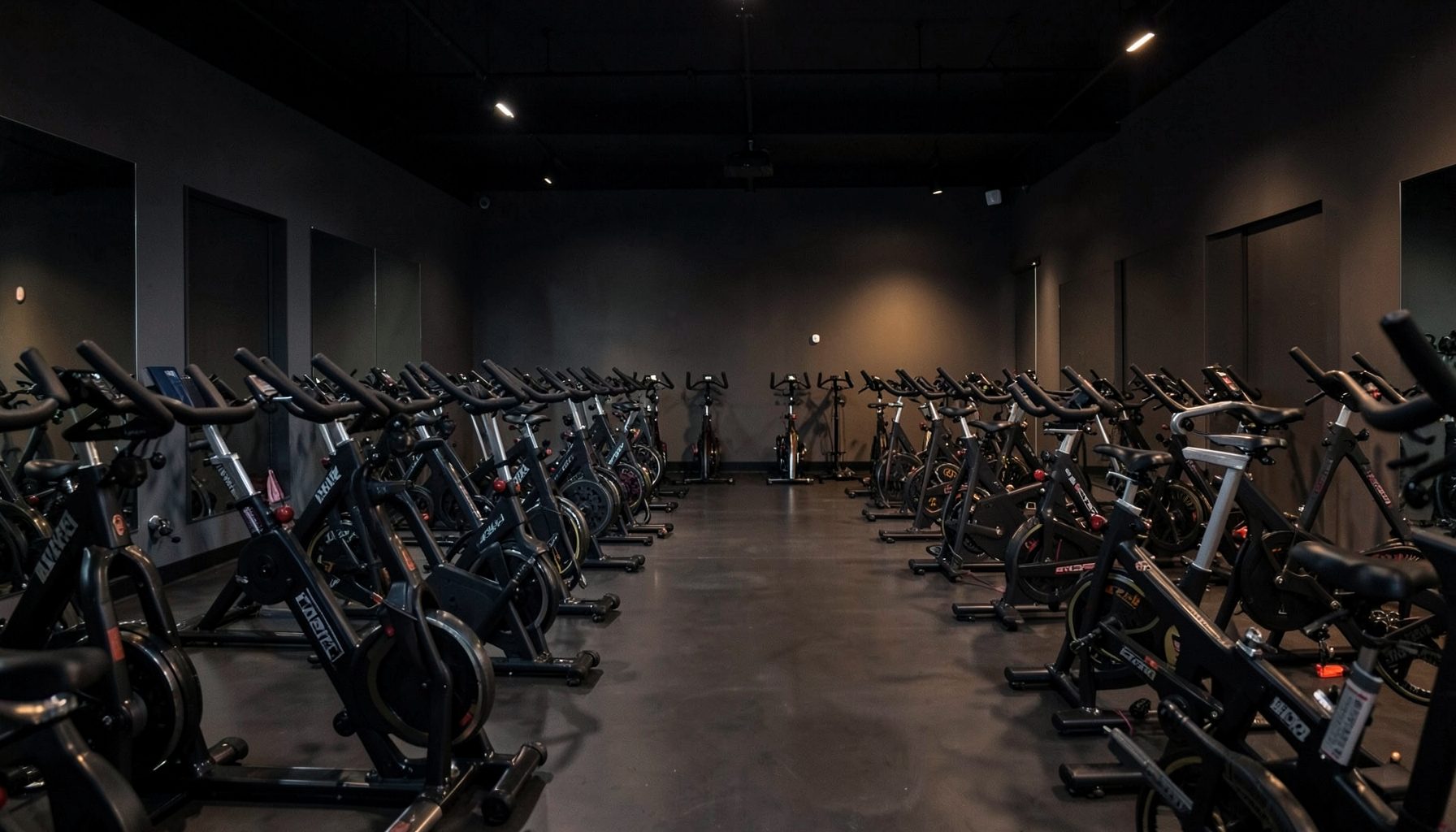
Normatec boot recovery and cryotherapy treatments help athletes bounce back faster. Cycle and spin classes add a cardio dimension to the holistic performance approach.
Have a Question?