Train. Compete. Recover.
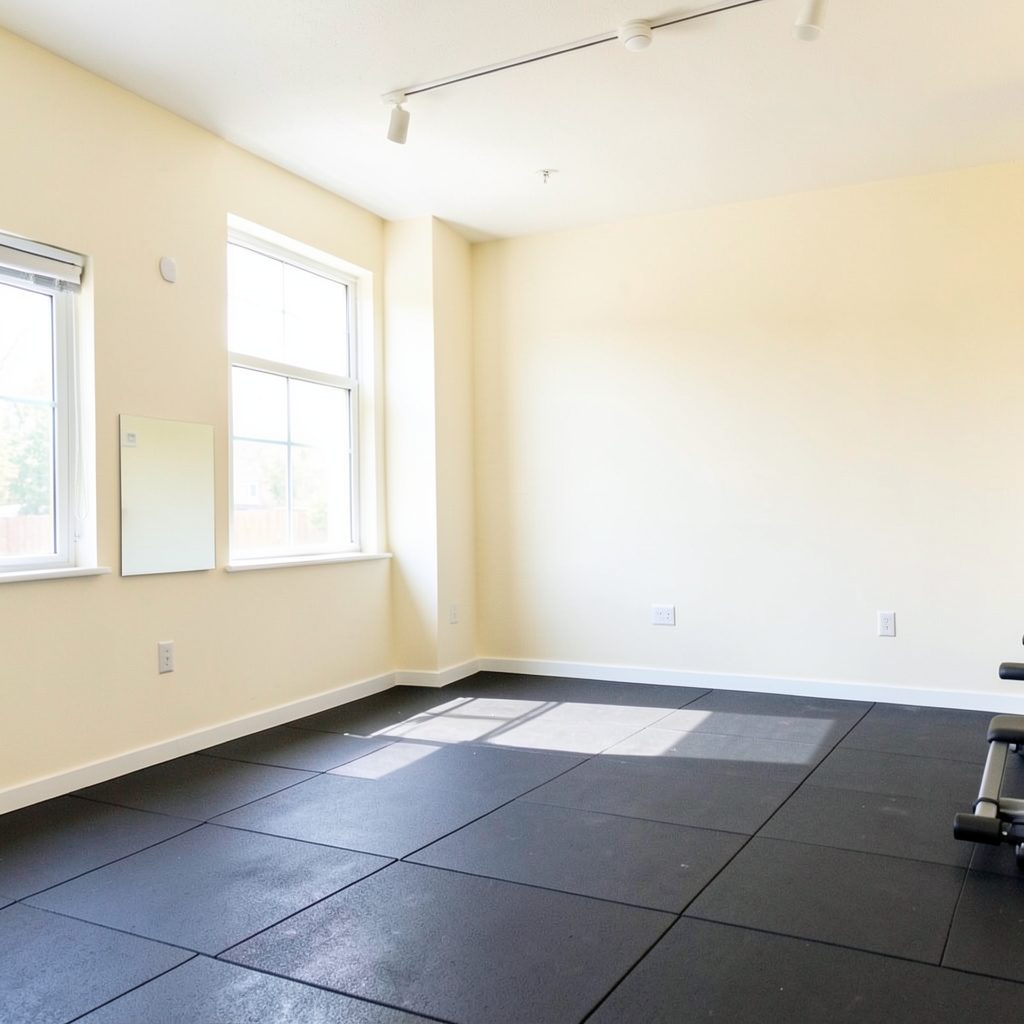
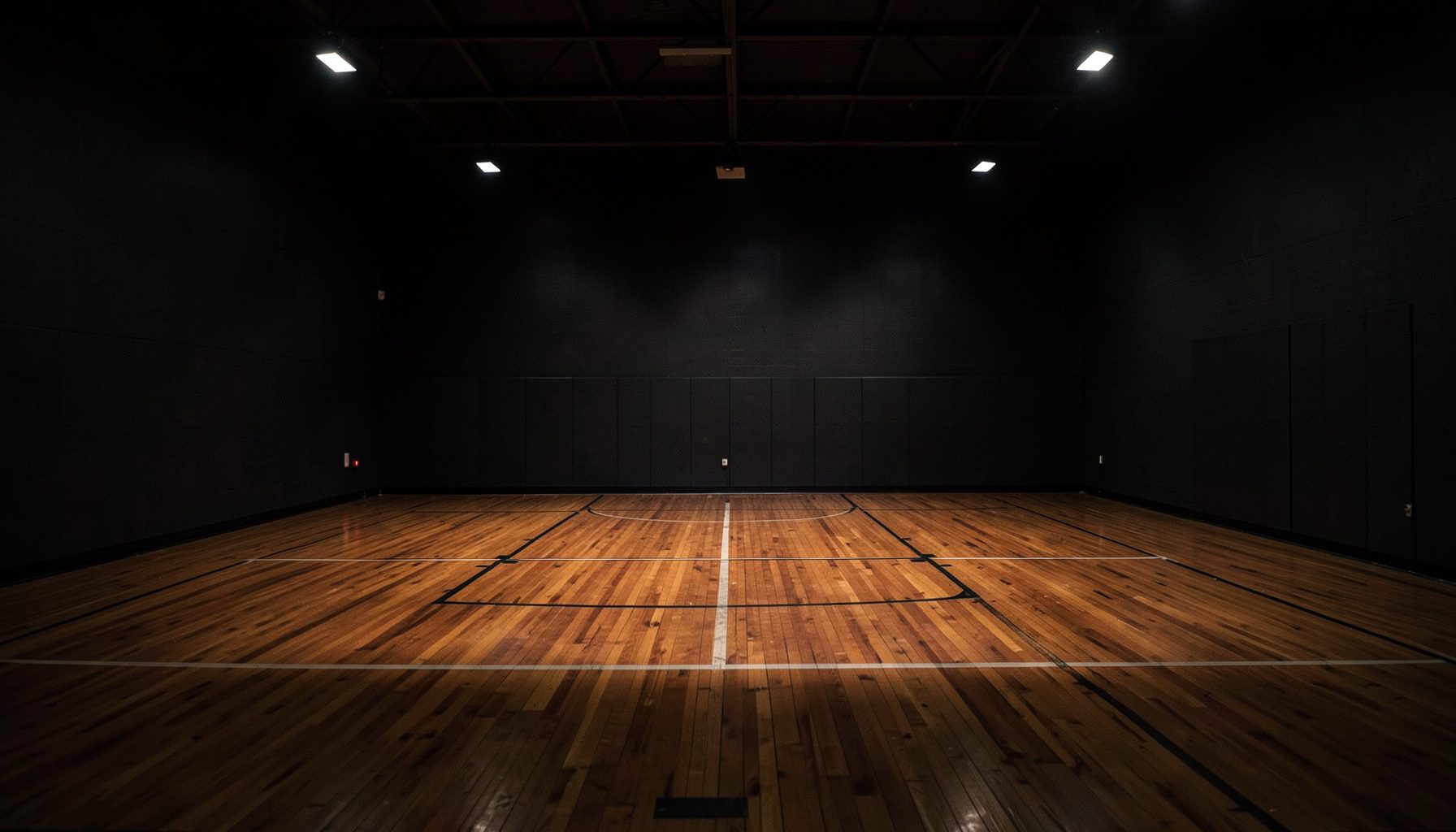
A multi-purpose athletic facility in Speedway, Indiana — basketball leagues, skill training, and wellness services all under one roof.
The Factory D1 Indy brings together three entities under one roof: competitive basketball leagues for all age groups, individual and group training, and wellness & recovery services including Normatec boot recovery and cryotherapy. Located off I-465 and High School Road at 6331 Crawfordsville Road, Speedway, Indiana 46224.
Get In TouchHow Normatec Compression Therapy Works From the Inside Out
Recovery is part of athletic performance, whether an athlete is preparing for a basketball league, completing a conditioning session, or balancing training with everyday demands. Muscles do not simply stop working when practice ends. The body continues managing fluid movement, tissue stress, and the byproducts of exercise long after the final drill.
Normatec compression therapy supports that recovery process through a specialized pneumatic compression system. Instead of applying one uniform squeeze, the system uses connected chambers that inflate and release in a carefully timed sequence. The result is a wave-like compression pattern that moves along the limbs.
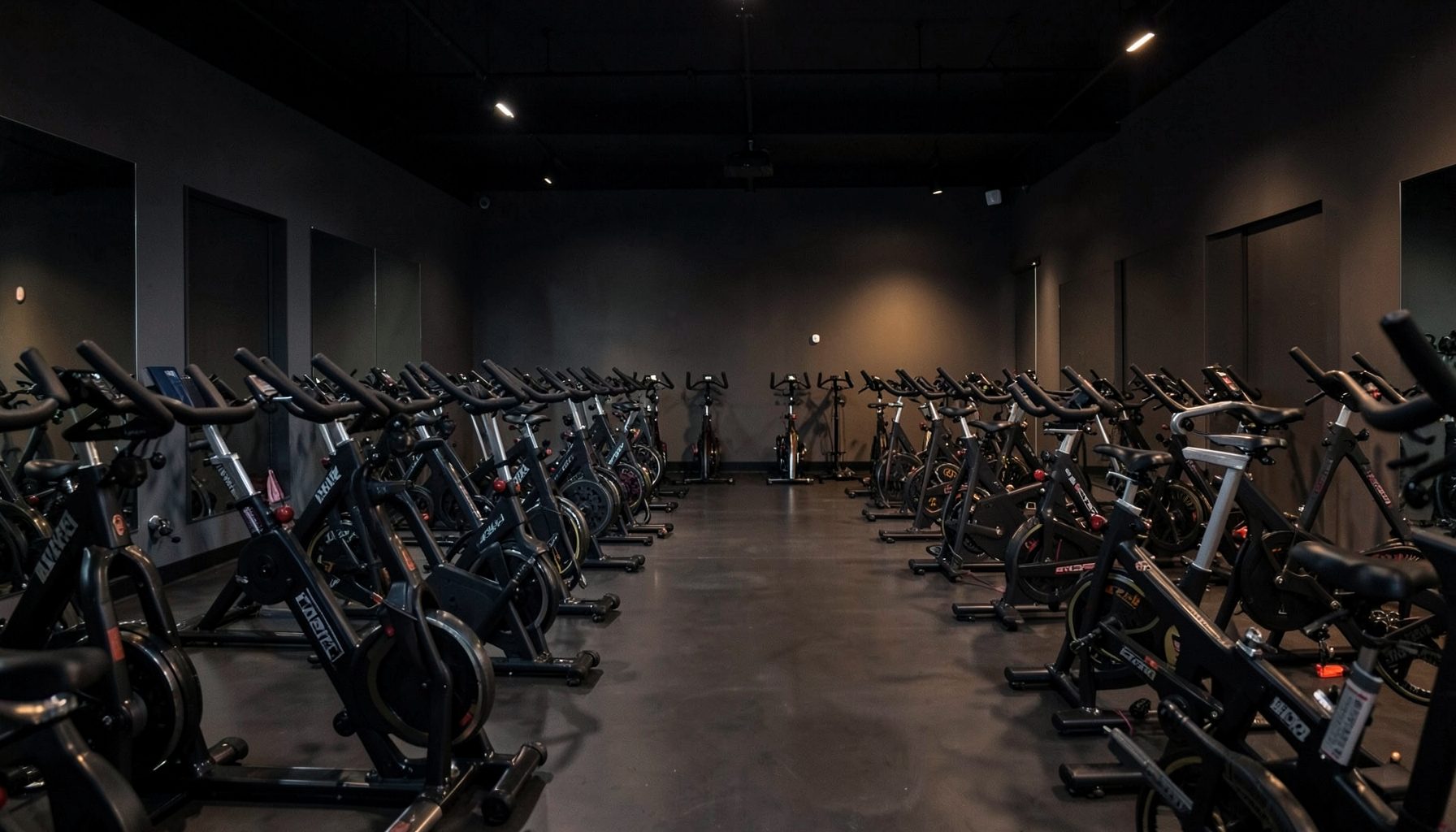
At The Factory D1 Indy, this type of recovery service complements basketball training, cycle classes, spin sessions, and competitive play. Understanding what happens beneath the surface can help athletes use compression therapy with more realistic expectations and better timing.
The Mechanics Beneath The Sleeves
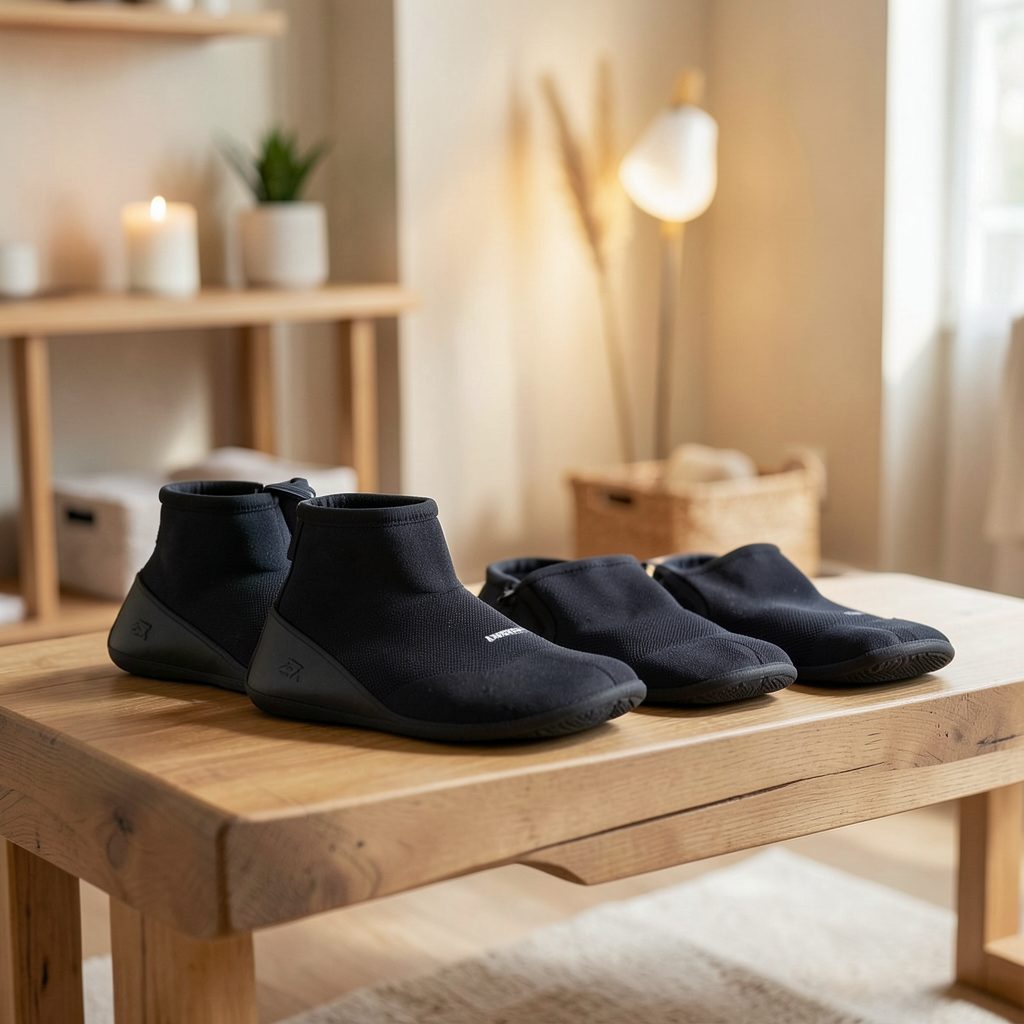
Normatec devices use sleeves or boots fitted around the legs, arms, or hips. Each sleeve contains several overlapping air chambers. When the system begins, the chamber farthest from the torso inflates first. The following chambers then activate in sequence, creating a moving pattern of pressure.
This sequence matters because it resembles the body’s natural effort to return fluid toward the core. The pressure is usually strongest in the chamber farthest from the heart and then progresses inward. Once a chamber completes its cycle, it releases before the next wave begins.
The system does not knead muscle tissue in the same way as a massage therapist. Its primary action is external, rhythmic compression around the limb. The athlete remains still while the programmed pressure cycles provide repeated stimulation to the surrounding soft tissue and circulation pathways.
How Circulation Responds
During exercise, working muscles demand increased blood flow. Small blood vessels expand to deliver oxygen and nutrients, while veins carry blood back toward the heart. Unlike arteries, veins do not have the same direct pumping force from the heart, so return flow also depends on muscle contractions, movement, breathing, and one-way valves inside the veins.
Sequential compression can support venous return by gently narrowing sections of the limb. As a chamber inflates, it applies pressure around the limb and may help encourage blood and fluid to move toward the next open section. The chamber closer to the torso then activates, continuing the directional sequence.
The lymphatic system also plays a role in fluid balance. Lymph vessels collect excess fluid and proteins from tissues and return them to circulation. Because lymph movement is influenced by muscle activity and pressure changes, rhythmic compression may support the normal movement of interstitial fluid. It is better described as assistance to the body’s existing clearance systems than as a way to “flush” every waste product from the muscles.
What The Pressure May Support
Exercise creates temporary changes in muscle tissue. Repeated contractions, impact, and metabolic demand can leave an athlete feeling heavy, tight, or fatigued. Compression may help reduce the sensation of limb fullness by encouraging fluid movement and supporting circulation after activity.
Some athletes also report feeling less soreness or improved readiness after a session. These effects can vary based on training load, hydration, sleep, nutrition, injury status, and personal response. Compression is one recovery tool within that larger picture, not a substitute for rest or medical treatment.
The internal experience is usually a gradual squeeze followed by release. The pressure should feel firm and noticeable, but it should not cause sharp pain, numbness, tingling, skin discoloration, or unusual coldness. A trained staff member can help select an appropriate setting and positioning.
| Recovery method | Main action | Common use | What it does not replace |
|---|---|---|---|
| Normatec compression | Sequential pneumatic pressure around a limb | Post-training recovery and temporary heaviness | Medical evaluation, sleep, hydration, or rehabilitation |
| Light movement | Repeated muscle contractions and joint motion | Cooldown and circulation support | Rest after demanding training |
| Static stretching | Sustained muscle lengthening | Mobility and relaxation | Strength work or injury diagnosis |
| Massage | Manual pressure and tissue manipulation | Relaxation and targeted soft-tissue work | Professional care for significant symptoms |
| Cold exposure | Reduces skin and tissue temperature | Short-term soreness management in selected situations | A complete recovery plan |
Timing Matters For Athletes
Compression therapy can be useful after intense basketball practices, tournaments, cycle classes, spin workouts, or strength sessions. It may be especially appealing when an athlete has spent a long period standing, traveling, or competing on consecutive days. The goal is to support the transition from exertion to recovery.
Using it before activity is a different decision. Some athletes use a short, comfortable session as part of a warm-up routine, but compression does not replace dynamic movement, sport-specific drills, or an elevated body temperature. For basketball players, movement preparation still needs to include footwork, jumping mechanics, mobility, and progressive intensity.
The best timing depends on the purpose. After training, the session can fit into a cooldown routine. Between competitions, it may be used during a broader recovery window. Athletes can learn more about the people guiding training and performance at The Factory D1 Indy by meeting the Factory D1 coaches, whose coaching perspective helps connect recovery habits with training demands.
Building A Safe Recovery Routine
Compression therapy works best when it is part of a complete plan. Athletes should consider the demands of the day, their current symptoms, and the other recovery habits already in place. A short session after a normal workout may feel different from using the system after a tournament with multiple games.
Useful practices include:
- Drink fluids consistently before and after training rather than relying on one large intake afterward.
- Pair compression with a gradual cooldown instead of stopping intense activity abruptly.
- Follow the device’s recommended pressure and time settings rather than assuming stronger is better.
- Tell staff about pain, swelling, recent procedures, skin irritation, or relevant medical conditions.
- Stop the session if discomfort, numbness, dizziness, or unusual color changes develop.
Athletes with known circulation disorders, blood clots, uncontrolled cardiovascular conditions, significant swelling, or recent surgery should seek guidance from a qualified healthcare professional before using pneumatic compression. A recovery device can support normal post-exercise care, but it should not be used to investigate unexplained swelling or persistent pain.
Recovery That Fits The Whole Athlete
The value of Normatec therapy extends beyond the sensation of a squeezing sleeve. Its sequential design gives the body repeated external pressure that may assist venous and lymphatic fluid movement. This can help an athlete feel less weighed down after demanding activity, although individual outcomes will differ.
A productive recovery environment also includes coaching, movement quality, conditioning, and access to services that support the athlete beyond a single workout. At The Factory D1 Indy, compression therapy can sit alongside basketball development, competitive leagues, cycle and spin classes, and other wellness resources. Athletes can explore the facility’s digital magazine for additional perspectives on training and performance.
The most effective approach is consistent rather than extreme. Sleep, food, hydration, sensible workload management, and appropriate medical care remain central. Normatec can add a structured recovery option for athletes who want to support their bodies after practice, competition, or conditioning.
Make recovery part of the training environment at The Factory D1 Indy. Schedule time to experience Normatec compression therapy, speak with facility staff about an appropriate session, and pair recovery with the training and activities that keep you moving.
Inside The Factory

Three Entities, One Roof
Leagues
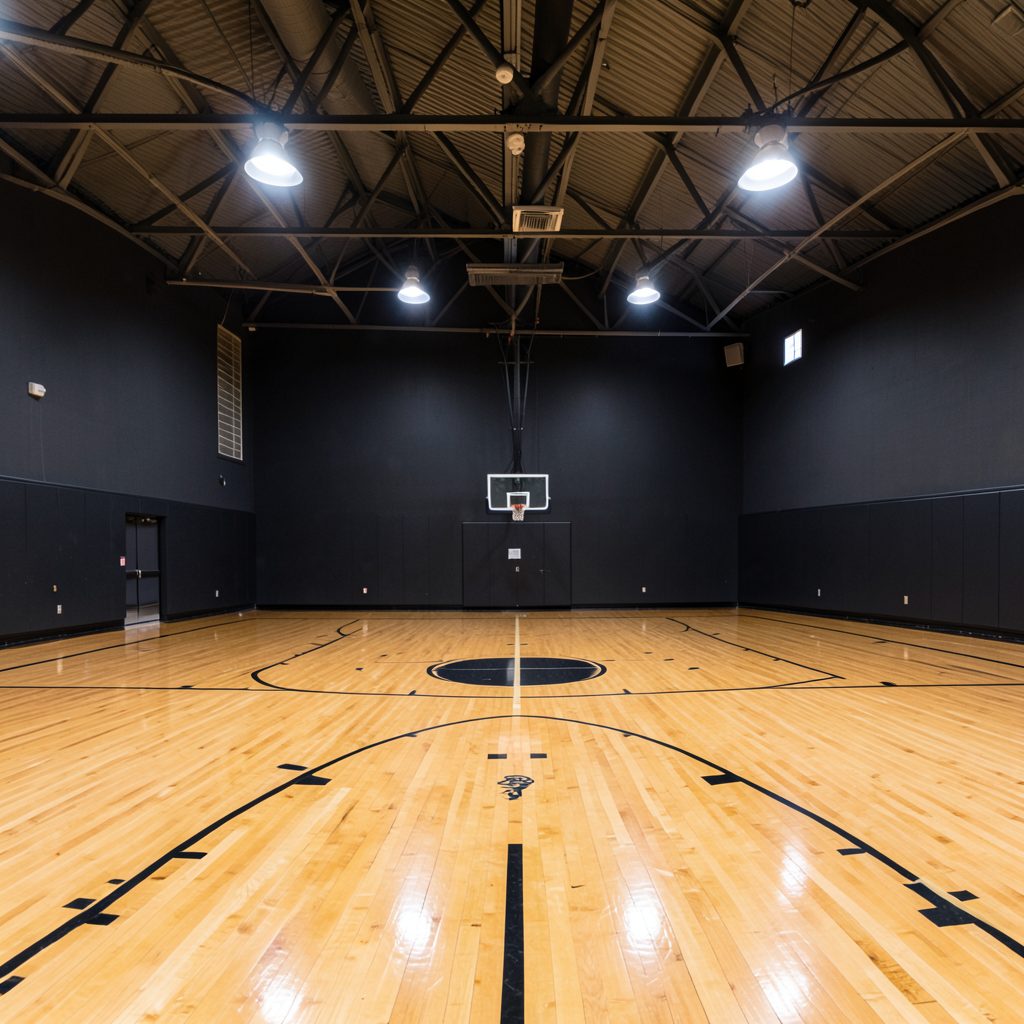
Eight league divisions span every age group: Indy Pro AM, 18+ Open Men's, 30+ Men's, Bite Size (ages 3–6), Impact League, 5th/6th Grade, Middle School, and High School. Gather your team and compete.
Training
Individual and group basketball training for all skill levels. Major M.O.V.E.S. Basketball Training serves ages 4–7 on Wednesday and Thursday evenings at 6:30 PM — $30 per session or $100 unlimited monthly.
Wellness & Recovery
Normatec boot recovery and cryotherapy treatments help athletes bounce back faster. Cycle and spin classes add a cardio dimension to the holistic performance approach.
Have a Question?