Train. Compete. Recover.
A multi-purpose athletic facility in Speedway, Indiana — basketball leagues, skill training, and wellness services all under one roof.
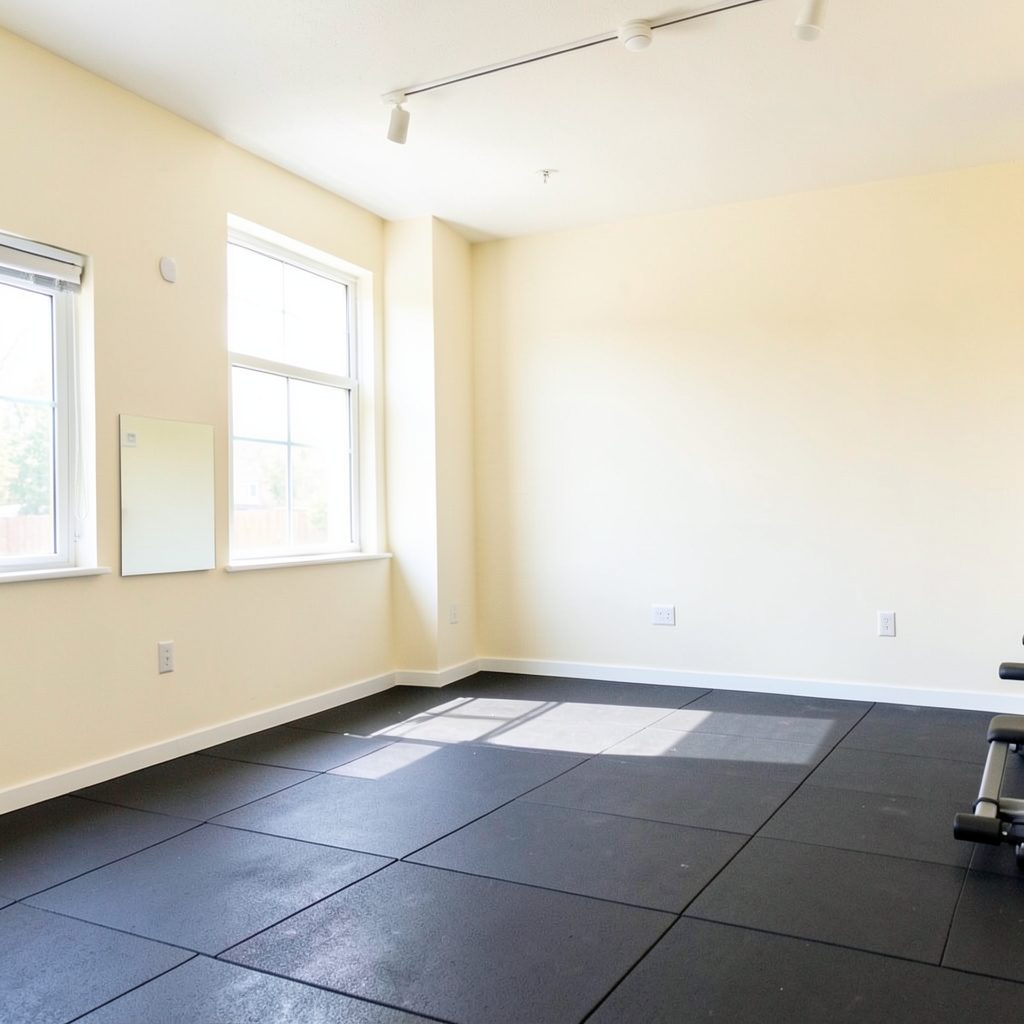
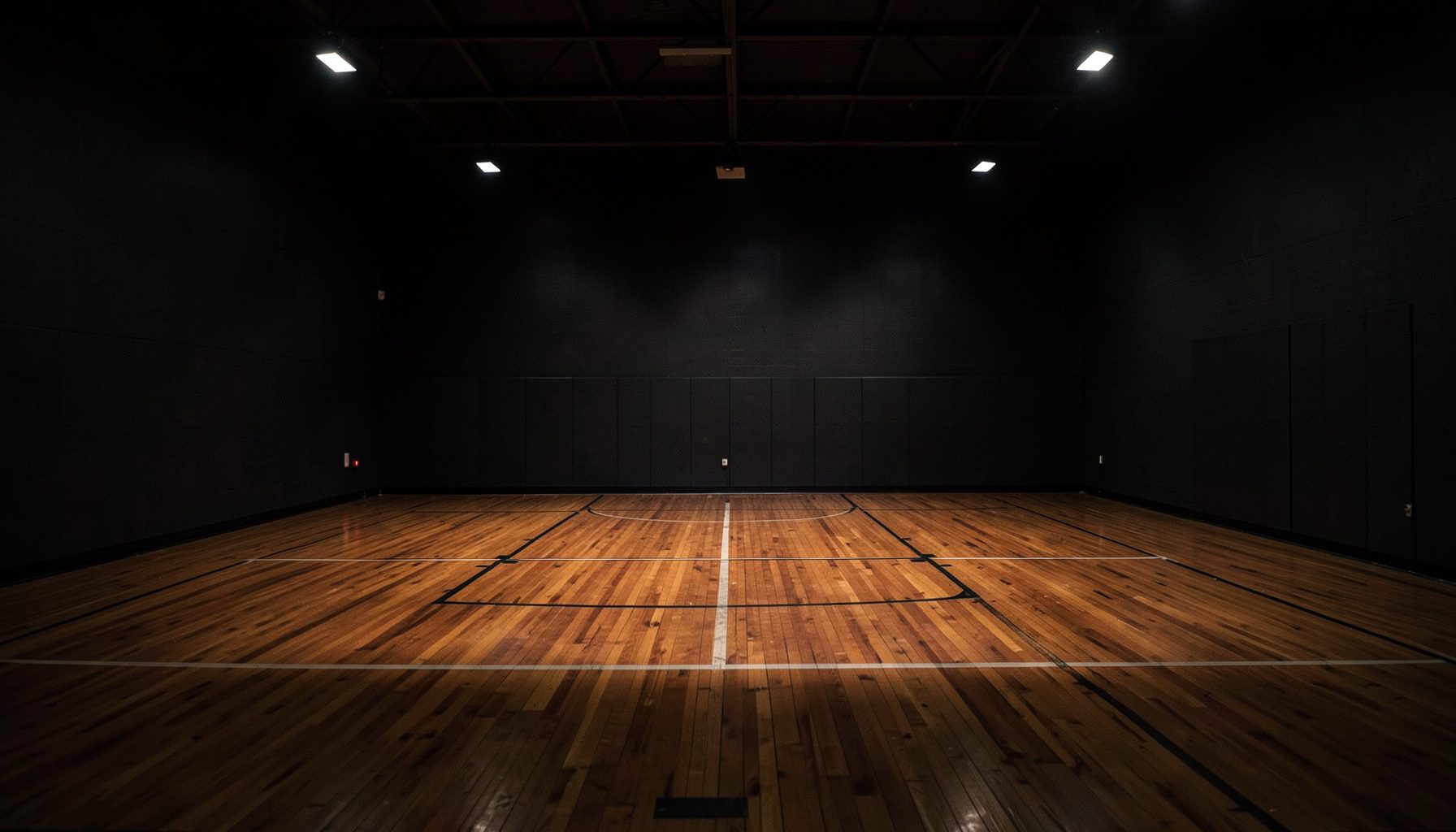
The Factory D1 Indy brings together three entities under one roof: competitive basketball leagues for all age groups, individual and group training, and wellness & recovery services including Normatec boot recovery and cryotherapy. Located off I-465 and High School Road at 6331 Crawfordsville Road, Speedway, Indiana 46224.
Get In TouchMeet the Coaches Behind Factory D1 Indy Training
The coaches at The Factory D1 Indy help athletes turn practice time into measurable progress. Their work reaches beyond shooting drills and ball-handling routines, combining technical instruction, physical preparation, competitive experience, and the confidence athletes need to perform under pressure.
Located in Speedway, Indiana, the facility brings together basketball skills training, youth programs, competitive leagues, cycling, and recovery services. That range gives athletes access to a connected training environment where coaches can support development at every stage, from a young player learning coordination to an adult competitor refining game performance.
A strong coaching staff also understands that athletes do not all learn in the same way. Some need detailed technical feedback, while others respond to repetition, competition, encouragement, or a clearly defined goal. The coaching approach at Factory D1 Indy is designed to meet athletes where they are and help them build from there. The Factory D1 Indy team reflects the facility’s broader commitment to training, community, and athletic growth.
Coaches Who Build Complete Players
Basketball development depends on more than one skill. A player may have a reliable jump shot but struggle with footwork, decision-making, or defensive positioning. Coaches help connect those separate elements so athletes can use them naturally during live play.
Training sessions can address shooting mechanics, passing accuracy, ball control, finishing around the rim, rebounding technique, and defensive movement. Coaches also work on how those skills fit into a team setting. Players learn to read space, make faster decisions, communicate with teammates, and stay composed when the pace changes.
This complete-player focus is especially valuable for young athletes. Early instruction should create sound habits without making the game feel overwhelming. Coaches can simplify complex movements, use age-appropriate drills, and create a positive setting where effort and improvement matter as much as immediate results.
Individual Attention With A Team Mindset
Individual basketball training gives coaches time to focus on the details that may be missed during a large practice. A coach can identify a player’s shooting pattern, examine their foot placement, or adjust the timing of a finishing move. Small corrections, repeated consistently, can produce significant changes over time.
Group training adds a different kind of value. Athletes must respond to defenders, teammates, time limits, and changing instructions. Coaches use that environment to develop awareness and adaptability rather than allowing players to rely only on rehearsed movements.
The best sessions combine both perspectives. Players receive personal feedback while learning how to apply it in a competitive setting. This balance helps athletes become more independent, because they begin to recognize what needs attention before a coach points it out.
Coaching Across Every Age Group
The needs of a preschool player, a middle school athlete, a high school competitor, and an adult league participant are naturally different. The Factory D1 Indy coaching team serves a broad range of ages, so instruction must be flexible while maintaining consistent standards for effort, sportsmanship, and preparation.
| Athlete Stage | Coaching Priorities | Typical Development Focus |
|---|---|---|
| Early Childhood | Enjoyment, coordination, and confidence | Movement skills, basic dribbling, passing, and game awareness |
| Youth Players | Fundamentals and decision-making | Footwork, shooting form, defense, and teamwork |
| Teen Athletes | Performance and competitive preparation | Position skills, pace, strength, and situational play |
| Adult Players | Fitness, skill maintenance, and competition | Conditioning, fundamentals, recovery, and league readiness |
For younger athletes, coaches create a structured but encouraging experience. As players mature, sessions can become more specialized and demanding. Advanced athletes may need position-specific training, game-speed repetitions, and feedback that prepares them for school, club, or league competition.
Adult athletes benefit from coaches who understand that goals vary. Some want a competitive outlet, some want to stay active, and others want to sharpen skills they have not used in years. A thoughtful coach can maintain intensity while respecting different experience levels and physical needs.
Preparing Athletes For Real Competition
A training drill becomes useful when an athlete can transfer it into a game. Coaches at Factory D1 Indy emphasize that connection by incorporating pressure, movement, defensive resistance, and decision-making into basketball workouts. Players are encouraged to execute skills at realistic speeds rather than treating practice as a series of isolated motions.
Competitive leagues provide another layer of development. Games reveal habits that may stay hidden during individual practice. A player may discover the need to improve conditioning, protect the ball more carefully, communicate on defense, or make quicker passes. Coaches can use those observations to shape future training.
Families selecting a league can also benefit from reviewing guidance on choosing the right league. The right level of competition can help a player stay challenged without feeling misplaced. Coaches play an important role in making that experience productive, encouraging athletes to compete with purpose and learn from every possession.
Training, Conditioning, And Recovery
Basketball coaching increasingly includes the physical demands surrounding the sport. Athletes need strength, mobility, balance, and stamina to repeat quality movements throughout a practice or game. Conditioning work can help players maintain effort late in competition, when tired legs often affect shooting, defense, and decision-making.
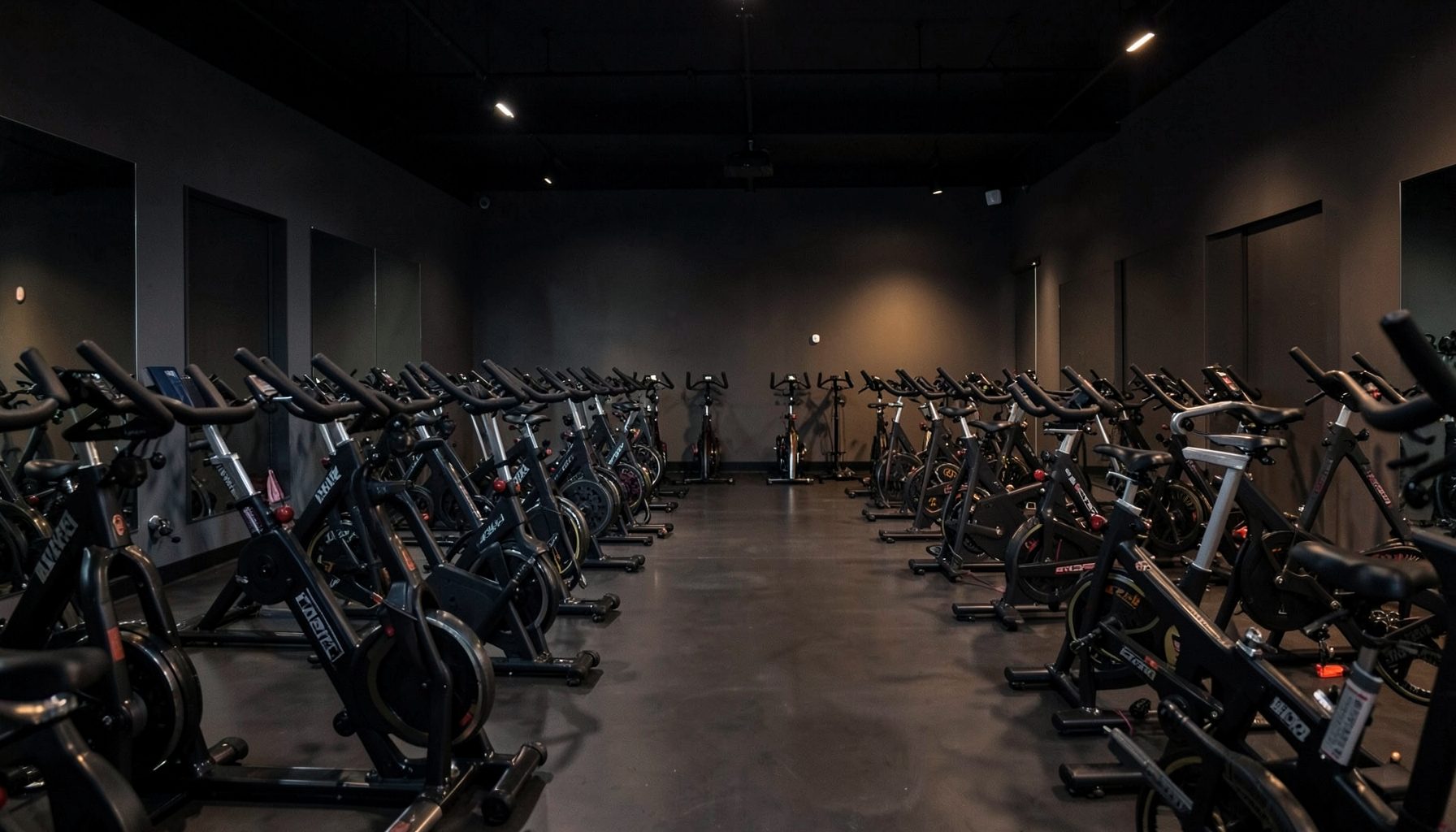
The Factory D1 Indy environment also includes cycle and spin classes, giving athletes another way to develop cardiovascular fitness. These sessions can complement basketball workouts by supporting endurance without relying on the same movement patterns every day. Coaches and athletes can use varied training to create a more complete fitness routine.
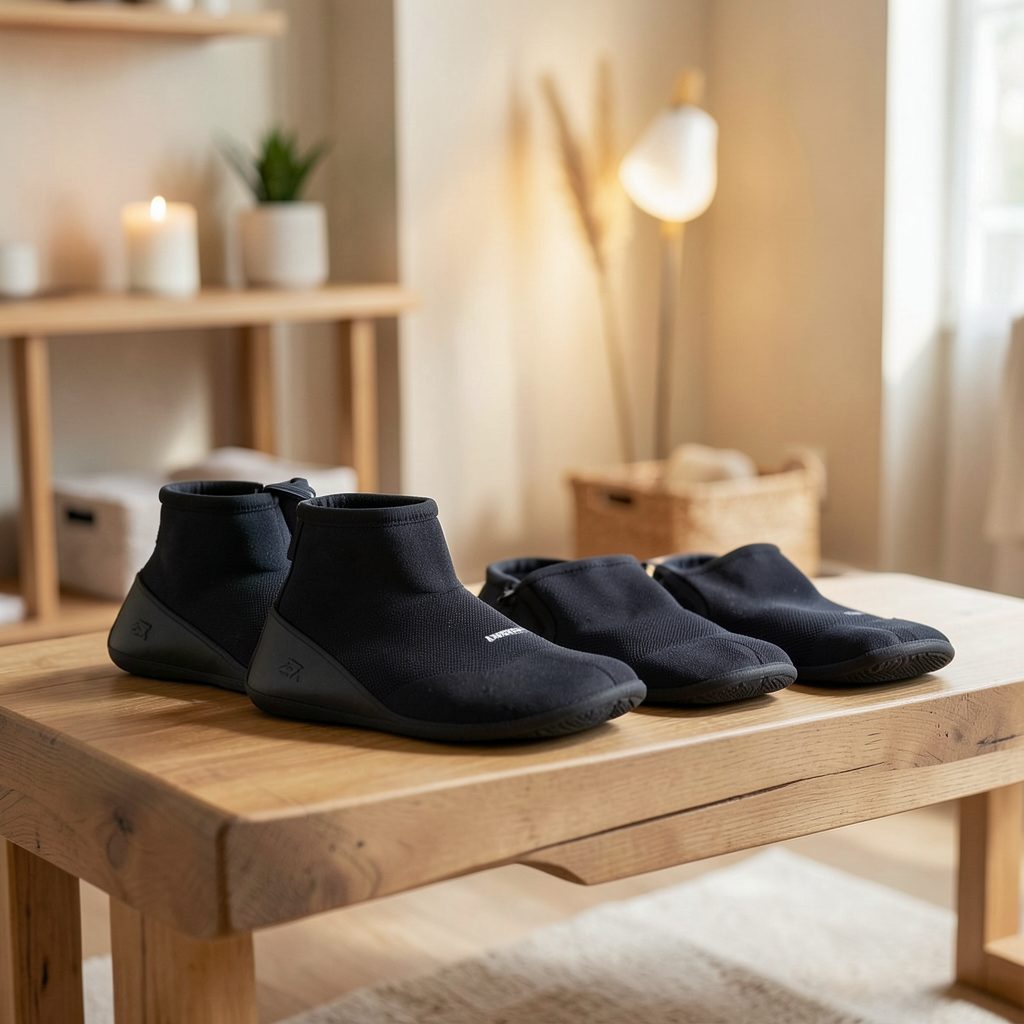
Recovery is equally important. Services such as Normatec compression therapy and cryotherapy support athletes as they manage soreness and prepare for their next session. Recovery does not replace good sleep, nutrition, hydration, or responsible training volume, but it can be part of a broader plan that helps athletes remain consistent.
What Athletes Learn Beyond The Court
A coach’s influence is measured in more than points scored or games won. Athletes also learn how to respond to mistakes, accept feedback, communicate clearly, and remain accountable to teammates. Those qualities can shape performance in basketball while also strengthening confidence in school, work, and daily life.
The coaching staff creates opportunities for players to experience progress firsthand. A young athlete may master a new movement, an experienced player may regain confidence after an injury, or a league participant may discover that structured practice makes competition more enjoyable. Each milestone reinforces the value of patience and regular effort.
For families, coaches also provide a consistent connection between athletic goals and healthy participation. Clear instruction, age-appropriate expectations, and positive encouragement help players understand that development is a process. The result is a sports environment where athletes can compete seriously while continuing to enjoy the game.
Find The Right Training Path
Athletes and families can make the most of the coaching staff by choosing programs that match their current needs and goals. Consider these steps when selecting a training option:
- Identify whether the priority is fundamental skill development, competitive preparation, fitness, or recovery.
- Choose an age and experience-appropriate league or training group.
- Share specific goals with coaches so sessions can include meaningful feedback.
- Attend consistently enough for new skills and habits to develop.
- Pair basketball practice with conditioning, rest, hydration, and recovery.
The coaches at The Factory D1 Indy provide a pathway for athletes who want to learn, compete, improve, and stay active in a supportive sports community. Explore available basketball training, youth programs, leagues, cycling classes, and recovery services at the Speedway facility, then take the next step toward a more focused and confident training routine.
Inside The Factory

Three Entities, One Roof
Leagues
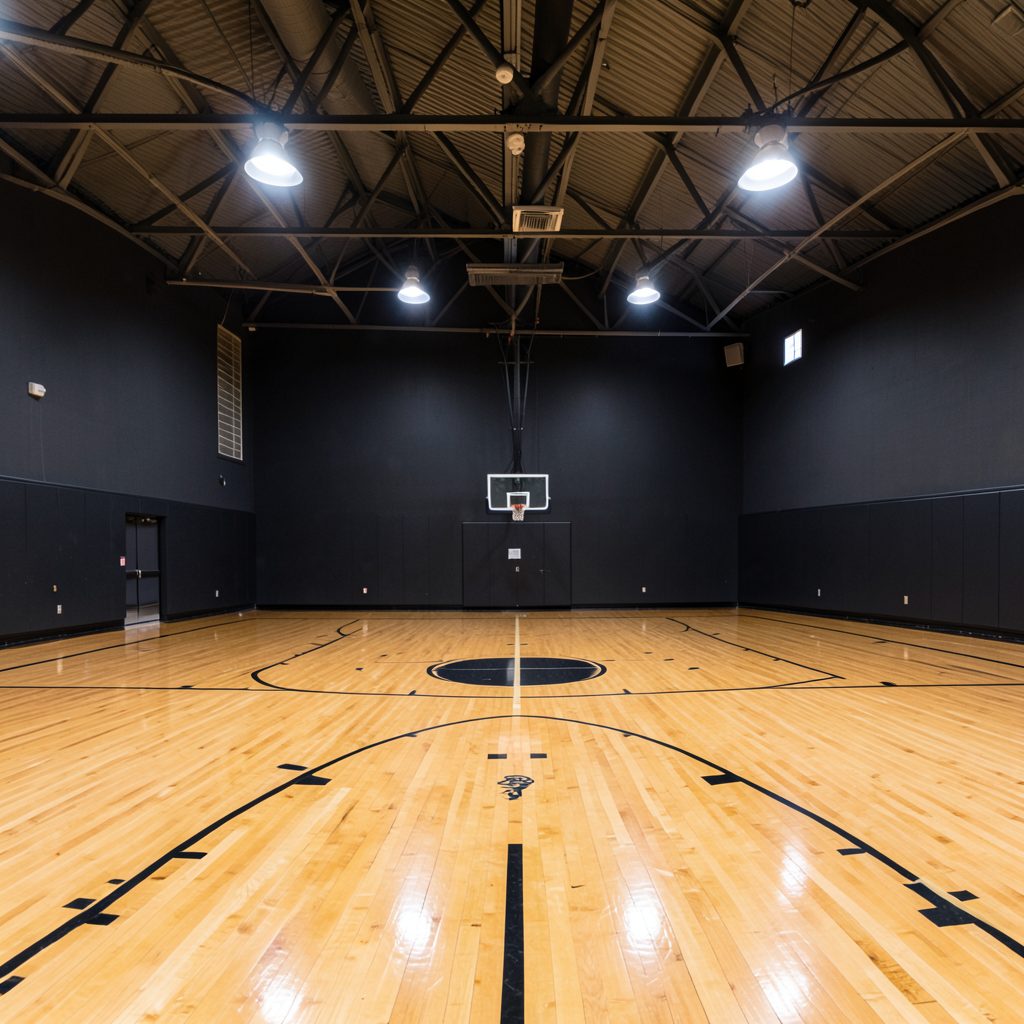
Eight league divisions span every age group: Indy Pro AM, 18+ Open Men's, 30+ Men's, Bite Size (ages 3–6), Impact League, 5th/6th Grade, Middle School, and High School. Gather your team and compete.
Training
Individual and group basketball training for all skill levels. Major M.O.V.E.S. Basketball Training serves ages 4–7 on Wednesday and Thursday evenings at 6:30 PM — $30 per session or $100 unlimited monthly.
Wellness & Recovery
Normatec boot recovery and cryotherapy treatments help athletes bounce back faster. Cycle and spin classes add a cardio dimension to the holistic performance approach.
Have a Question?