Train. Compete. Recover.
A multi-purpose athletic facility in Speedway, Indiana — basketball leagues, skill training, and wellness services all under one roof.
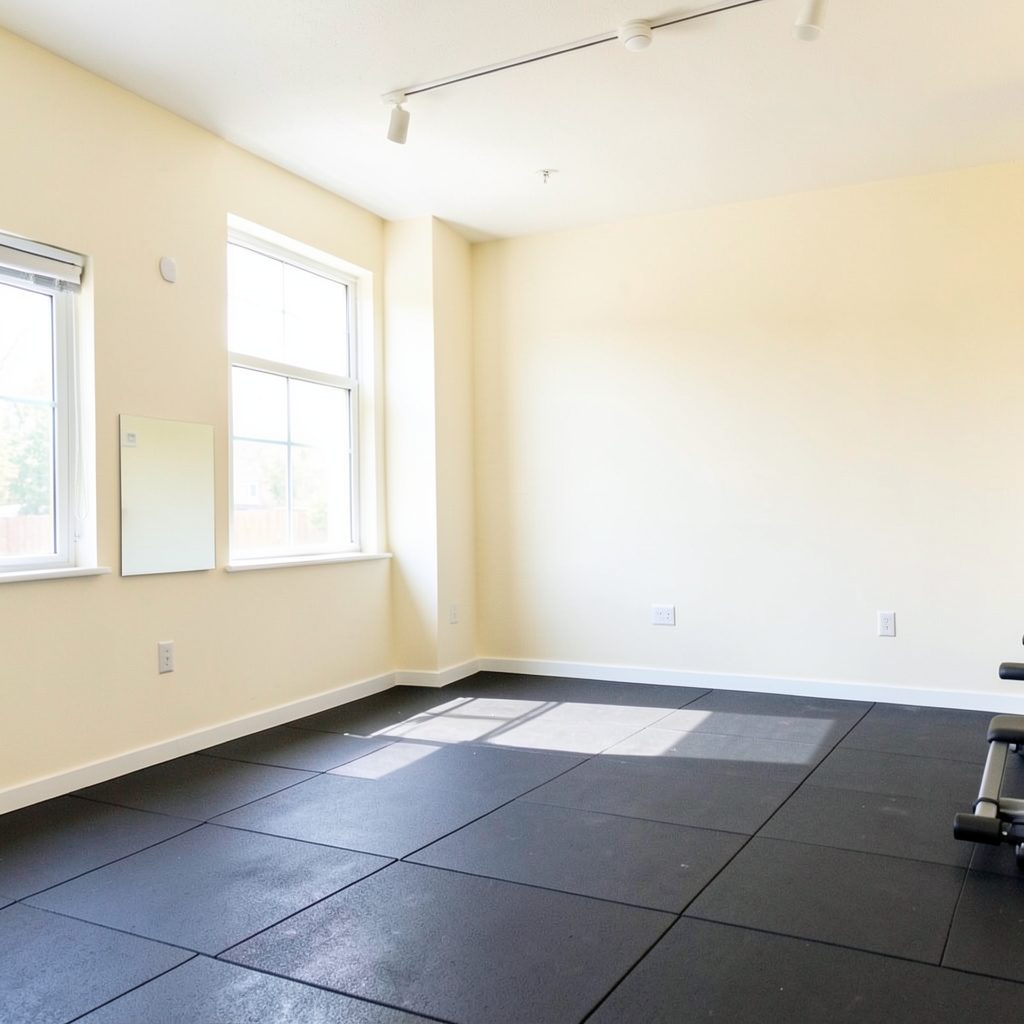
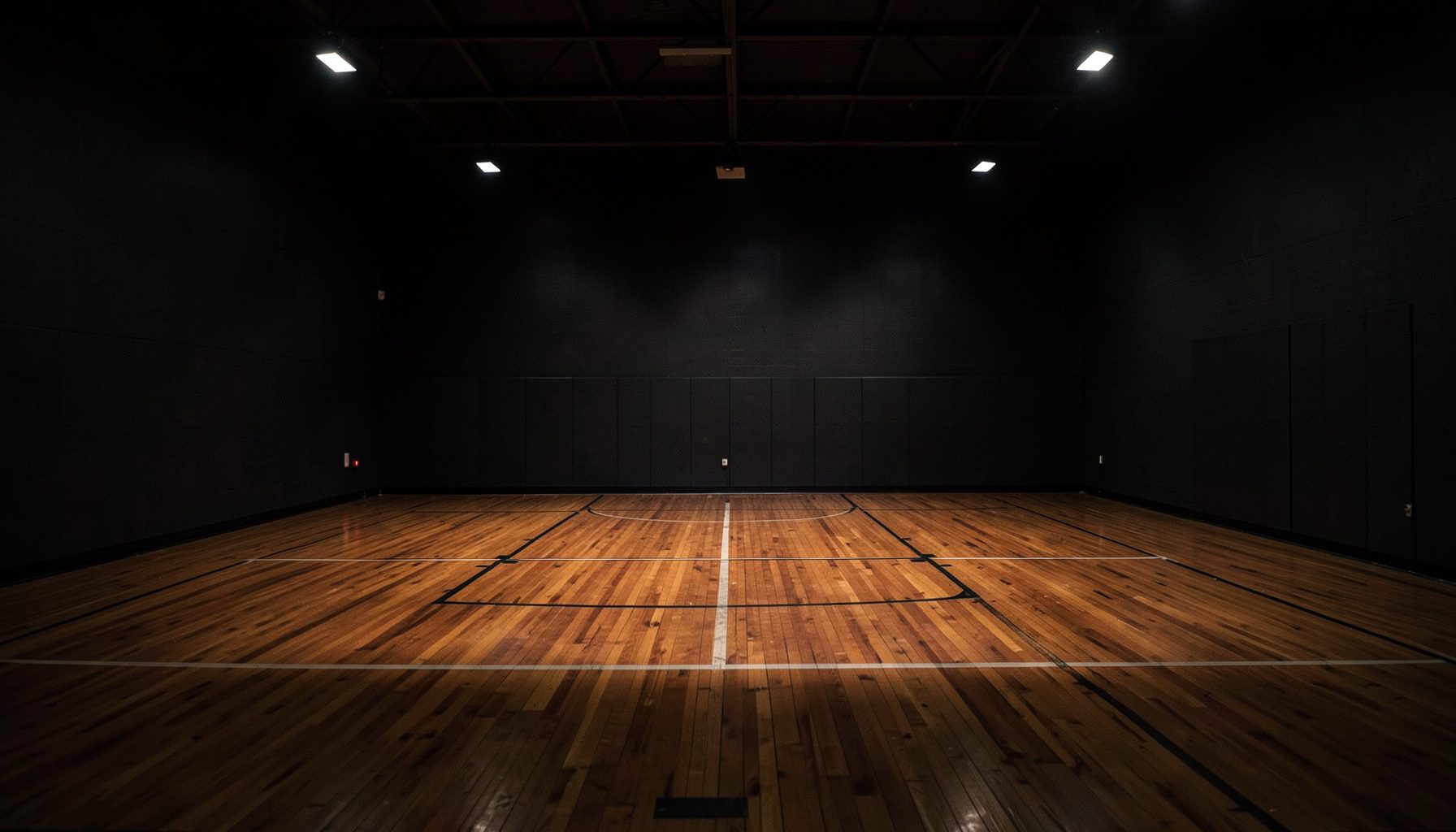
The Factory D1 Indy brings together three entities under one roof: competitive basketball leagues for all age groups, individual and group training, and wellness & recovery services including Normatec boot recovery and cryotherapy. Located off I-465 and High School Road at 6331 Crawfordsville Road, Speedway, Indiana 46224.
Get In TouchA fairer way to manage adult league scheduling
Adult basketball is built around reliable weekly competition, yet players’ lives rarely follow a perfect fixture. Work shifts change, family commitments arise, teams travel, and venues sometimes become unavailable. A clear process for scheduling conflicts helps protect the quality of the season while treating every team fairly.
At The Factory D1 Indy, our approach is designed to keep games moving without placing the full burden on one captain. Teams receive clear expectations about notice periods, communication, replacement dates and forfeits, so a genuine conflict can be handled differently from a last-minute absence.
For players in Australia, the same principles are familiar. A Melbourne nurse may receive a revised hospital roster, a Sydney player may be away during a public holiday weekend, and a Perth team may need to account for a major time difference when coordinating with an Indiana-based organisation. Good administration makes those situations manageable.
How teams report a scheduling conflict
The first step is early communication. A captain should contact the league organiser as soon as a conflict becomes known, including the affected fixture, the reason for the request, the number of unavailable players and the dates when the team can play. This gives the organiser time to check court availability and speak with the opposing captain.
A conflict request is different from simply advising that a few players will miss a game. Adult teams are expected to play when they can field a suitable roster. A make-up request is generally considered when the issue affects the team’s ability to compete properly, such as a major work commitment, significant travel, a venue problem or an exceptional personal circumstance.
The organiser reviews the request consistently rather than deciding based on which team asks first or who has the stronger record. Captains should avoid arranging private swaps without approval, because an informal agreement may create problems with court bookings, officials, insurance or the published fixture.
The process for approving a make-up game
Once a request is received, the league checks three practical points: whether the reason is reasonable, whether the opposing team agrees, and whether a suitable court and referee are available. A proposed replacement date is not confirmed until the league has approved it in writing.
The preferred option is usually to move the game within the same fixture period. This limits disruption to the ladder and reduces the risk of a congested final fortnight. If that cannot be done, the organiser may place the game on an open evening, before another scheduled fixture or during a designated make-up window.
Availability needs to be stated precisely. “Any weeknight” can mean very different things for players working casual hospitality shifts in Brisbane or rotating shifts in Adelaide. Captains should provide two or three realistic options, including the earliest start time their roster can manage and any dates that are unavailable because of travel, public holidays or other league commitments.
What happens when players are unavailable
A team does not automatically receive a rescheduled game because one or two players are absent. The competition is for adult athletes with changing commitments, so teams are expected to plan for ordinary absences by maintaining a legal roster and using eligible substitutes where the league rules allow.
The organiser may approve a change when a conflict creates a genuine competitive or logistical problem. Examples include several players being called into the same work obligation, a transport disruption that affects a large group, or an unexpected facility closure. The decision is based on the circumstances and the effect on both teams, rather than on a player’s preferred starting line-up.
Captains can also reduce disruption through better roster planning. Players should record holidays, interstate travel and known work peaks before the season starts. A Sydney team planning around school-holiday travel or a Melbourne group managing winter sport commitments will have more options if those dates are shared early.
Skill preparation still matters when a fixture moves. Short, efficient movement work can help players return ready for a different game date; our three-cone drills are one example of training that supports sharper first steps and change of direction.
How fairness is protected after a postponement
A make-up game keeps the original competitive obligation in place. The teams still play for the same ladder points, and the fixture should use the same eligibility, scoring and officiating rules as any other regular-season game. Moving a contest should not create an easier route to finals or allow teams to manipulate their position.
The league also aims to avoid giving one team an unfair rest advantage. If a rescheduled game would create too many fixtures in a short period, the organiser may choose a later date or decline the proposed slot. Player welfare and a reasonable recovery window matter, especially in a physical adult competition where athletes may be balancing basketball with full-time work.
Clear records are essential. The confirmed date, time, court, opponent and any roster conditions should be sent to both captains. If the teams cannot agree, the league makes the final scheduling decision. A team that fails to attend an approved replacement game may be subject to the normal forfeiture rules.
Australian players will also recognise the importance of transparent terms. Australian Consumer Law does not prescribe a particular basketball fixture system, but sporting organisations should communicate material conditions clearly, including fees, cancellation rules and what happens when a service cannot be delivered as scheduled. Written league rules reduce misunderstandings and help every participant know what they have agreed to.
Managing time zones, venue limits and late changes
The Factory D1 Indy operates in Speedway, Indiana, so its local schedule follows Eastern Time and may shift between standard time and daylight saving time. A player coordinating from Australia should check the conversion carefully: Sydney and Melbourne can be many hours ahead, while Perth follows a different offset and does not observe daylight saving. The date can change across the International Date Line, making a written time zone especially important.
For that reason, official notices should show the venue’s local date and time, with an international conversion where required. A message sent late in the day from Australia may arrive during overnight hours in Indiana. Captains should allow a sensible response window rather than treating a lack of immediate reply as approval.
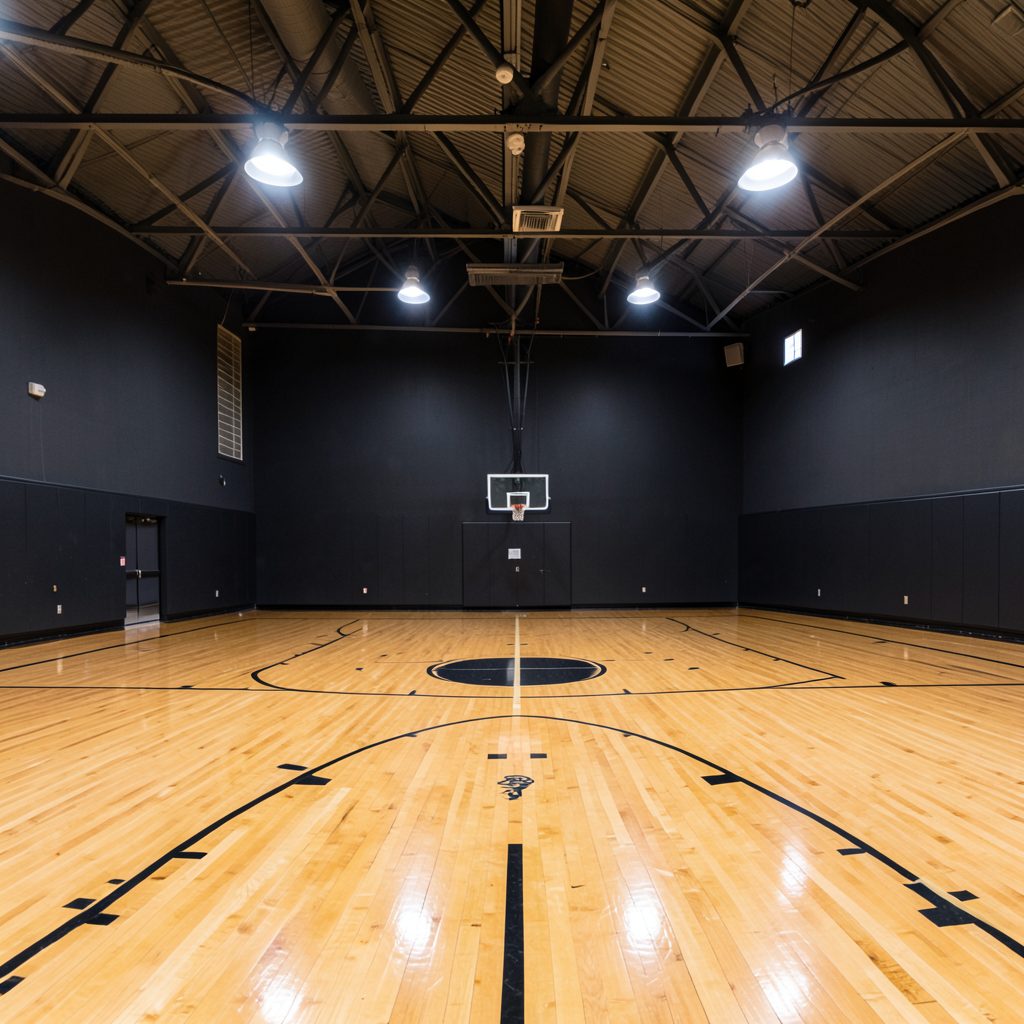
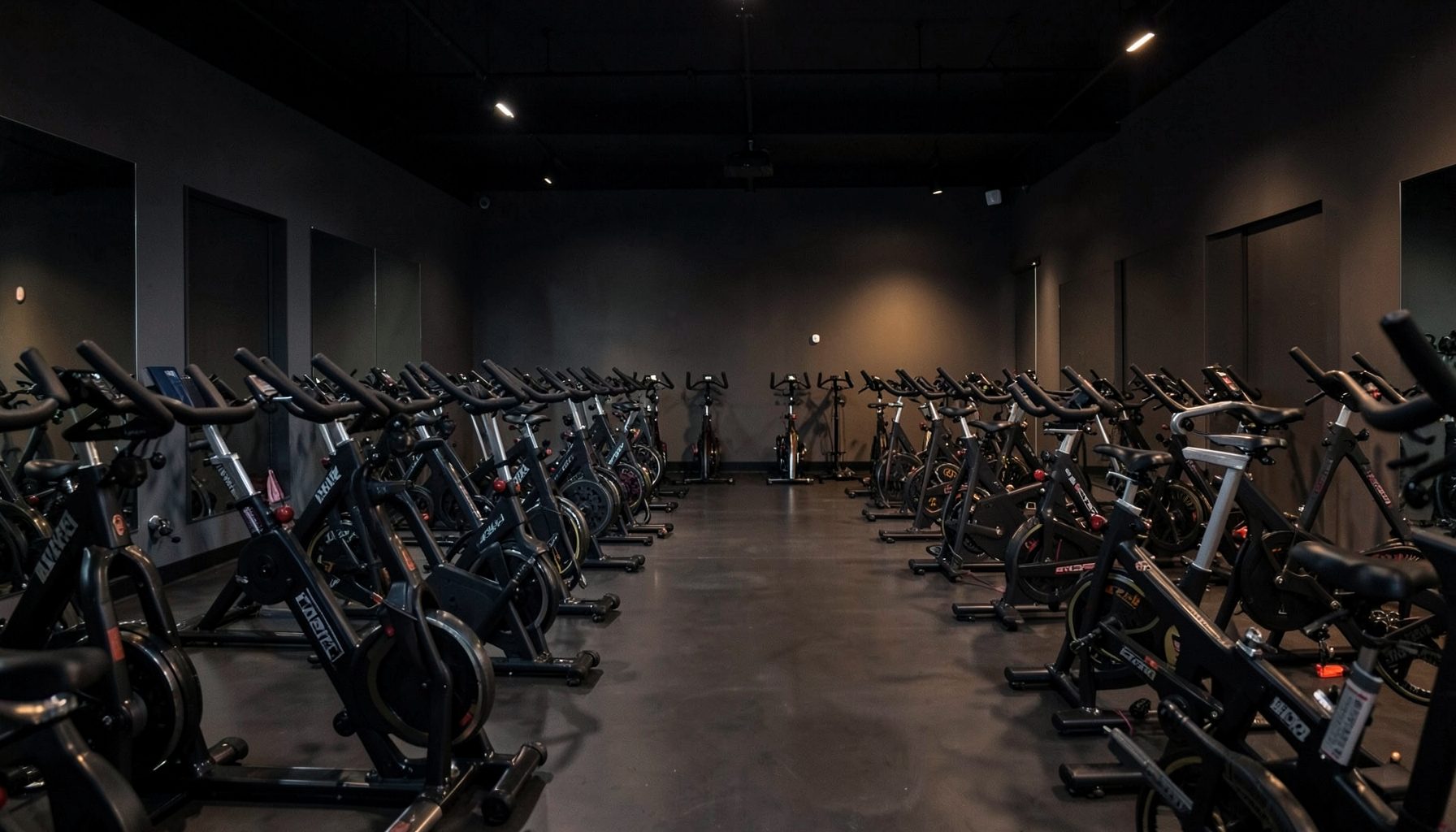
Venue capacity is another limit. A multi-purpose facility may host basketball training, leagues, cycle classes and recovery services at the same time. The our facility information explains the broader setting, which is why court availability must be checked before a replacement is promised. A popular evening slot may be unavailable even when both teams are free.
Late cancellations are handled differently from advance requests. If severe weather, a facility issue or another urgent event affects play, the league communicates the decision as soon as possible and confirms the next step. Players should rely on the official message rather than assumptions in a group chat.
A simple guide for captains and players
The following guide summarises the usual response. Specific competition rules and organiser decisions always take priority, particularly where venue safety, officials or player eligibility are involved.
| Situation | Usual action | Captain’s responsibility |
|---|---|---|
| One player has a work or family conflict | Play if the team can field an eligible roster | Arrange cover or notify the team |
| Several players are unavailable | Request a review promptly | Give the reason and several workable dates |
| Both captains agree to move a fixture | Submit the agreement for approval | Wait for written confirmation |
| The venue or officials are unavailable | League proposes or confirms a new date | Share the official update with players |
| A team misses an approved make-up game | Normal forfeit or competition rule may apply | Attend the confirmed fixture or contact the organiser immediately |
| A late emergency occurs | League assesses the circumstances | Provide accurate information as soon as possible |
The fairest system is predictable, documented and flexible enough for real life. Early notice gives the league more choices, while clear authority prevents private arrangements from affecting the opposing team or the wider competition.
Teams can help by keeping player availability current, responding promptly to the organiser and treating a replacement fixture as a firm commitment once it is approved. With that shared standard, adult basketball remains competitive, social and easier to fit around work and family life.
Register your team, review the league requirements and keep your availability ready before fixtures are released. When a genuine conflict arises, contact the league early so the organiser can find a workable court, date and game plan for everyone involved.
Inside The Factory


Three Entities, One Roof
Leagues
Eight league divisions span every age group: Indy Pro AM, 18+ Open Men's, 30+ Men's, Bite Size (ages 3–6), Impact League, 5th/6th Grade, Middle School, and High School. Gather your team and compete.
Training
Individual and group basketball training for all skill levels. Major M.O.V.E.S. Basketball Training serves ages 4–7 on Wednesday and Thursday evenings at 6:30 PM — $30 per session or $100 unlimited monthly.
Wellness & Recovery
Normatec boot recovery and cryotherapy treatments help athletes bounce back faster. Cycle and spin classes add a cardio dimension to the holistic performance approach.
Have a Question?