Train. Compete. Recover.
A multi-purpose athletic facility in Speedway, Indiana — basketball leagues, skill training, and wellness services all under one roof.
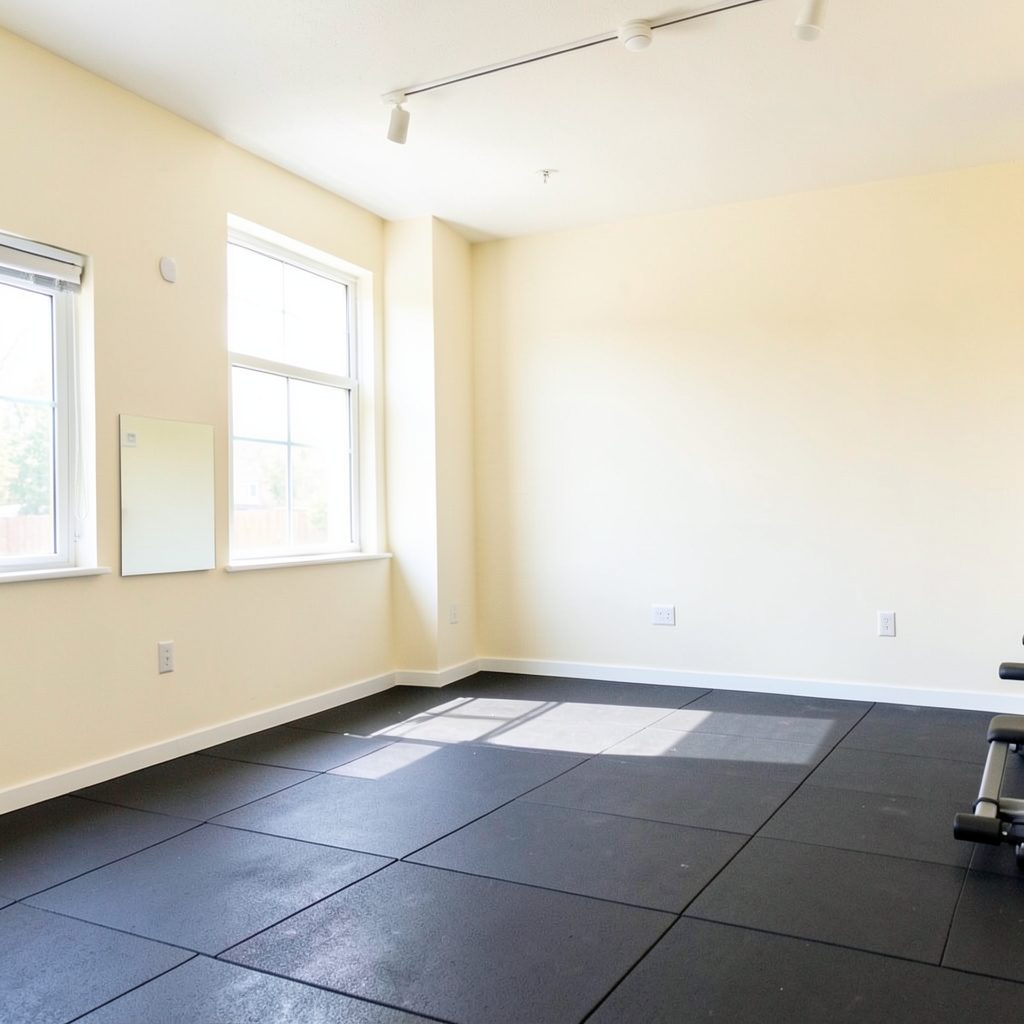
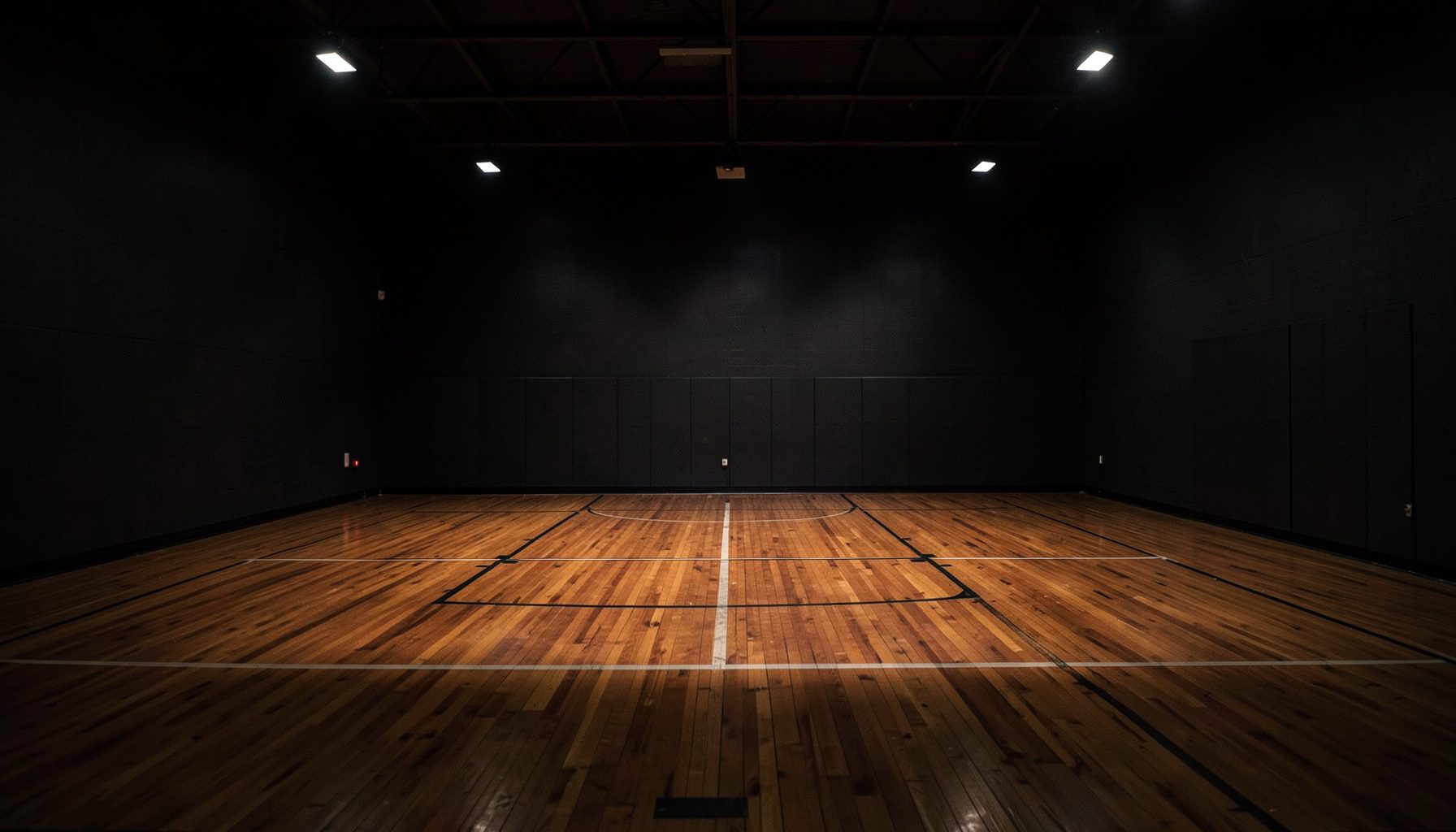
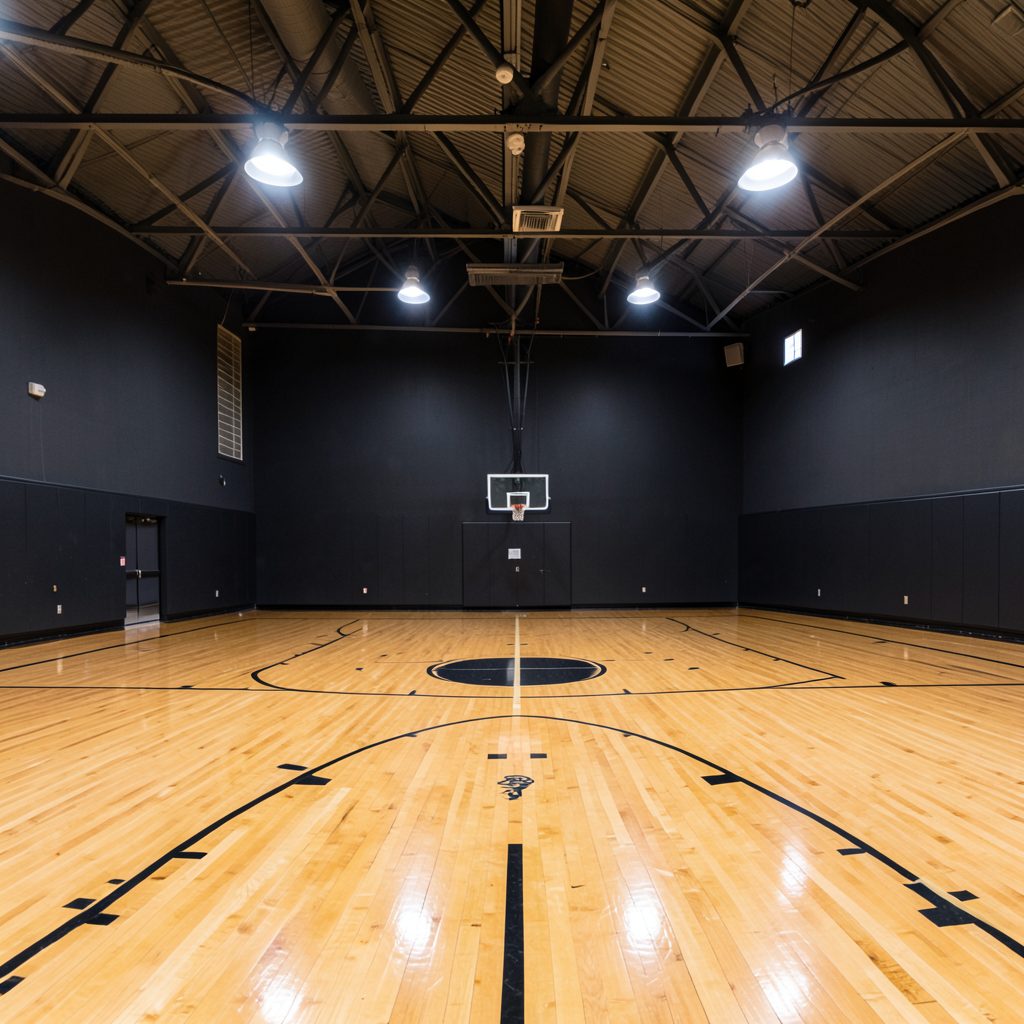
The Factory D1 Indy brings together three entities under one roof: competitive basketball leagues for all age groups, individual and group training, and wellness & recovery services including Normatec boot recovery and cryotherapy. Located off I-465 and High School Road at 6331 Crawfordsville Road, Speedway, Indiana 46224.
Get In TouchThree cone drills for a faster first step on the court
A quicker first step is rarely about sprinting in a straight line. Basketball players must read a defender, load one leg, keep their hips under control and explode into space without wasting movement. Cone drills make those demands visible because every change of direction has a clear starting point, angle and finish.
The best drills also connect directly to basketball actions. A guard might attack from the wing, a forward may close out before sliding, and a junior player could need to chase a loose ball from an awkward stance. Practising these patterns at game speed helps turn strength and coordination into useful court movement.
For Australian athletes, this work fits easily into a driveway, school gym or local stadium session. Whether you play social basketball in Melbourne, train in a Perth heat or compete in a junior league in Brisbane, three cones and a small amount of space can create a focused acceleration workout.
Speed should never mean losing balance or control. Begin with clean footwork, allow enough recovery between efforts and increase intensity only when the movement remains sharp. A coach should also adjust distances for age, training experience and the surface underfoot.
Why the first step needs more than speed
The first step begins before the foot leaves the floor. Players must lower their centre of mass, place pressure through the appropriate leg and direct their shoulders towards the intended path. If the chest rises too early or the foot lands across the body, acceleration becomes slower and easier to defend.
Basketball also demands braking. A player who can burst forward but cannot stop will struggle to create separation, defend a drive or stay in bounds. These drills therefore combine acceleration, deceleration and redirection instead of treating speed as a simple straight-line quality.
Use a full warm-up before training: light jogging, ankle mobility, hip movements, skips and several sub-maximal starts. On outdoor courts, check for dust, moisture and uneven joins. Australian summer heat can increase fatigue quickly, so schedule demanding speed work during cooler periods and keep water available.
Drill one: split-stance burst
Place one cone as the starting point and a second cone about five metres ahead. Stand in a basketball-ready split stance, with one foot slightly forward and your weight balanced between both legs. On a visual or verbal cue, push through the rear foot and accelerate to the far cone, finishing under control.
The important detail is the first two steps. Keep the body angled forward, drive the arms aggressively and avoid standing upright before reaching speed. Complete four to six repetitions from each stance, resting for 30 to 45 seconds so every burst remains explosive rather than becoming conditioning work.
This drill is useful for attacking a closeout or launching into a fast break. Coaches can vary the cue by pointing left or right, requiring the athlete to respond instead of memorising a pattern. For younger players, keep the distance short and reward balanced posture rather than maximum effort.
Drill two: lateral load and crossover
Set three cones in a shallow line: one in the middle and one about three metres to either side. Begin at the middle cone in a low defensive stance. Push laterally towards one outside cone, plant the outside foot and use a crossover step to accelerate diagonally past the middle cone.
The first movement should be a strong push, not a reach with the nearest foot. Keep the hips low, allow the shoulders to turn naturally and make the second step cover ground. Perform three repetitions to each side, then rest. The drill becomes more demanding when a coach gives the direction late or holds up a coloured marker.
This pattern closely resembles beating a defender from the perimeter. It also teaches the lateral-to-linear transition required after a defensive slide, making it valuable for both guards and bigger athletes. Players in NBL1, school competitions or local stadium leagues can use it as a short technical block before shooting or live play.
Drill three: drop-step angle attack
Place a starting cone near the sideline and two target cones several metres ahead, forming a shallow V. Begin square to the court, then open the hips with a drop step towards one target. Push off the outside leg and accelerate through the chosen lane, finishing beyond the target cone.
The drop step must create an angle rather than a large sideways jump. The first foot opens the route, while the next step drives the body forward. Keep the ball of the foot connected to the floor and avoid crossing the legs too early, which can make the hips face the wrong direction.
Add a basketball once the footwork is reliable. Start with a low dribble in the outside hand, then progress to a change of direction after the drop step. This makes the drill relevant to baseline attacks, closeout counters and receiving the ball before turning down the lane.
How to coach each repetition
A useful coaching cue is “push, angle, go”. The player should push forcefully into the floor, angle the body towards open space and accelerate without extra preparation steps. Video recorded from the side can reveal whether the first step is reaching forward or actually driving the hips past the base of support.
Keep repetitions brief and quality high. Six fast efforts are often more valuable than twenty tired ones, especially for developing athletes. Between sets, note whether the player’s foot placement, shin angle and arm action stay consistent. A slower effort with excellent mechanics can be more productive than a rushed effort full of compensations.
For children, games can make the same skills more engaging. Use a coach’s call, a partner’s movement or a reaction to a pass as the stimulus. Families comparing programmes can also review this guide to child training before selecting a setting that balances skills, enjoyment, supervision and competition.
Building the drills into a weekly plan
Place cone work after the warm-up and before heavy strength training, long conditioning or extensive shooting. One or two sessions each week are enough for most players when the efforts are genuinely explosive. A simple session could include two sets of split-stance bursts, two sets of lateral crossovers and two sets of drop-step attacks.
Leave at least 48 hours between demanding acceleration sessions for younger or less experienced athletes. Players with a busy school, club and representative schedule should count games and intense practices as high-load work too. The goal is to improve the first step without adding fatigue that affects skill development or recovery.
Training access varies across Australia. Some athletes use council courts, school halls or private facilities, while others rely on early-morning sessions around work and study. In cities such as Sydney and Melbourne, court availability may require bookings; in regional areas, travel time can shape the weekly plan. A compact three-cone session is practical because it needs little equipment and can fit around those realities.
Measuring progress without chasing hype
Time the distance from the first movement to the finishing cone, but do not rely on the stopwatch alone. Record the starting stance, direction, surface, footwear and whether the cue was known in advance. Small differences in court grip or timing method can make results difficult to compare.
Also track basketball outcomes. Can the player beat a closeout more often? Do they reach a defensive spot earlier? Are they stopping under control rather than sliding past the play? These signs show whether training is transferring to competition, which matters more than a tiny improvement in a cone sprint.
Progress should be gradual. Increase the distance, add a reaction cue or introduce a ball before combining all three. Under Australian workplace and child-sport safety expectations, organised programmes should use suitable supervision, risk controls and properly maintained spaces; clubs also commonly require screened adults, including Working With Children Checks where state rules apply.
Turning first-step speed into game habits
A drill becomes valuable when its movement appears in live play. After each cone set, use a related basketball activity: attack a closeout, defend a drive, sprint into a passing lane or make a short one-on-one decision. Keep the court area clear so players can accelerate and decelerate safely.
End with a low-volume competitive challenge rather than exhausting the group. For example, award a point for the first player to reach a target while maintaining legal footwork and balance. This encourages intent without teaching athletes to sacrifice control for a faster time.
Recovery also affects speed. Sleep, regular meals and sensible hydration support repeated high-quality efforts, while compression or other recovery services may complement a broader training routine. In hot conditions, follow the venue’s heat policy, take extra breaks and reduce intensity if an athlete shows dizziness, unusual fatigue or poor coordination.
Use these three patterns consistently for several weeks, then reassess their effect in games and timed tests. Athletes who keep the hips loaded, push decisively and choose efficient angles will usually find that their first step becomes quicker because it has become more dependable.
Build the drills into a coached basketball session at The Factory D1 Indy, or use them as a focused addition to your current programme. Bring three cones, a clear purpose and a commitment to quality movement, and turn each sharp first step into an advantage on the court.
Inside The Factory
Three Entities, One Roof
Leagues
Eight league divisions span every age group: Indy Pro AM, 18+ Open Men's, 30+ Men's, Bite Size (ages 3–6), Impact League, 5th/6th Grade, Middle School, and High School. Gather your team and compete.
Training
Individual and group basketball training for all skill levels. Major M.O.V.E.S. Basketball Training serves ages 4–7 on Wednesday and Thursday evenings at 6:30 PM — $30 per session or $100 unlimited monthly.
Wellness & Recovery
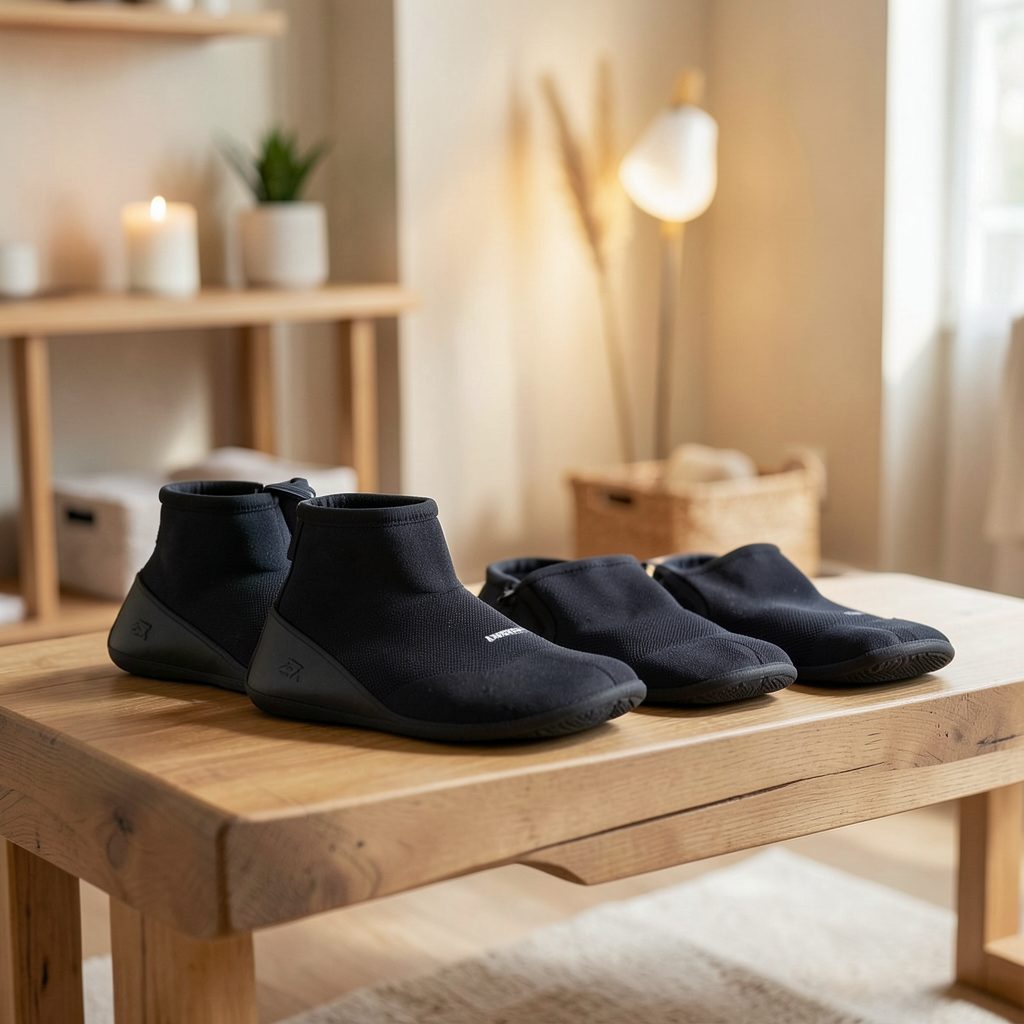
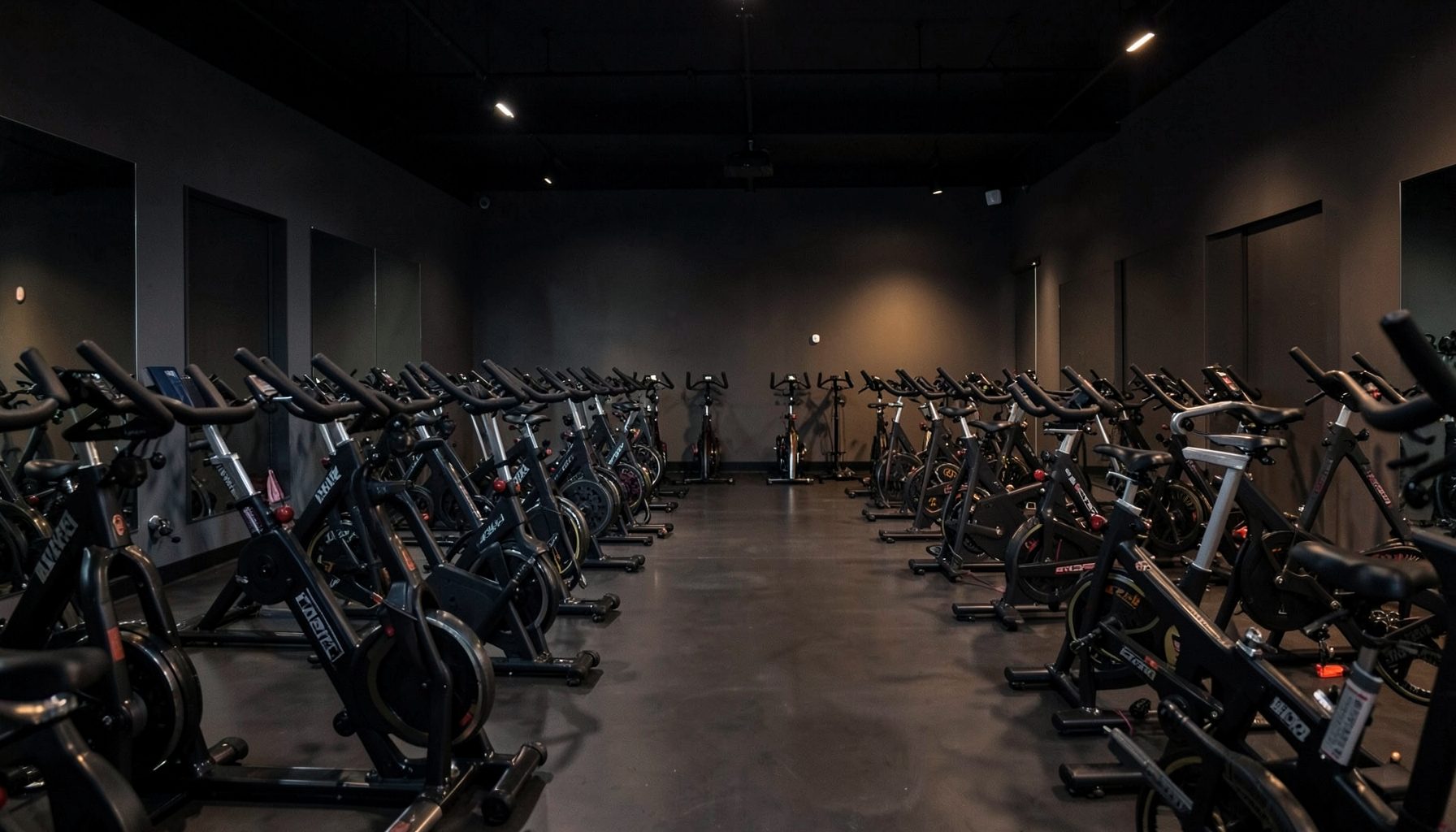
Normatec boot recovery and cryotherapy treatments help athletes bounce back faster. Cycle and spin classes add a cardio dimension to the holistic performance approach.
Have a Question?