Train. Compete. Recover.
A multi-purpose athletic facility in Speedway, Indiana — basketball leagues, skill training, and wellness services all under one roof.
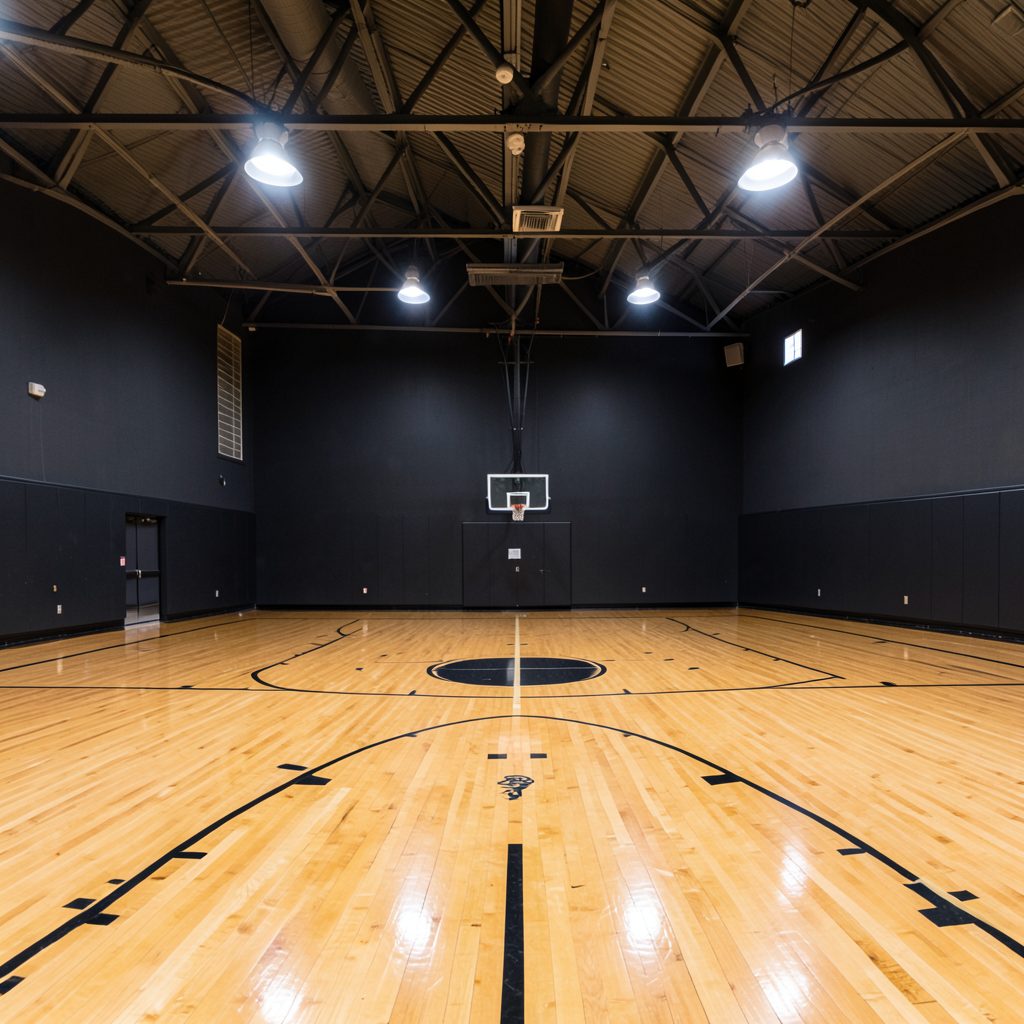
The Factory D1 Indy brings together three entities under one roof: competitive basketball leagues for all age groups, individual and group training, and wellness & recovery services including Normatec boot recovery and cryotherapy. Located off I-465 and High School Road at 6331 Crawfordsville Road, Speedway, Indiana 46224.
Get In TouchBasketball Development That Meets Athletes Where They Are
Basketball players do not arrive with the same coordination, confidence, experience or physical readiness. A child learning to dribble, a school athlete preparing for representative trials and an adult returning to competition all need different coaching priorities. Effective development begins by recognising that difference rather than placing every player into the same session.
At The Factory D1 Indy, training is shaped around the athlete’s current ability and next realistic goal. Individual instruction, small-group skills work, youth programs and competitive leagues create a pathway from first touches to confident game performance. For Australian families comparing development options, this approach also suits the practical rhythm of school terms, weekend sport and travel between cities such as Melbourne, Sydney, Brisbane and Perth.
Starting With Assessment And Clear Goals
Every useful program begins with observation. Coaches look at ball control, footwork, balance, passing technique, shooting mechanics, defensive movement and decision-making under pressure. They also consider age, previous coaching, injury history and the athlete’s reasons for playing. A beginner may need comfort with the ball, while an experienced guard may need sharper reads from the pick-and-roll.
The assessment does not have to feel like a test. It gives the player and coach a shared starting point, then turns broad ambitions into practical targets. “Improve shooting” can become “make a balanced catch-and-shoot action from five spots” or “finish with either hand through light contact.” Progress is easier to see when the goal is specific and connected to game situations.
This flexibility is valuable in Australia, where a player may move between school basketball, a local association and representative trials during the same year. Training can support the demands of a school competition without assuming that every athlete has access to the same number of sessions or facilities.
Building Foundations For New Players
Beginning players need repetition, but repetition must be purposeful. Early sessions often focus on athletic stance, stopping safely, changing direction, protecting the ball and passing to a moving target. Shooting instruction starts with balance, hand placement and a repeatable release before distance or speed becomes the priority.
Young athletes also benefit from activities that feel like games. Relays, reaction drills, guided one-on-one play and small-sided matches help children practise skills while learning spacing and simple rules. Coaches can adjust the court area, ball size, scoring system and defensive pressure so that success remains achievable without removing challenge.
This matters for Australian families who may be fitting sport around homework, commuting and Saturday morning commitments. A positive first experience can determine whether a child stays involved through winter competitions and school carnivals. Families preparing for that milestone can also use these youth league tips to make the transition into organised competition less intimidating.
Challenging Developing Athletes
Once basic movements become reliable, the focus shifts from performing a skill in isolation to applying it while moving, reading defenders and managing pressure. A developing player may work on attacking a close-out, making the extra pass, relocating after a pass or choosing between a drive and a pull-up shot.
Group training is especially useful at this stage because athletes receive varied defensive looks and must respond to real teammates. Coaches can create constraints that encourage smarter play, such as limiting dribbles, awarding extra points for paint touches or requiring a pass after a help defender commits. These conditions develop basketball IQ without turning every session into a lecture.
Individual sessions can then address details that need extra attention. A player with sound form but inconsistent results might work on foot alignment and shot preparation. Another athlete may need a progression for finishing against contact. The program changes as the player improves, so a drill is replaced when it no longer provides an appropriate challenge.
Preparing Advanced Players For Competition
Advanced athletes require intensity, detail and context. Training may include position-specific footwork, transition decisions, defensive rotations, rebounding angles, late-clock execution and finishing against stronger or quicker defenders. The purpose is to close the gap between practice performance and what happens when an opponent is actively trying to disrupt the play.
Competitive leagues provide a valuable testing ground. Players learn to communicate, manage fatigue, respond after mistakes and contribute when they are not scoring. Coaches can use game observations to identify whether a technical issue is actually caused by timing, spacing, confidence or decision-making. That information shapes the next training block.
For athletes in Australia who follow the NBL, WNBL or state pathways, the lesson is relevant at every level: selection depends on repeatable habits as much as highlight plays. A strong program develops reliable defence, unselfish decisions and composure, qualities that transfer across school teams, local associations and higher-level environments.
Supporting Children, Teens And Adults
Age changes more than the size of the athlete. Children need simple instructions, frequent activity changes and encouragement that builds confidence. Teenagers often benefit from greater ownership of their goals, along with coaching that recognises growth, changing strength and the social pressures surrounding sport. Adults may prioritise fitness, skill maintenance, competition or a safe return after time away.
The same drill can therefore be adjusted through pace, contact, court space and complexity. A junior player might practise a controlled jump stop without a defender. A teenager could add a live close-out. An adult league player may repeat the same action while fatigued, using realistic timing and contact. This layered design lets different athletes work towards improvement without forcing them into identical expectations.
A responsible youth environment also requires clear supervision and safeguarding procedures. Australian families are familiar with Working with Children Checks, child-safe standards and expectations around appropriate conduct in sport. When comparing programs overseas or at home, it is sensible to look for transparent communication, qualified staff, emergency processes and a culture where athletes can raise concerns.
Connecting Training With Recovery And Fitness
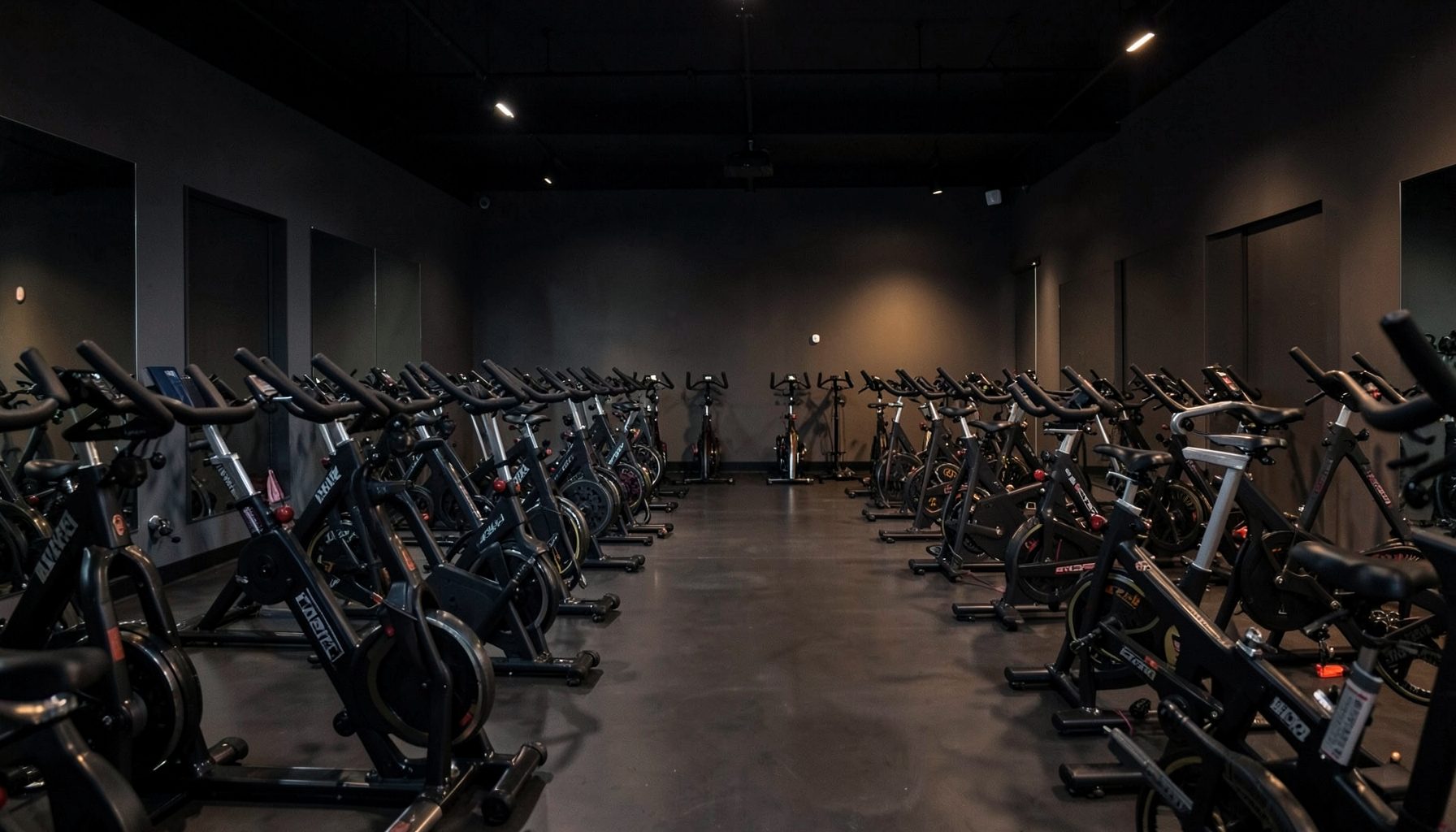
Skill development depends on the body’s ability to practise consistently. Conditioning can be built into basketball through change-of-direction work, repeated efforts, balance exercises and controlled game play. For athletes who want an additional training option, cycle and spin classes can support cardiovascular fitness without copying every movement used on court.
Recovery deserves the same individual attention as training load. Sleep, hydration, nutrition and rest days remain central, particularly for young athletes balancing school and several sports. Older players returning to competition may need a slower increase in volume so that muscles, joints and connective tissue can adapt safely.
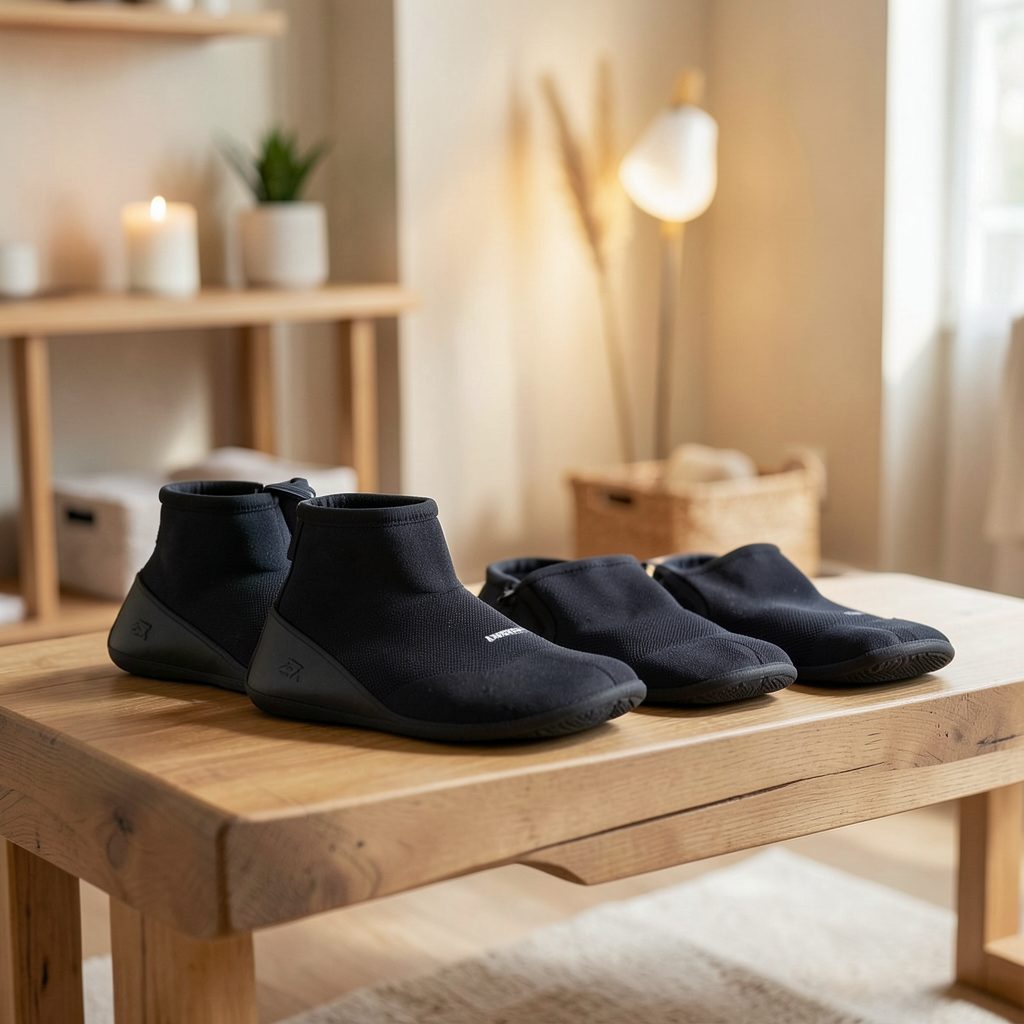
Wellness services can complement that routine. Normatec compression therapy and cryotherapy are available alongside athletic programming, while mobility work can help athletes manage stiffness after sessions. Practices such as hip-focused movement and energy flow yoga may also support relaxation and range of motion, though they should complement rather than replace professional medical advice when pain or injury is present.
Australian athletes also need to account for climate. A summer session in Brisbane or Perth may require more deliberate hydration and heat management than a winter workout in Melbourne. Coaches and families should monitor conditions, provide water breaks and follow relevant health guidance, especially for children and anyone returning after illness.
The full pathway, from skills instruction and leagues to conditioning and recovery, is available through The Factory D1 Indy. Athletes can begin with an appropriate entry point, receive coaching matched to their current level and progress as their confidence and performance develop. Explore the available basketball programs, choose the training format that fits your goals and take the next step towards stronger, smarter play.
Inside The Factory

Three Entities, One Roof
Leagues
Eight league divisions span every age group: Indy Pro AM, 18+ Open Men's, 30+ Men's, Bite Size (ages 3–6), Impact League, 5th/6th Grade, Middle School, and High School. Gather your team and compete.
Training
Individual and group basketball training for all skill levels. Major M.O.V.E.S. Basketball Training serves ages 4–7 on Wednesday and Thursday evenings at 6:30 PM — $30 per session or $100 unlimited monthly.
Wellness & Recovery
Normatec boot recovery and cryotherapy treatments help athletes bounce back faster. Cycle and spin classes add a cardio dimension to the holistic performance approach.
Have a Question?