Train. Compete. Recover.
A multi-purpose athletic facility in Speedway, Indiana — basketball leagues, skill training, and wellness services all under one roof.
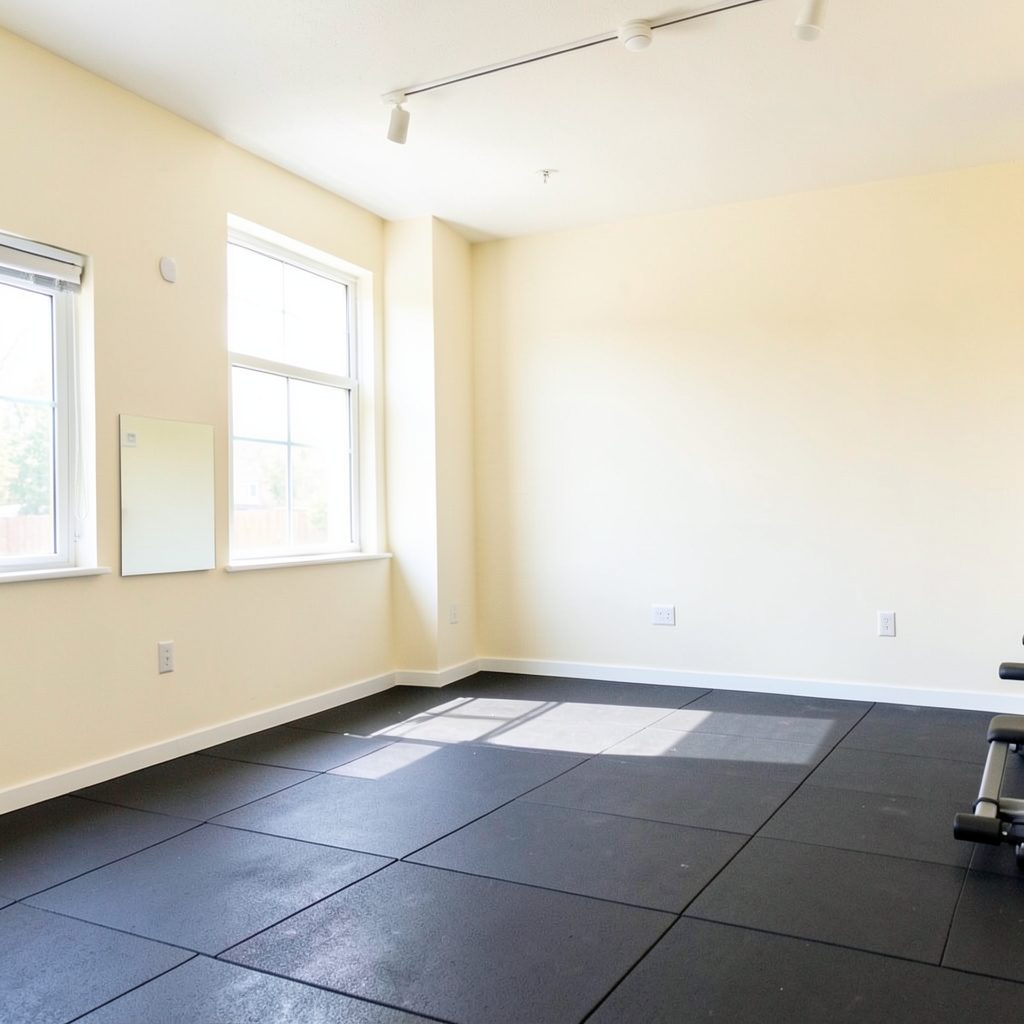
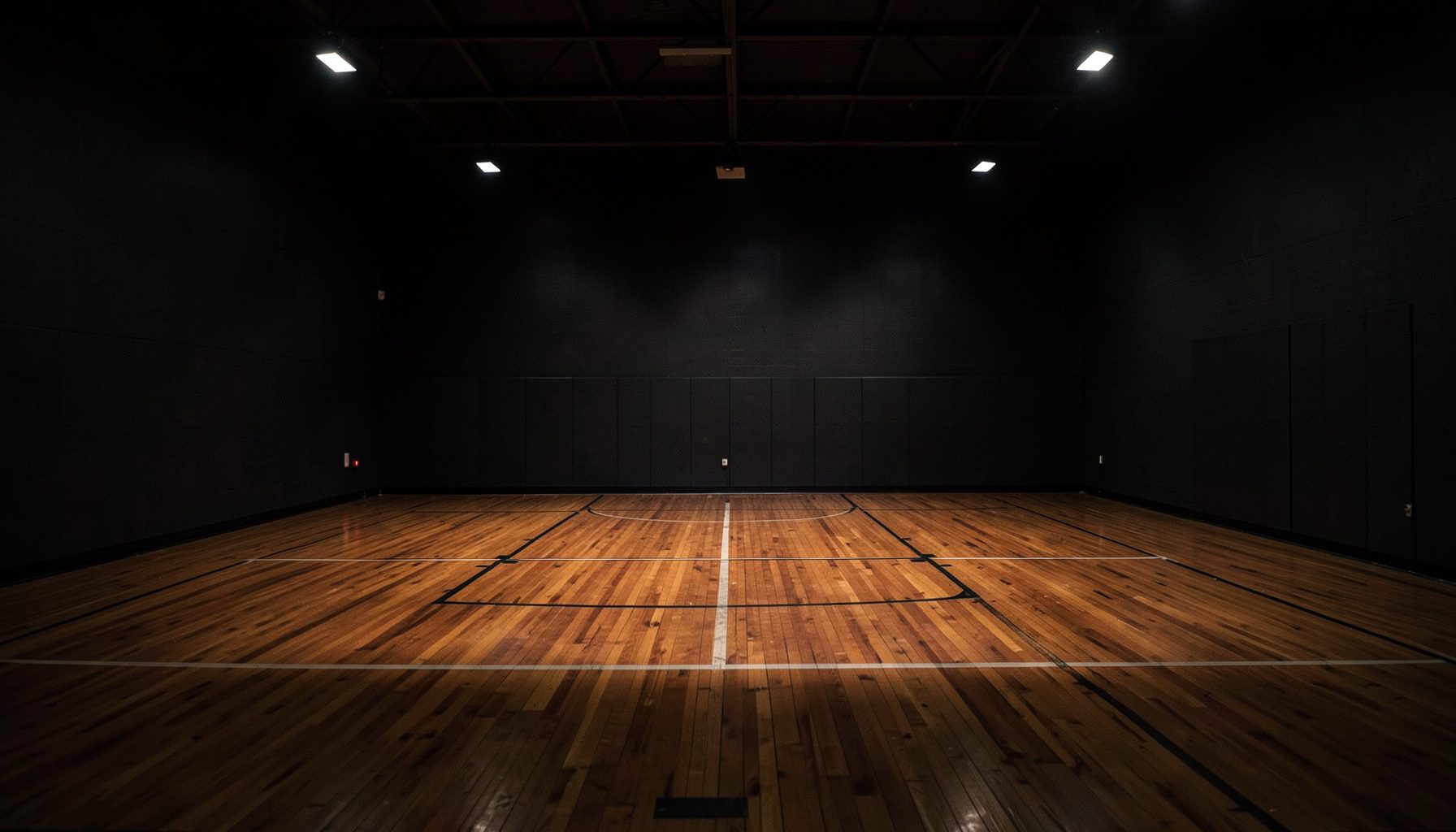
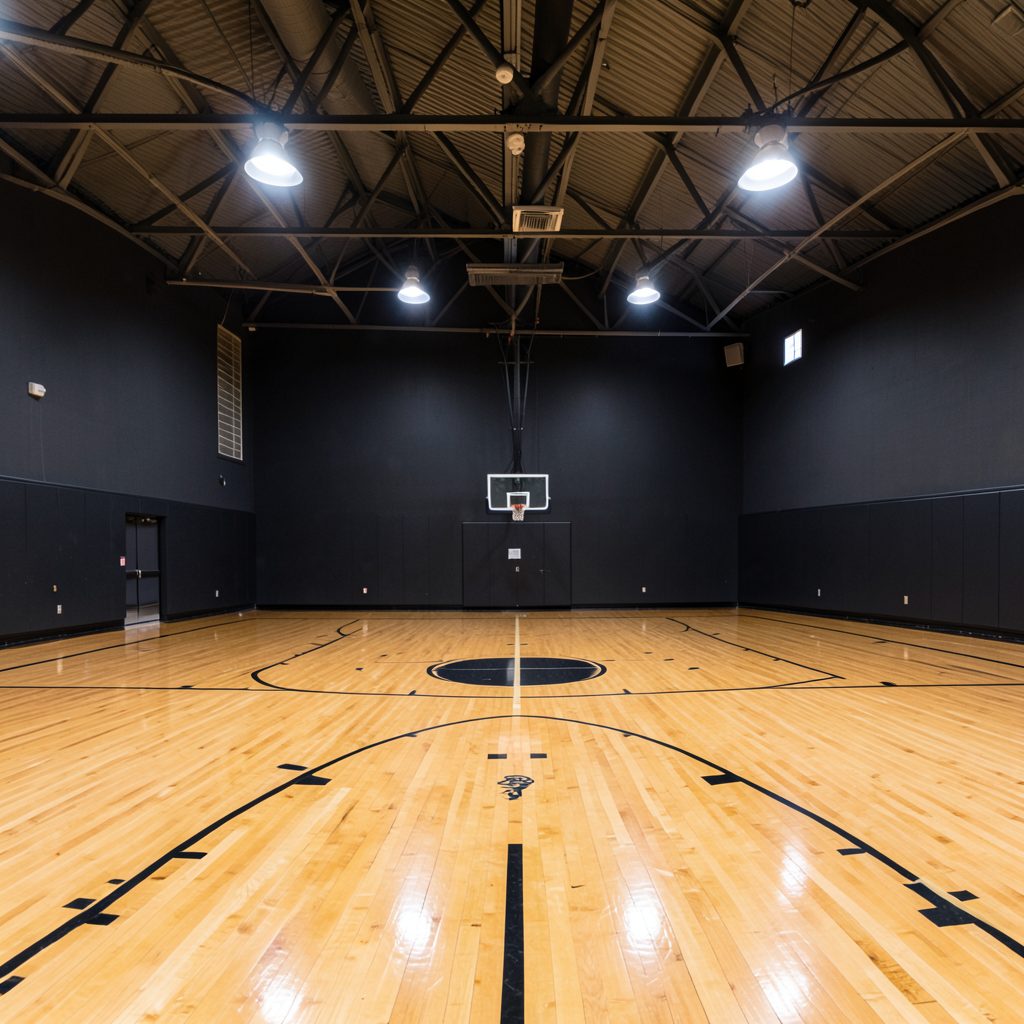
The Factory D1 Indy brings together three entities under one roof: competitive basketball leagues for all age groups, individual and group training, and wellness & recovery services including Normatec boot recovery and cryotherapy. Located off I-465 and High School Road at 6331 Crawfordsville Road, Speedway, Indiana 46224.
Get In TouchHow Cycle Classes Use Heart Rate Training Zones
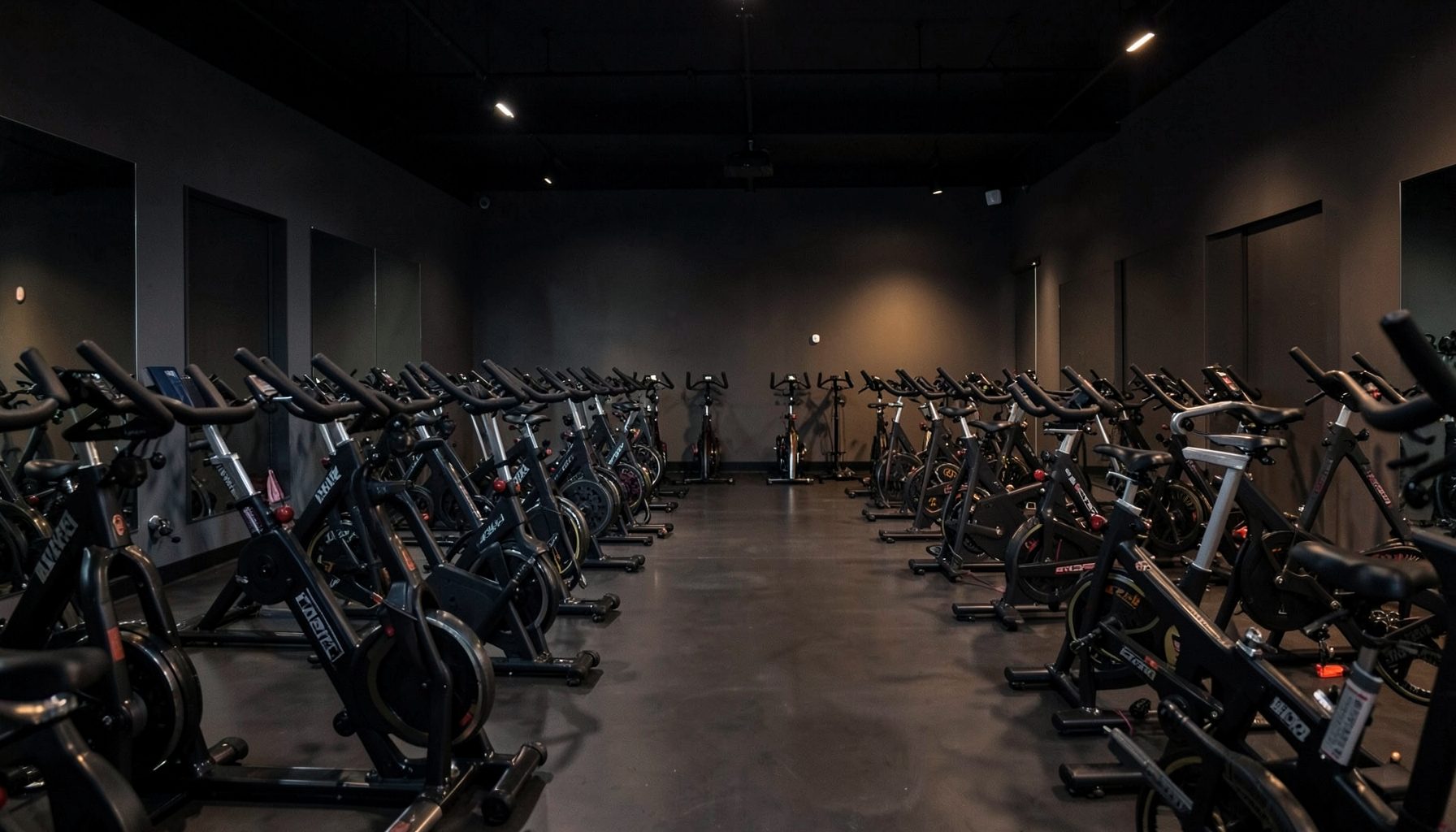
A great cycle class is more than a fast playlist and a room full of moving bikes. At The Factory D1 Indy, heart rate training helps turn each session into a purposeful workout. Riders can learn when to build aerobic endurance, when to challenge their threshold, and when to ease back so they can maintain quality movement.
Heart rate zones provide a practical way to measure exercise intensity from minute to minute. Rather than relying only on speed, resistance, or perceived effort, participants receive another signal that shows how hard their cardiovascular system is working. That feedback can make a class more structured, accessible, and effective for different fitness levels.
The goal is not to spend the entire ride at maximum effort. Effective indoor cycling includes changes in pace, resistance, recovery, and intensity. By using heart rate training zones, coaches can guide those changes while helping each rider select an effort that matches their current ability.
What Heart Rate Zones Reveal
Heart rate zones divide exercise intensity into ranges based on a rider’s estimated or measured maximum heart rate. A common five-zone model begins with an easy recovery range and progresses toward near-maximal exertion. These zones help explain why a steady climb feels different from a short sprint, even when both require strong effort.
The lower zones support warm-ups, cooldowns, recovery, and aerobic conditioning. Moderate zones challenge the heart and lungs for longer periods, while higher zones are used for controlled intervals that improve power and tolerance for intense work. A coach can use these ranges to organize a class with a clear purpose instead of asking riders to push hard without direction.
Heart rate is also useful because it responds to the total demands of the workout. Resistance, cadence, posture, fatigue, temperature, hydration, and stress can all influence how a rider feels. Tracking heart rate alongside perceived exertion gives participants a fuller view of their performance.
How Coaches Build A Zone-Based Ride
A cycle class may begin with several minutes in a low-intensity zone. This gradual warm-up raises body temperature, increases blood flow, and prepares the legs for harder work. Riders then move through planned intervals, such as moderate endurance efforts, resistance-heavy climbs, and brief high-intensity bursts.
Coaches can describe a target range while giving riders control over resistance and cadence. For example, an endurance block may call for a sustainable Zone 2 or Zone 3 effort, while a short sprint may move toward Zone 4 or Zone 5. The exact target depends on the workout design, the rider’s experience, and the length of the interval.
This approach keeps the class unified without making every participant perform identically. A newer rider may reach the target zone with less resistance, while a trained athlete may need a stronger load or faster cadence. Both participants can follow the same class structure while adjusting the bike to suit their bodies.
From Warm-Up To High-Intensity Intervals
A balanced ride often follows a progression. The early minutes focus on mobility, easy pedaling, and technical preparation. The middle portion may include repeated work intervals, with enough recovery to let riders maintain good posture and controlled breathing. The final phase gradually lowers intensity before stretching or leaving the bike.
Interval training becomes more useful when heart rate targets match the duration of each effort. A one-minute push can be substantially harder than a ten-minute endurance block, but both have a place in a complete program. Coaches can alternate demanding work with recovery periods so riders build fitness without turning every segment into an all-out test.
Heart rate response is not immediate. During a short sprint, effort may rise before the monitor reflects the full cardiovascular demand. For that reason, instructors may combine zone guidance with cadence, resistance, breathing, and perceived exertion. The number on a screen is a helpful reference, not the sole measure of a successful ride.
Heart Rate Zones At A Glance
The percentages below represent a general five-zone model based on estimated maximum heart rate. Individual testing can produce different results, and some riders may use a heart rate reserve calculation or a coach-prescribed range instead.
| Zone | Approximate Effort | Primary Training Focus | How It May Feel |
|---|---|---|---|
| Zone 1 | 50–60% | Warm-up and recovery | Very easy, relaxed breathing |
| Zone 2 | 60–70% | Aerobic base and endurance | Comfortable, conversational |
| Zone 3 | 70–80% | Sustainable conditioning | Steady, focused, moderate breathing |
| Zone 4 | 80–90% | Threshold and hard intervals | Challenging, short phrases |
| Zone 5 | 90–100% | Peak efforts and speed | Very hard, brief duration |
These ranges should be treated as training guides rather than strict rules. Heat, caffeine, medication, fatigue, and stress can change heart rate from one day to the next. If a monitor displays an unusual reading or a rider feels dizzy, faint, or unwell, the appropriate response is to reduce intensity and seek assistance.
Why Individual Pacing Matters
Two riders can share the same target zone while using very different settings on their bikes. Heart rate training supports personalization because it focuses on internal effort instead of comparing resistance numbers or revolutions per minute. This is especially helpful in a multi-level class with beginners, recreational exercisers, and competitive athletes.
Riders should also learn to recognize how each zone feels. A monitor may lose contact, display a delayed reading, or produce an inaccurate estimate. Breathing patterns and perceived exertion provide important backup information. Over time, participants become better at identifying a sustainable pace, a demanding threshold effort, and a true recovery spin.
New participants can begin conservatively and focus on bike setup, posture, and smooth pedaling. Experienced riders may use the class to practice structured interval work or support conditioning for basketball and other sports. The coach’s role is to provide a framework that can be scaled without sacrificing safety or training quality.
Recovery Makes The Training Work
Hard efforts create a stimulus, but adaptation occurs when the body has time and resources to recover. Easy cycling between intervals helps lower cardiovascular strain while keeping the legs moving. Outside class, sleep, hydration, balanced nutrition, and low-intensity activity all influence how well a rider responds to training.
Athletes who combine cycle classes with basketball practices, strength sessions, or competition should plan their weekly workload carefully. A demanding ride may complement a lighter day, while an intense cycling workout immediately before a game could leave the legs fatigued. The guidance in why recovery days matter offers useful context for building a sustainable schedule.
Recovery services can also fit into a broader wellness routine. Riders may use a cooldown, mobility work, or appropriate recovery support after challenging sessions. The priority is to match the recovery strategy to the training load rather than treating every workout as a reason to pursue maximum intensity.
Practical Ways To Use Zone Training
Heart rate training becomes most valuable when participants use it consistently and realistically. The following habits can help riders get more from each cycle class:
- Wear a properly positioned heart rate monitor and check that it is reading consistently before the main workout begins.
- Follow the coach’s target range while adjusting resistance and cadence to maintain smooth, controlled movement.
- Use perceived exertion and breathing as additional feedback when heart rate changes slowly or appears inaccurate.
- Record how different rides feel so endurance, threshold, and recovery efforts become easier to recognize.
- Schedule demanding cycle sessions around basketball practices, games, strength workouts, and planned recovery days.
Progress should be measured across several weeks rather than by a single peak heart rate. A positive change might mean holding the same zone at a higher cadence, recovering faster between intervals, or completing a longer endurance block with less perceived strain. These improvements show developing cardiovascular fitness without requiring every session to be harder.
Participants with medical conditions, unusual symptoms, or questions about exercise intensity should consult a qualified healthcare professional before changing their training. Coaches can help with class pacing and modifications, while medical professionals can address individual health concerns.
Train With Purpose At The Factory D1 Indy
Cycle classes at The Factory D1 Indy give riders a structured setting to improve conditioning, develop pacing skills, and train alongside a supportive community. Heart rate zones make the workout easier to understand: warm up with intention, work at the right intensity, recover fully, and repeat with control.
Join a class and use each ride as an opportunity to learn how your body responds to effort. With consistent participation and thoughtful recovery, heart rate-guided cycling can support general fitness, athletic conditioning, and the endurance needed to perform with confidence.
Inside The Factory

Three Entities, One Roof
Leagues
Eight league divisions span every age group: Indy Pro AM, 18+ Open Men's, 30+ Men's, Bite Size (ages 3–6), Impact League, 5th/6th Grade, Middle School, and High School. Gather your team and compete.
Training
Individual and group basketball training for all skill levels. Major M.O.V.E.S. Basketball Training serves ages 4–7 on Wednesday and Thursday evenings at 6:30 PM — $30 per session or $100 unlimited monthly.
Wellness & Recovery
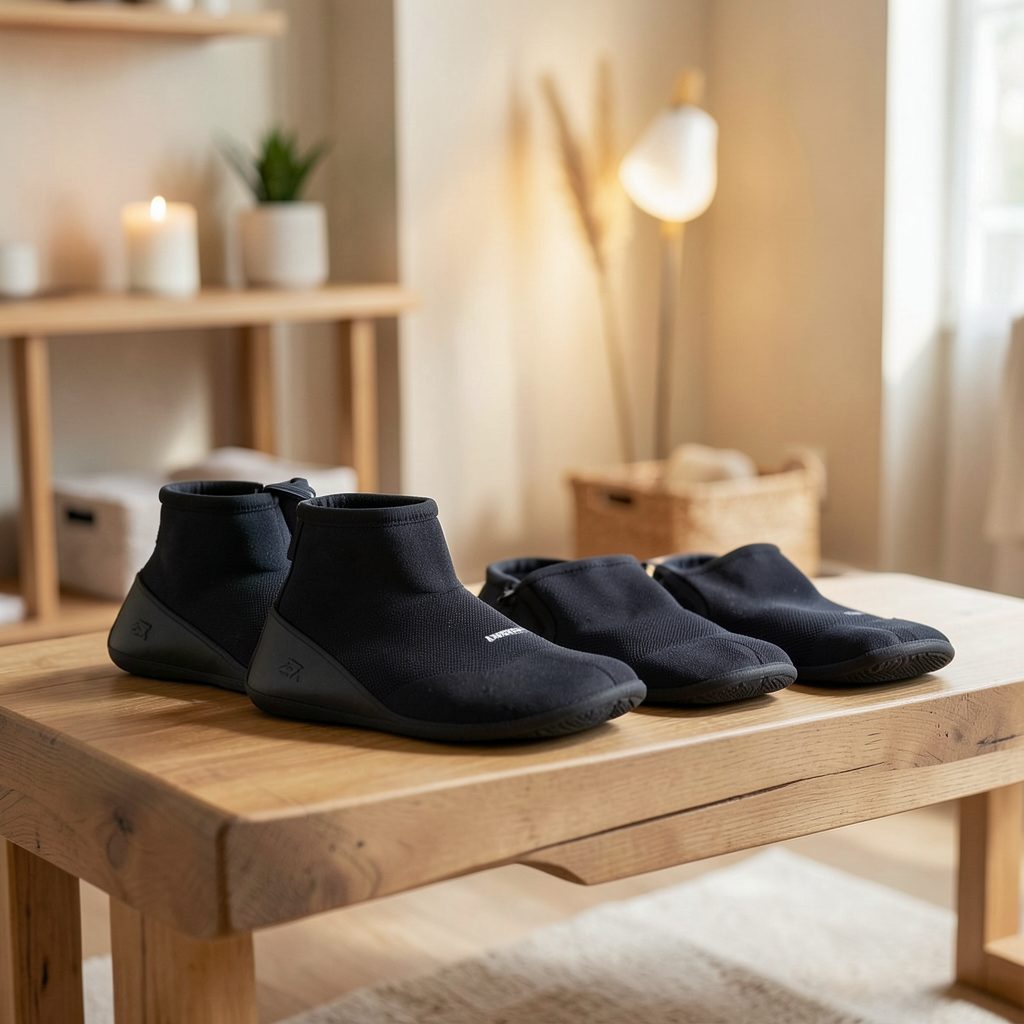
Normatec boot recovery and cryotherapy treatments help athletes bounce back faster. Cycle and spin classes add a cardio dimension to the holistic performance approach.
Have a Question?