Train. Compete. Recover.
A multi-purpose athletic facility in Speedway, Indiana — basketball leagues, skill training, and wellness services all under one roof.
The Factory D1 Indy brings together three entities under one roof: competitive basketball leagues for all age groups, individual and group training, and wellness & recovery services including Normatec boot recovery and cryotherapy. Located off I-465 and High School Road at 6331 Crawfordsville Road, Speedway, Indiana 46224.
Get In TouchA safe space for early-childhood basketball at Factory D1 Indy
At Factory D1 Indy in Speedway, Indiana, early-childhood basketball is more than a run of drills. Children can practise bouncing, passing, moving and making friends in a predictable, welcoming learning environment where adults provide careful supervision. A safe space gives young players room to try, stumble and try again, while parents and carers gain confidence that a youth session’s practical details have been considered.
First basketball experiences often shape a child’s willingness to enter organised sport. Our early-childhood divisions sit alongside individual and group skills training, competitive leagues, cycle and spin classes, and recovery services, creating a community-oriented hub for training, play and wellbeing. For Australian families, familiar expectations often include clear age bands, supervised handovers, indoor options during summer heat in Brisbane and Perth, and regular coach updates.
Safety begins before the first dribble
Safety begins with a child’s arrival. Our team establishes a predictable routine: families check in, coaches confirm attendance, and children are shown the court, exits, toilets and their group area. At the end, the routine reverses, with children released only to adults named in agreed collection arrangements. Visible steps reduce the chance of a child wandering into another activity zone or leaving without the right adult noticing.
Equipment supports the same goal. Early learners can use appropriately sized, softer balls, lower hoops, hand-held targets and wide, marked stations. Cones and boundary lines give children room to change direction without colliding with another class, and equipment is stored away when not in use. The gym can feel lively without making movement hard to understand, so a young child can focus on the bounce instead of navigating clutter.
Warm-ups should feel natural rather than disciplinary. Coaches model balance, coordination and simple movement patterns, and children can practise at their own pace. Adults looking for general movement ideas can consult a morning mobility routine, but it should complement, not replace, the coach-led session, and unfamiliar practices need qualified guidance for children. Water and toilet breaks help prevent fatigue from being mistaken for low motivation.
Age-appropriate play keeps young players confident
Young players need coaching language they can understand and adults who notice when a child needs a quieter experience. Our early-childhood basketball uses developmentally appropriate demonstrations, simple instructions, encouragement and choices about participation. Praise focuses on effort, control and teamwork rather than winning, and children are not pressured to continue a drill when uncomfortable or overwhelmed. Emotional safety is as practical as a padded wall: a supported child is more likely to listen, recover from a mistake and return.
Activities progress from fundamental movement to decision-making: finding space, passing, recognising a boundary and trying a new skill. Early-childhood league play stays flexible, while individual and group skills training offers practice without turning every session into selection. In Australia, community centres often share a hall with futsal, netball or dance classes, so defined court space and clear coach signals are particularly valuable. A busy setting should still have a calm learning zone.
The Australian idea of a fair go can shape coaching: every child gets a meaningful role, and progress is not reserved for the quickest or loudest athlete. Children learn to take turns, reset after an error and celebrate another player’s success. Parents and carers can recognise that culture more easily than a scoreboard. It also gives children from different backgrounds and abilities a way into the game without hiding their needs, identities or emotions.
A clear view of the whole training environment
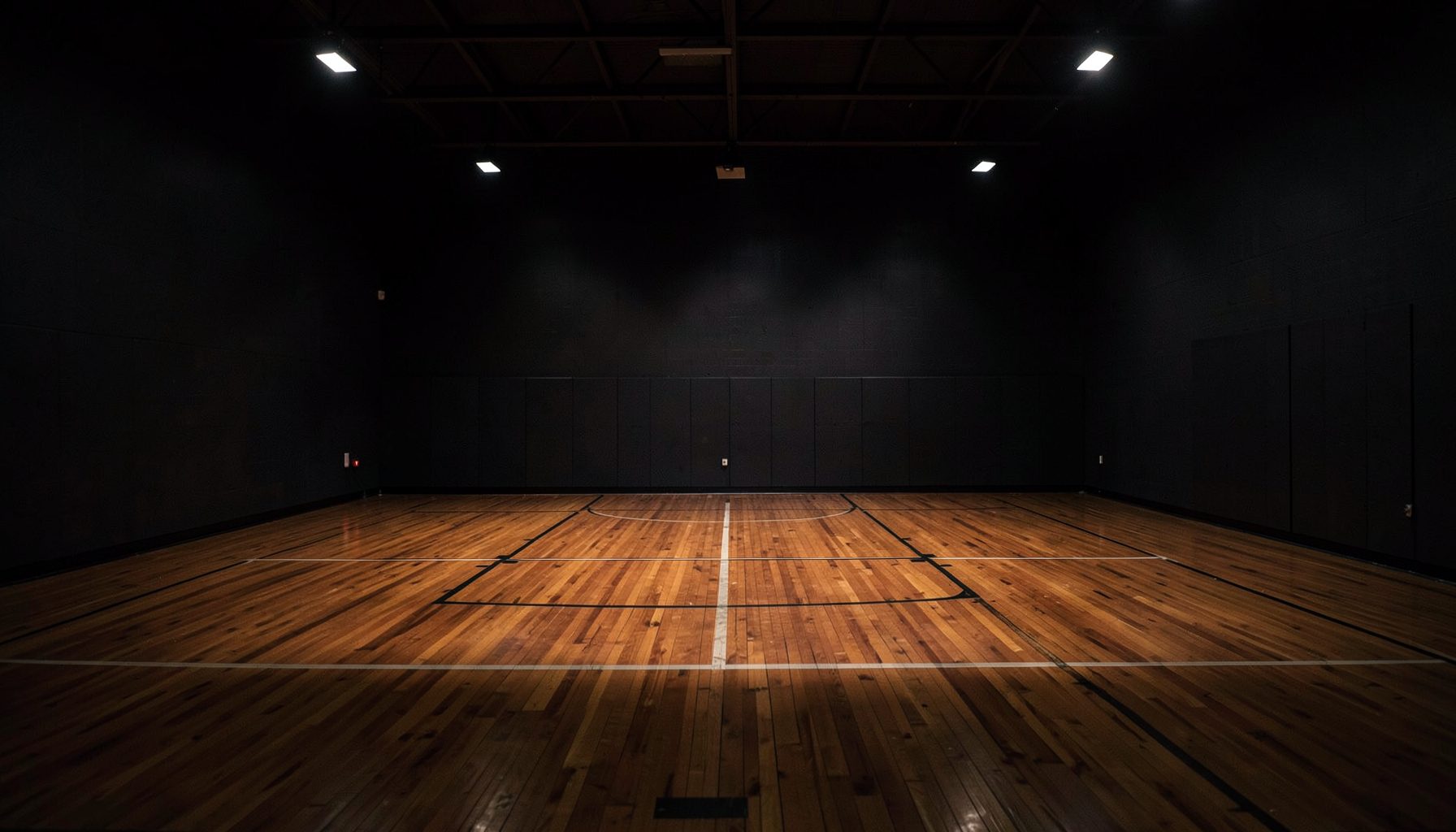
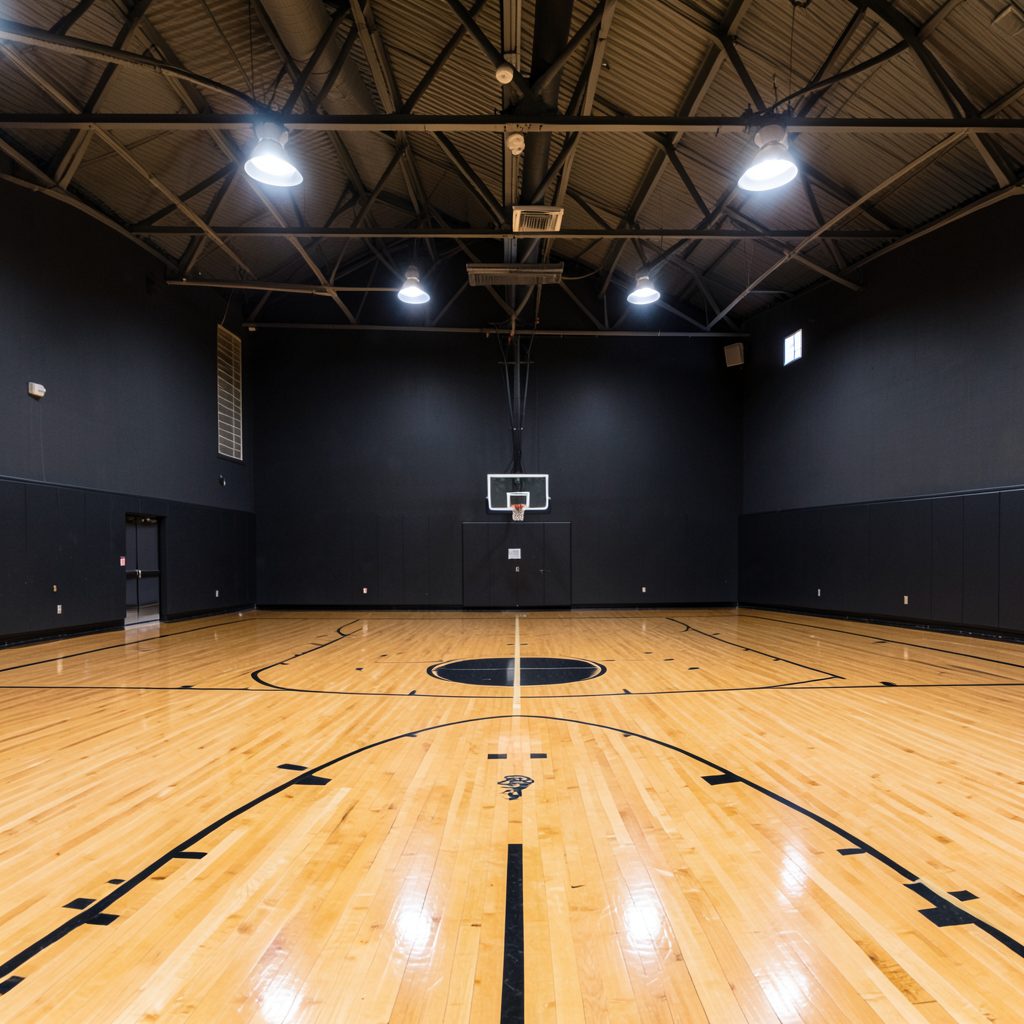
At Factory D1 Indy, the court should be understandable from every angle. Coaches keep sessions within defined areas, equipment routes clear and children in sight. Parents or carers can observe where the programme permits, while coaches manage the handover between waiting and active areas. Clear sightlines help adults notice fatigue, confusion or isolation, and make a check-in with a shy participant less conspicuous.
Physical conditions matter too. The indoor setting offers a controlled alternative to wind, rain or extreme sun, while lighting, flooring, temperature, clean toilets and accessible water help children feel comfortable. A class plan also accounts for cyclists and adult league players, keeping warm-up spaces, the court and recovery areas from creating ambiguous flows. That prevents a routine transition from becoming a collision or an adult stepping through a child’s drill.
| Safety feature | Early-childhood experience | Family benefit |
|---|---|---|
| Arrival | Coach check-in and named collection adult | Clear handovers and fewer worries |
| Supervision | Coaches visible within marked activity zones | Help is close and children know where to look |
| Equipment | Soft balls, lower hoops and wide station spacing | Manageable movement and less collision risk |
| Inclusion | Choices, rest breaks and a quiet reset space | Children join at a comfortable pace |
| Emergency readiness | Attendance, allergy notes, first-aid planning and contacts | Adults can respond quickly |
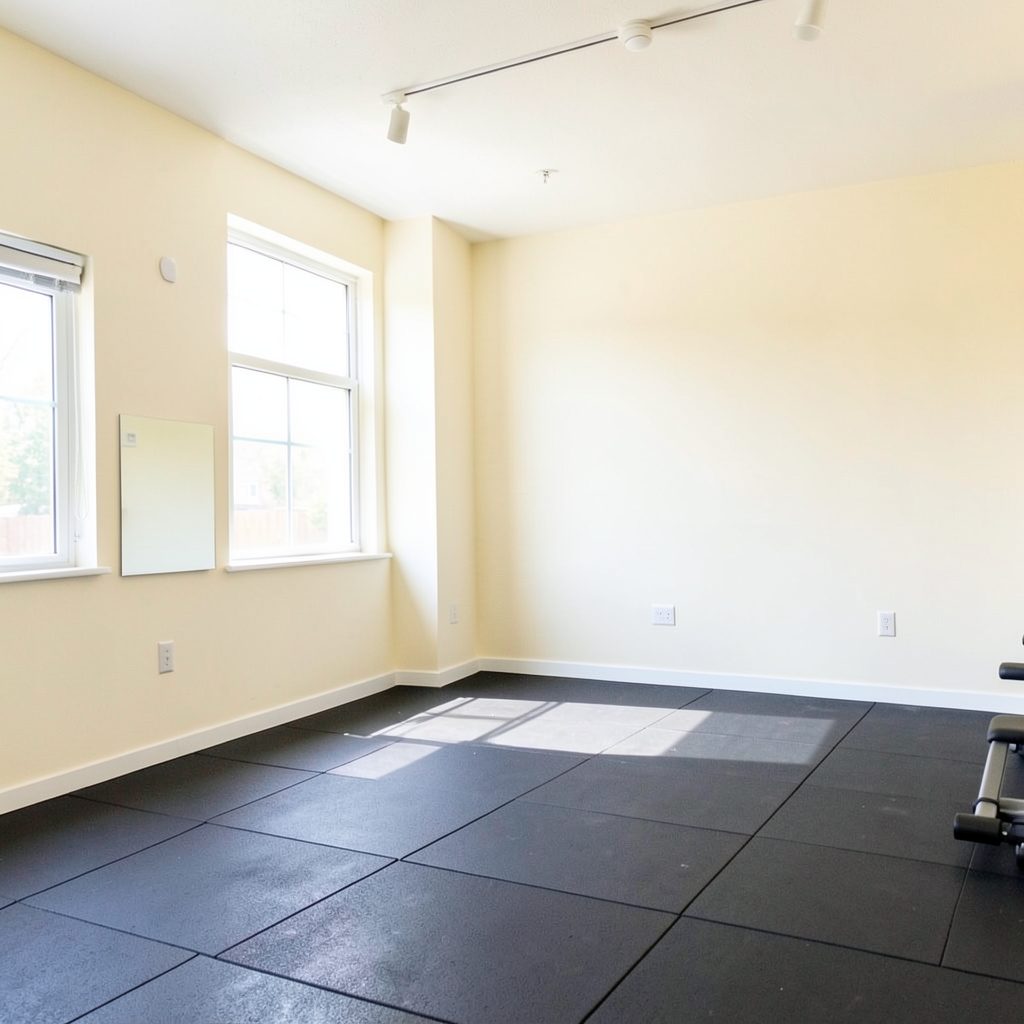
Regular checks make this design practical. Coaches can record attendance, note allergies or access needs, and review incidents and near-misses so recurring problems do not become disruptions. Families should know how emergencies are handled, who the first-aid contact is and what information enrolment requires. Australian families in Melbourne and Sydney often expect collection lists, photo permissions and a named contact even for short sessions. Before visiting, the facility gallery helps families look for visible boundaries, storage and gathering spaces.
Recovery and wellbeing belong in the plan
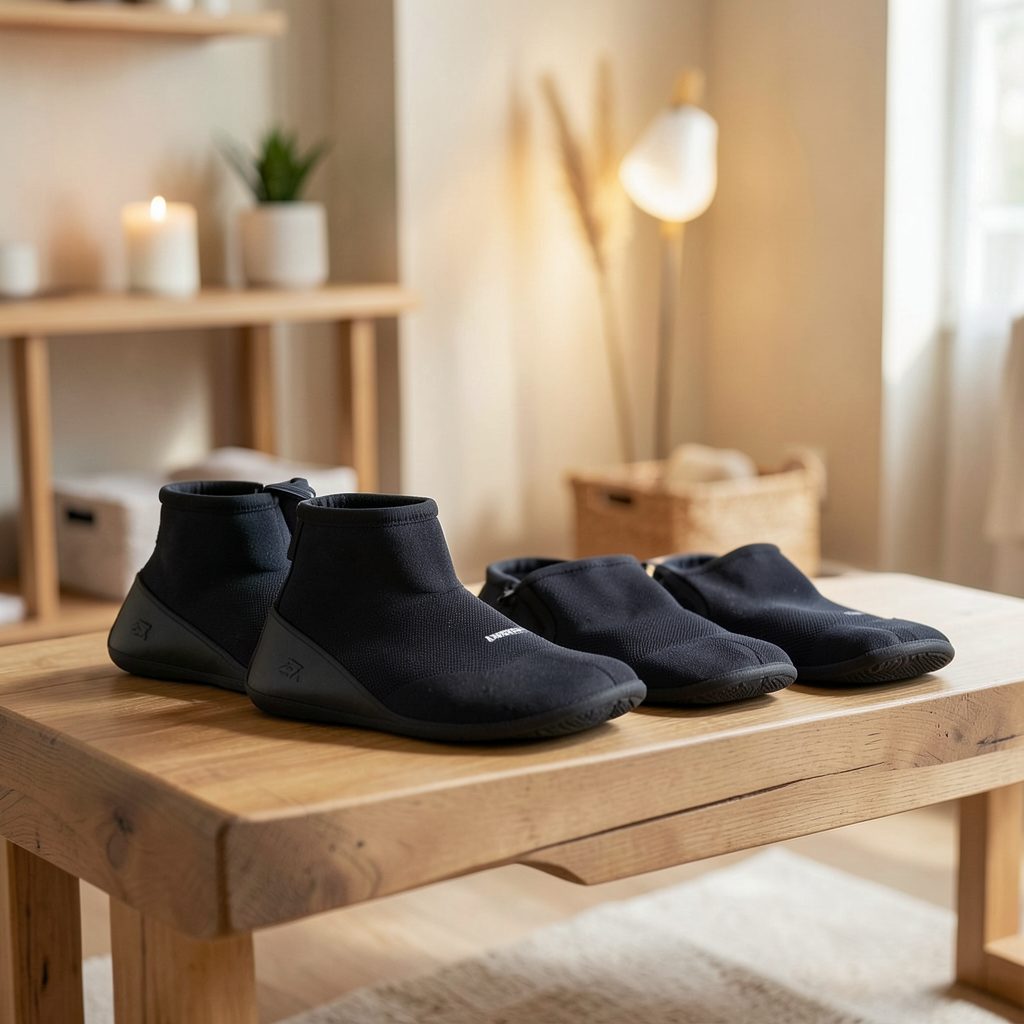
Basketball demands attention and places pressure on a young child’s feet and hips, so recovery belongs in participation. For early-childhood classes, the priority is water, rest, a gentle cool-down and a gradual return to ordinary movement. The wider facility offers Normatec compression therapy and cryotherapy for eligible participants under appropriate guidance; neither is automatically suitable for every child or a substitute for medical advice. Age, health, consent and staff instructions guide any use.
Movement between activities should be age-appropriate too. The player stretching guide covers stretches for basketball players and cyclists, helping families understand mobility work and select only gentle options for a young child, while uncertain choices can be checked with a coach. No stretch should be forced, and a child who wants to rest can do so. A good session ends with children steadier and more comfortable, not exhausted.
The multi-purpose venue creates another safety test. A cycle class may warm up beside a youth league, so schedules, sound levels and equipment boundaries need care. Australian families often juggle school drop-off, work shifts and carpools, making predictable start and finish times as important as the drills. Clear information about suitable programmes and transport-friendly session times helps families make calm, informed choices.
What families can expect from early-childhood programmes
Early-childhood programmes work best when enrolment explains the experience plainly. Families should receive the age group, session length, coach names, arrival and collection procedures, clothing and footwear guidance, and what to bring, including a labelled water bottle and necessary medication. It helps to know how children are grouped, how individual needs are supported and when a child might move to another division. Progress can be discussed through confidence, coordination and participation, rather than wins alone.
Communication should be regular and two-way. A coach’s note home can mention a new skill, team moment or simple idea to practise, while parents and carers share allergies, sensory preferences and pickup details. Australian families are accustomed to online enrolment and club messages, so a clear digital contact and a reliable alternative are sensible expectations. For a child who is shy, overwhelmed or sensitive to noise, a quiet break and trusted adult can turn hiding from the game into joining in.
Children need not follow one competitive route. Some enjoy a league’s social rhythm, others thrive in a small skills group, and some want individual coaching before trying a team. Factory D1 Indy provides pathways from early-childhood divisions to adult competition, allowing a first season to develop without pressure to accelerate. Off the court, cycle and spin options, recovery services and a friendly environment support a broader sporting community rather than one narrow definition of fitness.
Begin by contacting the Factory D1 Indy team about the right early-childhood class for your child. Share your child’s age, access or sensory needs, and collection details, then arrange a visit to see the spaces and meet the coaches. A safe first experience depends on preparation, listening and consistent follow-through.
Reserve a place or ask about the next skills session and youth league. Bring comfortable clothing, a water bottle and patience to let your child move at their own pace. The goal is a welcoming court, confident young players and families who know what to expect.
Inside The Factory

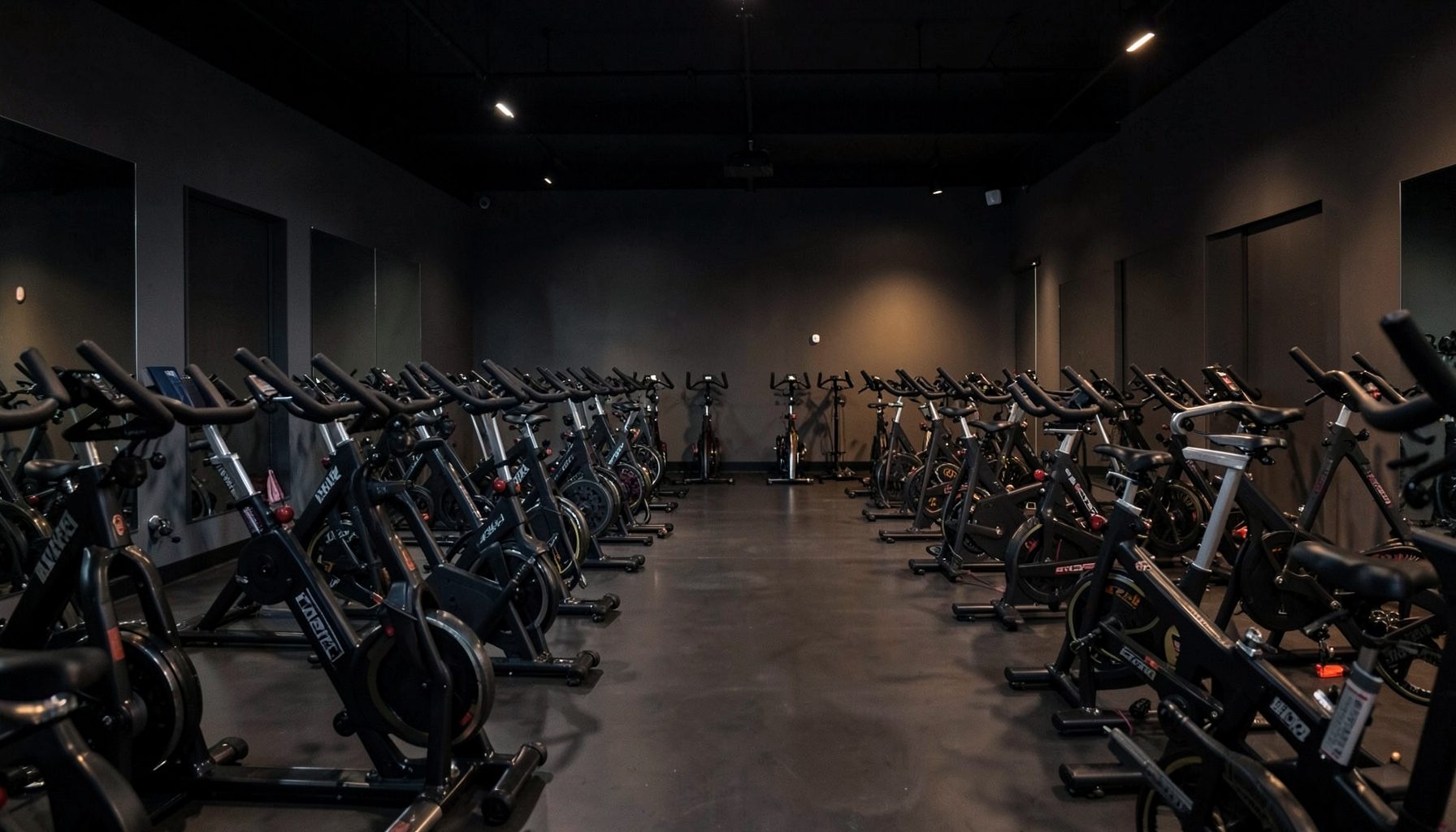
Three Entities, One Roof
Leagues
Eight league divisions span every age group: Indy Pro AM, 18+ Open Men's, 30+ Men's, Bite Size (ages 3–6), Impact League, 5th/6th Grade, Middle School, and High School. Gather your team and compete.
Training
Individual and group basketball training for all skill levels. Major M.O.V.E.S. Basketball Training serves ages 4–7 on Wednesday and Thursday evenings at 6:30 PM — $30 per session or $100 unlimited monthly.
Wellness & Recovery
Normatec boot recovery and cryotherapy treatments help athletes bounce back faster. Cycle and spin classes add a cardio dimension to the holistic performance approach.
Have a Question?