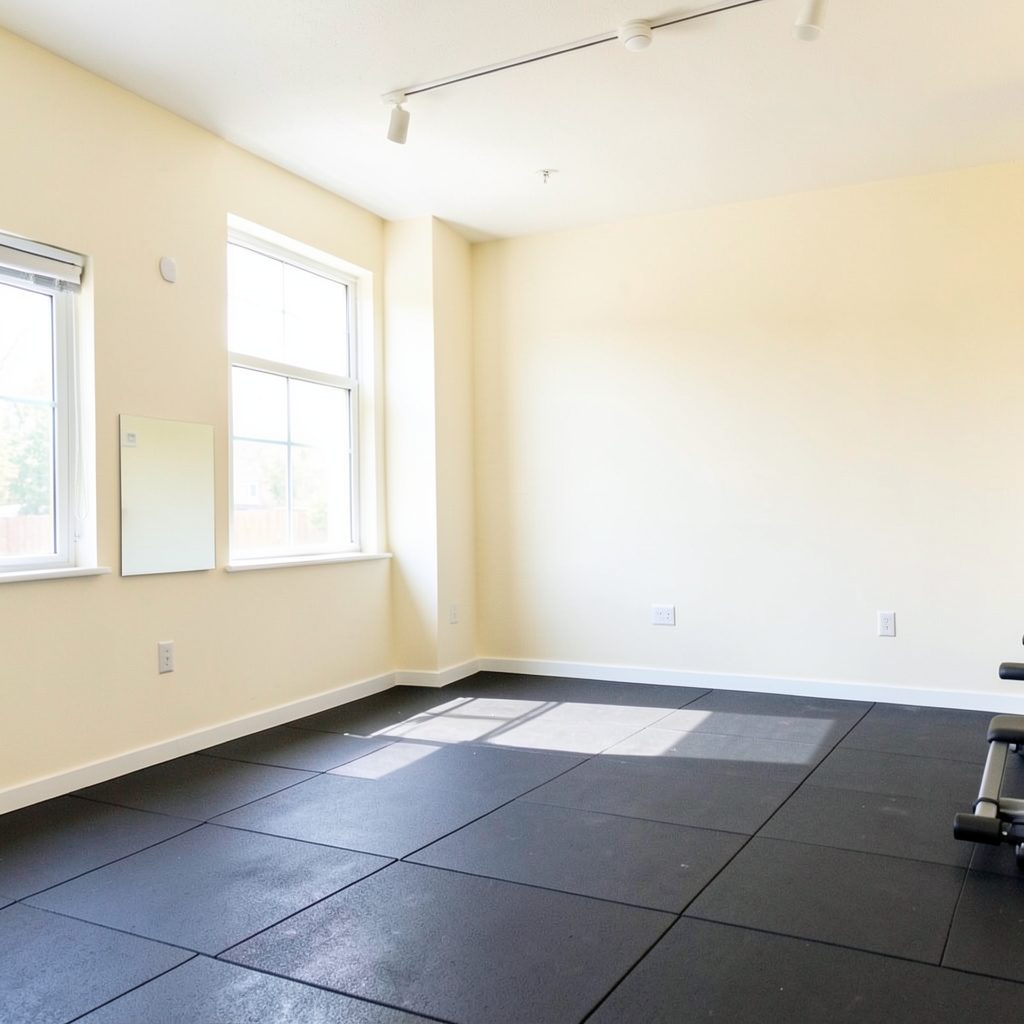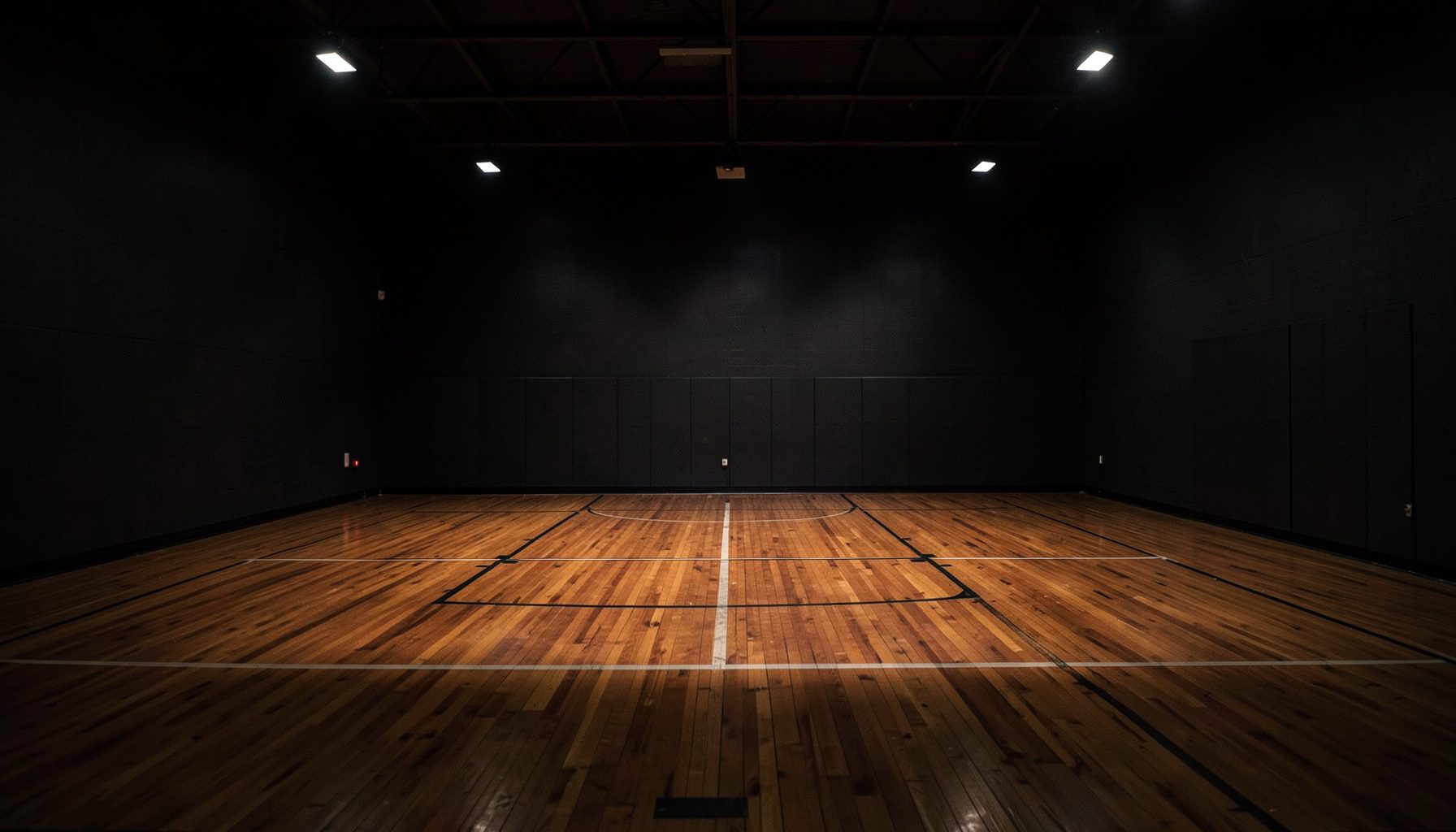
Train. Compete. Recover.
A multi-purpose athletic facility in Speedway, Indiana — basketball leagues, skill training, and wellness services all under one roof.
The Factory D1 Indy brings together three entities under one roof: competitive basketball leagues for all age groups, individual and group training, and wellness & recovery services including Normatec boot recovery and cryotherapy. Located off I-465 and High School Road at 6331 Crawfordsville Road, Speedway, Indiana 46224.
Get In TouchInside our video review process for youth basketball players
At our training centre in Speedway, video review has quietly become the backbone of how we develop young hoopers. While plenty of clubs in Australia still lean on live coaching and chalkboard diagrams, the modern game has moved well past that. From junior rep squads in Brisbane to the developmental pipelines feeding the NBL, footage-driven feedback is shaping how the next generation learns the sport. We have built our own system around this idea, treating every training session and league game as raw material that can be sliced, slowed down, and studied.
What follows is a walkthrough of how we actually use video in our youth basketball skills assessment, from the camera on the sideline to the moment a ten-year-old watches themselves nail a step-back for the first time. It is part coaching tool, part confidence builder, and part accountability partner, and it has changed the way our kids understand their own game.
Capturing every rep on camera
Filming starts long before tip-off. We mount stationary cameras at court level and a wide-angle unit near the ceiling so we can see spacing, off-ball movement, and defensive rotations that a single sideline camera would miss. Every training rep, scrimmage, and league game gets logged into a shared folder organised by date, age group, and drill type. The kids quickly get used to the red light on the ceiling camera and stop thinking about it, which is exactly the point.
We also use handheld iPads on the baseline during skill work. A coach might record a player's footwork on a series of drop-steps or their release on catch-and-shoot threes, then immediately cue the footage up on a tablet near the bench. For our younger groups, around the under-10 and under-12 level, this is gold. They are still building body awareness, and seeing themselves on screen bridges the gap between how a movement feels and how it actually looks. Many of our families drive in from across Indianapolis and the western suburbs, so the footage also gives parents something concrete to chat about on the drive home, rather than vague feedback they have to take on faith.
The coach-led breakdown
Once the footage is captured, our coaches sit down with players individually or in small groups for what we call a breakdown session. These usually happen on a Tuesday or Thursday arvo, after skills work and before conditioned games. The coach pulls up three to five clips and walks through them with the player, asking questions rather than just lecturing. What did you see before you caught the ball? Where were your feet when you started the drive? If you could do that rep again, what changes?
The Socratic approach matters. Australian basketball culture, especially in places like Melbourne's inner suburbs or the grassroots clubs around Geelong, has long prized player-led learning, and we borrow from that tradition even though we sit on the other side of the Pacific. By getting kids to narrate their own decisions, we are building basketball IQ alongside footwork. A player who can describe why a backdoor cut worked is far more likely to spot the same read in next weekend's game.
Tracking growth across seasons
A single clip is a snapshot, but the real power of video comes from stacking sessions on top of each other. We keep every player's footage in a personal library so that in November we can pull up the same shooting drill from last February and compare. Did the release get quicker? Is the base wider? Are they finishing with the left more often against contact?
This longitudinal view is something live coaching simply cannot offer. A coach working with sixty kids across a weekend league block, the kind of volunteer-heavy setup common in suburban Australia, does not have the memory bandwidth to recall a single player's shooting arc from six months ago. The camera does not forget. For families thinking long-term about their child's development, the footage library becomes a kind of yearbook, full of moments the player themselves forgot they had.
We also flag specific markers in the footage, things like first made three-pointer off the dribble or first clean close-out on defence, and build short highlight reels at season's end. Players take those home, share them with mates, and use them for school trials or representative selection camps.
Sharpening basketball IQ through visual learning
Video review is not just about mechanics. It is one of the strongest tools we have for teaching young athletes how to read the game. We curate film from college basketball, the WNBL, and NBL games, and use those clips as teaching examples. A Tuesday morning session might open with two minutes of Sydney Kings transition offence, followed by a question to the group: what did the point guard do before the pass even left his hands?
For kids who are visual learners, and research suggests the majority of them are, this works where verbal cues fall flat. They see spacing. They see where the help defence came from. They see the difference between a good screen and a great one. Over time, players start to anticipate patterns rather than just react to them. That is the moment a player transitions from being coached on every possession to coaching themselves between possessions.
Pairing footage with physical conditioning
Footage alone will not fix a weak base or a slow first step. That is why our video review sits inside a broader training ecosystem that includes strength work, recovery, and aerobic conditioning. When a player watches themselves gassing out at the three-quarter mark of a scrimmage, the lesson lands harder than any coach's verbal reminder. The visual evidence of slow-twitch fatigue becomes its own motivation to buy into the off-court programme.
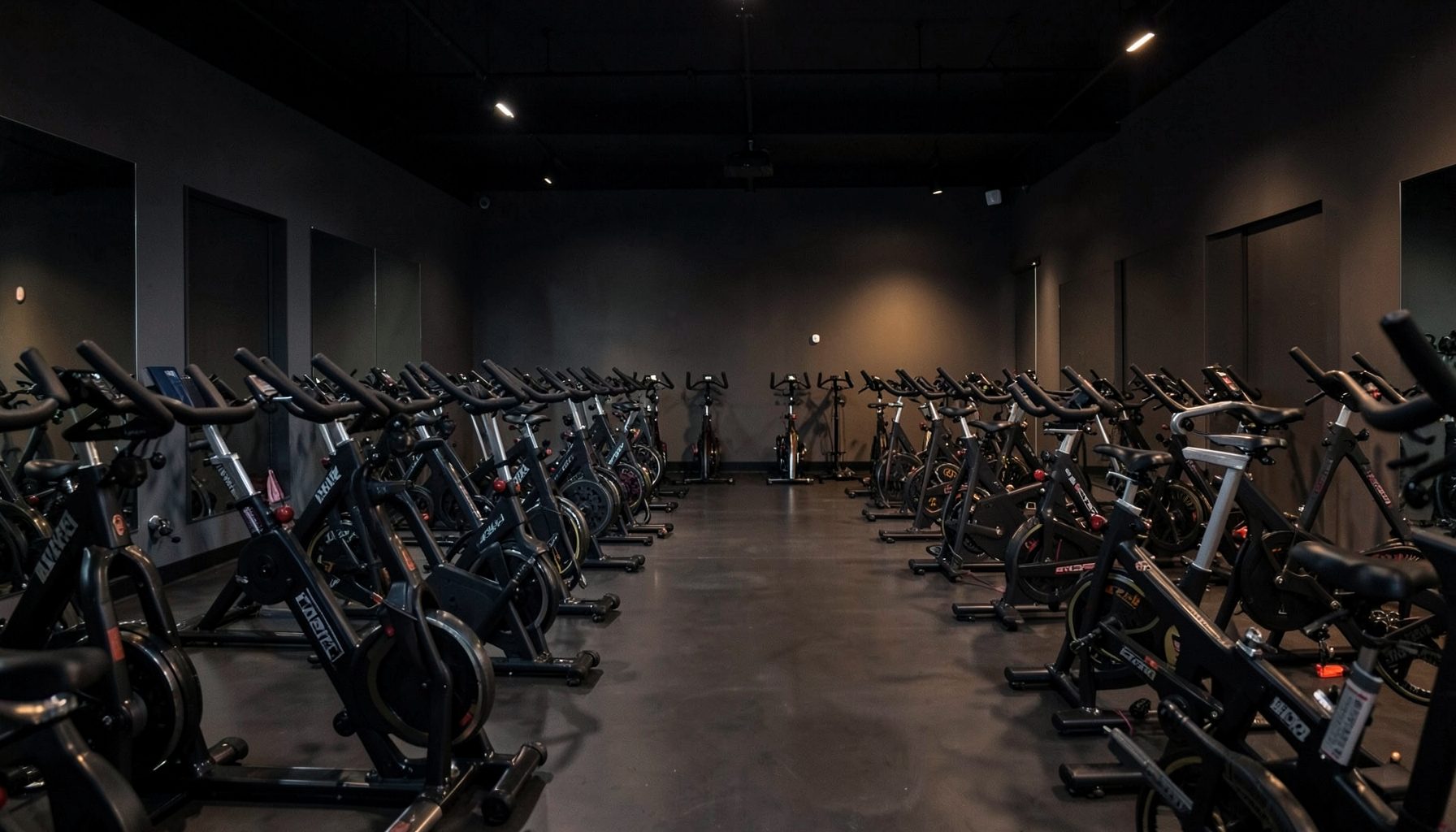
Cross-training plays a meaningful role here as well. We have found that indoor cycle sessions, done at moderate intensity two or three times a week, build the kind of aerobic base that keeps legs fresh deep into the fourth quarter. For athletes interested in how those sessions tie into the mental side of performance, spinning for mental resilience is worth a read. Recovery work, including our Normatec boots and local cryotherapy, also keeps players on the floor consistently enough that the camera actually has something new to capture each week.
What players and parents notice first
The thing most kids notice in their first month of video review is not what they are doing wrong. It is what they are doing right. Young athletes are notoriously self-critical, and many arrive at our facility convinced they are the weakest link on the floor. Watching themselves execute a sharp jab step, or rotate on time, or box out properly, flips that script. Confidence is a training tool, and footage delivers it in a way that praise alone cannot.
Parents often tell us the review sessions spill over into dinner-table conversations about the game. A kid who used to brush off a loss will start dissecting why a particular defensive switch broke down. That is the kind of engaged, reflective player that every coach, from suburban Saturday morning comps to the Australian Institute of Sport pathways, is hunting for. Video review turns practice into something that sticks, and games into something that teaches.
| Skill area | Live coaching | Sideline iPad review | Full session film study |
|---|---|---|---|
| Footwork mechanics | Immediate correction | Slow-motion replay on the spot | Side-by-side comparison across weeks |
| Decision-making reads | Verbal cues only | Short clips pulled on demand | Full possession breakdowns |
| Defensive positioning | Real-time adjustment | Visual feedback after the rep | Pattern recognition from game film |
| Confidence building | Praise-driven | Self-affirming visual proof | Highlight reels for season review |
Book a trial session at our Speedway facility and let our coaches put the camera to work on your game. Whether your child is just starting out in our early-childhood divisions or pushing for a spot in a competitive travel league, video review will change how they see themselves as a player, and how the game sticks with them long after the final buzzer.
Inside The Factory
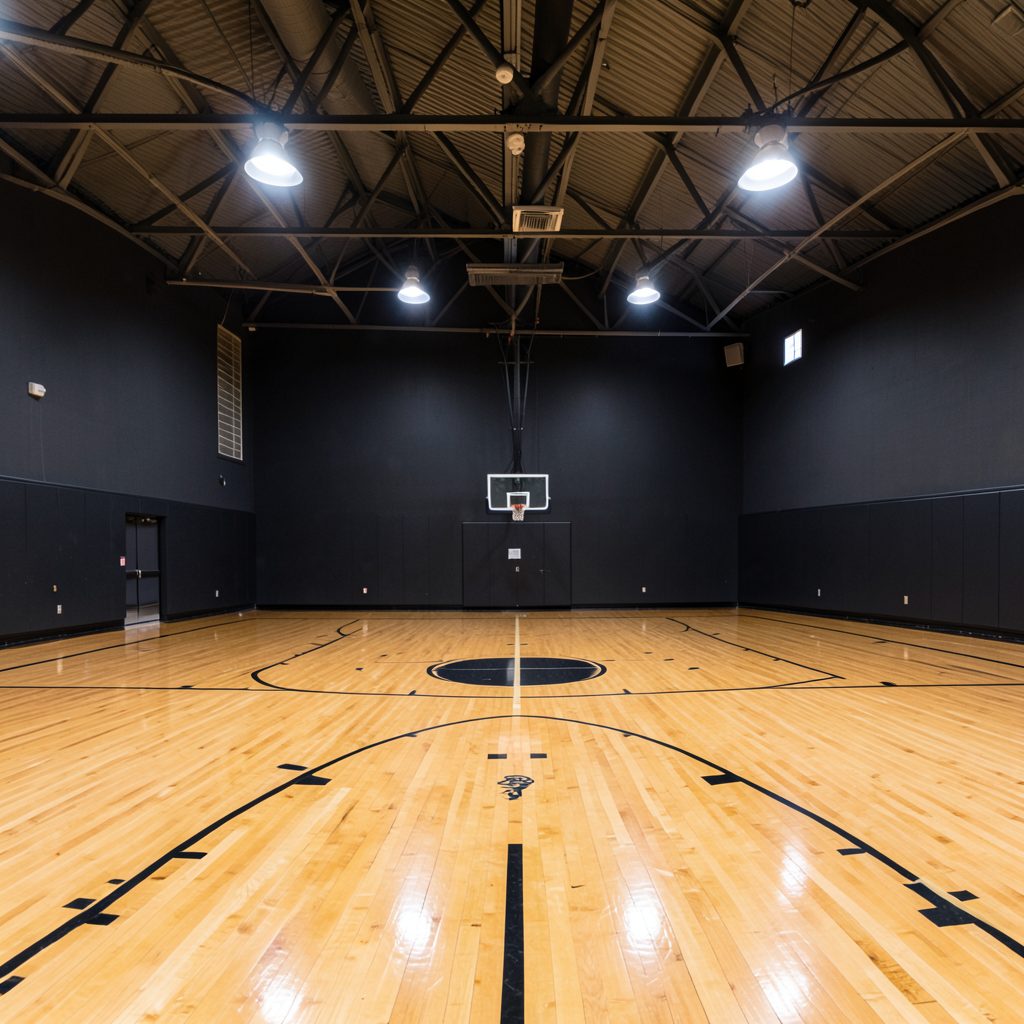

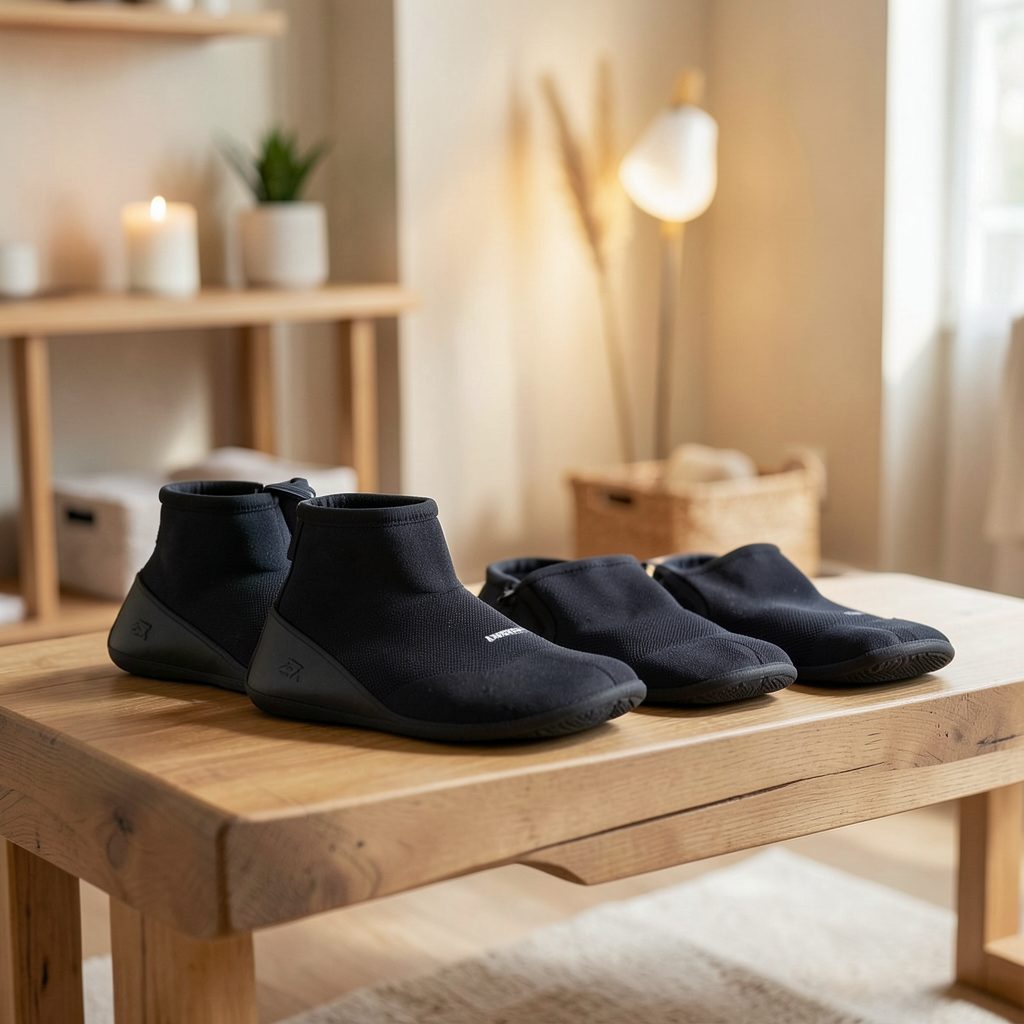
Three Entities, One Roof
Leagues
Eight league divisions span every age group: Indy Pro AM, 18+ Open Men's, 30+ Men's, Bite Size (ages 3–6), Impact League, 5th/6th Grade, Middle School, and High School. Gather your team and compete.
Training
Individual and group basketball training for all skill levels. Major M.O.V.E.S. Basketball Training serves ages 4–7 on Wednesday and Thursday evenings at 6:30 PM — $30 per session or $100 unlimited monthly.
Wellness & Recovery
Normatec boot recovery and cryotherapy treatments help athletes bounce back faster. Cycle and spin classes add a cardio dimension to the holistic performance approach.
Have a Question?