Train. Compete. Recover.
A multi-purpose athletic facility in Speedway, Indiana — basketball leagues, skill training, and wellness services all under one roof.
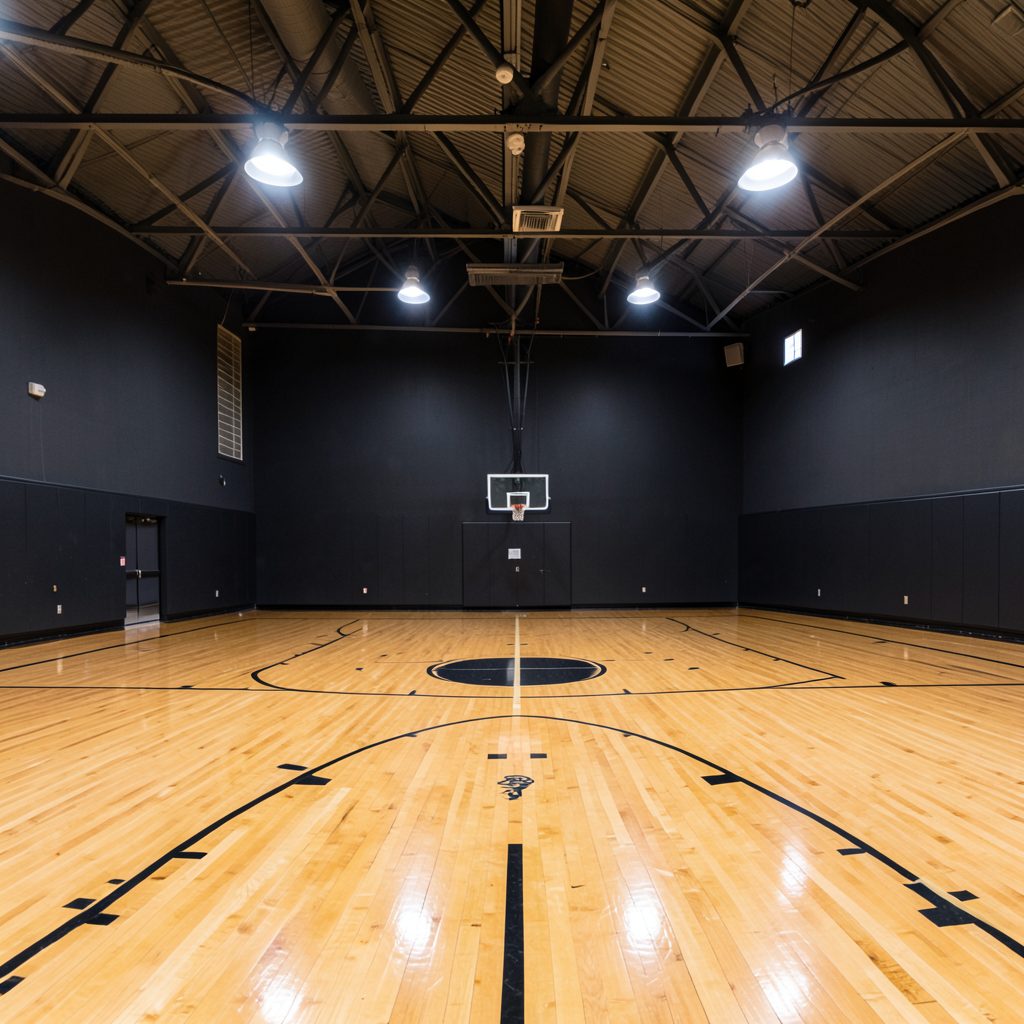
The Factory D1 Indy brings together three entities under one roof: competitive basketball leagues for all age groups, individual and group training, and wellness & recovery services including Normatec boot recovery and cryotherapy. Located off I-465 and High School Road at 6331 Crawfordsville Road, Speedway, Indiana 46224.
Get In TouchHow Normatec Supports Recovery After League Basketball
League basketball places repeated demands on the legs, hips and lower back. Sprinting in transition, defending laterally, jumping for rebounds and stopping suddenly can leave muscles feeling heavy well after the final whistle. For athletes balancing training, work and weekend competition, managing that fatigue is an important part of staying consistent.
At The Factory D1 Indy, Normatec compression therapy forms part of a broader recovery offering for athletes across different ages and playing levels. While the facility is based in Speedway, Indiana, the same recovery principles are relevant to Australian players competing in local associations, school competitions, social leagues and high-performance pathways.
What Happens To Tired Muscles After A Game
During a demanding game, working muscles require increased blood flow and oxygen. Repeated contractions can also contribute to temporary swelling, stiffness and the familiar heavy-leg sensation that appears after league play. Fatigue may be more noticeable when a player has several matches in a short period or moves directly from competition into another training session.
Recovery is influenced by more than the final score. Sleep, nutrition, hydration, stress, travel and the intensity of the fixture all affect how an athlete feels the next day. A late Saturday game in Melbourne, followed by an early Sunday start, creates a very different recovery challenge from a single midweek match with a full rest day afterwards.
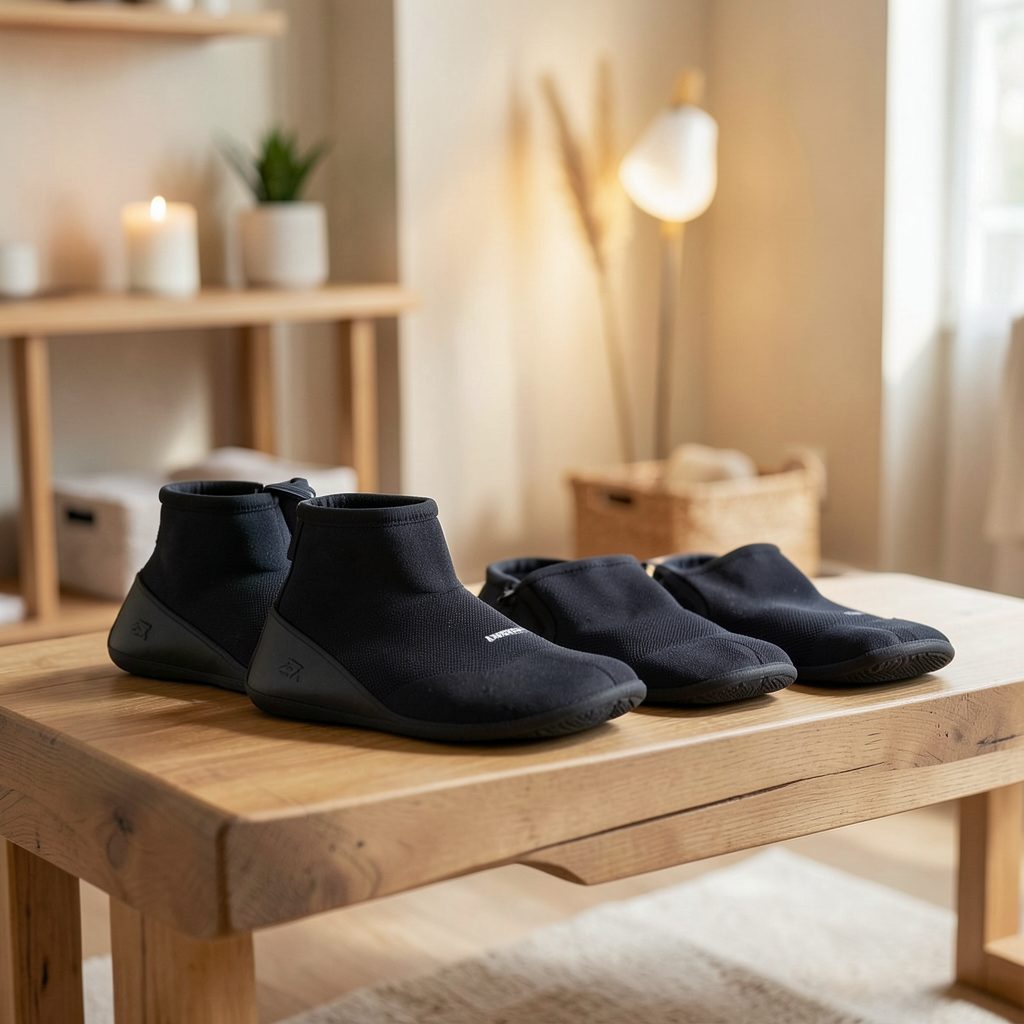
Normatec is designed to support circulation through dynamic pneumatic compression. The sleeves inflate and release in sections, creating a sequential pressure pattern around the limbs. This can provide a comfortable compression sensation while the body begins its normal post-exercise recovery process.
How The Compression Session Works
A player sits or reclines while wearing leg sleeves connected to a control unit. The system applies pressure in cycles, generally moving from the feet upwards. The session is passive, so the athlete can relax, breathe normally and allow the legs to unwind after the physical demands of competition.
The pressure is adjustable, and a trained staff member can help select an appropriate setting and duration. The aim is a controlled recovery experience rather than forcing the body through discomfort. Compression should feel supportive, not painful, numb or excessively tight.
Normatec does not replace a proper cool-down, mobility work or clinical assessment. It is best viewed as one tool within a recovery routine that may also include gentle movement, fluids, a balanced meal and sufficient sleep. Athletes with medical concerns should obtain individual advice before using compression equipment.
Why League Players May Find It Useful
Basketball involves repeated acceleration and deceleration rather than one continuous effort. Calves, quadriceps, hamstrings and gluteal muscles may all be loaded during a game, especially when a player logs heavy minutes. Compression sessions can help athletes feel less congested and more comfortable as they transition from competition to ordinary movement.
Some players use Normatec after a match, while others prefer it the following day before light mobility or a skills session. The best timing depends on the schedule and the athlete’s response. A younger player in a Sunday morning junior league may need a simple, low-pressure routine, while an adult playing two games across a weekend may use recovery more deliberately between fixtures.
Recovery can also support training consistency. An athlete who feels more comfortable may move more naturally during the next session, although compression should never be treated as a guarantee against soreness or injury. Coaches and players can pair it with sensible workload planning, including rest days and gradual increases in training volume.
Fitting Recovery Around Australian Basketball
Australian basketball has a strong weekend competition culture, with players travelling to associations and tournaments in cities such as Sydney, Melbourne, Brisbane, Perth and Adelaide. Long car trips, warm venues and back-to-back games can add to perceived fatigue. Planning food, water, spare clothing and recovery time is often just as important as packing shoes and a uniform.
Heat is another practical consideration. Training or playing during an Australian summer can increase fluid losses, so athletes should not use compression as a substitute for hydration. A cool-down in an air-conditioned venue, followed by appropriate fluids and a meal containing carbohydrates and protein, can make the overall recovery routine more effective.
The local fitness market also includes physiotherapy clinics, sports recovery studios, gyms and compression services. Before booking any session, athletes should check who operates the equipment, how it is cleaned, whether staff can explain contraindications and what privacy practices apply to personal information. Australian businesses must also meet their obligations under the Australian Consumer Law, including avoiding misleading health or performance claims.
Combining Normatec With Basketball Preparation
Compression works best when it supports a complete performance plan. Players can begin with a low-intensity walk or gentle bike spin after a game, then use stretching and mobility drills that match their needs. Refuelling soon after competition is useful, particularly when another training or playing commitment is scheduled within the next day.
Technical preparation matters as well. A player who improves movement efficiency and shooting consistency may reduce unnecessary effort during sessions. A structured shooting routine can help athletes make practice more purposeful, leaving recovery time for the physical demands that matter most.
At The Factory D1 Indy, recovery is positioned alongside training, leagues and conditioning rather than treated as an isolated service. That approach makes sense for athletes who need to balance performance goals with the practical demands of school, employment and family commitments. Recovery should fit the season, not become another source of pressure.
When To Use Compression Carefully
Normatec may feel comfortable after normal exercise-related fatigue, but it is not appropriate for every person or every symptom. Athletes should seek professional guidance before use if they have a history of blood clots, significant circulation problems, unexplained swelling, acute injury, infection or other relevant medical conditions.
Sudden pain, one-sided swelling, unusual warmth, skin colour changes, chest pain or shortness of breath require medical attention rather than a recovery session. Compression should also stop if it produces pain, tingling, numbness or a concerning change in symptoms.
For younger athletes, a parent, guardian, coach or qualified professional should be involved in deciding whether a session is suitable. Australian players can also speak with an accredited exercise physiologist, physiotherapist or sports doctor for advice tailored to their health, training load and competition schedule. The Factory D1 Indy explains its broader approach in its overview of athlete recovery services.
| Recovery approach | Main purpose | Best place in a league routine | Important note |
|---|---|---|---|
| Normatec compression | Provides sequential pneumatic compression for the limbs | After a game or during a planned recovery block | Use comfortable settings and follow health guidance |
| Easy walking or cycling | Encourages gentle movement after intense activity | Immediately after play or the next day | Keep the effort light enough to avoid adding fatigue |
| Hydration and refuelling | Replaces fluids and supports energy restoration | Soon after competition and throughout the day | Needs to reflect heat, sweat rate and session length |
| Sleep and rest | Supports broad physical and mental recovery | Overnight and between fixtures | Late games and travel can reduce total sleep |
| Mobility and stretching | Maintains comfortable movement | After cooling down or before light training | Avoid aggressive stretching when an area is acutely painful |
| Professional assessment | Identifies injury or medical concerns | When symptoms persist, worsen or seem unusual | Compression is not a diagnosis or treatment for every problem |
A considered recovery plan helps players return to their next session feeling prepared rather than simply hoping soreness disappears. Normatec machines can offer a practical, relaxing option after league play, particularly when combined with sensible loading, nutrition, hydration and sleep. Explore the recovery options at The Factory D1 Indy to build a routine that supports your basketball season and keeps recovery connected to the way you train and compete.
Inside The Factory
Three Entities, One Roof
Leagues
Eight league divisions span every age group: Indy Pro AM, 18+ Open Men's, 30+ Men's, Bite Size (ages 3–6), Impact League, 5th/6th Grade, Middle School, and High School. Gather your team and compete.
Training
Individual and group basketball training for all skill levels. Major M.O.V.E.S. Basketball Training serves ages 4–7 on Wednesday and Thursday evenings at 6:30 PM — $30 per session or $100 unlimited monthly.
Wellness & Recovery
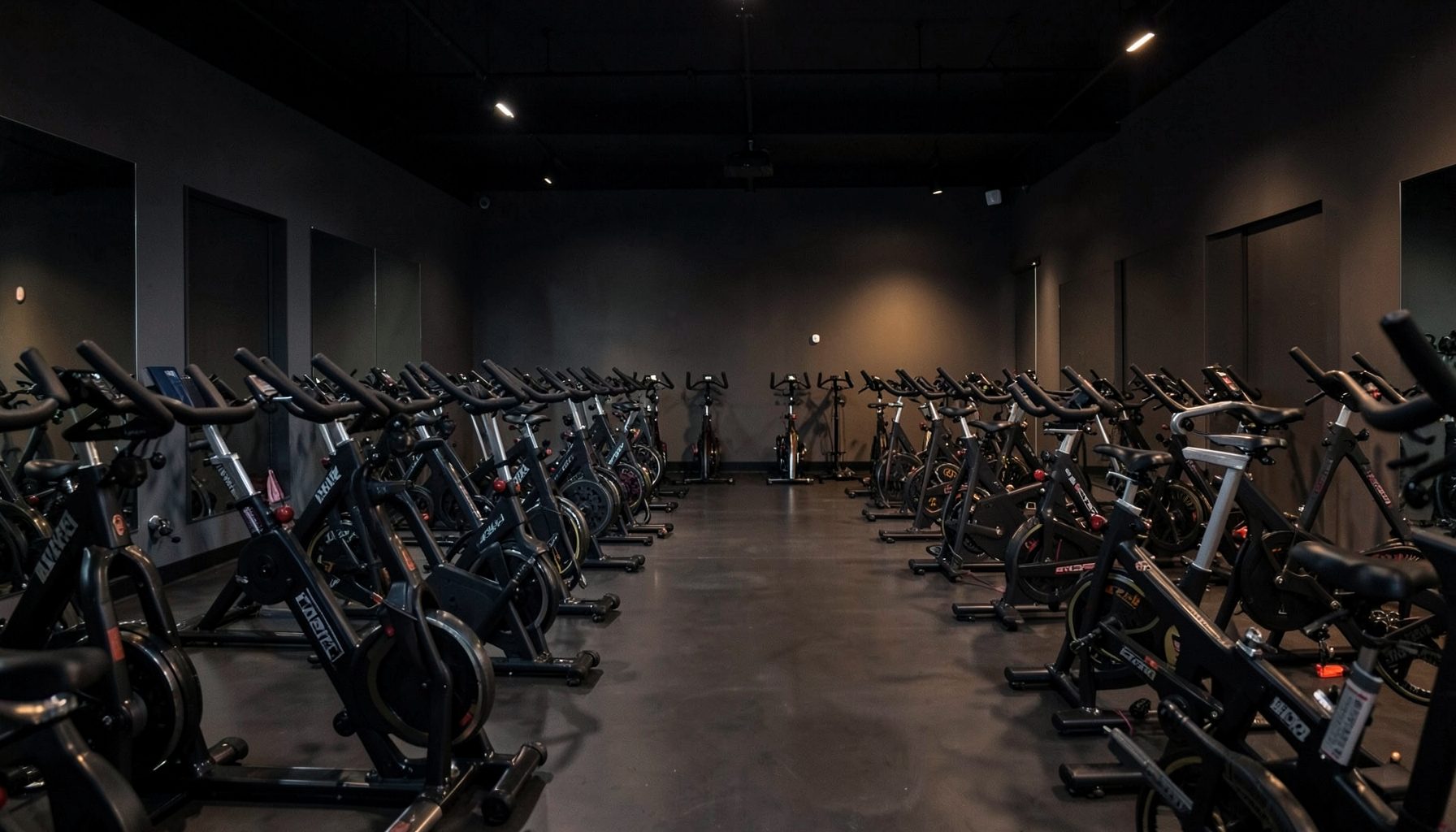
Normatec boot recovery and cryotherapy treatments help athletes bounce back faster. Cycle and spin classes add a cardio dimension to the holistic performance approach.
Have a Question?