Train. Compete. Recover.
A multi-purpose athletic facility in Speedway, Indiana — basketball leagues, skill training, and wellness services all under one roof.
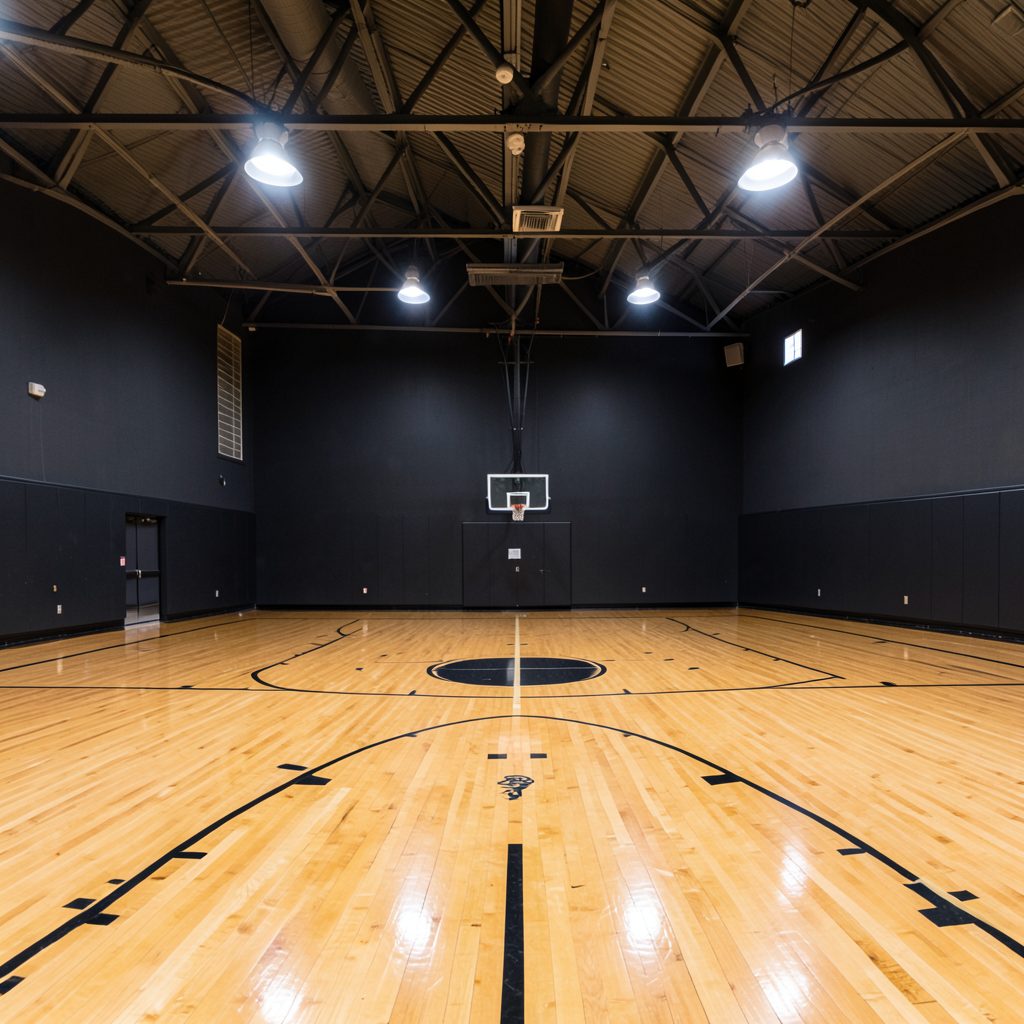
The Factory D1 Indy brings together three entities under one roof: competitive basketball leagues for all age groups, individual and group training, and wellness & recovery services including Normatec boot recovery and cryotherapy. Located off I-465 and High School Road at 6331 Crawfordsville Road, Speedway, Indiana 46224.
Get In TouchHow Recovery Services Help Athletes Train Harder Longer
Athletic progress depends on the quality of the work you do between demanding sessions. Basketball practices, strength workouts, games, cycling classes, and conditioning drills all place stress on muscles, joints, and the nervous system. Recovery gives your body the opportunity to respond to that stress and return ready for the next challenge.
At The Factory D1 Indy, recovery is part of a complete performance routine. Normatec compression therapy and cryotherapy can support athletes after training, competition, or intense conditioning. Used alongside sound nutrition, hydration, sleep, and smart programming, these services help athletes manage fatigue and stay consistent.
The goal is not to erase every sensation of hard work. Productive training should feel challenging. The goal is to help you handle that challenge responsibly, reduce unnecessary downtime, and maintain the energy and movement quality needed for long-term development.
Recover Better Between Hard Sessions
Training creates a cycle of stress and adaptation. A workout challenges the body, and recovery allows it to repair and rebuild. If the next session arrives before you are ready, fatigue can affect coordination, speed, focus, and decision-making. For a basketball player, that may mean slower defensive reactions or less lift on a jump shot. For a cyclist, it may appear as reduced power and poor cadence control.
Recovery services can make the transition from exertion to restoration more intentional. They provide a structured period to slow down, address tired areas, and check in with how your body feels. This is especially useful for athletes managing several practices, games, classes, or training sessions in the same week.
Consistent recovery may also help athletes recognize patterns. If your legs regularly feel heavy after a certain workout, or if soreness lasts longer than expected, that information can guide adjustments to training volume, intensity, or scheduling. Recovery is therefore both a physical practice and a way to improve athletic awareness.
What Normatec Compression Therapy Can Do
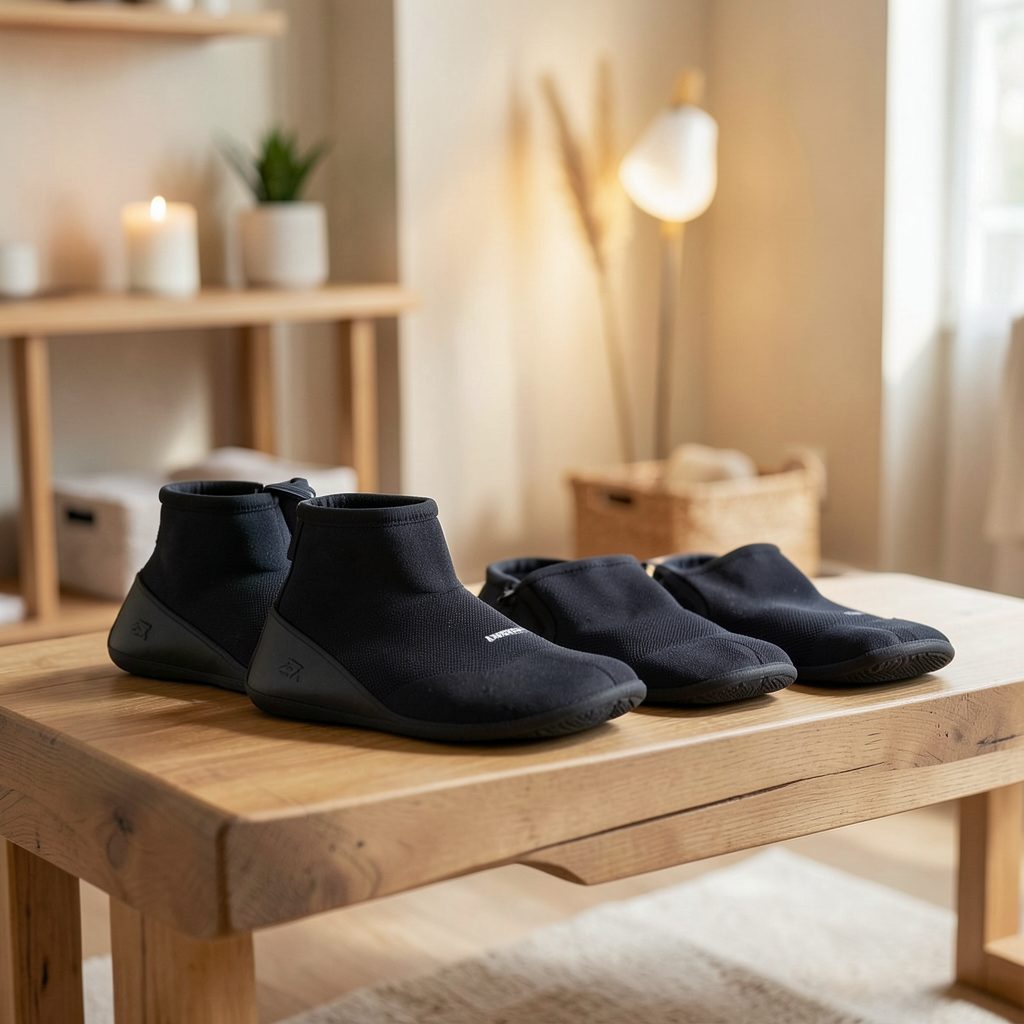
Normatec uses intermittent pneumatic compression to apply controlled pressure through sleeves placed around the legs or other treatment areas. The sleeves inflate and release in cycles, creating a rhythmic compression experience. Many athletes use this type of treatment after lower-body training, tournaments, running, cycling, or long periods on their feet.
The sensation can be calming after intense exercise, while the compression supports circulation and fluid movement in the treated area. Athletes often report that their legs feel lighter or less fatigued afterward. Results vary from person to person, so the most useful approach is to treat Normatec as one part of a broader recovery plan rather than a replacement for rest or medical care.
Timing matters. A session after practice can help you transition out of competition mode, while a session on a lighter day may support your preparation for upcoming activity. A trained facility professional can help you choose an appropriate duration and setting based on your workout schedule and comfort.
How Cryotherapy Fits Into Athletic Recovery
Cryotherapy exposes the body to very cold temperatures for a short, controlled period. Athletes may use it after especially demanding activity when they feel overheated, achy, or generally worn down. The brief cold exposure can provide a refreshing reset and may temporarily influence the way the body perceives soreness.
Cryotherapy is best viewed as a recovery option, not a shortcut around training principles. It does not replace a complete cool-down, adequate fluids, protein-rich meals, mobility work, or quality sleep. It should also be used according to facility guidelines, with attention to individual health considerations and tolerance.
The timing of cold-based recovery can depend on the athlete’s objective. Some athletes prefer it after competition or a high-intensity session, while others may choose it during a demanding training week. If muscle growth and strength adaptation are a major priority, discuss timing with a qualified coach or health professional rather than automatically using cold exposure after every workout.
Support Conditioning Beyond The Court
Basketball athletes need repeated bursts of acceleration, lateral movement, jumping, deceleration, and recovery between plays. That combination can create substantial lower-body fatigue. Adding cycling or spin training can build cardiovascular capacity with a different movement pattern and controlled resistance, helping athletes develop endurance without repeating every impact of court work.
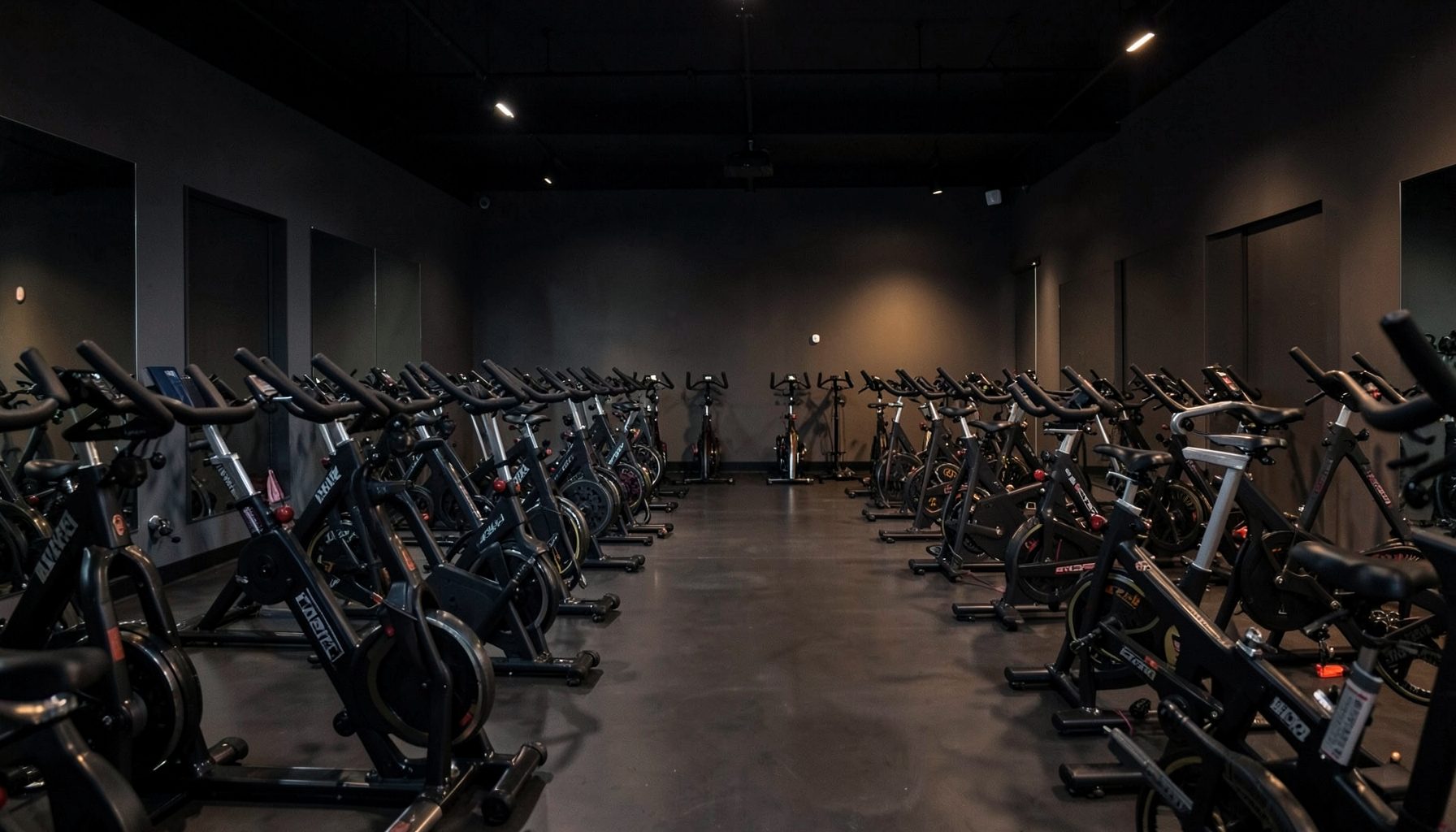
The Factory D1 Indy offers spin classes that can complement basketball conditioning when they are scheduled intelligently. Learn more about spin and basketball conditioning to see how cycling can fit into a broader athletic routine.
Recovery becomes especially important when cross-training increases weekly workload. A player might complete a hard court session, attend a spin class the next day, and then face a league game soon afterward. Planning compression therapy, cryotherapy, easy mobility, or a lower-intensity day around those sessions can help protect the quality of the next performance.
Match The Service To The Training Demand
Different recovery options serve different purposes, and the best choice may change throughout a season. Compression can be convenient after repeated lower-body efforts, while cryotherapy may appeal after an unusually intense session or competition. A simple walk, gentle stretching, and hydration may be sufficient after a lighter workout.
| Recovery option | Most useful after | Primary role | Important consideration |
|---|---|---|---|
| Normatec compression | Games, tournaments, leg training, cycling | Rhythmic compression and a restorative reset | Choose settings and duration that feel comfortable |
| Cryotherapy | High-intensity sessions or competition | Brief cold exposure and temporary soreness relief | Follow safety guidance and individual health recommendations |
| Light mobility | Most training sessions | Maintain comfortable movement and reduce stiffness | Keep it gentle rather than forcing painful ranges |
| Hydration and nutrition | Every demanding session | Replace fluids and provide recovery fuel | Needs to be consistent, not occasional |
| Sleep and rest days | Throughout the training week | Support physical and mental restoration | Protect a regular schedule whenever possible |
The table highlights an important principle: recovery is broader than a single treatment. Services at the facility can complement the basics, but they work best when the athlete also manages workload, eats adequately, hydrates throughout the day, and leaves room for restorative sleep.
Build A Recovery Routine That Fits
A useful routine should be realistic enough to repeat. An athlete who only uses recovery services after a major tournament may benefit, but an athlete who places manageable recovery habits throughout the week can often make better use of training time. Your routine should reflect your age, sport, training volume, competition calendar, and current energy levels.
Consider these practical recommendations:
- Schedule Normatec after demanding lower-body sessions, tournaments, or heavy cycling when your legs feel unusually fatigued.
- Use cryotherapy selectively and follow all screening, timing, and safety instructions provided by the facility.
- Pair recovery services with hydration, a balanced meal, gentle movement, and a consistent sleep schedule.
- Track soreness, energy, jump quality, speed, and motivation to identify when training load may be too high.
- Tell a coach or qualified health professional about persistent pain, swelling, numbness, or performance changes.
Recovery should never be used to push through an injury. Normal training fatigue usually improves with rest and appropriate movement, while sharp pain, worsening symptoms, or unusual weakness deserves professional attention. Responsible athletes know the difference between discomfort from effort and a warning sign.
Keep Your Next Session Strong
The athletes who train consistently are not always the ones who work at maximum intensity every day. They are the ones who manage hard efforts, easier sessions, competition, and restoration as parts of the same plan. Recovery services can help create that balance by giving your body focused support after the demands of training.
At The Factory D1 Indy, athletes can combine basketball development, competitive leagues, cycling, conditioning, and wellness services in one community-centered facility. Add Normatec compression or cryotherapy to your next training week and make recovery a deliberate part of your performance routine. Schedule your visit and keep building toward stronger, more consistent sessions.
Inside The Factory

Three Entities, One Roof
Leagues
Eight league divisions span every age group: Indy Pro AM, 18+ Open Men's, 30+ Men's, Bite Size (ages 3–6), Impact League, 5th/6th Grade, Middle School, and High School. Gather your team and compete.
Training
Individual and group basketball training for all skill levels. Major M.O.V.E.S. Basketball Training serves ages 4–7 on Wednesday and Thursday evenings at 6:30 PM — $30 per session or $100 unlimited monthly.
Wellness & Recovery
Normatec boot recovery and cryotherapy treatments help athletes bounce back faster. Cycle and spin classes add a cardio dimension to the holistic performance approach.
Have a Question?