Train. Compete. Recover.
A multi-purpose athletic facility in Speedway, Indiana — basketball leagues, skill training, and wellness services all under one roof.
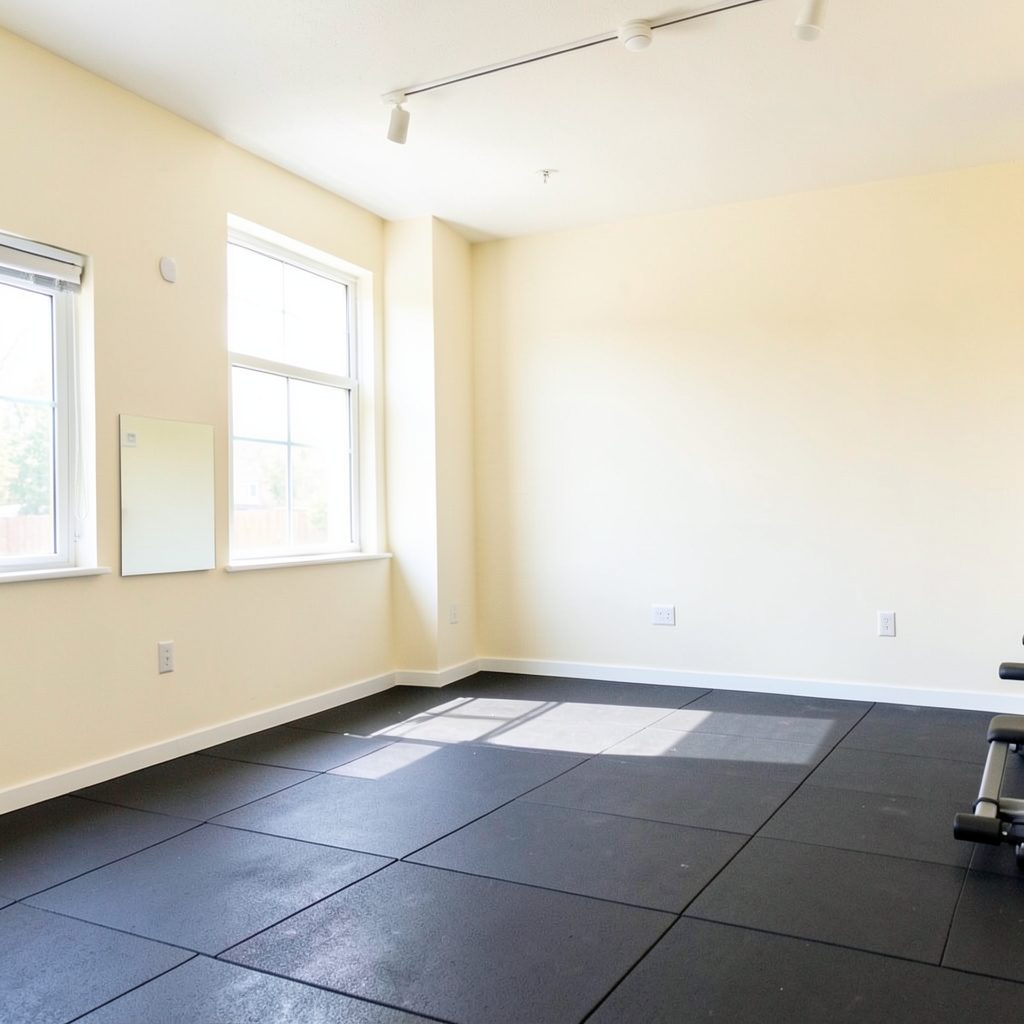
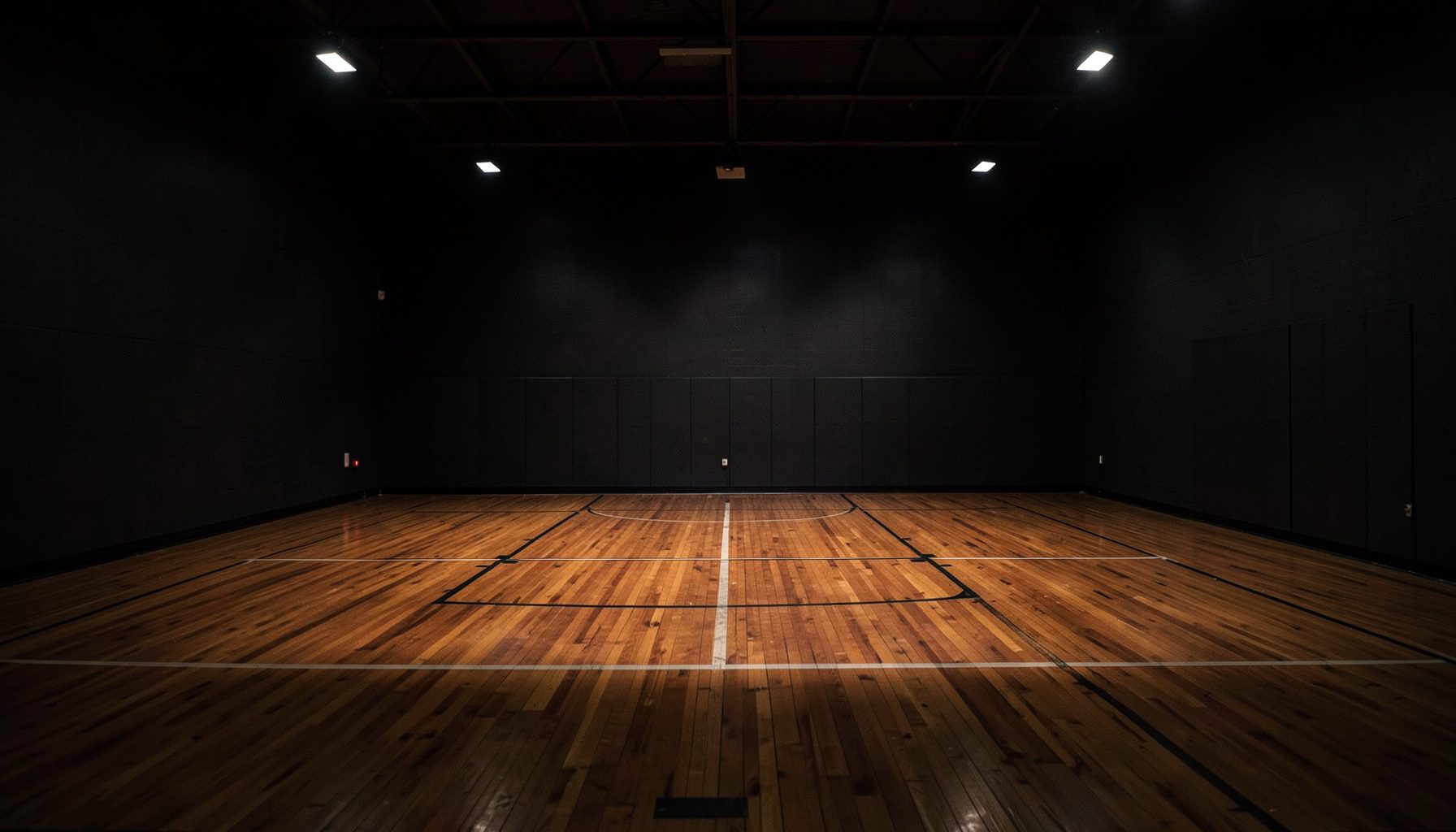
The Factory D1 Indy brings together three entities under one roof: competitive basketball leagues for all age groups, individual and group training, and wellness & recovery services including Normatec boot recovery and cryotherapy. Located off I-465 and High School Road at 6331 Crawfordsville Road, Speedway, Indiana 46224.
Get In TouchHow spin class resistance settings mimic hill training for cyclists
Cyclists often think of hill training as an outdoor challenge defined by gradients, changing terrain, and the need to manage effort over time. An indoor spin bike can recreate much of that experience by changing resistance while cadence, posture, and breathing remain under the rider’s control. The result is a controlled workout that develops climbing strength without requiring a road, a mountain, or favorable weather.
Resistance is the central tool. Lower settings allow a rider to spin quickly and prepare for flat roads, while heavier settings create the muscular demand associated with a climb. By adjusting the load in stages, a class can simulate rolling roads, long steady ascents, short ramps, and steep finishing efforts.
For athletes training at The Factory D1 Indy, spin classes can complement basketball conditioning, personal fitness goals, and outdoor cycling. Indoor cycling also makes it easier to repeat the same hill workout, monitor progress, and build confidence before taking that strength onto a real course.
Why resistance feels like a hill
On an outdoor bike, gravity increases the force required to keep moving uphill. The rider must push harder on each pedal stroke, and cadence often drops as the gradient becomes steeper. A spin bike reproduces this sensation by increasing friction against the flywheel. The terrain does not physically rise, but the legs encounter a similar demand for torque.
The key difference is predictability. Outdoor climbs can vary because of wind, surface quality, traffic, or sudden changes in grade. Indoor resistance lets an instructor or rider create a repeatable load. That consistency is valuable for measuring improvement: a cyclist may hold the same cadence at a higher resistance, sustain a heavy effort for longer, or recover faster after a simulated climb.
A moderate resistance setting generally resembles a gradual incline. It raises heart rate while allowing smooth pedaling and a relatively stable rhythm. Heavy resistance feels closer to a steep pitch, where the rider must recruit more glute, quadriceps, and hamstring power to turn the pedals.
How resistance changes the workout
Resistance and cadence work together. Turning the pedals quickly against light resistance develops cardiovascular rhythm and leg speed, while pushing steadily against a heavier load emphasizes muscular endurance. Neither setting is automatically better; each serves a different purpose in a cyclist’s training plan.
A useful hill simulation begins with an easy warm-up, followed by a gradual increase in resistance. The rider can maintain a conversational pace during the early phase, then move toward a challenging but sustainable effort. As the load rises, breathing becomes deeper, the legs feel heavier, and the cyclist must concentrate on keeping the pedal stroke even.
Position also changes the experience. Seated climbing encourages sustained force and teaches the rider to preserve efficiency under load. Brief standing intervals can mimic a sharp rise or a late-race attack, but they should be used with control. Excessive bouncing or pulling on the handlebars wastes energy and may compromise form.
| Spin bike setting | Outdoor terrain comparison | Primary training effect | Useful cue |
|---|---|---|---|
| Light resistance, quick cadence | Flat road or gentle descent | Leg speed and aerobic rhythm | Keep the stroke smooth |
| Moderate resistance | Rolling terrain or gradual hill | Sustainable climbing endurance | Hold a steady cadence |
| Heavy resistance, seated | Long or steep ascent | Torque and muscular endurance | Drive through the full pedal circle |
| Heavy resistance, standing | Short ramp or attack | Power and acceleration | Stay stable over the bike |
| Resistance waves | Undulating course | Pacing and recovery control | Change effort without sprinting blindly |
Matching intervals to real terrain
A long climb is best represented by a sustained interval rather than repeated sprints. After warming up, a rider might spend several minutes at moderate resistance, gradually increasing the load while keeping cadence within a manageable range. This develops the ability to pace an ascent instead of attacking the first few minutes and fading before the summit.
Rolling terrain calls for frequent but measured changes. A class may alternate between light resistance for one minute, moderate resistance for two minutes, and a heavier push for thirty seconds. The goal is to recover while moving, just as a cyclist must use short descents or flatter sections to prepare for the next rise.
Short hill repeats are useful for building climbing power. Increase resistance for thirty to ninety seconds, maintain strong pressure through the pedals, then reduce the load for an active recovery. The recovery should be long enough to restore control, though not necessarily enough to make the legs feel completely fresh. This pattern teaches the body to clear fatigue while continuing to work.
Cyclists preparing for an event should choose intervals that resemble the course. A route with long mountain passes requires sustained efforts, while a criterium with repeated corners and rises calls for brief surges. Indoor cycling allows these demands to be practiced without the logistical challenge of finding a matching outdoor route.
Reading effort without relying on speed
Speed on a spin bike can be misleading because it does not represent a real road grade or a universal distance. Resistance, cadence, heart rate, breathing, and perceived exertion provide more useful information. A rider should focus on how hard the body is working and whether the effort can be maintained for the planned interval.
Rate of perceived exertion is especially practical in a group class. An easy warm-up may feel like a 3 or 4 on a ten-point scale. A sustained climb may rise to 6 or 7, where conversation becomes limited but controlled. A short hill attack can reach 8 or 9, though it should be followed by sufficient recovery.
Heart-rate data can support this process, but it should not replace body awareness. Heat, fatigue, hydration, and poor sleep can alter heart rate on a given day. A cyclist who understands both objective data and internal effort can adjust resistance intelligently instead of chasing a number that does not fit the workout.
Cadence is another important guide. If resistance rises and cadence collapses immediately, the setting may be too heavy for a sustained interval. The right climbing load creates challenge while preserving a smooth, repeatable stroke. For a short power effort, a lower cadence may be appropriate; for endurance climbing, consistency matters more than maximum load.
Building a safer and stronger climbing habit
Indoor hill training works best when resistance is increased gradually. Begin with a full warm-up that includes light pedaling and a few brief cadence increases. Then progress from moderate to heavy loads rather than starting at the hardest setting. This prepares the joints and muscles for forceful work and makes technique easier to maintain.
Use these practices to make resistance-based cycling more productive:
- Keep the core stable and avoid leaning heavily on the handlebars.
- Maintain a quiet upper body while the legs produce the effort.
- Increase resistance in small steps instead of making abrupt jumps.
- Choose seated climbing for longer intervals and standing work for brief surges.
- Reduce the load when cadence becomes ragged, painful, or difficult to control.
Recovery deserves equal attention. Easy spinning between climbs helps preserve circulation and teaches active recovery, while hydration supports performance during a demanding class. Afterward, gentle mobility work and appropriate recovery services can help athletes return to training with less stiffness.
This approach also transfers well to other sports. Basketball players can benefit from the repeated effort and recovery pattern of hill intervals, especially during a long competitive season. Training consistency matters across disciplines, and this season motivation guide offers a useful reminder that manageable routines are easier to sustain than occasional extreme workouts.
Turning indoor climbs into outdoor gains
The most valuable result of spin resistance training is improved control. A cyclist learns how to settle into a demanding pace, respond to changes in load, and recover without stopping. Those skills can make outdoor climbs feel less intimidating because the rider has already practiced the physical and mental pattern indoors.
Progress can be tracked in several ways. Record the resistance level, cadence, interval length, and perceived effort. Over several weeks, look for signs such as longer sustained climbs, fewer cadence drops, faster recovery, or a lower perceived effort at the same workload. These markers reveal improvement even when the bike does not display a traditional road speed.
Group classes add motivation and structure, while individual sessions allow more precise pacing. At a multi-purpose facility such as The Factory D1 Indy, cyclists can fit indoor riding into a broader athletic routine that may include strength work, conditioning, and recovery. Riders who also enjoy organized competition can review upcoming opportunities through league registration, especially if they want to pair cycling fitness with team-based activity.
Set the resistance with a purpose, match the interval to the terrain you want to handle, and finish each session with enough control to recover well. Book a spin class at The Factory D1 Indy and turn every indoor climb into practical strength for the road.
Inside The Factory

Three Entities, One Roof
Leagues
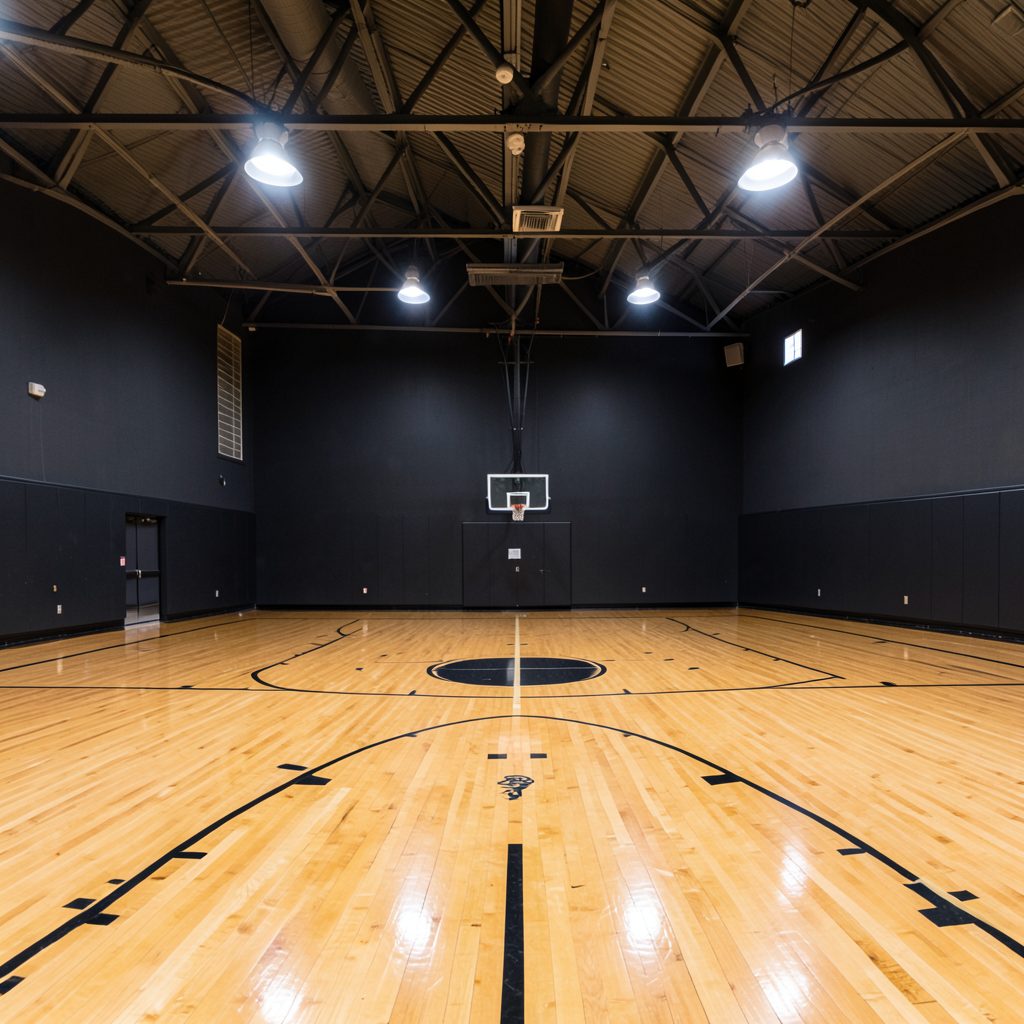
Eight league divisions span every age group: Indy Pro AM, 18+ Open Men's, 30+ Men's, Bite Size (ages 3–6), Impact League, 5th/6th Grade, Middle School, and High School. Gather your team and compete.
Training
Individual and group basketball training for all skill levels. Major M.O.V.E.S. Basketball Training serves ages 4–7 on Wednesday and Thursday evenings at 6:30 PM — $30 per session or $100 unlimited monthly.
Wellness & Recovery
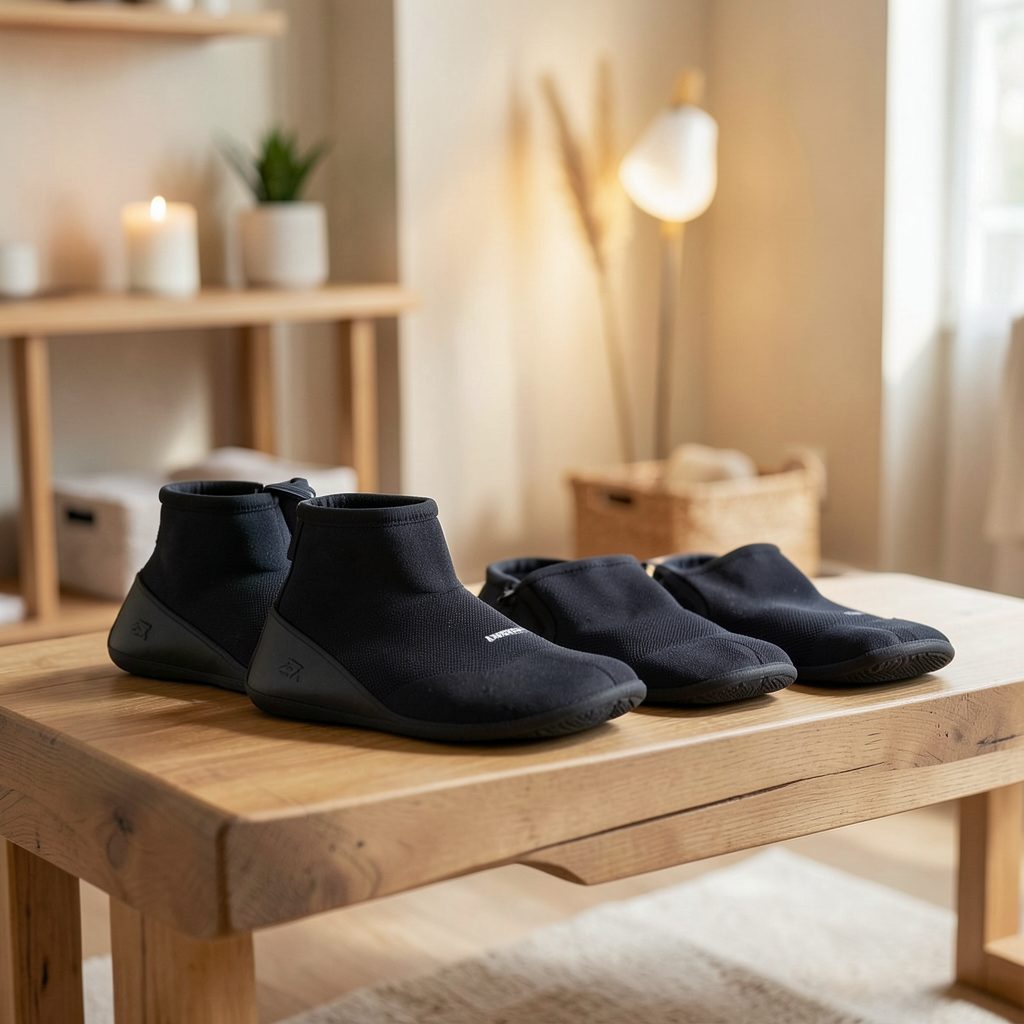
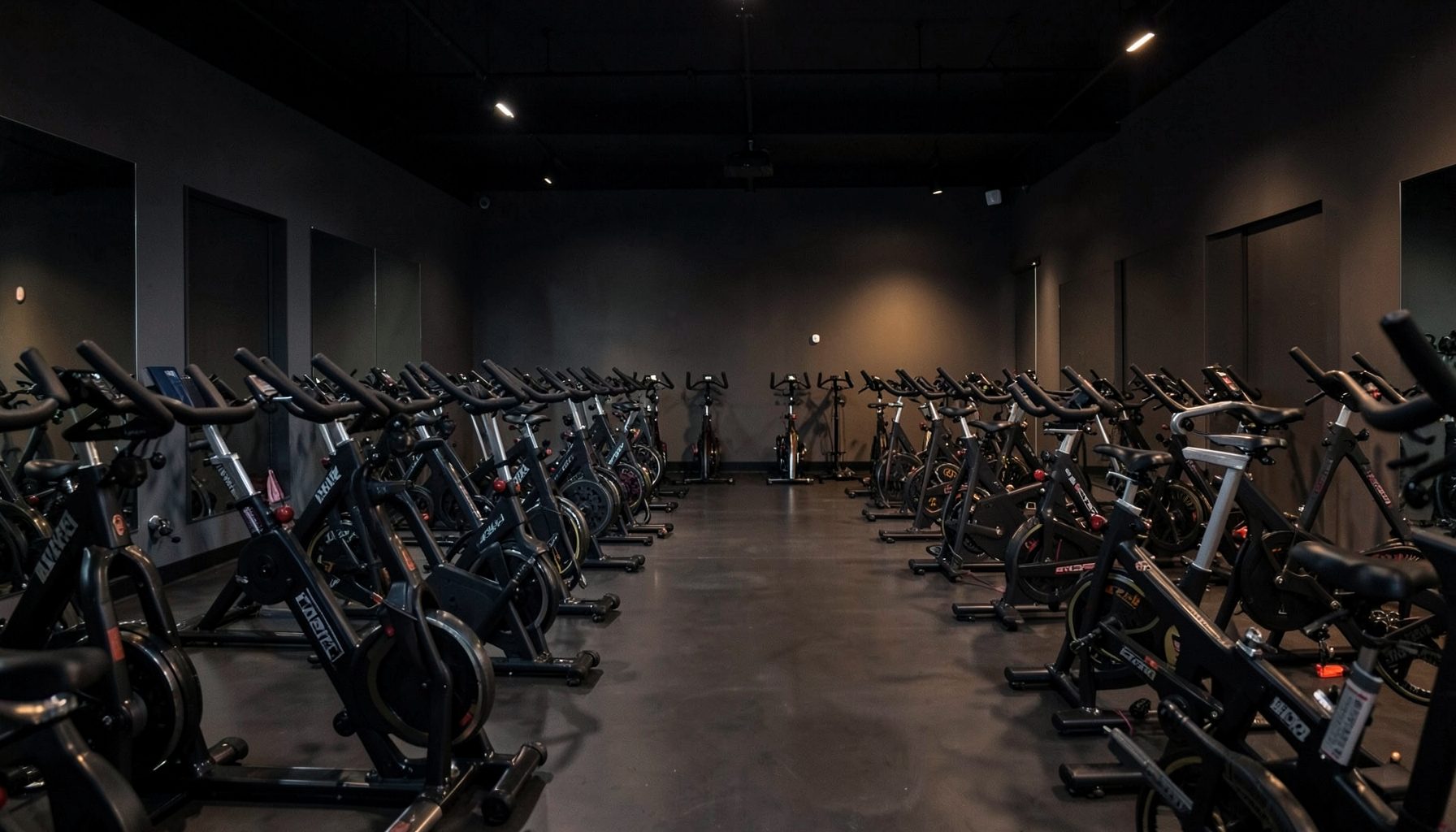
Normatec boot recovery and cryotherapy treatments help athletes bounce back faster. Cycle and spin classes add a cardio dimension to the holistic performance approach.
Have a Question?