Train. Compete. Recover.
A multi-purpose athletic facility in Speedway, Indiana — basketball leagues, skill training, and wellness services all under one roof.
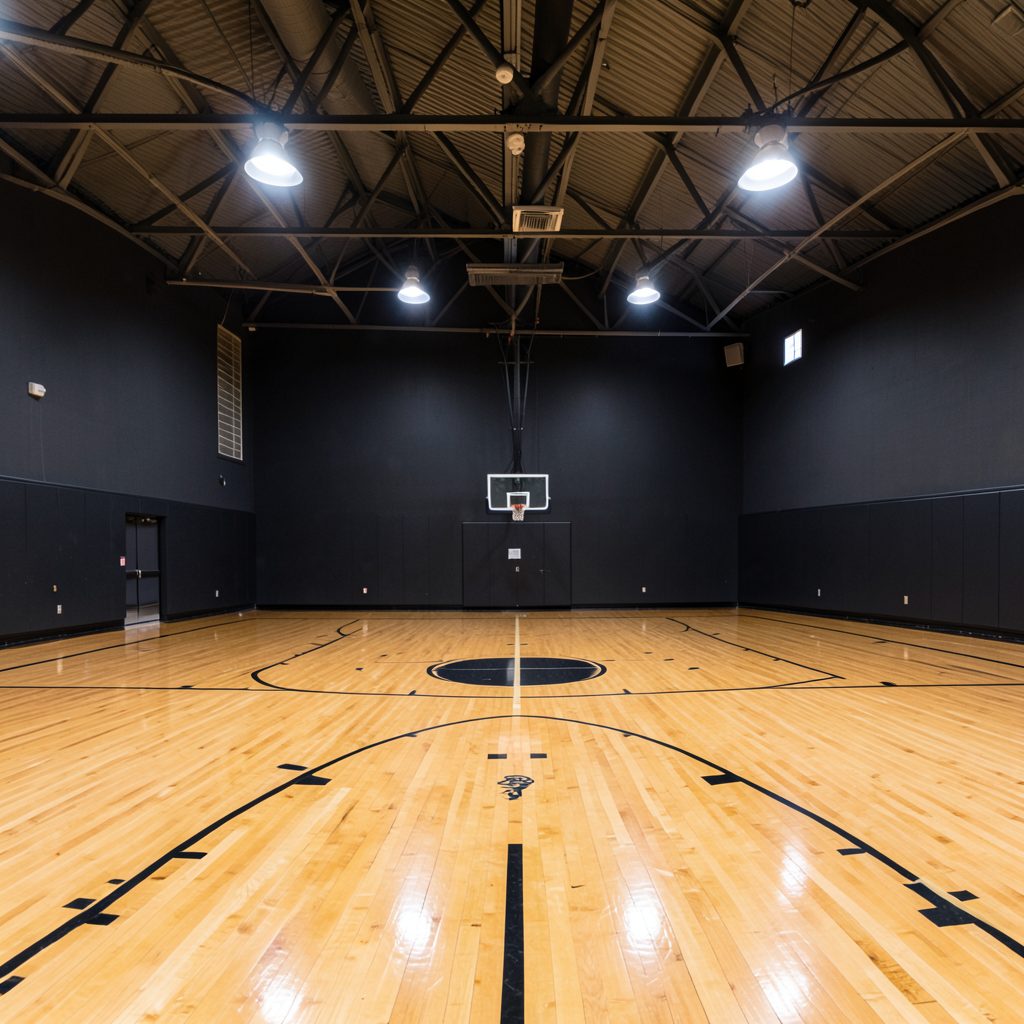
The Factory D1 Indy brings together three entities under one roof: competitive basketball leagues for all age groups, individual and group training, and wellness & recovery services including Normatec boot recovery and cryotherapy. Located off I-465 and High School Road at 6331 Crawfordsville Road, Speedway, Indiana 46224.
Get In TouchHow to Stay Motivated During a Long Basketball Season
A basketball season can begin with fresh energy and ambitious goals, then gradually test an athlete’s focus. Practices, travel, schoolwork, injuries, changing roles, and repeated games can make progress feel less visible. Motivation rarely stays at the same level for months, so athletes need practical habits that support effort when excitement fades.
The goal is not to feel intensely inspired before every workout. Sustainable motivation comes from connecting daily training to personal values, tracking small improvements, protecting recovery, and staying engaged with teammates. A long season becomes more manageable when athletes focus on controllable actions rather than the final record alone.
At The Factory D1 Indy, athletes can build that consistency through basketball skills training, competitive leagues, conditioning, and recovery services. A structured environment helps players keep developing while maintaining the energy required for competition.
Define A Personal Reason To Compete
Team goals matter, but personal motivation becomes stronger when each athlete identifies a reason that feels meaningful. One player may want to become a more reliable ball handler, while another may be working toward greater confidence, a starting role, or improved fitness. A clear purpose gives routine practices a useful direction.
Write down one season goal and two or three process goals. A season goal might involve contributing more consistently during games. Process goals could include making the extra pass, communicating on defense, or completing a specific number of focused shooting repetitions each week. Process goals remain valuable even when playing time, opponents, or team results are outside an athlete’s control.
Goals should be challenging without becoming unrealistic. If an athlete chooses too many targets, motivation can turn into pressure. A short list makes it easier to recognize progress and adjust when circumstances change.
Turn Progress Into Something Visible
Improvement is often gradual, especially with shooting mechanics, defensive footwork, conditioning, and decision-making. Athletes may feel stuck because they remember mistakes more clearly than successful possessions. Tracking a few meaningful indicators creates evidence that effort is producing results.
A training journal can include practice intensity, shooting percentages, turnovers, defensive stops, sleep, and one lesson from each session. Younger players may prefer a simple checklist, while older athletes can record more detailed notes. The purpose is not to judge every performance; it is to identify patterns and celebrate steady work.
Review progress every two or three weeks rather than after every practice. A poor game should be treated as information, not a final verdict. Look for questions such as whether fatigue affected decision-making, whether defensive communication improved, or whether a new skill appeared under pressure.
Build Variety Into The Routine
Repetition is essential for basketball development, but an identical routine can drain attention. Coaches and athletes can preserve consistency by changing the format while keeping the objective intact. Shooting work might include timed rounds, partner challenges, movement-based drills, or game-speed situations.
Small competitive elements can renew focus without making every session stressful. Players might compete to complete the most accurate passing sequence, win a defensive positioning drill, or reach a shared team target. The emphasis should remain on quality and improvement rather than embarrassment for the last-place finisher.
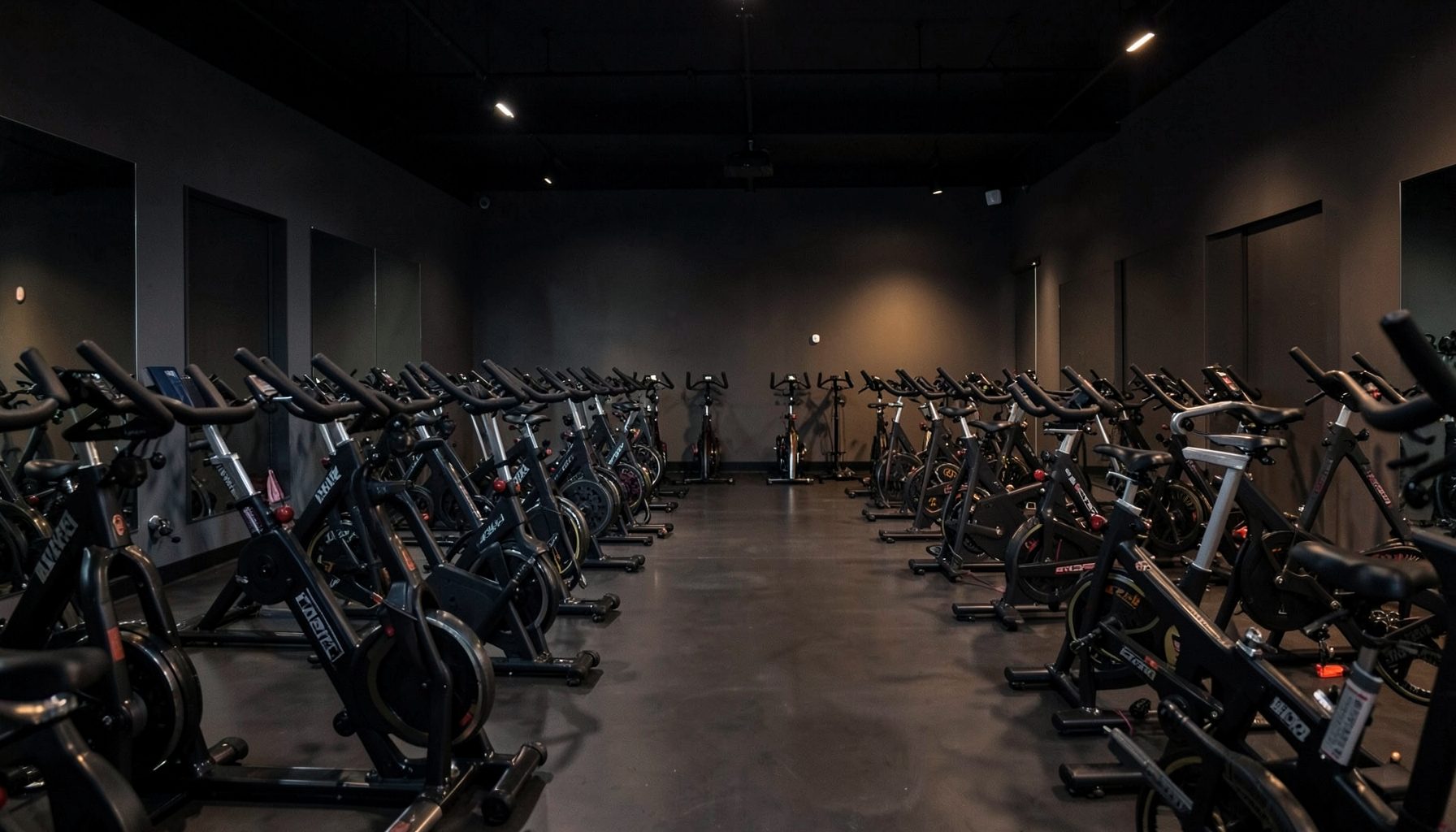
Cross-training can also support long-season motivation. Cycle and spin classes can improve cardiovascular conditioning while adding variety to a demanding schedule. A new training setting challenges different muscles and gives athletes a mental break from familiar drills without abandoning their broader performance goals.
Protect Energy Before Motivation Drops
Many athletes interpret exhaustion as a lack of discipline when the real problem is insufficient recovery. Sleep, hydration, balanced meals, mobility work, and planned rest help preserve concentration and emotional control. A tired player may lose interest in practice simply because the body is struggling to meet the workload.
A practical weekly plan should include hard sessions, lighter work, games, and recovery periods. When soreness or fatigue builds, athletes should communicate with coaches rather than quietly pushing through every warning sign. Adjusting intensity for a short period can prevent a minor issue from becoming a long absence.
A pre-practice or pre-game routine can also create reliable mental preparation. Athletes who want to refine this part of their schedule can use the pre-game warmup routine recommended by Factory D1 Indy trainers. Consistent preparation reduces decision fatigue and helps players shift into competition mode.
| Challenge During The Season | Helpful Response | Sign The Approach Is Working |
|---|---|---|
| Repeated practices feel predictable | Change drills while keeping the same skill objective | Focus improves during familiar fundamentals |
| A poor game lowers confidence | Review two lessons and one positive action | The athlete returns to practice with a specific plan |
| Fatigue affects effort | Schedule lighter training and prioritize sleep | Energy and concentration become more consistent |
| Playing time changes | Set process goals for every minute on court | The player contributes without waiting for a perfect role |
| Team tension develops | Use direct, respectful communication | Mistakes are addressed without lingering blame |
Stay Connected To Teammates And Coaches
Basketball motivation is easier to maintain when athletes feel connected to the people around them. Encouraging a teammate after a missed shot, celebrating a strong defensive possession, or helping a younger player understand a drill can make training feel more meaningful. These actions also strengthen the trust required during close games.
Coaches can support motivation by giving specific feedback instead of general praise or criticism. “Keep your hips lower on the defensive slide” provides a useful action, while “play harder” gives the athlete little direction. Players should listen for one adjustment they can apply immediately and avoid trying to fix every weakness at once.
Parents also influence how a season feels, particularly for younger athletes. Conversations after games should leave room for the child’s experience before focusing on statistics or mistakes. Families choosing a competitive environment can use this league selection guide to consider age level, playing expectations, travel, and development goals before committing.
Reset After Setbacks
Every long season includes missed shots, losing streaks, reduced playing time, injuries, and practices that fall short of expectations. A setback becomes more damaging when an athlete treats it as proof of a permanent limitation. A reset routine helps separate the event from personal identity.
Start by naming what happened without exaggeration. Then identify what was controllable, what was not, and what action comes next. The next action might be reviewing film, arriving early for shooting, asking a coach for clarification, or taking a recovery day. This process turns frustration into a decision.
Mental skills such as breathing slowly before free throws, visualizing a defensive rotation, or using a short cue word can help athletes regain attention. A phrase like “next possession” is effective because it directs focus toward the immediate task rather than replaying the previous mistake.
Use Simple Habits To Sustain Drive
Motivation becomes more dependable when it is supported by routines that require little negotiation. Athletes do not need a dramatic inspirational ritual; they need repeatable behaviors that keep them engaged during ordinary weeks. Preparation the night before practice, organized equipment, and a written weekly schedule can remove avoidable obstacles.
The following habits are especially useful during a demanding basketball season:
- Set one practice intention before stepping on the court.
- Record one improvement and one adjustment after each game.
- Schedule recovery with the same seriousness as training.
- Celebrate effort, communication, and decision-making alongside statistics.
- Revisit season goals monthly and revise them when circumstances change.
These habits work because they make motivation active rather than passive. An athlete does not have to wait to feel ready before beginning. Starting with a manageable action often creates the focus needed to continue.
A long season offers many chances to develop discipline, confidence, and resilience. When athletes define meaningful goals, track progress, protect recovery, and remain connected to their team, motivation can survive difficult stretches. Training, league play, conditioning, and recovery all become parts of a larger development process.
The Factory D1 Indy provides a community-centered place to keep that process moving, whether an athlete needs individual basketball training, a competitive league, conditioning through cycle classes, or recovery support. Explore the facility’s programs and build a season plan that keeps effort, development, and enjoyment in the game.
Inside The Factory

Three Entities, One Roof
Leagues
Eight league divisions span every age group: Indy Pro AM, 18+ Open Men's, 30+ Men's, Bite Size (ages 3–6), Impact League, 5th/6th Grade, Middle School, and High School. Gather your team and compete.
Training
Individual and group basketball training for all skill levels. Major M.O.V.E.S. Basketball Training serves ages 4–7 on Wednesday and Thursday evenings at 6:30 PM — $30 per session or $100 unlimited monthly.
Wellness & Recovery
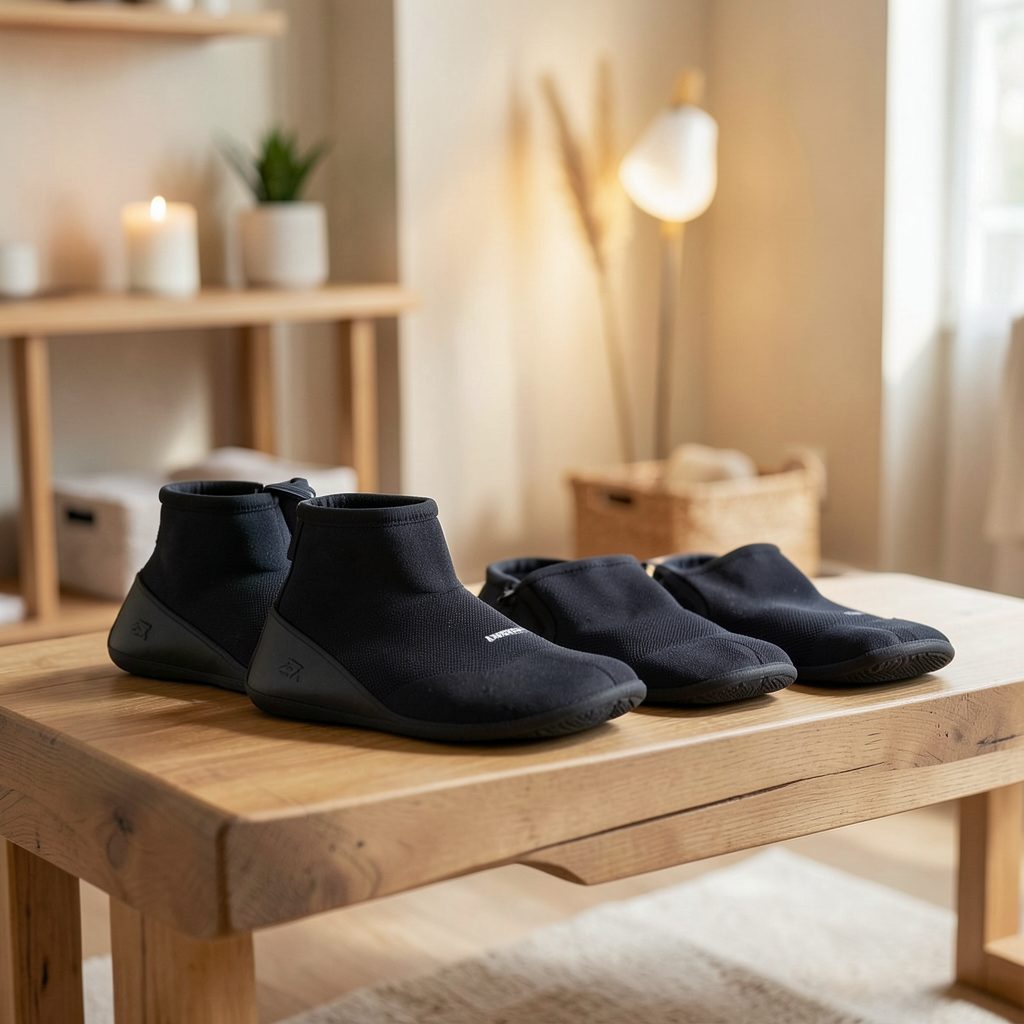
Normatec boot recovery and cryotherapy treatments help athletes bounce back faster. Cycle and spin classes add a cardio dimension to the holistic performance approach.
Have a Question?