Train. Compete. Recover.
A multi-purpose athletic facility in Speedway, Indiana — basketball leagues, skill training, and wellness services all under one roof.
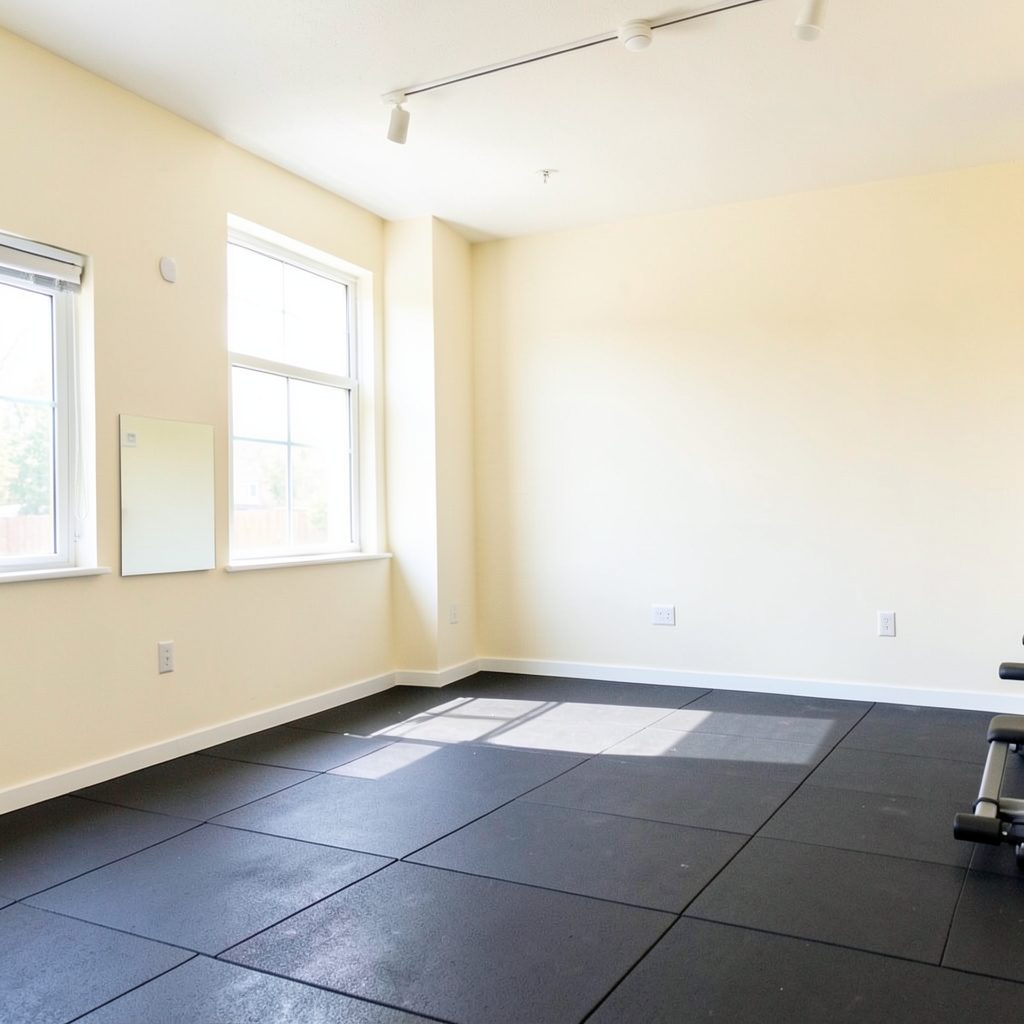
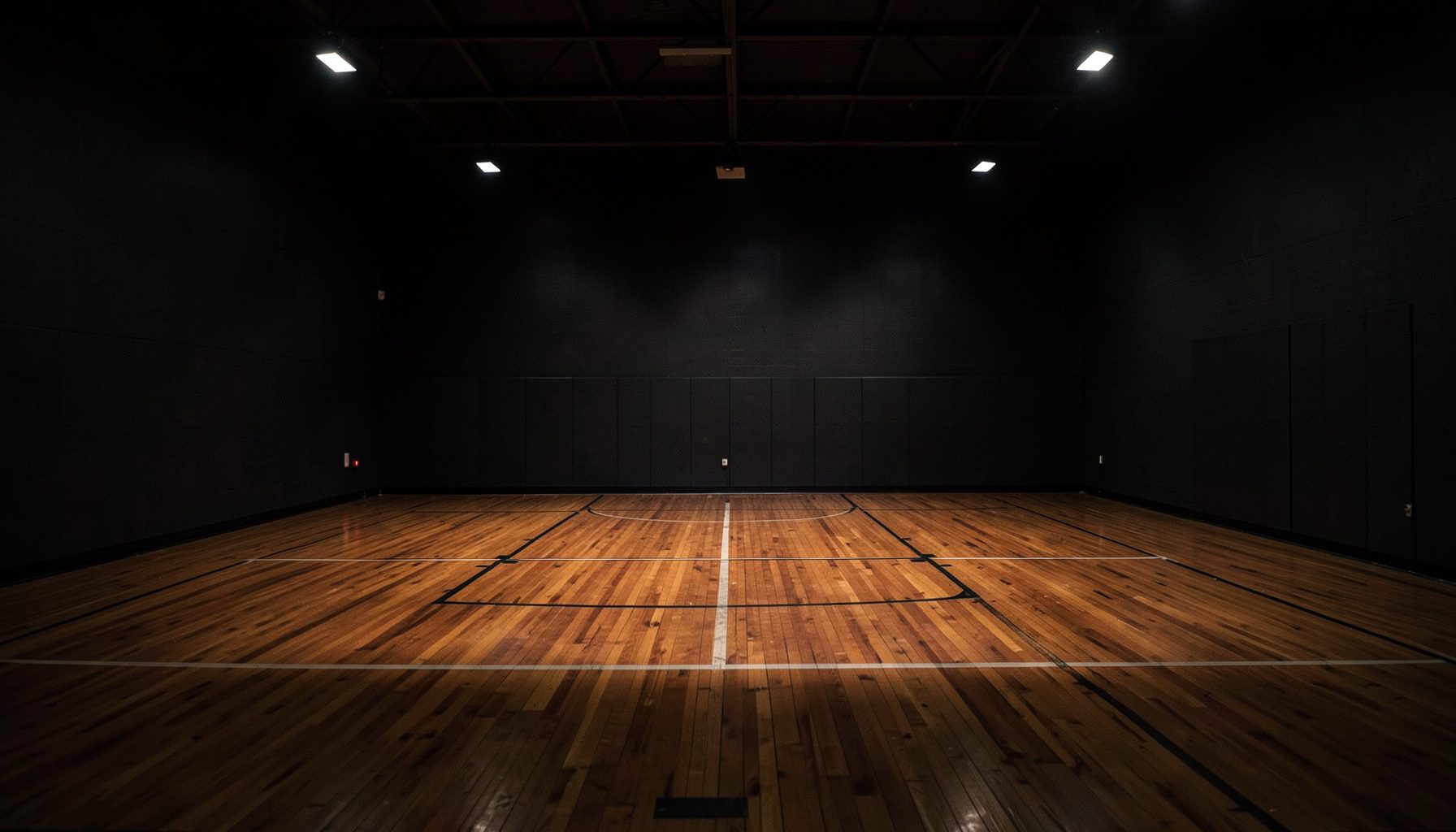
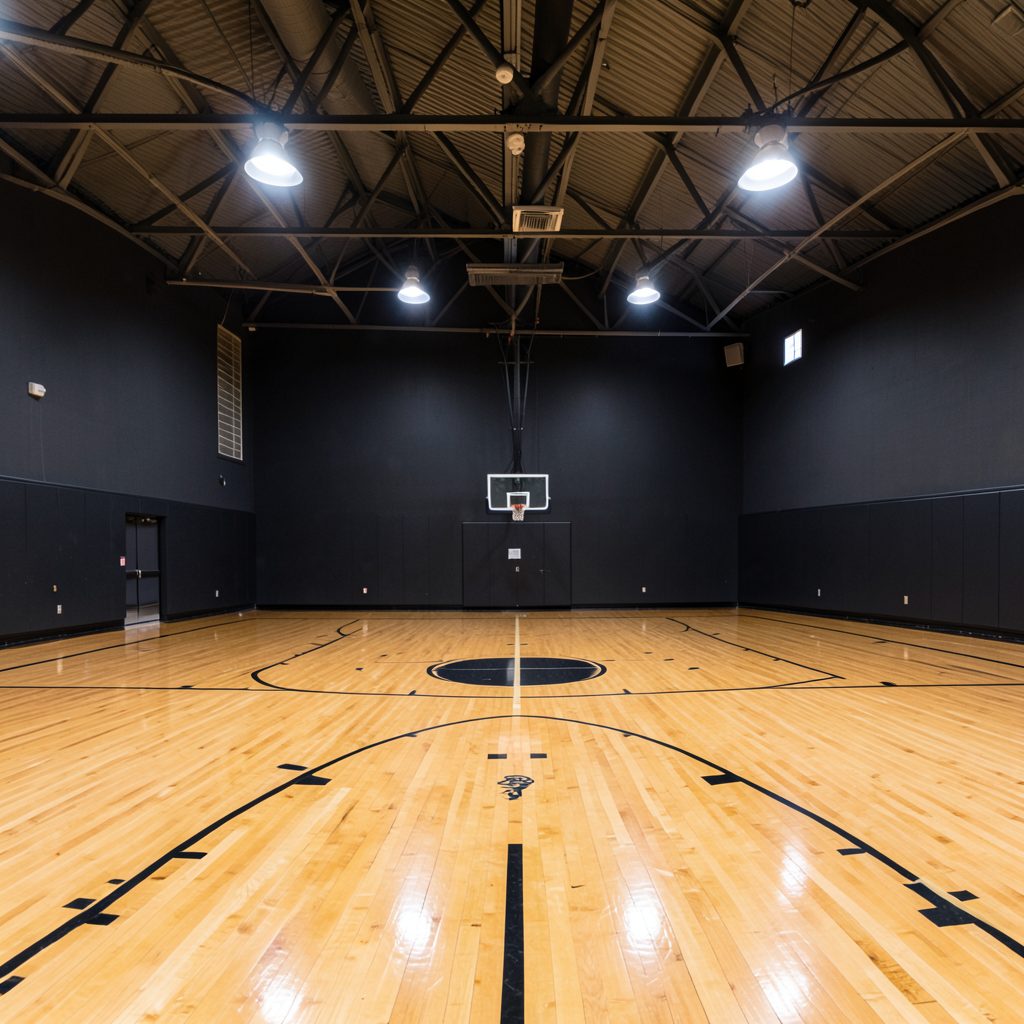
The Factory D1 Indy brings together three entities under one roof: competitive basketball leagues for all age groups, individual and group training, and wellness & recovery services including Normatec boot recovery and cryotherapy. Located off I-465 and High School Road at 6331 Crawfordsville Road, Speedway, Indiana 46224.
Get In TouchHow Spin Classes Build Basketball-Ready Fitness
Basketball demands repeated bursts of speed, sudden stops, lateral movement, and enough stamina to stay effective late in a game. A player may sprint on a fast break, battle for position, recover on defense, and then repeat the sequence seconds later. Building that kind of fitness requires more than shooting practice or occasional weight training.
Spin classes offer a practical form of cross-training for basketball players. Indoor cycling develops cardiovascular capacity while allowing athletes to control resistance, pace, and effort. The low-impact format also creates a useful conditioning option when the legs need a break from jumping, cutting, and court contact.
At The Factory D1 Indy, athletes can combine basketball development with cycle and spin sessions in a community-focused athletic facility. Used strategically, cycling can support performance during preseason preparation, competitive league play, and the long stretches of a basketball schedule.
Build Basketball-Specific Endurance
Basketball conditioning is based on repeated efforts rather than one uninterrupted run. Players constantly shift between moderate movement and high-intensity bursts. A spin instructor can recreate this rhythm with intervals that alternate between recovery, steady resistance, standing climbs, and short power efforts.
These changes in intensity train the heart and lungs to recover more efficiently between sprints. Better aerobic conditioning can help a player return to defensive position sooner, maintain concentration during a long possession, and preserve energy for late-game situations. Cycling does not copy every movement on the court, but it strengthens the energy systems that support those movements.
Longer, steady rides also have a place in an athlete’s routine. A moderate session can improve general endurance without adding the impact of another running workout. This is especially useful during weeks when practices, games, and strength sessions already place significant stress on the joints.
Strengthen The Lower-Body Engine
Pedaling against resistance engages the quadriceps, glutes, hamstrings, and calves. Those muscles contribute to acceleration, deceleration, jumping, and defensive stance work. A standing climb can challenge the hips and legs under load, while seated intervals encourage sustained force production.
Spin training should complement basketball strength work rather than replace it. Athletes still need resistance exercises, single-leg stability drills, mobility work, and movement training that develops balance in multiple directions. Cycling is most valuable as a controlled way to add lower-body volume without repeatedly landing from jumps.
Cadence work can also improve muscular endurance. When players can produce force repeatedly without their legs becoming heavy too quickly, they may feel more capable during full-court pressure, extended defensive possessions, and overtime play. The result is a stronger conditioning base for skill sessions and competitive games.
Use Intensity Without Excess Impact
Running, plyometrics, and defensive drills are essential parts of basketball preparation, but they can accumulate impact across the feet, ankles, knees, and hips. Spin classes provide a way to challenge the cardiovascular system while keeping the body supported by the bike. This makes indoor cycling helpful on active recovery days or between demanding court sessions.
Low impact does not mean low effort. Resistance can be increased gradually, and interval timing can make a session demanding without requiring repeated jumps or hard cuts. Athletes can work at a challenging heart rate while limiting the pounding associated with additional running mileage.
Cycling is still physical stress, so workload should be managed carefully. A player in the middle of a tournament or league schedule may benefit from shorter, controlled rides, while an athlete in the offseason can handle longer conditioning sessions. Coaches and instructors can help adjust resistance and cadence to match the athlete’s current phase.
| Basketball Need | Spin Class Training Effect | Best Use |
|---|---|---|
| Recover between sprints | Interval work improves aerobic recovery | Preseason and in-season conditioning |
| Maintain effort late in games | Sustained riding builds cardiovascular endurance | Longer moderate sessions |
| Support leg strength | Resistance climbs challenge major lower-body muscles | Offseason or strength-support days |
| Reduce added impact | Seated cycling limits repeated landings | Active recovery and busy game weeks |
| Improve training consistency | Structured classes create a regular routine | Athletes who need accountability |
Improve Recovery Between Workouts
A thoughtful cross-training plan leaves room for the body to adapt. Easy cycling can increase circulation and provide movement after a demanding basketball practice. It may help athletes feel less stiff than they would after complete inactivity, especially when paired with hydration, sleep, mobility work, and adequate nutrition.
Hard spin sessions require recovery too. Scheduling an intense class immediately before a game or heavy lower-body lift can leave the legs fatigued. Players should distinguish between a recovery ride, a moderate endurance session, and a high-intensity interval class. Each has a different place in the weekly plan.
Recovery services can also support athletes managing demanding schedules. For players exploring post-training options, this overview of cryotherapy and soreness explains how cold-based treatment may fit into a broader recovery routine. Such services should supplement, rather than replace, sound training habits and professional guidance when pain persists.
Match Spin Training To The Season
Offseason training is the best time to build a larger aerobic base. Basketball players can attend regular spin classes while gradually increasing resistance or duration. Since there is usually more flexibility away from competition, athletes can pair cycling with strength development, skill work, and movement preparation without rushing adaptation.
During preseason, the emphasis can shift toward interval conditioning. Short, demanding efforts with controlled recovery periods may help players prepare for the stop-and-start demands of practices and games. The goal is to improve fitness while preserving freshness for basketball-specific drills.
In season, consistency matters more than exhaustion. A brief moderate ride may maintain conditioning between games, while an easy session can encourage movement during a recovery day. Athletes should consider their total workload, including practices, league games, lifting, school, work, and sleep, before adding another demanding workout.
Combine Cycling With Court Development
Spin classes improve the physical foundation, but basketball skills must remain central. Players should continue working on shooting under fatigue, ball handling at game speed, defensive footwork, rebounding technique, and decision-making. A fit athlete who cannot execute skills under pressure still has room to grow.
One effective weekly structure might include two basketball skill sessions, one or two spin classes, two strength workouts, and at least one lower-intensity recovery day. The exact schedule depends on age, experience, competition level, and current conditioning. Younger athletes especially benefit from variety, supervision, and adequate rest instead of excessive volume.
Group training can also add motivation. Athletes often work harder when surrounded by people pursuing similar goals, and a spin class offers a clear start, progression, and finish. That same community atmosphere can carry into organized competition; adults interested in staying active can explore adult basketball league benefits while using cycling to support their game fitness.
Build A Sustainable Training Routine
The most effective cross-training plan is one an athlete can follow consistently. Start with a manageable number of classes, learn how resistance and cadence affect effort, and increase the workload gradually. A player who attends one well-timed class each week may gain more than someone who starts with several exhausting sessions and stops after a month.
Pay attention to warning signs such as persistent soreness, declining performance, disrupted sleep, unusual fatigue, or pain that changes movement. These signals may indicate that training volume needs to be reduced or that an injury should be evaluated. Good conditioning supports basketball; it should not interfere with basic movement quality or recovery.
Use these recommendations to make spin training work for basketball:
- Place intense cycling away from games and heavy leg-strength sessions.
- Use moderate rides for recovery and higher-resistance intervals for conditioning.
- Keep basketball skills, mobility, and strength training in the weekly plan.
- Increase duration or resistance gradually instead of changing both at once.
- Track energy, soreness, sleep, and court performance to guide adjustments.
A spin class can become a valuable part of an athlete’s preparation when it is chosen for the right purpose. At The Factory D1 Indy, combine cycling, basketball training, competitive opportunities, and recovery services to create a routine that supports performance throughout the season. Explore the facility’s programs and schedule a session that helps you arrive on the court stronger, better conditioned, and ready to compete.
Inside The Factory
Three Entities, One Roof
Leagues
Eight league divisions span every age group: Indy Pro AM, 18+ Open Men's, 30+ Men's, Bite Size (ages 3–6), Impact League, 5th/6th Grade, Middle School, and High School. Gather your team and compete.
Training
Individual and group basketball training for all skill levels. Major M.O.V.E.S. Basketball Training serves ages 4–7 on Wednesday and Thursday evenings at 6:30 PM — $30 per session or $100 unlimited monthly.
Wellness & Recovery
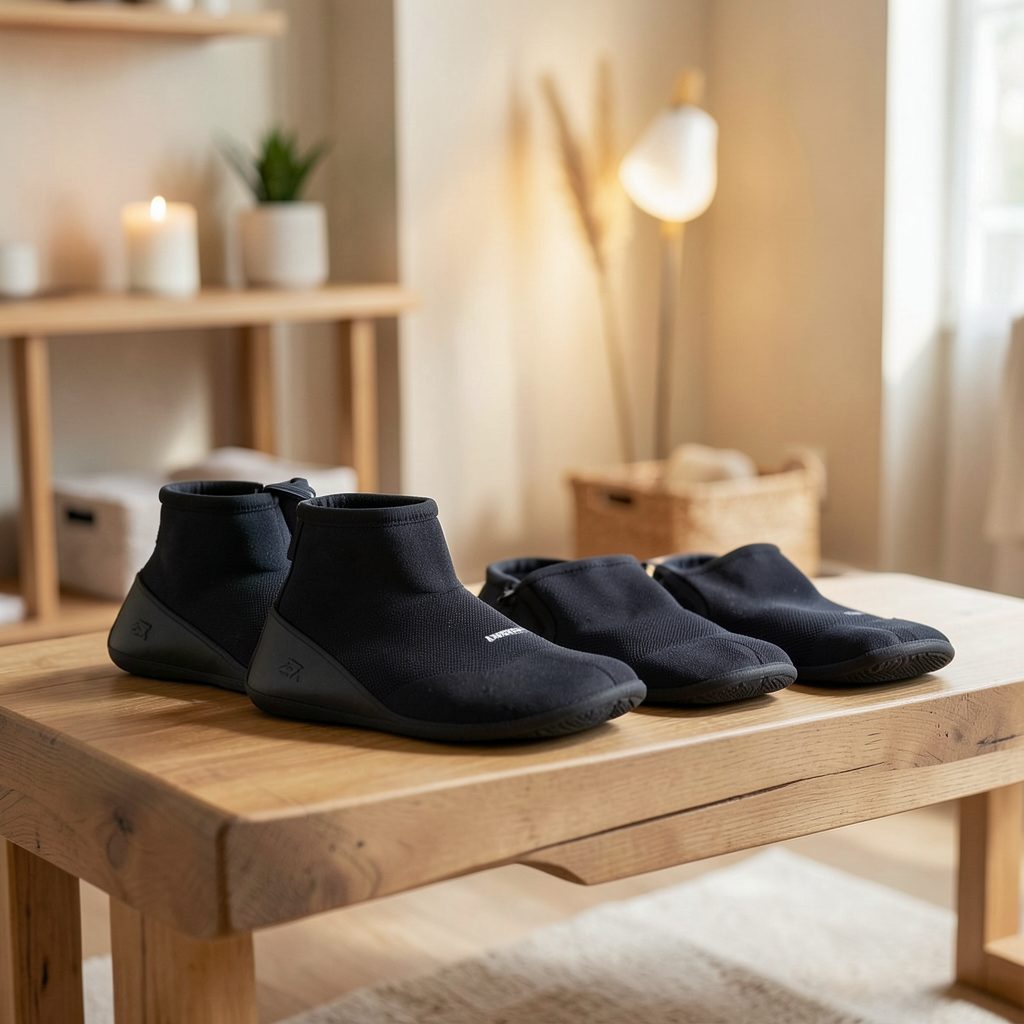
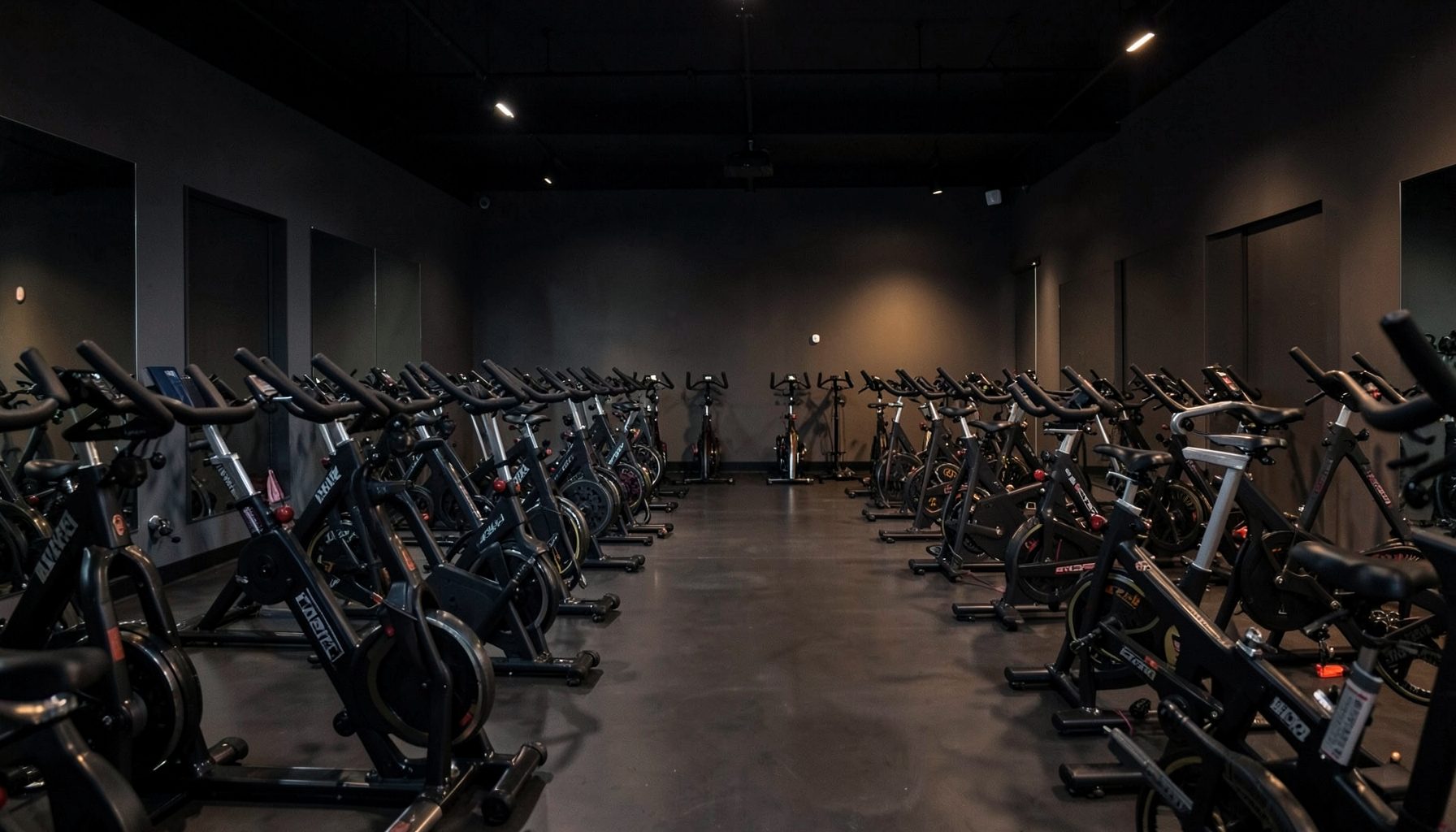
Normatec boot recovery and cryotherapy treatments help athletes bounce back faster. Cycle and spin classes add a cardio dimension to the holistic performance approach.
Have a Question?