Train. Compete. Recover.
A multi-purpose athletic facility in Speedway, Indiana — basketball leagues, skill training, and wellness services all under one roof.
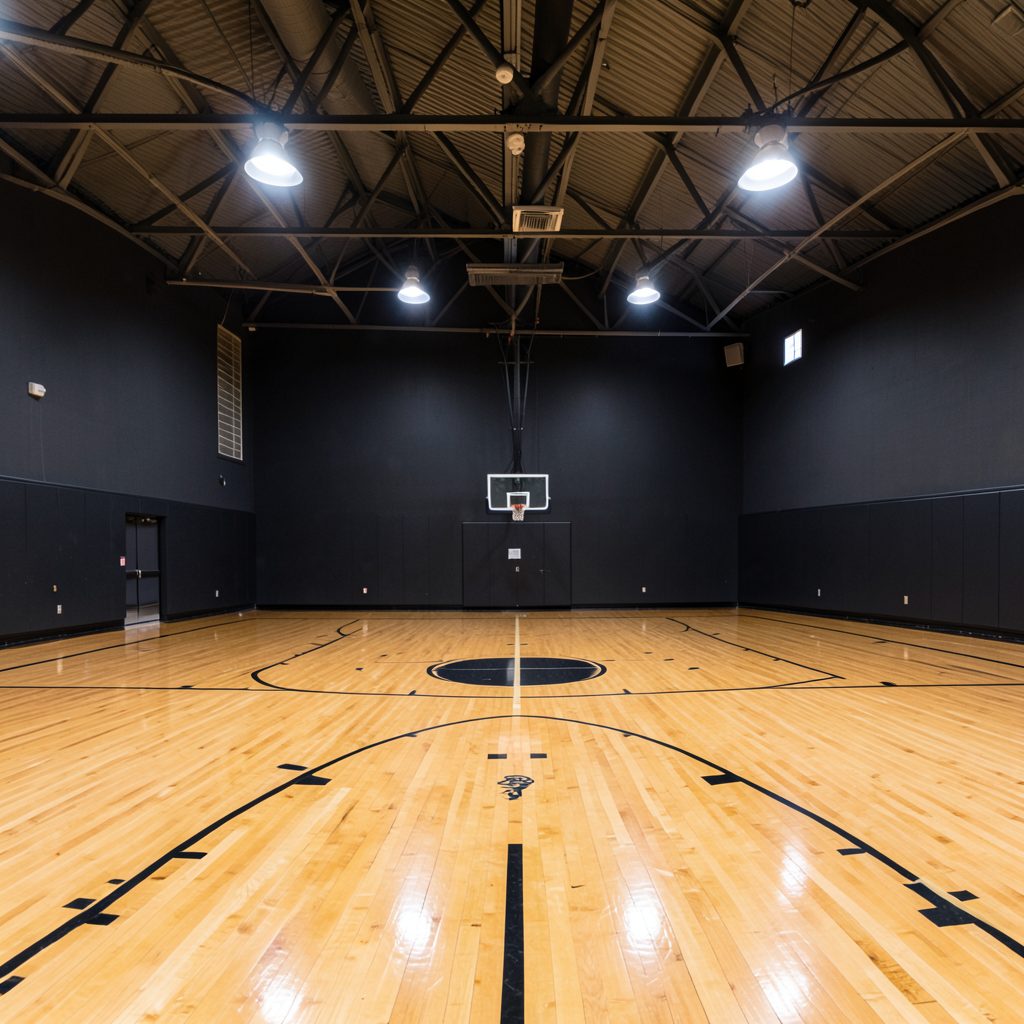
The Factory D1 Indy brings together three entities under one roof: competitive basketball leagues for all age groups, individual and group training, and wellness & recovery services including Normatec boot recovery and cryotherapy. Located off I-465 and High School Road at 6331 Crawfordsville Road, Speedway, Indiana 46224.
Get In TouchHow Spin Classes Build Basketball Cardiovascular Endurance
Basketball demands repeated bursts of movement rather than one steady effort. Players sprint in transition, stop sharply, shuffle defensively, fight through screens, and jump for rebounds before jogging or standing briefly. The ability to recover between those actions often determines how effectively an athlete performs late in a game.
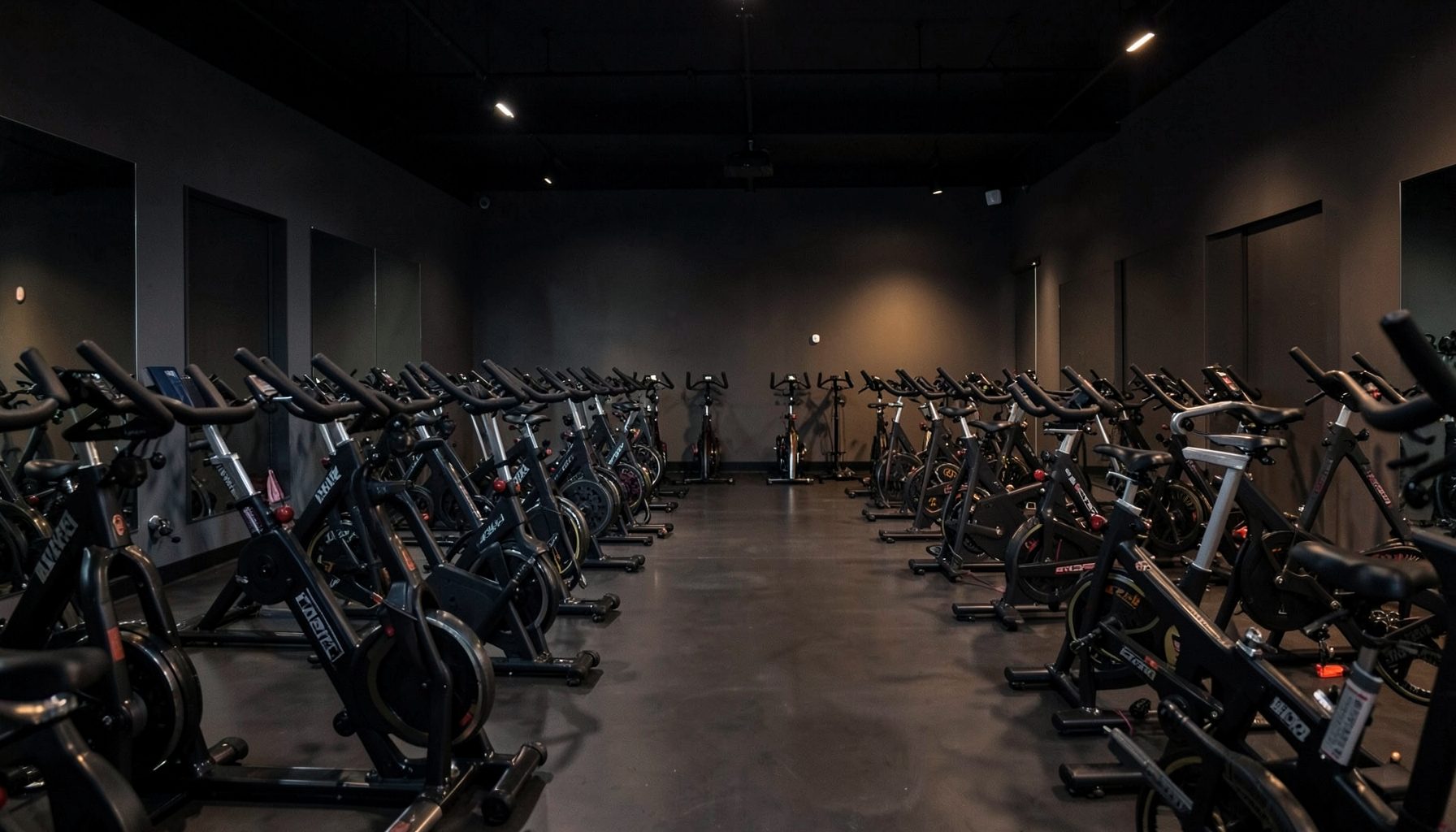
Spin classes provide a controlled way to train that repeated-effort engine. A well-designed cycling session can raise the heart rate, develop aerobic capacity, and challenge the body with short high-intensity intervals while reducing the impact placed on the joints. This makes indoor cycling a useful complement to court work for youth players, high school athletes, recreational competitors, and adults.
At Factory D1 Indy, basketball training, competitive leagues, cycling, and recovery services fit into the same athletic environment. That combination allows players to build conditioning away from the court while continuing to develop skills, strength, mobility, and game awareness.
Why Basketball Players Need More Than Speed
A fast first step is valuable, but speed alone cannot carry a player through four quarters. Basketball conditioning depends on the ability to repeat explosive actions without a dramatic drop in sprint speed, defensive effort, shooting mechanics, or decision-making. This quality is often called repeated-sprint ability, and it relies heavily on cardiovascular endurance.
An efficient cardiovascular system delivers oxygen to working muscles and helps clear metabolic byproducts after intense efforts. When recovery between plays improves, a player can return to defensive position faster, run the next lane with purpose, and stay engaged when fatigue affects the entire team.
Traditional long-distance running can improve general endurance, but it does not always match the rhythm of basketball. Spin classes can alternate between hard climbs, fast cadence work, and brief recovery periods, creating a closer relationship to the stop-and-go demands of competition while allowing instructors to control the session precisely.
How Indoor Cycling Supports Game Conditioning
Cycling trains the heart and lungs while repeatedly engaging the quadriceps, hamstrings, glutes, and calves. Those muscles contribute to sprinting, jumping, deceleration, and defensive positioning. Although pedaling does not duplicate every basketball movement, it strengthens the lower-body foundation needed to perform those actions repeatedly.
The seated and low-impact nature of a stationary bike also limits pounding on the ankles, knees, hips, and lower back. This can be especially useful during a heavy basketball schedule, when additional running may add unnecessary stress. Players can raise training volume without turning every conditioning session into another source of impact.
Spin workouts also develop pacing awareness. Athletes learn to distinguish between a sustainable aerobic effort, a challenging threshold interval, and a short maximal push. Understanding those levels helps players manage energy during games instead of sprinting aimlessly early and fading before the final possessions.
Choosing the Right Spin Intensity
A productive class should include several intensity zones rather than one continuous race. Moderate riding develops the aerobic base that supports recovery, while harder intervals challenge the ability to sustain effort near the lactate threshold. Short sprints can then train high-end power and heart-rate response.
Resistance and cadence create different demands. Heavy resistance at a controlled pace resembles a muscular climb and builds leg strength endurance. Light resistance with rapid pedaling challenges coordination and turnover. Alternating both styles gives basketball players a more complete conditioning stimulus than relying on a single pace.
| Cycling Focus | Primary Adaptation | Basketball Connection | Suggested Use |
|---|---|---|---|
| Steady aerobic ride | Improved aerobic base | Faster recovery between plays and practices | Early training blocks or recovery days |
| Sustained threshold intervals | Greater ability to tolerate hard effort | Maintaining pace during long defensive possessions | Preseason and competitive phases |
| Short sprint intervals | Repeated high-intensity output | Transition runs, closeouts, and fast breaks | Advanced conditioning sessions |
| Resistance climbs | Lower-body muscular endurance | Repeated jumps, drives, and physical defense | Strength-focused conditioning |
| Mixed-intensity class | Broad cardiovascular development | Adapting to unpredictable game tempo | In-season supplemental training |
Heart-rate monitoring can help athletes stay within the intended zone, but perceived exertion matters too. A player should be able to explain whether a session felt controlled, demanding, or nearly maximal. That feedback helps coaches adjust the workload based on age, experience, position, and the rest of the weekly schedule.
Structuring a Basketball-Friendly Session
A basketball-focused spin workout should begin with an easy warm-up that gradually increases cadence and resistance. Five to ten minutes of preparation raises body temperature and gives the hips, knees, and ankles time to move comfortably before harder work begins.
The main set may include four to eight intervals lasting two to four minutes at a challenging pace, followed by equal or slightly shorter recovery periods. Another option is a repeated sprint format, such as 15 to 30 seconds of fast effort followed by 45 to 75 seconds of easy pedaling. The best format depends on the player’s conditioning level and proximity to competition.
A cool-down should bring breathing and heart rate down gradually. Light mobility for the hip flexors, calves, hamstrings, and glutes can help restore comfortable movement. Players should avoid treating every class as a test; consistent, well-managed work produces better long-term gains than constant maximal effort.
Connecting Cycling To Court Performance
The greatest value comes from combining cycling with basketball-specific movement. A player might complete a spin session on one day, then use a later practice for acceleration, lateral shuffles, closeouts, shooting under fatigue, and controlled change-of-direction drills. Cycling develops the energy system, while court training teaches the body how to apply that fitness to the sport.
Timing matters as well. A hard cycling session immediately before an important game or demanding skill workout may leave the legs heavy. When placed correctly, it can support conditioning without interfering with technical development. Coaches may use longer aerobic rides during general preparation and shorter interval classes when the season requires sharper, more game-like intensity.
Cycling can also help athletes maintain fitness when court access is limited or when a minor impact-related issue makes running uncomfortable. It should not replace medical guidance or sport-specific movement, but it offers a practical training option that keeps the cardiovascular system active while reducing repetitive impact.
Pairing Training With Recovery
Endurance gains occur through the combination of training and recovery. Rest allows the cardiovascular system, muscles, connective tissues, and nervous system to adapt to the workload. Without adequate recovery, athletes may experience persistent soreness, declining motivation, poor sleep, or reduced performance during basketball practices.
Players should organize hard spin classes around their full schedule, including games, lifting sessions, skill workouts, school demands, and travel. The rest-day guidance can help athletes understand why an easier day is part of progress rather than a sign of reduced commitment.
Hydration and nutrition support the same goal. Water should be consumed consistently, while meals and snacks should provide carbohydrates for training energy and protein for muscle repair. After demanding sessions, gentle movement, stretching, and appropriate recovery services can help athletes feel prepared for the next practice.
Building A Sustainable Weekly Routine
A balanced week may include one steady spin class, one interval-based cycling session, two or more basketball skill practices, strength training, and at least one lower-demand recovery day. Younger athletes may need fewer structured conditioning sessions because games and practices already provide substantial intensity.
- Begin with one cycling class per week and add volume gradually.
- Keep at least one easy or restorative day between demanding lower-body sessions.
- Use moderate rides during congested competition weeks.
- Track energy, sleep, soreness, and performance instead of focusing only on heart rate.
- Combine cycling with sprinting, lateral movement, jumping, and basketball skills.
Consistency should guide progression. After several weeks, an athlete may extend interval duration, reduce recovery slightly, or add a second class if performance and recovery remain strong. Sudden increases in resistance, sprint volume, or weekly sessions can create fatigue that undermines basketball development.
Spin classes are most effective when they support the complete athlete. At The Factory D1 Indy, players can connect cycling and conditioning with basketball instruction, leagues, and wellness resources in one community-oriented facility. That integrated approach makes it easier to train hard, recover intelligently, and carry improved endurance onto the court.
Build your next training week around purposeful cycling, quality basketball work, and enough recovery to adapt. Explore the programs at The Factory D1 Indy and use each session to become a stronger, more durable player through the final possession.
Inside The Factory
Three Entities, One Roof
Leagues
Eight league divisions span every age group: Indy Pro AM, 18+ Open Men's, 30+ Men's, Bite Size (ages 3–6), Impact League, 5th/6th Grade, Middle School, and High School. Gather your team and compete.
Training
Individual and group basketball training for all skill levels. Major M.O.V.E.S. Basketball Training serves ages 4–7 on Wednesday and Thursday evenings at 6:30 PM — $30 per session or $100 unlimited monthly.
Wellness & Recovery
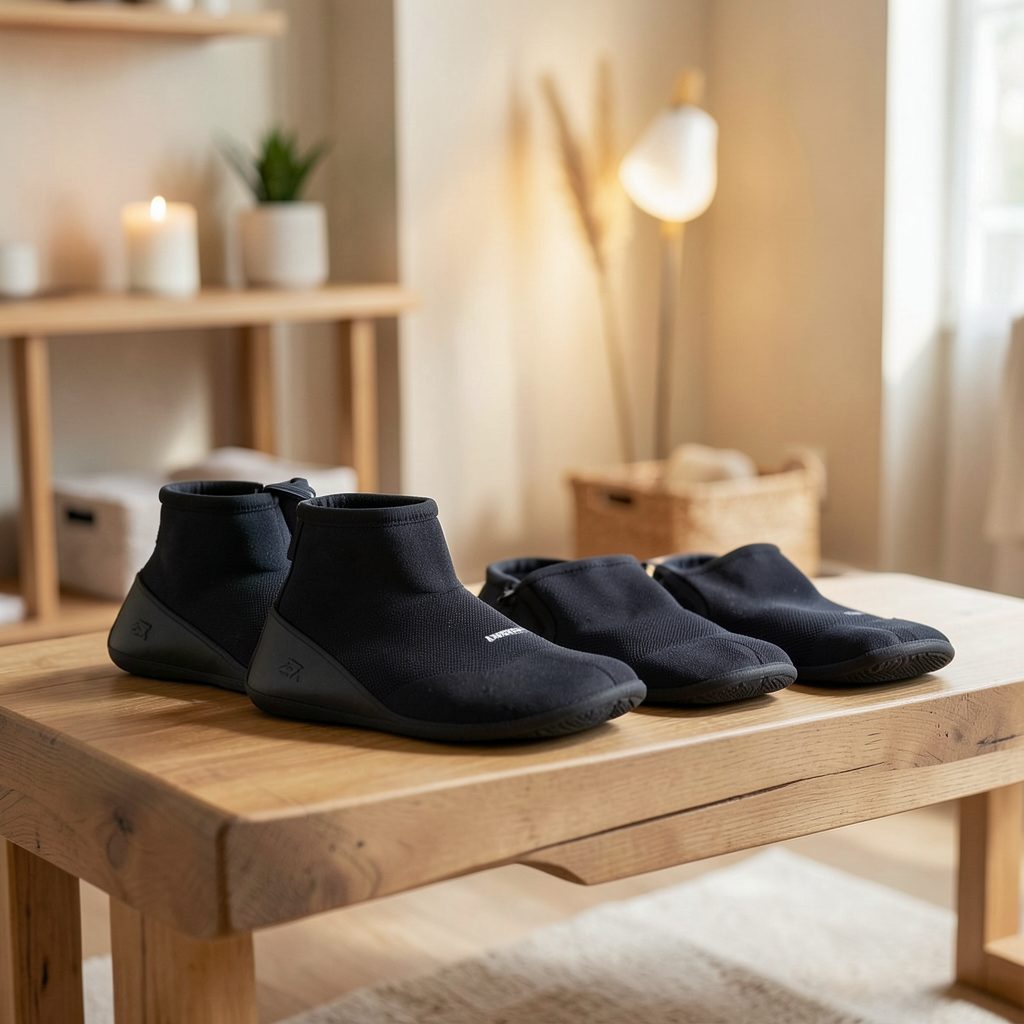
Normatec boot recovery and cryotherapy treatments help athletes bounce back faster. Cycle and spin classes add a cardio dimension to the holistic performance approach.
Have a Question?