Train. Compete. Recover.
A multi-purpose athletic facility in Speedway, Indiana — basketball leagues, skill training, and wellness services all under one roof.
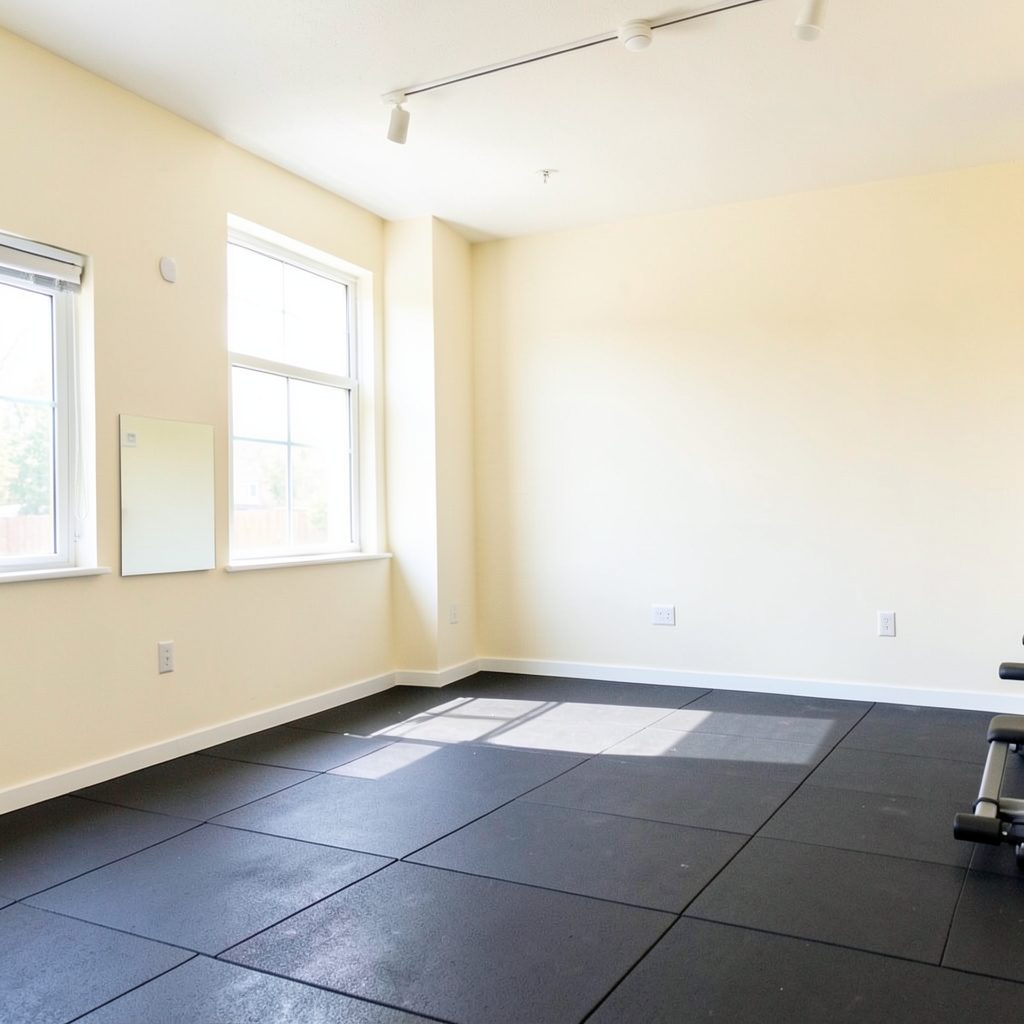
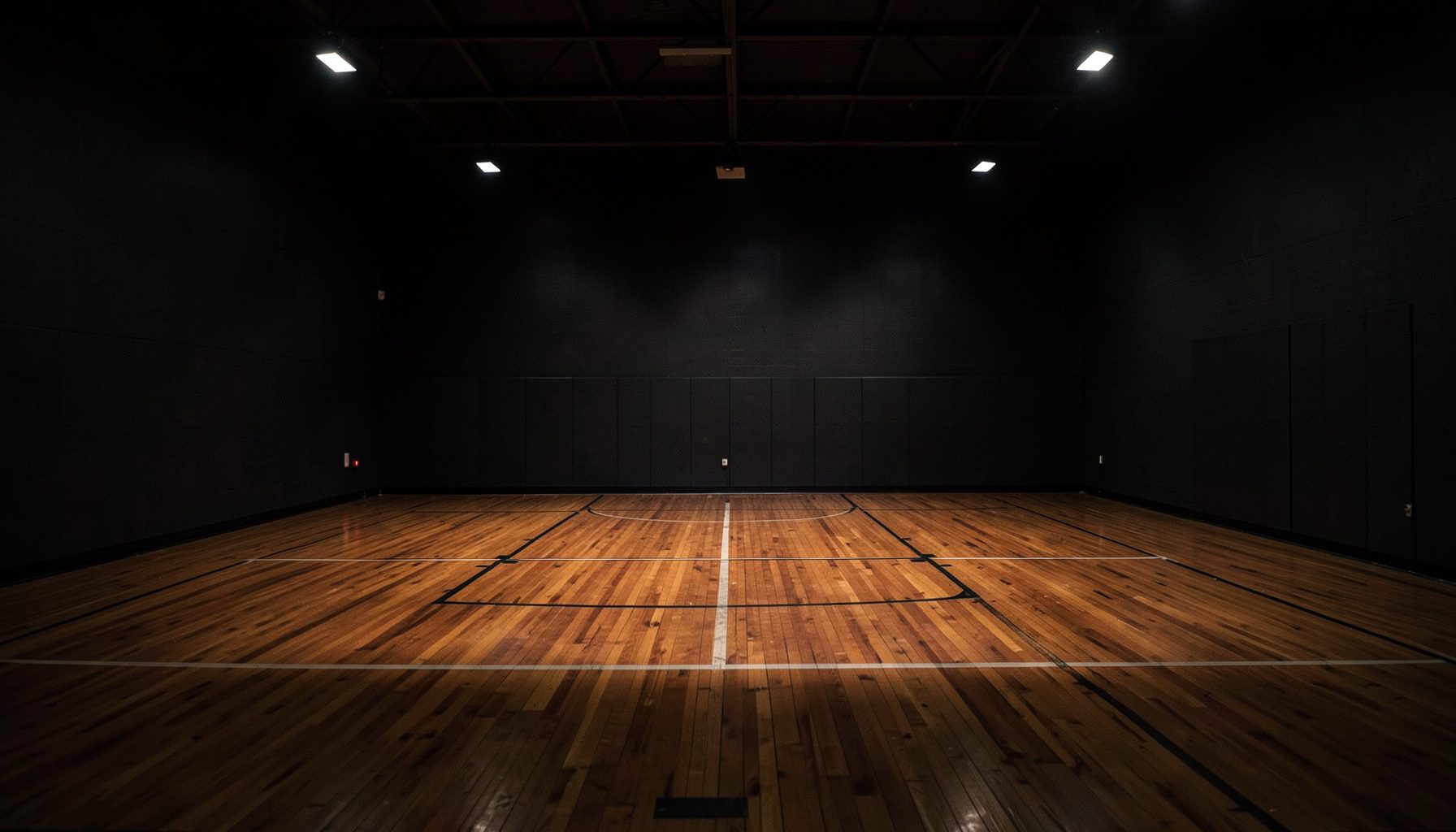
The Factory D1 Indy brings together three entities under one roof: competitive basketball leagues for all age groups, individual and group training, and wellness & recovery services including Normatec boot recovery and cryotherapy. Located off I-465 and High School Road at 6331 Crawfordsville Road, Speedway, Indiana 46224.
Get In TouchAdjust Your Spin Bike Setup for Comfort and Power
A spin bike can feel smooth and powerful, or awkward and exhausting, depending on a handful of small adjustments. Saddle height, handlebar position, cleat alignment and resistance control all influence how efficiently you pedal and how your body handles longer sessions.
A well-fitted bike supports a neutral posture, keeps your knees tracking cleanly and lets your hips contribute to each stroke. That matters whether you are preparing for a cycling event around Melbourne, completing a high-intensity class in Sydney or adding low-impact conditioning to a basketball programme.
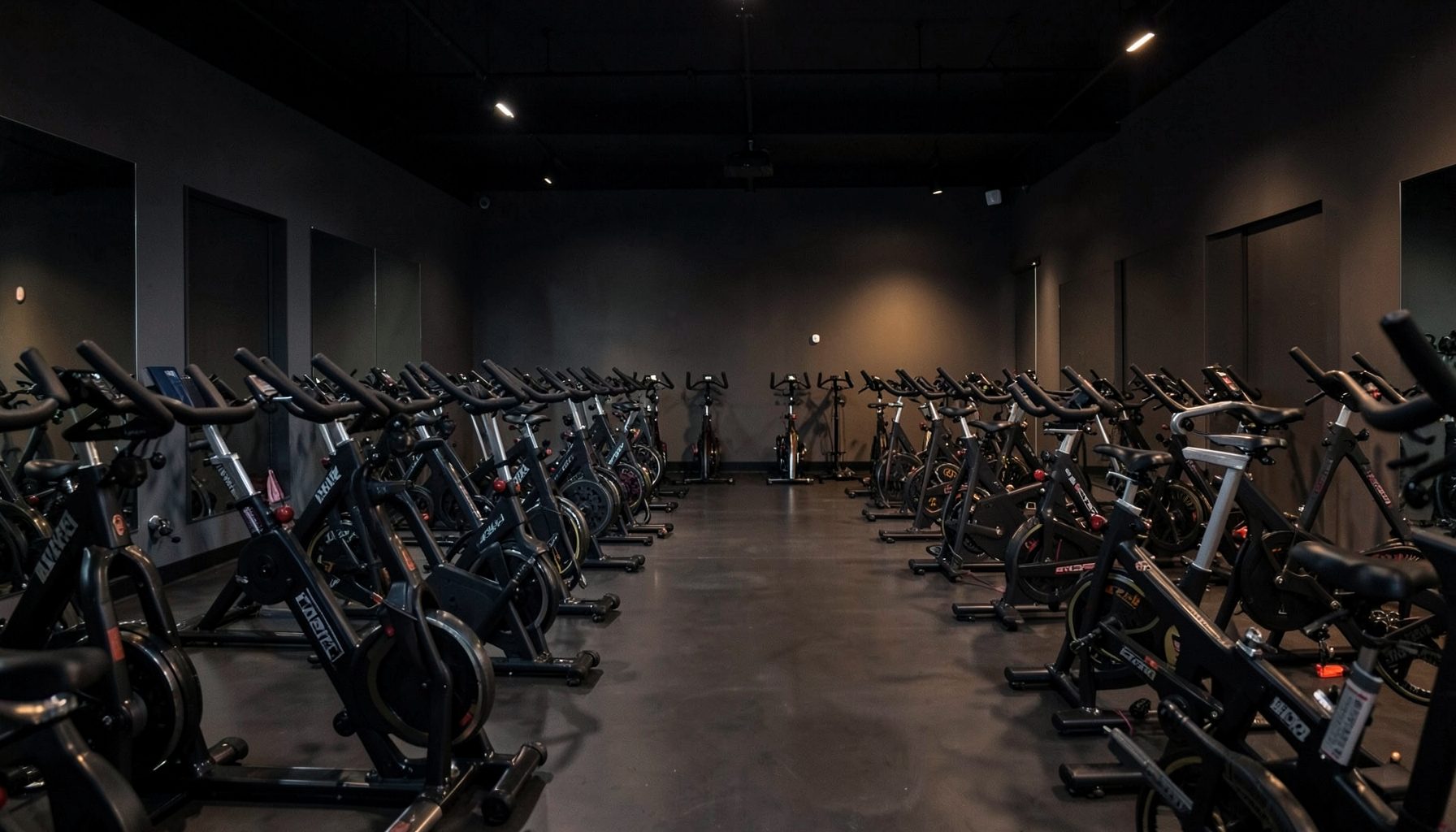
The Factory D1 Indy combines cycle and spin sessions with athletic training and recovery services, making it a useful reference point for athletes who want fitness work to support performance elsewhere. The same fitting principles apply in a commercial studio, a home gym or a bike room in an Australian apartment.
| Adjustment | Useful Starting Point | Signs It Needs Attention |
|---|---|---|
| Saddle height | Slight knee bend at the lowest pedal point | Hip rocking or a cramped knee |
| Saddle fore-aft | Knee positioned comfortably over the pedal area | Pressure behind the knee or reaching for the bars |
| Handlebar height | Level with or slightly above the saddle | Rounded back, neck tension or shoulder strain |
| Handlebar reach | Elbows soft and shoulders relaxed | Locked arms or excessive leaning |
| Resistance | Enough load to control the pedal stroke | Bouncing, slipping or grinding |
Set Saddle Height For Smooth Pedalling
Begin by standing beside the bike and setting the saddle roughly level with your hip bone. This is only a starting measurement. Sit on the bike, place your heels on the pedals and pedal slowly backwards. Your legs should extend without your hips rocking from side to side. When you switch back to the balls of your feet, a small bend should remain in the knee at the bottom of the rotation.
A saddle that sits too low compresses the knee and can make the front of the thigh work excessively. A saddle that is too high encourages you to reach at the bottom of each stroke, often creating hip movement, hamstring tension or soreness behind the knee. Make adjustments in small increments, especially if you are using a shared bike in a studio.
For riders in Australia, saddle position can also feel different depending on footwear. Cushioned trainers, cycling shoes and cleats change your effective leg length. Set the bike while wearing the shoes you plan to use for the session, rather than relying on a fit established in bare feet or casual shoes.
Fine-Tune Saddle Position And Reach
Once the height feels stable, adjust the saddle forwards or backwards. Sit with the cranks level and place your feet naturally on the pedals. Your knee should feel supported over the pedal area without forcing you to slide forwards or stretch behind the crank. There is no single position that suits every rider, so comfort, control and consistent knee tracking matter more than a rigid rule.
Move the saddle one setting at a time and pedal for 30 to 60 seconds after each change. A forward position may make the handlebars feel closer and increase pressure at the front of the knee. A rearward position can open the hip angle but may cause you to overreach. If you feel numbness, sharp pain or persistent joint discomfort, stop and have the setup assessed by a qualified coach or health professional.
The goal is a balanced connection between hips, knees and feet. Your knees should track in line with your toes rather than collapsing inward or drifting widely outward. This alignment becomes especially important during standing climbs, when extra body weight passes through each pedal.
Position The Handlebars For Better Posture
Handlebars should allow you to support your upper body without hanging heavily through your arms. For many recreational riders, placing them level with the saddle or slightly higher provides a practical starting point. Riders with limited hip mobility, lower-back sensitivity or less experience may benefit from a higher position.
Keep your elbows softly bent, shoulders away from your ears and wrists in a natural line with your forearms. Avoid locking the elbows or gripping the bars tightly. Your hands should guide your position, not carry most of your weight. Change hand positions during longer rides to reduce pressure through the palms and upper back.
Reach is just as important as height. If the bars are too far away, you may round your spine and strain your neck. If they are too close, your hips can feel cramped and your breathing may become restricted. A useful test is to hold the riding position for several minutes while maintaining relaxed shoulders and steady breathing.
Match Resistance And Cadence To Your Strength
Comfortable positioning makes power output easier to develop, but resistance determines how that power reaches the pedals. Use enough resistance to create a controlled, complete pedal stroke. If the flywheel runs away from you and your hips bounce on the saddle, increase the load slightly. If each turn feels like a slow grind, reduce it until your cadence becomes fluid.
Power-focused intervals should begin with a manageable resistance and a deliberate warm-up. Increase the load gradually rather than jumping straight into a heavy climb. For general conditioning, a moderate cadence that you can sustain with even breathing is often more useful than chasing speed with poor control.
A spin bike console can show cadence, heart rate or estimated watts, but these figures are most helpful when paired with how you feel. Australian gyms often use a mixture of branded bikes, so the same resistance number may not feel identical from one machine to another. Use perceived effort and pedal smoothness as reliable reference points.
For athletes combining cycling with court work, controlled resistance can build leg endurance without adding the impact of repeated running. The Factory D1 Indy’s wider training environment reflects this approach, connecting conditioning with sport-specific work for different ages and ability levels.
Check Your Setup Before Every Session
Shared bikes require a quick safety and comfort check before you start. Confirm that the seat post and handlebar adjustment knobs are locked, the pedals turn freely and the straps or cleats hold your feet securely. Australian studios can be busy before work and after office hours, especially in cities such as Brisbane and Perth, so it is worth taking a minute rather than accepting the previous rider’s settings.
Record your preferred saddle and handlebar numbers on your phone if you regularly attend classes. This is particularly useful when travelling between facilities or moving from a studio bike to a home model. A compact note can include saddle height, saddle setback, handlebar height and shoe type.
Recovery also affects how a bike feels. Tight hip flexors, tired calves and restricted ankles can change your posture even when the settings are correct. Compression, mobility work and other recovery methods can help athletes manage training load; this recovery services guide explains how those options can fit into a broader performance routine.
Small adjustments are easier to maintain when your equipment, schedule and digital habits are organised. Australian readers comparing online payment experiences may find this Australian payment guide useful as a separate reference for fast transactions, while the same basic principle applies in training: remove unnecessary friction so attention stays on the task.
Use a short warm-up to test the fit before committing to hard intervals. Notice whether your knees track evenly, your hips stay level, your hands remain relaxed and your breathing feels unrestricted. If something feels wrong after several minutes, pause and adjust rather than trying to push through it.
For training ideas, facility updates and practical athletic content, browse the digital magazine. Then bring these setup principles into your next spin session: establish the saddle first, refine your reach, choose a controlled resistance and reassess your posture as fatigue develops. A few deliberate changes can make each pedal stroke more comfortable, stable and productive.
Inside The Factory

Three Entities, One Roof
Leagues
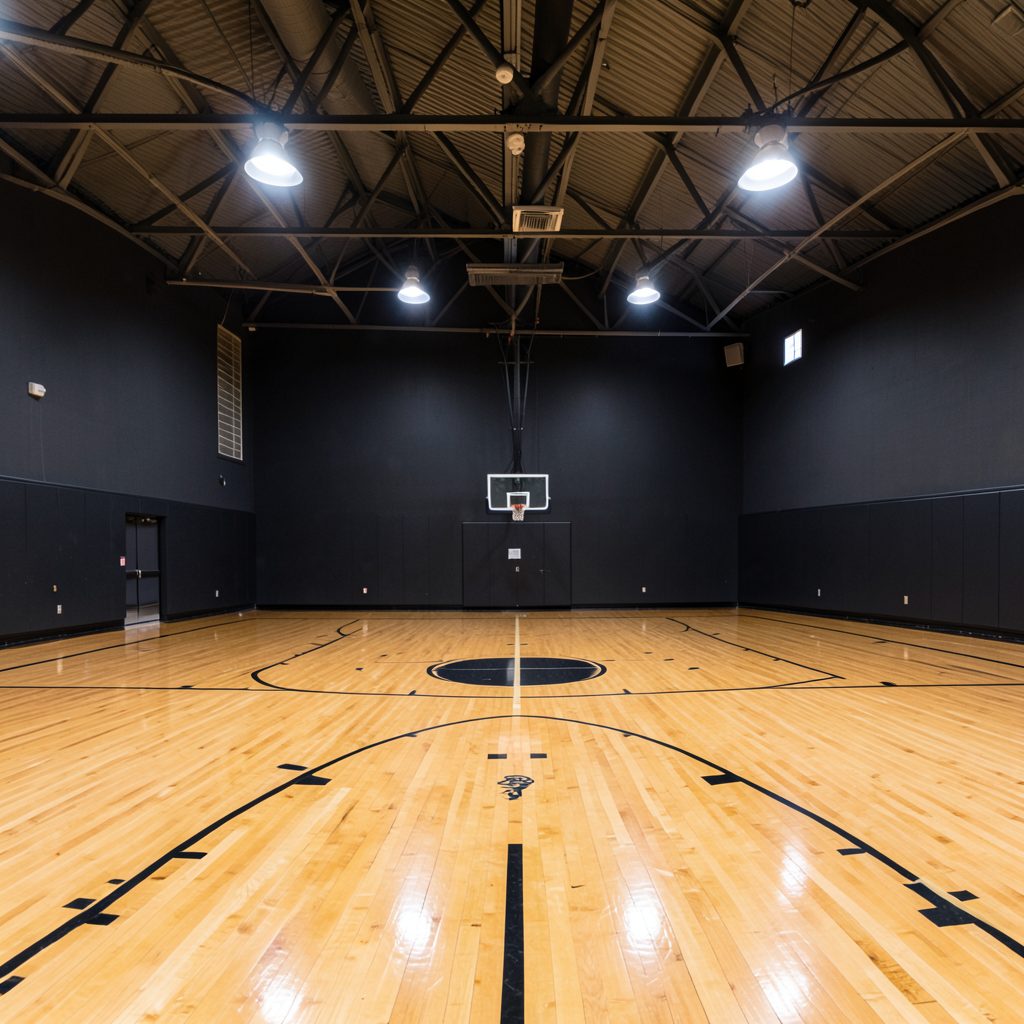
Eight league divisions span every age group: Indy Pro AM, 18+ Open Men's, 30+ Men's, Bite Size (ages 3–6), Impact League, 5th/6th Grade, Middle School, and High School. Gather your team and compete.
Training
Individual and group basketball training for all skill levels. Major M.O.V.E.S. Basketball Training serves ages 4–7 on Wednesday and Thursday evenings at 6:30 PM — $30 per session or $100 unlimited monthly.
Wellness & Recovery
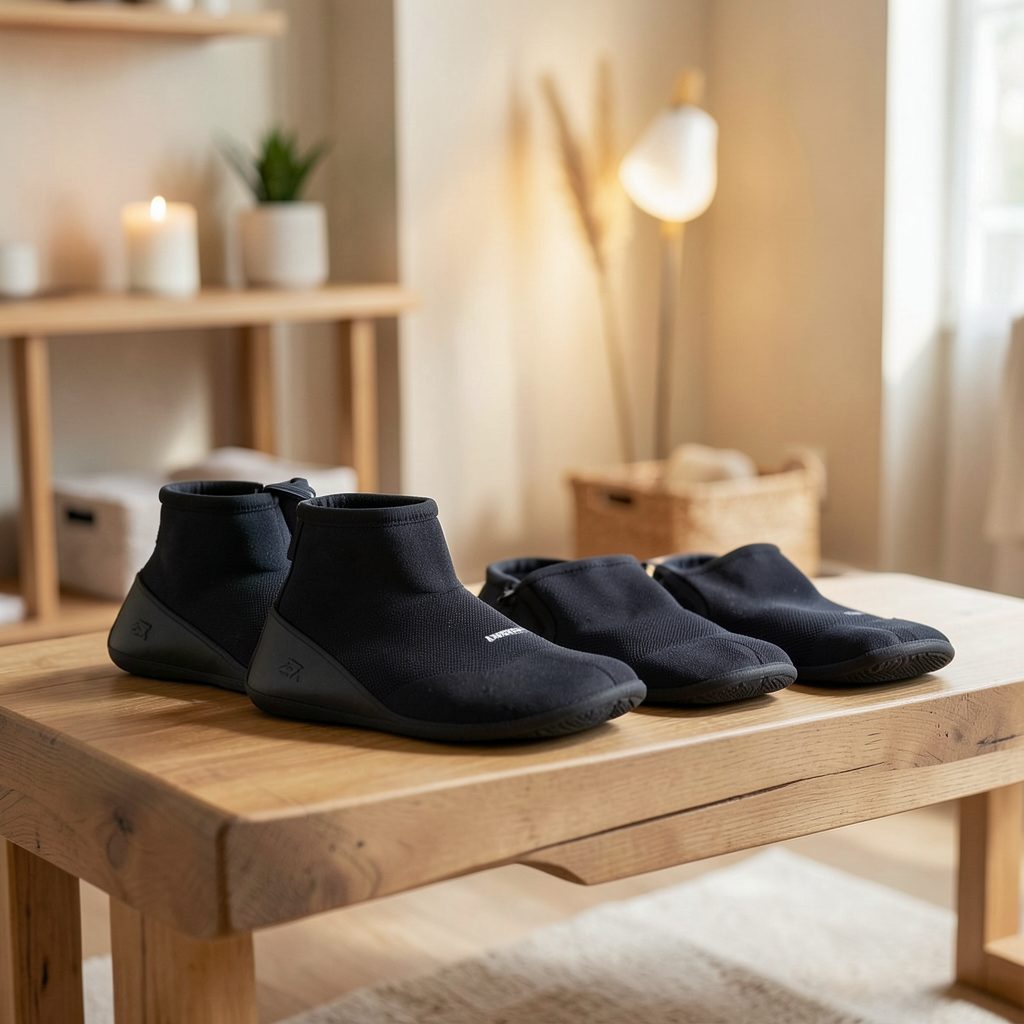
Normatec boot recovery and cryotherapy treatments help athletes bounce back faster. Cycle and spin classes add a cardio dimension to the holistic performance approach.
Have a Question?