Train. Compete. Recover.
A multi-purpose athletic facility in Speedway, Indiana — basketball leagues, skill training, and wellness services all under one roof.
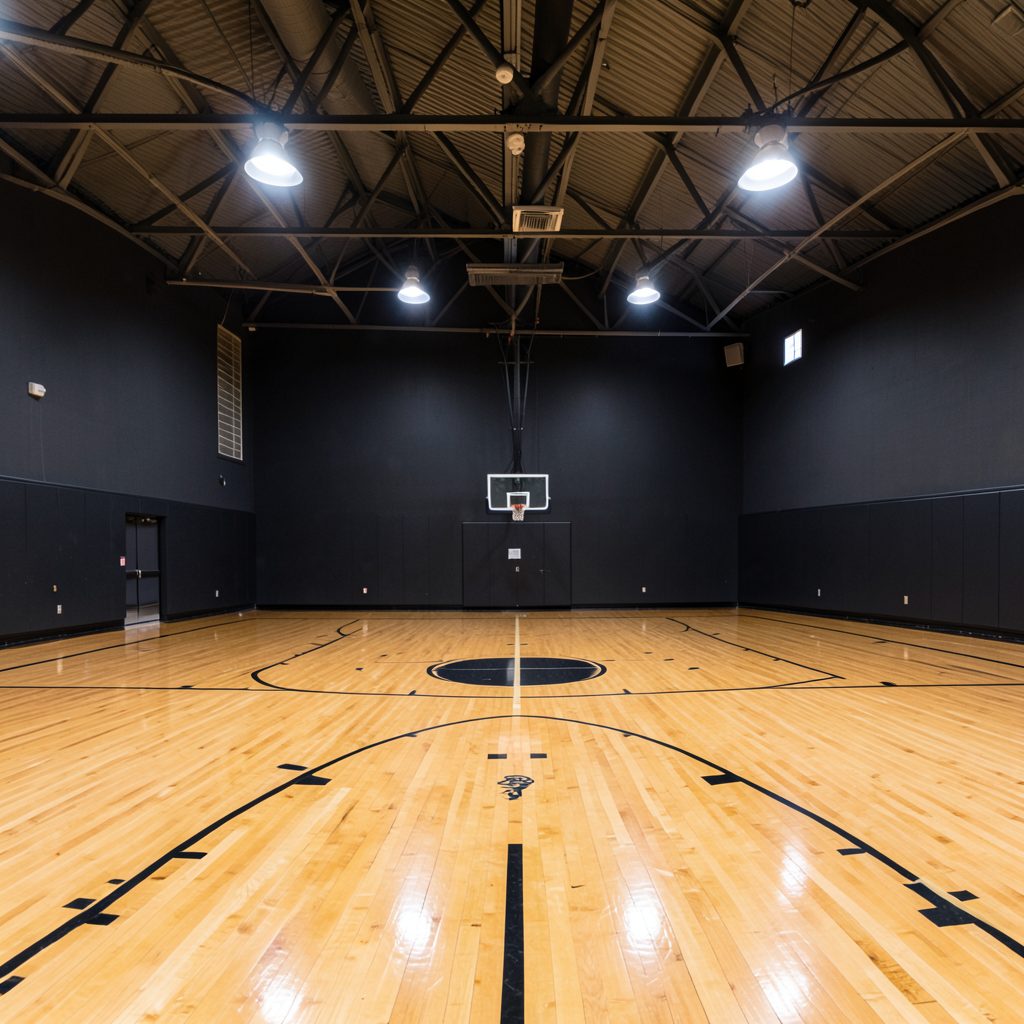
The Factory D1 Indy brings together three entities under one roof: competitive basketball leagues for all age groups, individual and group training, and wellness & recovery services including Normatec boot recovery and cryotherapy. Located off I-465 and High School Road at 6331 Crawfordsville Road, Speedway, Indiana 46224.
Get In TouchHow to Build Hand-Eye Coordination Drills for Basketball Dribbling
Effective basketball dribbling depends on more than quick fingers. Players must track the ball, read the floor, maintain body control, and respond to movement without staring at their hands. Hand-eye coordination connects those skills, allowing an athlete to protect the ball, change direction, and make decisions at game speed.
The best coordination drills begin with simple patterns and add pressure gradually. A player might first control one ball while standing still, then move through space, react to a visual cue, or handle a second ball. This progression develops ball control without sacrificing posture, balance, or awareness.
At The Factory D1 Indy, athletes of different ages and experience levels can use basketball training, competitive play, and conditioning opportunities to turn these fundamentals into reliable habits. A thoughtful drill design makes each repetition purposeful and gives players a clear way to measure improvement.
Start with the coordination building blocks
A useful dribbling session combines visual tracking, touch sensitivity, rhythm, and movement. Visual tracking means the player can locate the ball through peripheral vision while scanning for teammates or defenders. Touch sensitivity helps the hand adjust pressure when the ball rises, drops, or changes direction.
Begin with stationary exercises so the athlete can focus on control. Use right-hand and left-hand pound dribbles, low crossovers, front-to-back taps, and alternating fingertip touches. Keep the chest lifted and encourage the player to glance forward rather than watch the ball continuously.
Once the basic pattern feels stable, add a movement demand. Have the athlete walk, shuffle, backpedal, or change pace while maintaining the same dribble. The goal is smooth coordination between the feet, eyes, and hands instead of simply increasing speed.
Add visual and reaction challenges
Reaction-based basketball drills make hand-eye coordination more realistic. A coach, partner, or training device can provide a signal by pointing, calling a color, showing a number, or raising a hand. The player responds with a crossover, retreat dribble, hesitation, or change of direction while keeping control.
For example, place colored cones in front of the athlete and call a color during a controlled advance. The player dribbles toward the called cone, performs a move, and exits at an angle. This exercise links visual recognition with decision-making and prevents the workout from becoming a memorized routine.
Another option is the partner cue drill. The athlete dribbles with one hand while the partner holds up one or two fingers at random intervals. The player calls out the number without losing rhythm. Progress by requiring a crossover whenever the partner changes hands or by adding a closeout from a passive defender.
Build drills in manageable layers
Complex drills work best when they are built from smaller pieces. Teach the hand pattern first, then add footwork, visual distraction, speed, and defensive pressure one layer at a time. If the player loses control repeatedly, remove the newest challenge rather than rushing through poor repetitions.
A practical sequence may start with 20 seconds of stationary right-hand dribbling, followed by 20 seconds on the left. Next, the athlete walks through a cone line, reacts to a coach’s directional cue, and finishes with a change-of-pace burst. Short rounds preserve concentration and encourage quality touches.
The table below shows how a basic drill can develop into a game-ready activity.
| Drill stage | Primary focus | Example action | Progression signal |
|---|---|---|---|
| Stationary control | Touch and rhythm | Pound dribbles at knee height | Keep eyes forward |
| Movement control | Feet and ball timing | Walk through cones | Increase pace |
| Visual reaction | Recognition and response | React to color or number cues | Add unexpected calls |
| Defensive application | Protection and balance | Retreat from a simulated defender | Use contact or pressure |
| Game transfer | Decision-making | Attack, change direction, and finish | Add a live defender |
Use two-ball and multi-task variations
Two-ball dribbling exposes weaknesses in timing and coordination because each hand must manage a separate rhythm. Start with simultaneous low dribbles, then try alternating dribbles. Once the athlete can maintain control, add forward movement or a visual task such as calling out numbers held by a partner.
A tennis ball can create another useful layer. While dribbling a basketball with one hand, the athlete tosses and catches a tennis ball with the other. Keep the toss low and controlled at first. The player should prioritize a stable basketball dribble and use the free hand for a simple catch before attempting more advanced variations.
These exercises should challenge coordination without turning into a contest of chaos. If the athlete bends excessively, slaps at the ball, or stops scanning the court, reduce the speed or simplify the pattern. Quality hand positioning and balanced posture matter more than completing the most difficult variation.
Connect coordination to conditioning and recovery
Dribbling coordination often deteriorates when athletes become tired. To prepare for that reality, place a short movement interval before a ball-handling drill. A player might complete lateral shuffles, a defensive slide, or a brief cycle sprint, then immediately perform a reaction dribble. This teaches the body to maintain control under fatigue.
Keep the work periods brief enough for the athlete to make accurate decisions. Twenty to thirty seconds of effort followed by a controlled recovery period works well for younger players and developing athletes. More advanced players can use longer rounds, but the coach should still stop the set when technique becomes careless.
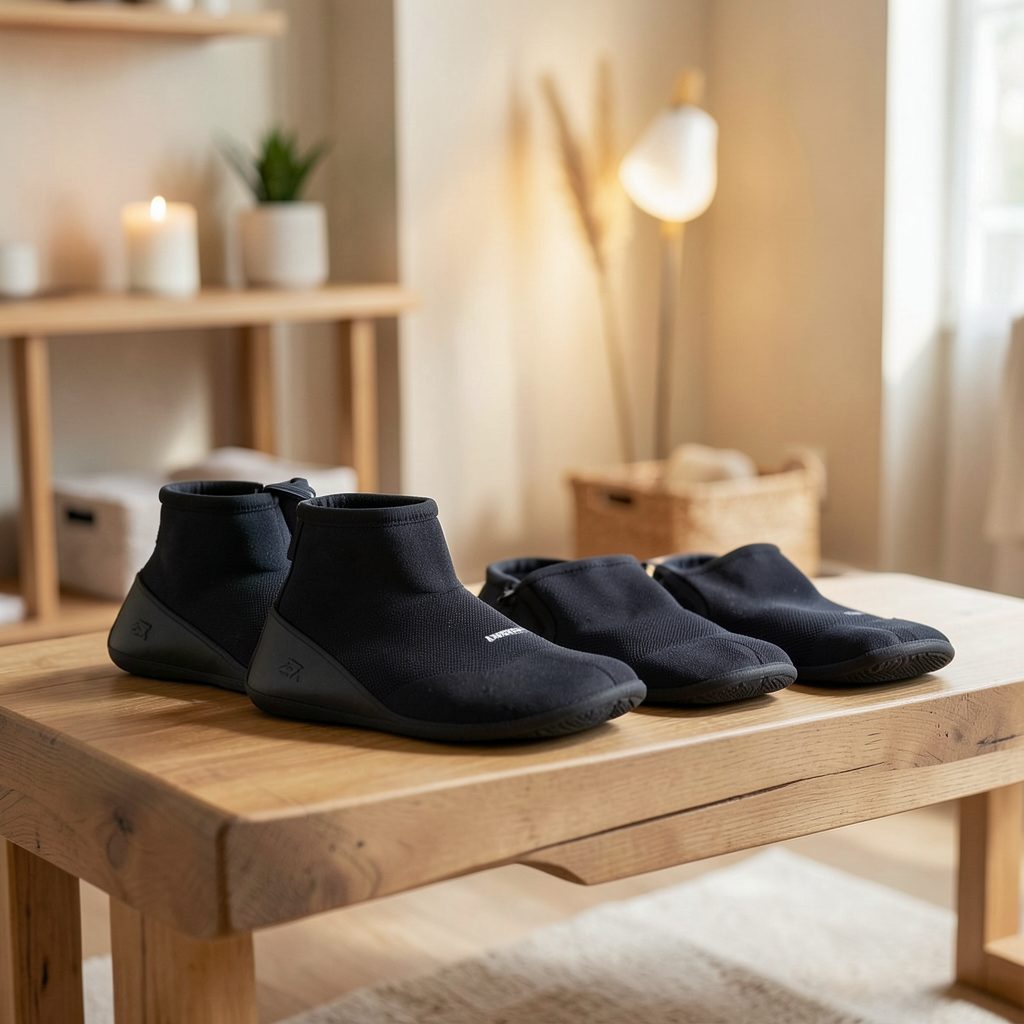
Recovery supports the quality of future practice. Compression therapy can help athletes manage post-training fatigue, and learning about Normatec recovery benefits may help families understand how recovery services fit into a broader training routine. Rest, hydration, mobility work, and consistent sleep remain essential parts of that process.
Measure progress with clear standards
A coordination drill should have an observable goal. Track successful repetitions, turnovers, reaction accuracy, weak-hand control, or the number of clean changes of direction. Avoid measuring speed alone, since a fast drill performed with poor posture may reinforce habits that fail under defensive pressure.
Use a simple scoring system. Award one point for each clean reaction, controlled exit, or successful catch. Set a target for the athlete, then repeat the same drill after several practices. A player who improves from eight accurate responses to twelve has clear evidence of progress, even if the drill still needs refinement.
Review both sides of the body. Many athletes show strong coordination with their dominant hand but struggle when the weak hand leads. Balanced practice can include an extra round on the weaker side, though the athlete should still finish with a successful repetition to reinforce confidence.
Progressions that keep practice productive
Coaches and parents can adjust the difficulty without changing the entire session. Use these progression principles:
- Start with a stationary dribble before adding forward, lateral, or backward movement.
- Change only one variable at a time, such as speed, visual cues, ball height, or defensive pressure.
- Give the weak hand frequent opportunities while preserving enough success to maintain confidence.
- Use short work intervals and specific rest periods so concentration stays high.
- Finish with a competitive or game-like drill that rewards decisions, control, and court awareness.
Ages and experience levels should guide the design. Young beginners may benefit from large targets, slower cues, and simple patterns, while experienced players can handle dual-task exercises, contact, and live defenders. The same drill can serve both groups when the coach adjusts space, timing, and pressure.
Put the routine into play
A complete session might include five minutes of stationary ball control, five minutes of movement patterns, reaction drills, a two-ball or tennis-ball challenge, and a final game-transfer activity. Keep coaching cues concise: eyes up, fingertips active, knees bent, and change direction with purpose.
Regular practice matters more than occasional exhaustion. Two or three focused coordination sessions each week can improve dribbling confidence, peripheral awareness, and control under pressure. Athletes can build those habits through training at The Factory D1 Indy, competitive leagues, and structured practice with teammates or coaches.
Choose one drill, establish a measurable target, and repeat it consistently before adding complexity. Bring the routine to the court, track clean repetitions, and use each session to turn coordinated ball handling into dependable basketball performance.
Inside The Factory
Three Entities, One Roof
Leagues
Eight league divisions span every age group: Indy Pro AM, 18+ Open Men's, 30+ Men's, Bite Size (ages 3–6), Impact League, 5th/6th Grade, Middle School, and High School. Gather your team and compete.
Training
Individual and group basketball training for all skill levels. Major M.O.V.E.S. Basketball Training serves ages 4–7 on Wednesday and Thursday evenings at 6:30 PM — $30 per session or $100 unlimited monthly.
Wellness & Recovery
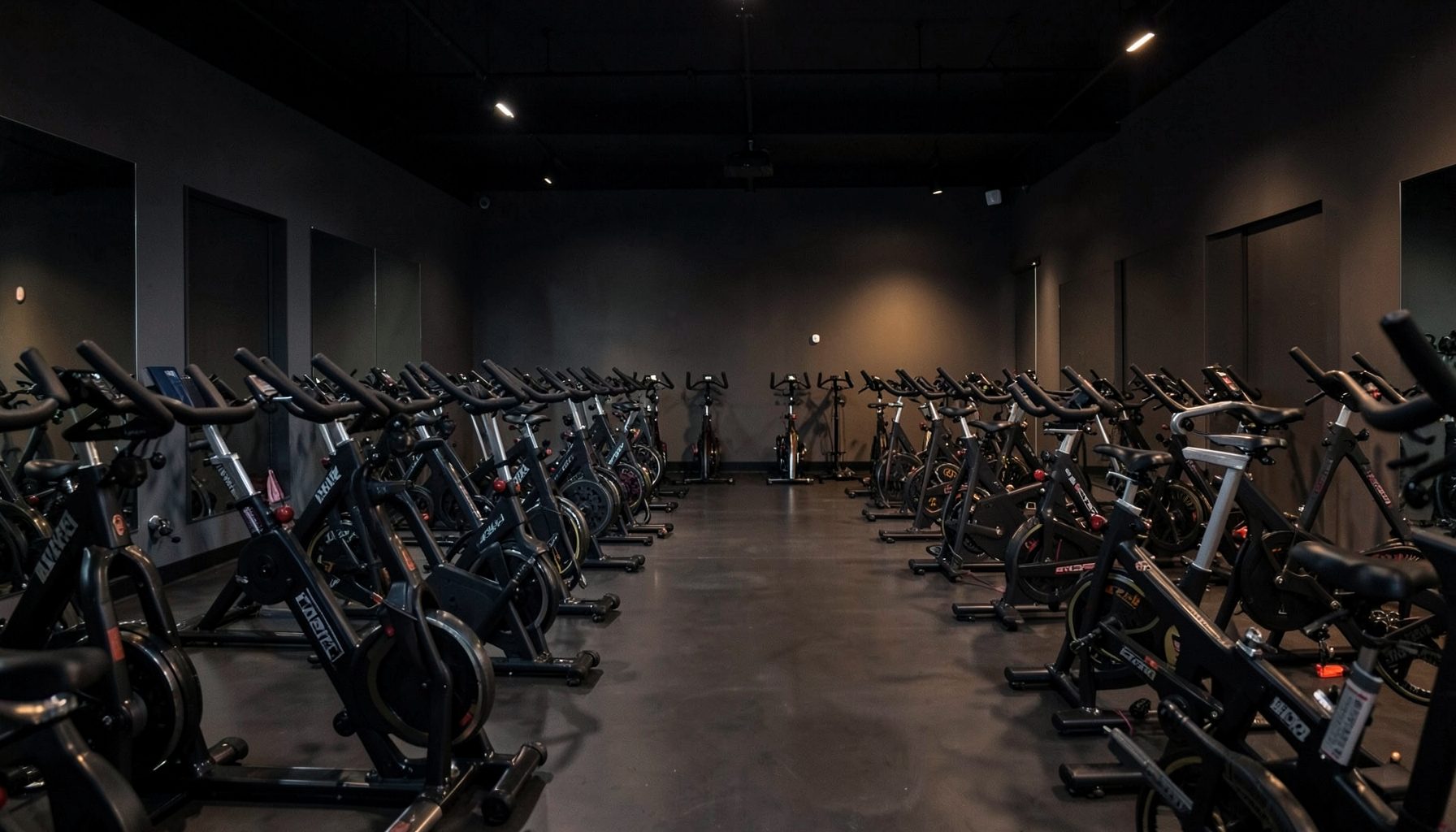
Normatec boot recovery and cryotherapy treatments help athletes bounce back faster. Cycle and spin classes add a cardio dimension to the holistic performance approach.
Have a Question?