Train. Compete. Recover.
A multi-purpose athletic facility in Speedway, Indiana — basketball leagues, skill training, and wellness services all under one roof.
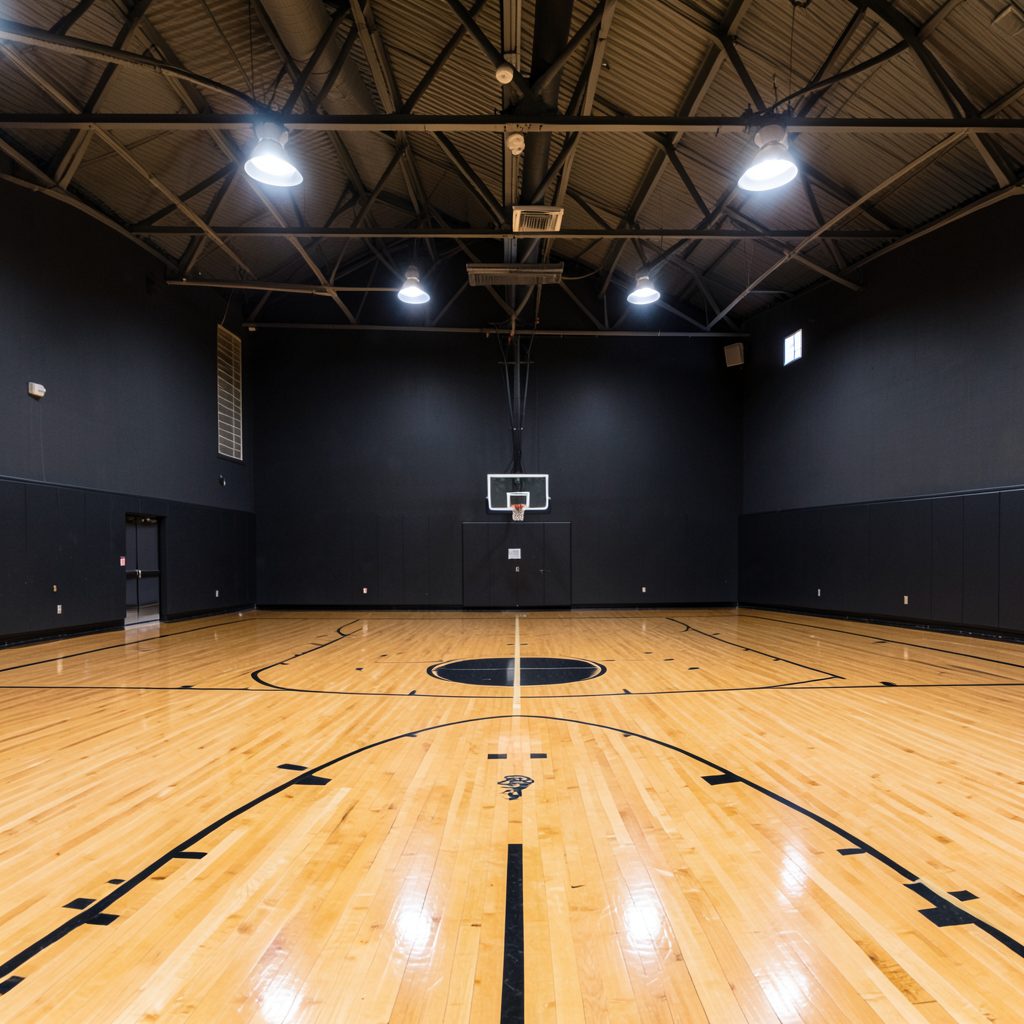
The Factory D1 Indy brings together three entities under one roof: competitive basketball leagues for all age groups, individual and group training, and wellness & recovery services including Normatec boot recovery and cryotherapy. Located off I-465 and High School Road at 6331 Crawfordsville Road, Speedway, Indiana 46224.
Get In TouchBuild hand-eye coordination with tennis ball drills
Sharp hands can change the margin between a clean steal, a bad pass and a difficult shot. Hand-eye coordination lets a player see the ball arrive, adjust the hands early and redirect it while the feet and body remain under control. For basketball, that skill appears in catching on the move, reading a defender’s hands, controlling rebounds and keeping a pass accurate under pressure.
This guide explains how to build hand-eye coordination with tennis ball drills for basketball without turning practice into mindless repetition. Work close to a wall, vary the target and progress only when catches stay controlled. Australian players often arrive with useful ball awareness from cricket nets, backyard cricket and school throwing sessions, so a standard tennis ball can be the first training tool rather than a strange piece of equipment.
Why hand-eye coordination decides small advantages
Basketball rewards players who can collect information before the ball arrives. Better tracking means the eyes find the seam or spin, the hands stay ready and the feet can adjust without crossing the body. Those cues transfer directly to passes, deflections, outlet receptions and shots that must be released while a defender is closing.
A tennis ball is useful because its smaller size and faster bounce expose weak tracking and soft-handed catching. It also forces the player to work on a narrow target rather than relying on the large basket of a regulation basketball. Keep the rebound predictable at first; the aim is accurate reception, not a circus catch.
Hand work should complement footwork and strength, not replace them. Players who want to organise those elements around their basketball schedule can compare hybrid training options with their current programme, then return to the ball with fresh coordination rather than trying to absorb every session at once.
Build the foundation with simple ball control
Begin with a wall stream. Stand three to four metres from a clear wall, toss the ball underhand and catch it with two hands at chest height. Keep the elbows soft and direct the rebound back with your fingertips. Twenty controlled repetitions are enough for one round; rest long enough to preserve technique, then move slightly farther away.
Next, try a partner drop. Your partner holds the ball at shoulder height and releases it while you watch the hand, not the ball. Catch, bring it to the chest and return it before the second bounce. After several clean repetitions, add a call such as “right” or “left” so the eyes must move from the ball to a spatial position.
Build complexity by changing one rule at a time. Catch with one hand, move the feet before receiving, or ask the partner to toss from the side rather than straight ahead. Foam tennis balls can make the first stage kinder to younger wrists, but they should not replace a normal ball when the athlete is ready for sharper reactions.
Progress from catching to game-speed reactions
Create a cone gate to turn catching into a reaction task. Place two markers about one metre apart, have a partner roll or bounce the ball through the opening and shuffle into position to receive it. The torso stays pointed toward the target while the feet make short adjustments. Keep passes random enough that the player cannot predict the next angle.
Progress to a pass-and-rebound pattern. Chest-pass the ball toward a wall or partner, locate the return and catch it while stepping into a balanced stance. Add a pivot or an overhead pass after the catch to imitate basketball decisions. This is where hand-eye coordination becomes useful under pressure: reception now leads directly to the next action.
Use a ball-transfer finish for speed. Start with two tennis balls, bounce one, catch the other and exchange them without dropping either. Drop the count before errors rise. Many suburban outdoor courts in Melbourne, Sydney and Brisbane experience wind, glare or uneven surfaces, so this drill also teaches players to maintain a visual target and body control when conditions are imperfect.
Fix common errors before they become habits
The most common fault is reaching before seeing the ball. When the eyes follow the hands, the brain receives less information about depth and speed. Ask the player to point at the ball as it leaves the partner’s hand, then keep that pointing gesture until the catch is complete. This simple cue restores a useful search routine.
Another error is using the same rhythm for every repetition. A predictable toss lets the player time the catch without truly tracking it. Vary the distance, add a verbal signal or deliver the ball from an unexpected angle. Australian coaches often keep the language plain—“soft hands”, “head up” and “have a go”—which makes corrections easy to hear and apply.
Measure skill rather than counting throws alone. Record clean catches out of twenty, note which hand was weakest and compare a controlled drill with a reaction drill. If the score holds but technique deteriorates, shorten the set or slow the ball. Progress comes from cleaner first touches, not from accumulating sore wrists.
Fit skill work into a complete training week
Ten focused minutes can fit around a normal basketball session. After a dynamic warm-up, complete two rounds of wall catching, one round of partner drops and one reaction set, resting between them. Do this two or three times weekly for eight to twelve weeks, then retest. Skills need enough repetitions to become automatic, but fatigue can hide the pattern you are trying to learn.
Plan around the local club calendar as well. Community basketball in Australia commonly runs through club memberships, seasonal fees, volunteer committees and weekend draws, so weekday skill work should complement rather than compete with team commitments. During the Australian summer, move sessions indoors or to a cooler evening; during winter, use indoor courts to keep the movement consistent.
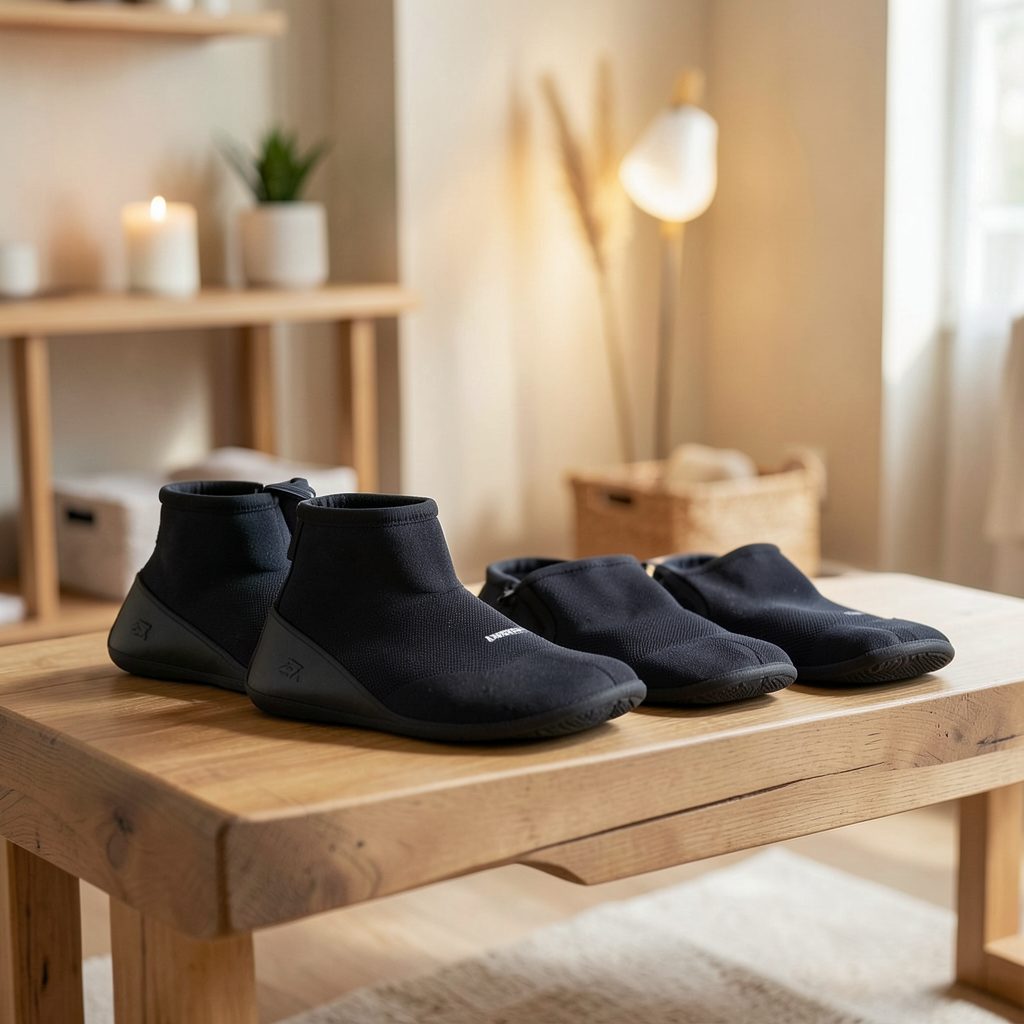
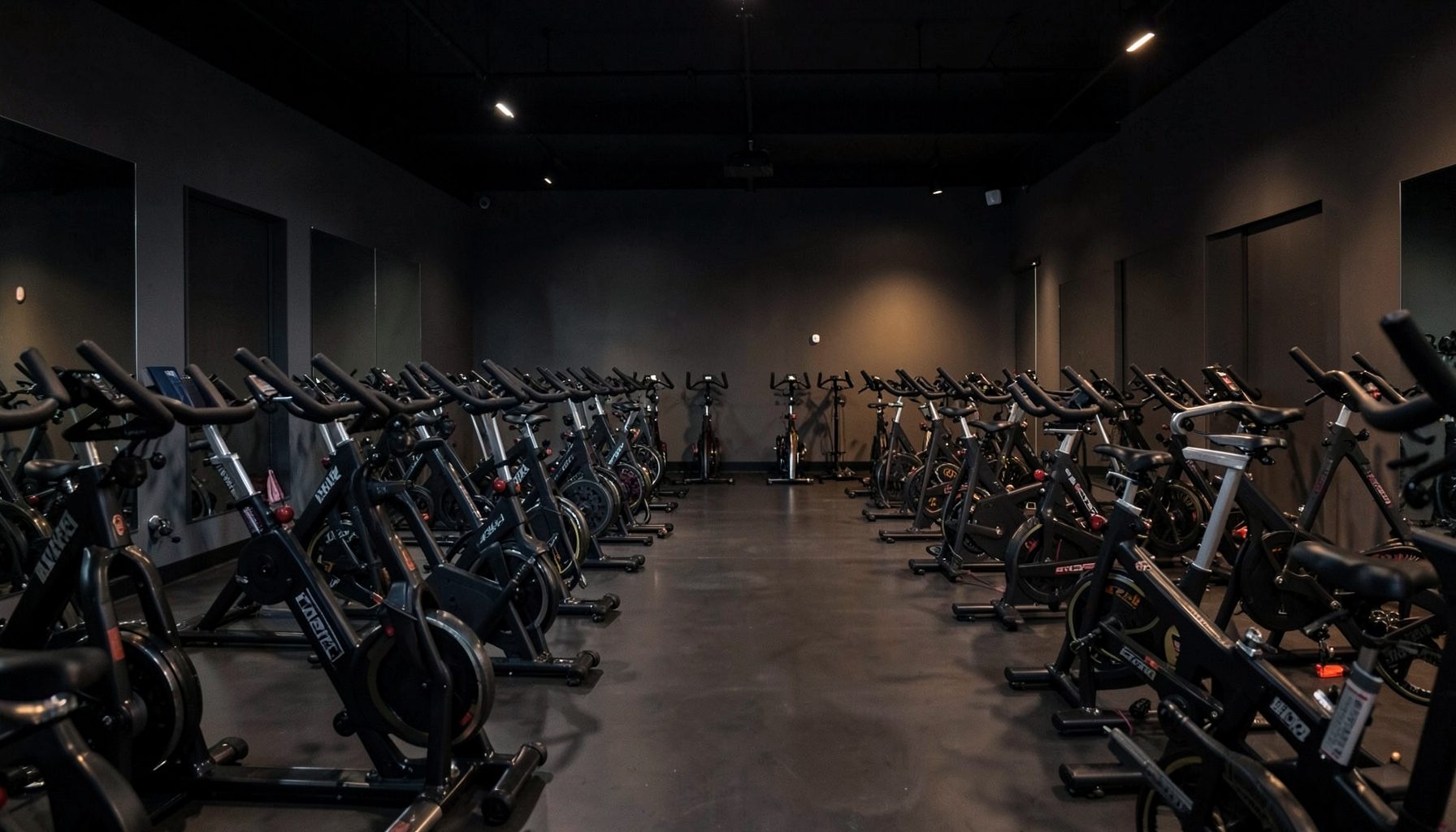
Recovery should be scheduled with the same care as training. Hydration, sleep, mobility and treatment all affect how quickly a player can process visual information. At Factory D1 Indy in Speedway, Indiana, basketball work sits alongside cycle and spin classes, Normatec compression therapy and cryotherapy, giving athletes recovery options within the same performance hub. For tournament schedules, the Factory’s tournament recovery routines provide a practical way to structure those habits around games and travel.
Start with one ball, one wall and twenty accurate catches. Track the score each week, change only one drill rule and bring the same attention to passing, rebounding and closeouts on court. Small improvements in first touch can make every later basketball decision cleaner.
Put the skills to work in competition. Explore league registration for youth and adult age divisions and formats at Factory D1 Indy, then carry your two-handed catch, quick feet and soft hands into every game.
Inside The Factory
Three Entities, One Roof
Leagues
Eight league divisions span every age group: Indy Pro AM, 18+ Open Men's, 30+ Men's, Bite Size (ages 3–6), Impact League, 5th/6th Grade, Middle School, and High School. Gather your team and compete.
Training
Individual and group basketball training for all skill levels. Major M.O.V.E.S. Basketball Training serves ages 4–7 on Wednesday and Thursday evenings at 6:30 PM — $30 per session or $100 unlimited monthly.
Wellness & Recovery
Normatec boot recovery and cryotherapy treatments help athletes bounce back faster. Cycle and spin classes add a cardio dimension to the holistic performance approach.
Have a Question?