Train. Compete. Recover.
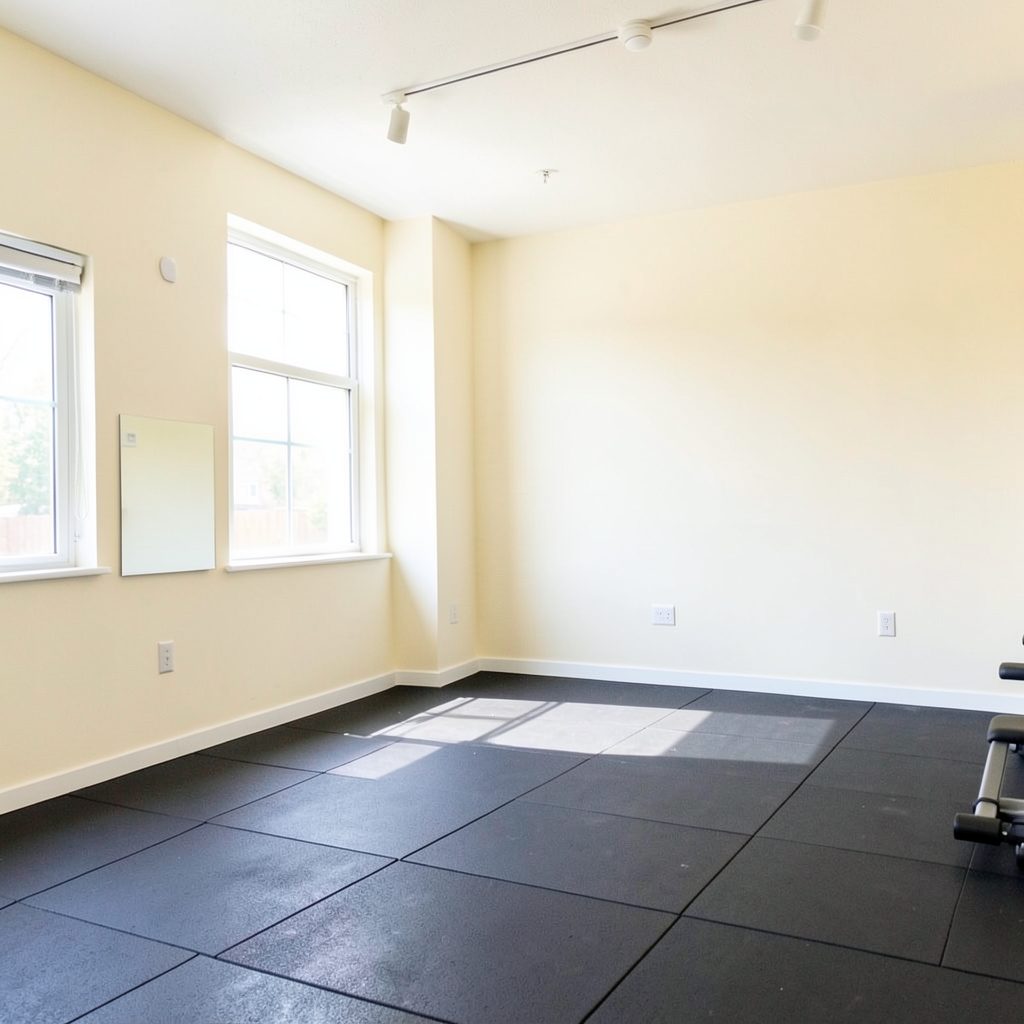
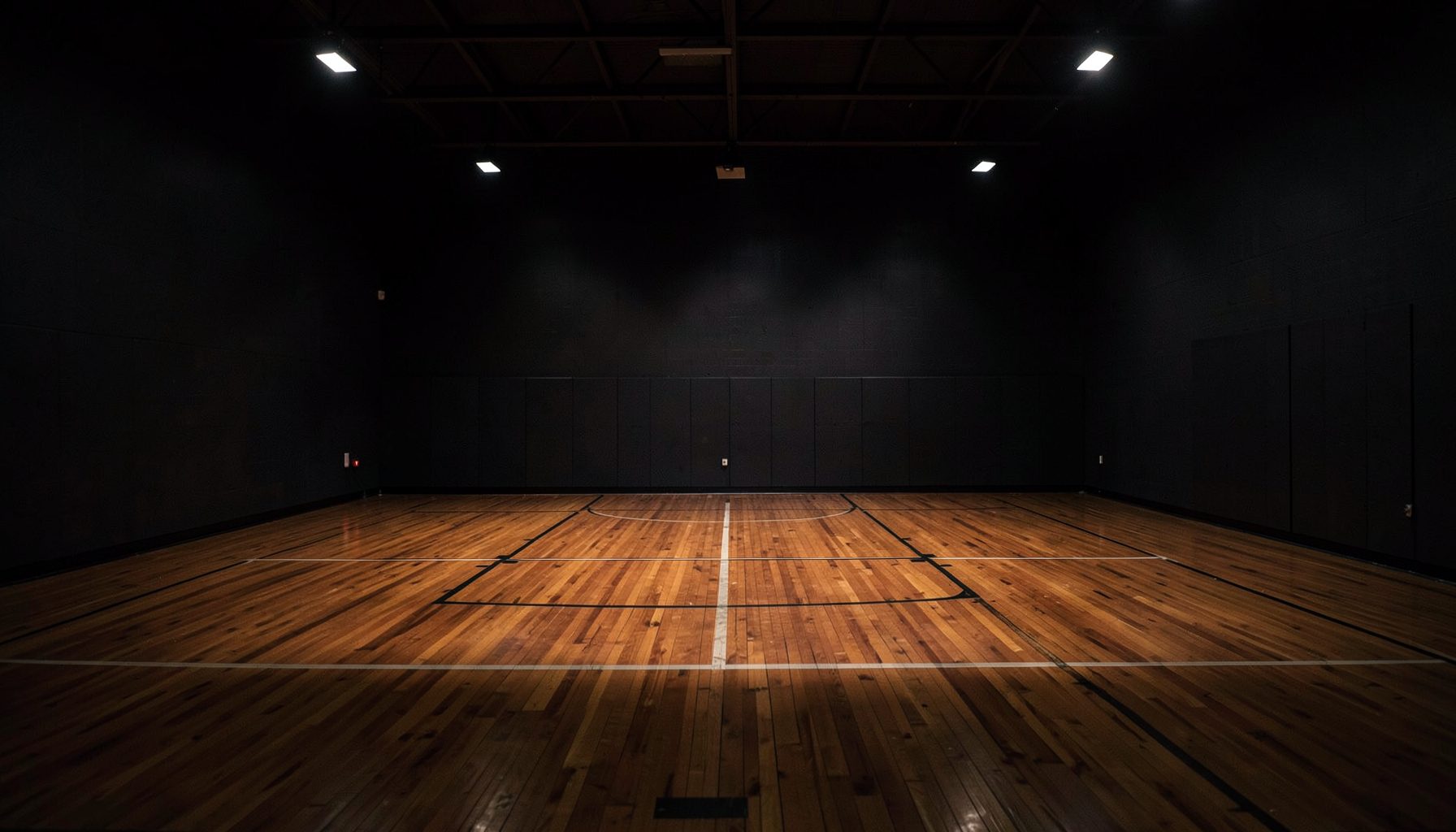
A multi-purpose athletic facility in Speedway, Indiana — basketball leagues, skill training, and wellness services all under one roof.
The Factory D1 Indy brings together three entities under one roof: competitive basketball leagues for all age groups, individual and group training, and wellness & recovery services including Normatec boot recovery and cryotherapy. Located off I-465 and High School Road at 6331 Crawfordsville Road, Speedway, Indiana 46224.
Get In TouchChoosing the right spin class intensity for your goals
Indoor cycling fits neatly into Australian city life. In Sydney, Melbourne and Brisbane, riders often squeeze sessions into a pre-work commute, a lunch break or an evening class, while studios compete with high-street gyms, outdoor ride groups and boutique fitness studios. A spin class can deliver a quick cardiovascular workout, build endurance or provide the intense bursts needed for performance, but those goals require different effort levels.
Intensity is a range rather than a single challenge. A recovery ride, steady aerobic session and hard interval workout place different demands on the cardiovascular and musculoskeletal systems. The most rigorous class is not automatically the best choice. Your fitness baseline, available recovery, training schedule and reason for attending should determine how hard you pedal.
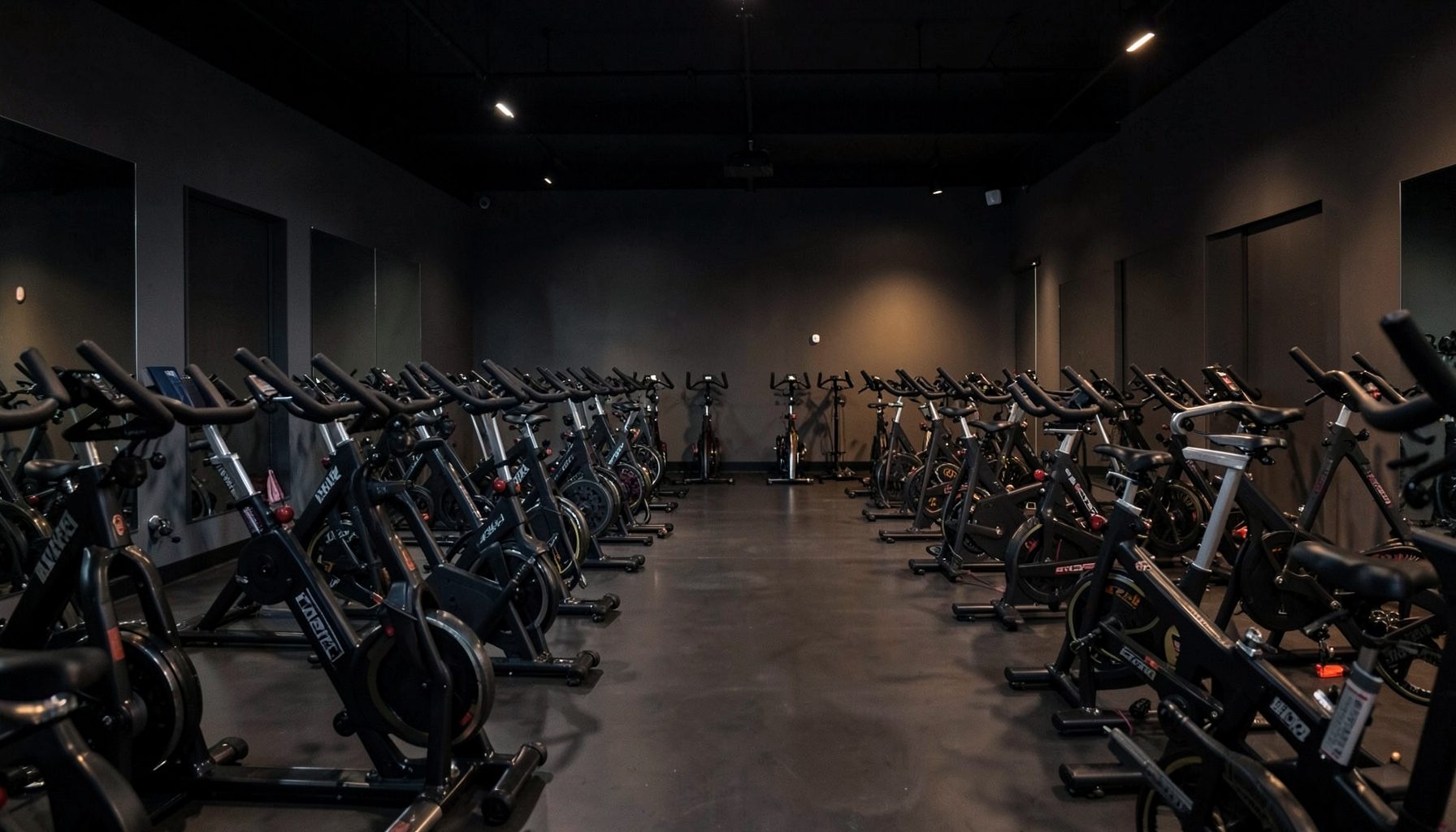
The Factory D1 Indy in Speedway, Indiana, offers cycle and spin classes alongside basketball training, competitive leagues and recovery services such as Normatec compression therapy and cryotherapy. That combination matters because meaningful results come from balancing demanding sessions with easier work and time to recover, rather than treating every class as a test of endurance.
A sound choice begins by identifying your main goal, checking how an instructor defines the class intensity, and selecting a level you can sustain without compromising form or recovery. The following framework helps turn those variables into a practical decision while accounting for the training conditions and data considerations common to Australian fitness environments.
Match intensity to your primary goal
For general fitness and a stronger aerobic base, moderate sessions are usually the most useful starting point. Aim for an effort around five or six out of ten, where breathing is controlled and complete sentences remain possible. Over several weeks, this level can improve stamina for everyday activities, hill walks and longer rides without leaving you too fatigued for other training.
Weight-management goals require a sustainable mix rather than a relentless pursuit of the highest calorie expenditure. Short, moderately intense classes can be effective, while lower-intensity sessions provide volume and recovery. Nutrition, sleep and total weekly activity influence results more heavily than the label attached to one spin class, and no cycling session can target fat loss from a particular part of the body.
Threshold, tempo and high-intensity interval classes suit riders preparing for competition or seeking a greater performance challenge. These sessions usually include sustained hard efforts, repeated sprints or short recoveries at a high heart rate. They can be valuable, but their demands make adequate sleep, fueling and recovery sessions especially important. Stress relief and social enjoyment are also legitimate fitness goals, and a moderate class often leaves more energy for conversation and connection.
Read intensity signals without guesswork
Perceived exertion is one of the simplest guides. On a zero-to-ten scale, light recovery work generally sits around two or three, steady endurance around four or five, and vigorous intervals around eight or nine or above. The talk test offers a useful backup: moderate work allows full sentences, hard work permits only brief phrases, and maximum effort is difficult to sustain.
Heart-rate zones can add information, although they are not perfect measures of intensity. Fitness, heat, hydration, fatigue and individual physiology all affect heart rate, and wearable devices may not track every effort precisely. Learn how the class is structured before joining, because “intervals” might describe long threshold blocks or short, near-sprint bursts. Cadence, resistance and recovery time all contribute to the overall workload.
Classes containing mixed intensities require more attention than those with a fixed pace. Follow the instructor’s recovery guidance and adjust resistance rather than copying another rider’s settings. In a climate-controlled studio, indoor conditions reduce some external strain, yet a tough class can still create substantial heat and fatigue. During hot, humid Australian summers, bring water, replace fluids regularly and do not treat an indoor class as a reason to ignore hydration needs.
Build safely around your current fitness
Begin with a moderate class that reflects your recent activity rather than your ideal fitness level. If you ride regularly, use the first part of the session to assess breathing, leg comfort and the ability to maintain your planned resistance. If you are returning after a break, a lower level or shorter duration gives the body time to adapt. Progress gradually by adding modest time or occasional harder efforts instead of increasing every variable at once.
Mobility and breathing work can complement the demands of cycling, particularly when tight hips or stiff muscles affect pedal position. The practice described in intentional yoga flow offers a way to coordinate movement with controlled breathing and can form part of a broader warm-up or cool-down routine. It should support your cycling preparation, not become another intense session performed when you are already exhausted.
Health information deserves careful handling as well. The federal Privacy Act 1988 and Australian Privacy Principles can govern personal and health information held by covered fitness businesses, including information submitted through connected bikes or apps. Employers coordinating workplace sessions also have duties under the Work Health and Safety Act 1991 and relevant state or territory legislation. Ask how data is collected, stored and shared, and obtain appropriate medical advice before training through pain, illness, pregnancy or a recent injury.
Treat recovery as part of the programme
Recovery allows the adaptations from one session to appear in the next. Consistent sleep, regular meals, appropriate hydration and time between demanding classes are more important than any single recovery accessory. Easy cycling days can maintain movement and endurance without adding the fatigue associated with intervals, while rest days remain valuable during heavier training weeks.
Overtraining can appear as declining performance, persistent fatigue, disturbed sleep, unusual soreness or a loss of enthusiasm for training. Those signs call for reduced workload and, where necessary, professional assessment. The Factory D1 Indy guide to recovery for young athletes explains why young athletes especially need age-appropriate loads and adequate recovery between demanding activities.
Compression therapy and cryotherapy may support a recovery routine, but they do not replace basic recovery practices. Their suitability can depend on health conditions, recent injuries and the protocols followed by trained staff. At The Factory D1 Indy, these services sit alongside training and competition, reflecting a useful principle: difficult sessions create the stimulus, while recovery helps the body convert that stimulus into adaptation.
Combine consistency with a community routine
The best intensity is often the one you can repeat. A weekly pattern of two challenging classes and two moderate sessions may serve a general fitness goal better than sporadic maximum-effort workouts. Australian riders frequently build routines around early starts, work schedules, school commitments and variable weather, so a repeatable indoor class can be especially valuable when outdoor riding conditions are poor or daylight hours are limited.
Australia’s fitness market includes large gym chains, independent studios, outdoor cycling clubs and community sport providers, giving riders many ways to stay active. Local social groups also make training easier to maintain through friendly accountability and shared events. At The Factory D1 Indy, the connection extends beyond cycling through youth basketball, skills training and adult competition, with league programs offering another route to consistent physical activity.
Before your first session, arrive with water, comfortable clothing and a clear goal for that ride. Tell the instructor about injuries or relevant health conditions, and choose a starting level based on your current routine. If the class feels manageable early, resist the temptation to add resistance beyond the prescribed plan; if it feels excessively difficult, ease back and protect your ability to return.
Choose one clear fitness goal, compare it with the class format and instructor guidance, and book the level that matches both your present ability and recovery capacity. Review the spin and cycle schedule at The Factory D1 Indy, select an appropriate session, and experience the facility’s training and recovery options for yourself.
Inside The Factory

Three Entities, One Roof
Leagues
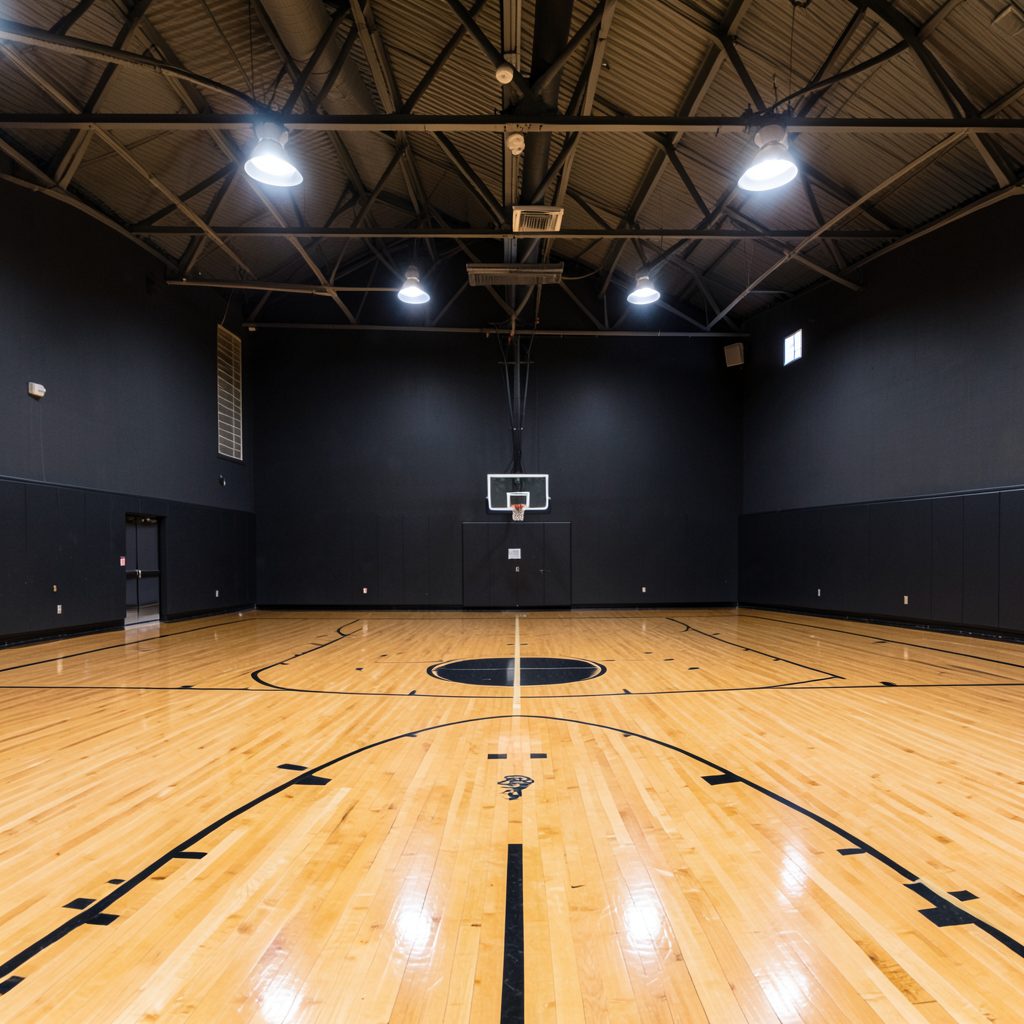
Eight league divisions span every age group: Indy Pro AM, 18+ Open Men's, 30+ Men's, Bite Size (ages 3–6), Impact League, 5th/6th Grade, Middle School, and High School. Gather your team and compete.
Training
Individual and group basketball training for all skill levels. Major M.O.V.E.S. Basketball Training serves ages 4–7 on Wednesday and Thursday evenings at 6:30 PM — $30 per session or $100 unlimited monthly.
Wellness & Recovery
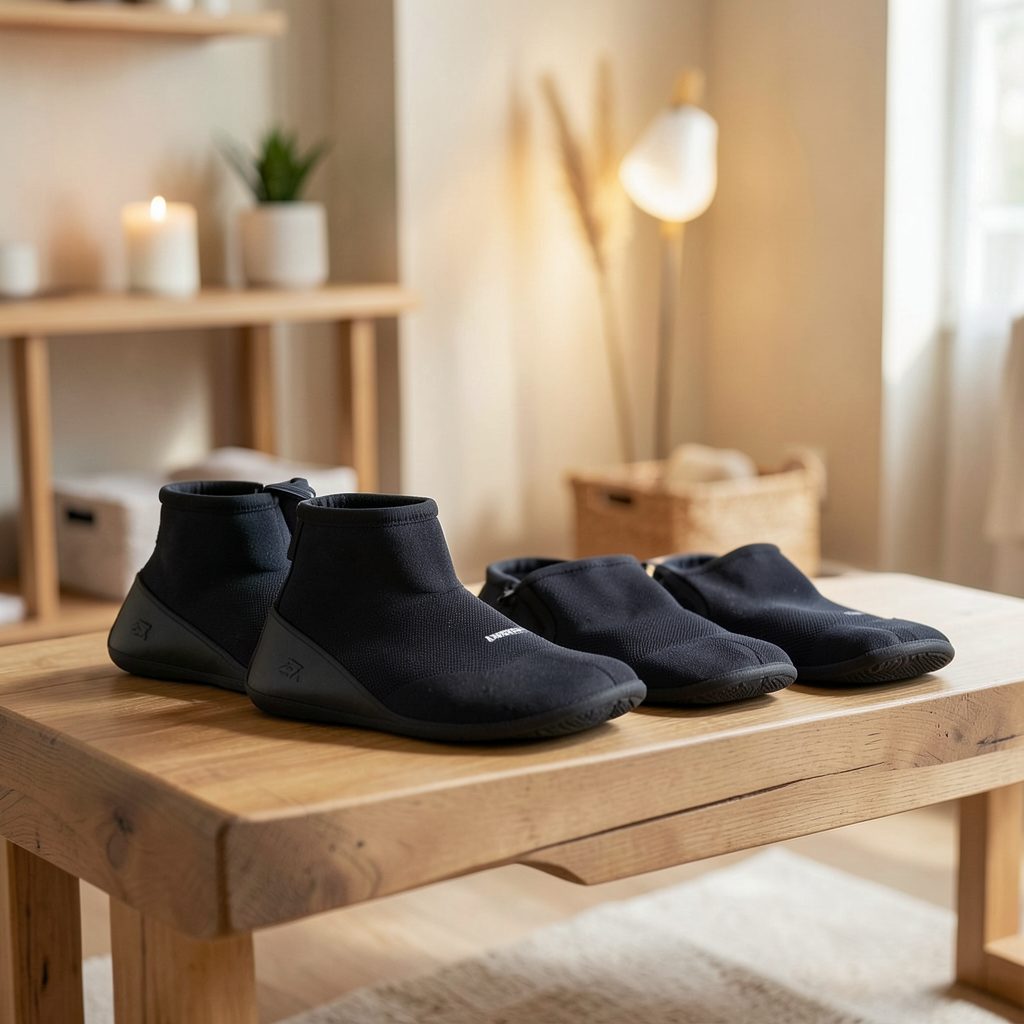
Normatec boot recovery and cryotherapy treatments help athletes bounce back faster. Cycle and spin classes add a cardio dimension to the holistic performance approach.
Have a Question?