Train. Compete. Recover.
A multi-purpose athletic facility in Speedway, Indiana — basketball leagues, skill training, and wellness services all under one roof.
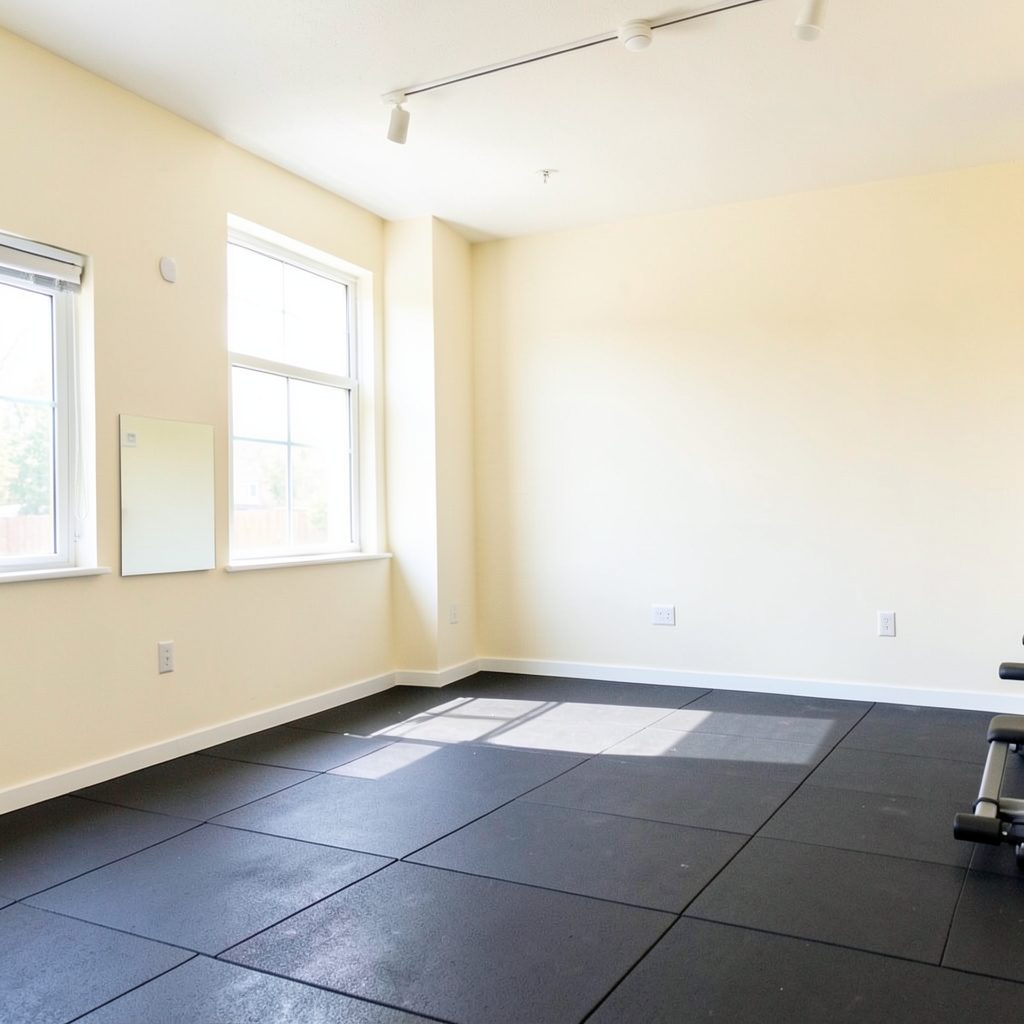
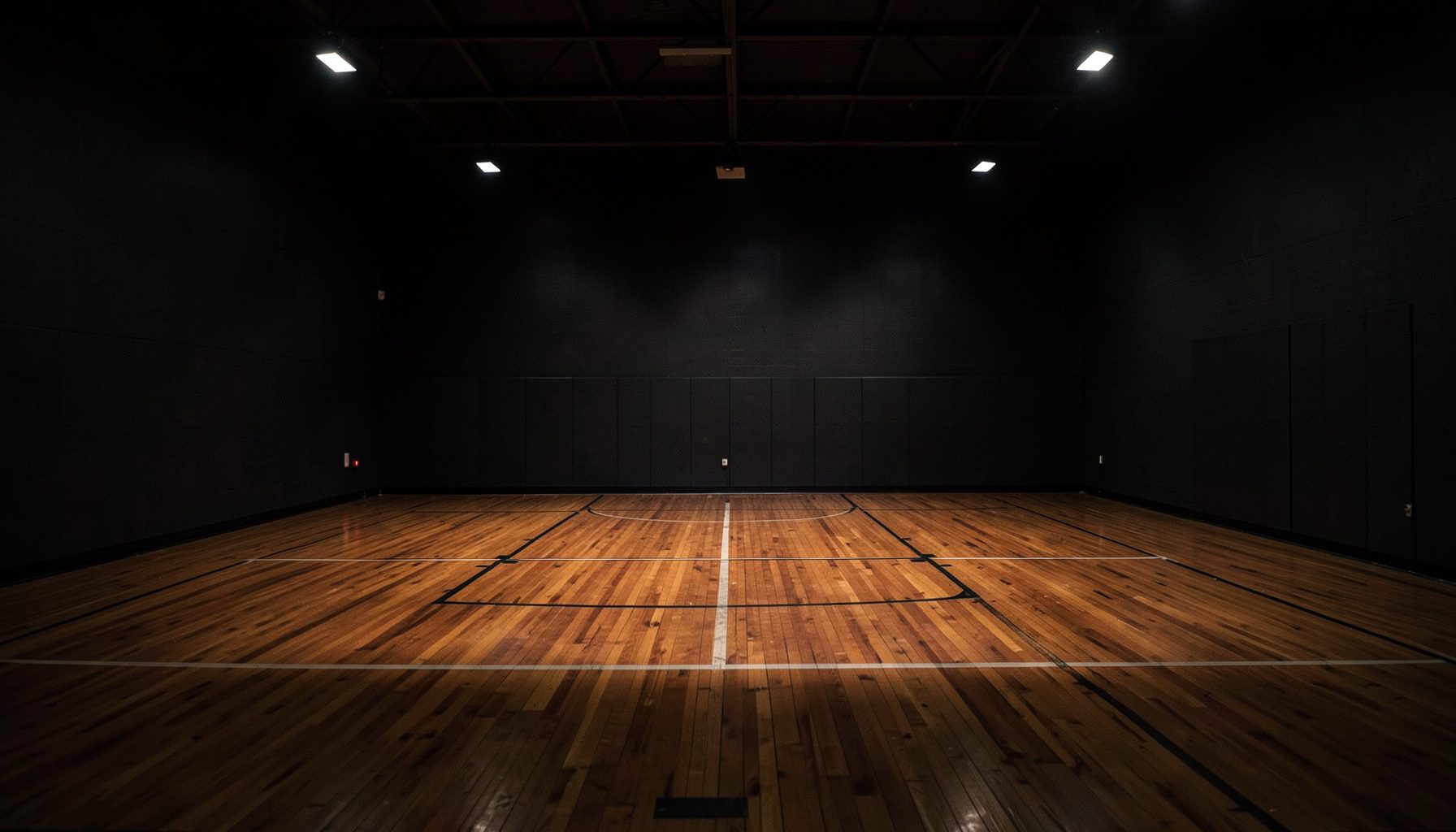
The Factory D1 Indy brings together three entities under one roof: competitive basketball leagues for all age groups, individual and group training, and wellness & recovery services including Normatec boot recovery and cryotherapy. Located off I-465 and High School Road at 6331 Crawfordsville Road, Speedway, Indiana 46224.
Get In TouchRecovery Habits That Protect Young Australian Athletes
Youth sport is meant to build confidence, coordination, fitness and a lasting enjoyment of movement. Yet a busy young athlete may train with a club, play school sport, attend private skills sessions and compete at weekends, leaving little time for the body and mind to reset. Recovery gives developing muscles, joints, energy systems and concentration the opportunity to adapt safely.
For Australian families, the issue can be especially practical. A teenager might travel across Melbourne for basketball, cycle to school in Brisbane, play through a hot Perth afternoon or fit training around exams in Sydney. Preventing overtraining requires a complete routine that includes sleep, food, hydration, lighter days and sensible communication between coaches, parents and the athlete.
Recognising Excessive Training Load
Overtraining develops when the total physical and mental stress placed on an athlete repeatedly exceeds their ability to recover. The warning signs may include persistent tiredness, declining performance, sore muscles that never settle, irritability, disrupted sleep, frequent minor illnesses and a loss of enthusiasm for sport. One difficult session does not mean a young person is overtrained; patterns matter more than isolated days.
Training load includes more than formal practice. A basketballer’s weekly demand may include school sport, physical education, strength work, games, travel, part-time employment and emotional pressure. Keeping a simple weekly record of sessions, intensity, sleep quality and general mood can reveal whether a busy calendar is becoming too demanding.
Why Rest Supports Athletic Development
Young athletes are still growing, so bones, tendons and connective tissues may respond differently to repeated stress than an adult body. Rest allows small amounts of exercise-related fatigue to resolve and gives the body time to make useful adaptations. A recovery day does not have to mean complete inactivity; easy walking, gentle mobility or relaxed swimming may be appropriate when guided by a qualified adult.
Sleep is one of the most valuable recovery tools available. Consistent bedtimes, a cool and dark bedroom, reduced late-night screen use and enough time in bed can support physical repair, learning and emotional regulation. Australian school schedules and early-morning training can make this difficult, so clubs should avoid routinely placing demanding sessions late at night before early commitments.
Building A Recovery-Focused Week
A sensible programme changes intensity across the week. Hard games, sprint work and demanding skills sessions should be balanced with technical practice, mobility, easy conditioning or rest. Coaches can vary drills to reduce repetitive loading, especially for young players who perform frequent jumping, landing, throwing or rapid changes of direction.
Families can also protect recovery by coordinating calendars rather than treating every invitation as an obligation. A state-level tournament, school carnival and extra academy session may each seem manageable alone, but their combined effect can be significant. In Australia’s large cities, long car trips between school, home and sporting venues add sedentary travel and fatigue, so the schedule should include transition time and regular breaks.
Fuel And Hydration For Young Players
Recovery nutrition begins with regular meals containing carbohydrates for activity, protein for tissue repair and colourful fruit and vegetables for overall health. Easy options after training might include yoghurt with fruit, a sandwich, eggs on toast or a meal containing rice, vegetables and lean protein. Young athletes generally need food first rather than expensive powders, bars or heavily marketed supplements.
Hydration also deserves attention during Australian summers, when heat and humidity can raise fluid losses. Water is usually suitable for ordinary sessions, while longer or particularly hot activities may require a plan developed with a sports dietitian. Coaches should schedule drink breaks and modify training during heatwaves rather than expecting children to push through unsafe conditions.
Sports supplements require particular caution because products sold through the Australian market can vary in quality and may contain undeclared ingredients. Parents and coaches should seek advice from an accredited sports dietitian or medical professional before considering them. Sport Integrity Australia’s education around prohibited substances is relevant to older junior athletes who compete at higher levels.
Managing Pain And Warning Signs
Normal post-exercise tiredness should gradually improve with sleep, food and lighter activity. Pain that changes movement, continues between sessions, worsens during play or causes an athlete to limp deserves attention. Repeated soreness in the knees, heels, shoulders or lower back should not be dismissed as an unavoidable part of growing up or competitive sport.
A physiotherapist, sports doctor or general practitioner can assess symptoms and help adjust training. Australian families may use a GP referral pathway, private physiotherapy or services connected with a club, depending on location and health cover. Coaches should not diagnose injuries, and young athletes should feel safe reporting pain without fear of losing selection.
Recovery Services And Cross-Training
Recovery services can complement, rather than replace, the fundamentals. Compression systems, supervised mobility, massage and carefully selected cold therapies may help an athlete feel more comfortable after demanding activity, but their suitability depends on age, health status and the reason for use. Cryotherapy and similar treatments should be delivered by trained professionals with appropriate screening, consent and supervision.
A facility such as Factory D1 Indy demonstrates how training, competition, conditioning and recovery can sit within a wider athletic environment. For Australian clubs, the useful lesson is to create a culture where recovery is planned into the programme instead of being offered only after an athlete breaks down. Any service should support a broader plan designed around the individual child.
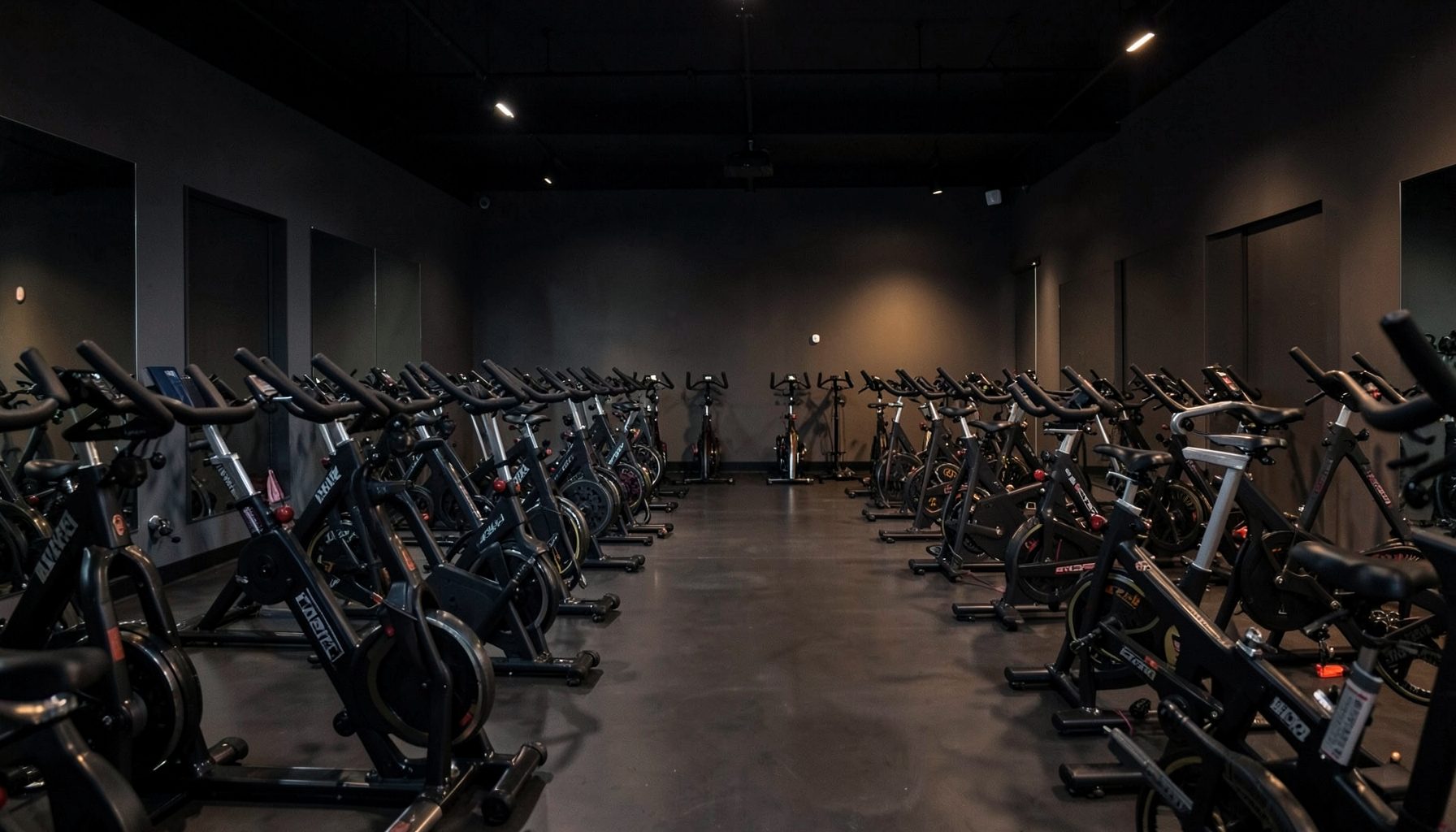
Cross-training can improve fitness while reducing the constant repetition of one sport. For a basketball player, controlled cycling or a spin session may develop aerobic capacity without adding more jumping and cutting. A practical spin cross-training guide can help coaches consider how cycling fits around court work, although intensity should still be adjusted for the athlete’s age and weekly load.
Creating A Safer Sporting Culture
Parents, coaches and athletes should share information about the full week rather than focusing only on one team’s schedule. A short check-in before training can cover sleep, energy, muscle soreness, mood and any pain. Simple traffic-light systems can help: green may indicate normal readiness, amber may call for modification, and red may mean stopping and seeking professional guidance.
Child safety and duty-of-care responsibilities also matter. Australian sporting organisations operate within state and territory requirements, national safeguarding expectations and workplace health and safety obligations. Clubs should use appropriately qualified staff, maintain first-aid procedures, record incidents and follow child-safe policies. Recovery is part of responsible programme design, not a luxury reserved for elite athletes.
A healthy performance culture rewards consistency, communication and good decisions. It does not praise a child for hiding an injury or completing every session at maximum intensity. Coaches can model this by cancelling or shortening training during extreme weather, respecting school demands and treating rest as part of preparation for the next performance.
The role of recovery in preventing overtraining for youth athletes is ultimately practical: protect sleep, schedule lighter periods, provide nourishing food and fluids, monitor symptoms and adjust workloads early. Families and clubs that build these habits into everyday sport give young people a better chance to stay healthy, perform well and enjoy competition for years.
Make recovery part of every training plan at your club or family facility. Review the weekly schedule, establish a simple wellbeing check and seek qualified advice when pain, fatigue or performance changes persist. Explore The Factory D1 Indy for ideas about integrated athletic training, conditioning and recovery.
Inside The Factory

Three Entities, One Roof
Leagues
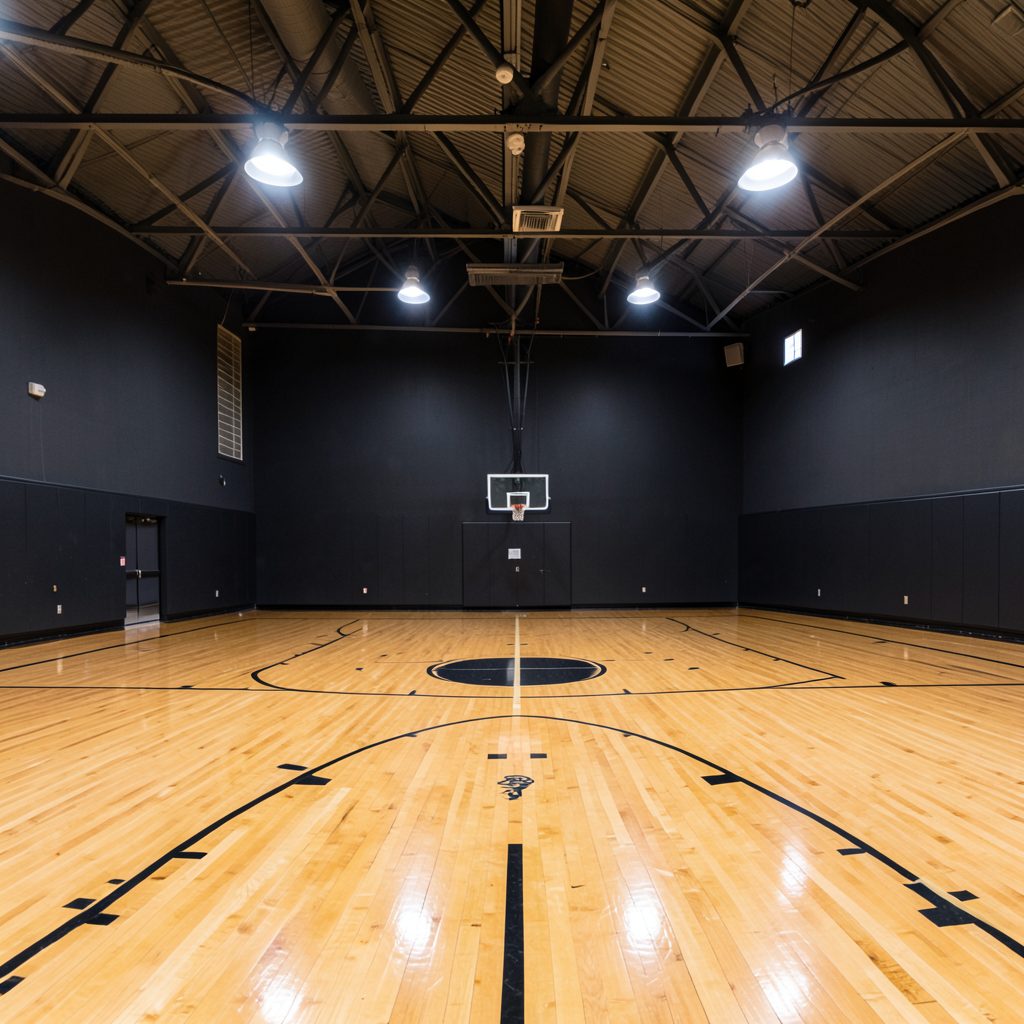
Eight league divisions span every age group: Indy Pro AM, 18+ Open Men's, 30+ Men's, Bite Size (ages 3–6), Impact League, 5th/6th Grade, Middle School, and High School. Gather your team and compete.
Training
Individual and group basketball training for all skill levels. Major M.O.V.E.S. Basketball Training serves ages 4–7 on Wednesday and Thursday evenings at 6:30 PM — $30 per session or $100 unlimited monthly.
Wellness & Recovery
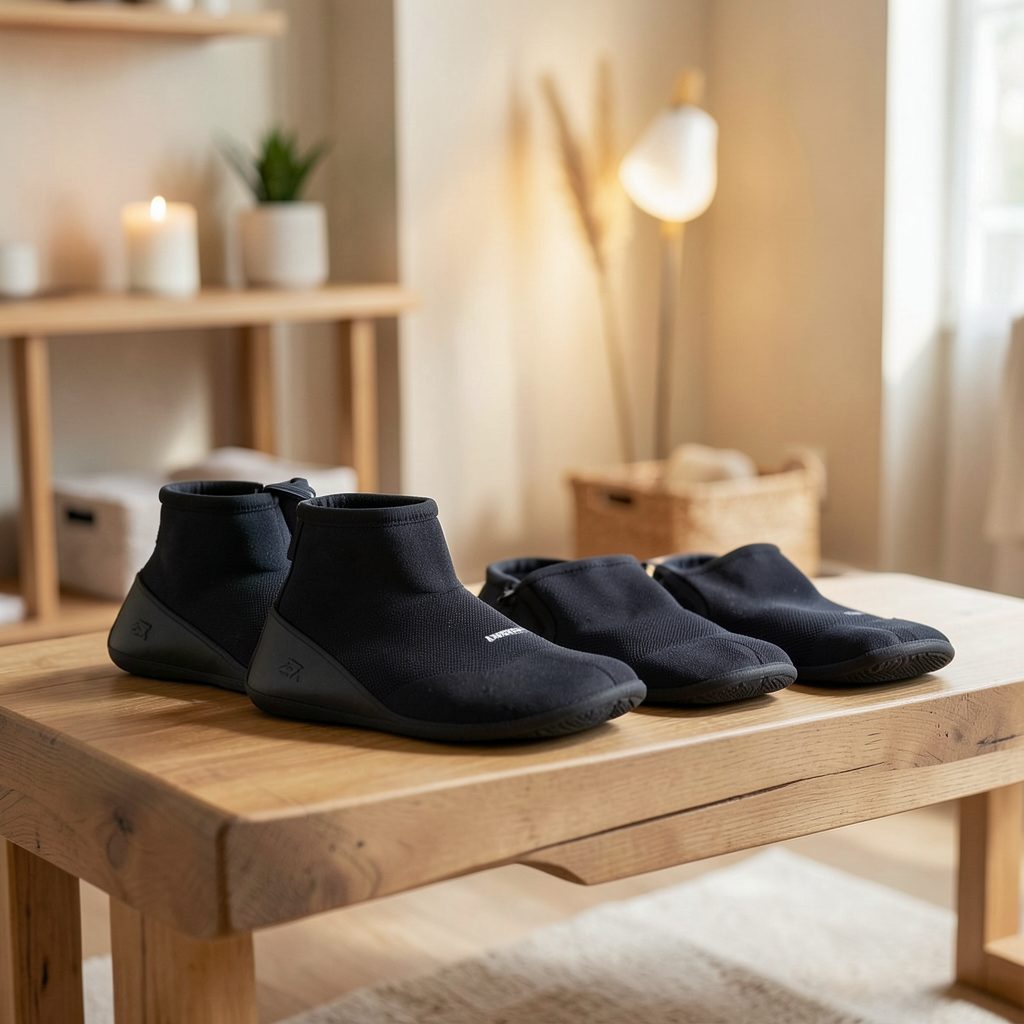
Normatec boot recovery and cryotherapy treatments help athletes bounce back faster. Cycle and spin classes add a cardio dimension to the holistic performance approach.
Have a Question?