Train. Compete. Recover.
A multi-purpose athletic facility in Speedway, Indiana — basketball leagues, skill training, and wellness services all under one roof.
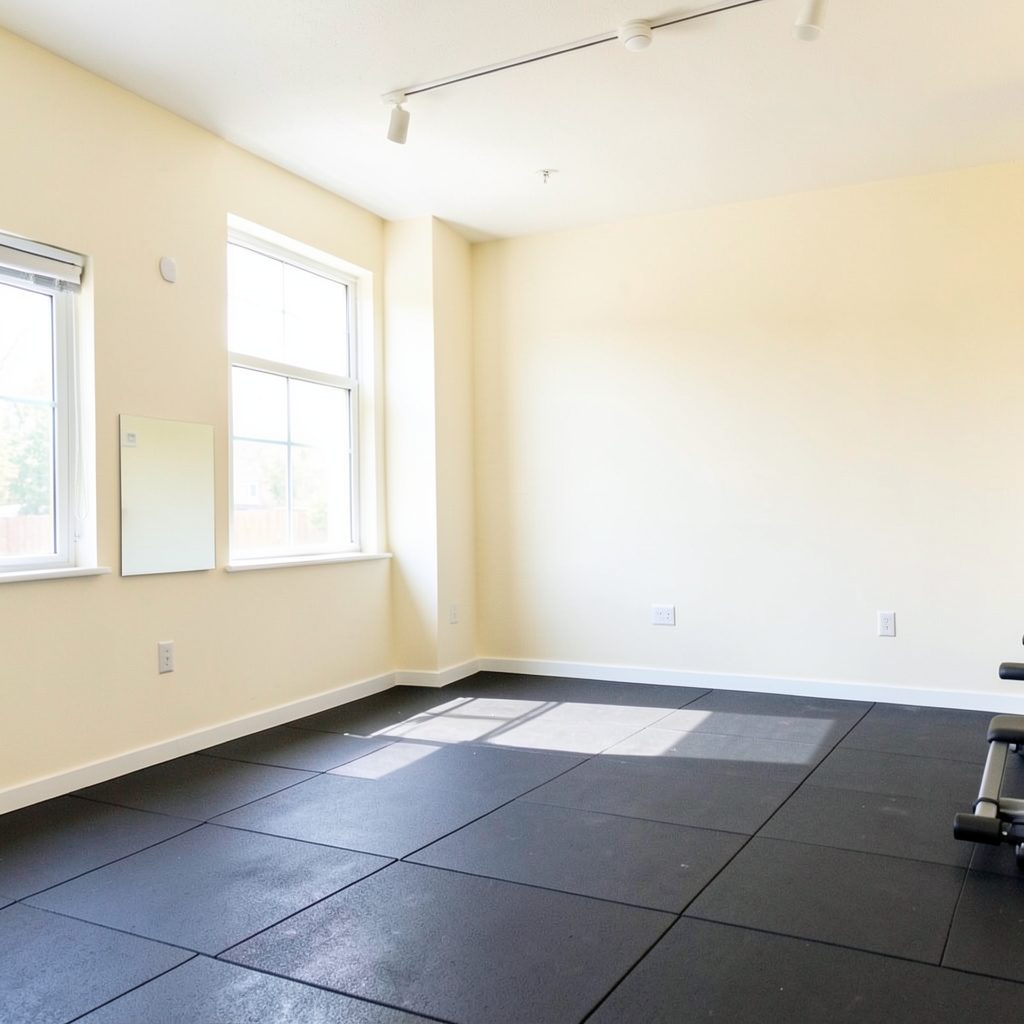
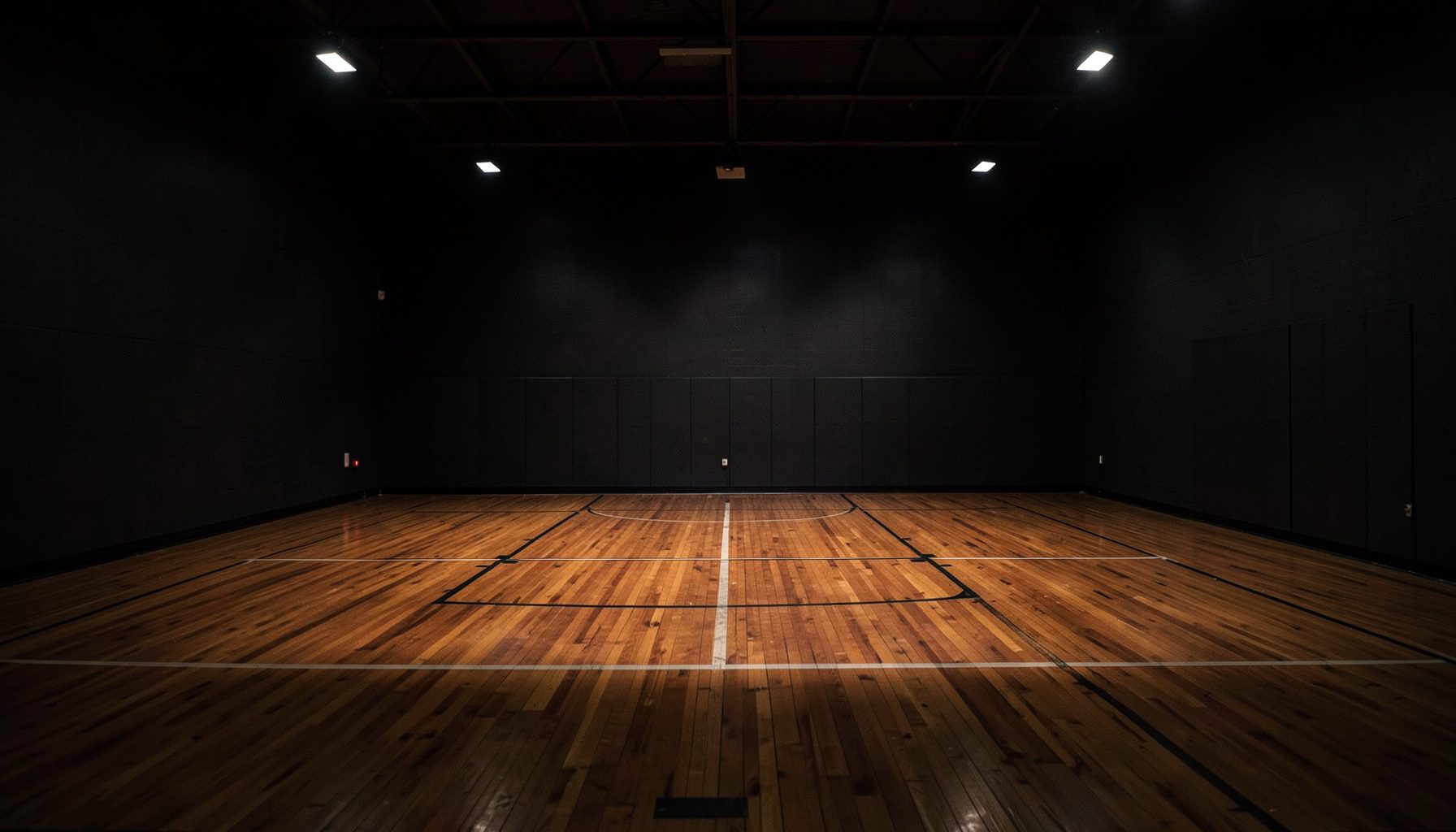
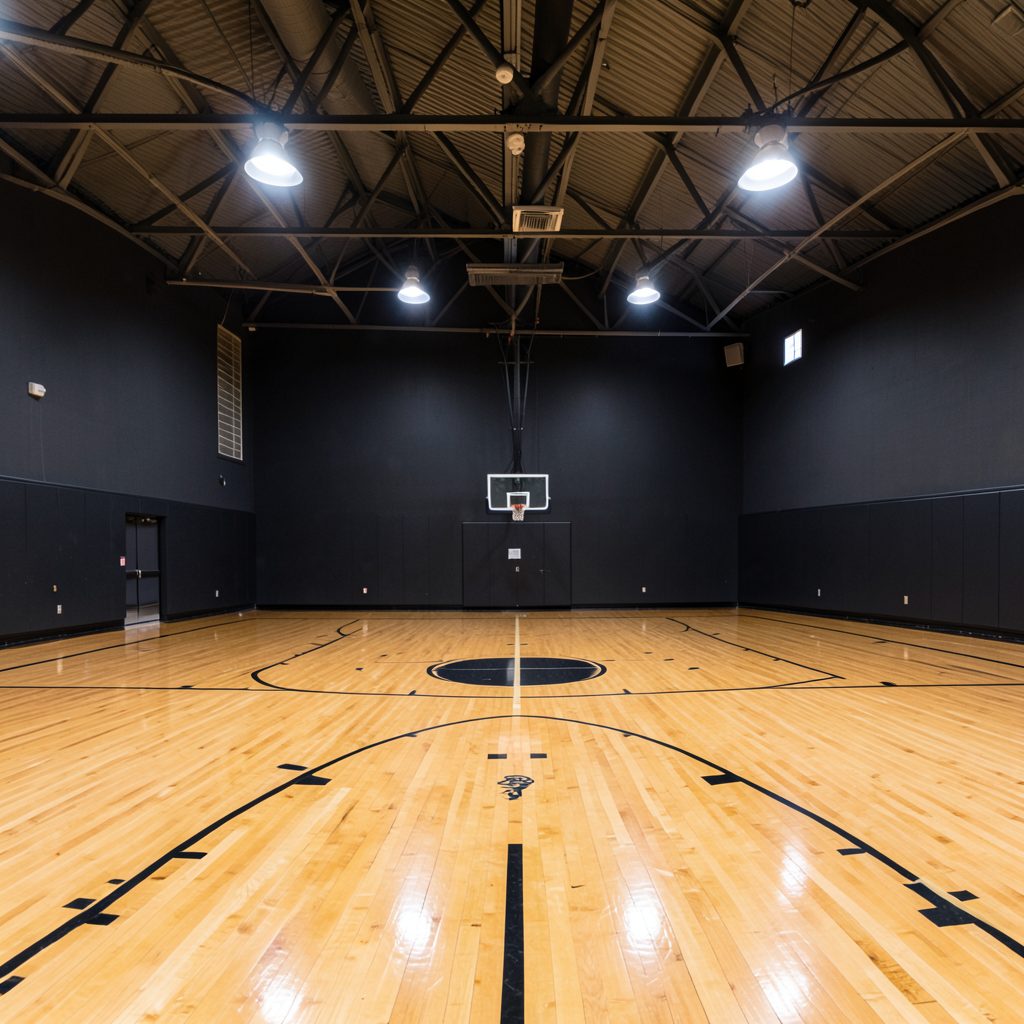
The Factory D1 Indy brings together three entities under one roof: competitive basketball leagues for all age groups, individual and group training, and wellness & recovery services including Normatec boot recovery and cryotherapy. Located off I-465 and High School Road at 6331 Crawfordsville Road, Speedway, Indiana 46224.
Get In TouchPicking the right basketball size for your child's age group
Selecting the correct basketball size is one of the simplest decisions a parent can make, yet it has a bigger impact on a young player's confidence and safety than most people realise. A ball that feels awkward in the hands slows learning, strains developing wrists, and can quietly turn a child away from the sport.
Aussie Hoops coaches, the junior entry point run by Basketball Australia, have long stressed that proper sizing is foundational. Drop a kid onto a full-sized NBL ball at a clinic in Brisbane or a school holiday camp in Perth and watch what happens — the focus shifts from shooting form to simply holding onto the rubber.
This guide walks through official sizing standards, how to check the fit at home, and the common mistakes worth sidestepping. Along the way, you'll find a quick comparison table and a path to register a young player for a league that uses age-appropriate equipment at each session.
Why the right ball size changes everything
A basketball is far more than a sphere of leather or composite cover. It is the primary tool a young athlete uses to build muscle memory, hand-eye coordination, and shooting mechanics. When that tool is the wrong weight or circumference, the drills a child performs reinforce habits that need to be broken later.
Younger players under eight rely heavily on forearm and wrist strength that is still maturing. Hoisting a size 7 ball — the regulation weight of 567 grams used in Sydney Kings games — over and over can overload those joints. Children also tend to compensate by pushing the ball with both hands rather than developing a proper shooting touch, a habit coaches frequently have to undo in early teen years.
Proper sizing also reduces injury risk. A ball too heavy for the child creates awkward landings after rebounds and contributes to finger jams when catching passes from a parent at the local driveway hoop in Adelaide or a community court in Parramatta. Lighter, smaller balls let children play longer, practise more often, and enjoy the sport — all critical for long-term participation in Australian basketball pathways.
Official size standards for junior players
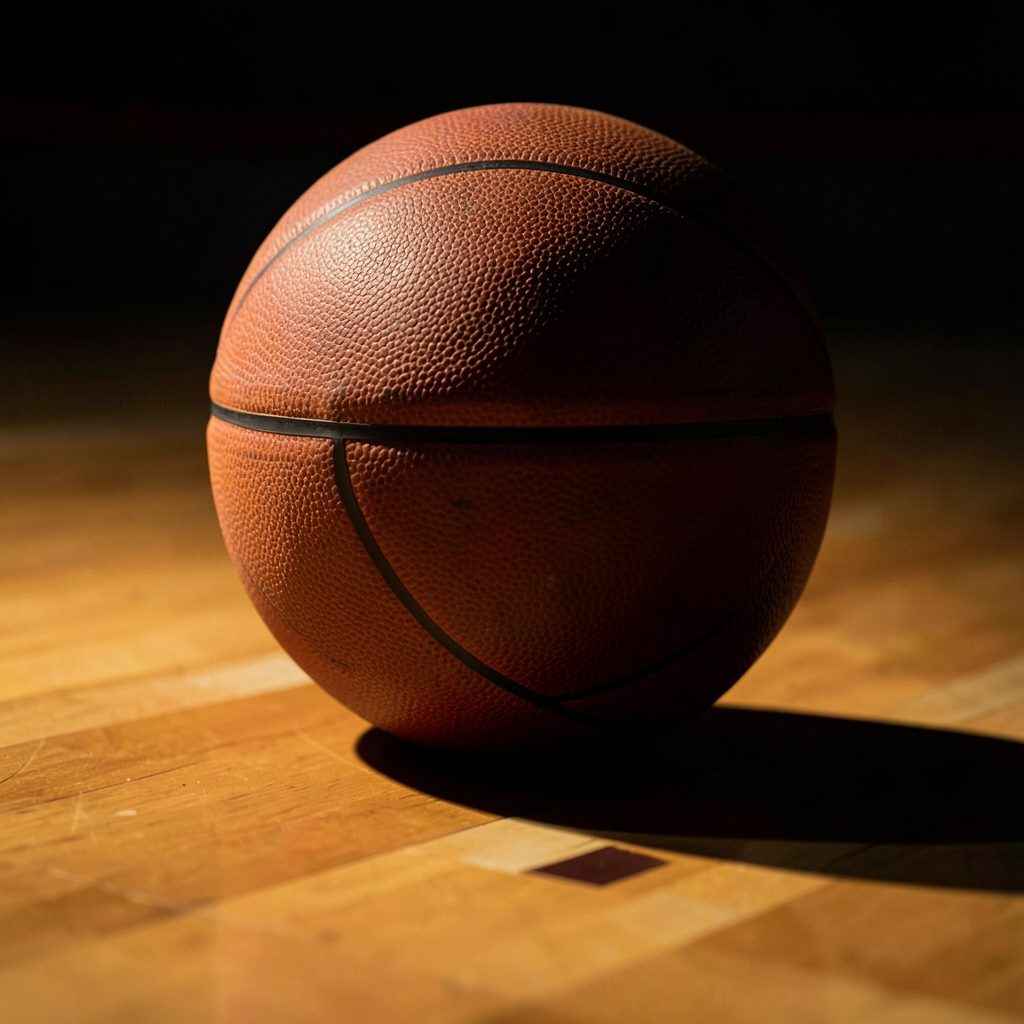
Basketball Australia's junior framework follows the international sizing chart used across most organised programs. The three core sizes for young players are size 5, size 6, and size 7, with size 4 occasionally used for the youngest beginners.
Size 5 is typically handed to children aged roughly 5 to 8. It has a circumference of about 69 centimetres and weighs between 470 and 500 grams. It is the ball used in the youngest Aussie Hoops divisions and similar introductory programs run by suburban Melbourne associations.
Size 6 is the standard women's and youth ball for ages 8 to 12, though many Australian community clubs reach for it earlier when girls transition into more structured competition. It measures around 72 centimetres in circumference and weighs roughly 510 to 567 grams. Most school competitions in Years 5 and 6 adopt size 6 once players move past introductory programs.
Size 7 is the regulation men's ball, 75 centimetres in circumference and 567 grams. Boys generally step up to it around age 13 to 15, depending on competition rules and physical development. Girls often remain on size 6 through senior secondary school unless they progress into elite NBL1 pathways, where size 7 becomes standard across senior competitions.
Testing the fit at home and at the court
Even with clear age guidelines, individual variation matters. Two ten-year-olds can differ significantly in hand size and grip strength, which is why a quick in-person check beats trusting the age range alone.
The simplest test is the spread-hand width method. Have the child hold the ball with one hand on top and one beneath, arms extended forward in a Y-shape. If the child can comfortably reach across and hold the ball steady for five seconds without shaking, the size is appropriate. If the ball droops or the child shifts to a single-hand grip out of fatigue, the ball is likely too heavy.
A second test involves a relaxed dribble. Stand about five metres back and watch the child dribble at half pace. The ball should rebound to roughly waist height without the child needing to swing the arm in a wide arc. A ball that rockets well above the waist or barely returns suggests the size is off. This test works particularly well on a quiet driveway in Hobart or a suburban backyard in Geelong where distractions are limited.
Finally, check the grip texture. Younger children often do better with a pebbled composite cover rather than a premium leather ball, since indoor composites offer more tackiness in cooler weather — relevant for parents in Melbourne or Canberra buying gear during winter. A slick leather ball feels like a bar of soap to small hands and turns shooting practice into a chase-the-ball exercise.
Mistakes parents commonly make
The most frequent error is sizing up too early because the child says they want "the real ball like the NBL pros use." That desire is understandable — kids often watch a Melbourne United highlight on YouTube and want to mimic it — but skipping sizes undermines the very skills those highlights require.
Another common slip is buying one ball for the whole family. Multi-sport households in suburban Brisbane often leave a single basketball in the garage, and parents hand it down without checking whether it suits the youngest user. Even a ball that is only one size too large can change shooting arcs and passing accuracy enough to discourage a beginner.
Parents also forget about inflation pressure. A ball pumped up to the maximum PSI feels hard and rebounds faster, making drills harder for small hands. Most junior balls perform best at around 7 to 9 PSI, though the exact figure is printed near the needle hole. A properly inflated junior ball should give slightly when squeezed firmly with both hands.
Building skills once the fit is right
Once the correct ball is in hand, children can focus on the technical work that matters at each stage. For younger kids, that means mastering the basic dribble, two-handed chest pass, and set shot from close range. Players aged 9 to 12 are ready for crossover work, jump stops, and layups off the dribble from both sides. Teenagers typically shift to perimeter shooting, off-ball cuts, and defensive footwork.
Drills that reinforce dribbling control benefit enormously from the right ball weight. Lighter balls reward quick hands and discourage upper-body strength compensations, building a foundation for advanced moves later. Working through a structured crossover dribble progression a few times each week is a strong way to translate proper sizing into actual game improvement on the court.
Joining a structured league reinforces everything practised at home. Organised competition exposes children to game-speed decision-making, referee whistles, and team concepts that solo practice cannot replicate. Many community centres and clubs across Australia run weekly grades using the correct size for each division, which removes guesswork for parents and gives children a fair environment to develop.
| Age Group | Basketball Size | Circumference | Approx. Weight | Typical Use in Australia |
|---|---|---|---|---|
| Under 8 | Size 5 | ~69 cm | 470–500 g | Aussie Hoops intro, school clinics |
| 8–12 years | Size 6 | ~72 cm | 510–567 g | Youth leagues, school comps, girls' pathways |
| 13+ years (boys) | Size 7 | ~75 cm | ~567 g | Senior school, NBL1, men's competitions |
| 13+ years (girls) | Size 7 | ~75 cm | ~567 g | Elite girls' pathways, senior women |
Choosing the right basketball is one piece of the puzzle. Pairing it with consistent practice, good coaching, and the right competitive environment completes the picture for young athletes across Australia and beyond. Parents ready to put the right size into action can register their child for a local season that matches their age group and skill level, and watch confidence grow with each new session on the court.
Inside The Factory
Three Entities, One Roof
Leagues
Eight league divisions span every age group: Indy Pro AM, 18+ Open Men's, 30+ Men's, Bite Size (ages 3–6), Impact League, 5th/6th Grade, Middle School, and High School. Gather your team and compete.
Training
Individual and group basketball training for all skill levels. Major M.O.V.E.S. Basketball Training serves ages 4–7 on Wednesday and Thursday evenings at 6:30 PM — $30 per session or $100 unlimited monthly.
Wellness & Recovery
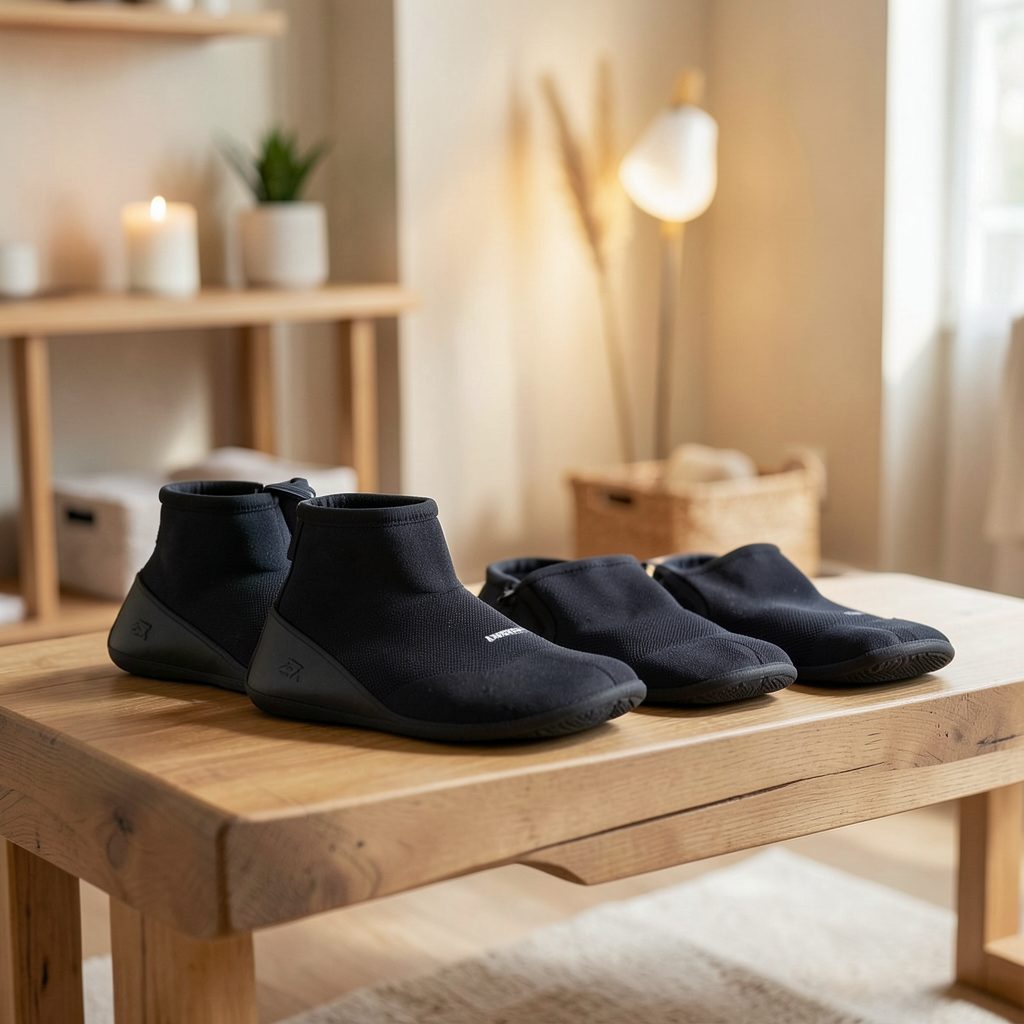
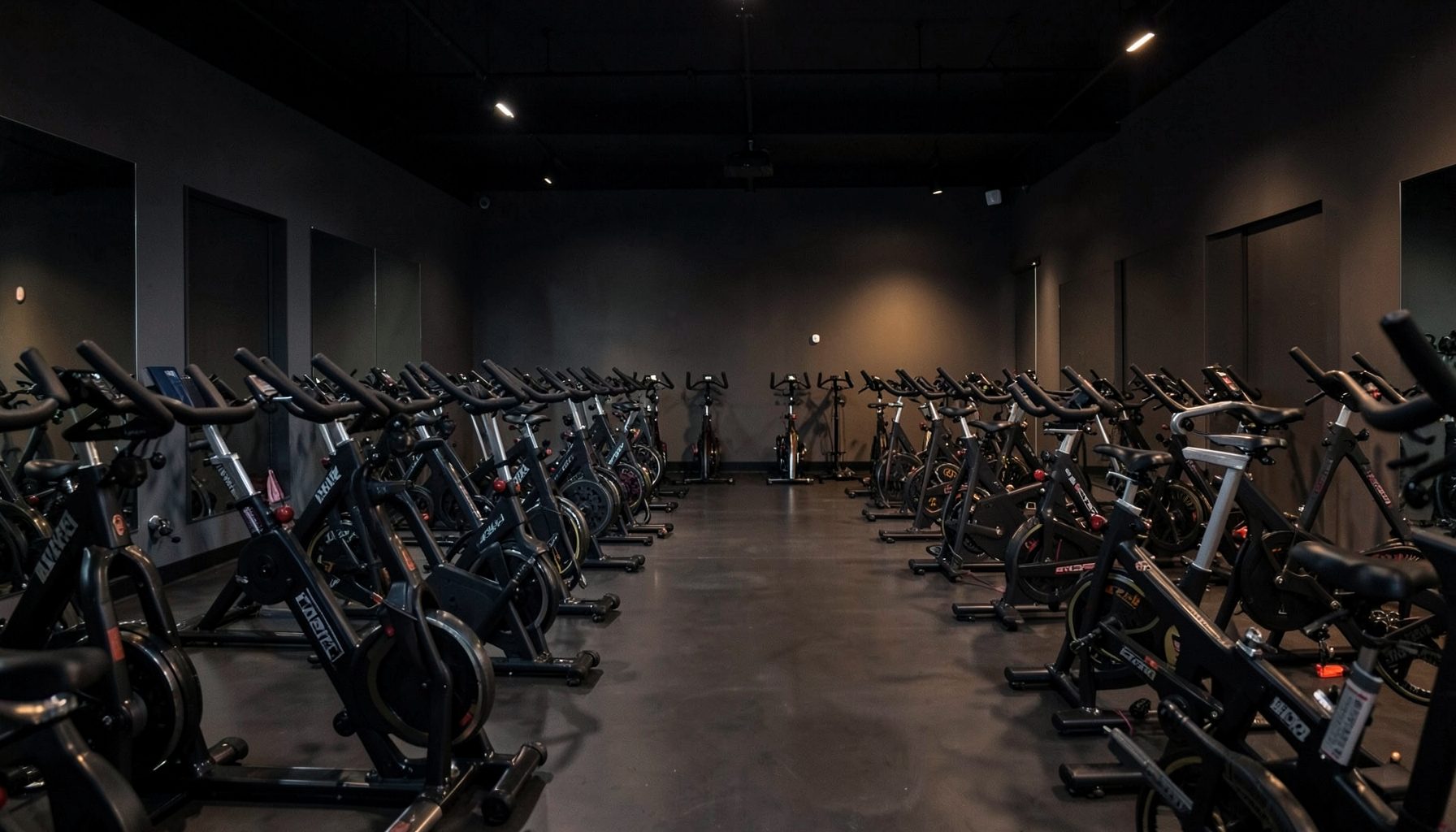
Normatec boot recovery and cryotherapy treatments help athletes bounce back faster. Cycle and spin classes add a cardio dimension to the holistic performance approach.
Have a Question?