Train. Compete. Recover.
A multi-purpose athletic facility in Speedway, Indiana — basketball leagues, skill training, and wellness services all under one roof.
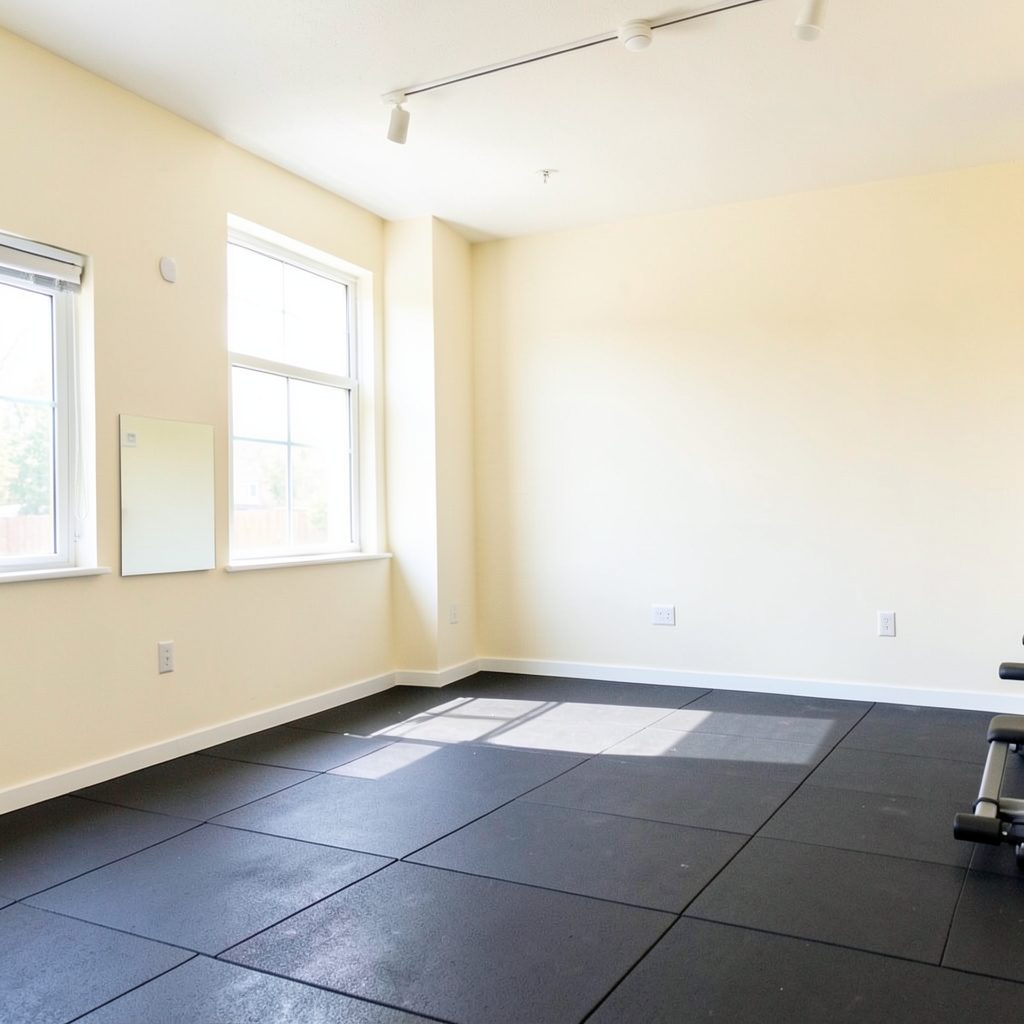
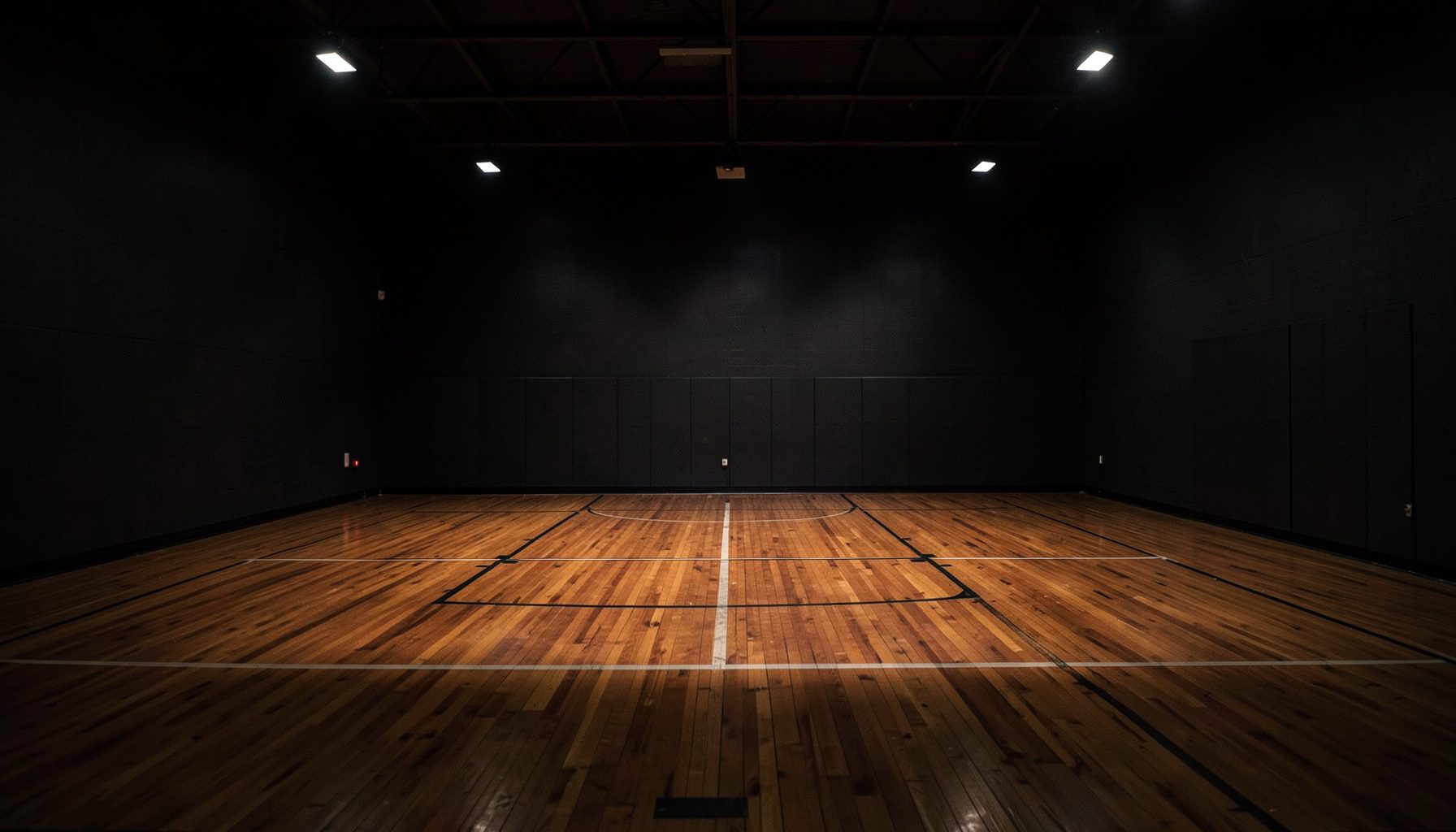
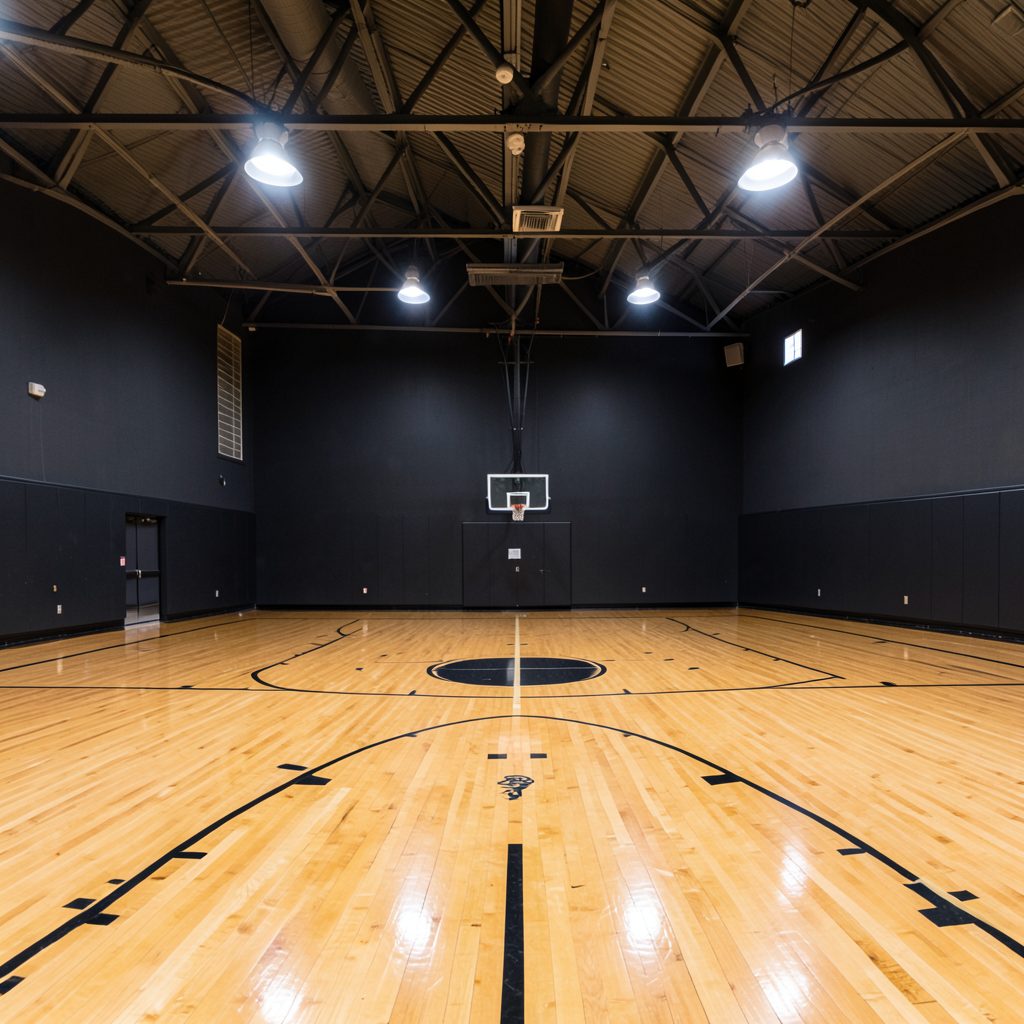
The Factory D1 Indy brings together three entities under one roof: competitive basketball leagues for all age groups, individual and group training, and wellness & recovery services including Normatec boot recovery and cryotherapy. Located off I-465 and High School Road at 6331 Crawfordsville Road, Speedway, Indiana 46224.
Get In TouchHow to Cool Down Properly After a Basketball Game
A basketball game can place repeated demands on nearly every part of the body. Sprinting, jumping, stopping, shuffling, and reaching raise your heart rate while loading the calves, quadriceps, hamstrings, hips, shoulders, and lower back. A thoughtful post-game routine helps your body shift gradually from intense competition toward rest.
Cooling down does not need to be complicated or lengthy. A few minutes of easy movement, followed by gentle mobility work, fluid replacement, and a recovery-focused meal or snack, can help you feel better later that evening and prepare you for the next practice or game.
For athletes at every level, the goal is consistency. Whether you play in a youth league, train individually, or compete in an adult division, making recovery part of basketball preparation can support movement quality and reduce the temptation to rush back into activity while feeling stiff.
Why the First Few Minutes Matter
When the final whistle blows, avoid stopping abruptly if the space and game schedule allow. Walk slowly around the court for three to five minutes, letting your breathing settle naturally. This light activity keeps the legs moving while your heart rate gradually decreases.
A gentle walk also gives you time to notice how your body feels. Pay attention to unusual pain, dizziness, sharp joint discomfort, or significant swelling. Ordinary fatigue and muscle heaviness are common after competition, but intense or persistent symptoms deserve attention from a qualified medical professional.
Use slow nasal inhales when comfortable and longer, relaxed exhales to reduce tension. There is no need to force deep breathing. The goal is to move from game-speed effort to a calm, controlled rhythm before beginning stretches or other recovery methods.
Rehydrate and Replace Energy
Sweat loss varies according to temperature, playing time, body size, clothing, and individual physiology. Start replacing fluids soon after the game, taking steady sips rather than rapidly drinking a large amount. Water may be sufficient after a shorter session, while a longer or especially sweaty game may call for electrolytes as well.
A post-game snack or meal should include carbohydrates and protein. Carbohydrates help replenish energy used during repeated sprints, while protein supplies building blocks for muscle repair. Options such as yogurt with fruit, a turkey sandwich, chocolate milk, a rice bowl, or a smoothie can work when appetite is limited.
Do not wait until you feel extremely thirsty to drink. Keep a bottle available during the drive home and continue hydrating with meals. Alcohol can interfere with sleep and fluid balance, so it is a poor choice when the priority is recovering for another training session.
Restore Mobility Without Forcing a Stretch
After walking and drinking, use gentle dynamic movements to keep your range of motion comfortable. Try ankle circles, slow leg swings, controlled hip rotations, shoulder rolls, and easy bodyweight squats. Perform each motion smoothly and stay within a pain-free range.
Static stretches can follow when your body is warm and your breathing has settled. Hold a mild stretch for approximately 20 to 30 seconds without bouncing. Focus on areas that worked hardest, including the calves, hip flexors, quadriceps, hamstrings, glutes, and upper back.
Stretching should create mild tension, not sharpness, tingling, or joint pain. You do not have to force flexibility immediately after a game. A useful resource on basketball stretches can help athletes choose movements that support the demands shared by court sports and cycling.
Choose Recovery Tools That Fit the Day
Different recovery methods serve different purposes. A cool shower may feel refreshing after a hot game, while a warm shower can help you relax later in the evening. Neither option replaces hydration, nutrition, sleep, or medical care, but either can be part of a comfortable routine.
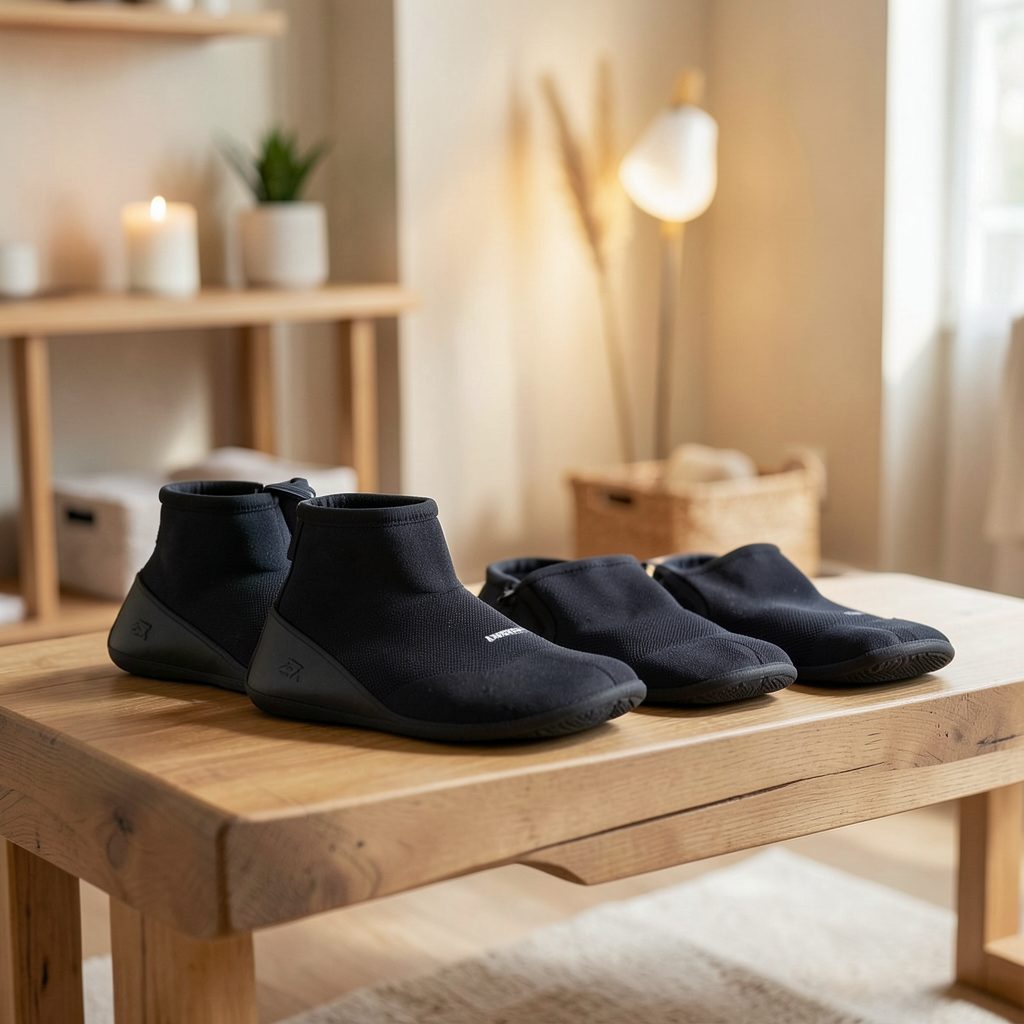
Compression garments and pneumatic compression systems may provide a sense of relief for tired legs. At a facility such as Factory D1 Indy, athletes can pair training with wellness services such as Normatec compression therapy and cryotherapy. These services should be treated as additions to a broader recovery plan rather than shortcuts around basic habits.
Sleep remains one of the most valuable recovery tools available. Aim for a consistent bedtime, reduce stimulating screen use before sleep, and give yourself enough time to recover between competition and the next demanding session. If games end late, a small snack, a shower, and a calm wind-down may be more useful than an elaborate routine.
| Recovery step | Main purpose | Practical approach |
|---|---|---|
| Easy walking | Gradually lowers activity level | Walk for three to five minutes after play |
| Fluid replacement | Replaces water and electrolytes lost through sweat | Sip water and consider electrolytes after heavy sweating |
| Carbohydrate and protein | Supports energy restoration and muscle repair | Eat a balanced snack or meal within a reasonable period |
| Gentle mobility | Maintains comfortable movement | Use controlled ankle, hip, shoulder, and leg motions |
| Static stretching | Eases post-game tightness | Hold mild stretches for 20 to 30 seconds |
| Sleep and relaxation | Supports whole-body recovery | Protect a consistent, sufficient sleep schedule |
Adjust the Routine to Your Workload
A short recreational game may require only a brief walk, hydration, and a few relaxed stretches. A tournament day, intense league matchup, or demanding skills workout calls for more deliberate recovery. In that situation, include a complete meal, longer mobility work, and additional attention to sleep.
The next-day plan matters too. If your legs feel heavy but there is no significant pain, light cycling, walking, or easy mobility may help you stay loose. Hard sprinting, maximal jumping, and another intense lower-body workout may be better postponed until your movement and energy feel normal.
Young athletes should learn the same principles without turning recovery into a source of anxiety. Coaches and parents can encourage water breaks, balanced food, gradual cool-down movement, and honest communication about pain. Older athletes may need extra recovery time because work, sleep, and previous injuries also affect readiness.
Build a Repeatable Post-Game Routine
A reliable sequence removes guesswork when you are tired. Begin before leaving the court, continue in the locker room or at home, and make the routine short enough that you will actually use it after every game.
Keep the emphasis on how you feel rather than chasing an ideal number of stretches or minutes. A routine that is comfortable, consistent, and appropriate for your workload is more valuable than an aggressive session that leaves you more irritated.
Use this checklist as a practical starting point:
- Walk slowly for three to five minutes while allowing your breathing to settle.
- Drink water gradually and add electrolytes when sweat loss has been substantial.
- Eat a snack or meal containing both carbohydrates and protein.
- Complete gentle mobility movements before using relaxed static stretches.
- Note any sharp pain, swelling, dizziness, or symptoms that do not improve.
A cool-down is also a useful time to review the game. Consider whether tightness came from limited warm-up time, new footwear, a change in workload, or a specific movement. This information can guide future training decisions without turning normal post-game fatigue into a diagnosis.
Basketball recovery works best when it is connected to the rest of an athlete’s schedule. Training, competitive leagues, cycle classes, strength work, wellness services, and rest all contribute to readiness. A community facility that supports several parts of that process can make healthy habits easier to maintain.
Make your next post-game routine intentional: walk before you sit, drink before fatigue becomes thirst, eat before the evening gets away from you, and give your muscles gentle movement rather than forcing them. Visit The Factory D1 Indy to explore basketball training, athletic programs, competition, and recovery resources that can support your goals on and off the court.
Inside The Factory

Three Entities, One Roof
Leagues
Eight league divisions span every age group: Indy Pro AM, 18+ Open Men's, 30+ Men's, Bite Size (ages 3–6), Impact League, 5th/6th Grade, Middle School, and High School. Gather your team and compete.
Training
Individual and group basketball training for all skill levels. Major M.O.V.E.S. Basketball Training serves ages 4–7 on Wednesday and Thursday evenings at 6:30 PM — $30 per session or $100 unlimited monthly.
Wellness & Recovery
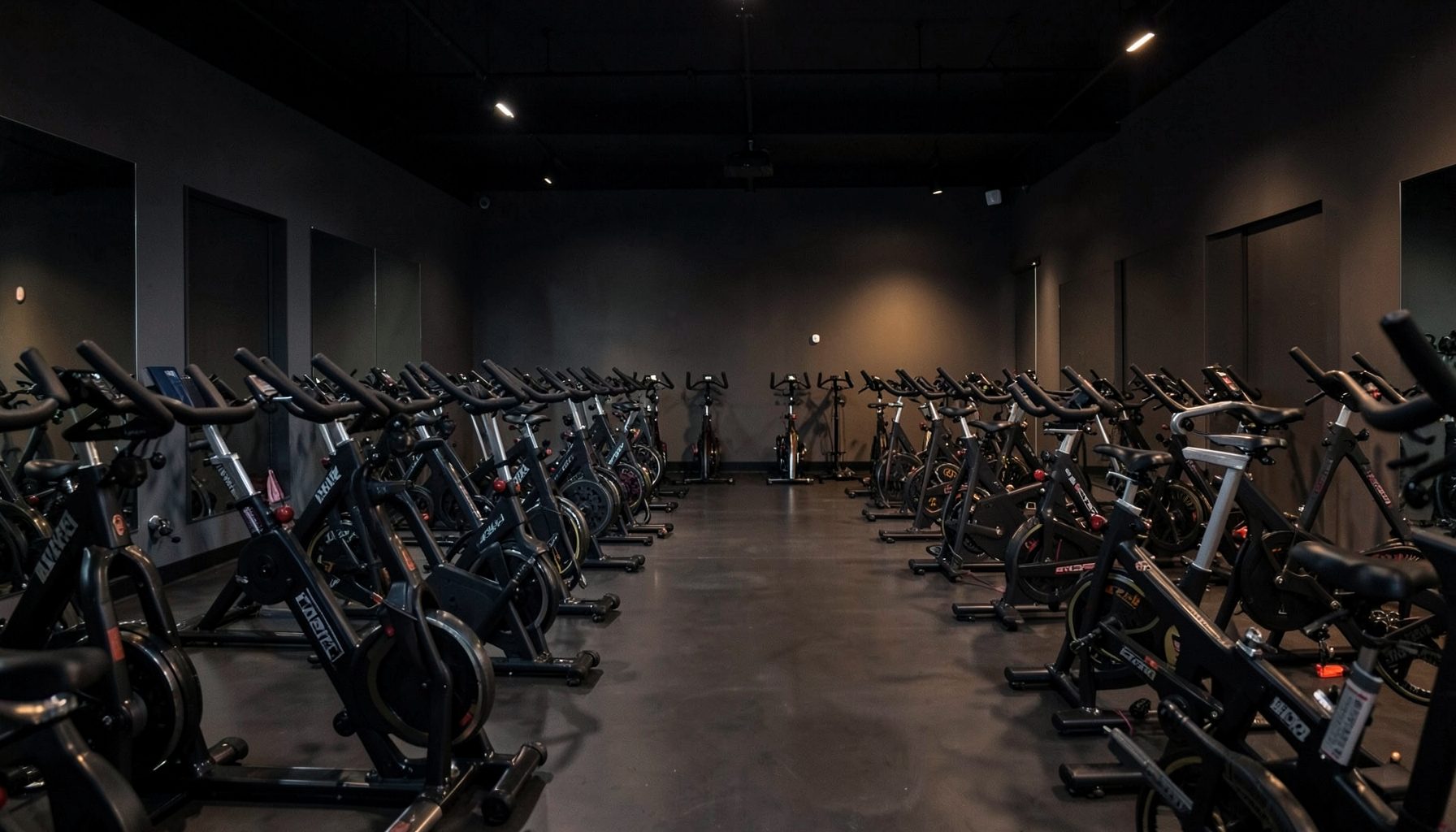
Normatec boot recovery and cryotherapy treatments help athletes bounce back faster. Cycle and spin classes add a cardio dimension to the holistic performance approach.
Have a Question?