Train. Compete. Recover.
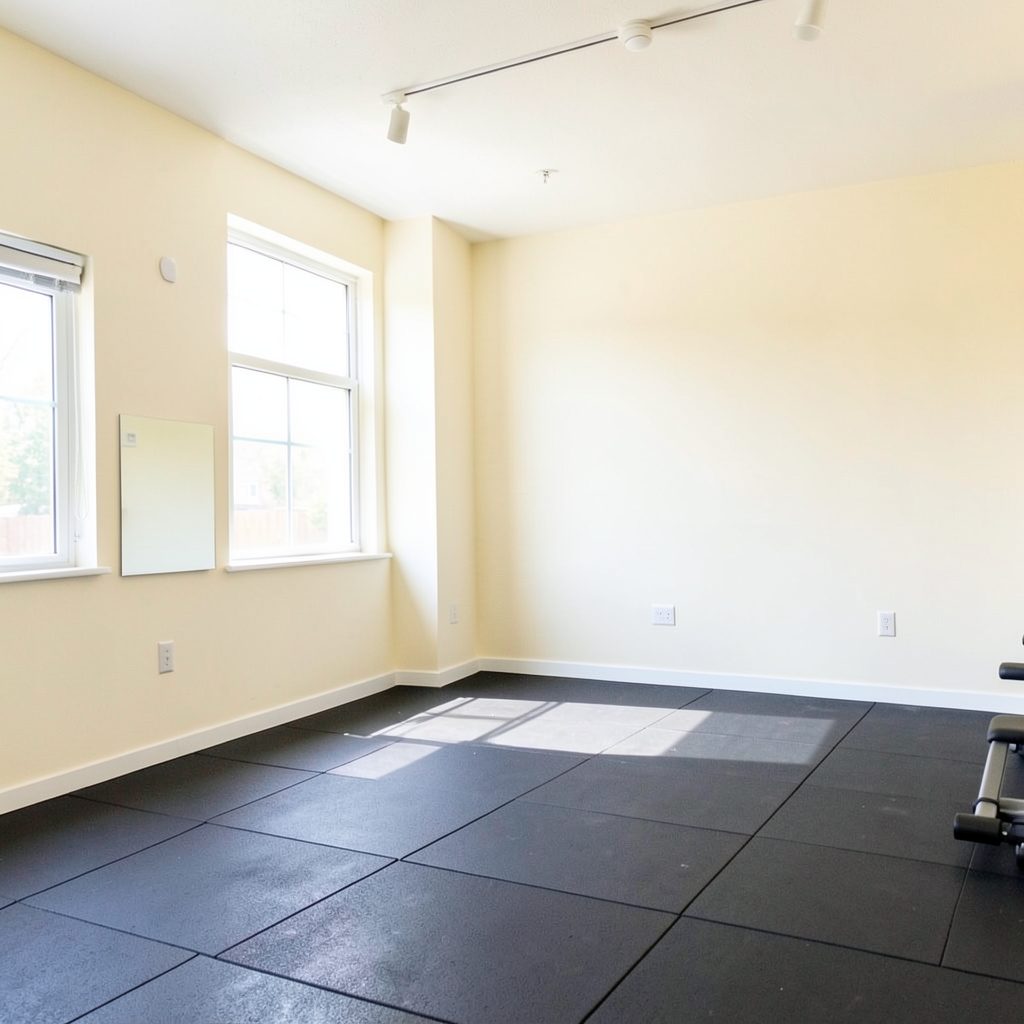
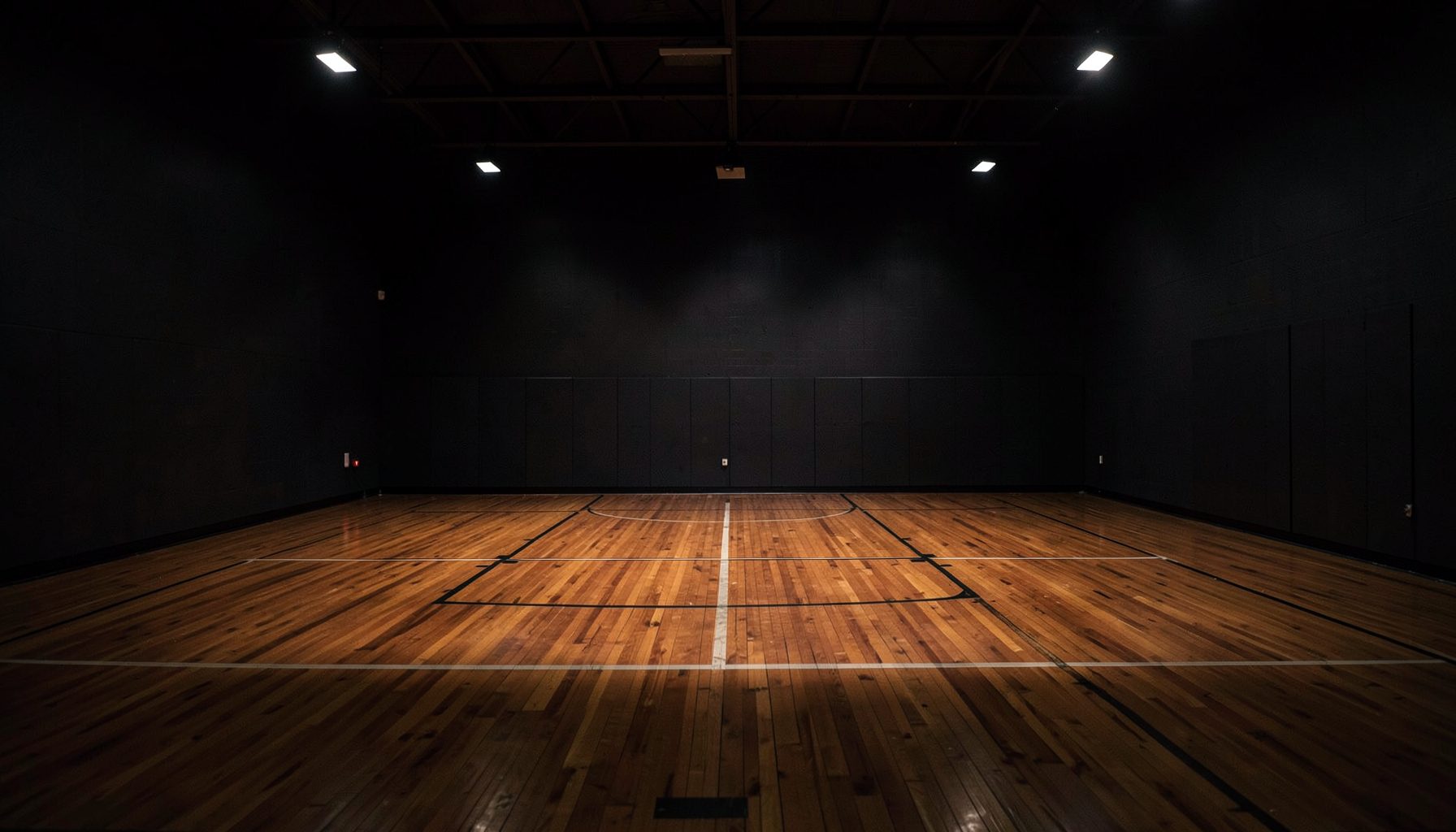
A multi-purpose athletic facility in Speedway, Indiana — basketball leagues, skill training, and wellness services all under one roof.
The Factory D1 Indy brings together three entities under one roof: competitive basketball leagues for all age groups, individual and group training, and wellness & recovery services including Normatec boot recovery and cryotherapy. Located off I-465 and High School Road at 6331 Crawfordsville Road, Speedway, Indiana 46224.
Get In TouchDevelop a Pre-Game Routine With Breathing and Visualisation
A useful pre-game routine turns scattered thoughts and physical tension into a repeatable sequence. It gives an athlete a clear bridge between arriving at the venue and taking the opening position. Developing a pre-game routine that includes breathing and visualisation can help the body settle while the mind prepares for what comes next.
Neither tool needs to be elaborate. A controlled breathing pattern can reduce unnecessary arousal, while a brief first-person image can sharpen attention. Together, they create a personal reset that remains useful whether the athlete is experienced, returning from injury or preparing for their first competitive game.
For basketball players in Australia, game-day conditions vary considerably. At community clubs around Melbourne, Sydney and Perth, athletes often move straight from work, school or university into a busy indoor venue. Hot summers, cold winter nights and wet weekends make heated or air-conditioned basketball centres important parts of the local sporting landscape. Grassroots basketball commonly relies on volunteer committees, parent volunteers and coaches, while memberships, casual court hire and development programs shape how players access training. Australian courtside language may describe nerves as having “a bit of a wobble” and concentration as being “locked in”, giving athletes practical terms for the mental shift a routine can support.
Make the routine simple and repeatable
Keep the whole pre-game process within eight to twelve minutes. A routine that is too long becomes another source of pressure, especially for youth players waiting for their first game. A shorter sequence is easier to remember, fits crowded change-room schedules and can still deliver the benefits of settling the body and focusing the mind.
A practical routine has three connected parts. Begin with a physical reset: check your equipment, take several relaxed breaths and start the dynamic warm-up. Move into mental preparation by visualising your first meaningful action on court. Finish with a short readiness cue, such as “respond” or “first step”, that tells you the preparation phase is over and game time has begun.
Time the routine against the actual game schedule rather than relying on vague arrival times. For example, arrive with enough time to change, complete a general warm-up and move into your personal reset before the official pre-game window begins. Practise the same sequence during training so every component feels familiar under pressure.
Use breathing to settle your nervous system
Breathing is the most portable part of any pre-game routine because it works while standing, sitting or walking through a busy venue. Start by breathing comfortably through the nose, allowing the chest and lower ribs to expand without forcing a deep breath. Then try a four-count inhale followed by a six-count exhale for five or six cycles. The longer exhale can encourage a calmer physical state without requiring dramatic or held breaths.
Match breathing to the stages of preparation. On arrival, take three slow exhales before checking the scoreboard or social media. During the warm-up, coordinate each exhale with a controlled movement such as a shoulder rotation or a step into a defensive stance. If nerves return during introductions, use one longer exhale to reset your attention rather than trying to eliminate the feeling immediately.
Breathing should complement, not replace, a basketball-specific warm-up. The Factory D1 Indy guide to flexibility and injury prevention explains how controlled flexibility can reduce strain while dynamic movement prepares the body to change direction. Keep each breath relaxed, stop if you feel lightheaded and return to normal breathing whenever necessary.
Visualise the next action, not the whole game
Effective visualisation is specific and personal. Picture the court from your own perspective, hear the sound of the ball and feel your feet positioned on the floor. Include the information you would actually use in a game, such as a teammate calling for a pass, a defender stepping towards you or a coach giving a tactical instruction.
Avoid building an imaginary highlight reel. Repeated images of a spectacular score or an opponent making a mistake can increase pressure and make realistic game situations feel less familiar. Instead, rehearse one complete sequence: receive the ball, scan the court, make a decision and respond. A short image focused on the next action gives the mind a practical task rather than an uncertain outcome.
Visualisation can also complement the calm, attention-focused work found in some yoga formats. Players who use yoga as cross-training can compare small-group yoga options to decide between guided group instruction and one-to-one coaching. Whether learned in a class or independently, the best visualisation takes less than two minutes and leaves you feeling prepared to react.
Account for travel, recovery and game-day conditions
Travel can disrupt a routine before a player even reaches the gym. Australian competitions may involve long drives between cities, regional tournaments or congested metropolitan traffic. Build your sequence around small cues that work anywhere: feet on the floor, shoulders relaxed, one slow exhale and one clear image of your first action. Consistency matters more than a perfect routine performed only at home.
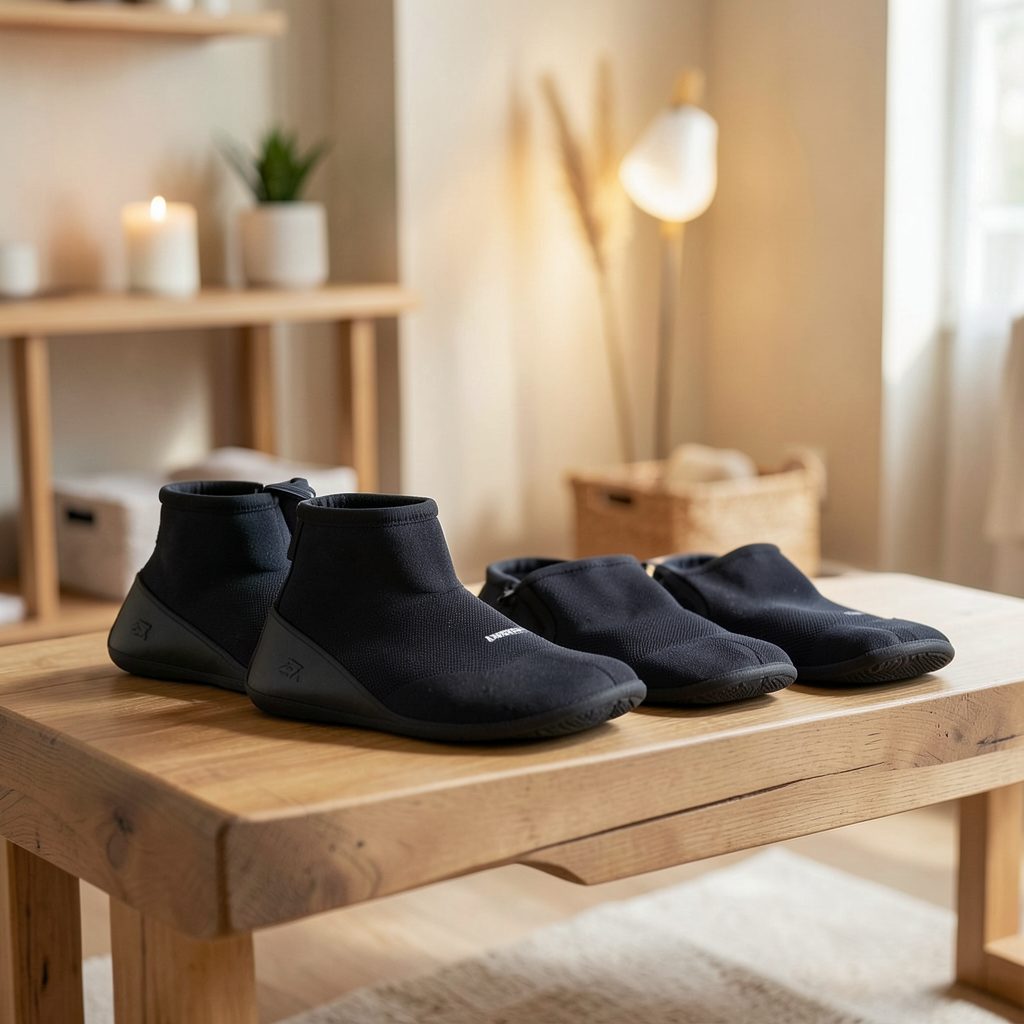
Broader recovery support is also available at facilities such as The Factory D1 Indy, whose wellness and recovery services include Normatec compression and cryotherapy. These services can support an athlete’s wider training and recovery plan, but they should not replace a structured warm-up or be added immediately before tip-off without appropriate guidance from trained staff.
For youth games, include parents and volunteers in the timing plan. Young players need time to change, speak with a coach and move away from a noisy waiting area before beginning a breathing exercise. Keep food and hydration familiar, arrive early enough to avoid rushing and use the same cue every game. A portable routine reduces the mental effort required to feel ready.
Turn the routine into a repeatable match-day habit
Test the sequence during several training sessions before relying on it in competition. After each session, note whether breathing settled the body, whether the visualisation felt clear and whether the readiness cue helped you focus. Keep the elements that work and remove anything that adds confusion or takes too much time.
| Breathing reset | Visualisation rehearsal |
|---|---|
| Main purpose | Settle physical tension and unnecessary arousal |
| Best moment | On arrival and during the warm-up |
| Simple method | Four-count inhale, six-count exhale, repeated slowly |
| Readiness signal | Shoulders drop and the exhale feels controlled |
Choose your reset now: one four-count inhale, one six-count exhale and one first-person image of your next possession. Take the first long exhale as you begin your warm-up, use the same cue at your next training session and carry that sequence into your next game.
Inside The Factory

Three Entities, One Roof
Leagues
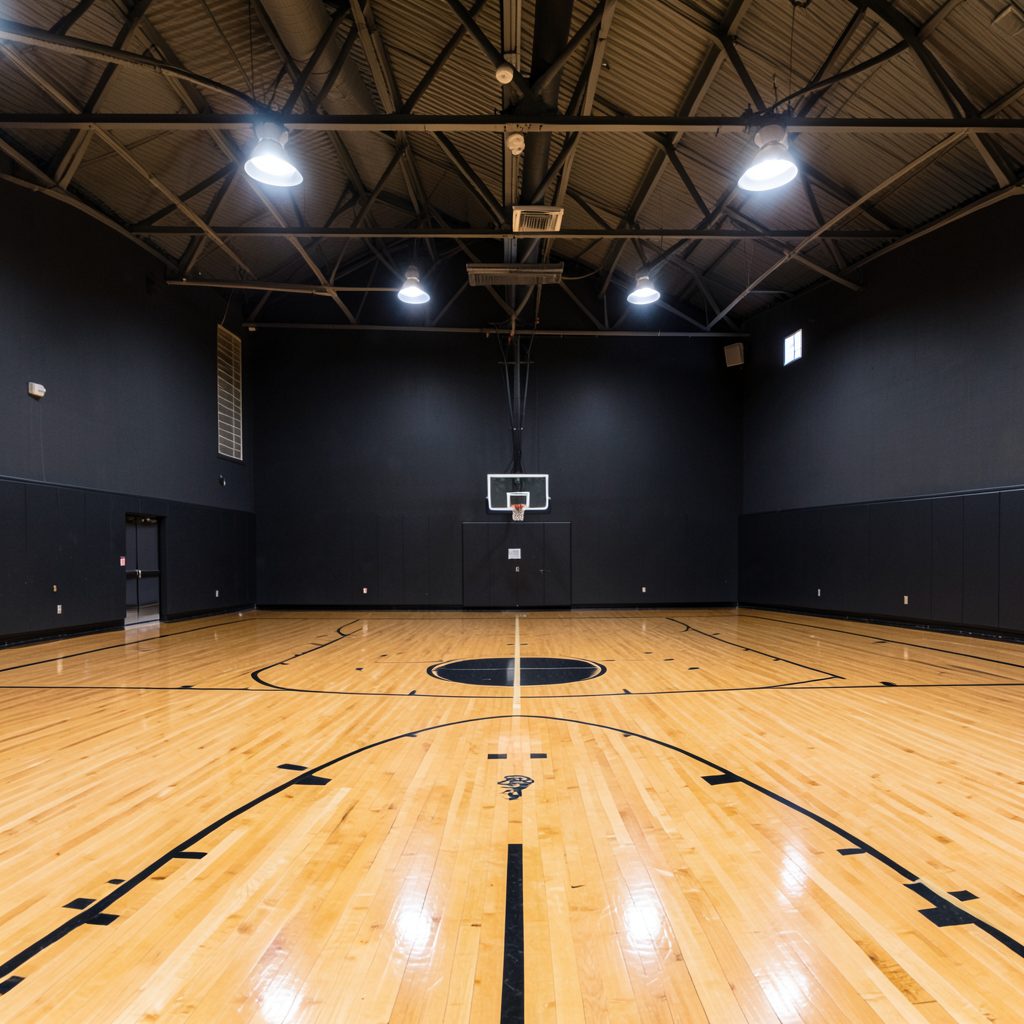
Eight league divisions span every age group: Indy Pro AM, 18+ Open Men's, 30+ Men's, Bite Size (ages 3–6), Impact League, 5th/6th Grade, Middle School, and High School. Gather your team and compete.
Training
Individual and group basketball training for all skill levels. Major M.O.V.E.S. Basketball Training serves ages 4–7 on Wednesday and Thursday evenings at 6:30 PM — $30 per session or $100 unlimited monthly.
Wellness & Recovery
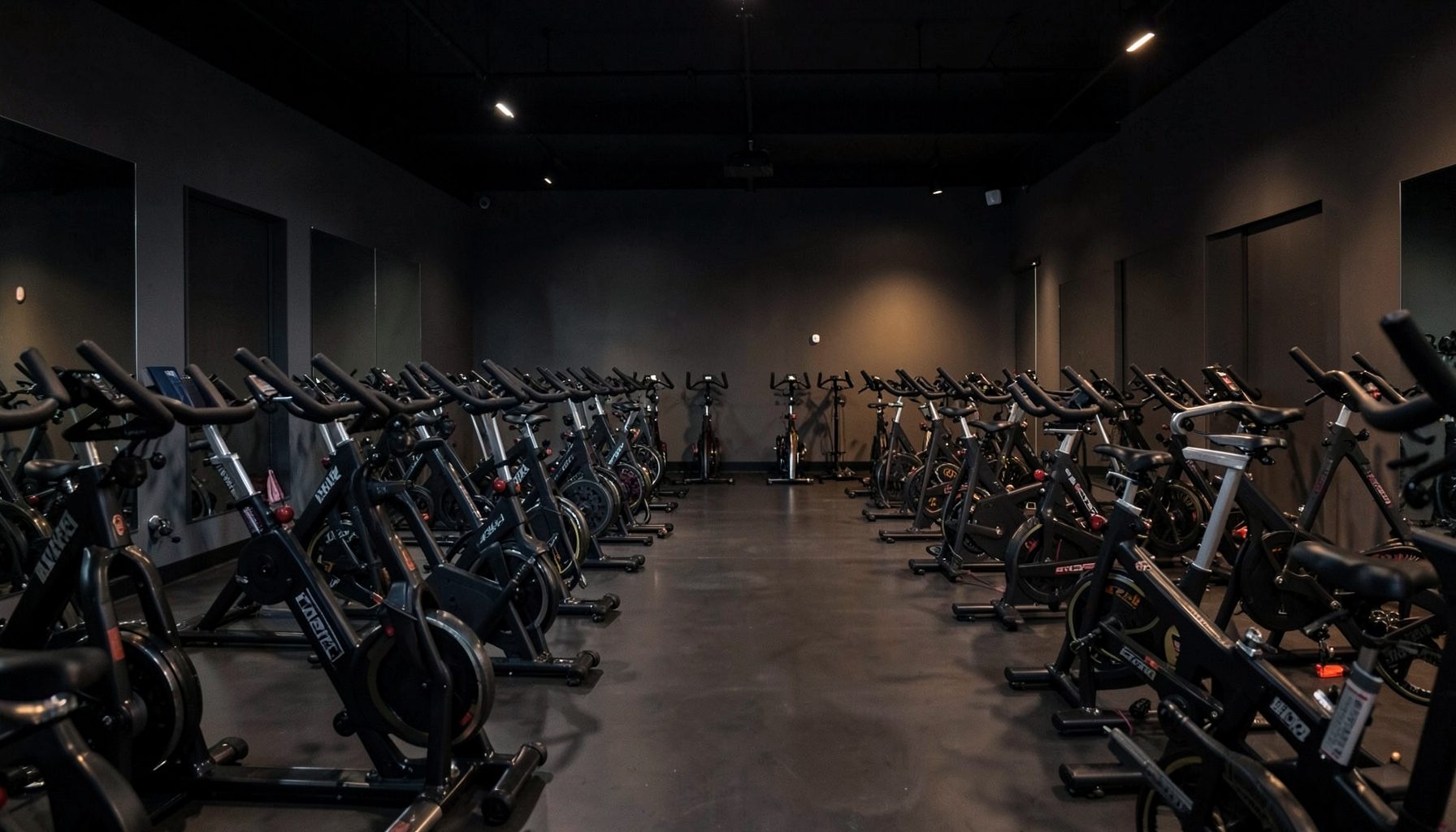
Normatec boot recovery and cryotherapy treatments help athletes bounce back faster. Cycle and spin classes add a cardio dimension to the holistic performance approach.
Have a Question?