Train. Compete. Recover.
A multi-purpose athletic facility in Speedway, Indiana — basketball leagues, skill training, and wellness services all under one roof.
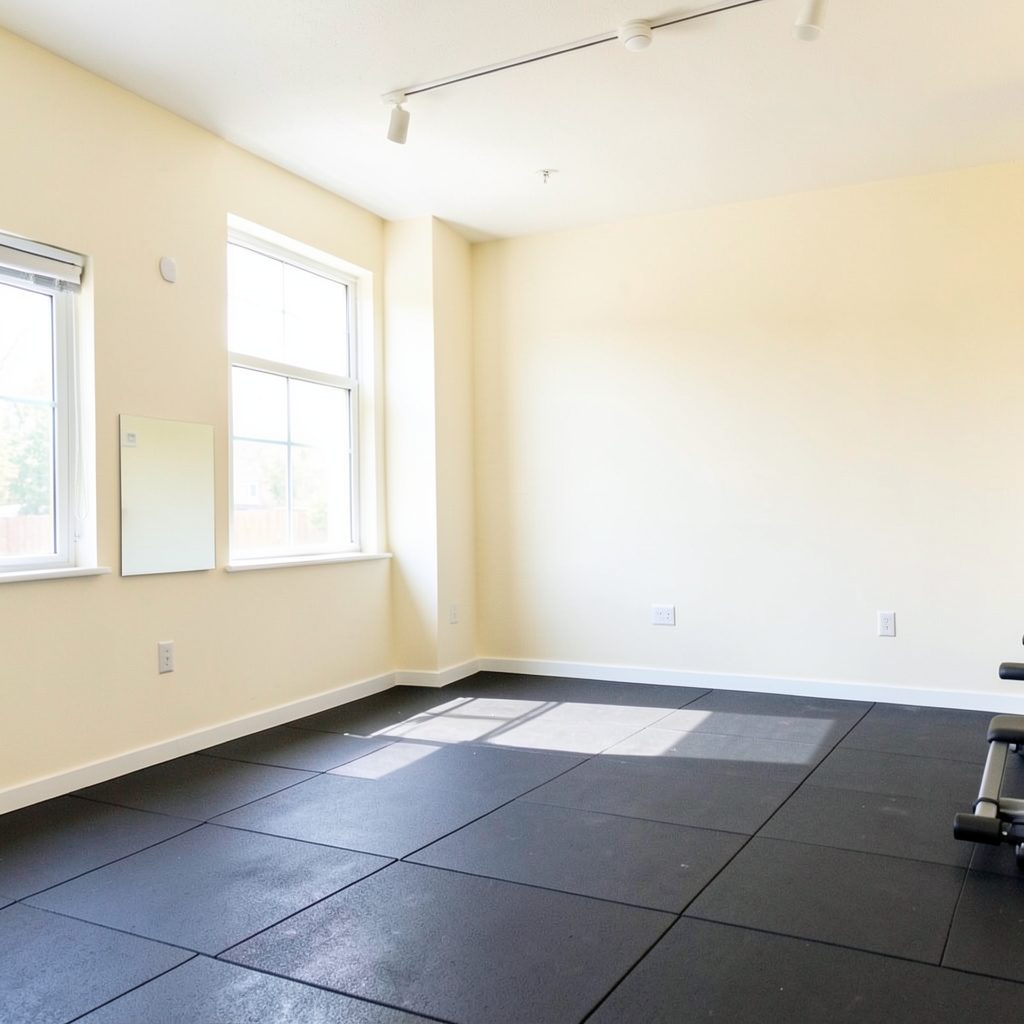
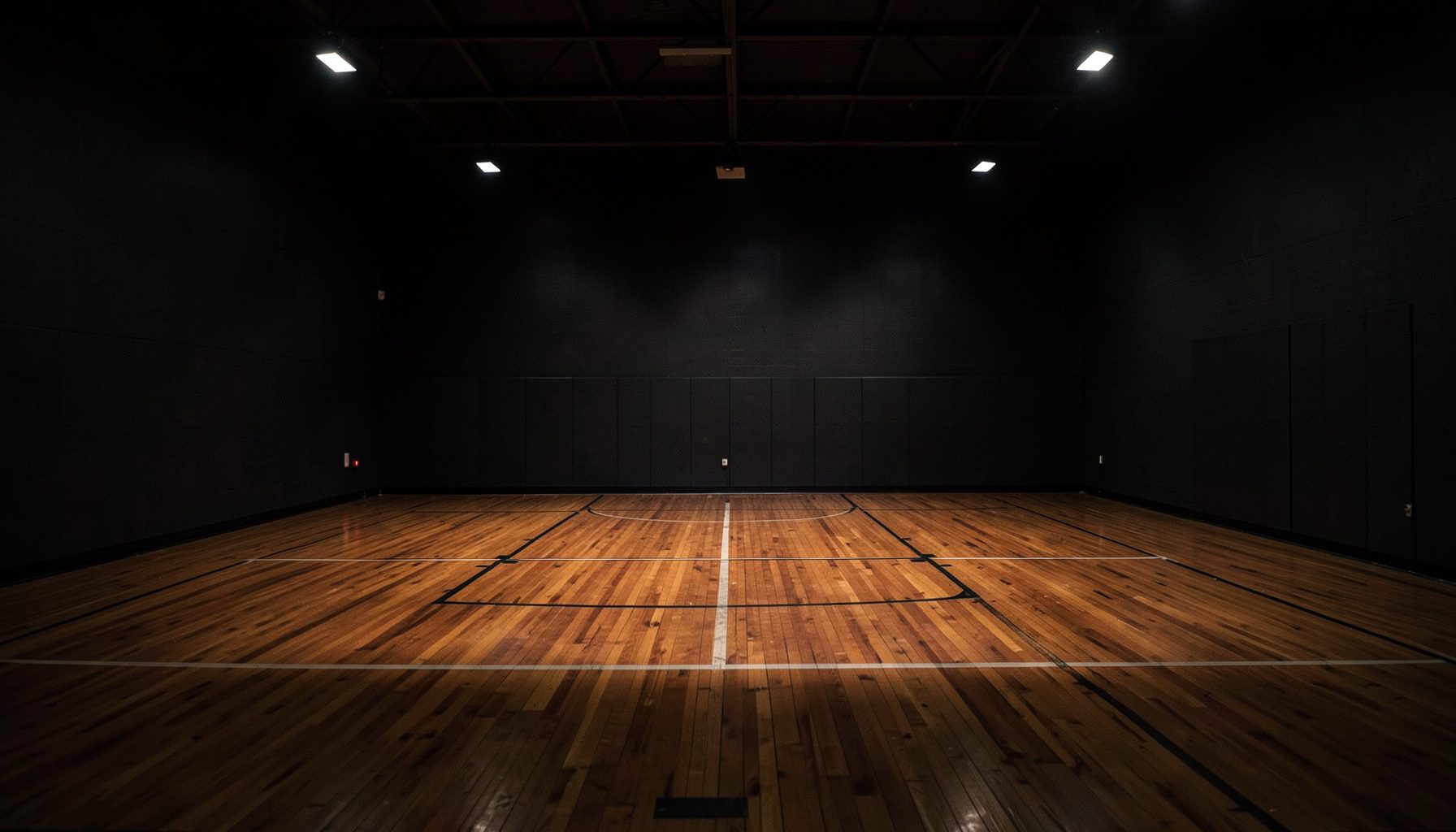
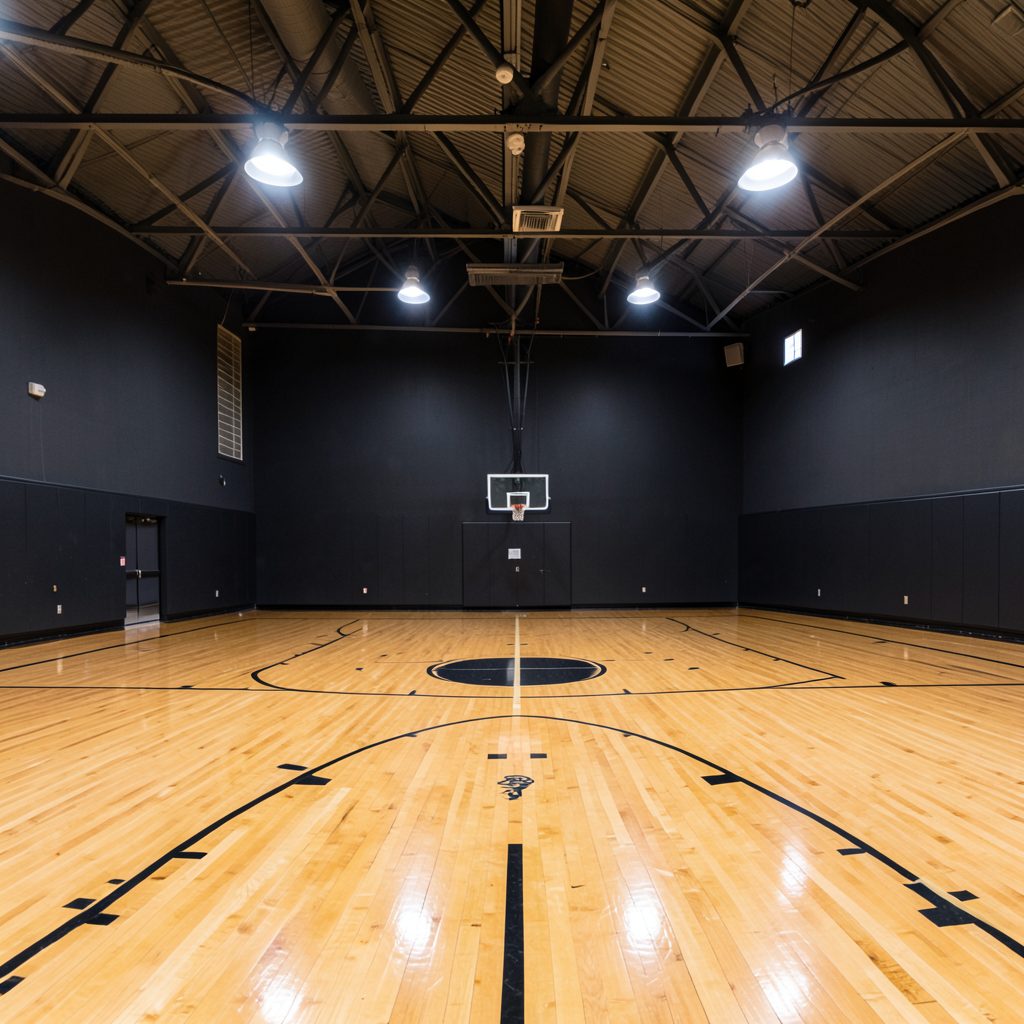
The Factory D1 Indy brings together three entities under one roof: competitive basketball leagues for all age groups, individual and group training, and wellness & recovery services including Normatec boot recovery and cryotherapy. Located off I-465 and High School Road at 6331 Crawfordsville Road, Speedway, Indiana 46224.
Get In TouchHow Flexibility Helps Prevent Basketball Strains
Basketball demands repeated acceleration, sudden stops, sharp cuts, jumps, and awkward landings. Each movement asks muscles and joints to work through changing ranges of motion while the athlete maintains balance and control. When the body cannot access the movement it needs, nearby tissues may absorb excessive stress, increasing the chance of a strain.
Flexibility supports this process by allowing muscles, tendons, and joints to move with less restriction. It works alongside strength, coordination, balance, and conditioning rather than replacing them. A mobile athlete can often get into better positions during defensive slides, takeoffs, rebounds, and decelerations.
For young players, recreational athletes, and experienced competitors, regular mobility work can make training more consistent. It may also help athletes recognize stiffness before it develops into altered movement or discomfort. The goal is useful, controlled range of motion that transfers directly to basketball.
Why basketball strains happen
A muscle strain occurs when muscle fibers or the connecting tendon are overstretched or forced to produce more force than they can safely manage. Basketball commonly places stress on the hamstrings, quadriceps, calves, hip flexors, and groin muscles. Sprinting, jumping, and sudden changes of direction can expose these areas to high loads in a fraction of a second.
Limited flexibility can contribute to that risk when an athlete reaches the edge of available motion too quickly. A stiff hip may cause the lower back or knee to compensate. Tight calves can affect landing mechanics and ankle movement. Restricted hamstrings may make it harder to control a deceleration or maintain a strong position while defending.
Fatigue adds another layer. As players tire, they may lose posture, shorten or lengthen their stride unpredictably, and rely on tissues that are already under strain. Mobility training does not eliminate injury risk, but it can support more efficient movement when paired with progressive strength work and appropriate recovery.
Dynamic mobility before practice
The best pre-basketball flexibility routine usually involves dynamic movements rather than long, relaxed holds. Dynamic mobility gradually raises body temperature while rehearsing the ranges and positions used in play. Examples include walking lunges with a reach, leg swings, ankle rocks, lateral lunges, and controlled hip rotations.
A useful warm-up should progress from general movement to basketball-specific actions. Players might begin with easy jogging, then add skips, shuffles, and backpedaling before moving into defensive slides, closeouts, and controlled accelerations. This sequence prepares the nervous system as well as the muscles.
Dynamic work should feel purposeful, not rushed. Athletes should move smoothly and stop short of painful ranges. Bouncing aggressively into a stretch can create unnecessary tension, especially when the body is still cold. Five to ten minutes of consistent movement can prepare the hips, ankles, hamstrings, and shoulders for more demanding drills.
Static stretching and post-training recovery
Static stretching can be useful after practice or during a separate mobility session. It involves holding a comfortable position for a set period, allowing a muscle group to gradually relax. Common choices include calf, quadriceps, hip flexor, hamstring, and adductor stretches.
Post-training stretching should not become a competition to reach the deepest position. A mild pulling sensation is generally more appropriate than sharp pain, tingling, or joint pressure. Controlled breathing can help athletes avoid bracing and reduce the tendency to force a range of motion.
Flexibility gains are usually built over time through frequent, manageable sessions. Two minutes of random stretching once a week is unlikely to change movement quality. Short routines performed after training, on recovery days, or during supervised mobility sessions are easier to maintain and can complement soft-tissue work, hydration, sleep, and sound training loads.
| Area of focus | Basketball demand | Mobility goal | Useful movement examples |
|---|---|---|---|
| Ankles and calves | Landing, sprinting, defensive stance | Allow the knee to travel over the foot with control | Ankle rocks, calf raises, bent-knee calf stretches |
| Hips | Cutting, squatting, lateral defense | Support rotation, flexion, and stable positioning | Hip rotations, lateral lunges, 90/90 transitions |
| Hamstrings | Sprinting, deceleration, reaching | Improve posterior-chain movement without forcing range | Leg swings, hinge patterns, gentle static stretches |
| Quadriceps and hip flexors | Jumping, running, upright posture | Reduce front-of-hip restriction | Walking lunges, split-stance mobility |
| Groin and adductors | Defensive slides, open-step cuts | Permit controlled side-to-side movement | Adductor rocks, lateral lunges, Copenhagen exercises |
Mobility must work with strength
Flexibility provides access to motion, while strength helps an athlete control that motion. A player may be able to reach a deep squat position, for example, but still lack the leg and trunk strength to stabilize there during a rebound. The safest movement usually comes from usable range rather than passive range alone.
Strength training for strain prevention should address both major muscle groups and smaller stabilizers. Hamstring bridges, Romanian deadlifts, split squats, calf raises, lateral step-downs, and controlled single-leg exercises can improve force production and coordination. Eccentric exercises, which challenge muscles as they lengthen, are particularly valuable for sprinting and deceleration demands.
Mobility and strength can be combined in the same session. An athlete might perform ankle mobility before a squat pattern, then strengthen the legs through that improved position. Over time, this approach teaches the body to own its range of motion instead of simply stretching into a position it cannot control.
Flexibility for jumping and landing
Jump training places significant demands on the ankles, knees, hips, and trunk. Athletes need enough mobility to load the legs before takeoff and absorb force after landing. Restricted ankle or hip motion may encourage stiff, upright landings, excessive knee collapse, or uneven weight distribution.
Plyometric drills should begin with landing quality before athletes chase height or speed. Snap-downs, low pogo jumps, squat jumps, and stick landings can teach quiet feet, bent knees, and stable hips. The number of repetitions should remain appropriate for the player’s age, training history, and current fatigue.
Flexibility is especially useful when paired with progressive jumping practice. Athletes looking to develop more explosive movement can review plyometric jump training while paying close attention to ankle, hip, and hamstring mobility. A higher jump is valuable only when the athlete can also land and recover safely.
Recognizing individual mobility needs
Not every basketball player needs the same flexibility routine. One athlete may have limited ankle dorsiflexion, while another has stiff hip flexors from long periods of sitting. Some players are naturally mobile but lack stability, making additional stretching less useful than strengthening and control drills.
Simple movement screens can reveal differences between sides. Compare the depth and comfort of a bodyweight squat, the smoothness of a single-leg hinge, and the ability to perform a controlled lunge. Notice whether the knees track consistently, whether the heels stay grounded, and whether one side produces pain or obvious compensation.
Persistent pain, swelling, bruising, weakness, or a sudden loss of movement should not be treated as ordinary tightness. These signs deserve assessment by a qualified healthcare professional. Coaches and trainers can help modify activity, but they should not diagnose an injury or push an athlete through sharp discomfort.
Practical habits for safer movement
A flexibility routine becomes more effective when it fits naturally into the athlete’s schedule. Players can use a brief dynamic warm-up before every basketball session, then reserve longer static stretches and recovery work for after training or on lighter days.
The following habits provide a practical starting point:
- Warm up with dynamic mobility before sprinting, jumping, or live play.
- Give extra attention to the ankles, hips, hamstrings, quadriceps, and groin.
- Pair stretching with strength exercises that build control in the new range.
- Increase training volume gradually instead of combining intense workouts with sudden tournament demands.
- Stop and report sharp pain, unusual weakness, swelling, or persistent soreness.
At a multi-purpose facility, mobility can be integrated with skills training, conditioning, and recovery rather than treated as an isolated task. This makes it easier to connect flexibility with the movements athletes actually use during practices and games.
Build a consistent mobility routine
Preventing basketball strains is a long-term process built from small decisions: preparing thoroughly, moving through controlled ranges, strengthening vulnerable areas, and allowing enough recovery between demanding sessions. Flexibility is most useful when it improves technique and helps the athlete stay balanced under pressure.
The Factory D1 Indy supports athletes through basketball training, competitive programs, conditioning opportunities, and recovery services designed for different ages and experience levels. To learn more about available programs or arrange a visit, contact the facility and make mobility part of a complete approach to basketball performance.
Inside The Factory

Three Entities, One Roof
Leagues
Eight league divisions span every age group: Indy Pro AM, 18+ Open Men's, 30+ Men's, Bite Size (ages 3–6), Impact League, 5th/6th Grade, Middle School, and High School. Gather your team and compete.
Training
Individual and group basketball training for all skill levels. Major M.O.V.E.S. Basketball Training serves ages 4–7 on Wednesday and Thursday evenings at 6:30 PM — $30 per session or $100 unlimited monthly.
Wellness & Recovery
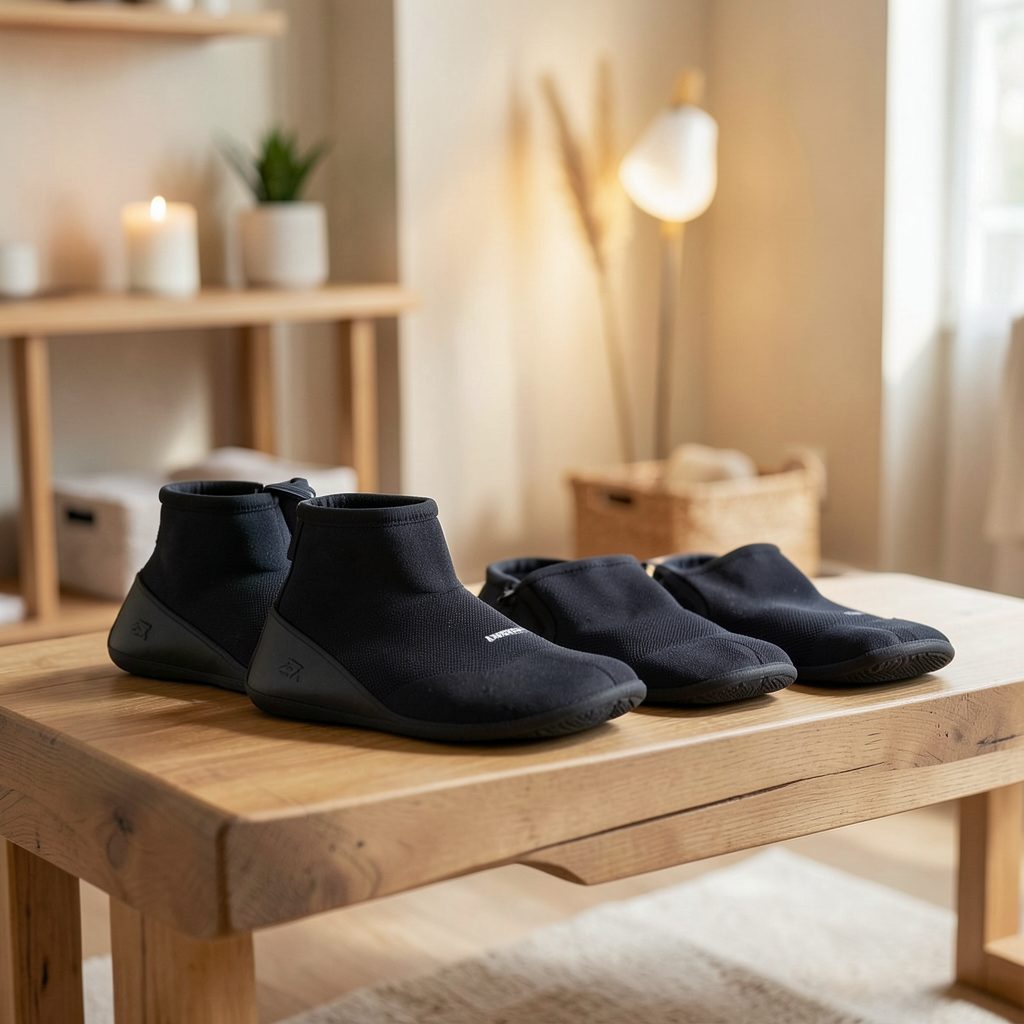
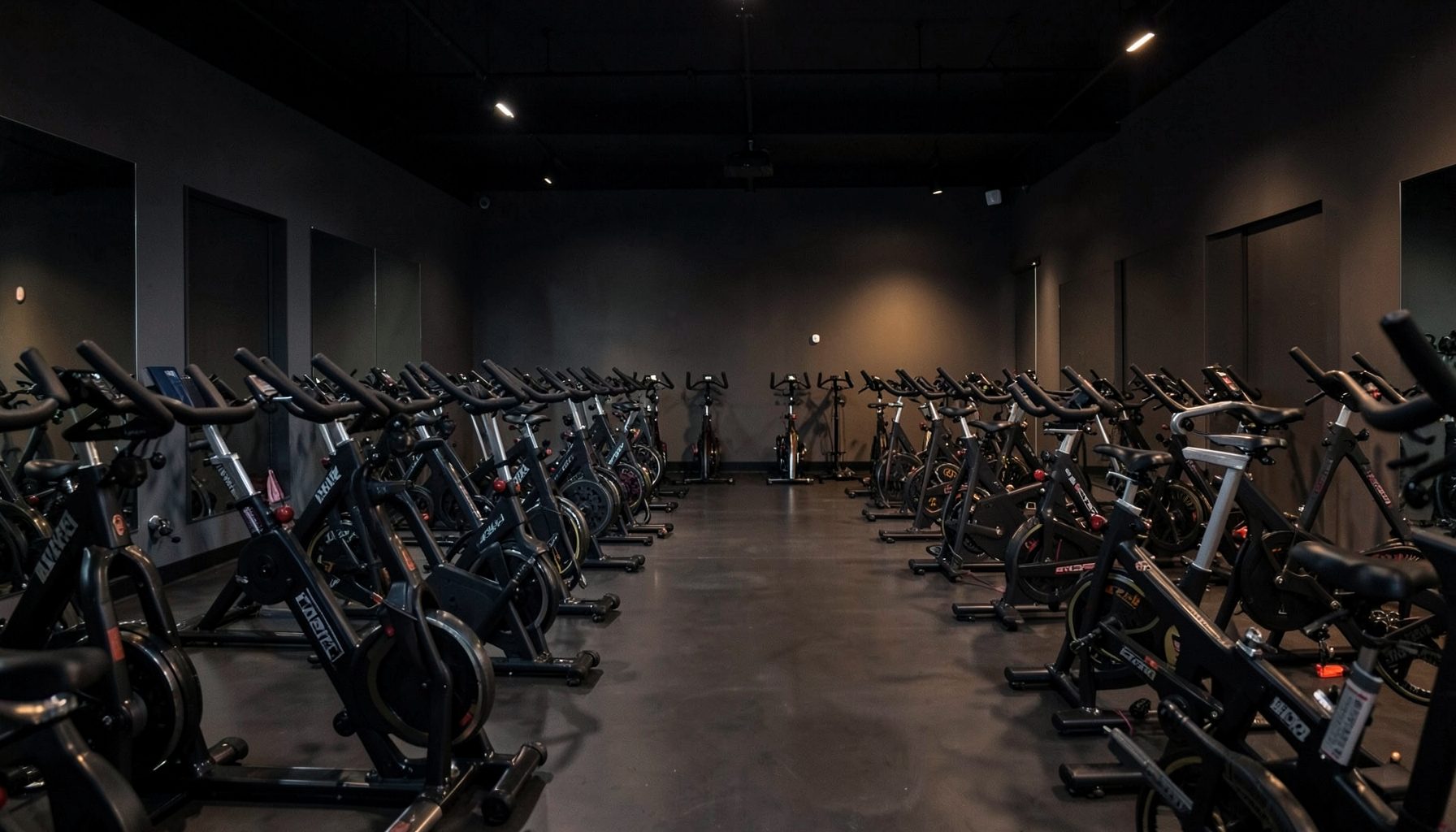
Normatec boot recovery and cryotherapy treatments help athletes bounce back faster. Cycle and spin classes add a cardio dimension to the holistic performance approach.
Have a Question?