Train. Compete. Recover.
A multi-purpose athletic facility in Speedway, Indiana — basketball leagues, skill training, and wellness services all under one roof.
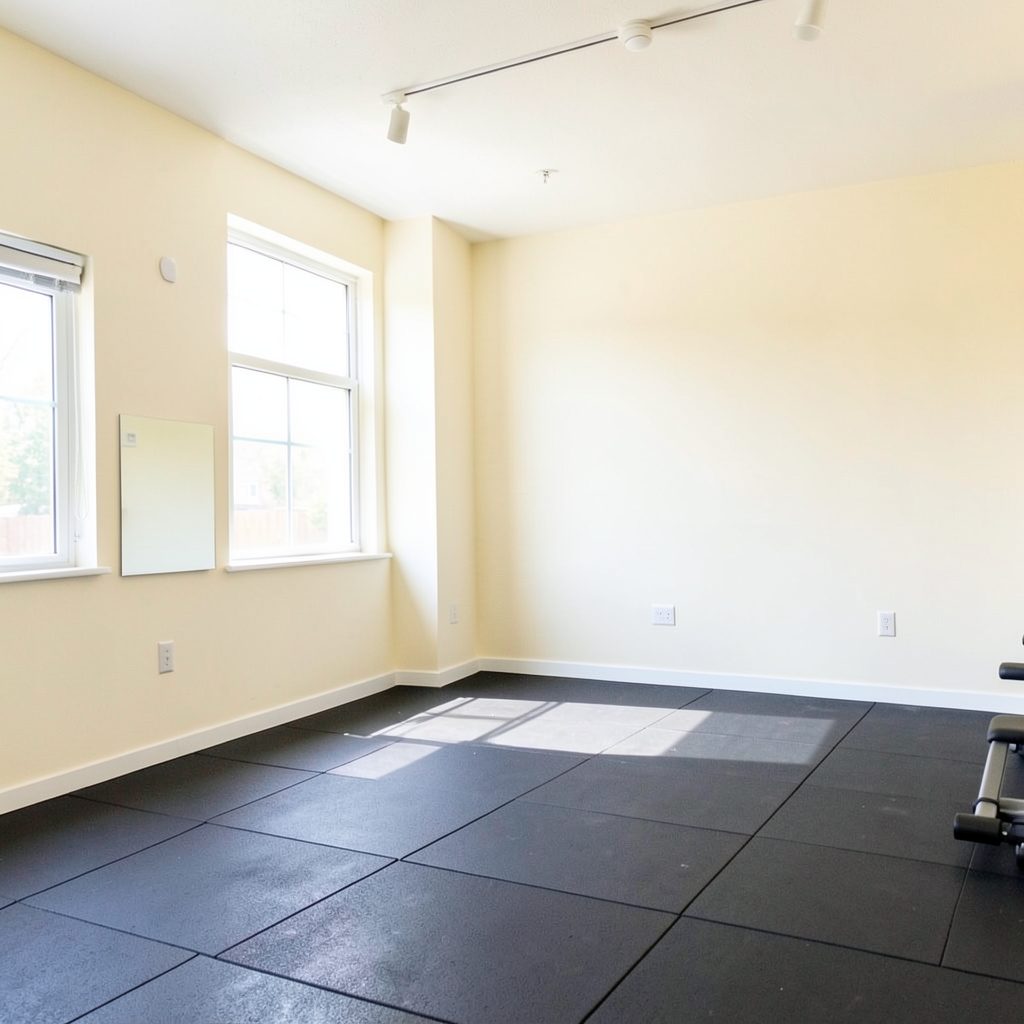
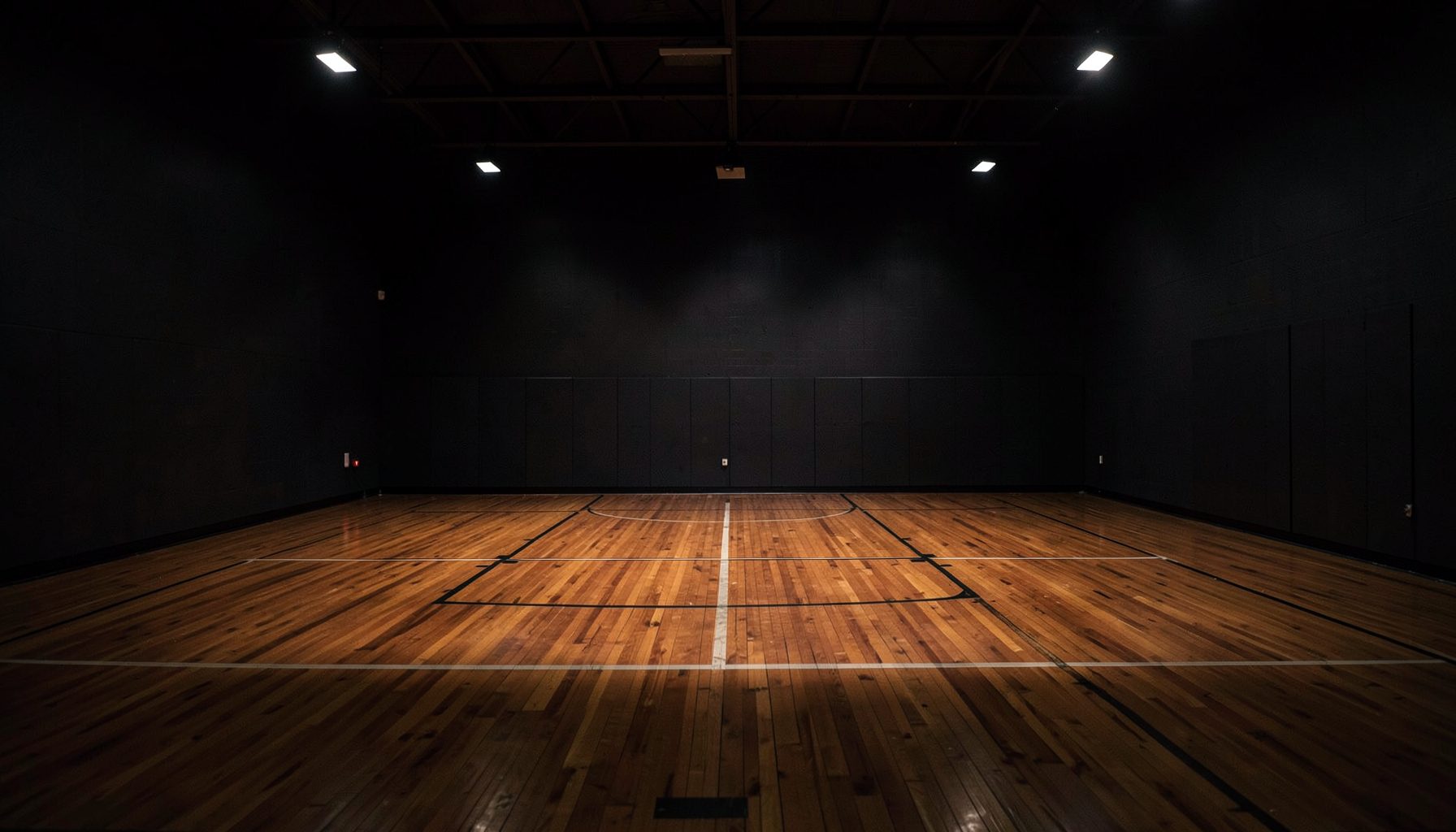
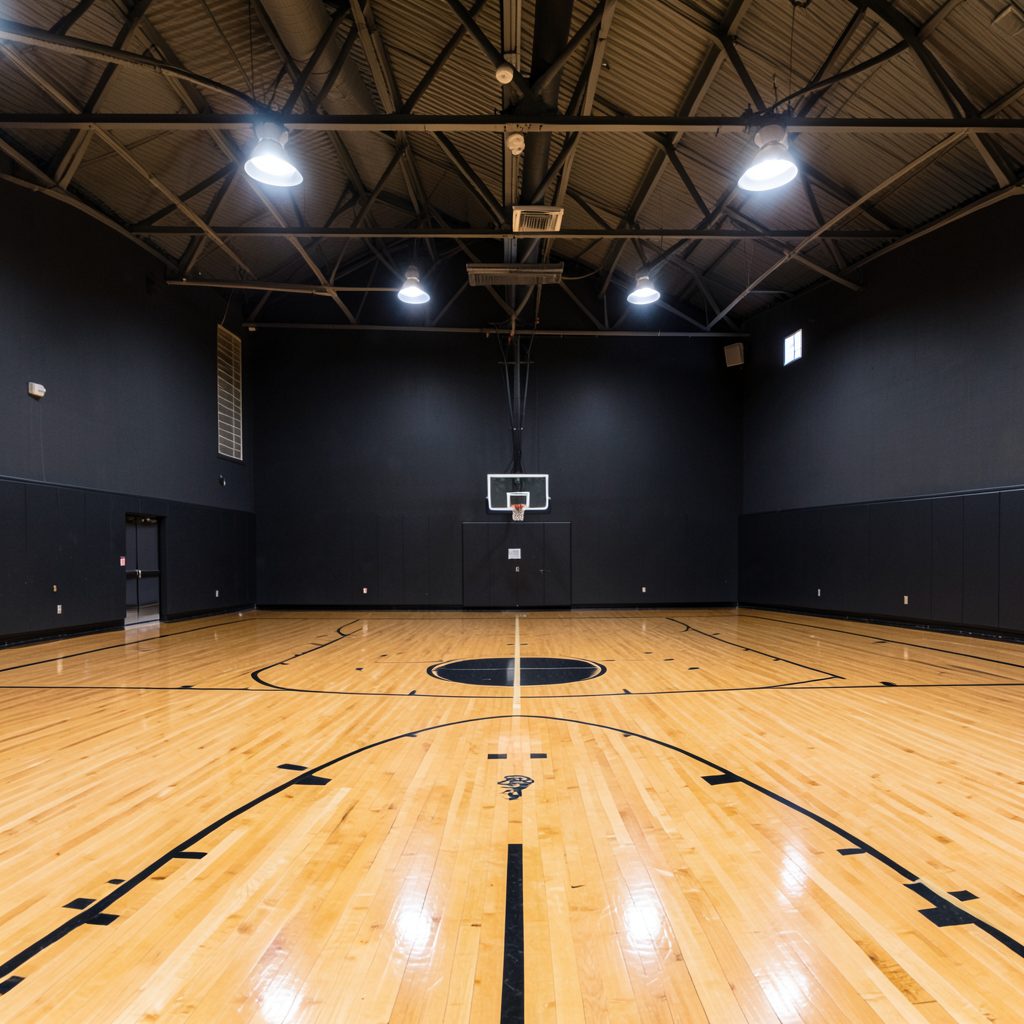
The Factory D1 Indy brings together three entities under one roof: competitive basketball leagues for all age groups, individual and group training, and wellness & recovery services including Normatec boot recovery and cryotherapy. Located off I-465 and High School Road at 6331 Crawfordsville Road, Speedway, Indiana 46224.
Get In TouchHow to Grip a Basketball Correctly for Better Ball Control
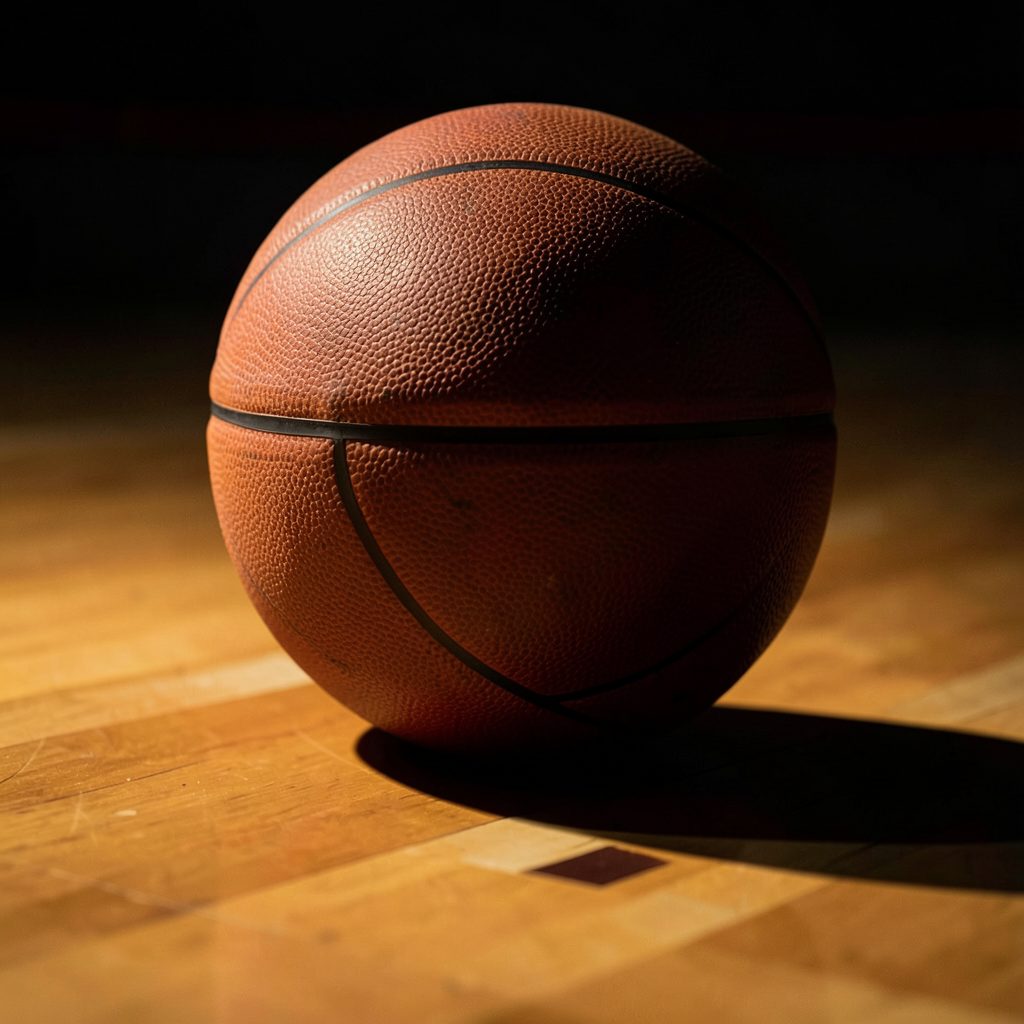
A basketball can feel secure in the palm of the hand, yet palm control often causes fumbles, weak dribbles and inaccurate passes. Better ball control starts with the fingertips, which provide precise pressure and subtle feedback. The grip should feel firm without being rigid, allowing the hand to direct the ball during a dribble, catch, pivot or shot.
A useful starting position forms a loose “C” with the fingers and thumb. The fingers remain separated and slightly curved around the upper side of the ball, while the thumb opposes them. Rather than squeezing the entire ball with one hand, players should balance it across both hands, adjust with the fingertips and keep the palms from taking over.
Australian players encounter changing grip conditions throughout the year. Indoor competitions in Sydney and Melbourne provide a consistent surface, while outdoor games in Brisbane, Adelaide or regional towns can expose the ball to heat, dust and moisture. Players often move between club competitions, school programs and casual games at community centres, sometimes using balls supplied by different organisers.
There is no single grip for every situation, but every good grip has the same qualities: fingertip control, balanced pressure and a relaxed wrist. If the ball keeps slipping, rotating or pushing awkwardly from the palm, the hand position needs adjusting. Small corrections during practice usually produce faster improvement than gripping harder and hoping for the best.
Build the foundation
Start with the ball at chest height and hold it with both hands. Place the fingertips of the dominant hand across the upper front of the ball, with the thumb on the opposite side. The other hand supports the side rather than pressing directly underneath it. This position lets the player feel how much control comes from the fingers rather than the base of the palm.
Separate the fingers enough to create several contact points. A cramped hand loses awareness, while an overly wide grip can create tension through the wrist and forearm. Curving the fingers slightly helps them conform to the ball, but the fingertips should remain in control. The ball should feel supported rather than trapped between the fingers and palm.
Grip pressure changes with the task. A protective stance may require firmer contact, while a shooting motion needs enough stability for the fingers to guide the release. In Australia’s hot summers, especially during a Brisbane heatwave or an extended indoor session in Melbourne, sweat can make the ball slippery before a player feels exhausted. Good hydration and basketball performance habits support endurance, while dry palms and a nearby towel help maintain fingertip control.
Adjust the grip for each task
During a low dribble, the fingers should remain on the upper front of the ball, ready to push it down and slightly forward. The hand moves with the ball instead of reaching after it. This prevents the ball from drifting into the palm and allows quick changes of direction, particularly when protecting the dribble with the opposite arm.
For a crossover, the hand shifts to the outside of the ball and applies a controlled push across the body. The fingers do not hook underneath it. As the ball moves between the legs or changes speed, the player adjusts the depth and angle of the fingers to keep the dribble close without forcing it into the floor.
Shooting requires a slightly different balance. The shooting hand sits under the ball, with the guide hand supporting the side and the fingers spread naturally. The shooting wrist stays relaxed, and the guide hand can come away once the upward motion begins. Players should practise this alignment slowly so the shooting hand supports the ball without pulling it towards the palm.
Protect the ball under pressure
When facing a defender, the ball moves to the side away from pressure and slightly below shoulder height. The dribbling hand stays underneath the centre of the ball, and the free arm creates space between the defender and the dribble. Strong fingertip contact helps resist sudden pokes without making the wrist tense.
During a pivot or post move, the ball remains close while the player changes direction with the feet. A secure grip allows the ball to move from one hand to the other without bouncing or dropping. The off hand can briefly support the ball, but the player should develop enough control to receive a pass and begin the next action immediately.
Balance and body awareness also influence hand control. Players who want to develop these qualities alongside their basketball work can explore English-language yoga classes, which combine mobility, breathing and clear instruction. Court drills that challenge balance and coordination often expose weaknesses in wrist position that a normal warm-up may miss.
Practise grip with purposeful drills
Begin with stationary wall dribbles, keeping the ball at hip height and pushing it with the fingertips. Watch the ball for the first few repetitions, then gradually raise the head and maintain the same light pressure. Short sets of controlled repetitions are more useful than fast dribbling with an unstable grip.
Add a figure-eight drill by moving the ball around the waist and between the legs. Change hands at a comfortable pace and avoid using the palm to guide the ball around each turn. Another useful exercise involves passing the ball to a wall, receiving it with spread fingers and immediately beginning a controlled dribble. This trains the transition from catching to controlling.
A coach can identify problems that a player cannot feel, particularly a thumb that turns inward or fingers that remain too flat. Structured skills programmes provide repeated correction and useful game-like repetition. Venues such as Factory D1 Indy combine basketball coaching with conditioning and recovery options, giving players places to develop hand position alongside overall athletic fitness.
Make the grip part of match fitness
Use the correct grip from the start of every warm-up. Begin with stationary handling, progress to controlled dribbles and then add faster changes of direction. This gradual pattern teaches the fingers to remain separated while the speed increases. It also prevents a player from establishing a palm-based habit during the first energetic minutes of a session.
Equipment affects control. Check that the ball has the correct size for the age group; adult games commonly use size seven, while many junior competitions use size five. Balls supplied through Australian sporting-goods retailers, clubs and school programs should carry their size and pressure markings. A clean, adequately inflated ball also provides more consistent contact for the fingertips.
As fatigue arrives, hands tend to open and fingers flatten. Re-establish the fingertip position during every possession rather than waiting for a turnover. A brief visual check of the thumb and finger spacing can restore control. Coaches can then adjust the player’s grip for different tasks, recognising that reliable handling develops through attention, repetition and immediate feedback.
Choose a skills session this week and bring a basketball with a clean surface. Test the foundation position before training, use fingertip control during every warm-up drill and have a coach check one dribble and one shooting motion. Then carry that hand position into the next game.
Inside The Factory
Three Entities, One Roof
Leagues
Eight league divisions span every age group: Indy Pro AM, 18+ Open Men's, 30+ Men's, Bite Size (ages 3–6), Impact League, 5th/6th Grade, Middle School, and High School. Gather your team and compete.
Training
Individual and group basketball training for all skill levels. Major M.O.V.E.S. Basketball Training serves ages 4–7 on Wednesday and Thursday evenings at 6:30 PM — $30 per session or $100 unlimited monthly.
Wellness & Recovery
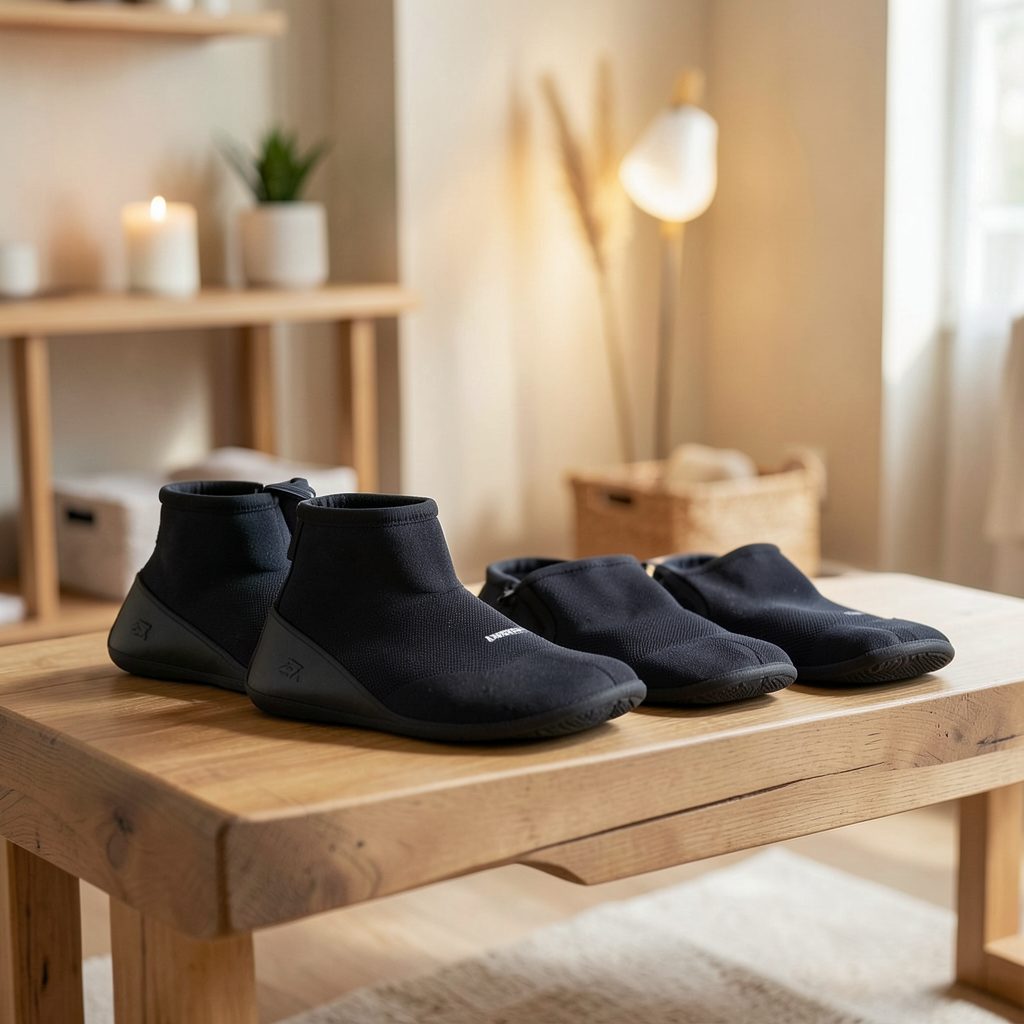
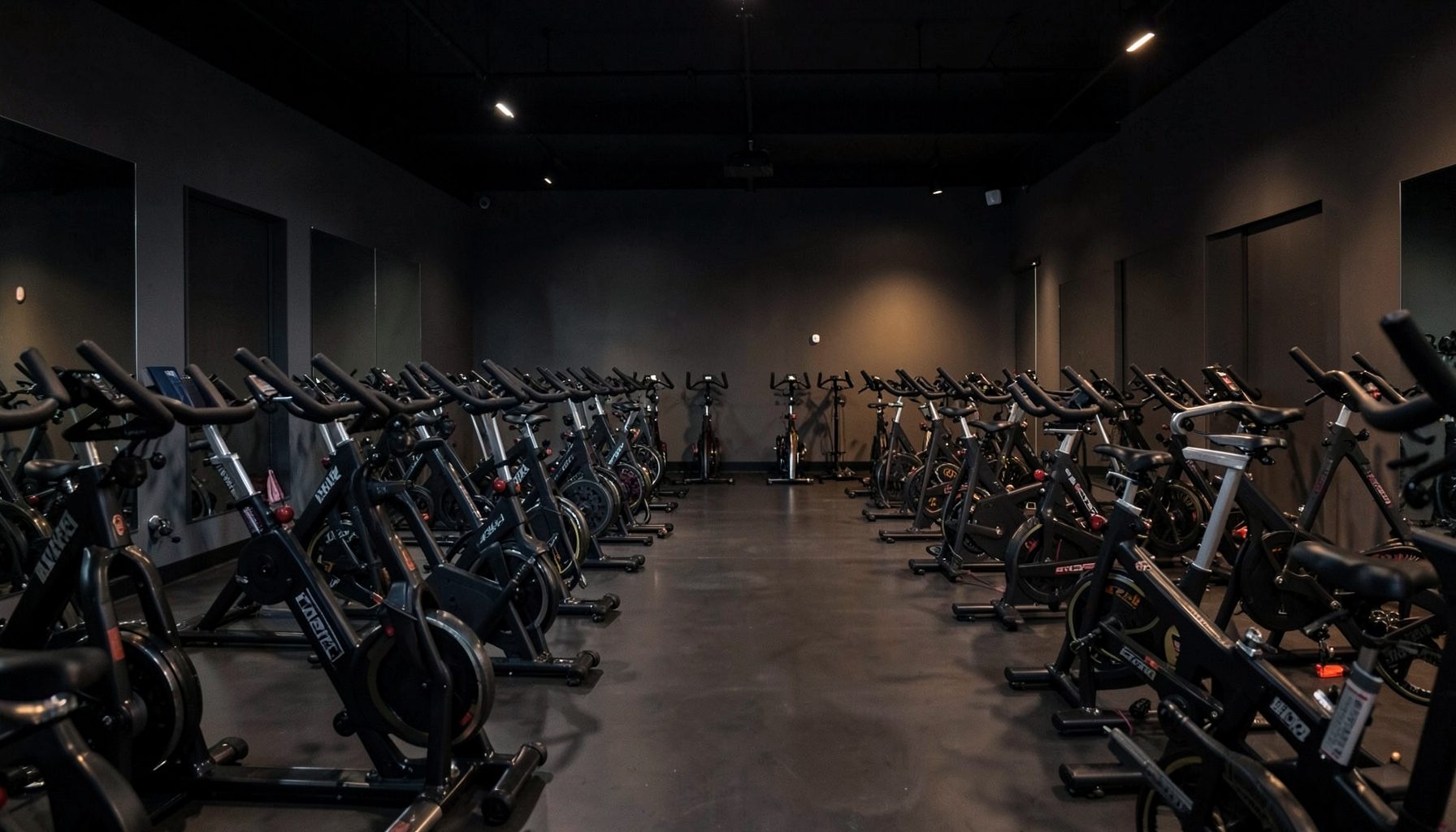
Normatec boot recovery and cryotherapy treatments help athletes bounce back faster. Cycle and spin classes add a cardio dimension to the holistic performance approach.
Have a Question?