Train. Compete. Recover.
A multi-purpose athletic facility in Speedway, Indiana — basketball leagues, skill training, and wellness services all under one roof.
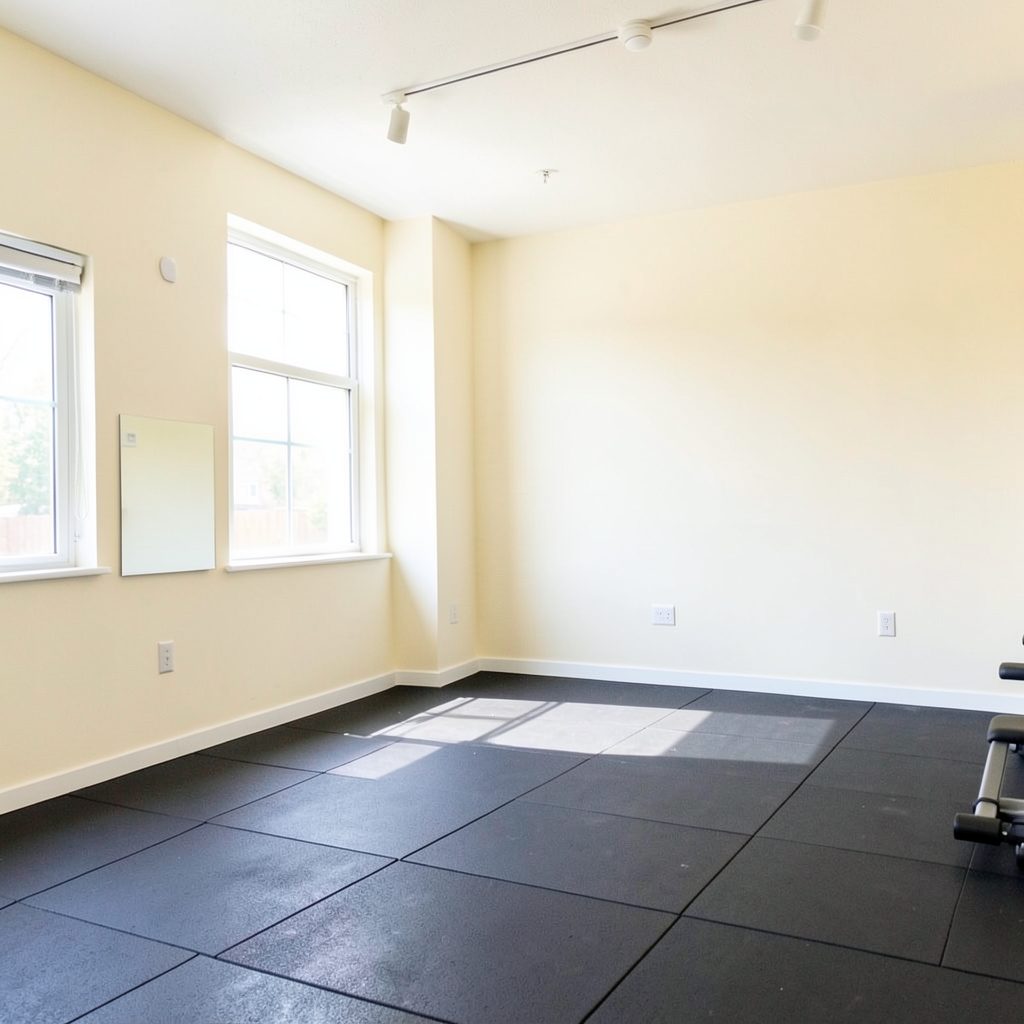
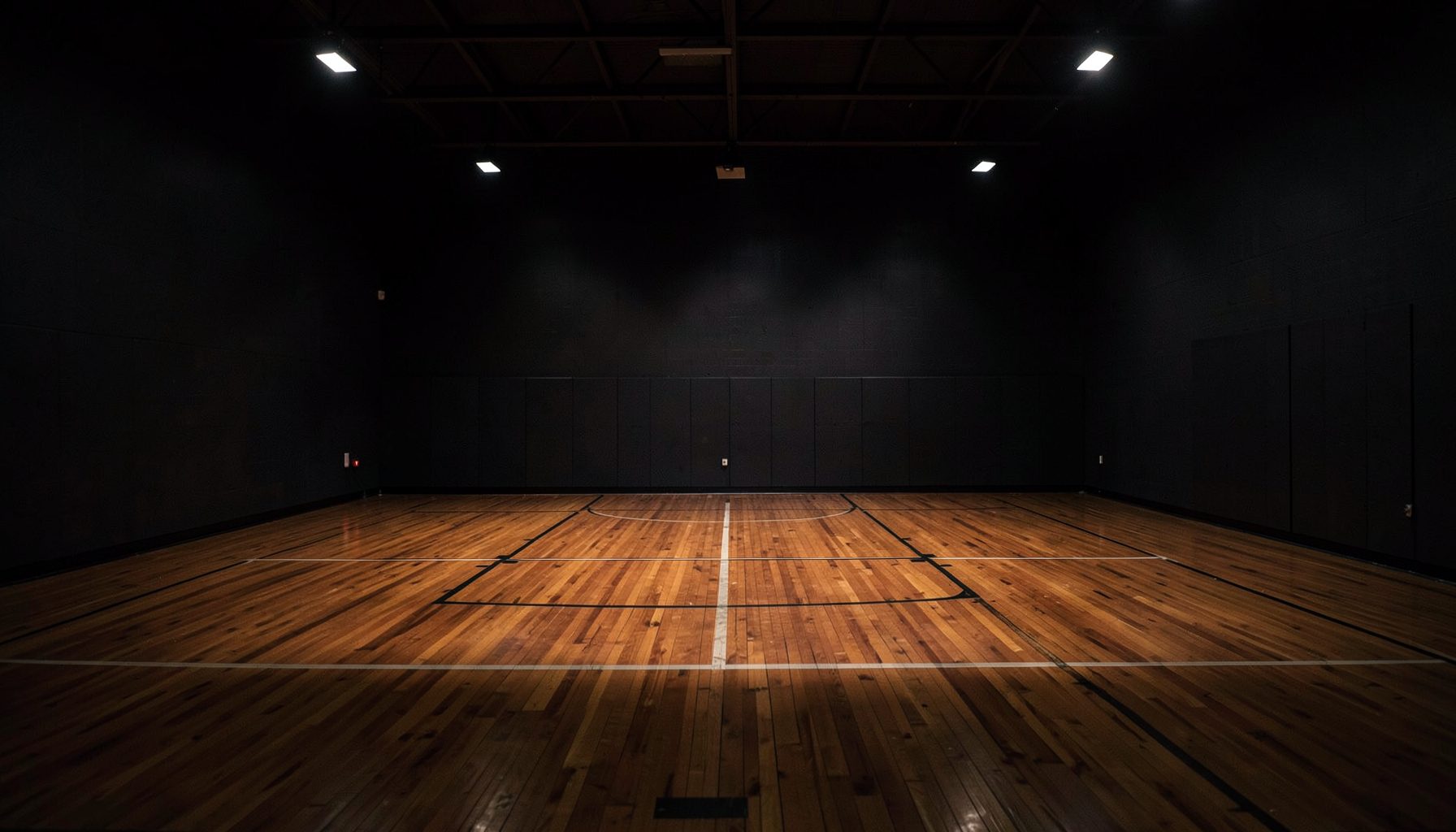
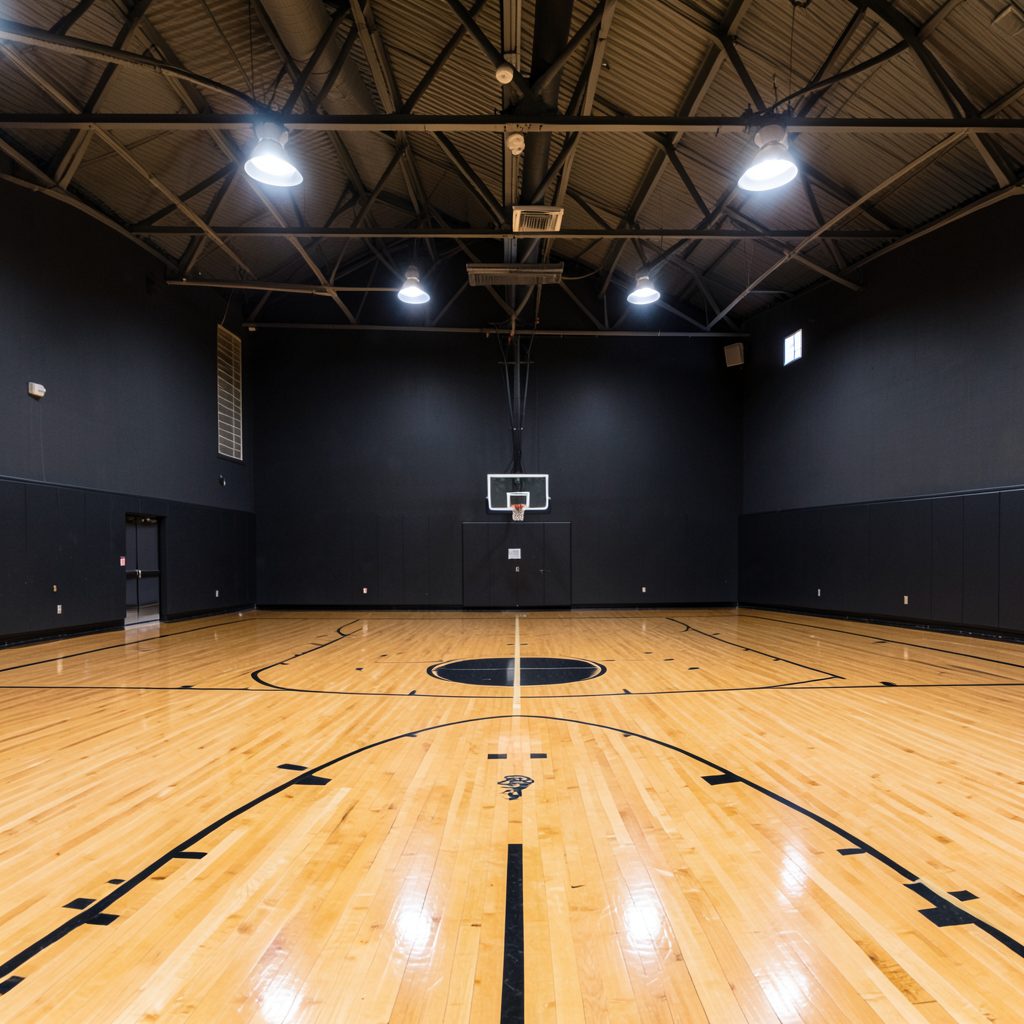
The Factory D1 Indy brings together three entities under one roof: competitive basketball leagues for all age groups, individual and group training, and wellness & recovery services including Normatec boot recovery and cryotherapy. Located off I-465 and High School Road at 6331 Crawfordsville Road, Speedway, Indiana 46224.
Get In TouchHelp Your Child Build Confidence With Basketball Drills At Home
Confidence grows when children experience steady progress, feel safe making mistakes, and learn that effort can change performance. Basketball is especially useful for this because every small improvement is visible: a cleaner dribble, a stronger pass, or one more successful shot can give a young player evidence that practice works.
Home sessions do not need a full court, expensive equipment, or hours of free time. A driveway, garage, quiet park, or small indoor space can support useful basketball skill development. The aim is to create short, positive practice opportunities that suit your child’s age, personality, and current ability.
Families in Australia often balance school sport with swimming, AFL, cricket, netball, music, and weekend commitments. A child in Melbourne may need an indoor plan for cold or wet afternoons, while a family in Brisbane may prefer an early-morning outdoor session before the heat builds. Flexible drills make consistency easier.
Use praise that focuses on choices and actions rather than talent. “You kept your eyes up while dribbling” gives a child something they can repeat, while “You are a natural” can make mistakes feel threatening. Confidence comes from learning how to respond when a drill feels difficult.
| Practice goal | Simple home drill | Confidence signal | Safety note |
|---|---|---|---|
| Ball control | Stationary dribbles at different heights | Keeps eyes forward for several seconds | Use a clear, non-slip surface |
| Footwork | Jump stops, pivots, and defensive slides | Lands under control | Keep knees soft and movements small |
| Shooting form | Close-range one-hand shots | Finishes with a balanced follow-through | Avoid fatigue-driven repetition |
| Passing | Chest passes to a target or wall | Hits the target consistently | Check the wall and surrounding space |
| Decision-making | Dribble, stop, scan, and choose | Explains why a choice was made | Stop if frustration rises |
Start With Small, Winnable Challenges
Begin with a drill your child can complete successfully within a few attempts. For a beginner, that might mean ten controlled right-hand dribbles, five left-hand dribbles, or five close-range shots that touch the rim. Older players may work on a crossover into a jump stop or a change-of-direction move around two markers.
Break each skill into a clear sequence. With a lay-up, practise the footwork without a ball, then add the ball, then finish close to the basket. This approach prevents a child from feeling that the whole movement is impossible. When the task becomes manageable, confidence has room to grow.
Use challenge levels instead of judging every attempt as good or bad. A child might earn a level-one target of five accurate passes, a level-two target of eight, and a level-three target of ten. Missing a higher target does not erase the progress already made; it simply identifies the next step.
Keep the first few minutes easy, particularly after school. Children are often tired, hungry, or carrying pressure from the classroom. A warm-up of gentle dribbling, ball wraps, and movement games can help them settle before technical practice begins.
Build A Routine That Fits Australian Life
A ten-minute session three or four times a week is more useful than an ambitious hour that happens once a month. Add practice to a familiar routine, such as before dinner, after the school run, or during a Saturday morning visit to the local court. In Sydney and Perth, a nearby public court may offer more space than a compact backyard; in apartment living, quiet ball-handling drills can replace loud bouncing.
Weather should shape the plan rather than cancel it completely. On a hot Adelaide or Brisbane day, practise indoors, reduce intensity, and provide water. In Hobart or Melbourne during winter, use a garage or community space if available. Avoid slippery driveways, direct midday sun, and hard outdoor sessions when a child is already overheated.
Keep equipment practical. A correctly sized ball, two drink bottles as markers, and a stable wall can support a surprising range of exercises. Portable hoops are useful, but they are not essential for ball control, footwork, passing accuracy, and defensive movement. The Australian sporting-goods market offers many options, so choose equipment based on fit and safety rather than buying the most expensive setup.
Parents should also respect local child-safety expectations when inviting other children to practise. Requirements for Working With Children Checks and child-safe conduct vary between Australian states and territories, so a parent-led session should remain transparent, appropriately supervised, and consistent with the rules of any club or school involved.
Turn Technique Into Visible Progress
A simple practice record can make improvement concrete. Write down the date, drill, target, and result, then add one sentence about effort or focus. “Kept the ball low for 20 seconds” is more useful than a vague score because it tells the child exactly what changed.
Film a short clip occasionally, with the child’s permission, so they can compare movement over several weeks. Keep the focus on one detail, such as balance, hand position, or looking up. Avoid replaying every mistake. Children need feedback they can act on immediately, not a constant performance review.
Use games to develop decision-making. Place two coloured markers on the floor and call one colour as the child dribbles. They must change direction, stop, or protect the ball according to the signal. Another option is “coach’s choice”, where the child decides whether to use a strong-hand dribble, weak-hand dribble, pass, or pivot. Giving children controlled choices helps them feel ownership of their development.
Rewards can be simple and connected to the process: choosing the next drill, selecting the family’s warm-up music, or adding a sticker to a practice chart. Keep commercial gambling-style incentives away from children; for adults considering why chance-based reward systems can be engaging, this progressive jackpot explainer provides relevant background without making that model part of youth sport.
Make Practice Safe And Enjoyable
Confidence drops quickly when a child feels watched, rushed, or corrected after every touch. Offer one coaching point at a time. If the focus is dribbling posture, leave shooting technique for another day. Ask for a reset rather than reacting sharply to a turnover or missed shot.
Include mobility and recovery in the routine. Gentle jogging, ankle movements, hip rotations, and relaxed stretching can prepare the body. After harder sessions, walking, drinking water, eating a balanced snack, and getting adequate sleep all support recovery. Families wanting a deeper explanation of post-game preparation can explore this muscle recovery guide.
Watch for pain, dizziness, unusual shortness of breath, or a child who becomes increasingly distressed. Stop the session and seek appropriate medical advice when symptoms do not settle. Children should also have regular breaks, especially during Australian summer, and should never be pushed to continue simply to complete a target.
Finish with something your child enjoys. That might be a shooting game, a timed dribble challenge, or a parent-child one-on-one round with modified rules. Ending positively helps the brain associate practice with connection and achievement, which makes the next session easier to begin.
Connect Home Practice With Team Growth
Home drills become more meaningful when children can use them in a team setting. A young player who practises receiving passes, pivoting, and scanning can begin to recognise those skills during a game. Explain the connection briefly, then allow coaches to lead team tactics and competition preparation.
Leagues also provide a healthy way to test new skills in a social environment. The Factory D1 Indy offers basketball programs and competitive opportunities across age groups, and families can learn more through its league registration page. For Australian families, the same principle applies through local associations, school competitions, and community clubs.
Set goals around behaviour as well as performance. A child might aim to call for the ball, encourage a teammate, attempt a weak-hand move, or recover quickly after a turnover. These targets are within the player’s control and help confidence survive games where shots do not fall.
Celebrate courage, concentration, and persistence at the end of each week. Choose one drill, set a realistic target, and practise it together in a clear, safe space. With regular encouragement and opportunities to apply the skill in play, your child can build confidence that reaches beyond basketball.
Inside The Factory

Three Entities, One Roof
Leagues
Eight league divisions span every age group: Indy Pro AM, 18+ Open Men's, 30+ Men's, Bite Size (ages 3–6), Impact League, 5th/6th Grade, Middle School, and High School. Gather your team and compete.
Training
Individual and group basketball training for all skill levels. Major M.O.V.E.S. Basketball Training serves ages 4–7 on Wednesday and Thursday evenings at 6:30 PM — $30 per session or $100 unlimited monthly.
Wellness & Recovery
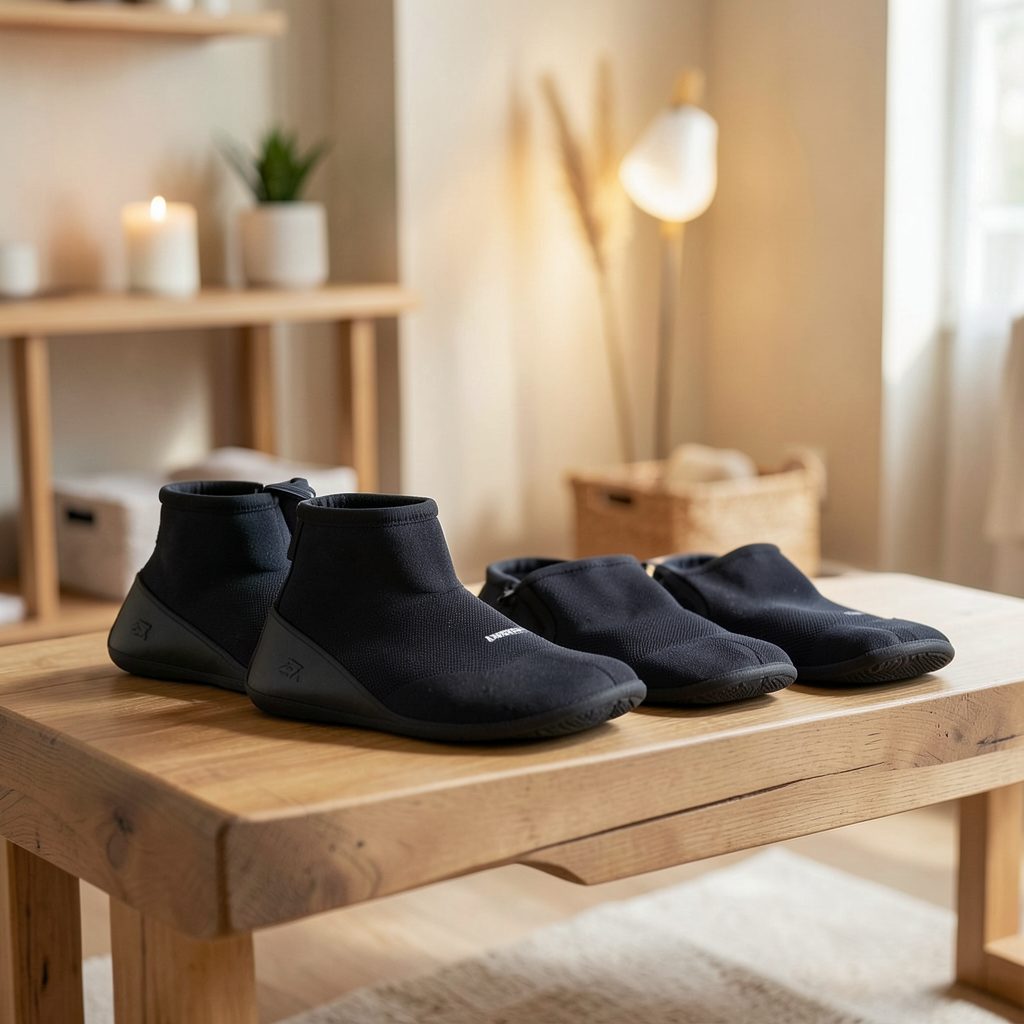
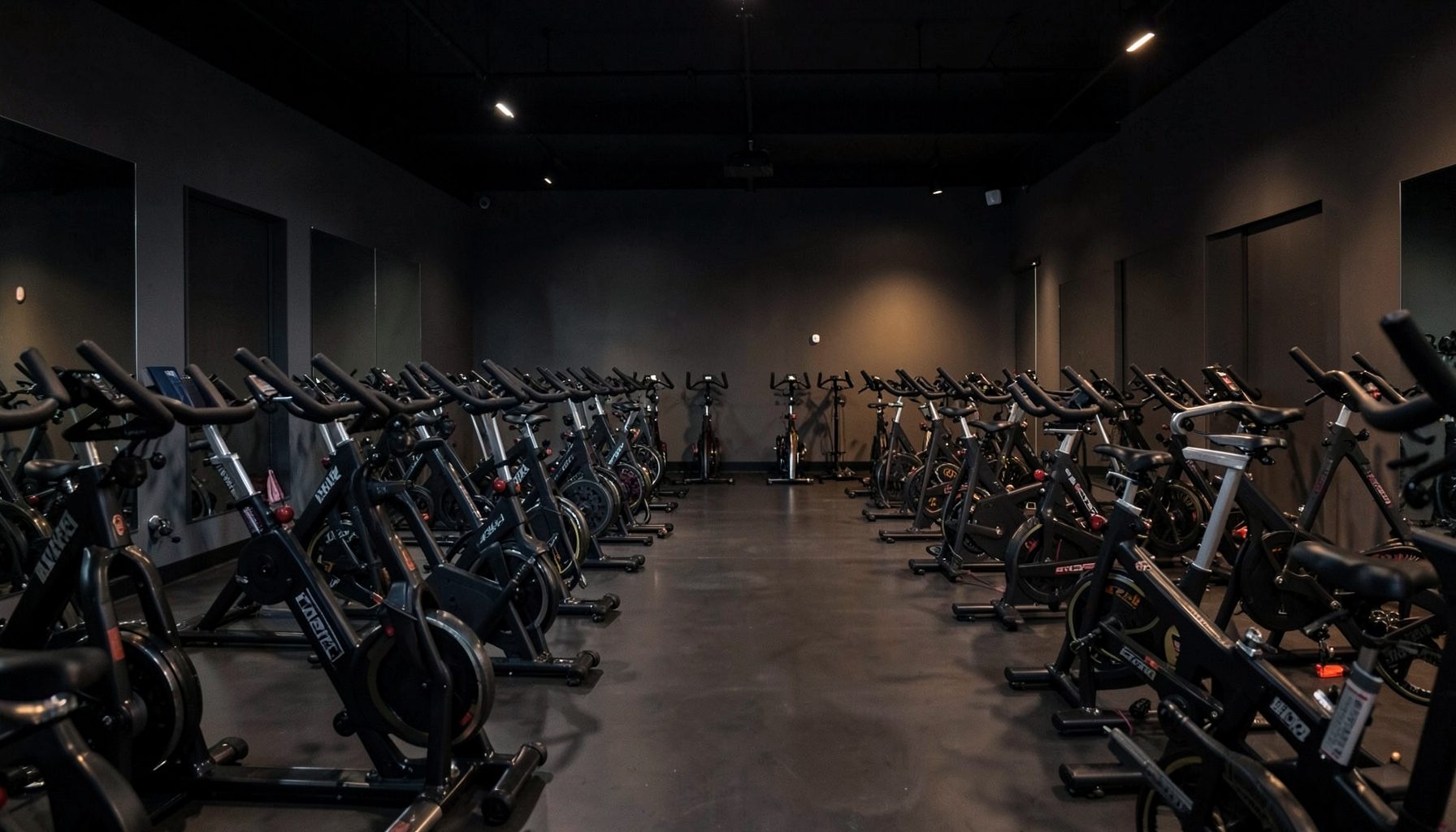
Normatec boot recovery and cryotherapy treatments help athletes bounce back faster. Cycle and spin classes add a cardio dimension to the holistic performance approach.
Have a Question?