Train. Compete. Recover.
A multi-purpose athletic facility in Speedway, Indiana — basketball leagues, skill training, and wellness services all under one roof.
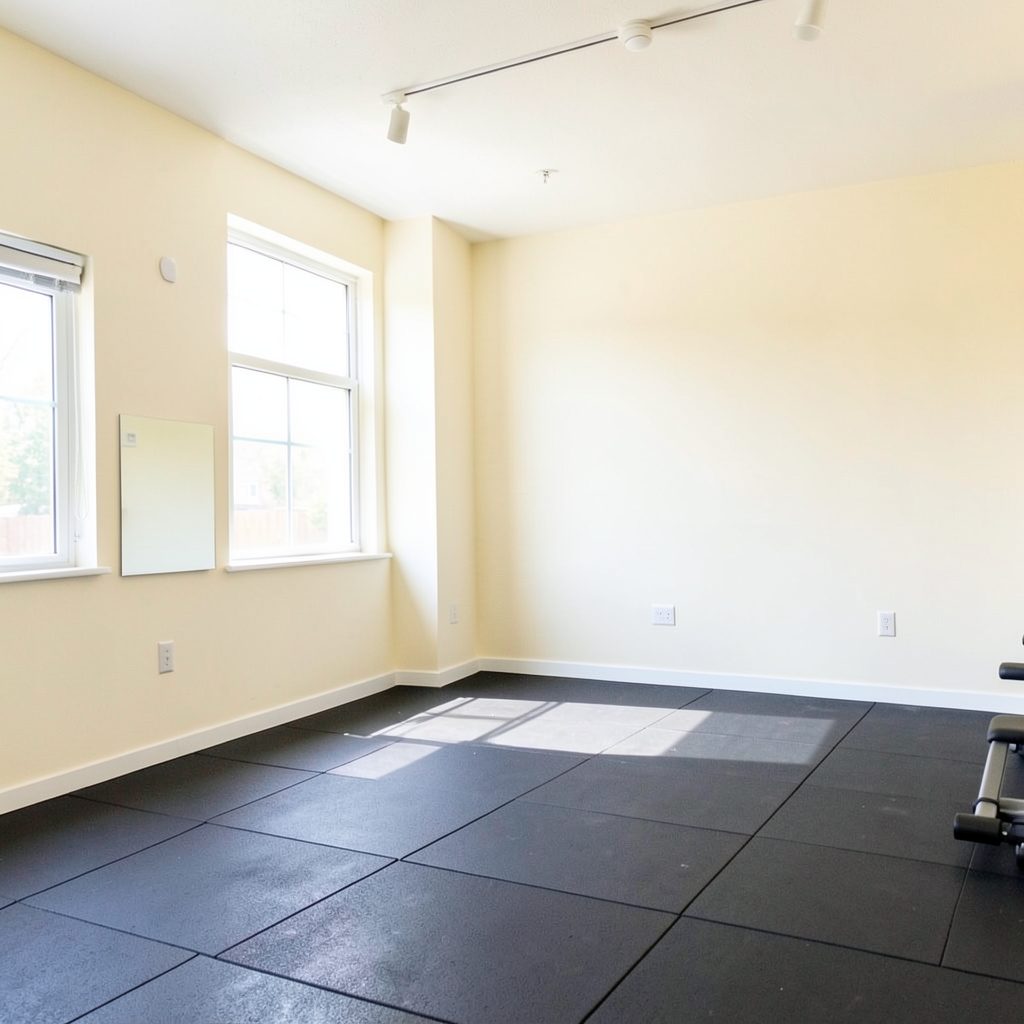
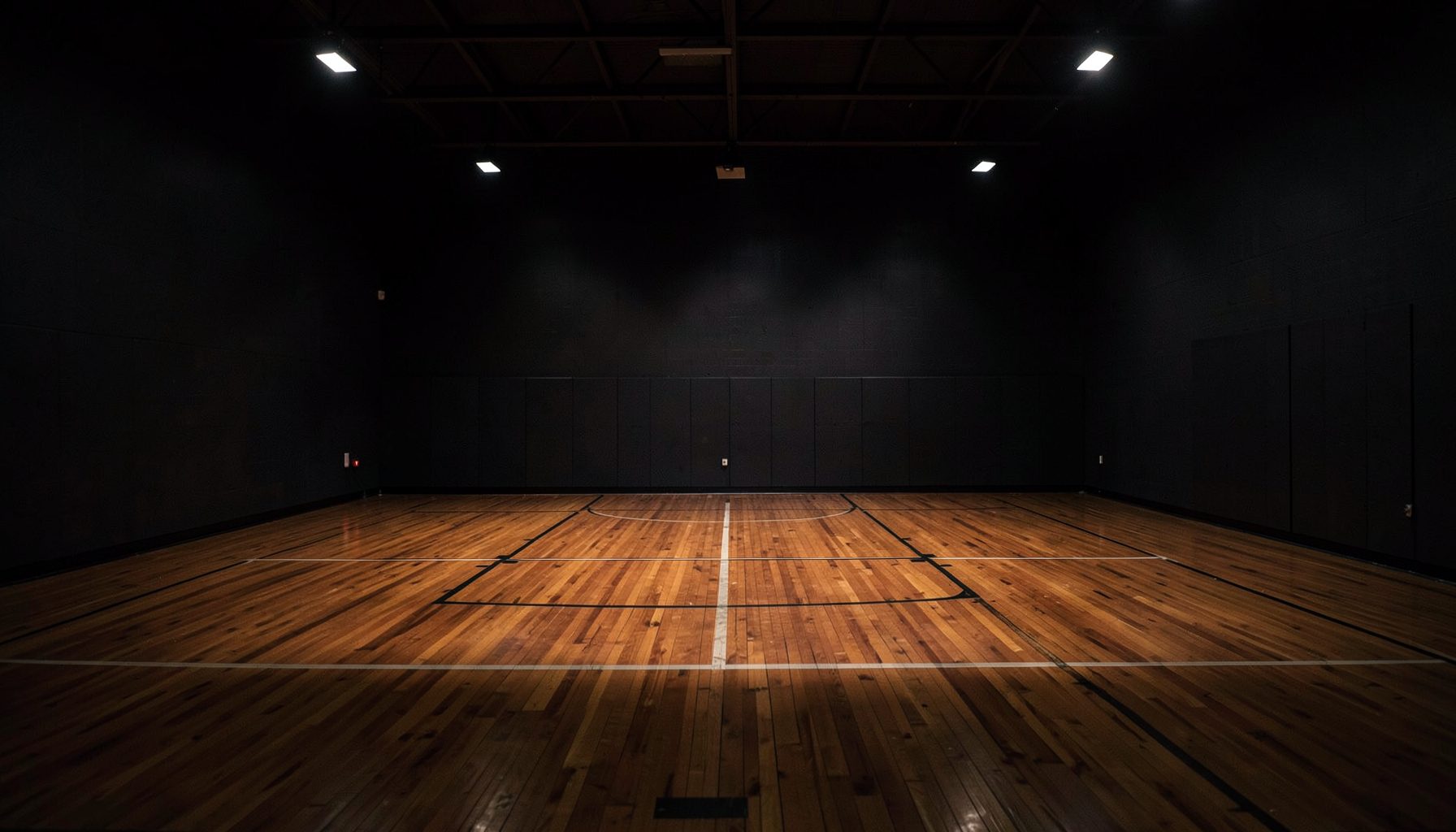
The Factory D1 Indy brings together three entities under one roof: competitive basketball leagues for all age groups, individual and group training, and wellness & recovery services including Normatec boot recovery and cryotherapy. Located off I-465 and High School Road at 6331 Crawfordsville Road, Speedway, Indiana 46224.
Get In TouchHow to identify a quality basketball trainer for one-on-one sessions
A quality basketball trainer does more than demonstrate moves. They build each session around your current ability, explain why every drill matters and make it easier to perform the same skill under pressure. For personal training, a combination of technical knowledge, clear communication and individual attention is the real benchmark.
One-on-one sessions are often booked because an athlete wants a specific outcome: a stronger jumper, cleaner ball handling, better decision-making or greater confidence after a difficult match. The right coach should turn that outcome into a practical plan rather than prescribe a generic package of drills. A good first conversation should clarify the goal, time available and what success could look like.
In Australia, basketball coaching sits within a mixed market of accredited instructors, experienced club coaches, freelance trainers and larger academies. Melbourne, Sydney and Brisbane have strong community basketball networks, and recommendations often travel through parents, teammates and local associations. Terms such as “run a clinic” or “get your hoops up” are common, but an enthusiastic personality is not evidence of coaching quality.
Start by comparing two or three suitable trainers and asking to watch or attend a session. The best signs are specific questions, purposeful progressions and feedback the athlete can act on immediately. Keep in mind that a trainer working with children must meet Australian safeguarding expectations, while any independent professional should carry suitable insurance and maintain clear policies.
Look beyond the highlight reel
Basketball coaching has no single blanket licence covering every private session, so accreditation should be checked rather than assumed. Ask which coaching qualifications the trainer holds, whether they are recognised by Basketball Australia or an appropriate state body, and whether their first-aid certification is current. Coaching certificates, playing history and years on court all offer context, but none replaces checking references.
For youth sessions, ask about a Working With Children check or equivalent state clearance, supervision ratios, drop-off procedures and communication with parents or guardians. Also confirm public liability and professional indemnity insurance. These are basic protections in a market where a session may take place in a community centre, school gym or commercial studio rather than a regulated club.
A quality trainer also knows when a problem needs another professional. Persistent ankle pain, suspected concussion or pregnancy-related discomfort should not be treated through improvised basketball programming. Referring a client to the right allied-health or prenatal practitioner demonstrates sound judgement; this prenatal lower-back relief guide is one example of condition-specific information kept in the proper hands.
Watch how the trainer assesses you
Watch how the first session begins. A thorough coach asks about injuries, training load, sleep, position, skill level and previous coaching before touching a basketball. They then test a few movements, such as a controlled dribble, two-foot jump and closeout, to establish a baseline. This matters because two athletes can shoot similarly in a drill while needing completely different corrections in live play.
The assessment should produce a diagnosis you can understand. Instead of saying “your footwork is bad,” a strong trainer may identify a delayed first step, excessive crossover drift or poor timing off the dribble. They explain the cause, demonstrate the change and prescribe a small number of actions for the following week. Clear language is especially useful for young players and parents choosing a provider.
Ask the trainer to connect the work to a game situation. Finishing through contact is different from finishing untouched; creating space from a screen is different from running a stationary drill. A coach who can move from technique to decision-making is more likely to deliver transfer to competition, whether the athlete plays in a local association, school competition or recreational league.
Judge the quality of coaching
Expertise becomes visible in the correction process. A good trainer offers one or two priorities, demonstrates at the right speed and lets the athlete repeat the movement until the change is repeatable. They adjust difficulty without constantly stopping the drill. In Australian sporting culture, “train hard” matters, but “train smart” should describe the session too: intensity with purpose beats random exhaustion.
Feedback should be frequent, specific and respectful. Positive comments such as “keep your head up” are more useful when paired with an immediate cue, a short demonstration and another attempt. The trainer should correct technique safely, never push an athlete through sharp pain and explain when load needs to be reduced. For children, encouragement should build confidence without creating dependence on adult praise.
Progressions reveal preparation. A sound session might move from a stationary skill to a pressured variation, then back to the original action under greater fatigue. The trainer records what was attempted, what improved and what remains difficult. This simple record turns private training into a repeatable process and gives both the athlete and family evidence of progress beyond a highlight reel or vague claim that the trainer “gets results.”
Compare fit, logistics and value
Compare location, availability, session length and cost before paying for a block. Australian coaches may charge by the hour, offer ten-session packs or set weekly rates, and private lessons often run 45 to 60 minutes. Confirm cancellation terms, make-up policies, court fees and whether the quoted Australian-dollar price includes GST. Transparent pricing and reliable scheduling are part of quality, not merely administrative details.
Local conditions matter. In Melbourne and Sydney, hot summers can make an outdoor-court session uncomfortable and unsafe, so indoor air-conditioned space and flexible rescheduling deserve attention. Brisbane’s year-round court access makes location convenient, while regional families may need travel time built into their plan. Ask whether the trainer can work at your preferred venue or recommend a suitable community court.
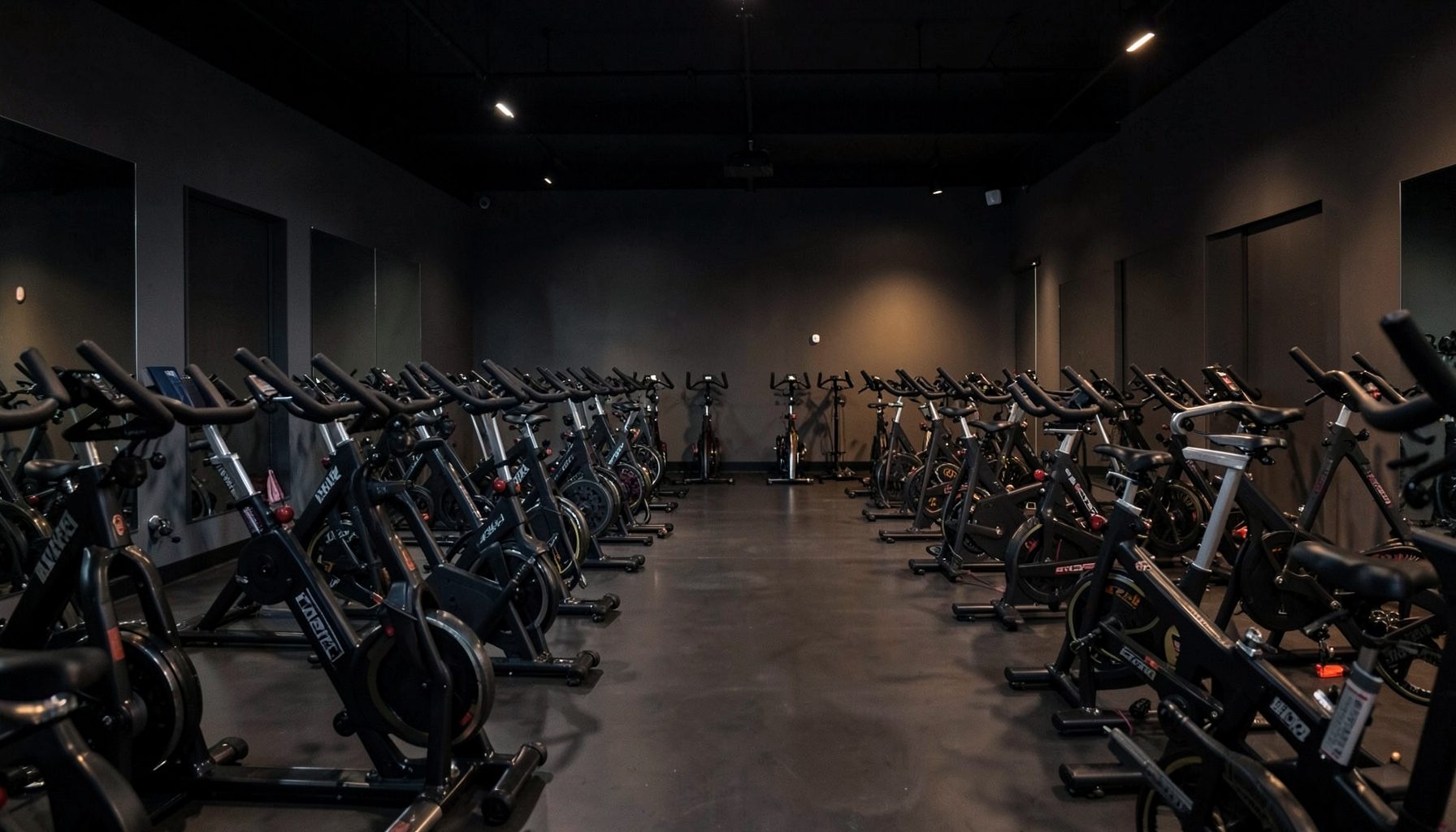
Recovery support should complement, not replace, good coaching. A facility such as The Factory D1 Indy in Speedway, Indiana, combines basketball training and leagues with spin classes, Normatec compression and cryotherapy, illustrating an integrated performance setting. The Factory D1 Indy advice on optimal cryotherapy timing can help frame questions about scheduling around demanding sessions, although cold exposure is not suitable for everyone and should never be sold as a guaranteed performance booster.
Make a confident first booking
A trial lesson is the most useful comparison. Give each candidate the same goal and observe more than the workout itself. Does the trainer ask enough questions? Do the priorities make sense? Is the athlete challenged appropriately? Are explanations concise and understandable? In a community-driven sport, references from a trusted club coach or parent can add context, but the athlete’s experience during the trial should carry substantial weight.
Red flags include guaranteed selection outcomes, heavy selling of packages before discussing needs, dismissive comments about injuries, poor child-safeguarding answers and no plan for tracking progress. A polished social media presence may show athletic skill, yet it cannot demonstrate pedagogy, communication or the ability to build a safe relationship. Treat popularity and awards as supporting evidence rather than a replacement for direct observation.
Choose the trainer whose approach fits the athlete. Some players thrive with strict detail and high-intensity work; others need patient technical instruction and more play-based learning. The coach should challenge without creating anxiety and should involve parents appropriately when the athlete is young. The strongest partnership combines credible credentials, a clear assessment process, useful feedback and a schedule the athlete can sustain.
Write down the main priority, available training days, budget and any injury or safeguarding requirement before making contact. Send the same short brief to each trainer, request their qualifications and policies, and schedule a trial rather than committing immediately to a large block. Book the strongest candidate for an initial one-on-one session, request a written progression and set a review date before purchasing further training.
Inside The Factory

Three Entities, One Roof
Leagues
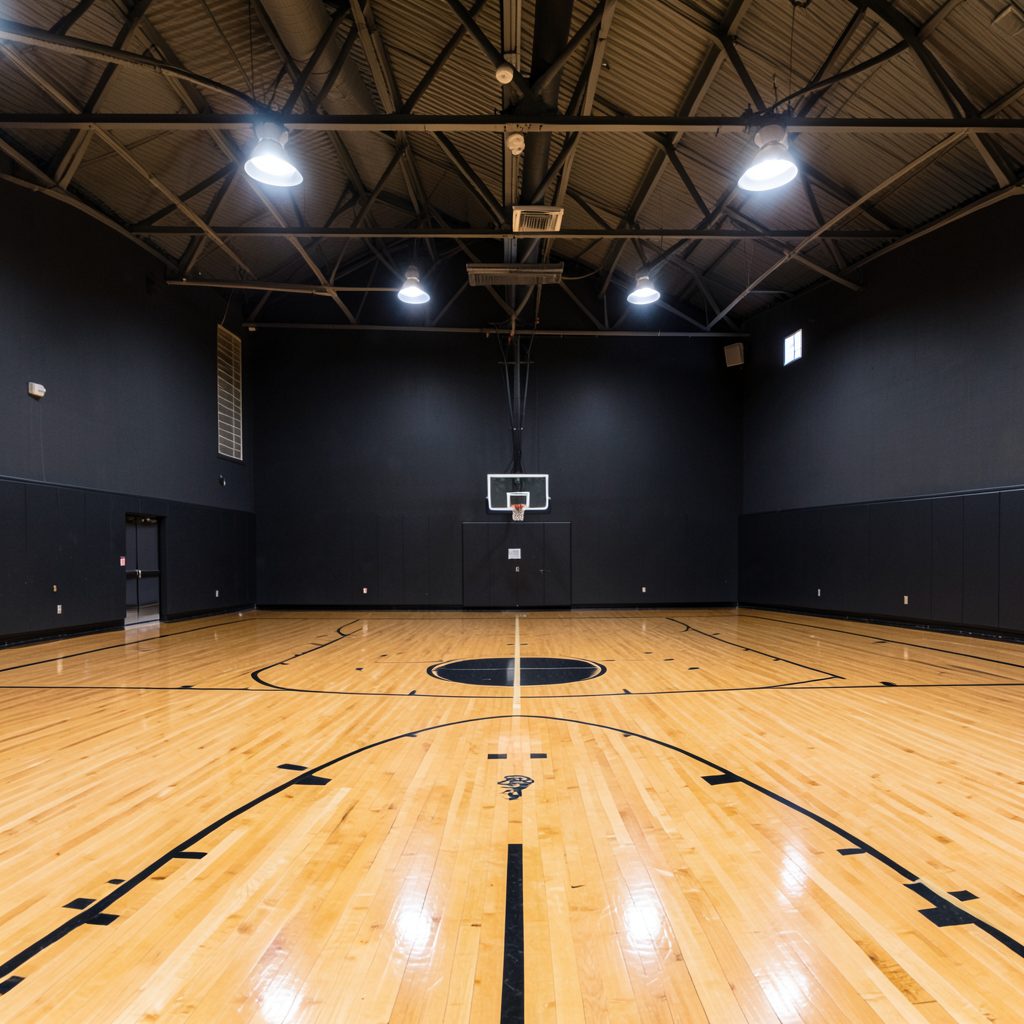
Eight league divisions span every age group: Indy Pro AM, 18+ Open Men's, 30+ Men's, Bite Size (ages 3–6), Impact League, 5th/6th Grade, Middle School, and High School. Gather your team and compete.
Training
Individual and group basketball training for all skill levels. Major M.O.V.E.S. Basketball Training serves ages 4–7 on Wednesday and Thursday evenings at 6:30 PM — $30 per session or $100 unlimited monthly.
Wellness & Recovery
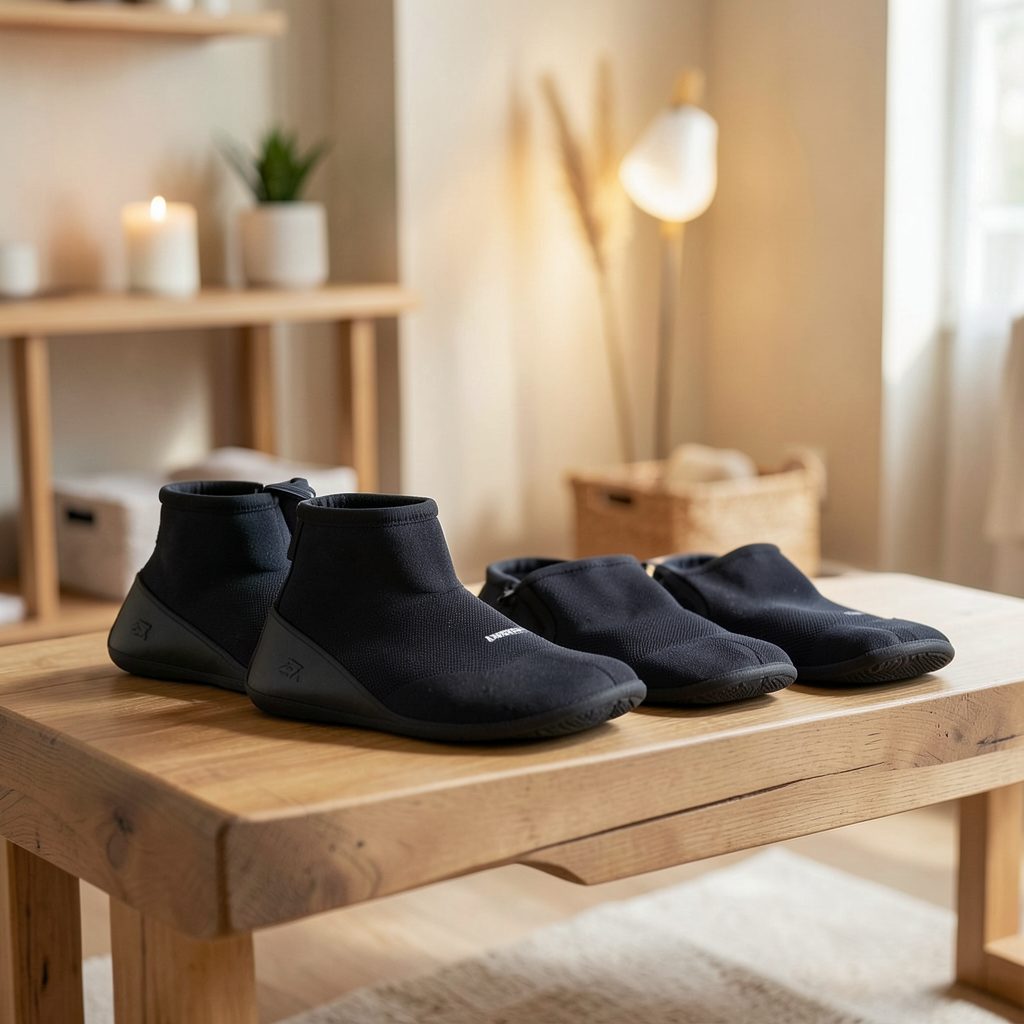
Normatec boot recovery and cryotherapy treatments help athletes bounce back faster. Cycle and spin classes add a cardio dimension to the holistic performance approach.
Have a Question?