Train. Compete. Recover.
A multi-purpose athletic facility in Speedway, Indiana — basketball leagues, skill training, and wellness services all under one roof.
The Factory D1 Indy brings together three entities under one roof: competitive basketball leagues for all age groups, individual and group training, and wellness & recovery services including Normatec boot recovery and cryotherapy. Located off I-465 and High School Road at 6331 Crawfordsville Road, Speedway, Indiana 46224.
Get In TouchImprove Your Vertical Jump With Plyometric Drills At Home
A higher vertical jump can help you finish at the rim, contest shots, rebound above traffic, and move with more confidence on the basketball court. Plyometric training develops the ability to produce force quickly, which is the key difference between simply being strong and turning that strength into explosive elevation.
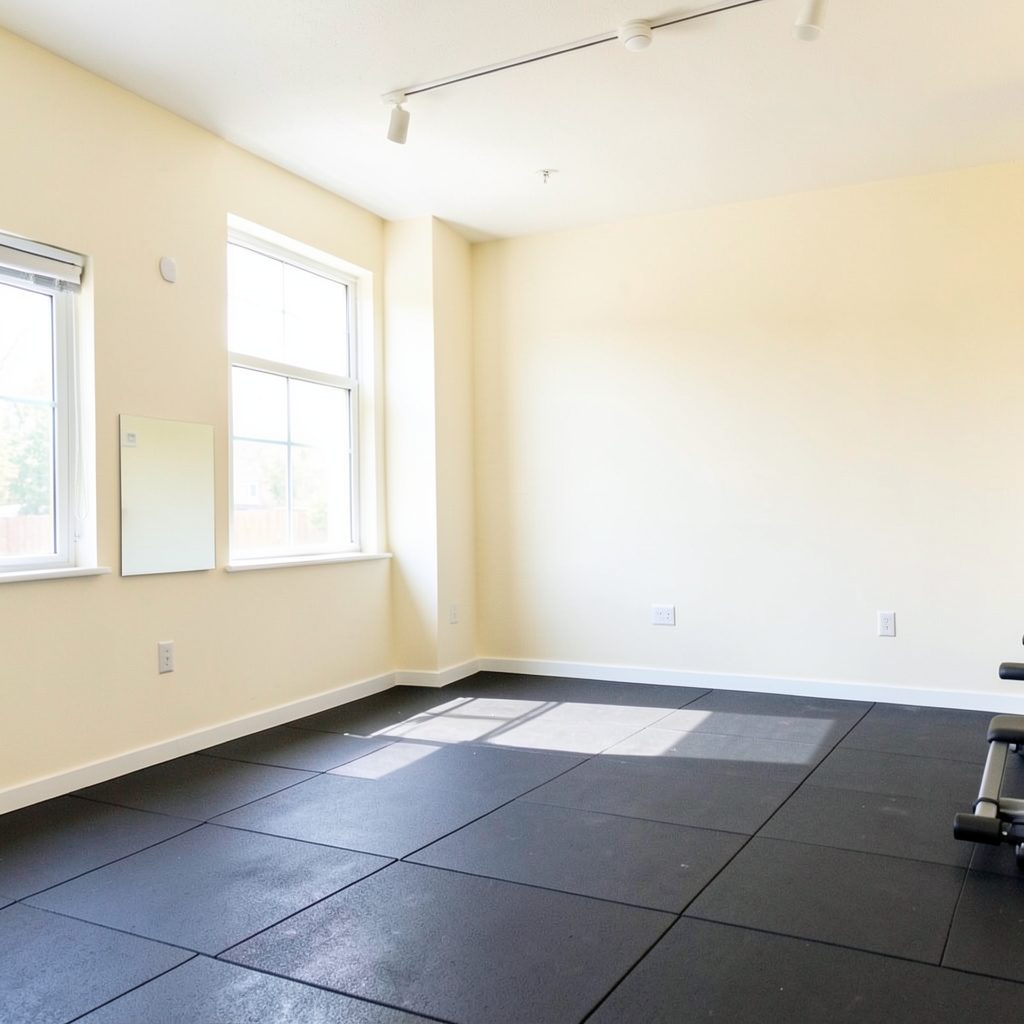
You do not need a full gym to begin. A small clear area, supportive footwear, and a consistent routine can provide enough space for jump squats, broad jumps, pogo hops, and other bodyweight power exercises. The goal is to train quality movement rather than collect as many repetitions as possible.
Plyometrics place meaningful stress on the ankles, knees, hips, and connective tissues. Progress gradually, land quietly, and stop a set when your jumping height or landing control noticeably declines. Athletes with current pain or a recent injury should get guidance from a qualified professional before starting.
Why Plyometrics Improve Explosive Power
Plyometric drills use a rapid stretch-shortening cycle. Your muscles and tendons briefly absorb force during the landing or countermovement, then release that energy during takeoff. Repeating this process teaches your body to transition from braking to propulsion more efficiently.
A vertical leap also depends on coordination. The ankles, knees, hips, trunk, and arms must contribute at the right time. Exercises such as countermovement jumps and tuck jumps help you practice this sequence while developing rate of force development, reactive strength, and body awareness.
Strength still matters. A stronger lower body gives you a larger force base, while plyometrics help you apply that force quickly. Combining both qualities is usually more productive than performing endless jumps without resistance training, recovery, or technical attention.
Prepare Your Body For Safe Jump Training
Begin every session with five to ten minutes of gradual movement. March or jog in place, complete lateral shuffles, and perform controlled bodyweight squats. Add ankle circles, walking lunges, hip hinges, and a few low-intensity hops before attempting maximal jumps.
Your landing position deserves as much attention as your takeoff. Land with your feet approximately hip-width apart, knees tracking in line with your toes, and hips moving slightly backward. Keep your chest controlled rather than collapsing forward, and absorb the landing through the ankles, knees, and hips.
Use a firm, non-slip surface with enough clearance above and around you. Avoid wet floors, loose rugs, crowded rooms, and hard concrete when possible. If you are training young athletes, an adult should supervise the space and make sure the drill matches the athlete’s coordination and experience.
Start With Foundational Plyometric Drills
Pogo hops are a useful starting point because they teach quick ankle stiffness with limited knee bend. Stand tall, make small springing hops, and keep the rhythm light and consistent. Focus on spending little time on the floor instead of trying to jump as high as possible.
The countermovement jump is the core vertical jump exercise for many athletes. Dip into a quarter squat, swing your arms, and jump vertically. Land softly, reset fully, and repeat. Keep each repetition crisp; five excellent jumps are more valuable than fifteen fatigued ones.
Once those drills feel controlled, add squat jumps, split-stance jumps, and broad jumps. Tuck jumps can challenge power and coordination, but they require more landing control. Start with low volume and leave enough space for your feet to land safely.
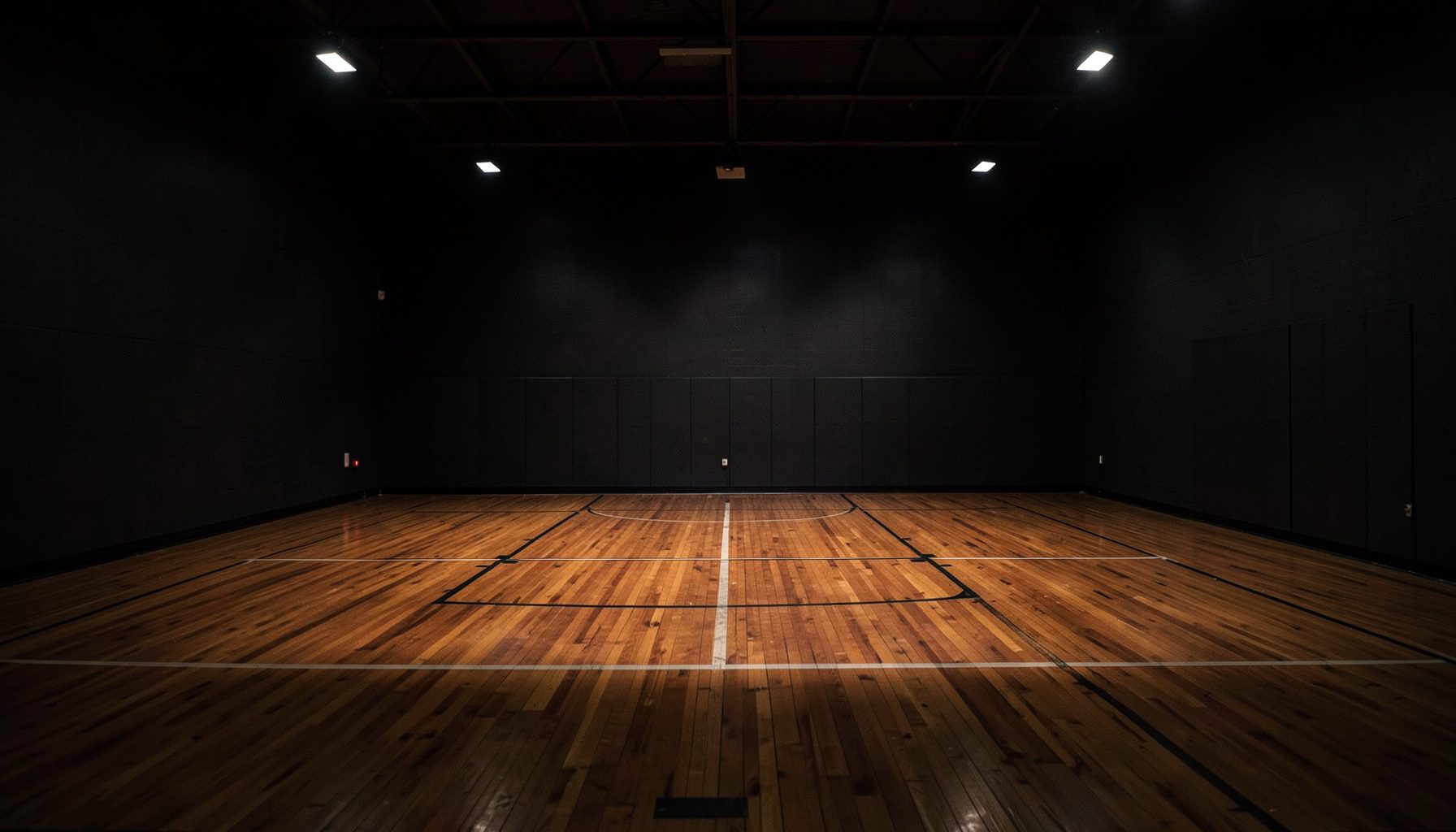
Athletes who want additional examples of basketball movement, training, and facility activity can browse the facility gallery for visual context and ideas that may support their broader development.
Choose Drills And Training Volumes Wisely
A home workout should have a clear purpose. Use low-amplitude hops to develop rhythm and ankle reactivity, vertical jumps to practice takeoff mechanics, and broad jumps to train horizontal power. Avoid stacking several demanding jump variations together until your body has adapted.
| Drill | Primary focus | Starting volume | Rest |
|---|---|---|---|
| Pogo hops | Ankle reactivity and rhythm | 2 sets of 15–20 seconds | 45–60 seconds |
| Countermovement jumps | Vertical power and coordination | 3 sets of 4–6 reps | 60–90 seconds |
| Squat jumps | Lower-body force production | 2–3 sets of 5 reps | 60–90 seconds |
| Broad jumps | Horizontal power and landing control | 3 sets of 3–5 reps | 90 seconds |
| Split-stance jumps | Single-leg coordination | 2 sets of 4 each side | 60–90 seconds |
Treat these numbers as a starting point rather than a requirement. Beginners may need one or two sets, while experienced athletes may tolerate slightly more work. Your repetitions should remain powerful, technically sound, and consistent from the first set to the last.
Rest days are part of jump development. Tendons and muscles need time to recover after explosive work, particularly when the athlete also plays basketball, participates in leagues, or completes lower-body strength sessions. Two plyometric sessions per week are often enough for a beginner.
Build A Consistent Home Routine
Perform plyometrics after your warm-up and before exhausting conditioning. When your legs are fresh, you can focus on jumping height, takeoff timing, and landing mechanics. Completing high-volume jumps at the end of a hard workout can turn a power session into a fatigue and technique session.
Track a few simple details: the drills completed, total sets, perceived effort, and any discomfort. You can also measure your standing reach and jump height every few weeks under similar conditions. Daily testing is unnecessary and may encourage you to chase maximum effort when recovery is incomplete.
Practical Weekly Recommendations
Use the following principles to make your training more sustainable:
- Start with two sessions per week separated by at least 48 hours.
- Select two or three drills and complete them with full control.
- Rest until your breathing settles and your legs feel ready for another quality set.
- Increase volume slowly, adding repetitions before adding difficult variations.
- Replace a drill with a lower-impact option if landings become loud, unstable, or painful.
Pair jump work with basic strength exercises such as split squats, glute bridges, calf raises, and controlled single-leg hinges. These movements support the muscles used during takeoff and landing without requiring specialized equipment. Maintain steady breathing and use a range of motion you can control.
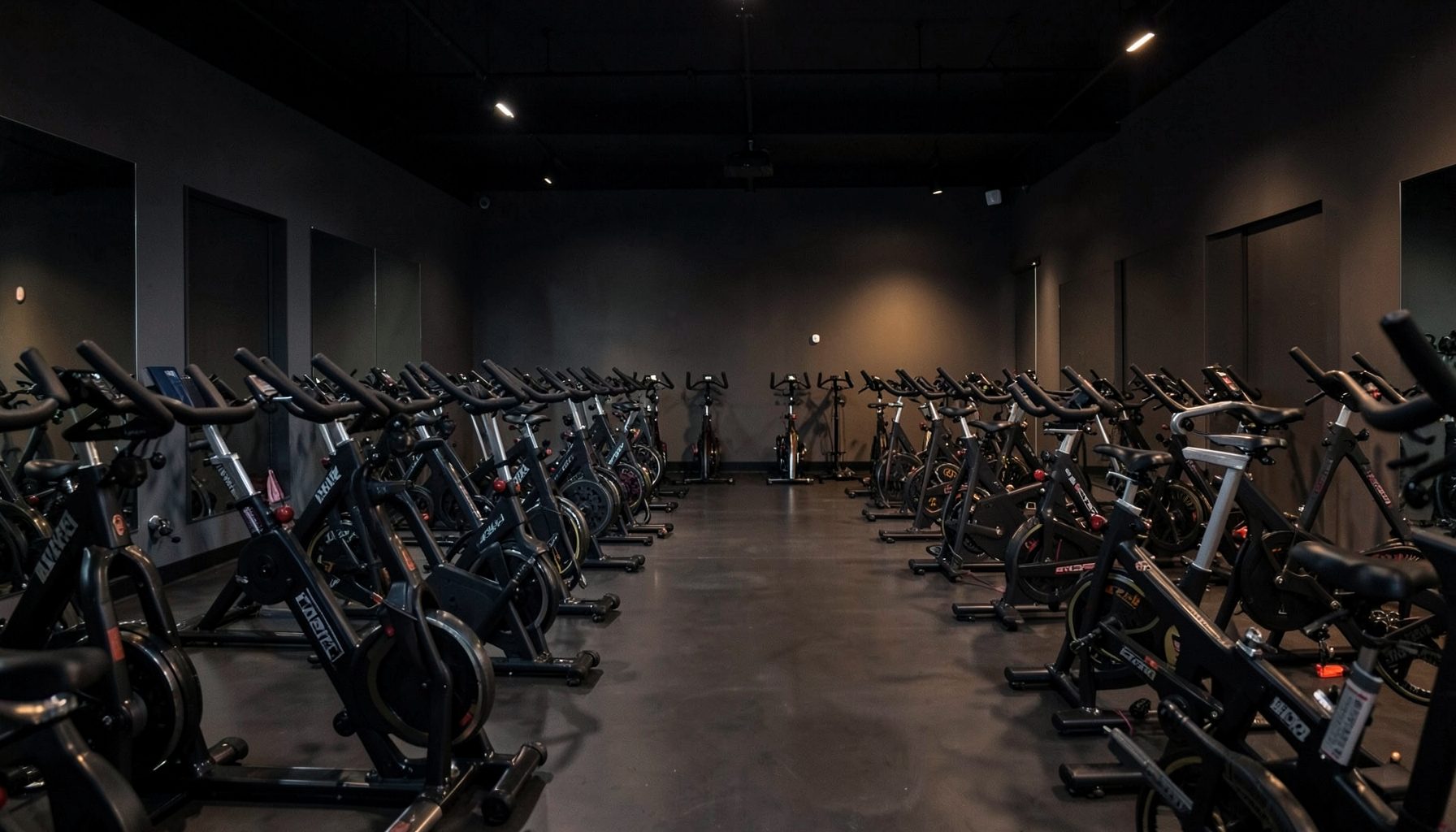
Basketball conditioning also affects how well you can express power late in a game. Learning how spin classes support conditioning can help you build cardiovascular capacity while keeping high-impact jumping sessions focused and recoverable.
Progress Without Sacrificing Technique
Progression can come from several sources: greater jump height, faster ground contact, a longer broad jump, improved single-leg control, or better consistency. It does not have to mean performing more repetitions. If your takeoff becomes slower or your knees lose alignment, the set has already provided enough work.
After several weeks of foundational practice, consider advanced options such as low box jumps, skater hops, or approach jumps. A box jump can reduce landing impact, but it should not become an excuse to jump onto a surface that is too high. Choose a height that allows a safe, athletic landing without excessive hip compression.
Pain is different from normal exertion. Persistent soreness, sharp pain, swelling, or discomfort that changes your movement deserves attention. Reduce impact and seek appropriate guidance rather than trying to push through symptoms.
Take Your Jump Training To The Court
Home plyometrics can improve explosive movement, but basketball performance also requires decision-making, footwork, strength, and repeated efforts in realistic situations. Use your home routine to develop a physical foundation, then apply that power through shooting, rebounding, defensive slides, and finishing practice.
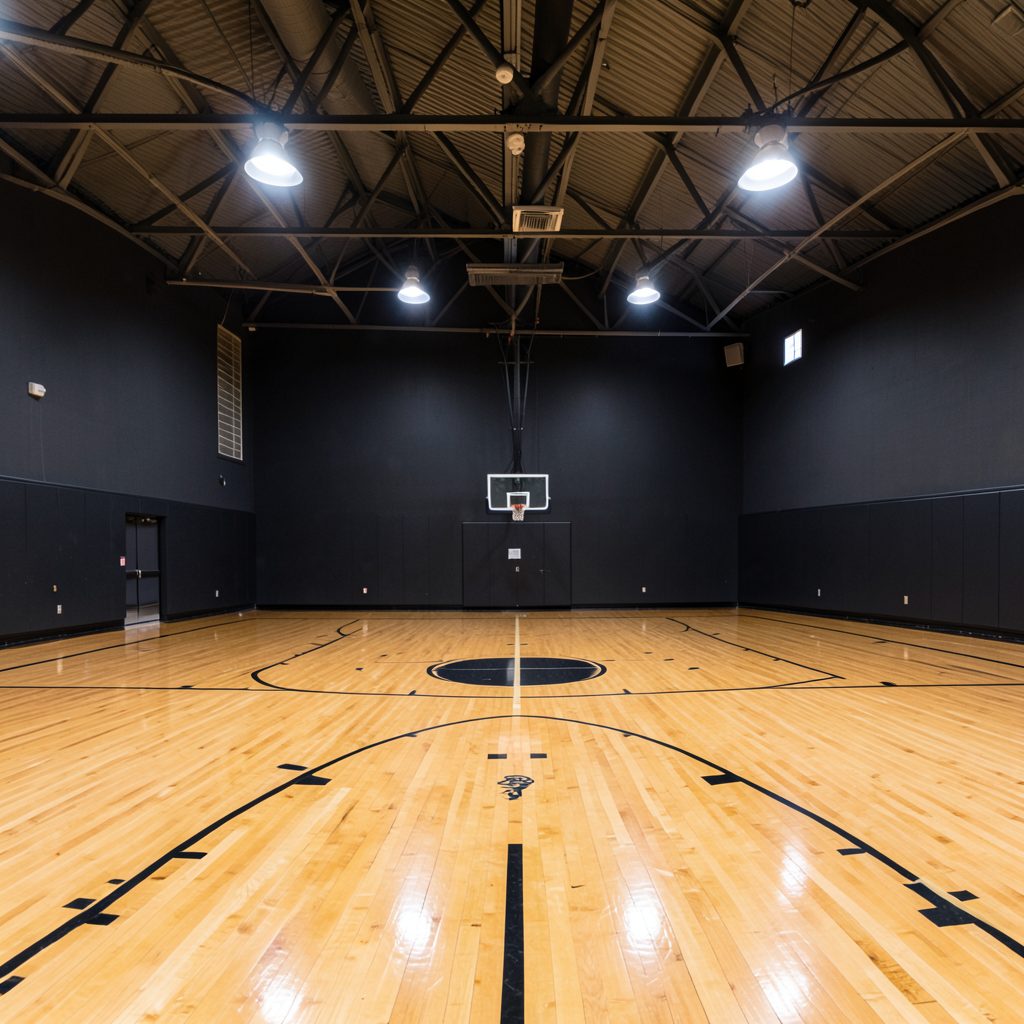
A training facility can add coaching feedback, structured competition, and equipment that is difficult to replicate in a living room. The Factory D1 Indy brings basketball training, leagues, conditioning, and recovery services together for athletes at different stages of development.
Begin with a manageable routine this week, record your baseline, and focus on quiet landings and powerful, controlled takeoffs. Visit The Factory D1 Indy to connect your home jump training with expert instruction and a broader athletic program built for continued progress.
Inside The Factory

Three Entities, One Roof
Leagues
Eight league divisions span every age group: Indy Pro AM, 18+ Open Men's, 30+ Men's, Bite Size (ages 3–6), Impact League, 5th/6th Grade, Middle School, and High School. Gather your team and compete.
Training
Individual and group basketball training for all skill levels. Major M.O.V.E.S. Basketball Training serves ages 4–7 on Wednesday and Thursday evenings at 6:30 PM — $30 per session or $100 unlimited monthly.
Wellness & Recovery
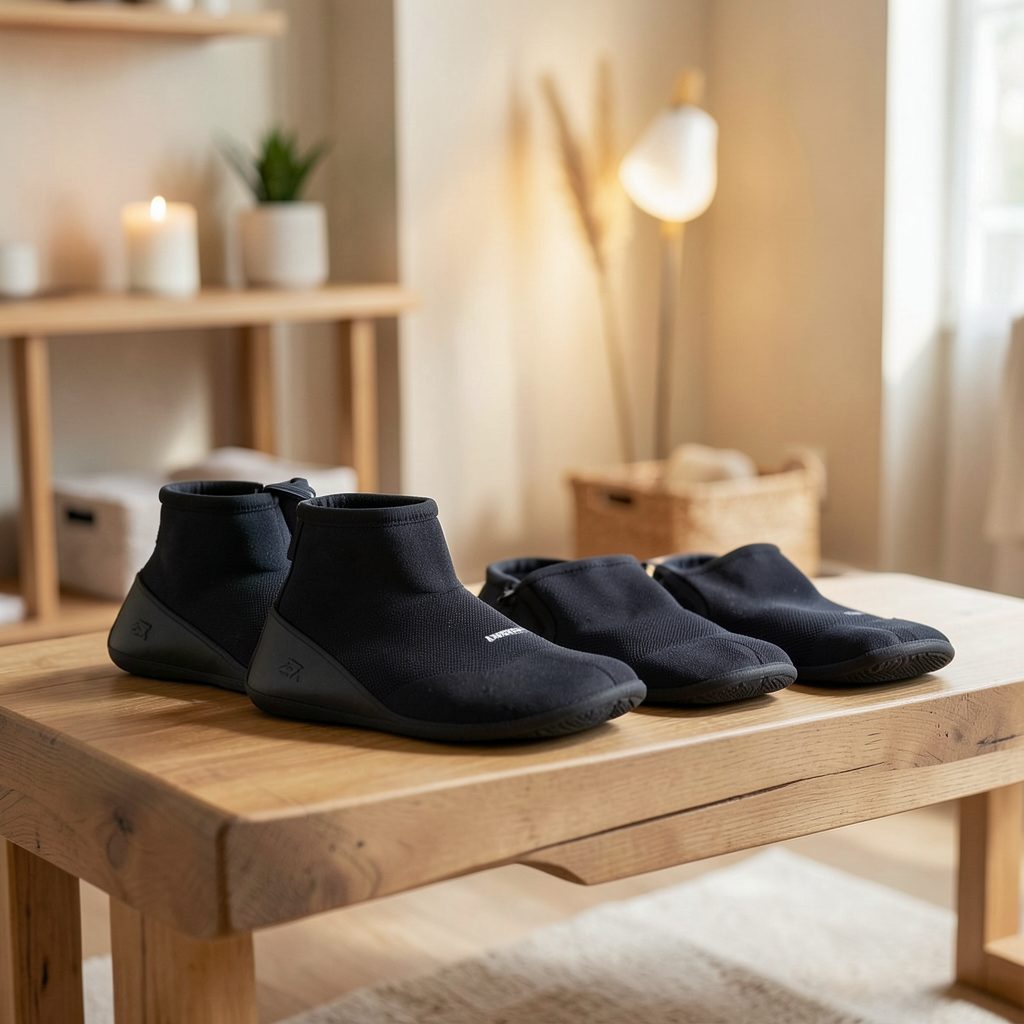
Normatec boot recovery and cryotherapy treatments help athletes bounce back faster. Cycle and spin classes add a cardio dimension to the holistic performance approach.
Have a Question?