Train. Compete. Recover.
A multi-purpose athletic facility in Speedway, Indiana — basketball leagues, skill training, and wellness services all under one roof.
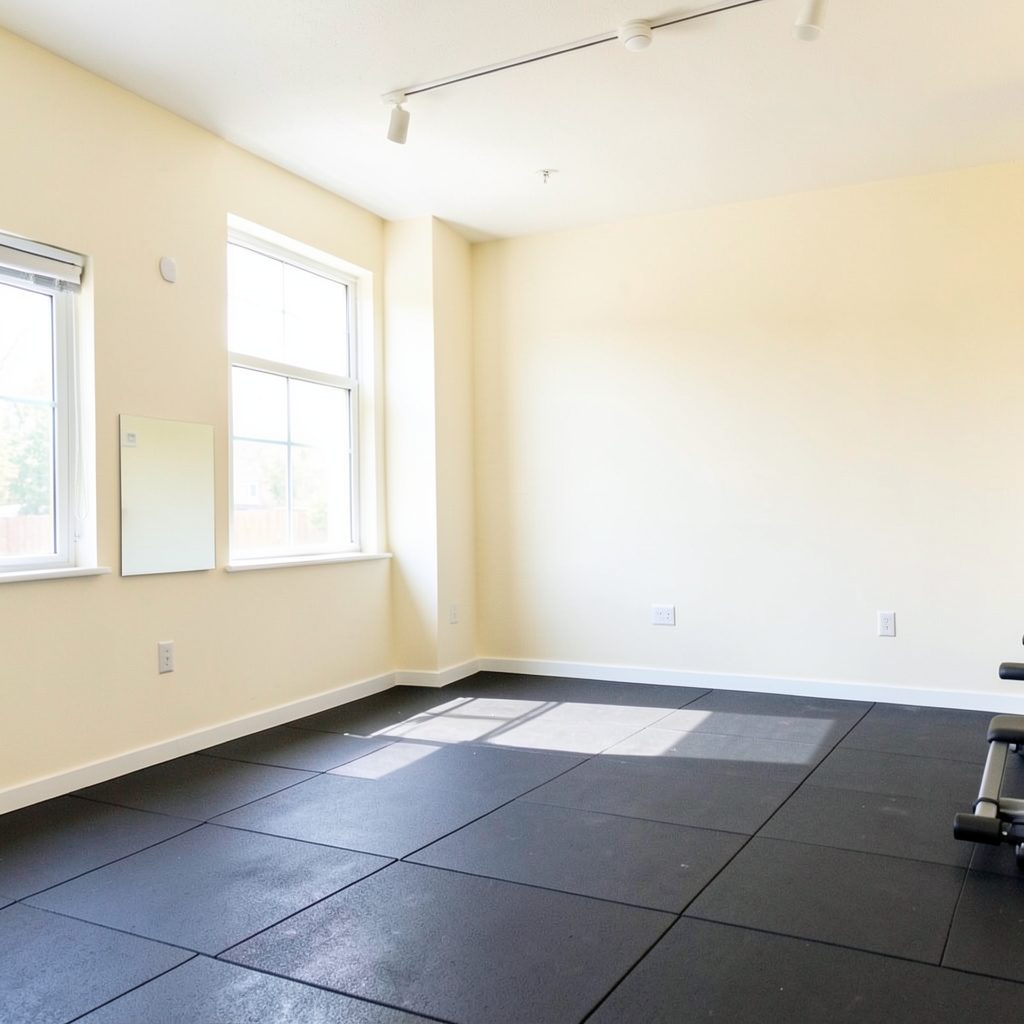
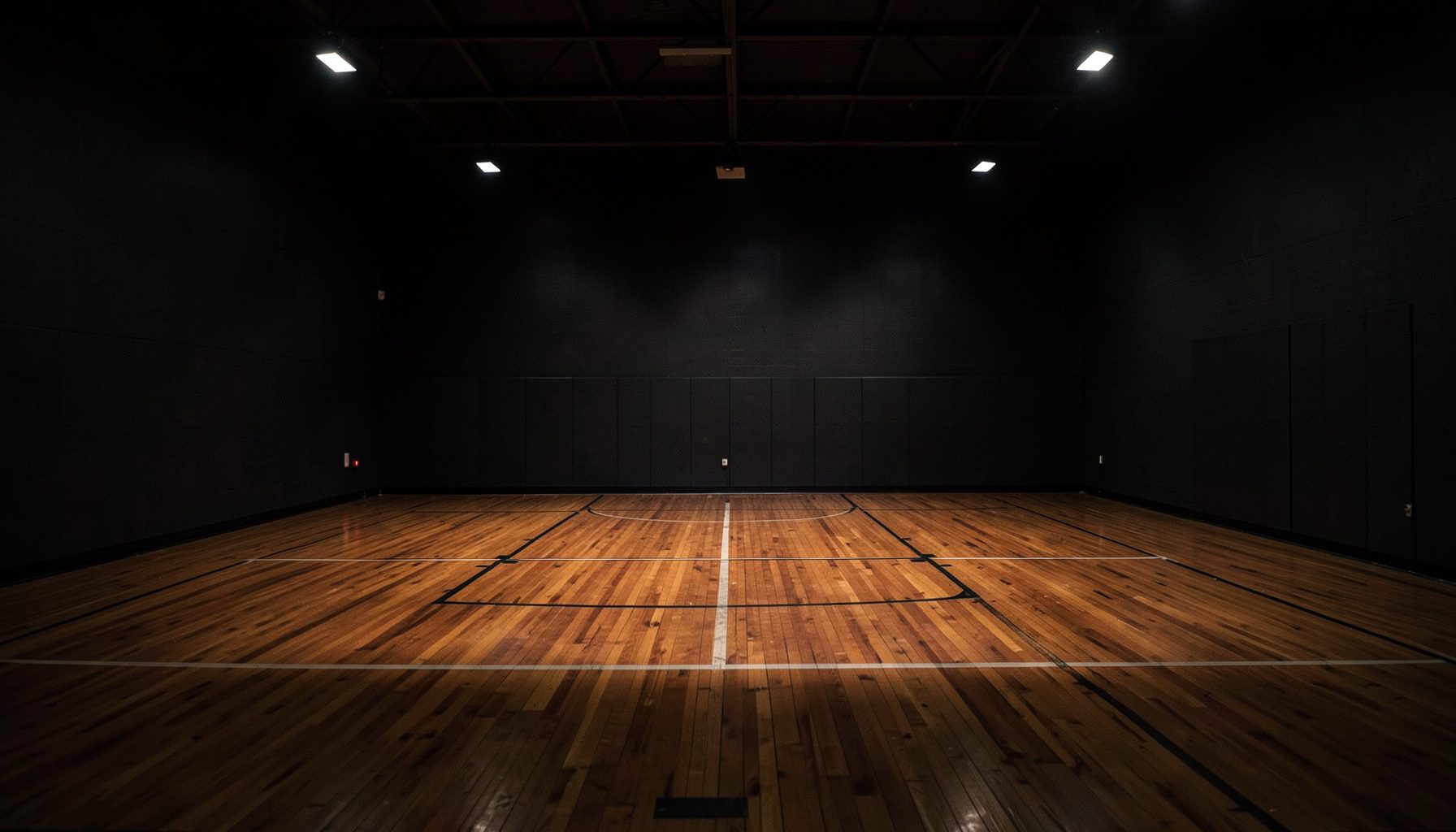
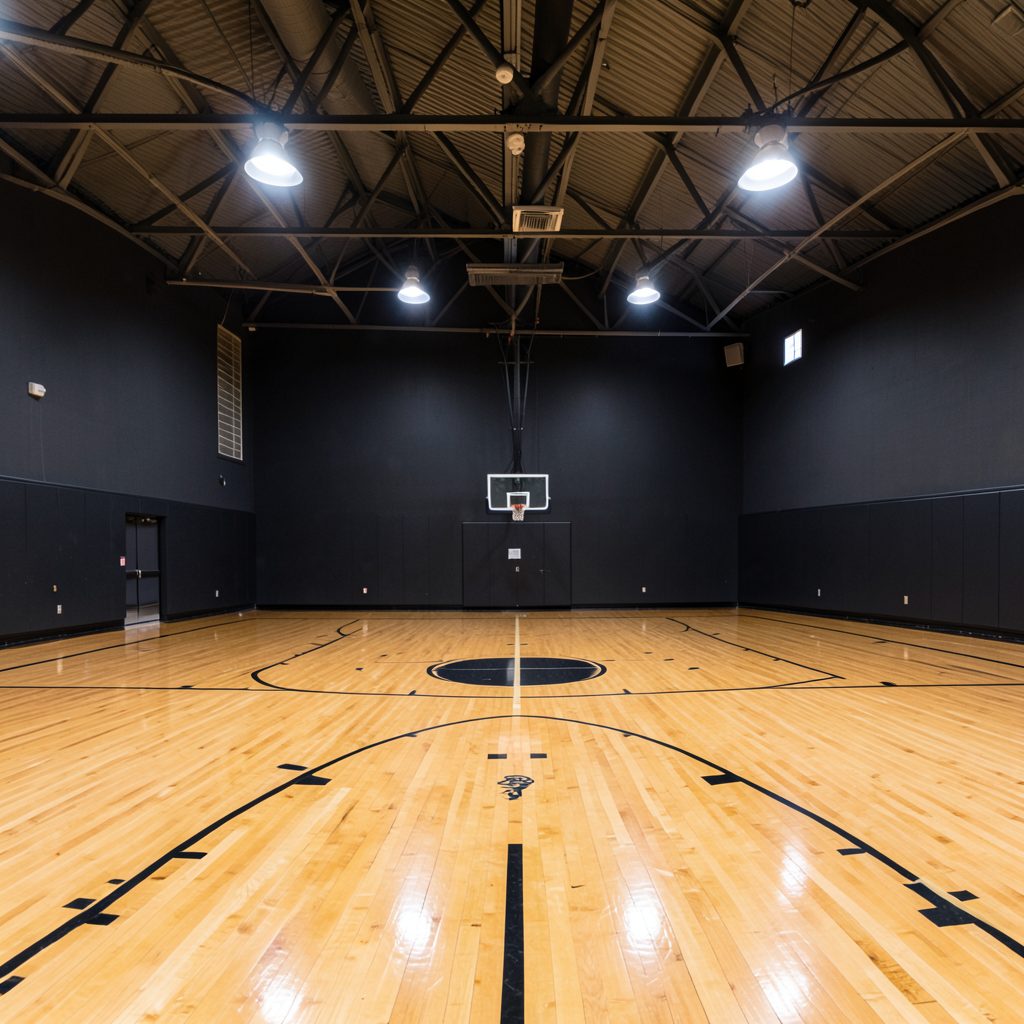
The Factory D1 Indy brings together three entities under one roof: competitive basketball leagues for all age groups, individual and group training, and wellness & recovery services including Normatec boot recovery and cryotherapy. Located off I-465 and High School Road at 6331 Crawfordsville Road, Speedway, Indiana 46224.
Get In TouchHelping Your Child Enjoy Competitive Basketball Without Pressure
Competitive basketball can give children confidence, friendships, fitness and a sense of belonging. It can also feel intimidating when adults focus too heavily on scores, selection trials or future scholarships. A positive first experience should make the sport feel exciting before it becomes demanding.
For Australian families, basketball often fits around school sport, weekend competitions and busy after-school schedules. Children may move between outdoor courts and indoor stadiums in cities such as Melbourne, Sydney, Brisbane or Perth, adjusting to different coaching styles and levels of competition along the way.
The goal is to introduce organised basketball gradually, allowing your child to discover what they enjoy. Some children love learning footwork and ball control, while others are drawn to teamwork, friendly rivalry or simply running around with classmates.
A supportive facility can help by offering age-appropriate skills sessions, beginner leagues, conditioning and recovery options. The right environment gives young players room to improve while making sure sport remains a healthy part of family life rather than a source of constant performance anxiety.
Begin With Enjoyment And Familiarity
Before entering a competitive league, let your child spend time with a basketball in a relaxed setting. Passing in the driveway, shooting at a local park or playing a short game with siblings can build familiarity without the pressure of formal instruction.
Keep early sessions brief and playful. Try games that involve dribbling around markers, racing to collect a ball or aiming at different parts of the backboard. Children often develop basic coordination more willingly when they are laughing and experimenting rather than completing repetitive drills.
Watch for the activities your child chooses independently. If they enjoy shooting but dislike full games, skills training may be the better starting point. If they prefer chasing the ball and working with others, a beginner team may provide more motivation than individual lessons.
Choose The Right Competitive Setting
The first organised programme should match your child’s age, confidence and current ability. A beginner division, introductory clinic or social league is usually more suitable than a highly selective representative squad. The purpose of the first season is to learn how competition works, not to prove long-term potential.
Ask coaches how they group players, how much playing time children receive and how they respond to mistakes. A good junior coach teaches spacing, passing, defence and sportsmanship while keeping instructions clear and age appropriate. They should also understand that children develop at different rates.
In Australia, junior basketball can range from local association competitions to school teams and representative pathways. A child who starts in a community league can move between levels later. There is no need to enter the most demanding pathway immediately simply because another family has chosen it.
Set Goals That Do Not Depend On Winning
Outcome goals such as winning a final or scoring the most points are easy to understand, but they are largely outside one child’s control. Replace them with simple process goals: make three strong passes, move into space, use the correct defensive stance or encourage a teammate.
Choose one or two goals for each game. Too many instructions can make a young player think about adults’ expectations instead of reacting naturally. Afterward, praise behaviours such as effort, listening, courage and teamwork rather than asking only about the final score.
A useful post-game conversation might focus on what felt enjoyable, what was difficult and which skill the child would like to practise next. If they had a poor game, resist analysing every possession. A calm response teaches them that one result does not define their ability or value.
Let The Coach Lead During Training
Parents play an important role, but the coach should be responsible for technical instruction during sessions and matches. Calling constant directions from the sideline can confuse a child, especially when the coach is teaching a different defensive rotation or decision-making habit.
Agree on a small amount of supportive language before the season begins. Encouragement such as “keep moving”, “great effort” or “enjoy the game” is less distracting than commands about shooting, passing or positioning. Save detailed feedback for the coach unless your child specifically asks for help.
Coaching standards matter. In Australia, organisations working with children generally require screening and compliance processes that vary by state or territory, such as Working with Children Checks. Families should understand the club’s supervision, communication and safeguarding policies before enrolling.
Build A Healthy Training Routine
Young athletes need recovery, sleep, food and unstructured play as much as they need basketball practice. Avoid scheduling every afternoon around organised sport. A child who attends school, trains several times and plays on weekends may need at least one or two genuinely low-demand days each week.
Warm-ups, water and suitable footwear are practical parts of a safe routine. Australian summers can bring intense heat, particularly in places such as Adelaide, Brisbane and western Sydney. Outdoor sessions should account for temperature, shade and hydration, while indoor stadiums still require regular water breaks.
Cross-training can be enjoyable when it is not treated as extra punishment. Cycling, swimming, playground activity and basic strength exercises can improve general fitness without making a child feel that every movement is being measured. Families exploring spin or cycle sessions can also review practical cycle class clothing considerations before joining a class.
Manage Costs, Travel And Time
Competitive basketball can involve registration fees, uniforms, shoes, transport and tournament expenses. Before committing, ask for a clear outline of the seasonal cost. A local association team may be a sensible first step when representative basketball would require long drives across Melbourne, Sydney or another large metropolitan area.
Travel time affects family wellbeing as much as the financial price. Late-night returns after school or weekend matches can reduce sleep and make sport feel like a burden. A nearby programme with a positive culture may offer more value than a prestigious club that creates constant logistical stress.
Children also grow quickly, so expensive equipment does not need to arrive all at once. Properly fitted shoes and comfortable clothing matter more than premium branding. Check whether the club has uniform exchanges, second-hand equipment groups or flexible payment options.
Respond To Anxiety And Changing Interests
Nerves before a first game are normal. Walk through the venue, explain what will happen and arrive early enough to find the change rooms without rushing. Let your child know they can make mistakes, ask for help and take time to settle into the pace of play.
If anxiety continues, speak privately with the coach. The solution might be a smaller division, fewer minutes, a gradual return after illness or a temporary focus on skills sessions. Avoid presenting a change as failure. Adjusting the environment is often what allows confidence to grow.
Children’s interests can change as well. Some will love basketball for a year and then prefer athletics, netball, football or dance. Encouraging commitment does not mean forcing a child to continue indefinitely. It means helping them finish a reasonable commitment, reflect on the experience and choose their next step thoughtfully.
Keep Competition In Perspective
Competitive sport can teach resilience, but resilience does not require constant hardship. A child should have space to celebrate progress, enjoy teammates and feel proud of learning something new. Selection results and statistics are pieces of information, not verdicts on character.
Be careful with comparisons, particularly when families share scores, rankings and representative selections through school or club networks. The child developing late may eventually become a strong player, while the early standout may need a different challenge later. Development rarely follows a straight line.
Facilities that combine skills training, leagues, conditioning and recovery can support different stages of that journey. The most valuable programme is one where children feel known, coached and welcome, whether they are preparing for a serious pathway or simply enjoying their first season.
Choose a local basketball session that matches your child’s age and confidence, attend the first few activities with an open mind and make enjoyment the measure of success. With patient support, clear boundaries and the freedom to develop gradually, competitive basketball can become a rewarding part of growing up.
Inside The Factory

Three Entities, One Roof
Leagues
Eight league divisions span every age group: Indy Pro AM, 18+ Open Men's, 30+ Men's, Bite Size (ages 3–6), Impact League, 5th/6th Grade, Middle School, and High School. Gather your team and compete.
Training
Individual and group basketball training for all skill levels. Major M.O.V.E.S. Basketball Training serves ages 4–7 on Wednesday and Thursday evenings at 6:30 PM — $30 per session or $100 unlimited monthly.
Wellness & Recovery
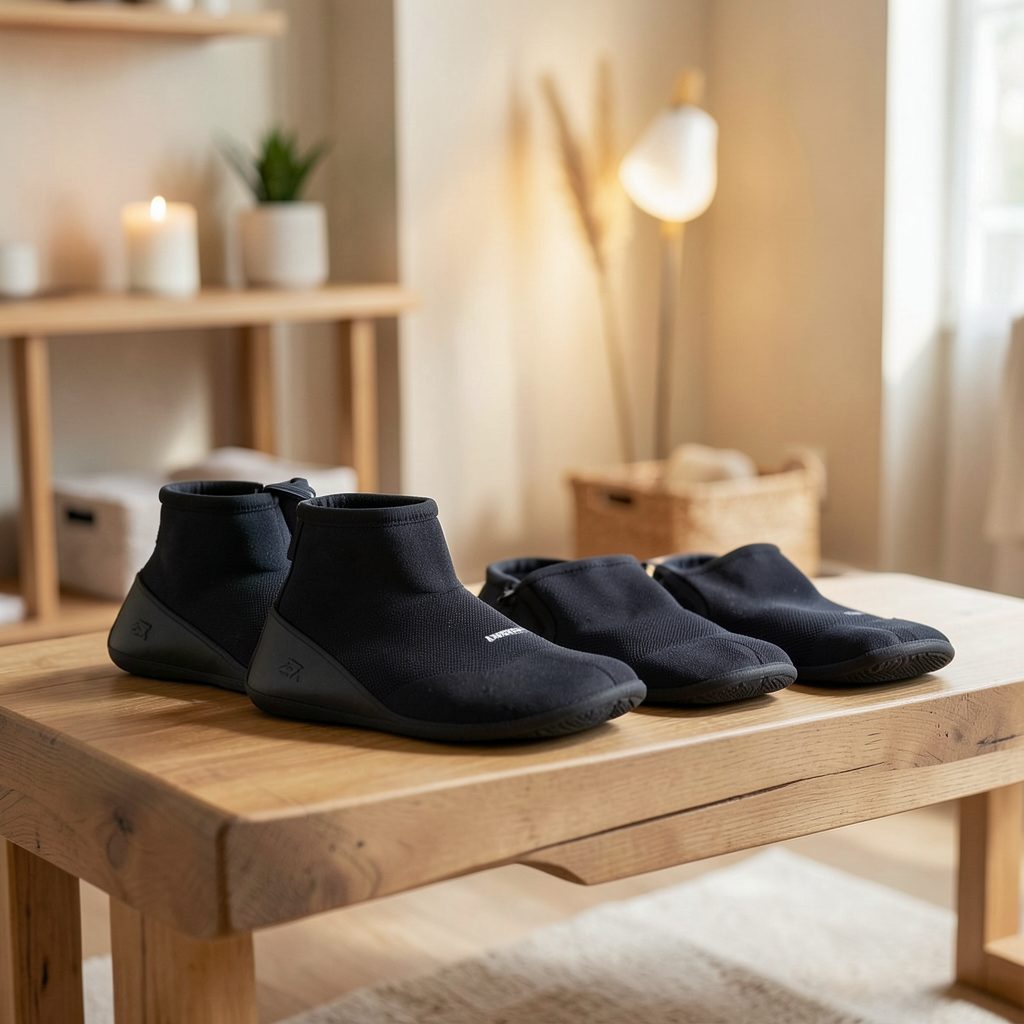
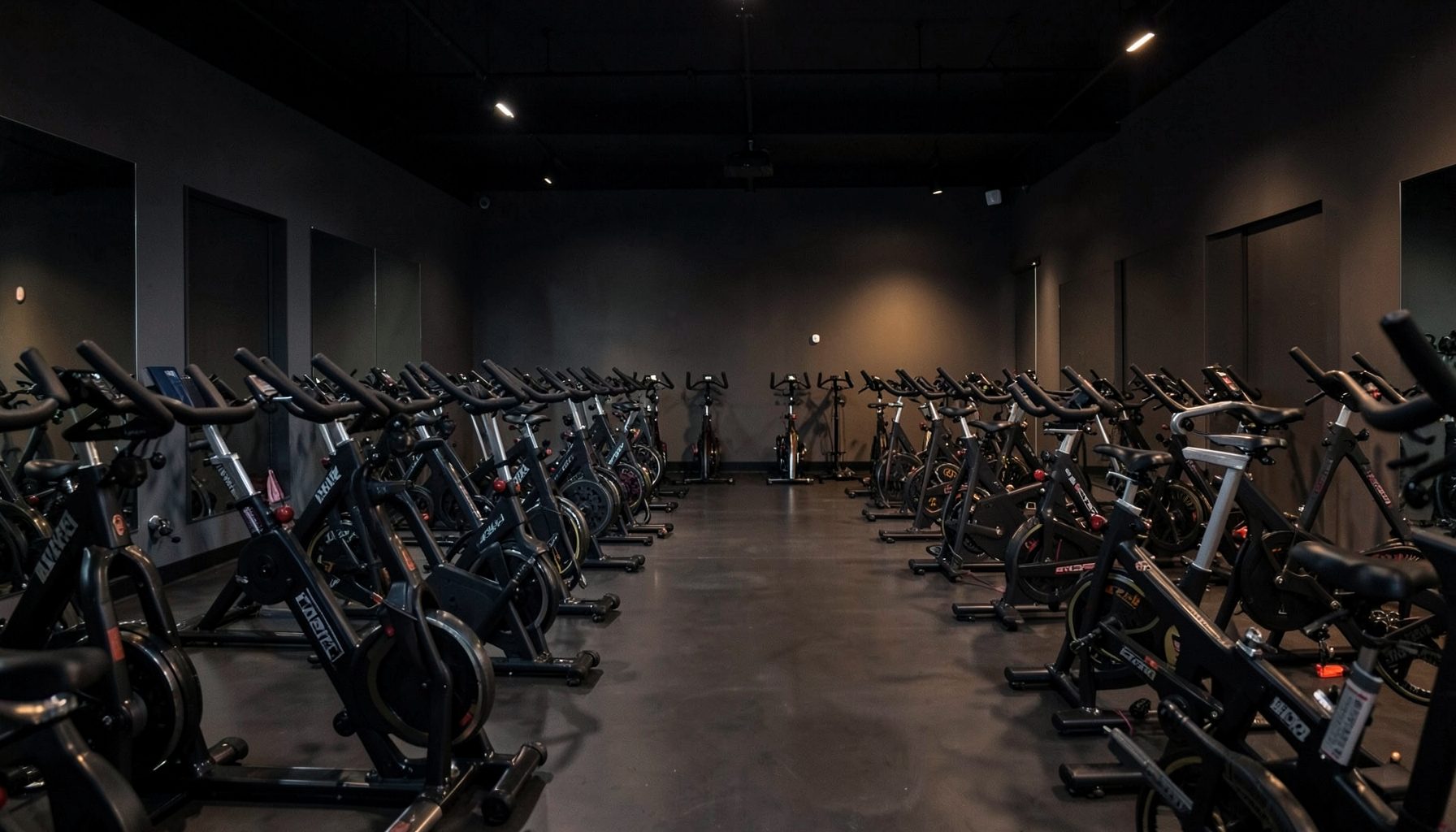
Normatec boot recovery and cryotherapy treatments help athletes bounce back faster. Cycle and spin classes add a cardio dimension to the holistic performance approach.
Have a Question?