Train. Compete. Recover.
A multi-purpose athletic facility in Speedway, Indiana — basketball leagues, skill training, and wellness services all under one roof.
The Factory D1 Indy brings together three entities under one roof: competitive basketball leagues for all age groups, individual and group training, and wellness & recovery services including Normatec boot recovery and cryotherapy. Located off I-465 and High School Road at 6331 Crawfordsville Road, Speedway, Indiana 46224.
Get In TouchWhat To Wear For A Cycle Class To Ride Stronger
The right cycle class clothing can make the difference between concentrating on your cadence and constantly adjusting a waistband, shirt, or pair of shoes. Indoor cycling involves repeated movement, sustained effort, and a warm environment, so comfort depends on breathable fabrics, secure fits, and support in the places that receive the most pressure.
Your outfit should allow your hips and knees to move freely while keeping sweat away from your skin. It should also reduce friction, prevent loose fabric from catching on equipment, and help you stay comfortable during intervals, climbs, and recovery periods. A thoughtful kit is useful for beginners and experienced riders alike.
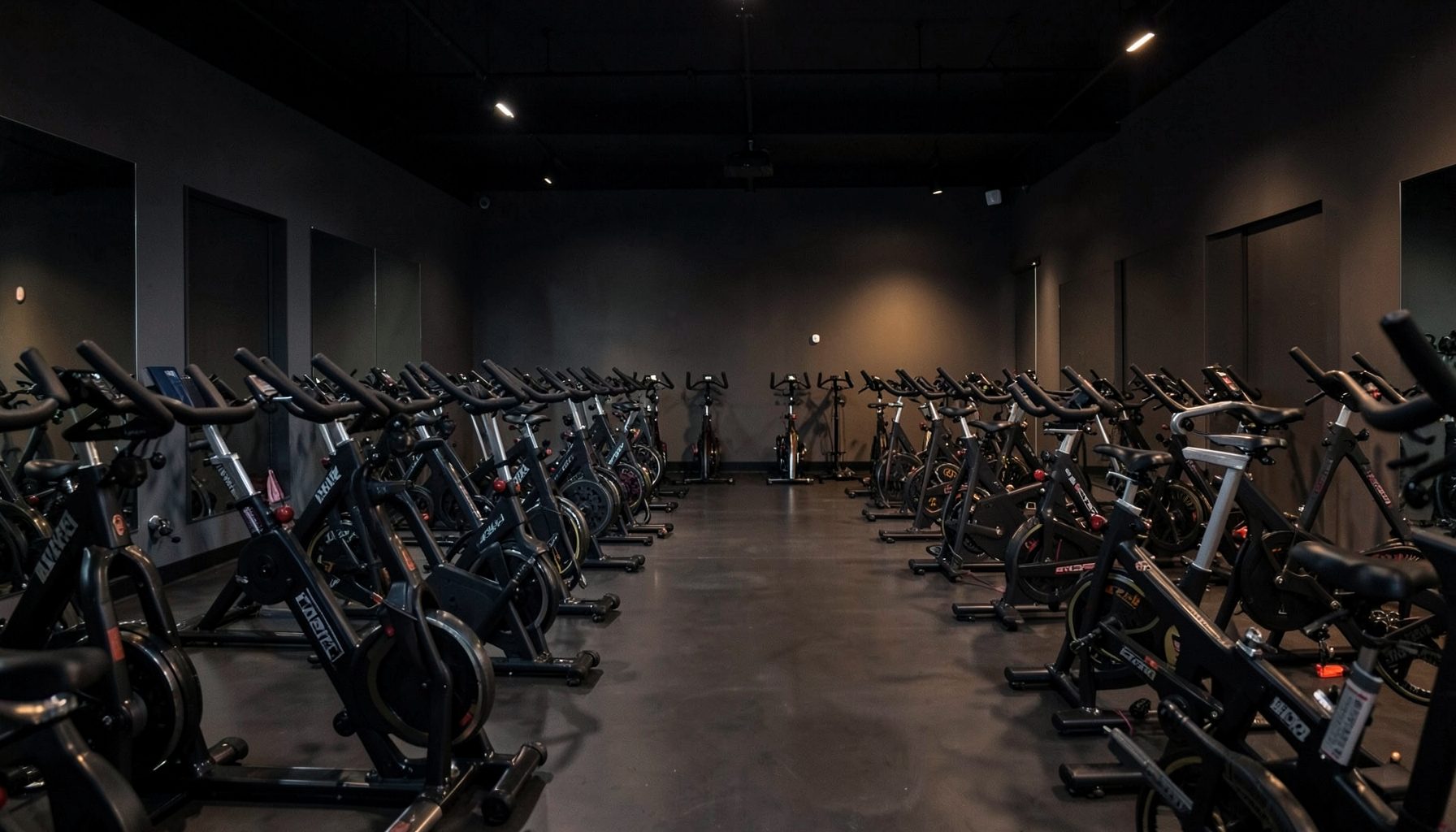
At The Factory D1 Indy in Speedway, Indiana, cycle and spin classes are part of a broader athletic environment that supports training, conditioning, and wellness. Choosing practical clothing helps you get more from every session, whether cycling is your primary workout or part of a balanced routine for basketball and other sports.
Choose Breathable, Close-Fitting Layers
Start with a lightweight athletic top made from moisture-wicking fabric such as polyester, nylon, or a technical blend. These materials move perspiration away from the skin and dry faster than cotton. A close-fitting shirt is usually preferable because it stays in place while you lean forward and will not hang near the handlebars.
Avoid heavy cotton tees, thick sweatshirts, and loose tops that absorb moisture. Cotton can feel comfortable at the beginning of class, but once it becomes damp, it may feel heavy, cling to the body, and increase chafing. A fitted tank, short-sleeve performance shirt, or cycling jersey works well in a warm studio.
The best fit should feel secure without restricting your breathing or shoulder movement. Test the shirt by reaching forward and rotating your upper body. If the hem rides up, the sleeves pinch, or the fabric pulls across your chest, choose another size or cut.
Select Comfortable Cycling Bottoms
Shorts or leggings should stretch easily and remain secure through every pedal stroke. High-rise leggings can provide useful coverage and stability, while fitted training shorts allow greater airflow. Look for flat seams and soft, smooth fabric around the waist and inner thighs to reduce irritation.
Padded cycling shorts are optional for indoor spin classes. Some riders appreciate the extra cushioning on a stationary bike saddle, especially during longer sessions, while others prefer standard performance shorts or leggings. If you choose padded bottoms, the padding should fit closely and stay centered rather than shifting as you ride.
Avoid excessively loose basketball shorts unless they have a secure liner. Loose fabric may bunch beneath you, catch on the bike, or distract you during standing climbs. The waistband should remain in place without digging into your stomach, and the leg openings should not slide upward with every movement.
Wear Supportive Indoor Training Shoes
Footwear affects power transfer, stability, and comfort. For most studio bikes, supportive athletic shoes with a firm sole are a practical choice. They should fit snugly through the heel and midfoot while leaving enough room for your toes to spread naturally.
If the facility uses bikes with clip-in pedals, check which cleat system is compatible before class. Cycling shoes with the correct cleats can improve connection to the pedals, but they require practice and careful setup. Beginners should ask the instructor for guidance before riding clipped in.
When standard athletic shoes are required, avoid highly cushioned running shoes with very soft soles. They can compress under pressure and make your feet feel less stable. A cross-training shoe often offers a useful balance of support, flexibility, and pedal control.
Match Your Kit To The Studio
Indoor cycling rooms can feel warm once the class begins, although the temperature may be comfortable before the warm-up. Wear layers that are easy to remove, such as a lightweight zip jacket or thin sweatshirt over your riding clothes. You can set the outer layer aside once your body temperature rises.
A sweat-wicking headband or cap can keep perspiration away from your eyes, while breathable socks help manage heat inside your shoes. Choose socks that reach above the shoe collar and stay smooth. Thick cotton socks may bunch and create pressure points, particularly during a high-resistance climb.
Bring a small towel and a refillable water bottle. The towel is useful for wiping sweat from your face and handlebars, while steady hydration supports concentration and effort. Avoid oversized accessories, dangling drawstrings, and jewelry that may interfere with movement or equipment.
Compare Clothing Options For Ride Comfort
Different riders may prefer different combinations based on class length, room temperature, and personal sensitivity to pressure or heat. The most important qualities are a secure fit, moisture management, freedom of movement, and minimal friction.
| Clothing Choice | Best Use | Main Benefit | Potential Concern |
|---|---|---|---|
| Fitted performance top | Most indoor classes | Wicks sweat and stays in place | Can feel restrictive if sized too small |
| Lightweight tank top | Warm studios or intense intervals | Maximizes airflow | May offer less coverage under the arms |
| High-rise leggings | Riders wanting coverage and stability | Smooth fit and reduced waistband movement | Heavy fabric may feel warm |
| Fitted cycling shorts | High-cadence or longer rides | Reduces bunching and friction | Padding may require an adjustment period |
| Cross-training shoes | Standard flat pedals | Stable platform and versatile use | Less efficient than compatible cycling shoes |
| Cycling shoes with cleats | Clip-in bike systems | Strong pedal connection | Require proper cleat setup and practice |
Try your outfit through a few basic movements before class. Sit on a chair and lean forward as if holding handlebars, then perform several bodyweight squats and knee lifts. These simple checks can reveal whether fabric pulls, seams rub, or the waistband shifts.
Adjust Fit For Performance
A comfortable outfit should disappear from your attention once class starts. If you repeatedly pull at your shirt, adjust your leggings, or lift your socks, the clothing is interfering with your workout. Small fit problems can become more noticeable during standing intervals and high-resistance efforts.
Pay attention to pressure points after class. Red marks around the waist, numbness in the feet, or irritation along the inner thighs may indicate that your clothing or shoes are too tight, poorly positioned, or made from a rough material. Make one adjustment at a time so you can identify what improves the experience.
Cycling can also complement a wider athletic schedule. Young athletes benefit from varied movement experiences rather than committing too narrowly to one activity, as explained in this guidance on balanced athletic development. A comfortable cycle outfit makes it easier to use spin classes as conditioning alongside basketball, strength work, mobility training, and recovery.
Pack These Class Essentials
Prepare your gear before leaving so clothing concerns do not distract from the session. A simple bag can include your riding outfit, clean socks, shoes, towel, water bottle, and a light layer for the trip home. If you sweat heavily, pack a fresh shirt and a small bag for damp clothing.
Use this quick checklist when preparing for a cycle class:
- Moisture-wicking top with a secure, comfortable fit
- Stretchy shorts or leggings with smooth seams
- Supportive indoor training shoes or compatible cycling shoes
- Breathable socks, towel, and refillable water bottle
- Lightweight layer and dry clothes for after the workout
Wash technical clothing promptly after class and follow the care instructions on the label. Fabric softener can reduce the moisture-wicking performance of some materials, while high heat may damage stretch fibers. Keeping your kit clean and in good condition helps it retain its fit and function.
When you arrive at The Factory D1 Indy, allow time to adjust the bike, check the seat height, and confirm your pedal setup. Clothing works best when paired with proper equipment positioning and instructor guidance. Book a cycle or spin class, arrive prepared to move, and make each ride a stronger part of your training routine.
Inside The Factory
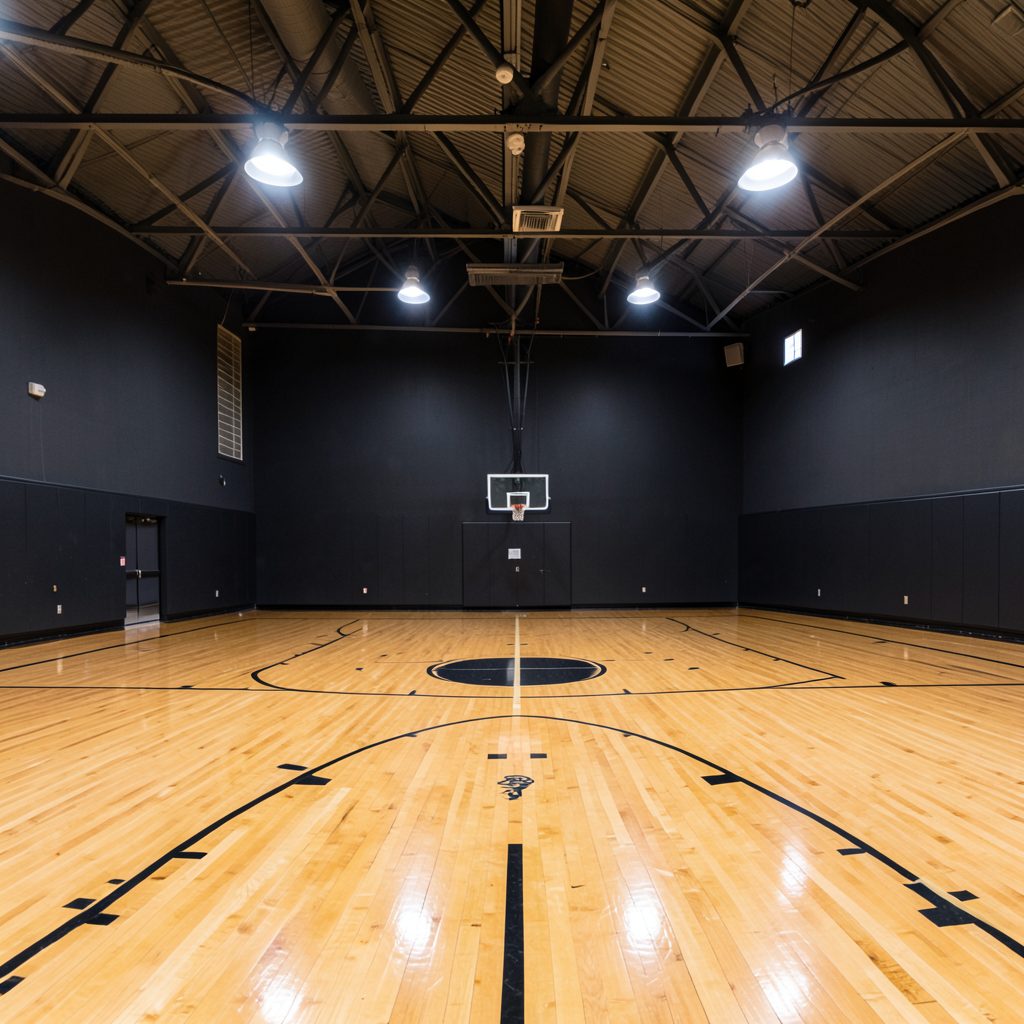

Three Entities, One Roof
Leagues
Eight league divisions span every age group: Indy Pro AM, 18+ Open Men's, 30+ Men's, Bite Size (ages 3–6), Impact League, 5th/6th Grade, Middle School, and High School. Gather your team and compete.
Training
Individual and group basketball training for all skill levels. Major M.O.V.E.S. Basketball Training serves ages 4–7 on Wednesday and Thursday evenings at 6:30 PM — $30 per session or $100 unlimited monthly.
Wellness & Recovery
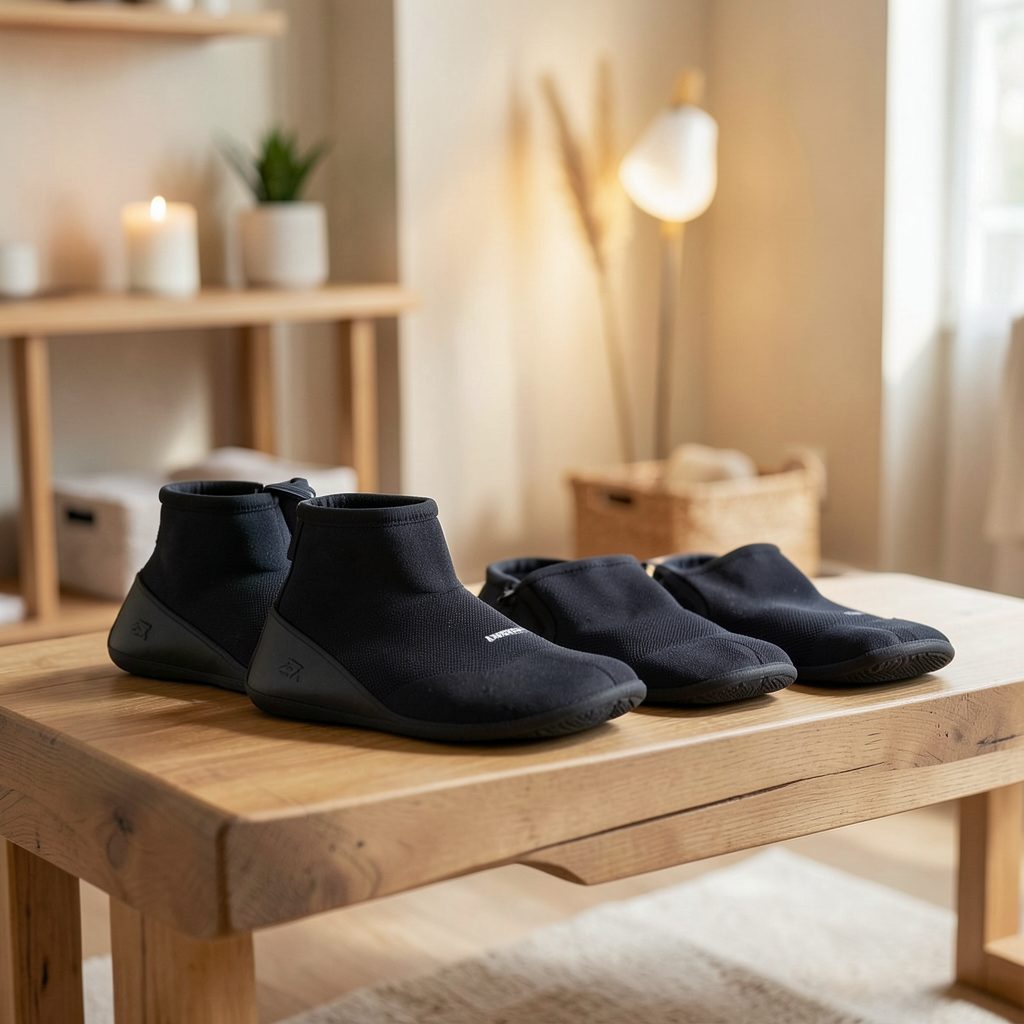
Normatec boot recovery and cryotherapy treatments help athletes bounce back faster. Cycle and spin classes add a cardio dimension to the holistic performance approach.
Have a Question?