Train. Compete. Recover.
A multi-purpose athletic facility in Speedway, Indiana — basketball leagues, skill training, and wellness services all under one roof.
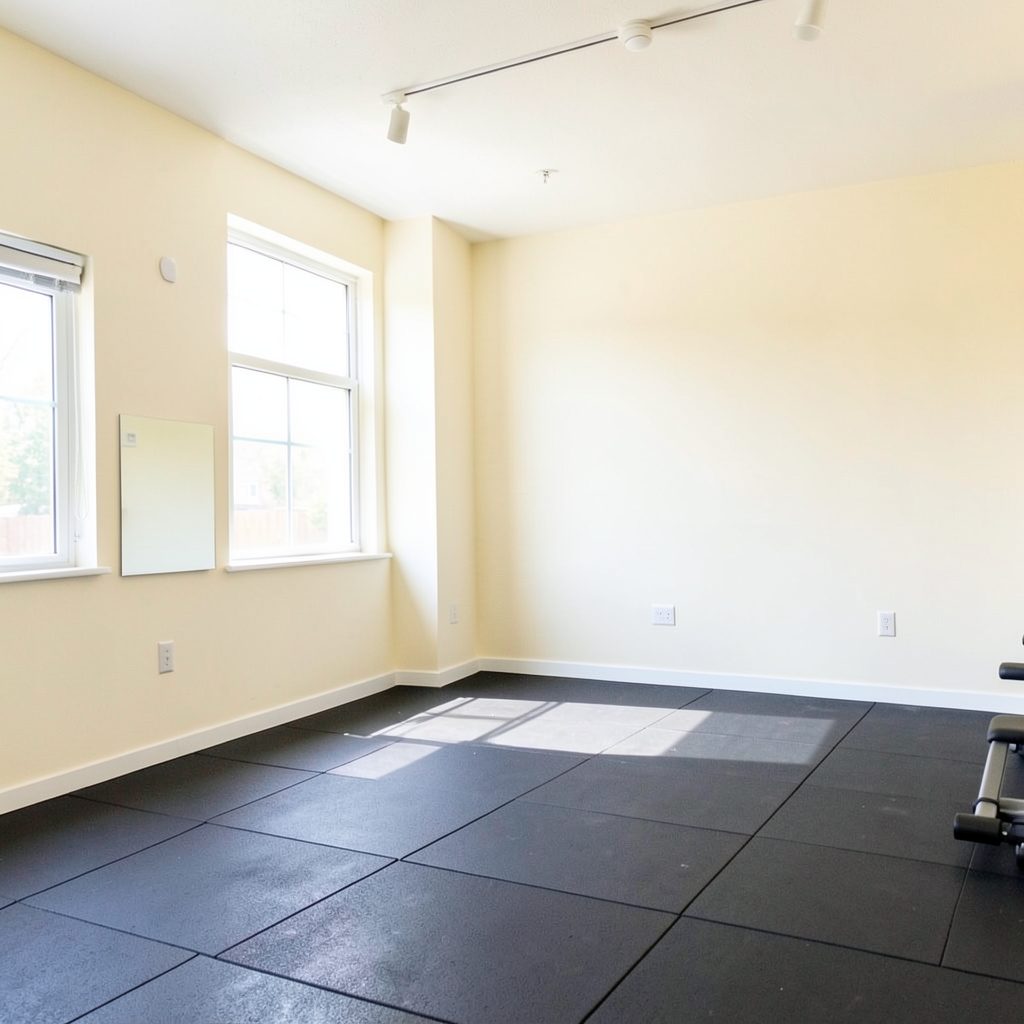
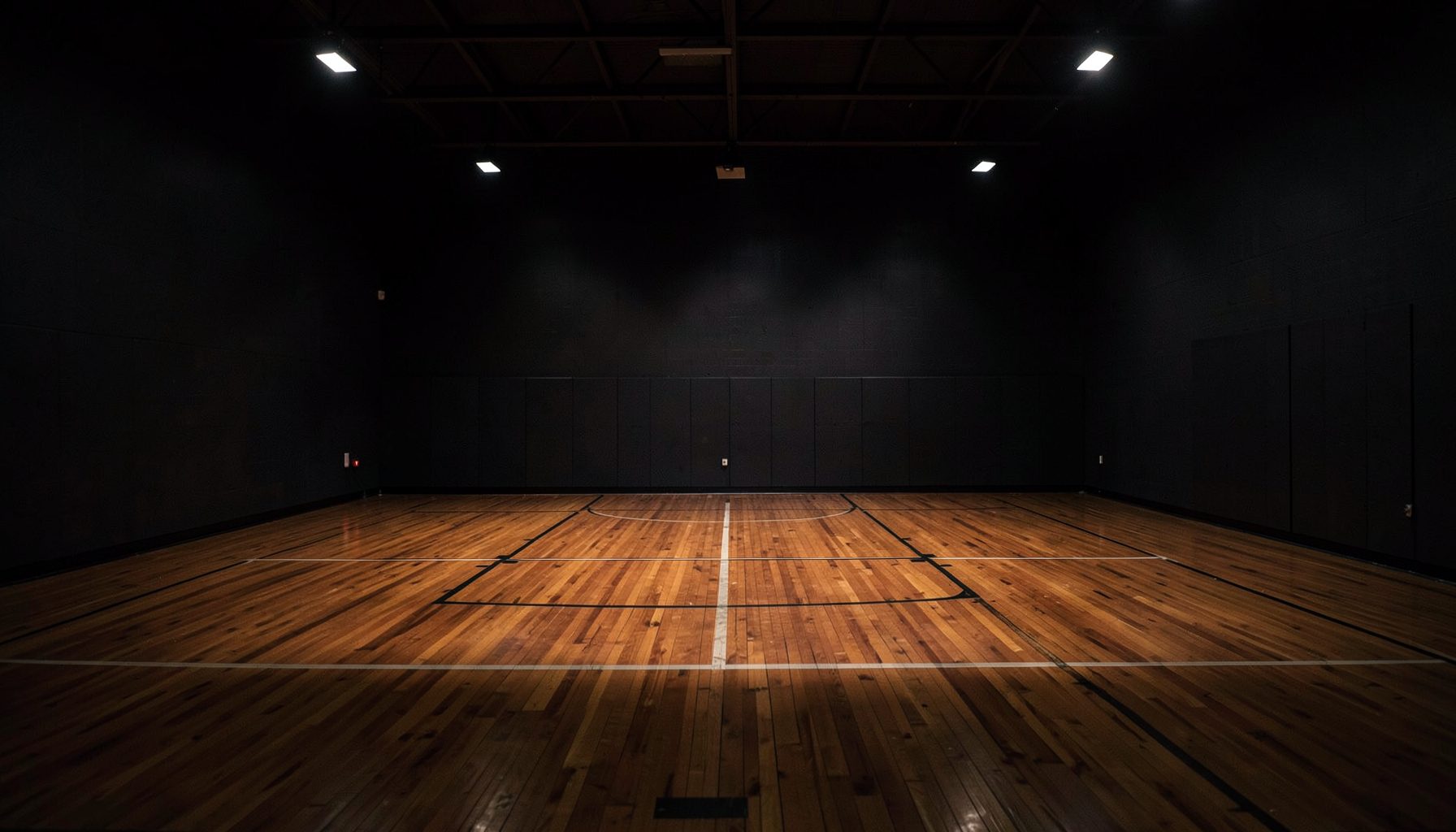
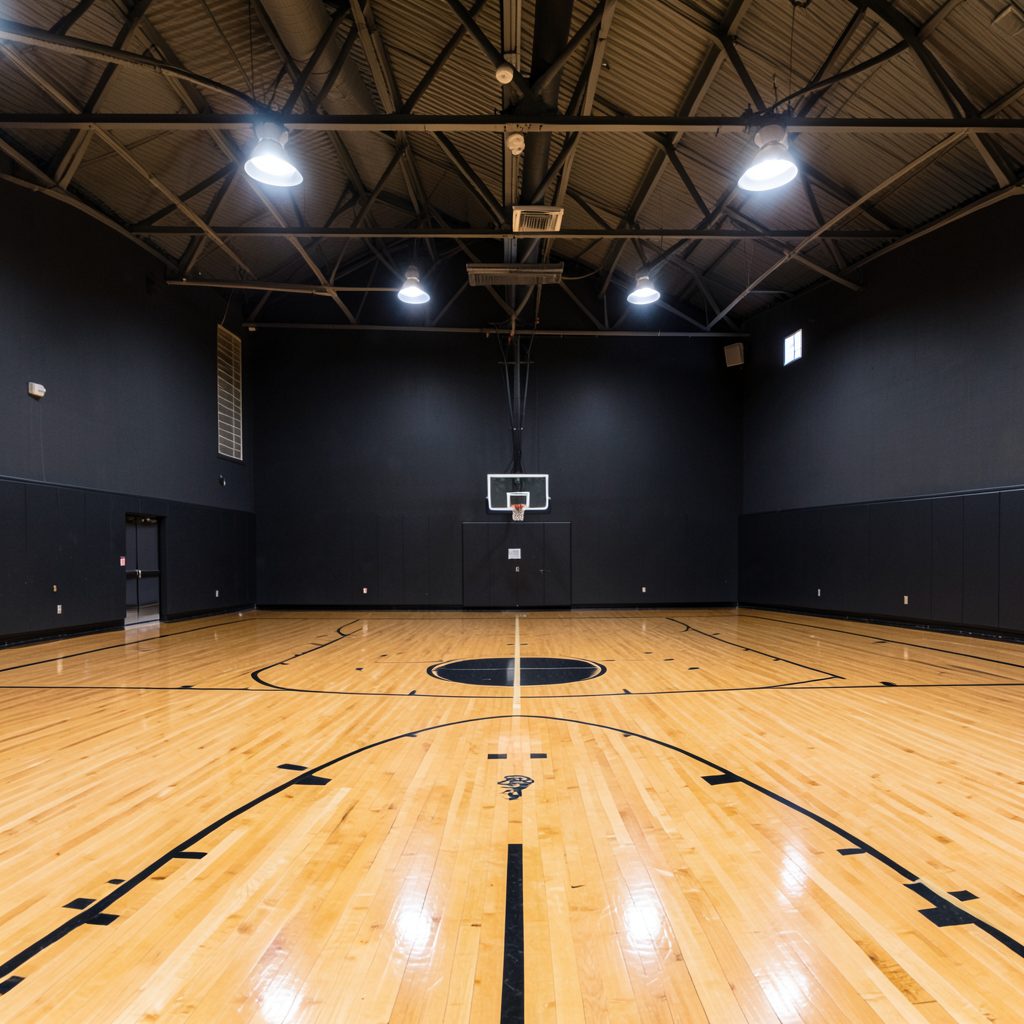
The Factory D1 Indy brings together three entities under one roof: competitive basketball leagues for all age groups, individual and group training, and wellness & recovery services including Normatec boot recovery and cryotherapy. Located off I-465 and High School Road at 6331 Crawfordsville Road, Speedway, Indiana 46224.
Get In TouchBalancing Youth Basketball Seasons With School Commitments
A multi-week youth basketball season can give children confidence, friendships, fitness and a valuable sense of responsibility. It can also create a crowded calendar when training, games, homework, exams, family plans and other sports all compete for the same afternoons and weekends.
For Australian families, the challenge is often shaped by school terms, winter sport, long travel distances and changing daylight hours. A practical plan helps young athletes arrive prepared without allowing basketball to take over their education, sleep or enjoyment of the game.
Build The Season Around The School Calendar
Start with a single calendar that includes school assessment dates, camps, excursions, public holidays, training sessions and games. Australian schools generally organise their year into four terms, but term dates vary between states and territories. A family in Melbourne may be planning around a different holiday period from one in Brisbane or Perth, so check the school calendar before committing to tournaments or representative travel.
Mark high-pressure academic periods in advance. If a major assignment is due on Wednesday, a Tuesday evening game may require earlier study rather than a late-night catch-up. A child does not need to abandon sport during assessment weeks, but training volume, travel and expectations may need to be adjusted.
Keep one evening free where possible. That space can be used for homework, family time, meal preparation or simple recovery. A packed schedule creates small delays that accumulate: missed meals, forgotten uniforms and rushed travel can affect both school performance and court focus.
Set A Sustainable Weekly Routine
A useful weekly rhythm usually includes fixed training times, a realistic homework block and a consistent bedtime. Younger athletes may need more help packing bags and organising assignments, while teenagers can gradually take ownership of their schedule. The goal is a routine that the player can repeat for several weeks, not an ambitious plan that collapses after the first fortnight.
Use short, focused study sessions on training days. Completing reading or a small assignment before practice can reduce the mental load after a late finish. On game days, prepare uniforms, shoes, water bottles and snacks the night before. This is especially helpful for families travelling across suburban areas in Sydney or Melbourne, where traffic can turn a short trip into a lengthy commute.
Sleep should be treated as part of training. Young people who regularly lose sleep to late games, screens or unfinished homework are less likely to learn skills, regulate emotions and recover well. A simple household rule, such as placing phones away from the bed on school nights, can protect rest without making the season feel overly restrictive.
Manage Training Load And Recovery
A season should include variation in intensity. A hard practice, a competitive game and a demanding school day can place a significant combined load on a young athlete. Coaches and parents should watch for persistent soreness, irritability, declining grades, reduced enthusiasm or changes in movement. These signs may indicate that the weekly schedule needs attention rather than that the child needs to work harder.
Recovery does not always require elaborate equipment. Regular meals, water, mobility work, light activity and sleep are effective foundations. In hotter parts of Australia, including Brisbane and much of Queensland, training around heat is particularly important. Players may need extra fluids, breathable clothing and modified outdoor sessions during extreme conditions. Indoor facilities can still become warm, so coaches should plan sensible breaks.
Basketball performance also depends on physical control. A player who struggles to maintain posture late in a session may benefit from age-appropriate strength and stability work. The core stability guide explains how trunk control can support consistent shooting mechanics, making it a useful reference for families and coaches planning supplementary training.
Coordinate Coaches, Teachers And Parents
Communication prevents small problems from becoming season-long stress. Parents can tell coaches about important school dates, recurring medical needs and transport limits without oversharing private academic information. Coaches can then make better decisions about optional sessions, tournament expectations and rest.
Students should also learn to communicate directly. A young athlete might tell a coach, “I have an assessment tomorrow, so I need to leave on time,” or ask a teacher when a missed class can be made up. These conversations build confidence and accountability. Adults should guide the process, but the player should gradually become responsible for explaining commitments.
Every club should follow Australian child-safety requirements and its state or territory regulations. Organisations commonly require volunteers and staff to hold the relevant Working with Children Check, while clubs should maintain clear supervision, transport and communication procedures. Families can ask how a programme handles changing rooms, late pickups, injury reporting and contact between adults and children.
It is also worth checking whether the basketball association has policies covering playing time, representative selection and missed training. Clear expectations help families choose a programme that matches a child’s age, goals and school workload rather than selecting solely on reputation or competition level.
Prepare For Busy Weeks And Unexpected Changes
A reliable busy-week plan includes a few repeatable meals, a packed sports bag, a study priority list and a transport backup. Weekend meal preparation can help when a game finishes near dinner time. Convenient food is acceptable, but aim for balanced choices such as sandwiches, yoghurt, fruit, rice dishes or wraps rather than relying on takeaway after every match.
Keep a short list of priorities for each school night. One urgent assignment, one basketball task and one recovery habit may be enough. During exam periods, a player might attend essential practices while reducing optional shooting sessions. During a quieter academic week, they can add individual skill work or conditioning.
Families should also budget for the full season. Registration is only one expense; uniforms, association fees, transport, camps, shoes and tournament costs can add up. Australia’s sporting market includes both community clubs and private academies, with significant variation in pricing. Compare what each programme includes and check cancellation, make-up session and injury policies before paying.
Additional gym or conditioning work should complement, not compete with, basketball. Resources from Hybrid Gym Group can help families understand broader training options, but any strength programme for a child should be supervised, age-appropriate and coordinated with the basketball coach.
When a game is postponed, a child becomes injured or an assessment moves, adjust the plan calmly. Missing one session is rarely a problem. Hiding fatigue or forcing attendance through pain can create a much bigger interruption later. A season is a long process, and consistency is built by making sensible decisions when circumstances change.
A well-managed basketball season gives young people room to perform in class, develop on court and enjoy time away from both. Review the calendar each week, protect sleep, communicate early and choose training that fits the whole child. Explore The Factory D1 Indy’s basketball training, youth programmes, leagues and recovery services to create a structured pathway that supports development throughout the season.
Inside The Factory

Three Entities, One Roof
Leagues
Eight league divisions span every age group: Indy Pro AM, 18+ Open Men's, 30+ Men's, Bite Size (ages 3–6), Impact League, 5th/6th Grade, Middle School, and High School. Gather your team and compete.
Training
Individual and group basketball training for all skill levels. Major M.O.V.E.S. Basketball Training serves ages 4–7 on Wednesday and Thursday evenings at 6:30 PM — $30 per session or $100 unlimited monthly.
Wellness & Recovery
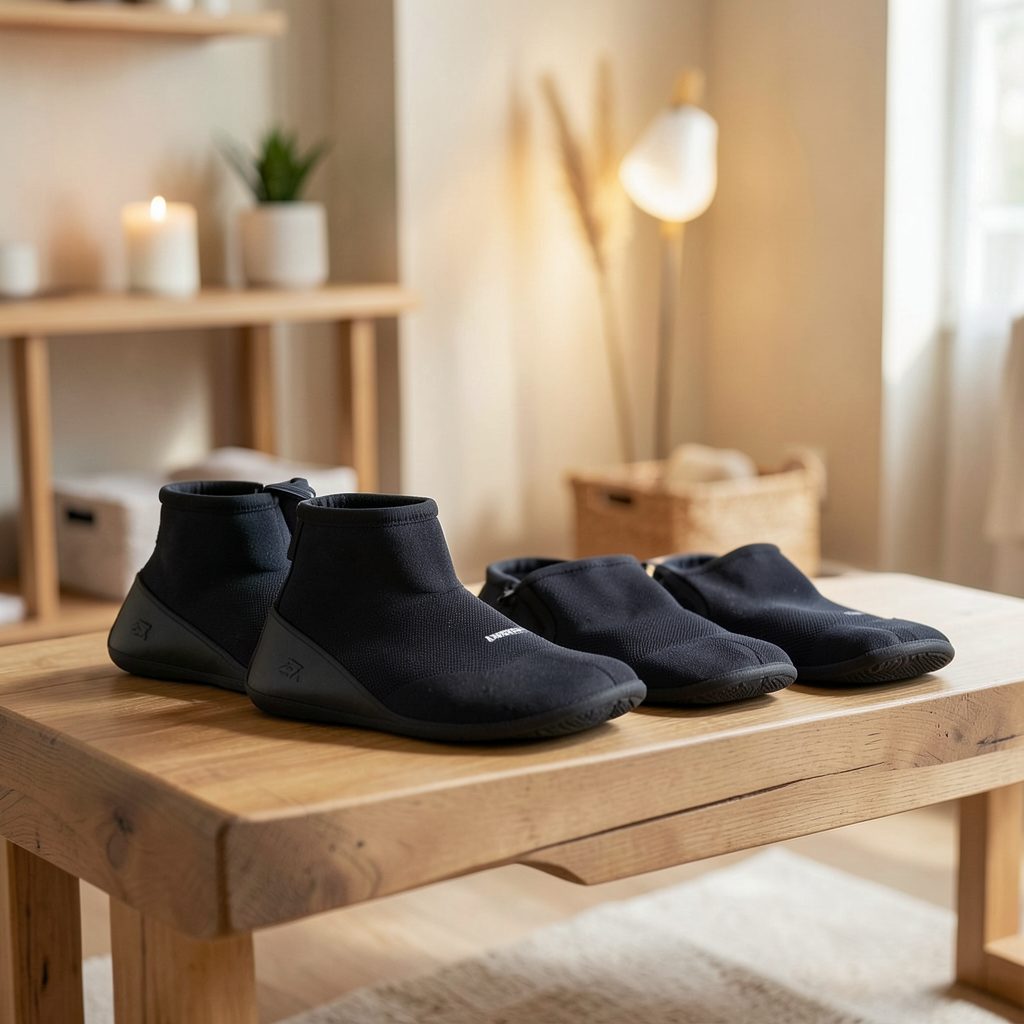
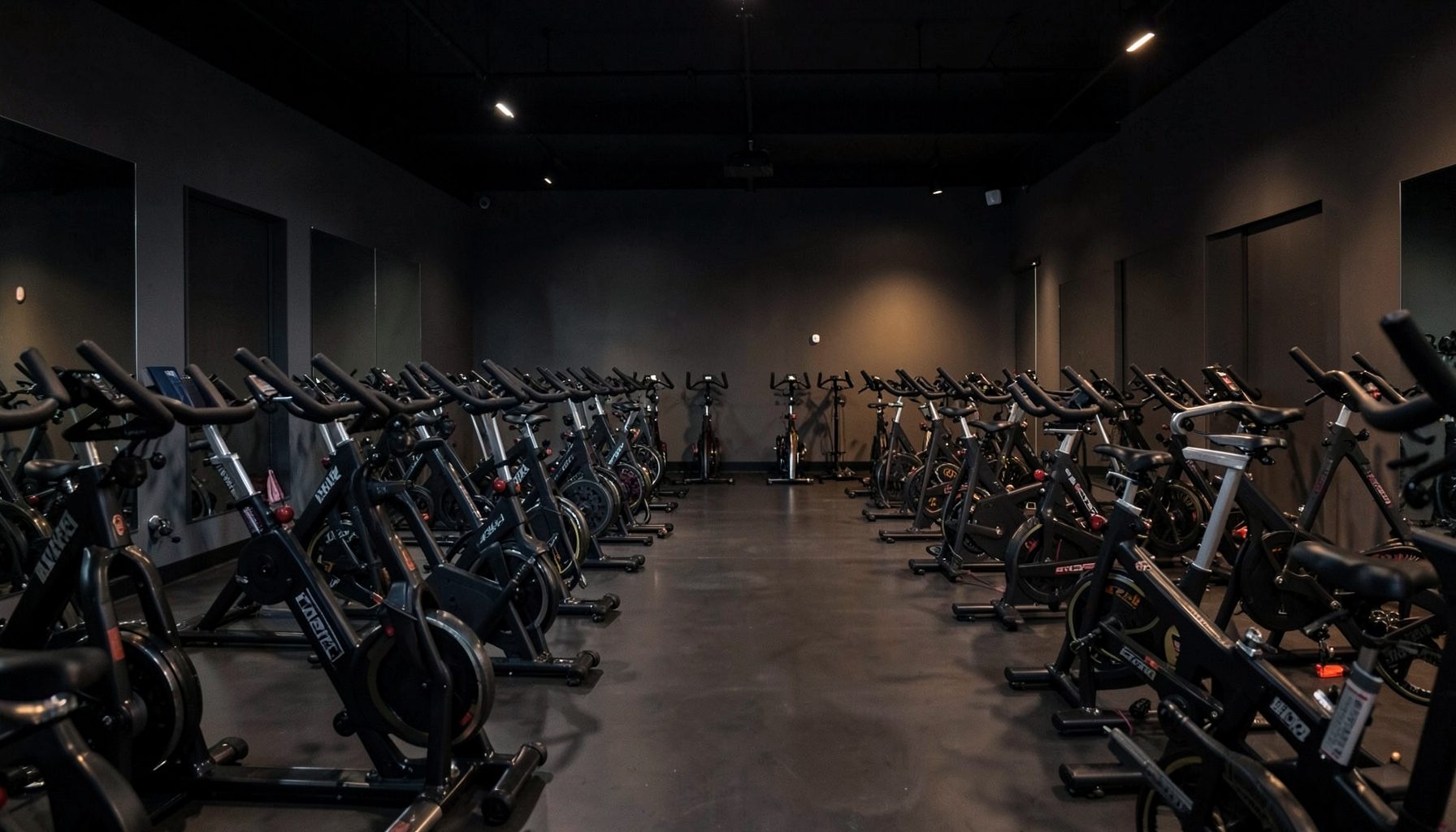
Normatec boot recovery and cryotherapy treatments help athletes bounce back faster. Cycle and spin classes add a cardio dimension to the holistic performance approach.
Have a Question?