Train. Compete. Recover.
A multi-purpose athletic facility in Speedway, Indiana — basketball leagues, skill training, and wellness services all under one roof.
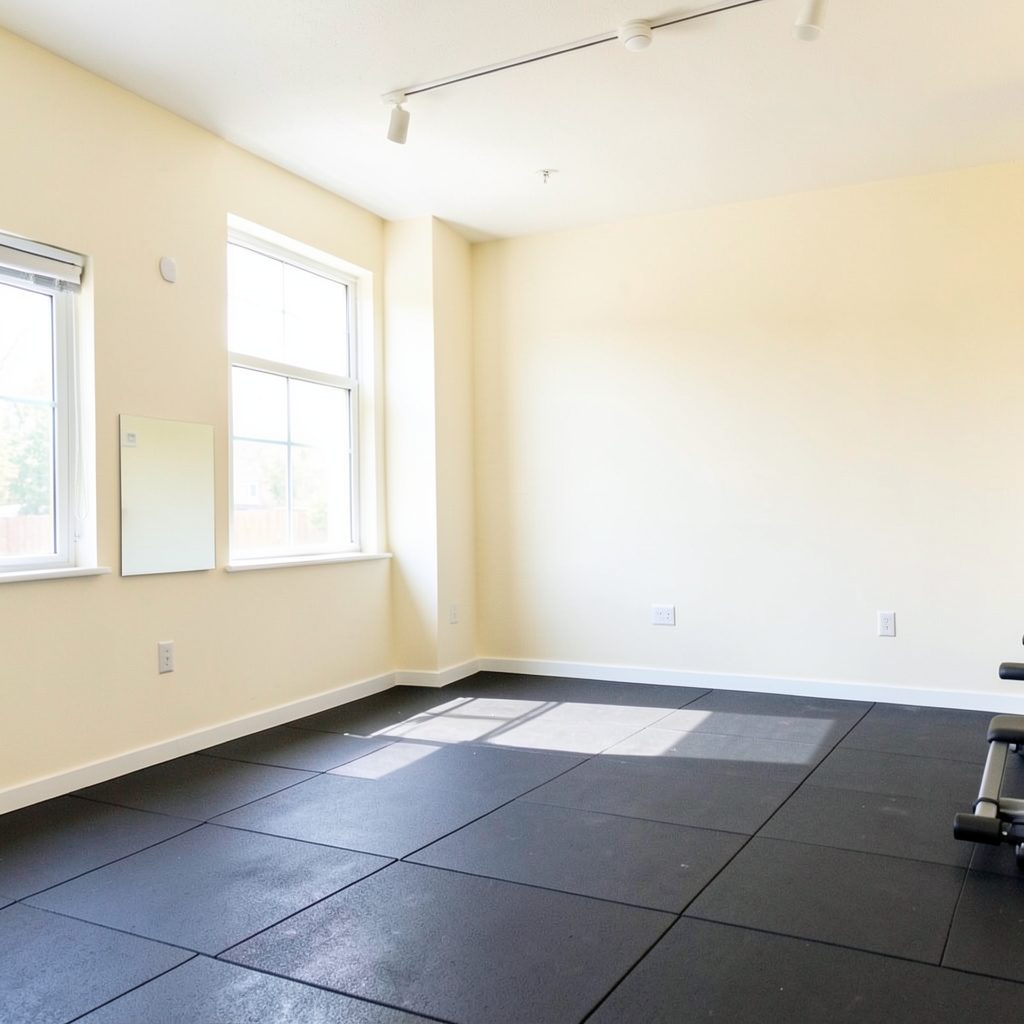
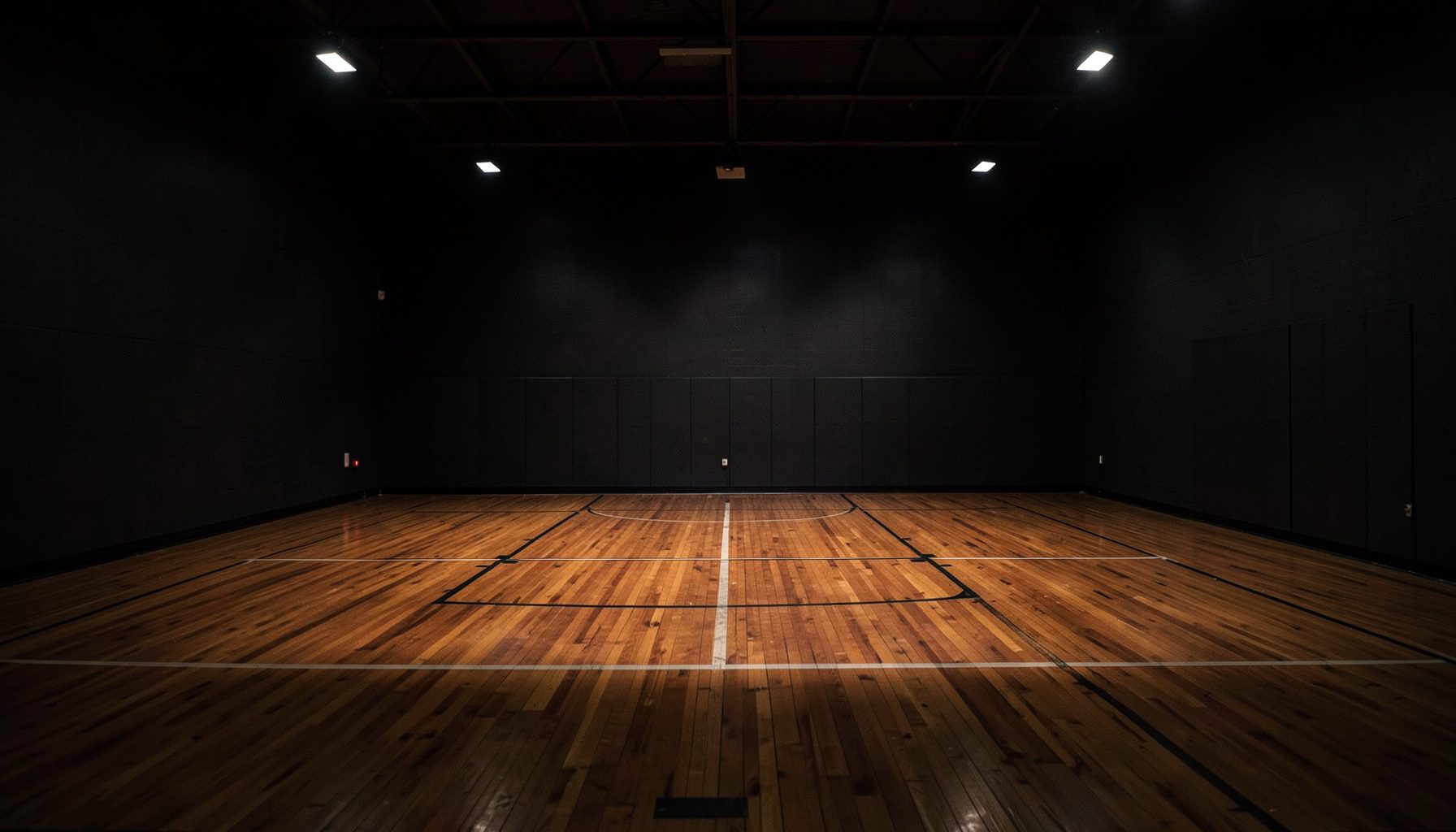
The Factory D1 Indy brings together three entities under one roof: competitive basketball leagues for all age groups, individual and group training, and wellness & recovery services including Normatec boot recovery and cryotherapy. Located off I-465 and High School Road at 6331 Crawfordsville Road, Speedway, Indiana 46224.
Get In TouchThe Link Between Core Stability and Basketball Shot Consistency
A reliable basketball shot starts well before the ball reaches the shooter’s hands. Foot placement, hip alignment, balance, breathing, and trunk control all influence how efficiently force moves from the floor through the legs and into the arms. When those elements stay connected, a player can repeat the same motion under changing conditions.
Core stability is central to that connection. It helps athletes maintain a controlled torso while they catch, rise, release, land, and adjust to defensive pressure. A strong core does not mean simply having visible abdominal muscles; it means being able to resist unwanted movement and keep the body organized during explosive play.
For players training at The Factory D1 Indy, this relationship matters in individual workouts, youth development sessions, competitive leagues, and conditioning classes. Improving trunk control can make shooting practice more productive because each repetition reinforces a dependable movement pattern.
Why Core Control Matters For Shooters
The core includes the muscles around the abdomen, lower back, pelvis, and hips. Together, they stabilize the body as the legs create force and the upper body directs the basketball. If the torso sways, collapses, or rotates too early, the arms may compensate during the release.
A stable midsection gives the shot a consistent base. The player can bend through the knees and hips, rise vertically, and keep the chest and shoulders aligned with the target. That sequence supports a smoother transfer of energy, reducing the need to push the ball with the arms or adjust the wrist at the last moment.
Core stability also affects balance after movement. A player who can stop under control after a cut or dribble move has a better chance of reaching the same shooting posture used in stationary practice. This is especially important when taking pull-up jumpers, off-balance floaters, or shots late in a possession.
How Stability Shapes Shooting Mechanics
A repeatable shot depends on coordinated movement from the ground up. The feet establish contact with the floor, the legs produce force, the pelvis and torso organize that force, and the shoulders, elbows, and hands guide the ball. Weak links in the middle can interrupt the sequence.
When the core is engaged, the pelvis remains more controlled as the player loads into the shot. This can help prevent excessive forward lean, drifting sideways, or opening the hips too soon. The result is a release that feels less forced and is easier to reproduce from different spots on the court.
Trunk control also supports upper-body relaxation. A player who feels unstable may tense the shoulders, overuse the shooting arm, or rush the release. With better balance, the arms can perform their precise tasks while the lower body and torso provide a quiet foundation.
Breathing has a role as well. Controlled exhalation during the rise can reduce unnecessary tension and help the athlete maintain rhythm. This is useful during free throws, catch-and-shoot repetitions, and late-game situations when fatigue makes mechanical errors more likely.
Recognizing Stability Breakdowns
Shot inconsistency often appears through visible patterns rather than a single obvious mistake. A player may shoot accurately in a stationary drill but lose range and direction after sprinting, changing direction, or absorbing contact. These differences can point to a stability or force-transfer issue.
| Stability Breakdown | Common Shooting Effect | Useful Training Focus |
|---|---|---|
| Torso leans forward | Short shots or a low release | Bracing and vertical jump mechanics |
| Hips rotate early | Misses left or right | Pelvic control and single-leg balance |
| Chest drifts sideways | Lateral misses | Landing alignment and deceleration |
| Core collapses under fatigue | Inconsistent arc and distance | Anti-flexion endurance |
| Poor balance after landing | Rushed follow-up shots | Controlled stops and stable finishes |
Coaches can evaluate these patterns by watching the player’s feet, hips, rib cage, and finish position. The goal is not to make every athlete look identical. Individual shooting styles vary, but the body should remain sufficiently controlled for the release to happen with the same timing and direction.
Video review can help athletes see what they feel during practice. A clip may reveal that the shooting arm is functioning well while the lower body drifts beneath it. Correcting the foundation often produces better results than repeatedly changing hand placement or release height.
Building A Stronger Shooting Foundation
Core training for basketball should emphasize movement quality and force control. Exercises such as dead bugs, bird dogs, planks, side planks, and Pallof presses teach athletes to resist unwanted extension, rotation, and side bending. These qualities transfer directly to maintaining posture while shooting or changing direction.
Progressions should become more basketball-specific over time. A player might begin with a stable two-leg position, move to split-stance work, and then perform controlled catches or shots after a lateral step. This approach connects strength and coordination instead of treating core exercises as separate from skill development.
Single-leg balance deserves special attention because many game shots begin or end with uneven foot positions. Split squats, suitcase carries, single-leg hinges, and controlled landing drills can help athletes manage their center of mass. The purpose is to create stability without making movement stiff or slow.
Core work should support shooting rather than exhaust the athlete before skill practice. Short, focused sets with excellent form are usually more valuable than high-repetition exercises that cause the torso to lose position. A coach can adjust volume according to age, training experience, and the demands of the player’s schedule.
Connecting Warmups, Practice, And Recovery
A preparation routine can make core stability easier to access before shooting begins. Dynamic mobility, controlled skips, hip activation, balance work, and movement-specific repetitions raise body temperature while reminding the athlete how to organize the trunk. The Factory D1 Indy trainers’ pre-game warmup routine offers a useful model for preparing the body before competition.
Warmups should gradually move from general activity to basketball actions. After mobility and activation, players can add form shooting, one-dribble pull-ups, closeout stops, and shots after changes of direction. Each phase gives the athlete a chance to reinforce alignment before speed and pressure increase.
Recovery also affects consistency. Fatigued muscles may struggle to stabilize the pelvis and rib cage, causing players to lean, drift, or lose their shooting rhythm. Adequate sleep, hydration, mobility work, and appropriate recovery services can help athletes return to practice prepared to move well.
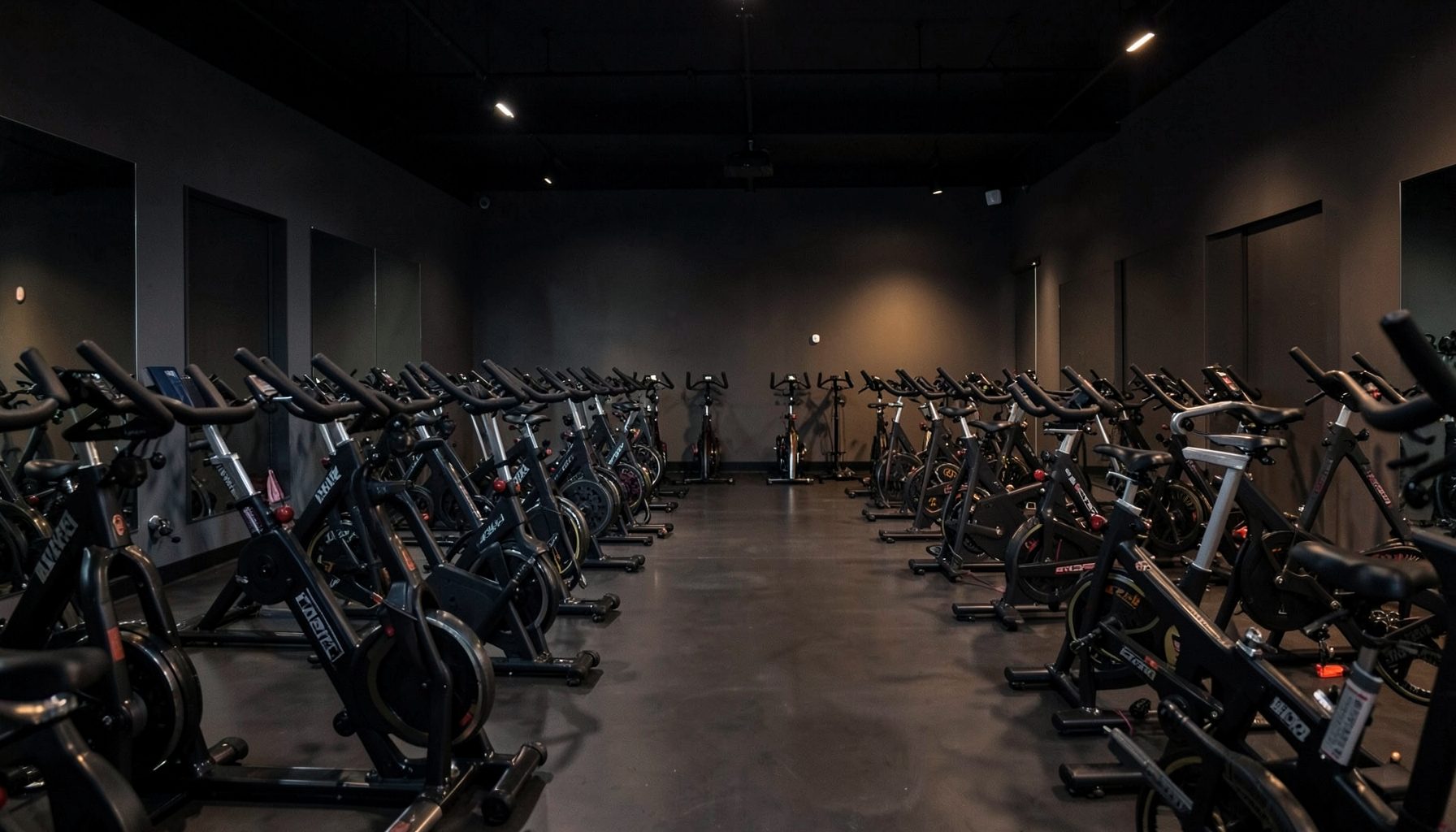
At a multi-purpose facility, strength, shooting, conditioning, and recovery can be viewed as connected parts of development. Cycle and spin sessions may challenge endurance, while basketball training applies control under sport-specific demands. Recovery options such as compression therapy or cryotherapy can complement a broader training routine when used appropriately.
Practical Steps For More Repeatable Shots
Players and coaches can build core stability into regular basketball sessions without taking attention away from shooting volume. The most effective plan connects each exercise to a clear court action and monitors whether technique remains steady as intensity rises.
- Start shooting sessions with balanced form shots that emphasize a quiet torso and controlled finish.
- Add anti-rotation and single-leg stability exercises two or three times each week.
- Practice shots after stops, cuts, and lateral movements instead of relying only on stationary repetitions.
- Use video or coach feedback to track drifting, leaning, and inconsistent landing positions.
- Reduce drill speed when alignment breaks down, then gradually rebuild pace and pressure.
Consistency comes from repeating sound movement under realistic conditions. A player who develops trunk control during low-pressure exercises must eventually apply it while tired, contested, or moving at game speed. That progression helps the body preserve efficient mechanics when concentration shifts toward teammates, defenders, and the scoreboard.
The Factory D1 Indy provides an environment where athletes can work on those layers together. Basketball skills training can address release and footwork, conditioning can challenge control under fatigue, and wellness services can support the recovery needed for steady progress. Young athletes, adult players, and competitive teams can all benefit from treating the core as part of shooting performance rather than an isolated fitness goal.
Make core stability part of every shooting plan at The Factory D1 Indy. Train with purpose, connect strength to basketball movement, and build the balanced mechanics that help each release become more dependable.
Inside The Factory

Three Entities, One Roof
Leagues
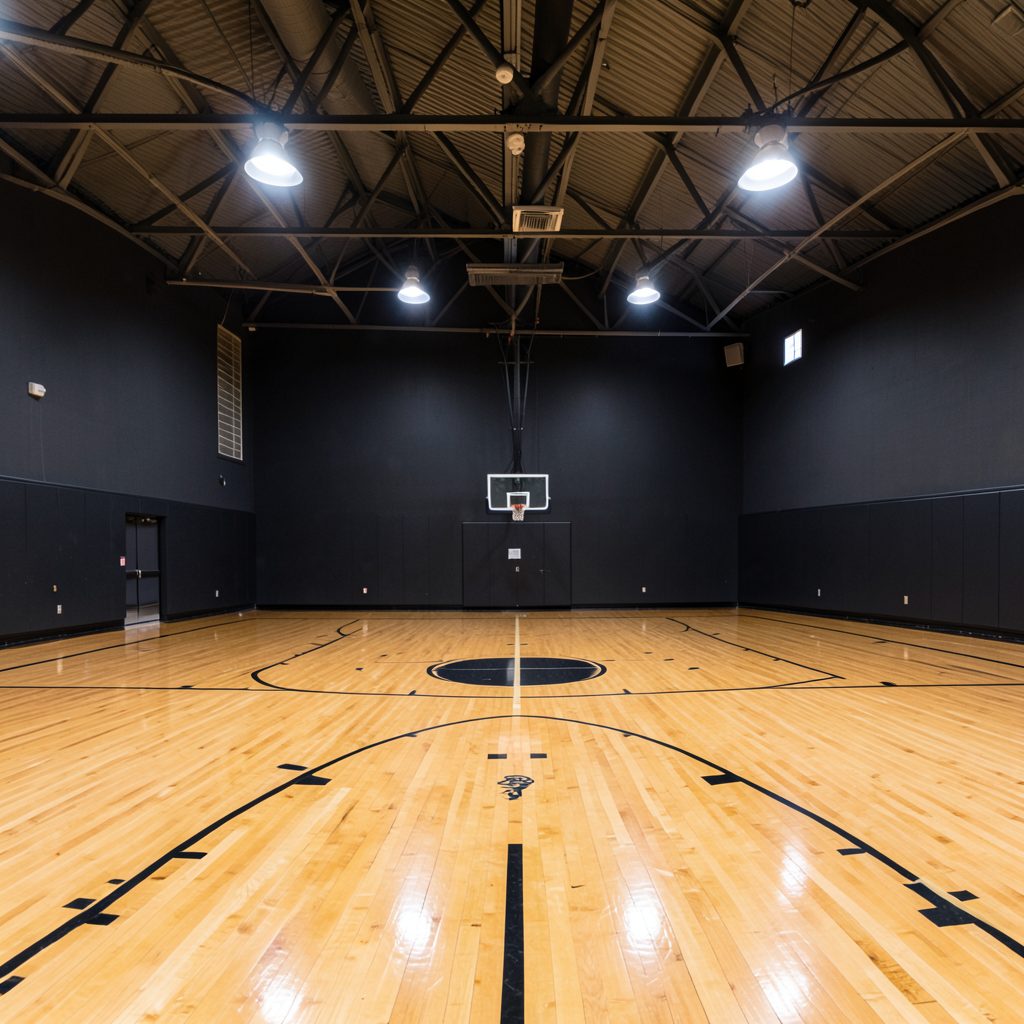
Eight league divisions span every age group: Indy Pro AM, 18+ Open Men's, 30+ Men's, Bite Size (ages 3–6), Impact League, 5th/6th Grade, Middle School, and High School. Gather your team and compete.
Training
Individual and group basketball training for all skill levels. Major M.O.V.E.S. Basketball Training serves ages 4–7 on Wednesday and Thursday evenings at 6:30 PM — $30 per session or $100 unlimited monthly.
Wellness & Recovery
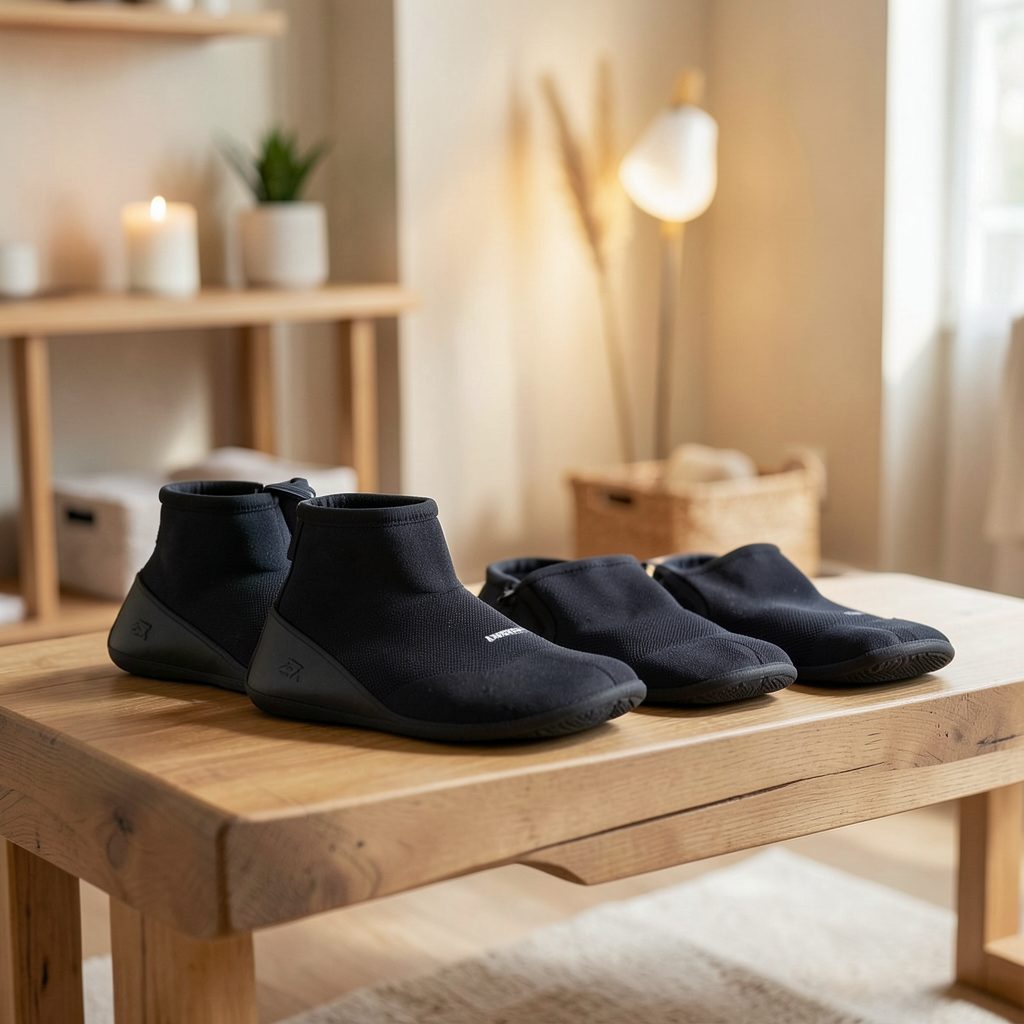
Normatec boot recovery and cryotherapy treatments help athletes bounce back faster. Cycle and spin classes add a cardio dimension to the holistic performance approach.
Have a Question?