Train. Compete. Recover.
A multi-purpose athletic facility in Speedway, Indiana — basketball leagues, skill training, and wellness services all under one roof.
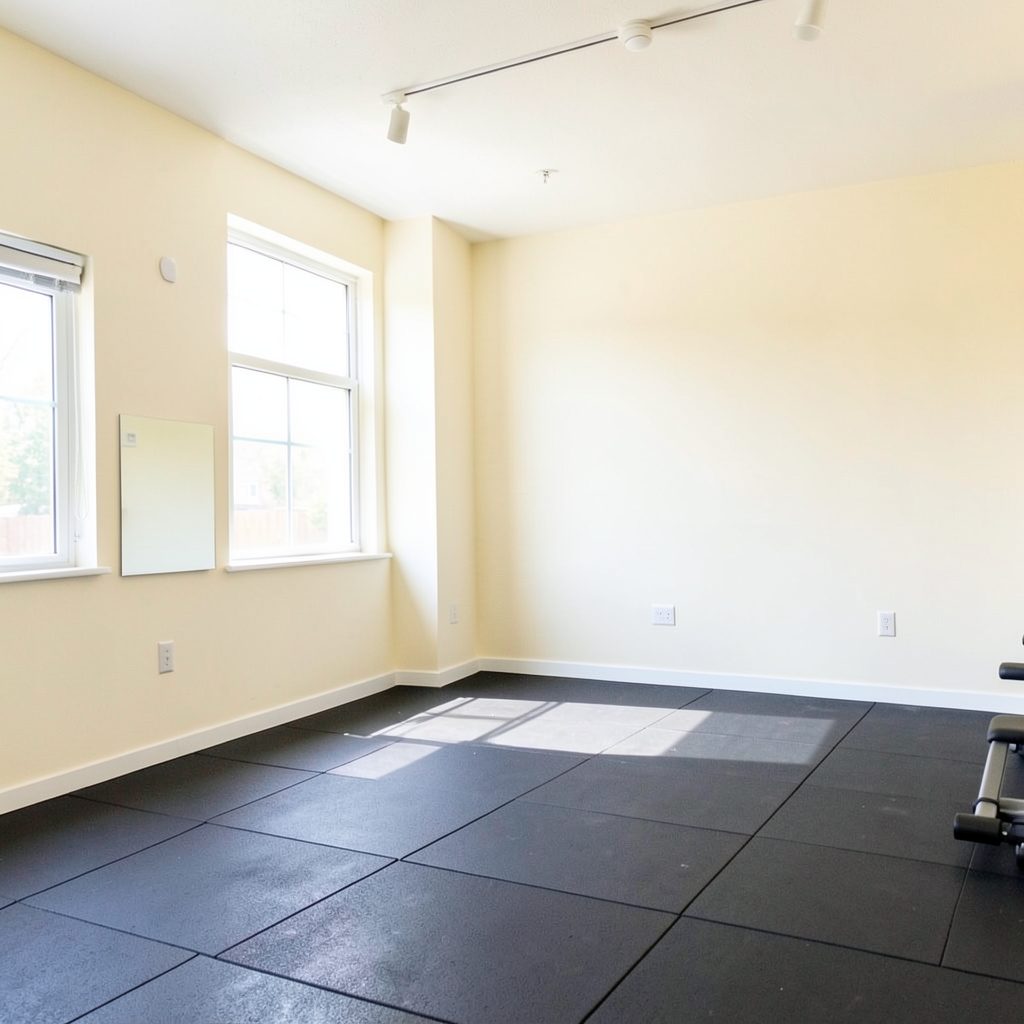
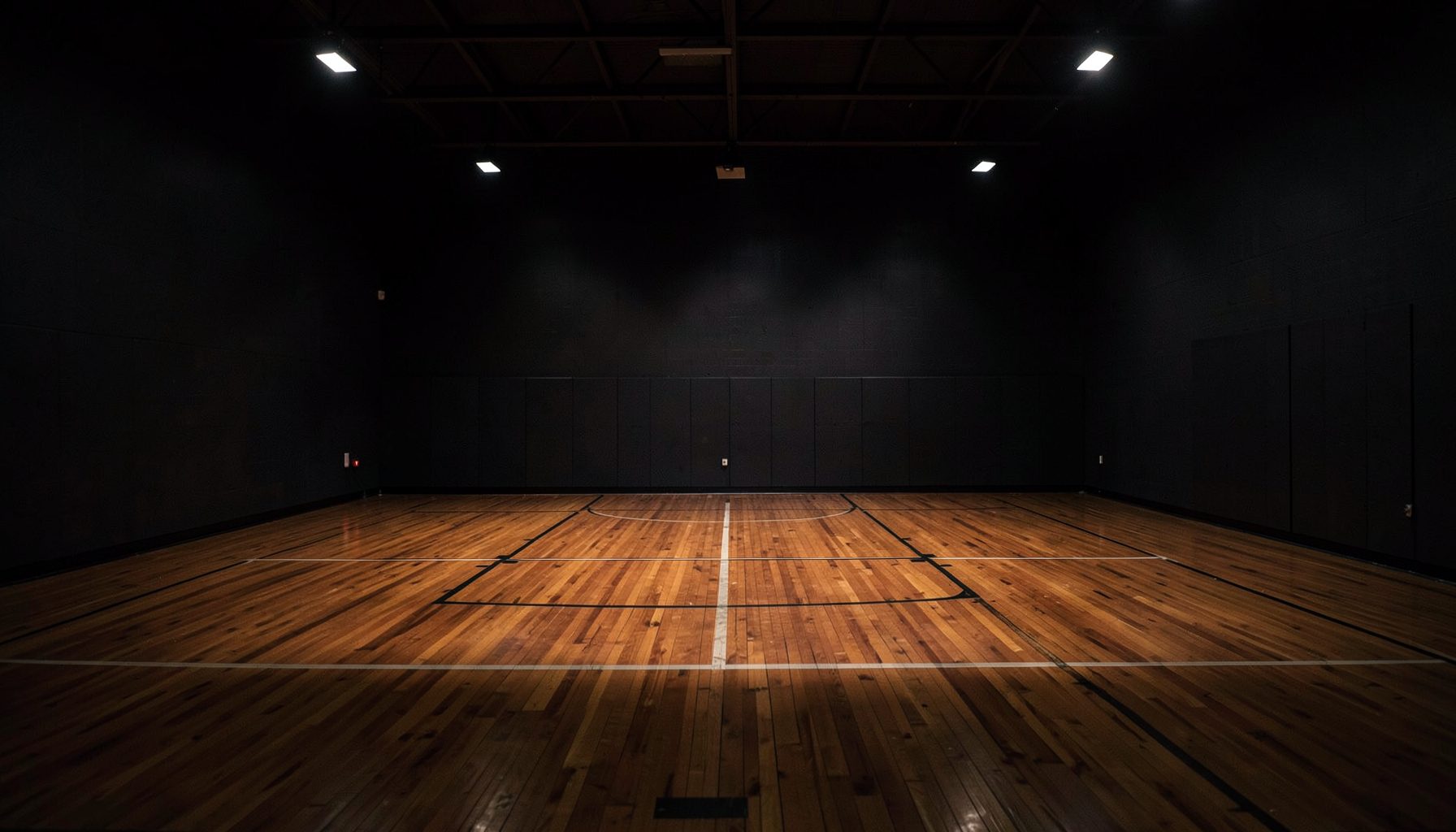
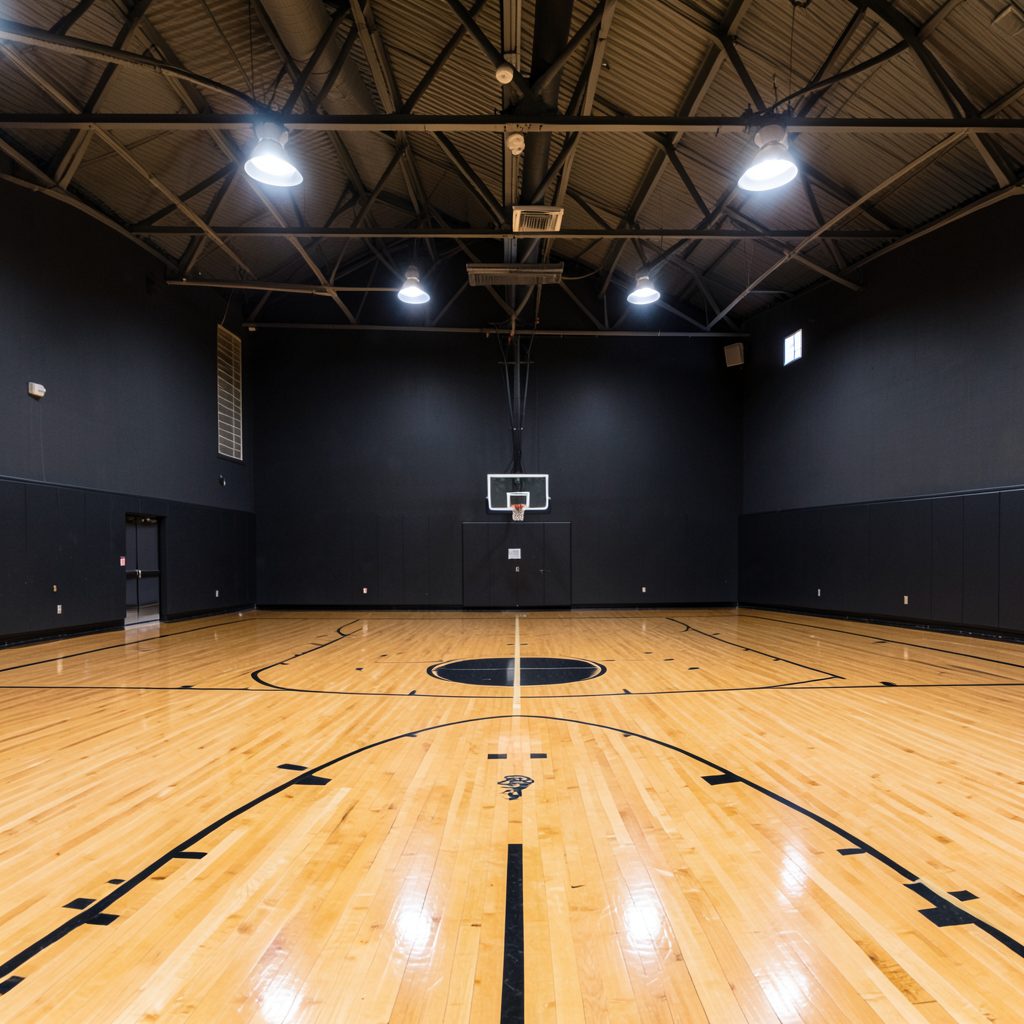
The Factory D1 Indy brings together three entities under one roof: competitive basketball leagues for all age groups, individual and group training, and wellness & recovery services including Normatec boot recovery and cryotherapy. Located off I-465 and High School Road at 6331 Crawfordsville Road, Speedway, Indiana 46224.
Get In TouchHow to pace yourself during a 45-minute spin class
A 45-minute spin class is long enough to build fitness, yet short enough that an all-out effort can catch you out. The riders who feel best at the end are usually not the ones who start hardest; they reserve enough energy for the final push and still recover well. Pacing is the balance between chasing sweat early and keeping your technique together when fatigue arrives.
Australian studio schedules often offer 30-, 45- and 60-minute formats, with members buying class packs priced in Australian dollars and booking through an app. A booked arvo ride is a familiar ritual; in Sydney or Brisbane, an air-conditioned room can be the difference between training and wilting. The playlist may be familiar, but following the front of the room is still a trap.
Choose an effort you can repeat
Start by deciding what the session is for. A recovery-oriented ride, a steady endurance block and a sprint-heavy class all need different pacing. If you enter without a plan, you may spend the first ten minutes trying to match people who arrived with a different goal. Choose one priority: aerobic work, climbing practice or sharp efforts.
Use perceived effort to set that priority. On a scale from one to ten, an easy warm-up should feel like three or four, while sustainable main work belongs around five or six. Short efforts might reach seven or eight, but only for brief periods. Beginners often underestimate their ability at moderate resistance and overestimate their recovery after a hard effort.
The talk test makes this more practical. You should be able to speak in full sentences during steady work and short phrases during harder intervals. If you cannot manage a sentence without gasping, ease the resistance or pedal more lightly. Consistency across several classes matters more than producing one impressive result.
Use the warm-up to find your rhythm
The first five to seven minutes are for preparation, not proving fitness. Increase resistance gradually, let your cadence settle and raise your heart rate in stages. A sudden sprint or heavy climb at the start uses energy you will want later and can make your legs feel heavy before the main work begins.
Check your position while the body is still fresh. Set the saddle so you can maintain a small bend in the knee at the bottom of the stroke, and make sure your feet are secure. Relax your grip, keep your shoulders down and avoid bouncing excessively. Comfortable alignment lets you hold your pace without wasting energy through tension.
By the end of the warm-up, your breathing should be controlled but elevated. You should feel warm, slightly flushed and ready to work. If your heart rate is already racing or your legs feel unusually fatigued, spend another minute easing in. There is no prize for reaching the front of the room during the opening stage.
Build the main set in steady blocks
A useful rhythm is to work in blocks rather than holding one effort for the entire ride. Try this rough structure: seven minutes easy, three eight-minute blocks with one-minute recoveries between them, six minutes containing three one-minute efforts with easy minutes after each, and six minutes to cool down. Instructors may adjust the timings, but the proportions give you a clear starting point.
The first main block should feel controlled. As the ride progresses, add a little resistance or aim for a slightly stronger push without changing everything at once. Three sustainable efforts are more useful than one heroic effort followed by two disappointing ones. The goal is to arrive at the final block with your technique intact and your speed still available.
Your legs will naturally become heavier, so watch for warning signs. A slow cadence that will not recover, persistent breathlessness or a burning sensation deep in the hips can mean you are working too hard for too long. Ease off for a minute and rebuild. A short recovery now can preserve the quality of the entire session.
Add short, sharp efforts
If the class includes sprints, hills or repeated pushes, treat them as punctuation rather than the whole sentence. Intervals of 30 seconds to two minutes give you a clear target without requiring you to race continuously. Longer efforts demand more recovery and can leave too little energy for the final minutes.
Follow the instructor’s resistance and cadence cues. Avoid mashing a low gear if that causes your body to rock, but also avoid forcing a heavy gear that pulls your shoulders and lower back out of position. Stand only when the class calls for it and when you can maintain control. The strongest-looking rider is not always the one working at the highest physiological level.
For an endurance-focused class, leave the fast leaderboard behind and keep most of the ride moderate. You can still add three or four short efforts by raising the output briefly, then returning to an easy pedal. This creates variety without turning the session into an unplanned time trial.
Follow the instructor, not the leaderboard
Your instructor sets the structure, but you control your effort. Listen for warnings about upcoming changes, resistance changes and recovery periods. If the class is moving into a sprint, prepare by breathing deeply and holding a steady cadence. If there is a long climb, distribute the effort instead of attacking at maximum resistance immediately.
The Factory D1 Indy’s basketball referee training shows how preparation, clear roles and consistent decisions help people perform under pressure; a spin class works better when everyone understands the plan. Know what each interval requires and what recovery looks like before the music starts.
Group energy can make a class feel more intense than it is. Riders near the front may be racing a personal target, while you might be working within a carefully chosen heart-rate range. Treat those riders as pace-setters, not a standard you must match. Finishing a controlled ride is more valuable than losing control to someone else’s rhythm.
Cool down and support recovery
The final five to seven minutes should bring your heart rate down gradually. Keep resistance light, pedal smoothly and take deeper breaths. A cooldown is not a punishment for the hard work and not a reason to collapse on the bike; it gives your body a gradual transition out of the session. Use the time to loosen your shoulders and notice how your legs feel.
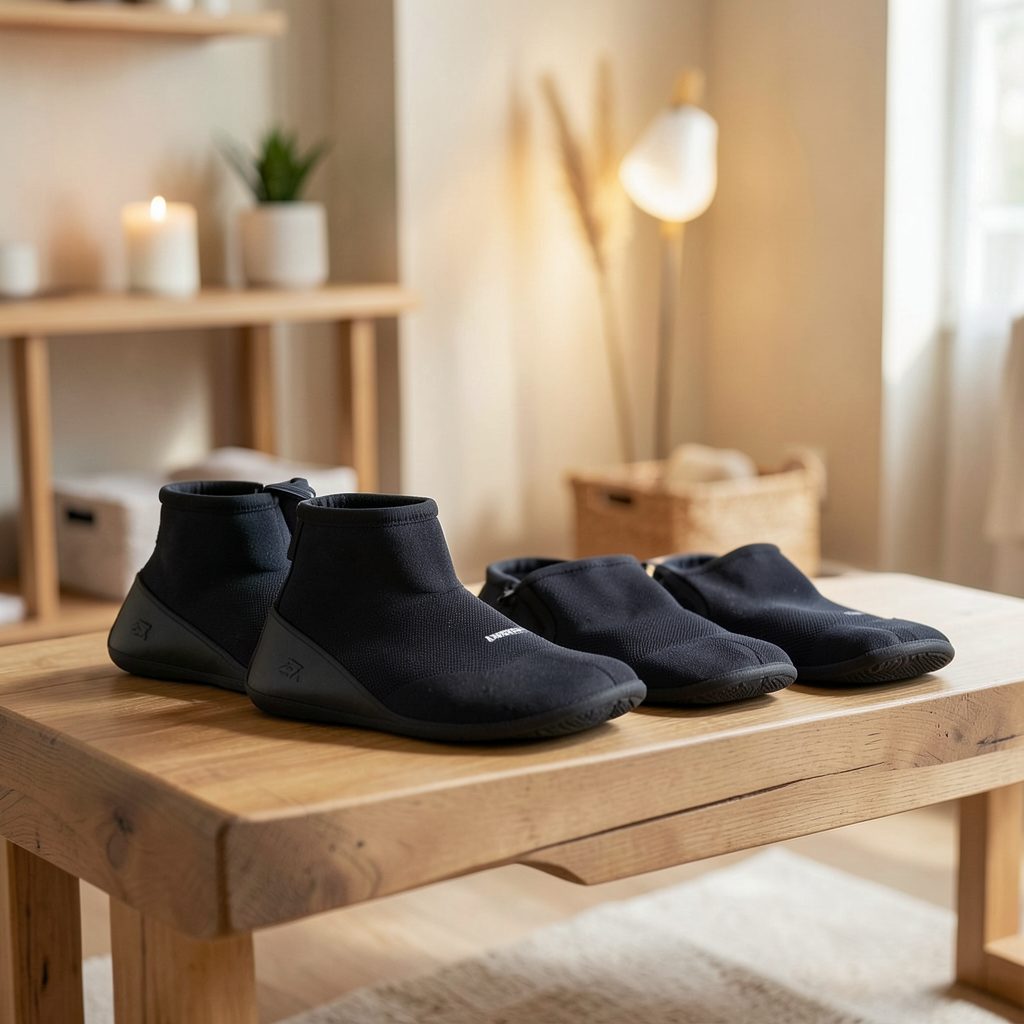
Hydrate after the ride and replace fluids lost through sweat. In warmer Australian cities, carry water to the studio and replace it during the class. The Factory D1 Indy in Speedway, Indiana, also offers Normatec compression therapy and cryotherapy alongside its cycle and spin sessions. These services may help ease post-exercise muscle soreness, although they work best alongside sleep, balanced meals and an appropriate training load.
Mobility can support your cycling as well. If you already use a yoga or mobility offering, guided studio movement can complement your training by opening the hips, shoulders and thoracic spine. Keep any post-ride stretching gentle rather than forcing a range that creates pain. Recovery should leave you ready for the next session, not add another workout to the day.
Reserve a place in a cycle or spin class at The Factory D1 Indy, choose one clear effort goal and note where the hardest intervals fall before you begin. Use the warm-up to settle, hold a repeatable pace through the middle and save enough energy to finish well. Then use the recovery options that suit you and return ready to progress.
Inside The Factory

Three Entities, One Roof
Leagues
Eight league divisions span every age group: Indy Pro AM, 18+ Open Men's, 30+ Men's, Bite Size (ages 3–6), Impact League, 5th/6th Grade, Middle School, and High School. Gather your team and compete.
Training
Individual and group basketball training for all skill levels. Major M.O.V.E.S. Basketball Training serves ages 4–7 on Wednesday and Thursday evenings at 6:30 PM — $30 per session or $100 unlimited monthly.
Wellness & Recovery
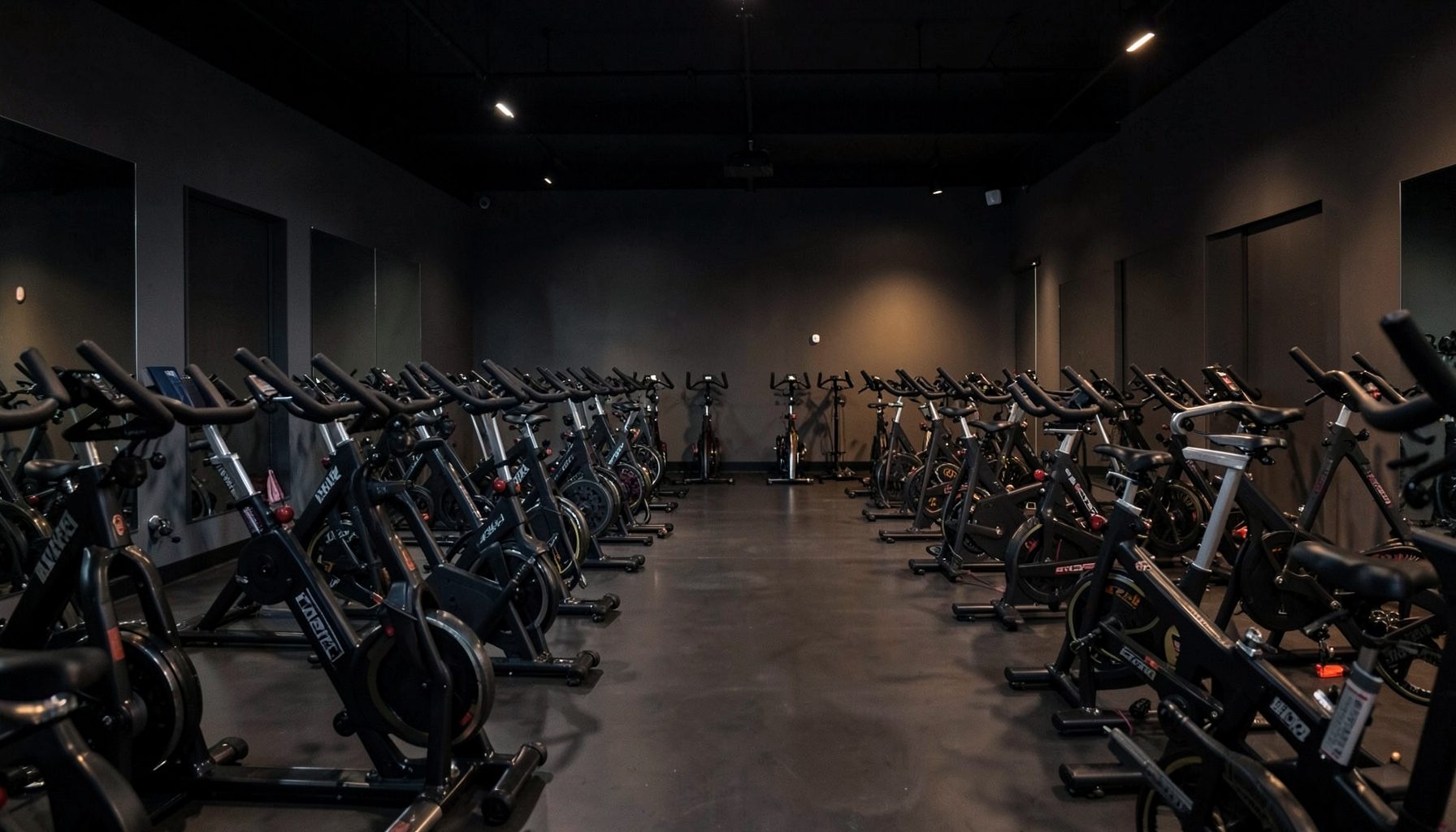
Normatec boot recovery and cryotherapy treatments help athletes bounce back faster. Cycle and spin classes add a cardio dimension to the holistic performance approach.
Have a Question?