Train. Compete. Recover.
A multi-purpose athletic facility in Speedway, Indiana — basketball leagues, skill training, and wellness services all under one roof.
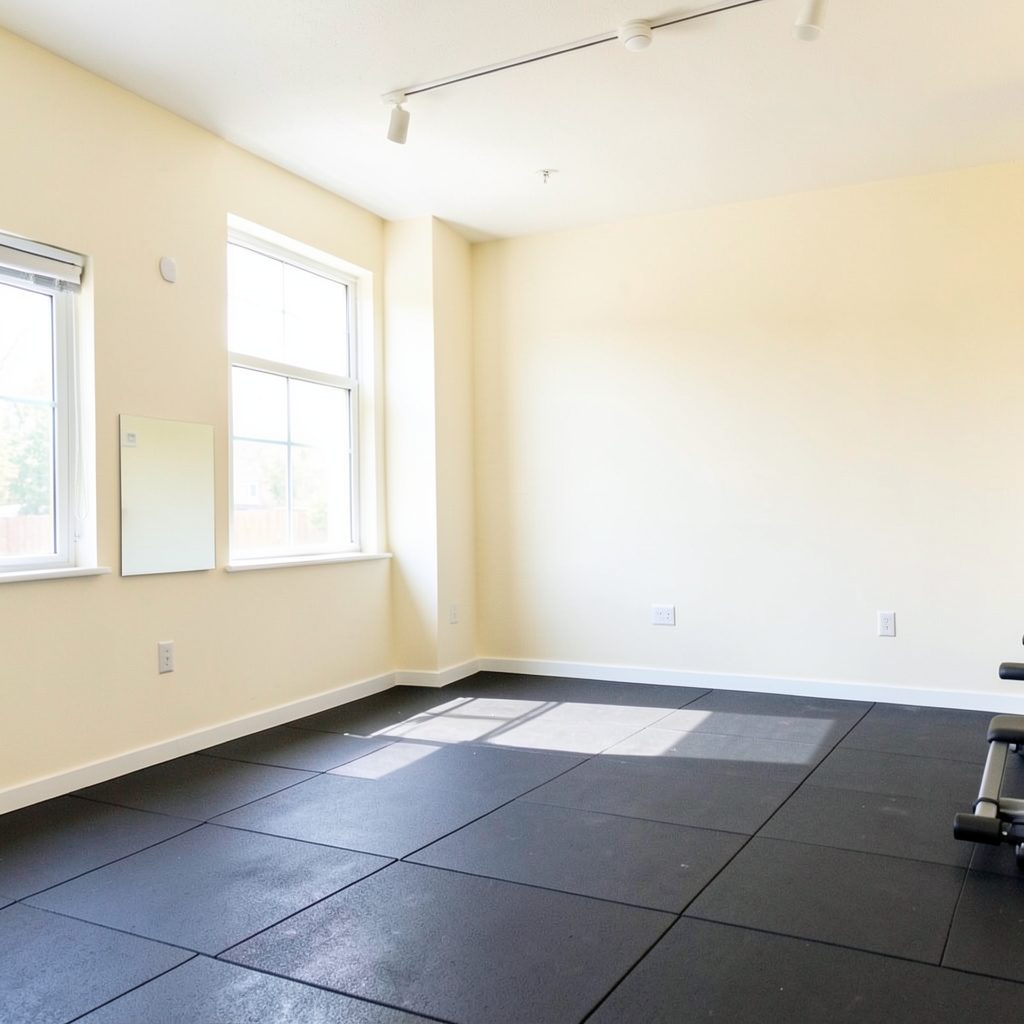
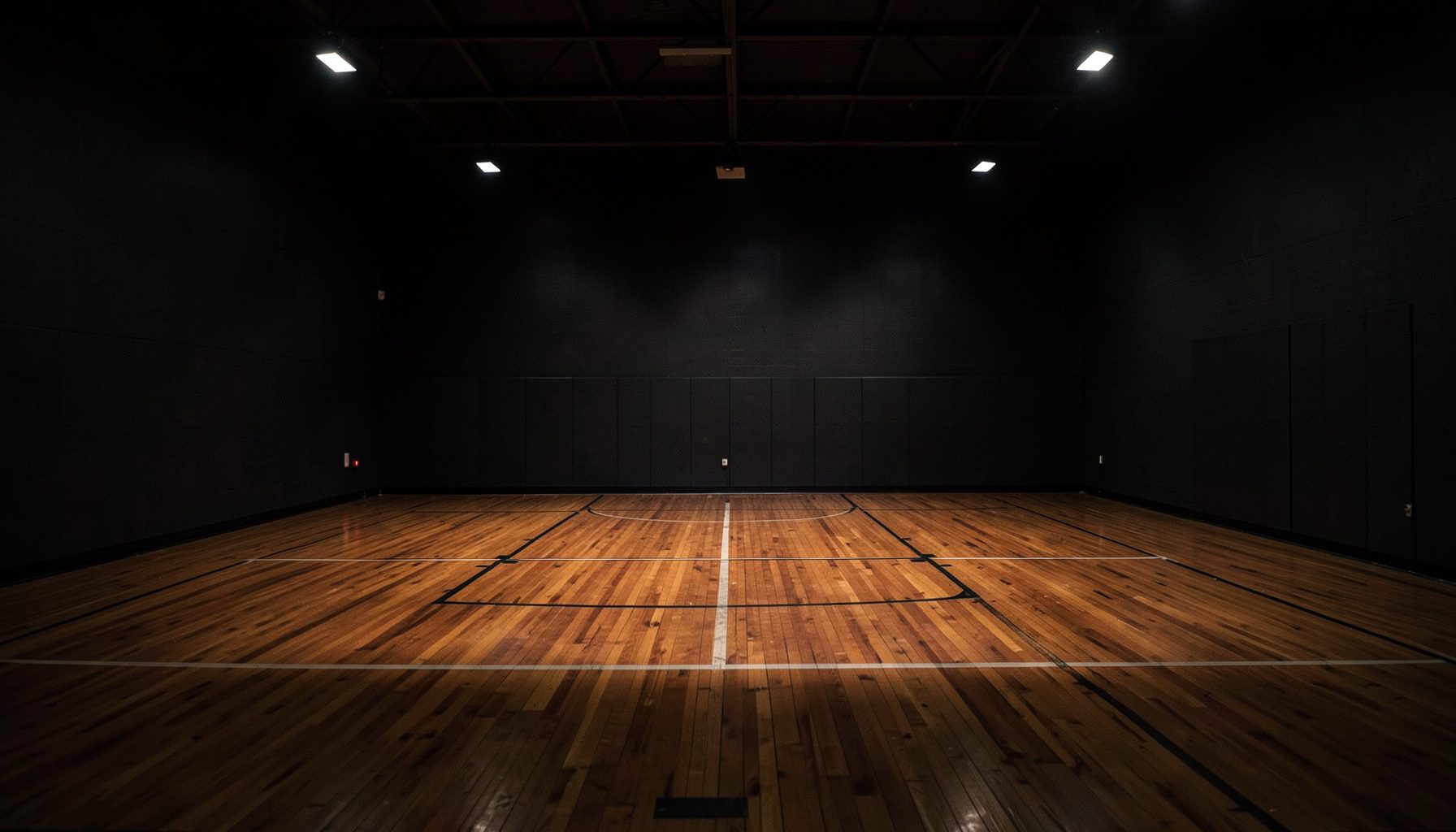
The Factory D1 Indy brings together three entities under one roof: competitive basketball leagues for all age groups, individual and group training, and wellness & recovery services including Normatec boot recovery and cryotherapy. Located off I-465 and High School Road at 6331 Crawfordsville Road, Speedway, Indiana 46224.
Get In TouchThe Skills Behind a Trusted Basketball League Referee
A basketball referee does far more than run up and down the court and signal fouls. Every official helps shape the pace, safety, and credibility of a game. Players need to know that calls are based on the action, coaches need consistent explanations, and families need confidence that young athletes are competing in a well-managed environment.
At The Factory D1 Indy, leagues bring together players at many stages of development, from early-childhood divisions and youth programs to adult competition. That range requires officials who can adjust their communication, positioning, and expectations without changing the core standards of fair play.
Strong officiating comes from preparation, repetition, physical readiness, and emotional control. Referee training should develop all four so an official can make sound decisions during a fast possession, settle a tense moment, and protect the purpose of competition.
What Players Need From Officials
The most important quality in a league referee is consistency. Players do not expect every call to favor their team; they expect similar actions to receive similar rulings throughout the game. When an official applies rules evenly, athletes can focus on spacing, defense, shooting, and teamwork instead of trying to guess what will be allowed.
Consistency begins with a clear understanding of the league’s rules. Officials must know how game-specific policies interact with standard basketball regulations, including clock procedures, substitutions, defensive contact, traveling, screening, and sportsmanship expectations. A referee who prepares before the opening tip is less likely to improvise incorrectly when the game becomes intense.
Good officials also understand the level of play in front of them. A young player may need a brief explanation of a violation, while an experienced adult competitor may only need a quick signal and verbal clarification. The standard remains fair, but the teaching approach changes with the division.
Knowledge Before The Whistle
Rule knowledge is the foundation of basketball officiating, yet memorization alone does not create reliable judgment. Referees must recognize legal and illegal movement in real time. That means studying common game situations and learning to distinguish marginal contact from contact that creates an advantage.
A productive training session can combine classroom discussion, video review, and live court work. Officials can pause clips to identify the primary defender, determine who established legal guarding position, or examine whether a shot attempt had begun. On-court drills then connect those ideas to footwork, sightlines, and whistle timing.
Preparation should also include the administrative details that keep a league moving. Officials need to arrive early, check the court and equipment, review roster or division information, and communicate with the scorer or timekeeper. Athletes transitioning into more competitive environments benefit when the entire game operation feels organized; a useful guide to the transition to competition reinforces why structure matters as players advance.
Training For Consistent Decisions
Referees learn best when training reflects the conditions of an actual game. A coach or evaluator can create short scenarios involving drives, screens, loose balls, fast breaks, and late-clock possessions. The official must then move, observe, decide, signal, and explain without pausing to search for an answer.
Positioning deserves special attention. Officials need angles that show the defender’s torso, the ball handler’s path, and the point of contact. Standing too close can hide the play, while trailing too far behind can leave an official watching from an ineffective angle. Referee mechanics, including lead and trail responsibilities, help a crew divide the floor and reduce missed coverage.
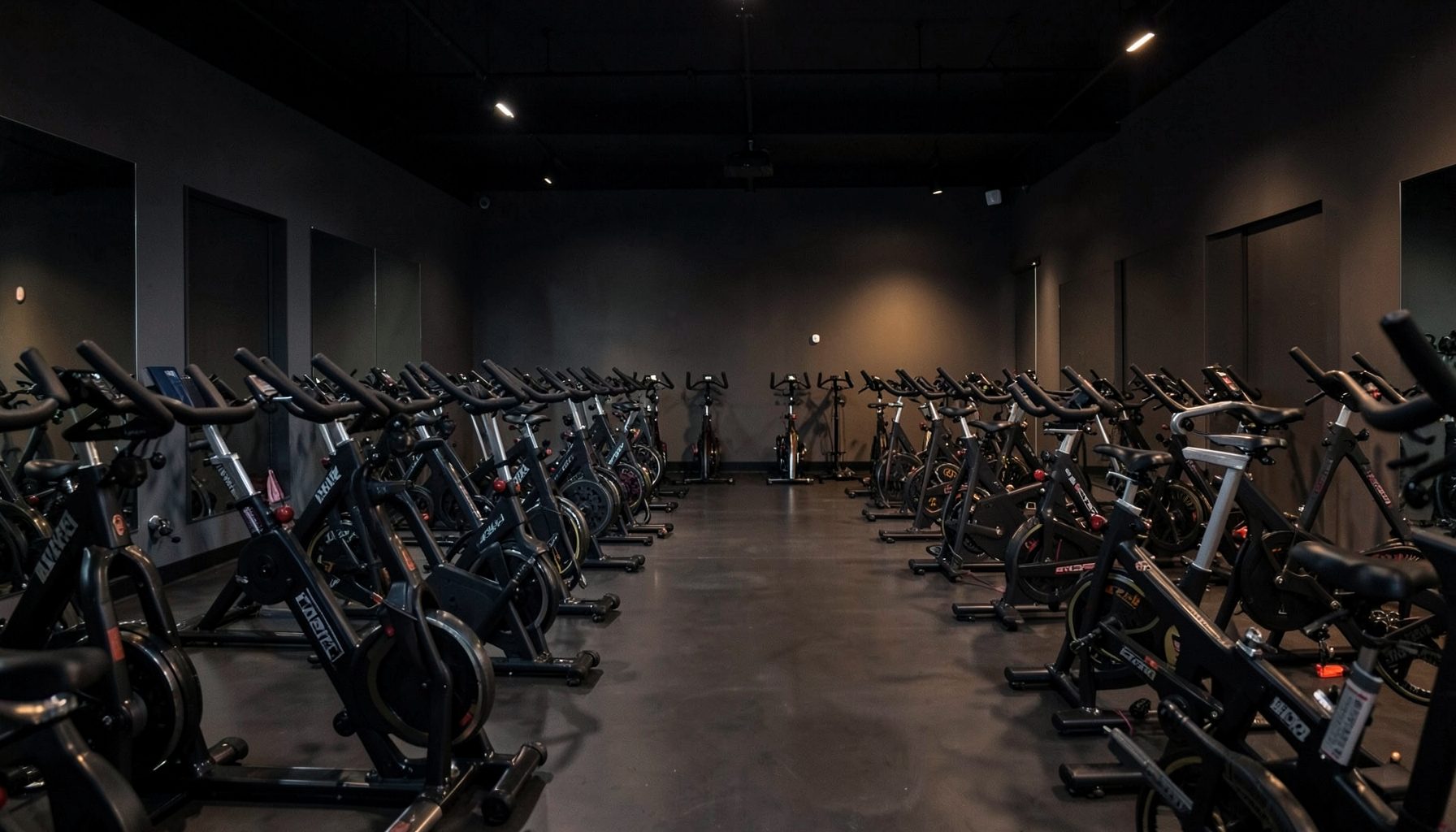
Physical conditioning is another part of accuracy. Fatigue narrows attention and delays reactions, especially during repeated transition plays. Basketball officials can benefit from court movement drills, interval conditioning, mobility work, and recovery habits. The Factory D1 Indy’s broader fitness environment, including cycle and spin classes and services such as Normatec compression therapy and cryotherapy, reflects the connection between physical readiness and sustained performance.
| Training Area | What The Referee Practices | Why It Matters |
|---|---|---|
| Rule application | Contact, traveling, screening, clock, and substitution scenarios | Produces decisions that are accurate and repeatable |
| Court positioning | Lead, trail, transition, and primary coverage mechanics | Creates better angles and fewer blind spots |
| Communication | Signals, concise explanations, and calm warnings | Makes rulings easier to understand |
| Fitness | Sprint intervals, lateral movement, and recovery | Supports focus late in games |
| Evaluation | Video review, feedback, and self-assessment | Turns mistakes into specific improvements |
Communication That Controls Tempo
A referee’s voice and body language can influence the emotional temperature of a game. Clear signals should be visible, deliberate, and matched with the correct ruling. Verbal explanations should be short enough to keep the game moving while giving players or coaches useful information.
Calm communication is especially important after a disputed call. Officials should avoid sarcasm, raised voices, or extended arguments. A simple explanation such as “the defender moved into the path” or “the ball handler established that pivot foot” is more effective than a defensive speech. If a discussion continues without adding value, the referee must respectfully end it and return attention to the court.
Communication also includes listening. A coach may raise a legitimate question about the clock or possession, and a player may need clarification after a violation. Listening does not mean changing a correct call to satisfy someone; it means acknowledging the concern and responding professionally. This balance helps officials maintain authority without creating unnecessary conflict.
Building Experience Across Divisions
Referees should gain experience across different age groups because each division presents distinct challenges. Early-childhood games often require more instruction, patience, and positive reinforcement. Youth leagues demand careful attention to developing skills and uneven physical maturity. Adult games may move faster and involve more sophisticated tactics, stronger opinions, and greater physicality.
A developing official can progress by observing experienced referees, working lower-pressure assignments, and receiving feedback after each game. Evaluation should focus on specific behaviors: Did the official get into the correct position? Were advantage and disadvantage recognized? Were signals clear? Did the referee manage the clock and substitutions correctly?
Mentorship is particularly valuable when the feedback is immediate and practical. Instead of saying that an official “needs better judgment,” a mentor can explain that the referee watched the ball too long on a drive and missed illegal contact away from it. Specific observations give the official something measurable to practice in the next assignment.
Standards That Strengthen Every Game
A strong development program should treat officiating as a repeatable professional process. These habits help referees improve while protecting the quality of league competition:
- Study the current rules and any division-specific policies before each assignment.
- Practice court mechanics and signaling until they become automatic under pressure.
- Use video or mentor feedback to identify one or two priorities after every game.
- Maintain conditioning, hydration, mobility, and recovery routines throughout the season.
- Communicate with players and coaches firmly, briefly, and respectfully.
Officials should also keep a personal log of assignments and recurring situations. Recording questions about block-charge plays, screens, technical fouls, or late-game administration makes future study more focused. Over time, the log reveals patterns that may not be obvious during a busy season.
League directors can support this process by setting expectations before games, pairing newer referees with experienced partners, and creating a culture where questions are treated as part of learning. When evaluation is fair and consistent, officials are more willing to review mistakes honestly and develop the confidence required for difficult calls.
Reliable basketball officiating is built one decision at a time. The best referees combine rule knowledge with movement, judgment with humility, and authority with respect. They make the game safer and easier to follow while allowing athletes to earn results through skill and effort.
The Factory D1 Indy offers a setting where athletes, coaches, and officials can grow around organized competition, training, conditioning, and recovery. Visit the facility to learn more about its basketball programs and league environment, and take the next step toward becoming an official players and teams can trust.
Inside The Factory

Three Entities, One Roof
Leagues
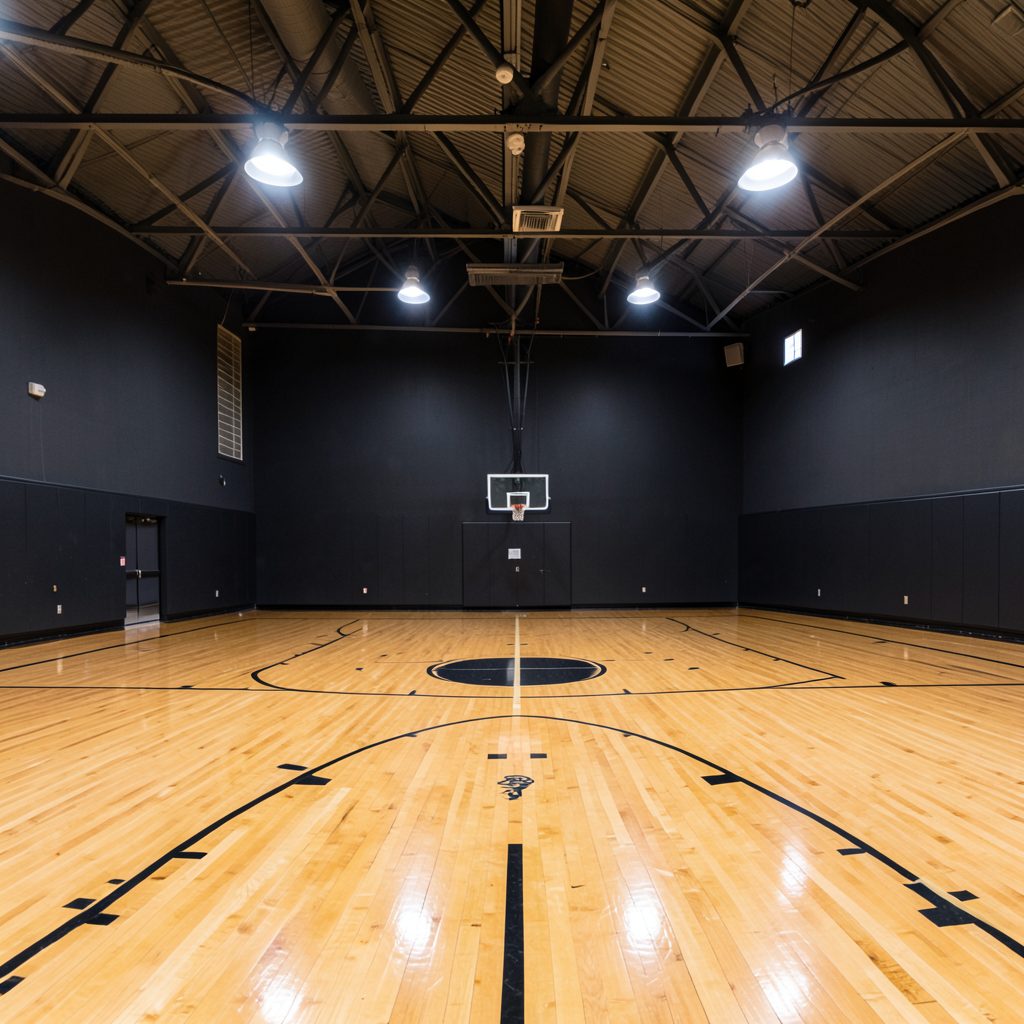
Eight league divisions span every age group: Indy Pro AM, 18+ Open Men's, 30+ Men's, Bite Size (ages 3–6), Impact League, 5th/6th Grade, Middle School, and High School. Gather your team and compete.
Training
Individual and group basketball training for all skill levels. Major M.O.V.E.S. Basketball Training serves ages 4–7 on Wednesday and Thursday evenings at 6:30 PM — $30 per session or $100 unlimited monthly.
Wellness & Recovery
Normatec boot recovery and cryotherapy treatments help athletes bounce back faster. Cycle and spin classes add a cardio dimension to the holistic performance approach.
Have a Question?