Train. Compete. Recover.
A multi-purpose athletic facility in Speedway, Indiana — basketball leagues, skill training, and wellness services all under one roof.
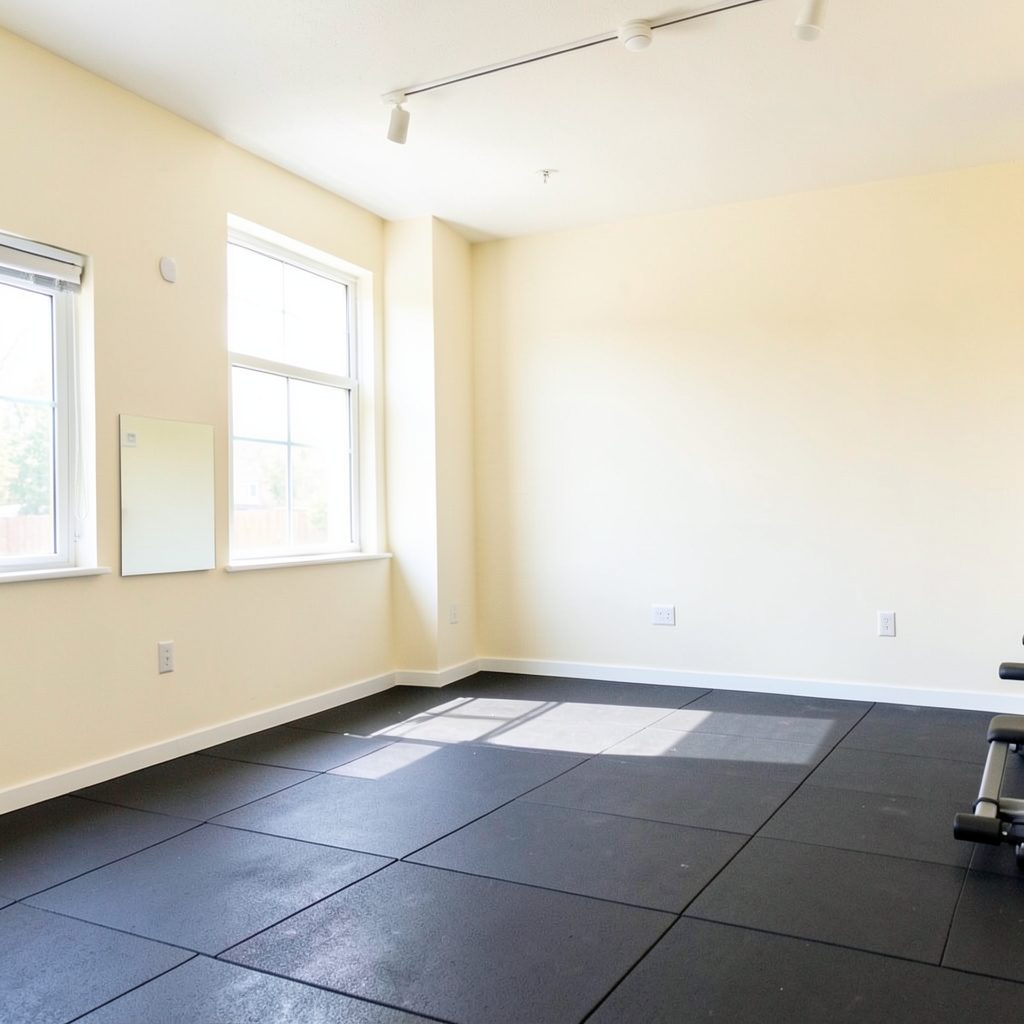
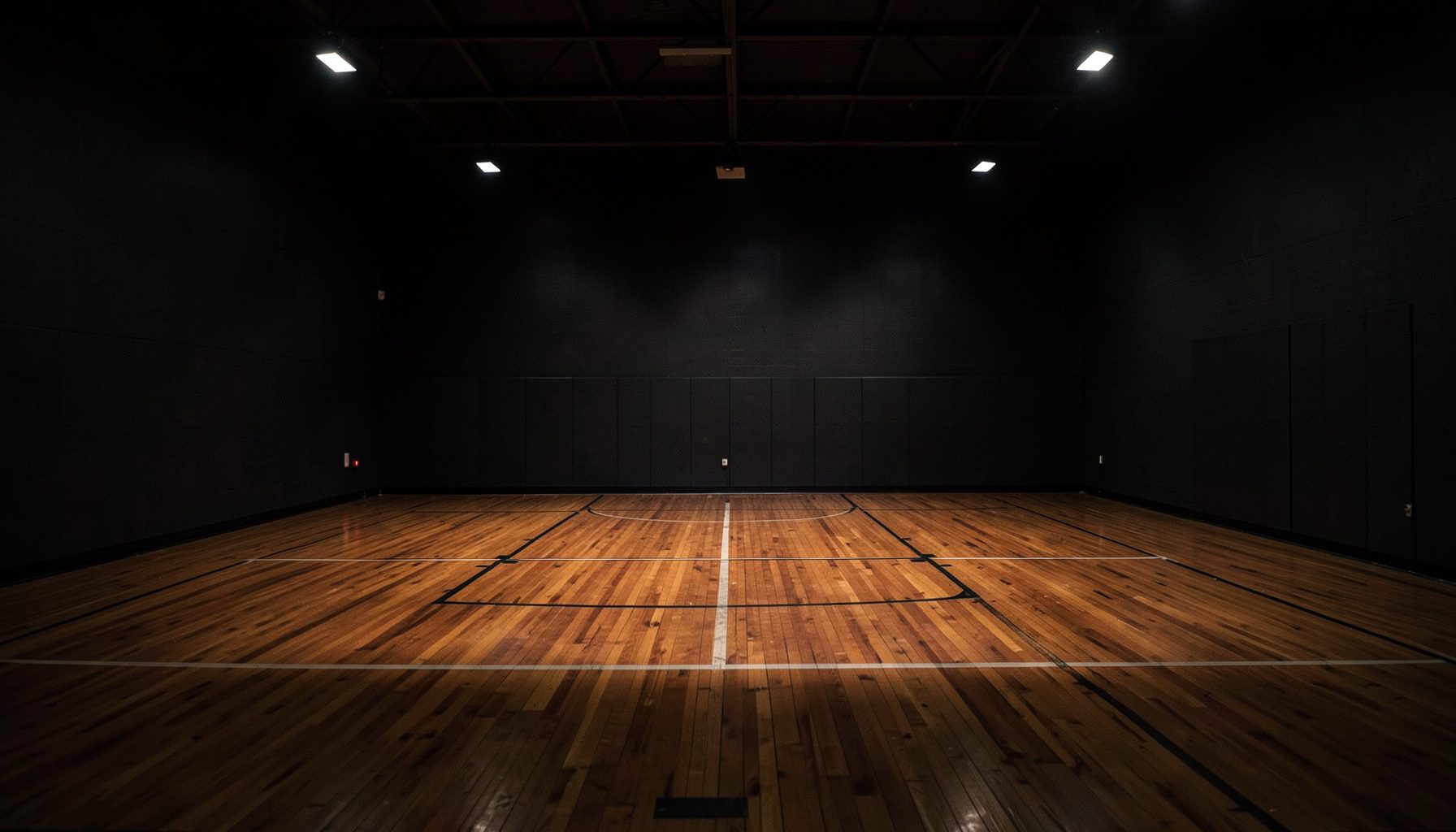
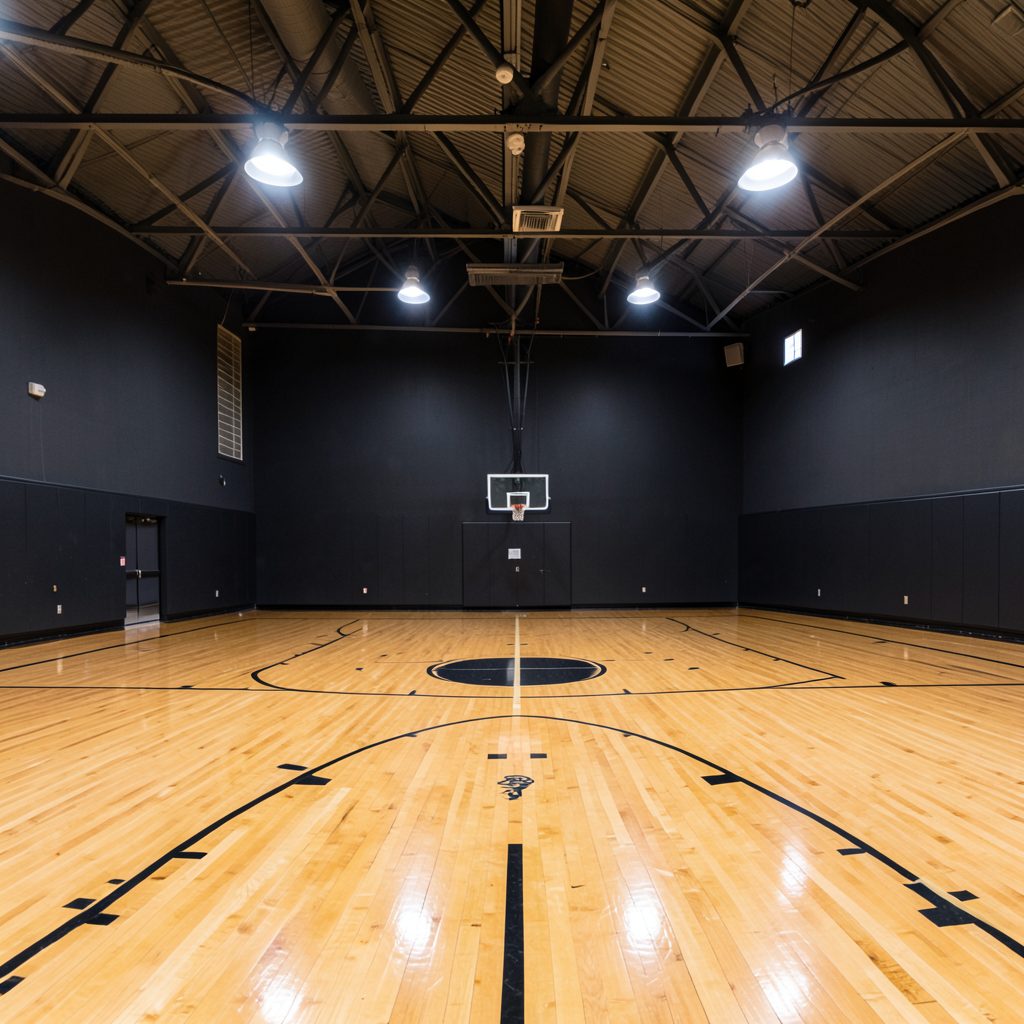
The Factory D1 Indy brings together three entities under one roof: competitive basketball leagues for all age groups, individual and group training, and wellness & recovery services including Normatec boot recovery and cryotherapy. Located off I-465 and High School Road at 6331 Crawfordsville Road, Speedway, Indiana 46224.
Get In TouchHow to Pace Yourself in a 45-Minute Spin Class
A 45-minute spin class can improve cardiovascular fitness, leg strength and riding stamina, but the best results come from managing your effort rather than sprinting from the first track. A well-paced session should feel progressive: you settle in, build intensity, work through controlled peaks and leave with enough energy to recover properly.
The same approach suits beginners, regular gym members and athletes using indoor cycling as cross-training. At The Factory D1 Indy, spin classes sit alongside basketball training, leagues and recovery services, so riders can treat the bike as part of a broader fitness routine rather than a one-off test of toughness.
Know The Ride’s Shape
Most 45-minute classes include a warm-up, several work intervals, a demanding middle or final section, and a cool-down. The exact music and coaching style may vary, but the overall pattern gives you a useful pacing map. The opening minutes are for gradually raising your heart rate, loosening your hips and finding a comfortable cadence.
Think of the class in three effort blocks. The first third should feel controlled, the middle third should include purposeful increases in resistance or speed, and the final third can contain your hardest efforts. This prevents the common mistake of using your maximum energy during the first song and trying to survive the rest.
If you attend a class after work in Melbourne or squeeze one into a busy Sydney morning, allow a few minutes to adjust the bike before the clock starts. A correctly positioned seat and handlebars make it easier to maintain good form when fatigue appears.
Set Effort With RPE And Heart Rate
Rate of perceived exertion, or RPE, is a simple way to judge intensity without relying entirely on the bike’s numbers. Use a scale from one to ten, where one feels like complete rest and ten is an all-out effort you could sustain only briefly.
Aim for an RPE of three or four during the warm-up. Settle around five or six for steady riding, lift to seven or eight during hard intervals, and reserve nine or ten for short sprints or the final push. You should still be able to respond to the instructor and keep your pedal stroke smooth during most of the class.
A heart-rate monitor can add useful information, particularly if you train regularly. However, heart rate may be affected by heat, caffeine, stress and poor sleep. On a warm Queensland day, for example, your pulse can rise faster than expected, so use breathing and muscle control alongside the screen rather than chasing a fixed number.
Start Controlled And Build Gradually
The first five to eight minutes should feel easier than your instinct suggests. Keep resistance light to moderate, pedal smoothly and use the time to assess your legs. If your breathing is already ragged before the first proper interval, reduce the load and allow your body to warm up.
During the steady portion, choose a resistance that lets you maintain a consistent cadence without bouncing in the saddle. Your shoulders should stay relaxed, your hands should hold the bars lightly and your knees should track in line with your feet. Good technique makes each watt of effort more useful.
When an interval begins, increase resistance in small steps instead of making one dramatic adjustment. A single turn of the resistance knob can be enough. This is especially important for new riders and for people returning after a break from training. In Australian gyms, instructors may call this “finding your gear” or tell you to “back it off” when your form starts to deteriorate; take those cues seriously.
Use Hills And Sprints Wisely
Climbing sections are usually controlled strength efforts. Add resistance until the pedals feel heavy but manageable, then keep your cadence steady. Focus on driving through the full pedal circle and staying tall through your torso. If you need to pull hard on the handlebars to keep moving, the resistance is probably too high.
Sprints have a different purpose. Reduce resistance slightly if needed, increase cadence for a short period and keep your upper body quiet. A sprint should feel fast and sharp, not like uncontrolled bouncing. For a 45-minute session, two or three high-quality efforts are more valuable than trying to sprint through every chorus.
Use recovery intervals actively. Continue pedalling at an easy pace instead of stopping completely, and take long, calm breaths. These short periods lower fatigue while keeping your body ready for the next effort. Athletes who also play basketball, netball or Australian rules football can use this pattern to practise repeated bursts followed by quick recovery.
Fuel And Hydrate For The Session
For most people, a regular meal two to three hours before class provides enough energy. Choose familiar carbohydrates with some protein, such as yoghurt and fruit, toast with eggs or rice with chicken. If you are riding after a long day, a banana, muesli bar or small sandwich 30 to 60 minutes beforehand can prevent the flat feeling that arrives halfway through the class.
Bring a full water bottle and take small drinks throughout the ride. You do not need to gulp large amounts during every interval. In hot areas such as Brisbane, Perth or Darwin, hydration deserves extra attention, particularly if the studio is warm or you have trained earlier in the day. An electrolyte drink may be useful for heavy sweaters or longer training days, but water is usually sufficient for a standard class.
Avoid treating sweat as a scorecard. A soaked shirt does not automatically mean you had a better workout. Effort, technique, consistency and how well you recover provide more useful measures. If you feel dizzy, unusually nauseous or faint, reduce the intensity and tell the instructor immediately.
Finish Strong And Recover Properly
When the final demanding block arrives, increase your effort only if you have kept something in reserve. Aim for a strong, controlled finish rather than an early collapse. You can lift resistance for a final climb or increase cadence for a short sprint, then return to an easy pace for the cool-down.
The cool-down helps your breathing and heart rate settle. Keep pedalling gently, release your grip on the handlebars and notice any tightness in your hips, calves or lower back. Once off the bike, a few gentle mobility exercises can support the next training session. Basketball players may also benefit from these basketball stretching routines when combining cycling with court work.
Recovery is part of pacing, not an optional extra. Eat a balanced meal after class, replace fluids and give tired muscles time to adapt. If you are training several times per week, services such as recovery and wellness support can complement sensible sleep, mobility work and rest days.
A simple target for your next class is to finish feeling that you could have completed one more short interval. Track the resistance levels, cadence, RPE and how you felt later that day. Over several sessions, you will learn when to push, when to settle and how to make every minute count.
Book a spin session at The Factory D1 Indy and use this pacing plan from the warm-up through the final sprint. Start steady, ride with purpose and build the fitness that supports stronger training, competition and everyday movement.
Inside The Factory

Three Entities, One Roof
Leagues
Eight league divisions span every age group: Indy Pro AM, 18+ Open Men's, 30+ Men's, Bite Size (ages 3–6), Impact League, 5th/6th Grade, Middle School, and High School. Gather your team and compete.
Training
Individual and group basketball training for all skill levels. Major M.O.V.E.S. Basketball Training serves ages 4–7 on Wednesday and Thursday evenings at 6:30 PM — $30 per session or $100 unlimited monthly.
Wellness & Recovery
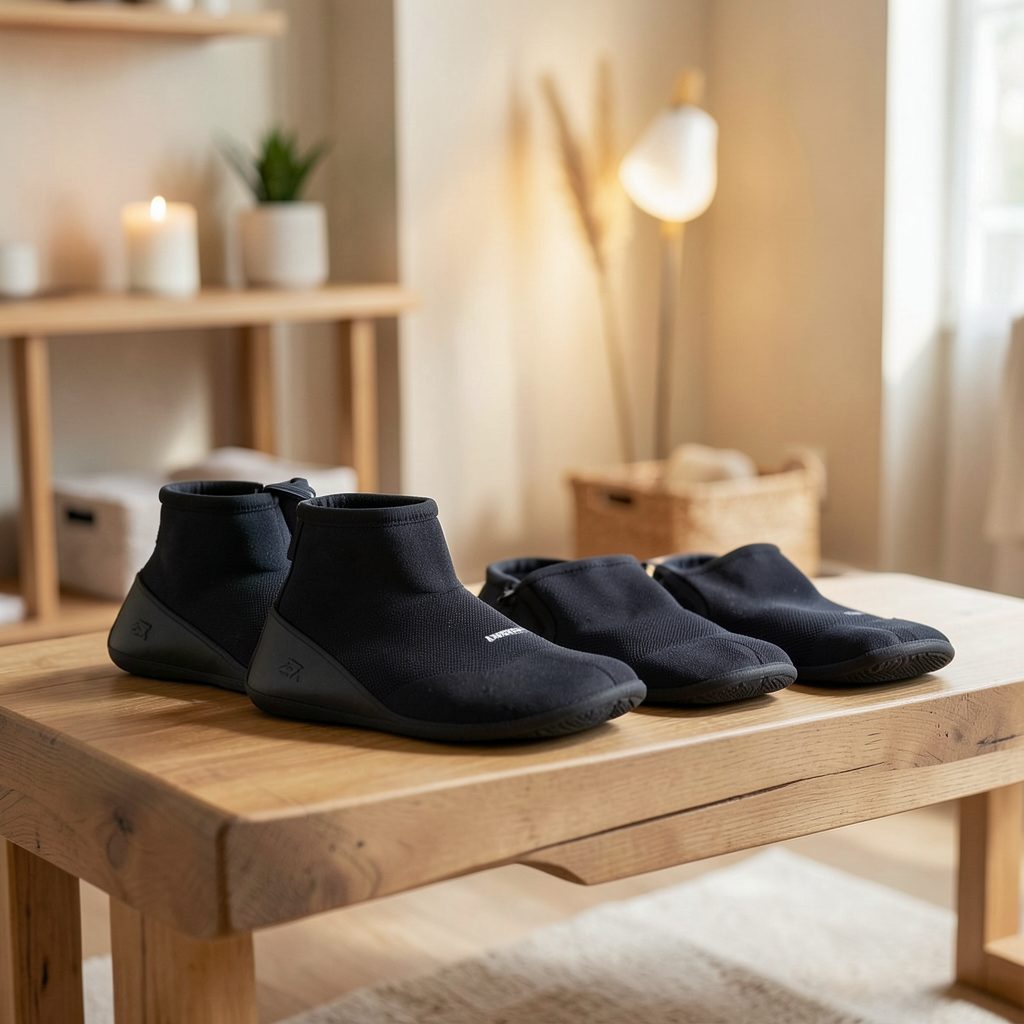
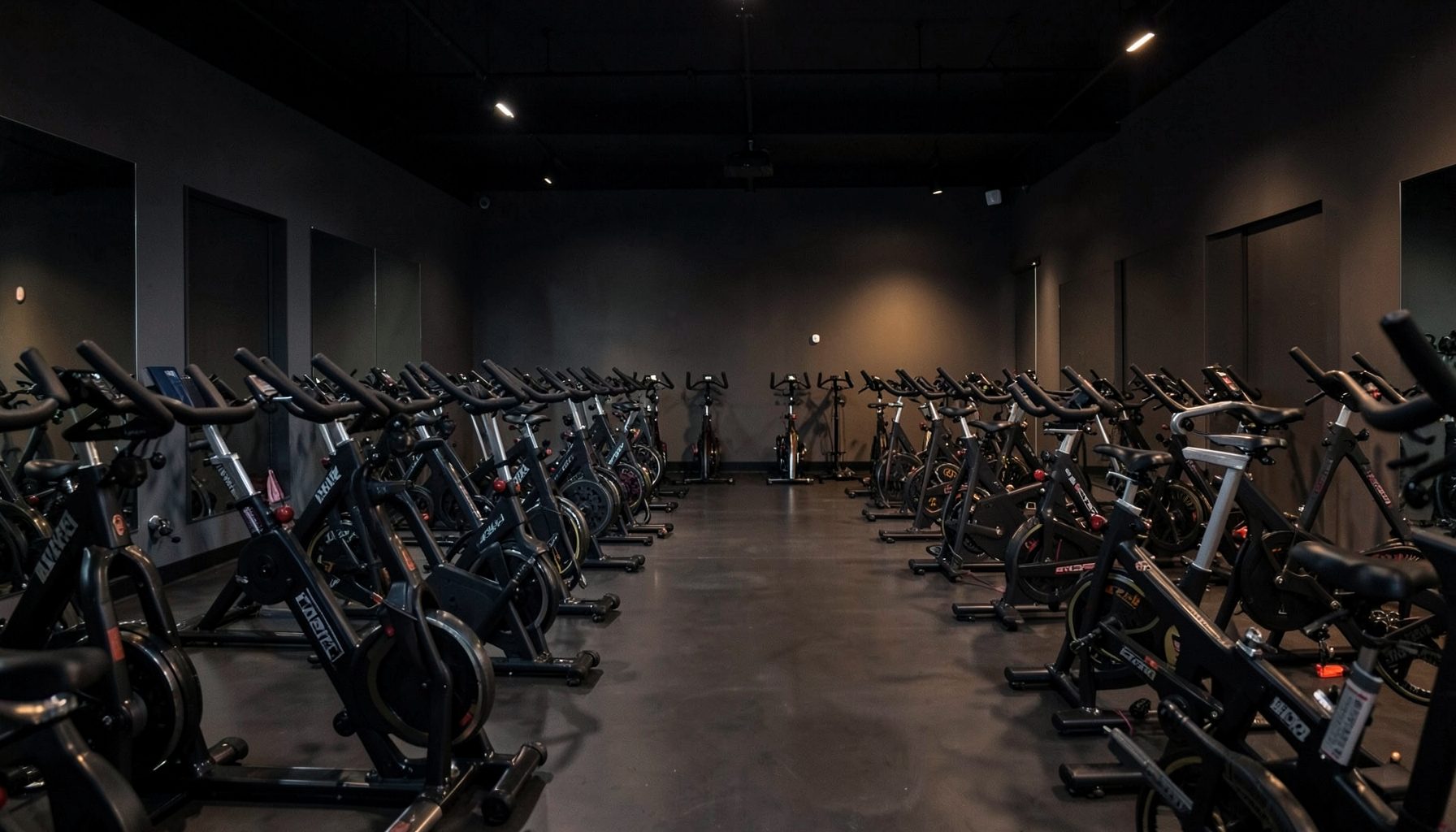
Normatec boot recovery and cryotherapy treatments help athletes bounce back faster. Cycle and spin classes add a cardio dimension to the holistic performance approach.
Have a Question?