Train. Compete. Recover.
A multi-purpose athletic facility in Speedway, Indiana — basketball leagues, skill training, and wellness services all under one roof.
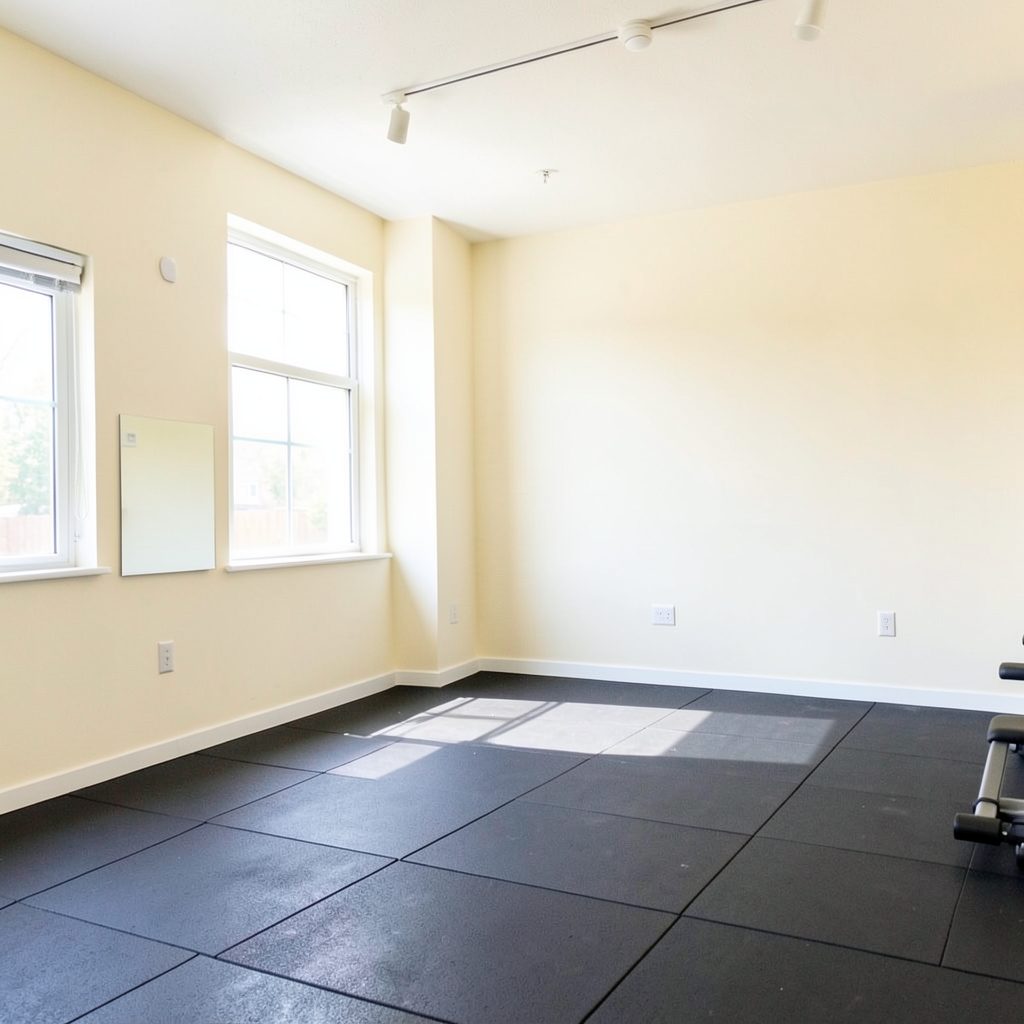
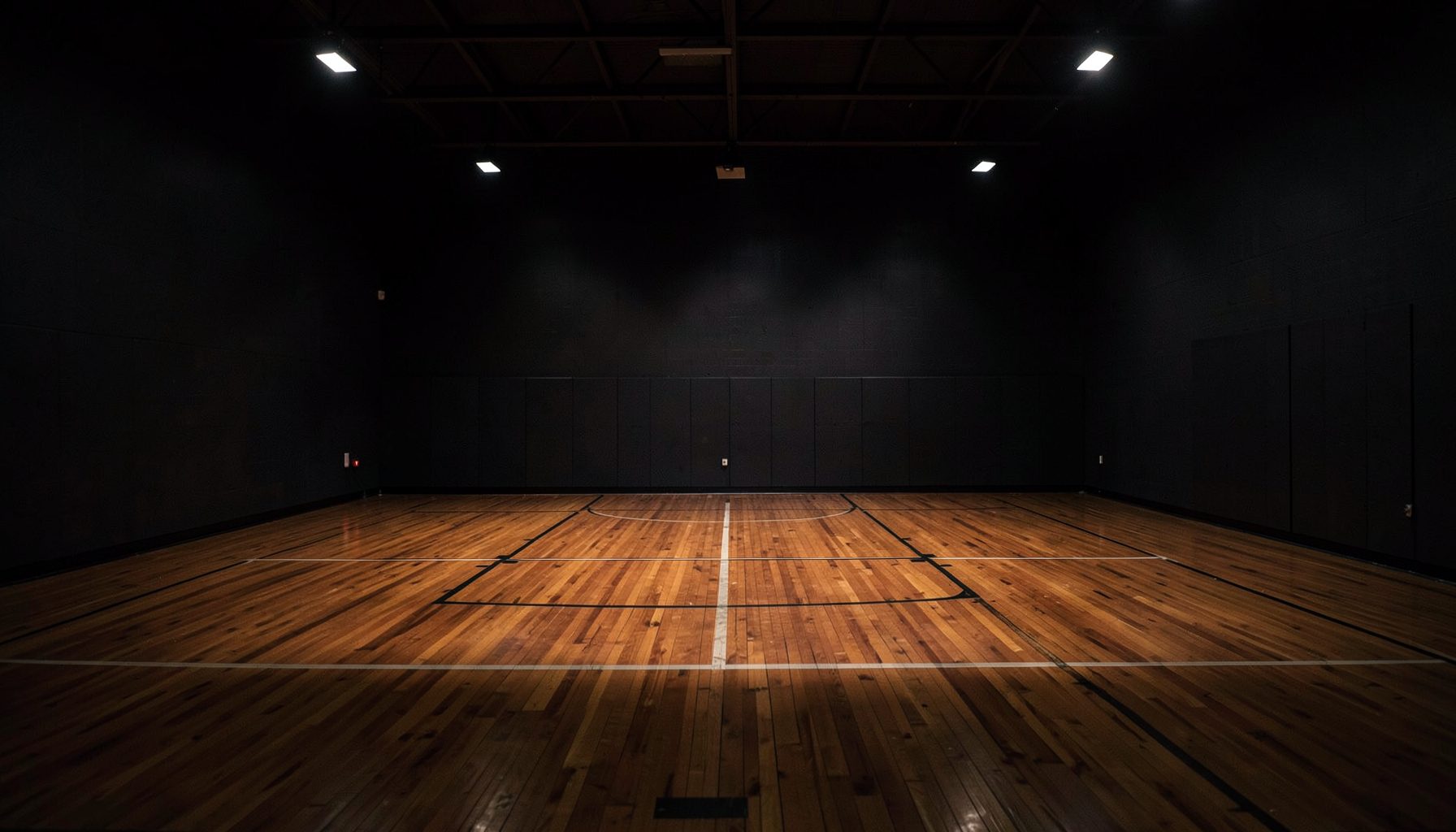
The Factory D1 Indy brings together three entities under one roof: competitive basketball leagues for all age groups, individual and group training, and wellness & recovery services including Normatec boot recovery and cryotherapy. Located off I-465 and High School Road at 6331 Crawfordsville Road, Speedway, Indiana 46224.
Get In TouchHow to practise basketball alone in a driveway or small outdoor court
A driveway or compact backyard court can be enough to sharpen ball handling, footwork and shooting when no teammates are available. The key is to replace random repetition with a deliberate circuit: isolate one skill, set a measurable target, recover, then raise the difficulty. Solo sessions are particularly useful for players who want more touches on the ball without the noise and waiting involved in a crowded training environment.
Start with 30 to 45 minutes, or split the work into two shorter blocks. A useful flow is five minutes of easy movement and dribbling, 15 minutes of skill work, 10 minutes of shooting or finishing, and a controlled conditioning set. Finish with light mobility, hydration and notes on what improved. Keep every session safe enough to repeat tomorrow, because consistency matters more than turning one driveway session into an exhausting contest.
Set up your outdoor space
Across the outer suburbs of Melbourne, Sydney, Adelaide and Brisbane, a level driveway beside a garage often provides more usable space than a lawn. Check for grit, loose stones, drainage channels and branches before training. Use pavement rather than dry grass for dribbling drills, and place cones well away from parked cars. A net-less practice area still allows a player to work on stance, close control and decision-making.
If a hoop is mounted over the driveway, check who can authorise it and whether local council by-laws allow the installation. Apartment residents should also respect quiet hours and shared-space rules. Never shoot toward the street, footpath or a neighbour’s property, and retrieve loose balls quickly. For temporary markings, use removable tape or weighted cones; for a long-term setup, a local sporting-goods store can help with a rebound ring and a weather-resistant ball.
Equipment should match the space. A regulation-size ball and two cones cover most sessions, while a ball slightly underinflated can make close dribbling easier on concrete. Australian shoppers can compare training balls and portable hoops at Decathlon or Rebel, while Bunnings often stocks rebound rings suitable for a driveway. Wear shoes with grip, keep a water bottle nearby, and avoid training on a surface that becomes slippery after rain.
Plan a repeatable session
Write the session plan before stepping outside so warm-ups do not drift into unplanned drills. The skill block should contain three stations: stationary control, moving footwork and a finish. For example, complete three 60-second dribbling sets, three 45-second closeout sets and three rounds of six form shots, resting for 60 to 90 seconds between rounds. Keeping the numbers visible makes progress easier to judge than simply playing until the ball feels tired.
Choose targets that can be measured without a second player. Examples include ten clean right-hand dribbles, five controlled crossover stops, or making four of six bank shots from a marked spot. Record successful repetitions, not attempts alone, because a higher success rate usually means the skill is becoming more reliable. Keep a harder target for the final round while preserving the same stance and hand position used earlier.
Build fitness through short courtside intervals rather than prolonged running in place. After the skill block, try two rounds of five push-ups, ten squats, ten alternating step-backs and 20 seconds of high knees, with a full recovery between rounds. A five-minute home circuit is enough for a maintenance session. On active recovery days, replace jumping with walking drills, mobility and low-intensity ball work to let the legs recover without wasting the skill practice.
Work on ball control and footwork
Begin with a narrow dribbling pattern between two cones, moving from a stationary stance into a sprint, then slowing again to protect ball control. Add crossovers, between-the-leg dribbles and hesitations only when the basic change of direction stays clean. Keep the dribble below knee height on turns, use both hands and glance at the cone rather than directly at the floor. Short sets with a rest will usually produce better mechanics than one long, rushed run.
Hand-eye work becomes easier when the ball demands a real visual target. Factory D1 Indy’s guide to hand-eye coordination drills offers useful progressions for tracking, reacting and controlling the ball away from the body. Try catching or passing the ball against a wall, then alternate left- and right-hand pickups from the floor. Keep each repetition smooth; fast movement with poor posture will not transfer to game speed.
Without a hoop, create finishing points with painted or taped landing spots. Sprint to each spot, plant both feet, lift the knee and complete a balanced layup motion into an imaginary rim, then retreat under control. Pair that with pivot and pass-to-self repetitions around a cone. For shooting, use a safe wall or fence for bank shots, or set the ball on a tee and focus on elbow alignment, wrist snap and a balanced follow-through.
Add shooting, conditioning and recovery
A permanent hoop unlocks more shooting and rebounding practice, but it should not replace the deliberate close-range work. Start with feet-square layups, then move to one-foot runners, short pull-ups and bank shots. After every shot, step into the court, secure the rebound with two hands and reset behind the line. If the driveway is narrow, alternate a shooting set with passing, dribbling and footwork stations so movement remains safe.
For conditioning, add body-weight squats, reverse lunges, calf raises, core holds and low skipping intervals to the skill circuit. Australian summers make timing important: train before sunrise or after sunset when the pavement has cooled, especially in December and February. Use a hat, broad-spectrum sunscreen and water, and stop for dizziness, headache, confusion or chest discomfort. Hot weather can turn a simple session dangerous faster than many players expect.
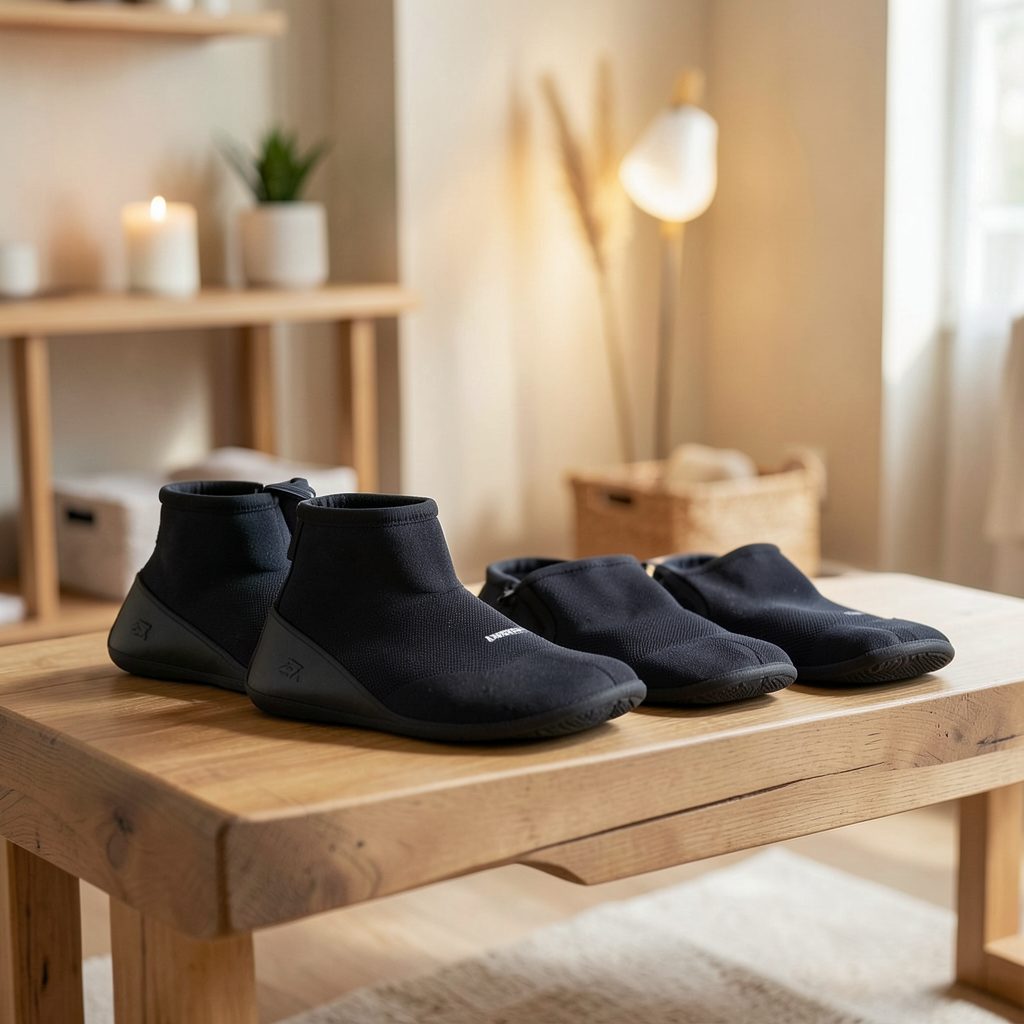
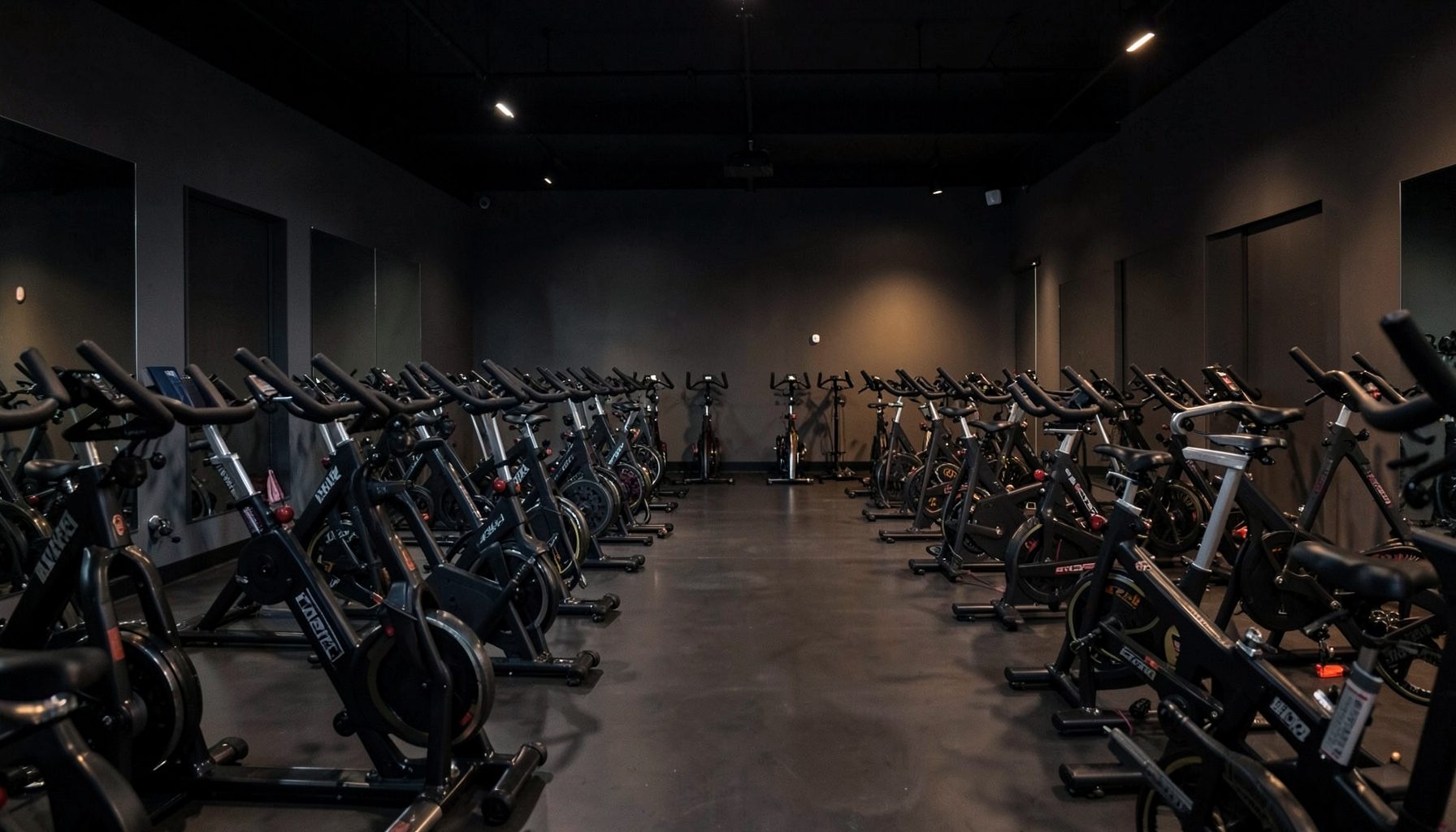
Recovery is part of training, not a sign that the session was unfinished. Light mobility, easy walking and sleep support the next day’s performance; the cycle and spin classes, Normatec compression therapy and cryotherapy available at Factory D1 Indy can complement a structured programme. Condition-specific advice also matters. The resource on prenatal sciatica relief shows why movement guidance should be matched to the person and the source of pain; its pregnancy focus is not a basketball treatment plan, so persistent back pain needs advice from a qualified clinician.
Build consistency and compare options
Make the session easy to continue by fixing one weekly focus and rotating the details around it. For instance, a four-week run might cover close dribbling, finishing, pull-up balance and decision speed. At the end, challenge yourself with a realistic task such as completing a drill cleanly in under 30 seconds or making five shots from five marked spots. A personal best gives solo work the competitive edge that a pickup game might otherwise supply.
Different practice areas suit different goals. A narrow driveway is better for close control and stationary shooting, while a wider court supports full-speed footwork and drive-to-hoop sequences. A wall adds rebounding and passing repetitions, whereas cones create agility and balance. Use the layout you have rather than copying an indoor drill that needs much more space. If the surface or weather changes, shorten the session and preserve the quality of the movement.
| Practice option | Equipment | Main focus | Best use |
|---|---|---|---|
| Wall passing | Ball and safe wall | Catch, pass and rebound | No hoop available |
| Cone footwork | Ball and two cones | Agility and close control | Narrow driveway |
| Drill to hoop | Ball and hoop | Finishing and balance | Court with clearance |
| Self-rebound shooting | Ball and hoop | Shooting and rebounding | Full outdoor court |
| Body-weight circuit | No ball | Strength and conditioning | End of a skill session |
Turn this plan into action now: pick a spot, set three targets and complete one focused circuit today. When you want more court time and competition, visit the Factory D1 Indy facility in Speedway, Indiana, for individual or group skills training, youth programmes or a league suited to your age. Bring the same focus you used alone, track your next target and make every possession count.
Inside The Factory
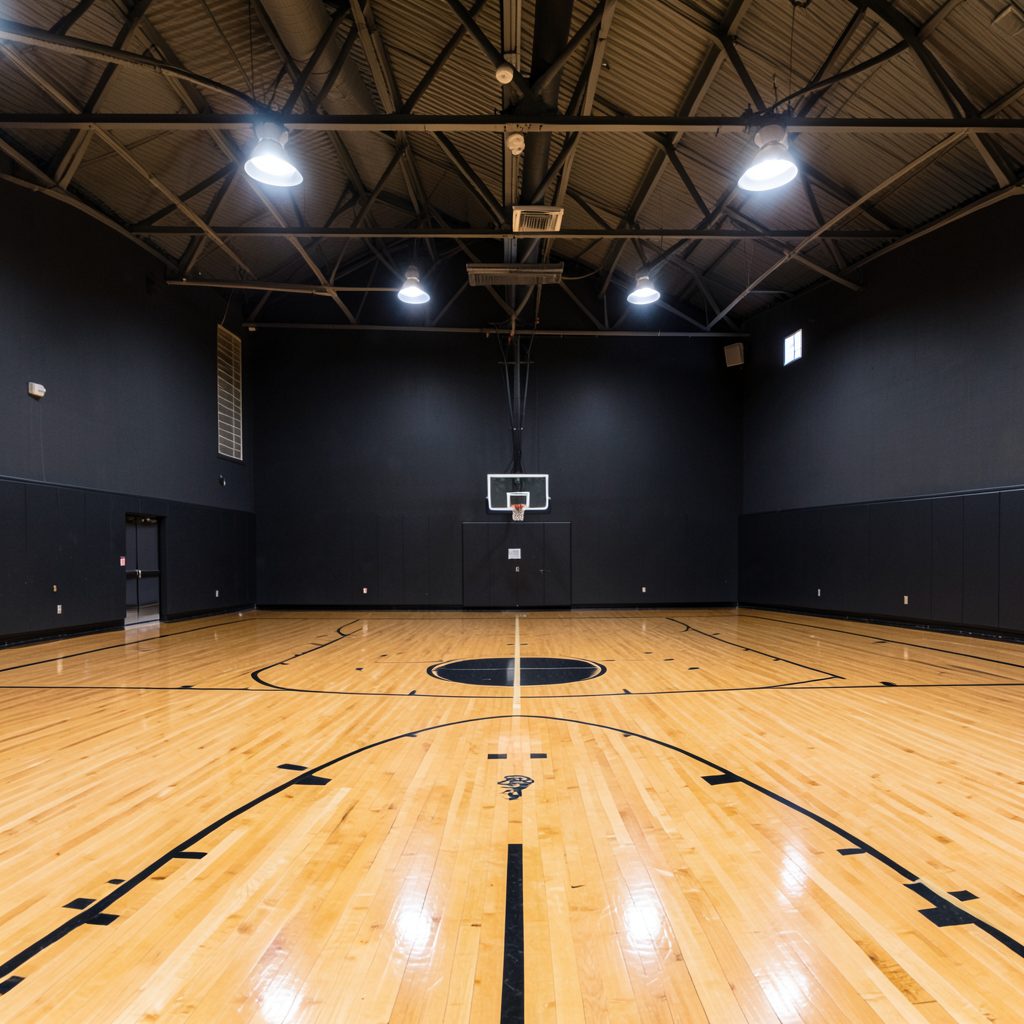
Three Entities, One Roof
Leagues
Eight league divisions span every age group: Indy Pro AM, 18+ Open Men's, 30+ Men's, Bite Size (ages 3–6), Impact League, 5th/6th Grade, Middle School, and High School. Gather your team and compete.
Training
Individual and group basketball training for all skill levels. Major M.O.V.E.S. Basketball Training serves ages 4–7 on Wednesday and Thursday evenings at 6:30 PM — $30 per session or $100 unlimited monthly.
Wellness & Recovery
Normatec boot recovery and cryotherapy treatments help athletes bounce back faster. Cycle and spin classes add a cardio dimension to the holistic performance approach.
Have a Question?