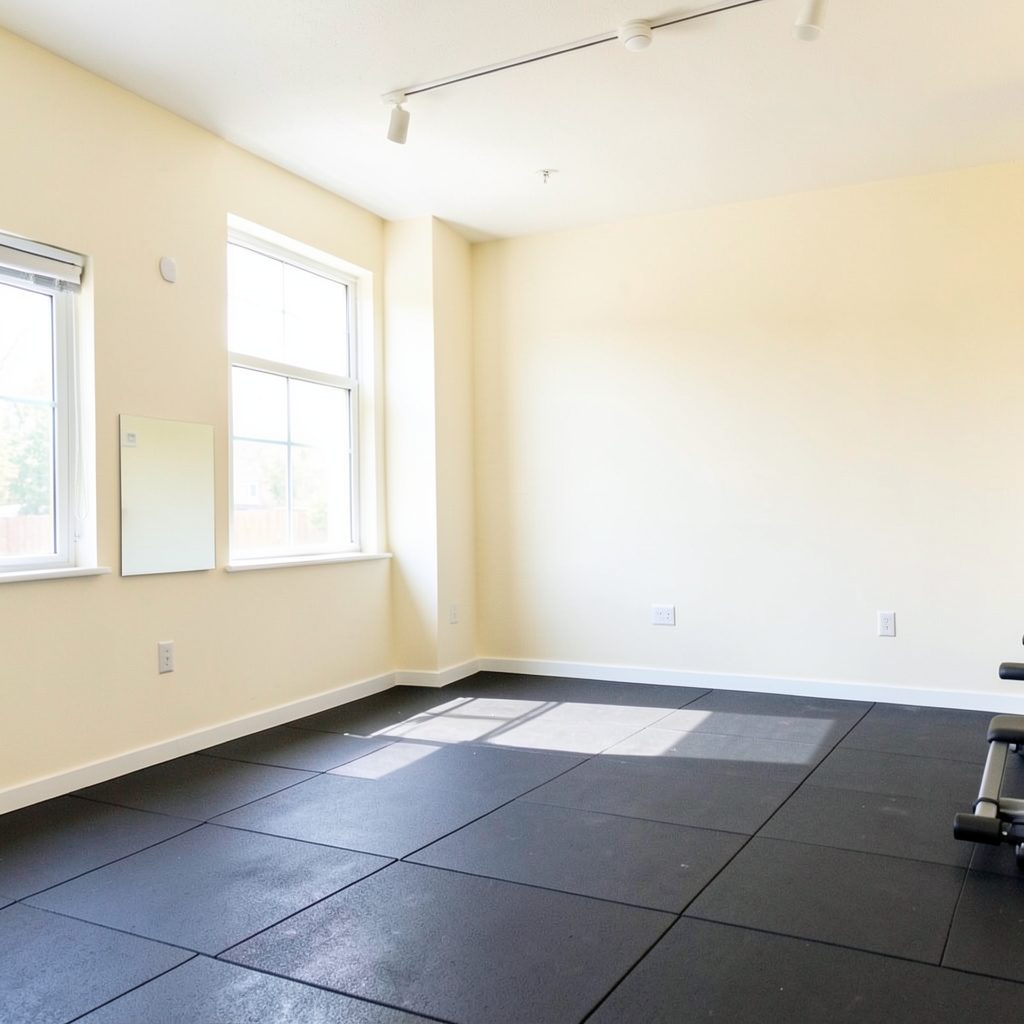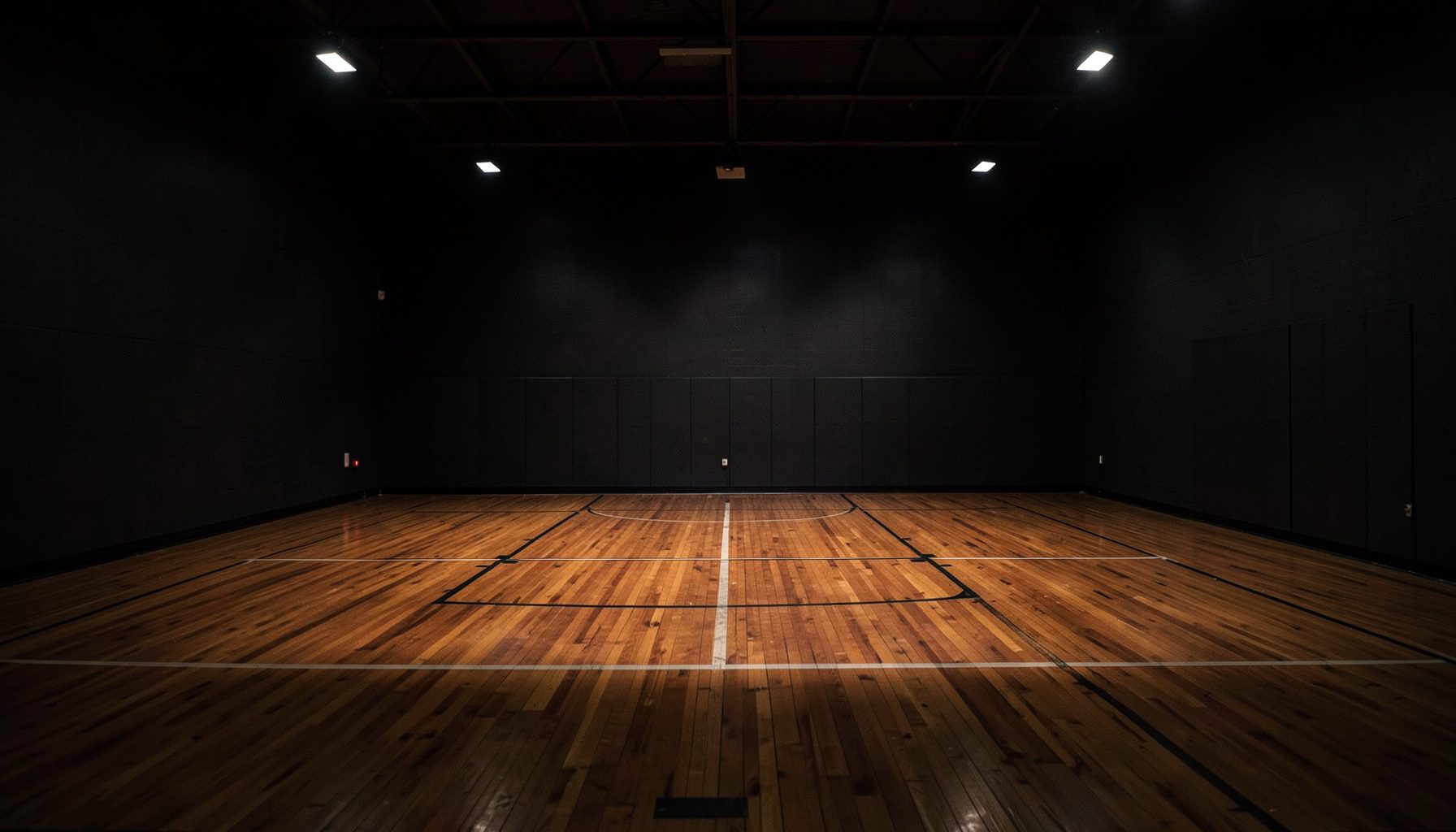
Train. Compete. Recover.
A multi-purpose athletic facility in Speedway, Indiana — basketball leagues, skill training, and wellness services all under one roof.
The Factory D1 Indy brings together three entities under one roof: competitive basketball leagues for all age groups, individual and group training, and wellness & recovery services including Normatec boot recovery and cryotherapy. Located off I-465 and High School Road at 6331 Crawfordsville Road, Speedway, Indiana 46224.
Get In TouchHow to Prepare for Cryotherapy: What to Wear and What to Avoid
Cryotherapy is a short, controlled exposure to very cold air, commonly used after training or as part of a broader wellness routine. A session may take place in a whole-body chamber or a localised device aimed at one area. Knowing what happens beforehand makes the experience more comfortable and helps you use the appointment sensibly.
Preparation is straightforward, but clothing and skin condition matter. The aim is to keep sensitive areas protected while ensuring there is no moisture, metal or product on the body. Your provider should explain its own process, as equipment, temperatures and session lengths vary between facilities.
For Australians, this can be especially useful to consider when booking around sport and weather. A winter morning in Canberra feels very different from a humid afternoon on the Gold Coast, yet both can leave you arriving with damp skin or activewear. Cryotherapy centres generally operate as private wellness businesses, so check inclusions, age rules and cancellation policies before paying a deposit.
The Factory D1 Indy combines athletic training with recovery services, making cryotherapy relevant for basketball players, gym members and people managing a busy conditioning schedule. It should complement proper sleep, hydration, nutrition and qualified medical care rather than replace them.
| Preparation area | Recommended choice | Avoid |
|---|---|---|
| Base clothing | Dry cotton underwear or approved swimwear | Wet, sweaty or synthetic layers |
| Hands and feet | Provider-issued gloves, socks and footwear | Bare skin or damp socks |
| Skin | Clean, completely dry skin | Oils, lotions, creams or sweat |
| Accessories | Remove jewellery, watches and metal items | Earrings, necklaces and piercings |
| Timing | Arrive early and hydrated | Alcohol, rushing or exercising immediately beforehand |
Understand The Session Before You Arrive
Ask whether your appointment uses whole-body cryotherapy or a local treatment. Whole-body sessions usually involve standing in a chamber for a brief period with protective clothing, while localised treatment directs cold air or another cooling method at a specific joint or muscle. The preparation may differ, particularly around exposed skin.
A reputable operator should discuss your health history and explain the expected sensation. Cold air can feel intense at first, but the session should remain supervised and controlled. Tell staff immediately if you feel pain, unusual numbness, dizziness, breathlessness or significant discomfort.
Cryotherapy is not suitable for everyone. Pregnancy, uncontrolled high blood pressure, serious cardiovascular conditions, cold allergies, Raynaud’s phenomenon, poor circulation, reduced sensation and some skin conditions may require avoiding treatment or obtaining medical clearance. If you are unwell, have an open wound or recently had surgery, postpone the booking until a health professional says it is appropriate.
Choose Clothing That Stays Dry
The safest general choice is dry, close-fitting cotton underwear or the clothing specified by the facility. Many operators provide a robe, socks, gloves and footwear, or ask clients to bring particular items. Follow those instructions rather than assuming ordinary gym clothes will be acceptable.
Protective layers are especially important for fingers, toes and other areas with less insulation. Your feet should be dry before entering, and socks should not be damp from a rushed walk, shower or training session. If you are travelling from a basketball court, pack a separate change of clothing rather than stepping into the chamber in sweaty kit.
Avoid loose garments that could interfere with the equipment, and remove watches, rings, necklaces, bracelets, earrings and other metal accessories. Piercings may need specific advice from the operator. Long hair should be dry and secured if required, while contact lenses, glasses or other personal items should be handled according to the provider’s directions.
Keep Skin Clean And Completely Dry
Moisture is one of the main things to avoid. Water or sweat on the skin can make the cold feel sharper and may increase the risk of irritation. Shower earlier if needed, dry carefully, and give your body time to return to a normal, comfortable temperature before the session.
Do not apply body oil, moisturiser, sunscreen, massage balm or other products immediately beforehand unless the operator specifically approves them. These products can affect how cold air contacts the skin and may become uncomfortable during exposure. Freshly shaved or waxed skin can also be more sensitive, so leave enough time for any irritation to settle.
Arrive a little early rather than racing from the car park. In Australia, a hot commute in Sydney or Brisbane can leave you sweaty even when the appointment is indoors, while a long ride in Melbourne winter can leave clothing damp from rain. Bring a towel and spare underwear or activewear so you can change before treatment.
Time The Appointment Around Training
A cryotherapy session is best planned around your full training load, not treated as a substitute for a recovery day. Avoid entering immediately after a hard workout when you are overheated, dehydrated or still breathing heavily. Cool down, drink water and allow your body to settle before the appointment.
The same principle applies after the session. Follow the operator’s guidance about returning to exercise, and pay attention to how your body feels. Some athletes schedule treatment after practice, while others prefer it on a separate day so they can evaluate its effects without confusing cold exposure with fatigue from training.
Basketball athletes can pair recovery planning with movement work; learning why defensive slides matter is a useful reminder that footwork, strength and recovery all contribute to performance. If you are preparing for a local comp, school tournament or weekend footy match, avoid experimenting with a new recovery service for the first time immediately before an important event.
Hydrate And Skip Alcohol
Drink water during the day and arrive normally hydrated. There is no benefit in forcing excessive fluids immediately before treatment, but starting dehydrated can make you feel worse. A light meal may be sensible if you have not eaten for several hours, especially when the booking sits between work and an evening training session.
Skip alcohol before cryotherapy. It can affect judgement, hydration and circulation, making it harder to respond appropriately to discomfort. Avoid recreational drugs and disclose relevant medications or medical conditions to staff. Caffeine rules vary, so ask the provider if you are unsure rather than relying on gym folklore.
Afterwards, warm up gradually and continue with ordinary hydration. You do not need an extreme routine, a freezing plunge or a heavy meal to “activate” the benefits. In the Australian market, wellness packages often combine several services, so check whether massage, sauna or compression therapy is scheduled around the cold treatment and follow the recommended order.
Protect The Rest Of Your Recovery Routine
Cryotherapy works best as one part of a sensible recovery plan. Sleep, adequate protein and carbohydrates, mobility work and well-managed training volume remain central for athletes. It may feel appealing to book a session after every hard workout, but frequency should be based on professional guidance, personal tolerance and the purpose of treatment.
Gentle movement can help you shift from intense training into recovery. For a calm option on a non-training day, try this gentle yoga flow, adapting the poses to your mobility and avoiding any stretch that causes pain. A relaxed walk, light cycle or easy mobility session may suit you better than complete inactivity.
Keep a simple record of how you feel before and after sessions. Note sleep, soreness, training intensity and any skin reaction. This is more useful than assuming a single cold exposure will produce the same result every time. Stop booking treatments if you develop persistent irritation, unusual pain or symptoms that concern you, and seek medical advice.
Know What To Do On The Day
Bring identification, booking details, water and a clean change of clothes. Arrive without heavy creams, wet hair, damp activewear or jewellery. Tell the practitioner about recent injuries, illness, medication changes, circulation problems or anything that could alter your response to cold.
Wear the protective items exactly as instructed and keep communication open throughout the session. Do not try to prove your toughness by asking for extra time or ignoring warning sensations. Cryotherapy is not a test of willpower, and a shorter or postponed session is preferable to an unsafe one.
If you are visiting from interstate, allow enough time for travel and do not schedule the appointment so tightly that you must sprint straight to the airport, office or court. Whether you call it a quick arvo recovery session or part of a structured performance plan, preparation should leave you calm, dry and ready to follow the provider’s instructions.
Book your cryotherapy appointment with The Factory D1 Indy, review the facility’s requirements beforehand and arrive in dry, comfortable clothing. Pair the session with consistent training, sensible recovery habits and professional advice whenever your health history calls for it.
Inside The Factory
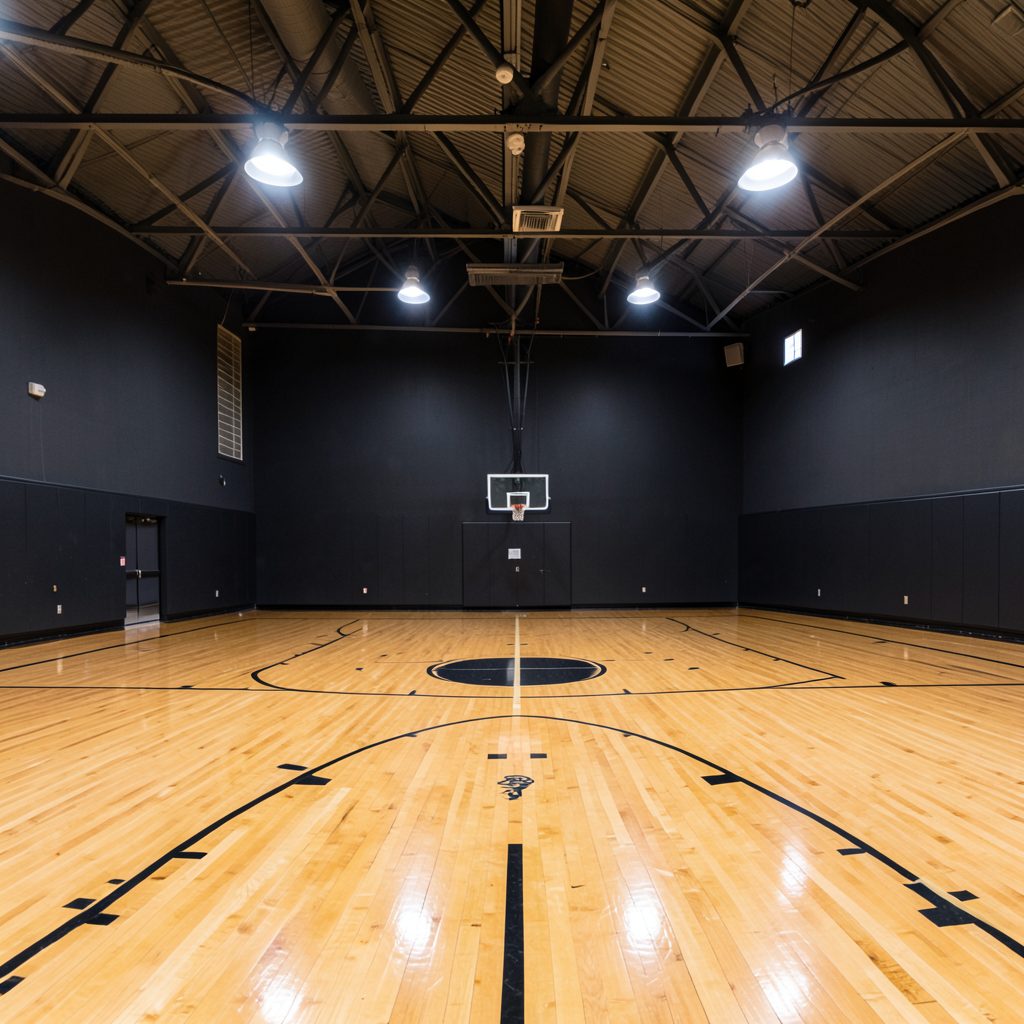

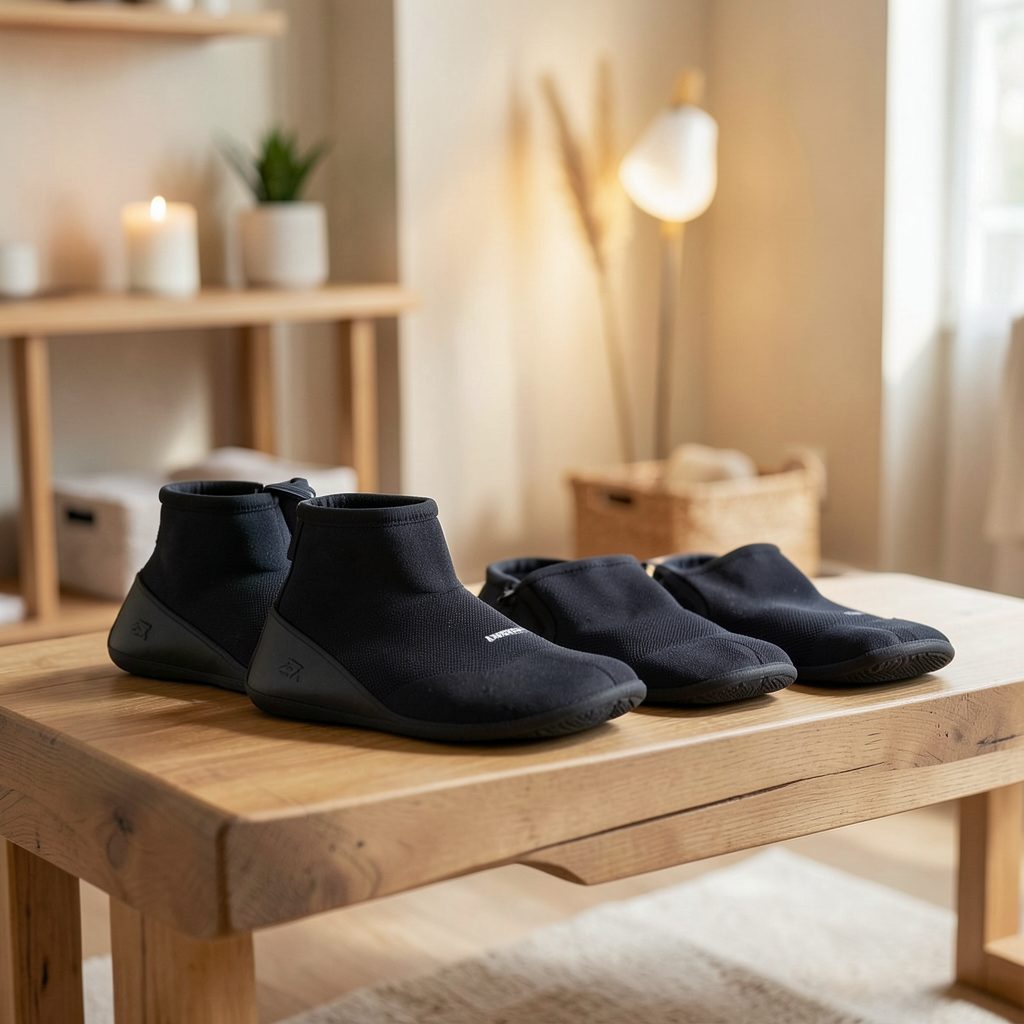
Three Entities, One Roof
Leagues
Eight league divisions span every age group: Indy Pro AM, 18+ Open Men's, 30+ Men's, Bite Size (ages 3–6), Impact League, 5th/6th Grade, Middle School, and High School. Gather your team and compete.
Training
Individual and group basketball training for all skill levels. Major M.O.V.E.S. Basketball Training serves ages 4–7 on Wednesday and Thursday evenings at 6:30 PM — $30 per session or $100 unlimited monthly.
Wellness & Recovery
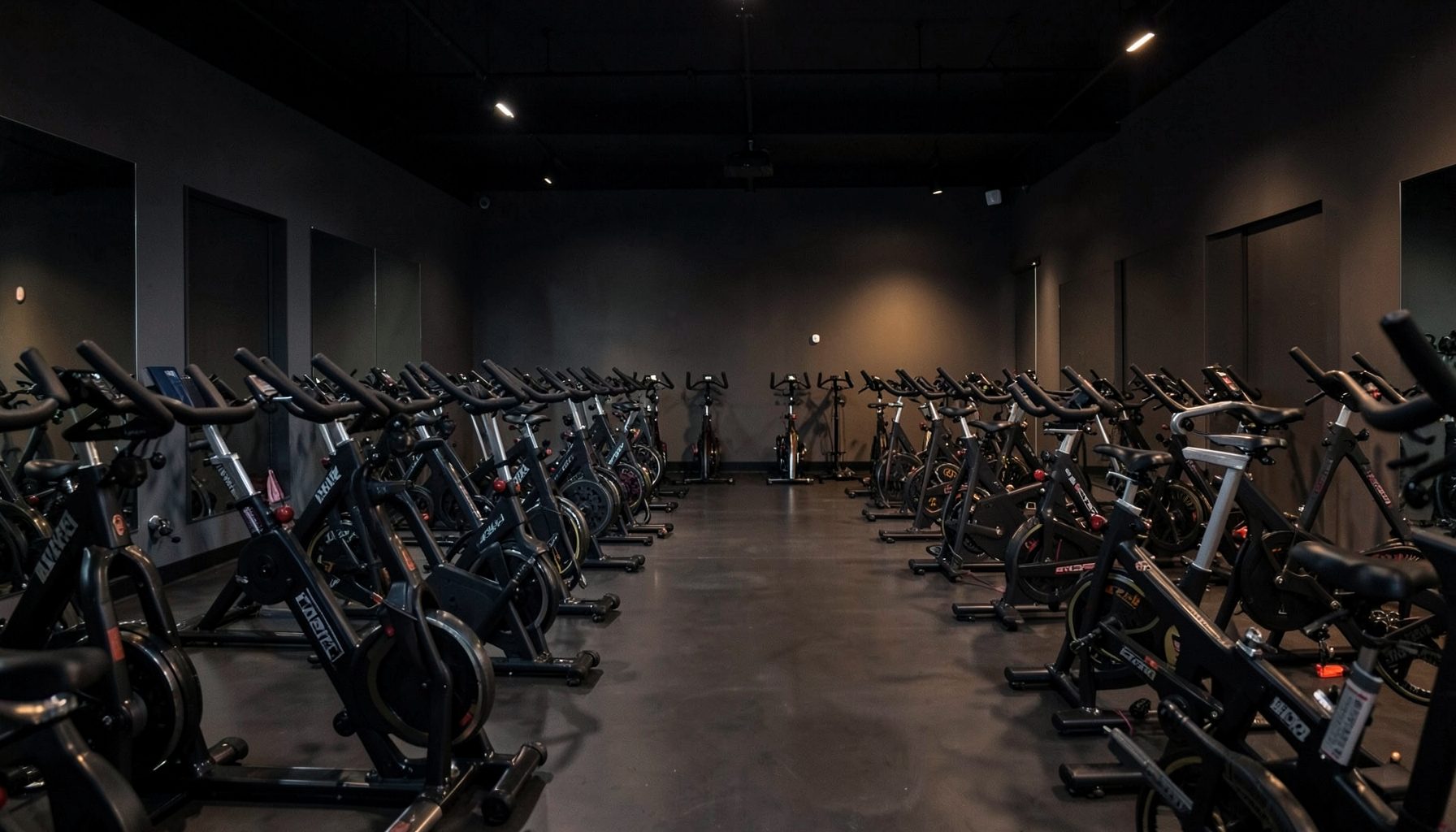
Normatec boot recovery and cryotherapy treatments help athletes bounce back faster. Cycle and spin classes add a cardio dimension to the holistic performance approach.
Have a Question?