Train. Compete. Recover.
A multi-purpose athletic facility in Speedway, Indiana — basketball leagues, skill training, and wellness services all under one roof.
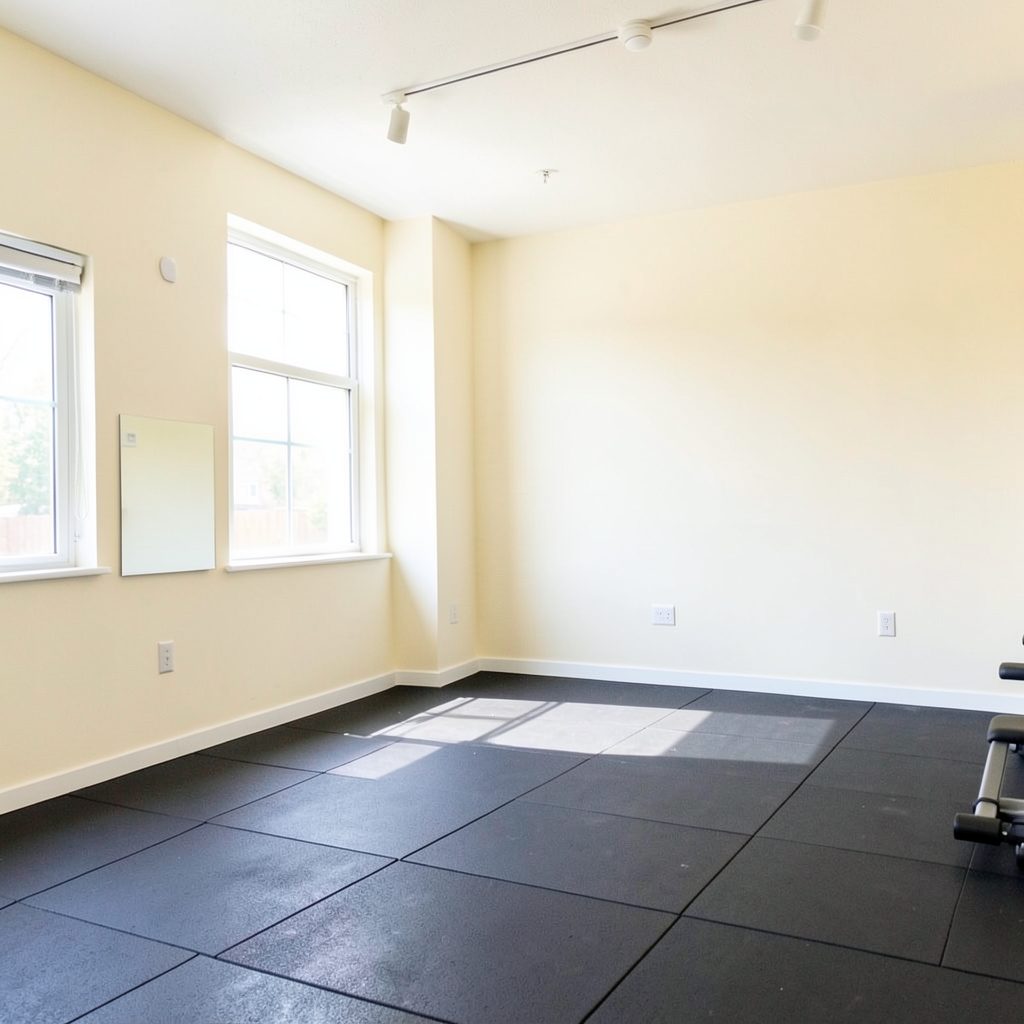
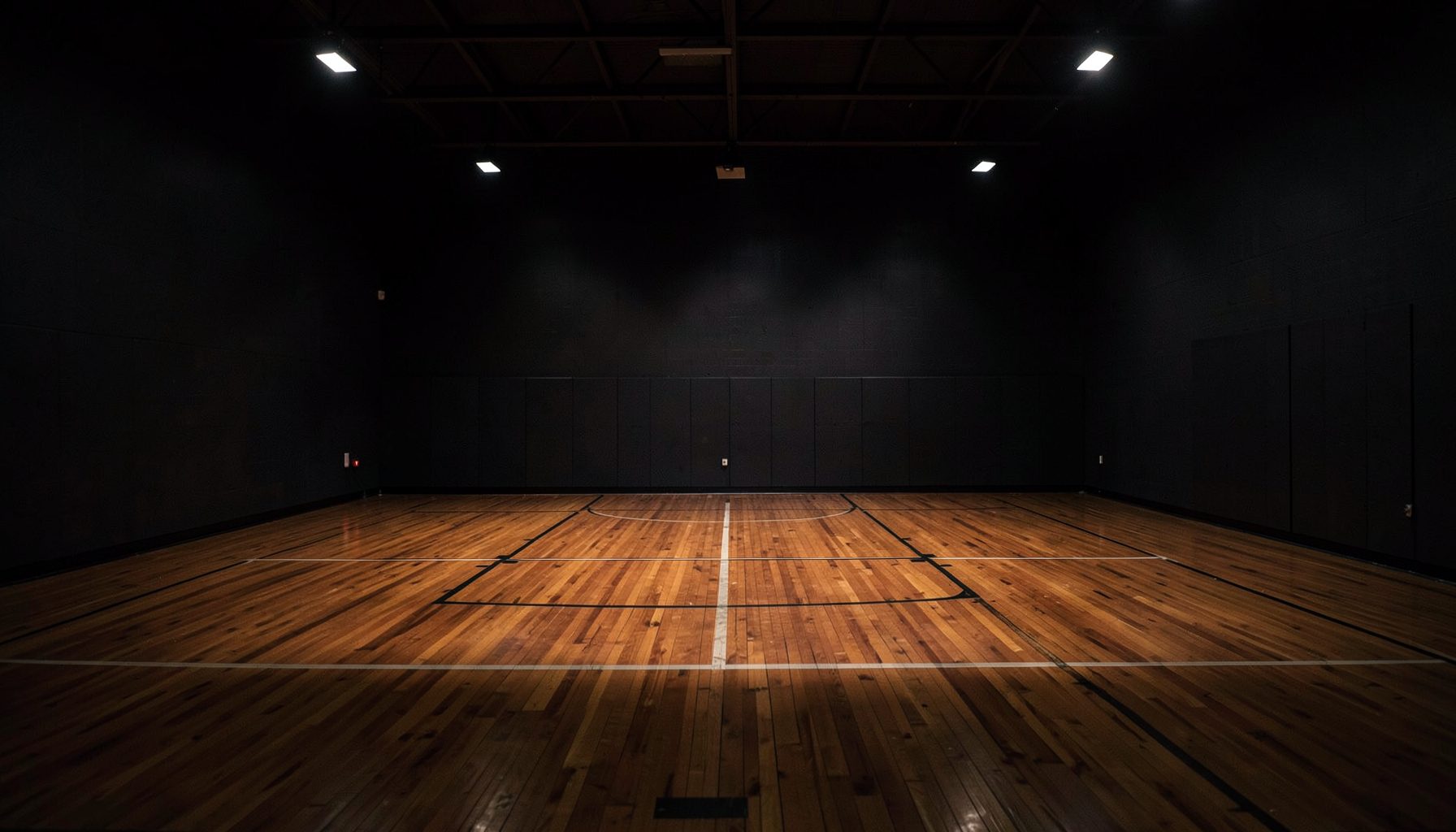
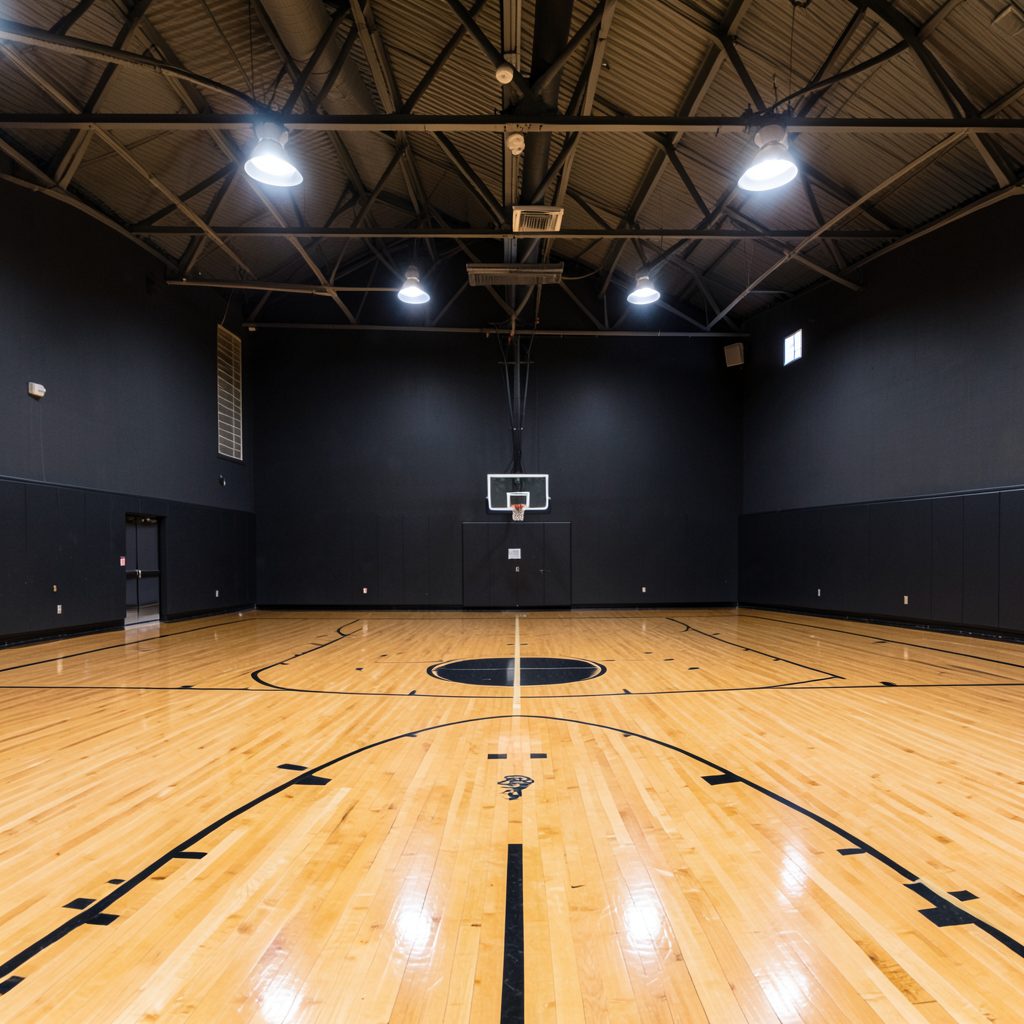
The Factory D1 Indy brings together three entities under one roof: competitive basketball leagues for all age groups, individual and group training, and wellness & recovery services including Normatec boot recovery and cryotherapy. Located off I-465 and High School Road at 6331 Crawfordsville Road, Speedway, Indiana 46224.
Get In TouchHow to Schedule a Recovery Day Combining Normatec and Light Stretching
A recovery day should reduce training stress rather than create another demanding workout. For basketball players, combining Normatec pneumatic compression with light stretching can create a structured window for slowing down, moving comfortably and preparing the body for its next session. The approach works best when it follows hard training or competition, fits the athlete’s schedule and includes enough time to leave the facility relaxed rather than rushed.
Australian athletes can apply this format at home or while visiting Speedway, Indiana. Local planning may involve converting between Australian and Indianapolis time, coordinating around school holidays and choosing recovery services that are readily available in major cities such as Sydney, Melbourne, Brisbane and Perth. The key is to design the day around the athlete’s workload, age and recovery needs rather than following one fixed timetable.
Pick the right day and time
A recovery day usually fits best in the 24 to 48 hours after a particularly intense basketball session, tournament or strength workout. It can also work as an unload day during a busy competition period. An athlete who still feels fatigued may benefit from an easier walk and sleep instead, while someone without soreness can use the session to practise controlled movement and establish a consistent recovery habit.
Write the appointment in the time zone where it will happen and use the 24-hour clock, a familiar Australian convention. The facility operates in Indianapolis local time, which can shift between Eastern Standard Time and Eastern Daylight Time. Sydney and Melbourne also change their clocks, although the transition dates do not always align. Anyone coordinating a visit from Australia should confirm the conversion on the booking date and include the local start time in team communications.
Compression should not be used to push through warning signs. Athletes with acute swelling, severe pain, a recent injury, unexplained shortness of breath or a history of blood clots should obtain appropriate medical advice before using compression equipment. People managing heart, circulatory, neurological or pregnancy-related concerns should also follow their clinician’s guidance. Recovery work should complement rest and professional treatment without masking symptoms that need attention.
Reserve a realistic session block
A useful schedule takes about 90 minutes and avoids the temptation to fill every minute with activity. Begin with 10 minutes for check-in and hydration, followed by five to 10 minutes of gentle breathing and easy joint movements. Allow 30 to 40 minutes for Normatec compression, 20 to 25 minutes for light stretching and finish with a quiet cooldown. Device settings and session duration should follow the facility’s guidance and the athlete’s response.
Compression and stretching need not compete for time. A short mobility warm-up gives the athlete time to settle before the sleeves go on, while stretching afterwards provides an opportunity to move through the areas that feel restricted without chasing a range that is missing. Compression is not a substitute for stretching, and stretching does not need to become an aggressive flexibility test. The goal is comfortable movement with steady breathing.
First-time users benefit from learning the equipment before arriving at their allotted time. This guide to your first Normatec session covers what to expect and how the process can feel. When booking, ask about sleeve sizing, suitable clothing, drinking water and arrival time. Athletes recovering from a game may also need time to cool down, change and collect their belongings before leaving.
Keep the stretching light and controlled
Light stretching should feel like an easy, manageable pull rather than sharp discomfort. Each movement can be held for roughly 20 to 30 seconds, repeated once or twice and performed without bouncing. An intensity of two or three out of ten is a useful guide: the athlete should be able to breathe normally and talk while holding the position. Stop if there is pinching, numbness, dizziness or increasing pain.
A practical sequence can start with ankles and calves before moving into the hips and hamstrings. Finish with gentle thoracic rotations and shoulder movements, which can feel useful after dribbling, passing or overhead shooting. Athletes should keep their breathing relaxed and avoid forcing a limb into a position that creates strain elsewhere. On a post-game day, reducing range and effort is usually more useful than trying to improve flexibility immediately.
Mobility work does not have to happen only in a training facility. At home, a short routine can follow a walk or gentle cycle. Australians seeking more structured support may find that a physiotherapist, exercise physiologist or suitable mobility class is easier to access than specialised compression equipment. This small-group yoga comparison offers useful distinctions when deciding between shared instruction and one-to-one sessions. Select a format that matches the athlete’s comfort, mobility goals and ability to follow the routine.
Adjust the day for age, workload and climate
Youth players generally need shorter sessions, closer supervision and equipment fitted appropriately for their body size. Their recovery day may consist of a brief compression session followed by playful mobility work, with parents or guardians providing consent and handling changes. Adult league players returning from tournament play may need more time to cool down, while high-performance athletes can use the session to manage soreness from repeated games and travel.
Australian summer conditions deserve particular attention because heat and humidity can add fatigue before the recovery session even begins. Encourage athletes to arrive hydrated, replace fluids regularly and use a familiar sports drink when appropriate. Temperatures are reported in Celsius in Australia, while travel information for the United States may use Fahrenheit, making it worth keeping both scales visible in a travel plan. Indoor climate control also offers a useful break from outdoor conditions during an Indianapolis visit.
The Australian sports market provides several options for maintaining recovery habits between visits. Physiotherapy, remedial massage, pilates, swimming and strength-and-conditioning studios are widely available, although access to dedicated pneumatic compression varies by city and provider. Athletes should check whether a local service complements rather than duplicates the work planned at the facility. Anyone flying from Melbourne or Sydney can also reduce the impact of travel by keeping the first recovery session light and avoiding an aggressive workout immediately after landing.
Turn the plan into a repeatable booking
Treat recovery as a calendar commitment with a specific start and finish time. Individuals can reserve a compression and stretching block directly, while teams should give each athlete an arrival window rather than one shared meeting point. Leave a gap between groups so equipment can be checked and the room can reset. Factory D1 Indy’s range of basketball skills sessions, youth programmes and adult leagues makes clear scheduling especially useful for players whose training times change from week to week.
Track a few simple indicators after each session, such as perceived soreness, sleep quality and how freely the athlete moves during the next warm-up. These notes are more useful than chasing a universal recovery score. If soreness rises or normal movement becomes uncomfortable, reduce the intensity, shorten the session or leave a longer gap before the next hard workout. Consistent observations make the schedule easier to adjust across a season.
Parents, coaches and team coordinators should receive the same practical details: local start time, expected duration, what to bring and how to report a health concern. For visitors, include the venue address in Speedway, transport arrangements and a contact person who can explain the booking. Australian school holidays and public holidays may also affect youth rosters, so build those constraints into the season calendar before committing to regular recovery slots.
Reserve the recovery block through Factory D1 Indy and provide the staff with any relevant training history, injury concerns and sleeve requirements. Arriving with hydration, court-ready clothing and a realistic recovery goal helps make the session both comfortable and purposeful.
Protect the next training day by treating recovery as part of the programme. Book the time, keep the work gentle and give the athlete enough space to leave ready for what comes next.
Inside The Factory

Three Entities, One Roof
Leagues
Eight league divisions span every age group: Indy Pro AM, 18+ Open Men's, 30+ Men's, Bite Size (ages 3–6), Impact League, 5th/6th Grade, Middle School, and High School. Gather your team and compete.
Training
Individual and group basketball training for all skill levels. Major M.O.V.E.S. Basketball Training serves ages 4–7 on Wednesday and Thursday evenings at 6:30 PM — $30 per session or $100 unlimited monthly.
Wellness & Recovery
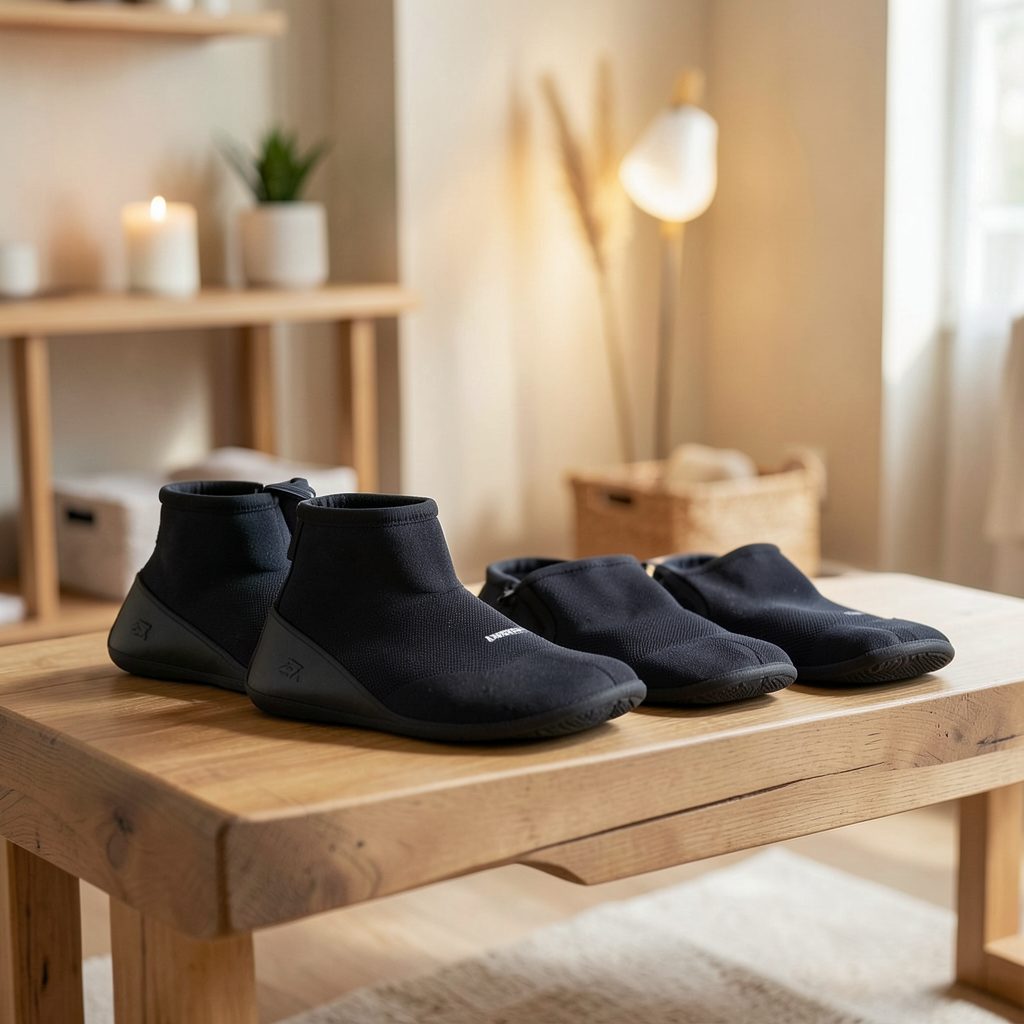
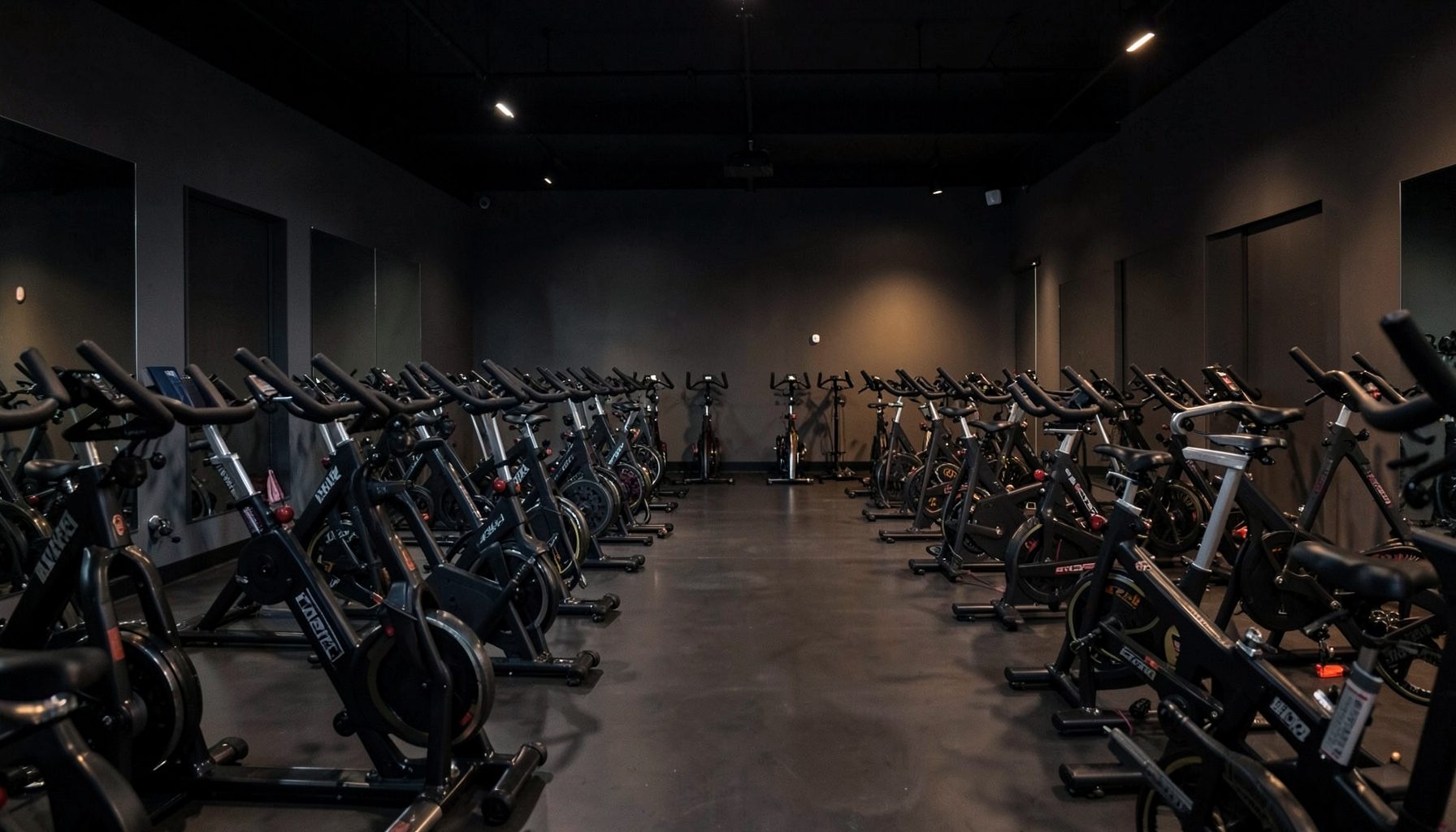
Normatec boot recovery and cryotherapy treatments help athletes bounce back faster. Cycle and spin classes add a cardio dimension to the holistic performance approach.
Have a Question?