Train. Compete. Recover.
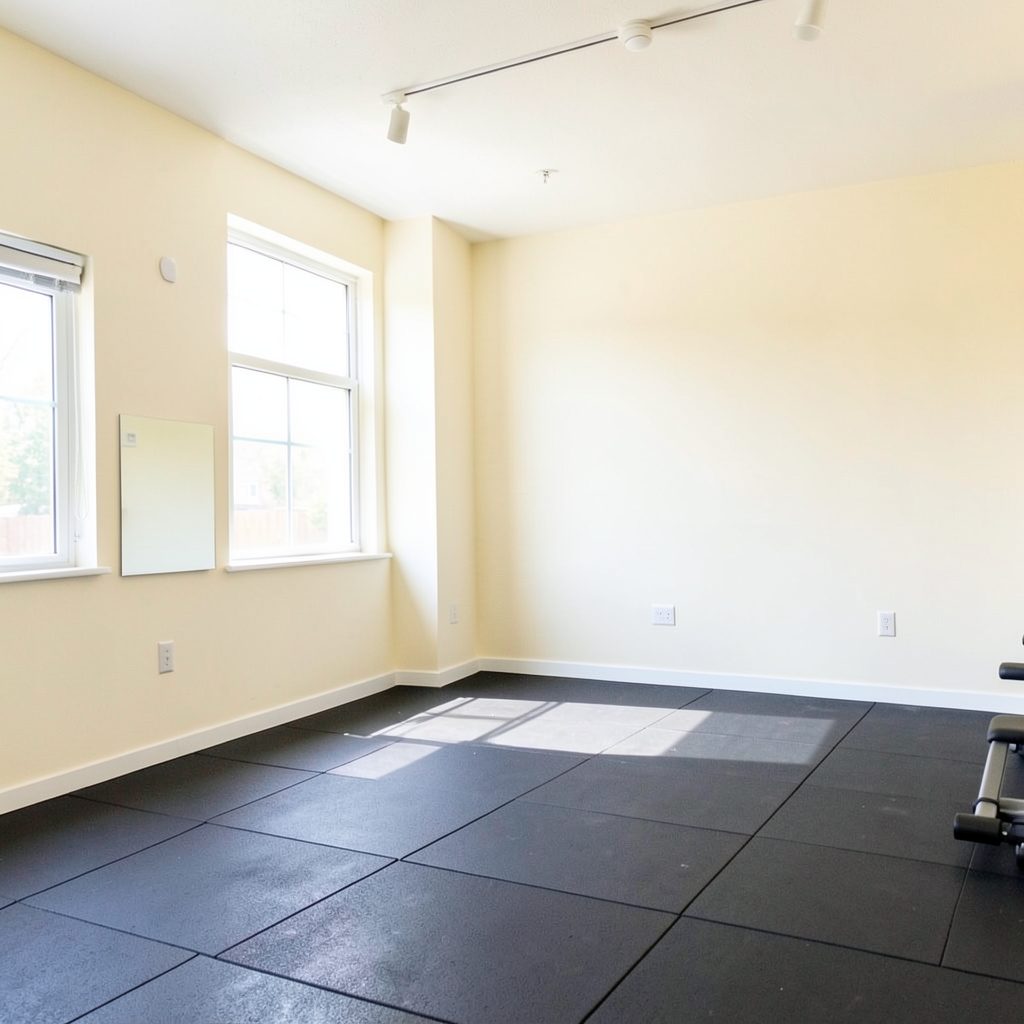
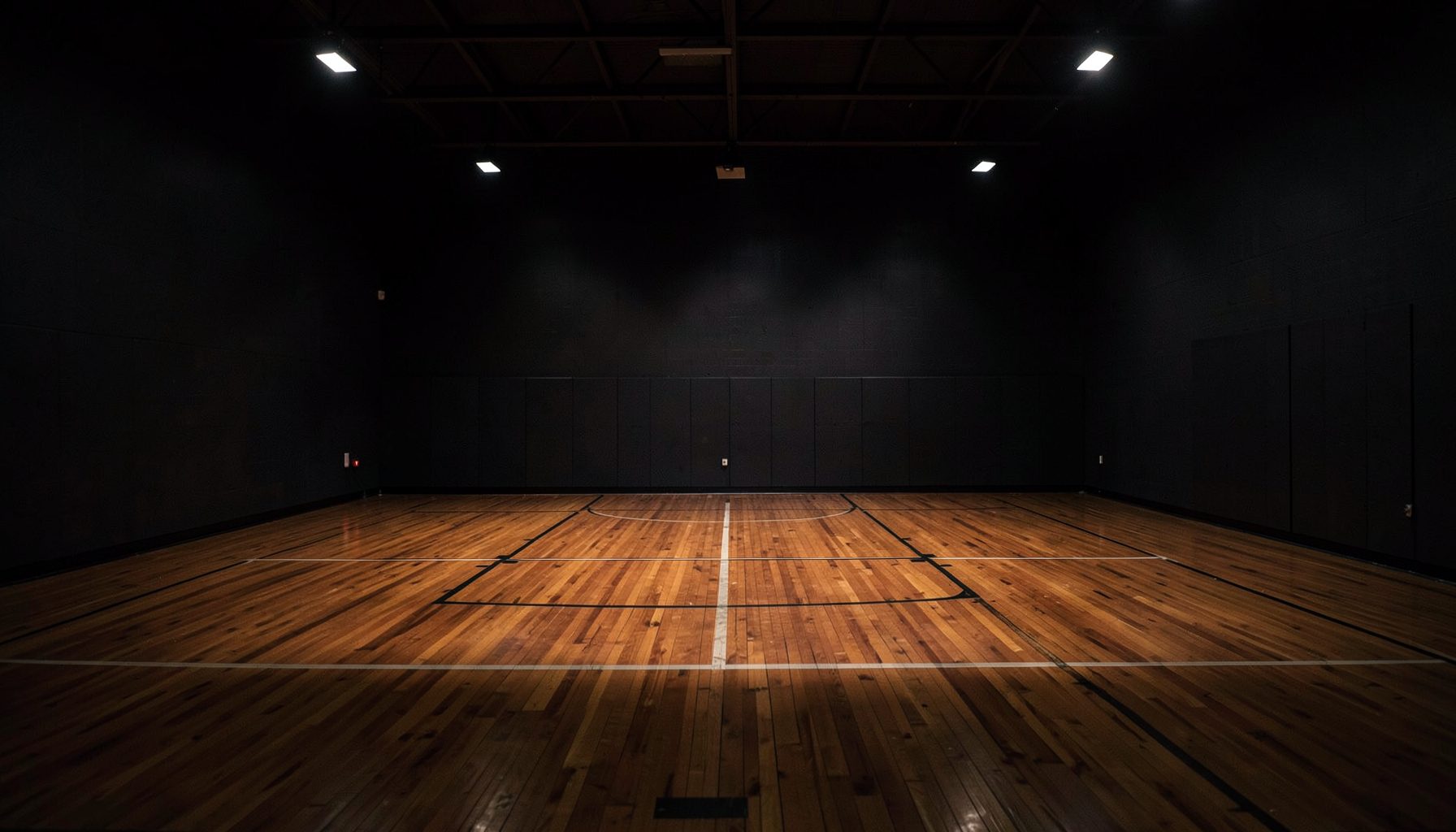
A multi-purpose athletic facility in Speedway, Indiana — basketball leagues, skill training, and wellness services all under one roof.
The Factory D1 Indy brings together three entities under one roof: competitive basketball leagues for all age groups, individual and group training, and wellness & recovery services including Normatec boot recovery and cryotherapy. Located off I-465 and High School Road at 6331 Crawfordsville Road, Speedway, Indiana 46224.
Get In TouchHow to set personal goals for spin class that go beyond calories burned
A spin class can deliver a satisfying sweat, but the number on the screen is often a narrow target. Energy expenditure varies with rider weight, bike setup, resistance and class intensity, so it cannot tell you whether your cadence held steady under pressure or whether you finished with enough energy for basketball. A stronger goal connects the ride to performance, confidence and consistency.
Many Australian riders already log kilometres, minutes and perceived effort, often because gym apps and studio screens use metric measurements. The useful shift is to choose one outcome and the process habits that will create it, then review those measures across several weeks rather than resetting them every class.
Replace one calorie target with a layered goal
Start by separating the destination from the route. An outcome goal might be completing three sustained intervals, improving sprint repeatability or riding comfortably for 45 minutes. A process goal might be controlling cadence within a chosen range and recovering at a planned heart rate. A recovery goal protects sleep, hydration and mobility between sessions.
For example, a basketball player could aim to repeat three one-minute efforts with consistent form, then feel ready for court work. That target is more useful than chasing a larger calorie number because it can be practised in a class and checked again the following week.
Write the goal so its finish line is visible: “By week eight, I will…” Avoid vague aims such as getting fitter. Pair the outcome with a frequency, an intensity cue and a recovery boundary. The personal reason matters too, because it helps you adjust when work, travel or family commitments change the available training time.
Establish a baseline from your first real ride
Use a simple baseline rather than trying to set a personal best in your first session. Record the class length, your perceived effort, average cadence, resistance level and how consistently you completed each interval. Heart-rate data can add context if your monitor is reliable, but it should support the session rather than dictate every pedal stroke.
Australian cycling apps commonly record kilometres rather than miles, while studio displays may show elapsed time, distance and average output. Keep temperature in Celsius when comparing indoor and outdoor conditions, especially if you use both to complement your weekly training.
Give yourself two or three classes before setting a demanding target. The first ride establishes your starting point; the next two show whether your numbers are repeatable. Melbourne’s changeable weather can make an indoor class especially convenient, but consistency still matters more than completing every workout at maximum effort.
Build skills around cadence and control
Cadence is a skill, not merely a number to maximise. A controlled pedal stroke helps you preserve form during hard efforts and settle efficiently between intervals. Your target should match your experience, bike setup and class format, with room to adjust as control improves.
Work through repeatable drills rather than simply pedalling faster; this cadence drill guide offers a practical bridge to smoother transitions and quicker repeat efforts. Stronger cadence control can transfer to the rapid changes of direction and repeated efforts required in basketball.
Set process goals that are observable during the ride: “hold my cadence within five revolutions per minute of my planned range” or “complete every climb without gripping the handles.” These cues are easier to follow than a distant calorie figure and give you something useful to carry into the next class.
Make attendance and consistency measurable
A goal you cannot complete consistently is not yet a useful goal. Decide how many weekly sessions you can realistically attend, then use attendance as a process measure rather than judging success by how exhausted you feel after each ride.
The Australian studio market commonly offers monthly and annual memberships, with many members reserving classes through apps. That makes it practical to set a regular rhythm, such as two evening rides and one weekend session, and to review missed classes without allowing one busy week to erase your progress.
Melbourne commuters often fit a 30-minute class around work or a longer ride into the weekend, while Sydney riders may choose an indoor session during humid weather. Keep a flexible minimum plan for travel or busy periods: one shorter technical class can maintain your rhythm when your preferred timetable is impossible.
Track performance trends instead of daily burn
Keep a simple scorecard with your weekly attendance, average cadence during repeated intervals, recovery heart rate, perceived effort and completion of the main class goal. Compare like with like, using the same studio, bike position and type of session wherever possible. A trend across several weeks is more informative than a single high-energy ride.
For athletes balancing spin with court or gym training, Hybrid Gym Group can provide a useful reference for fitting conditioning into a broader weekly programme. That wider view helps you recognise when a demanding cycling session complements strength work and when it may need to be lighter.
Keep calorie estimates as background information rather than a daily score. They can still help you understand general workload, but they do not improve automatically as your technique does. Review your notes every four weeks, celebrate the measures that improved and adjust only one training variable at a time.
Treat recovery as part of the goal
Recovery deserves its own target because a productive class creates benefits that appear over the following days. A simple routine might include a cool-down, ten minutes of mobility, adequate fluids, a regular meal and a consistent sleep window. These habits can be measured by how readily you recover between intervals and how energetic you feel the next morning.
At Factory D1 Indy in Speedway, Indiana, the Factory D1 services page includes recovery options such as Normatec compression therapy and cryotherapy alongside sports and fitness services. Whether you use specialised recovery tools or stick with basic habits, the principle is the same: recovery must support the work rather than become another source of pressure.
During a hot Brisbane summer, indoor air conditioning may make cycling feel comfortable even while recovery habits remain important. Replace fluids regularly, cool down gradually and avoid using a demanding spin session to cancel out an entire day’s nutrition. Sustainable progress depends on recovering well enough to return and repeat the work.
Turn your target into a ride-ready plan
Write your goal on a card you can see before class. Include the outcome, the weekly frequency, the process cue and the recovery action. For example: “Over eight weeks, complete three two-minute intervals at a controlled cadence in three classes each week, then recover comfortably before the next effort.”
Use the first two weeks to establish technique and baseline numbers. Progress the interval duration, resistance or cadence range gradually, while keeping enough recovery between efforts to repeat them with good form. If attendance drops, preserve the process goals rather than doubling the intensity to compensate.
Choose one measurable target, bring it to your next spin class and use every session to gather evidence of progress. Book your next ride, write down the one goal you are testing and let each class build the next.
Inside The Factory

Three Entities, One Roof
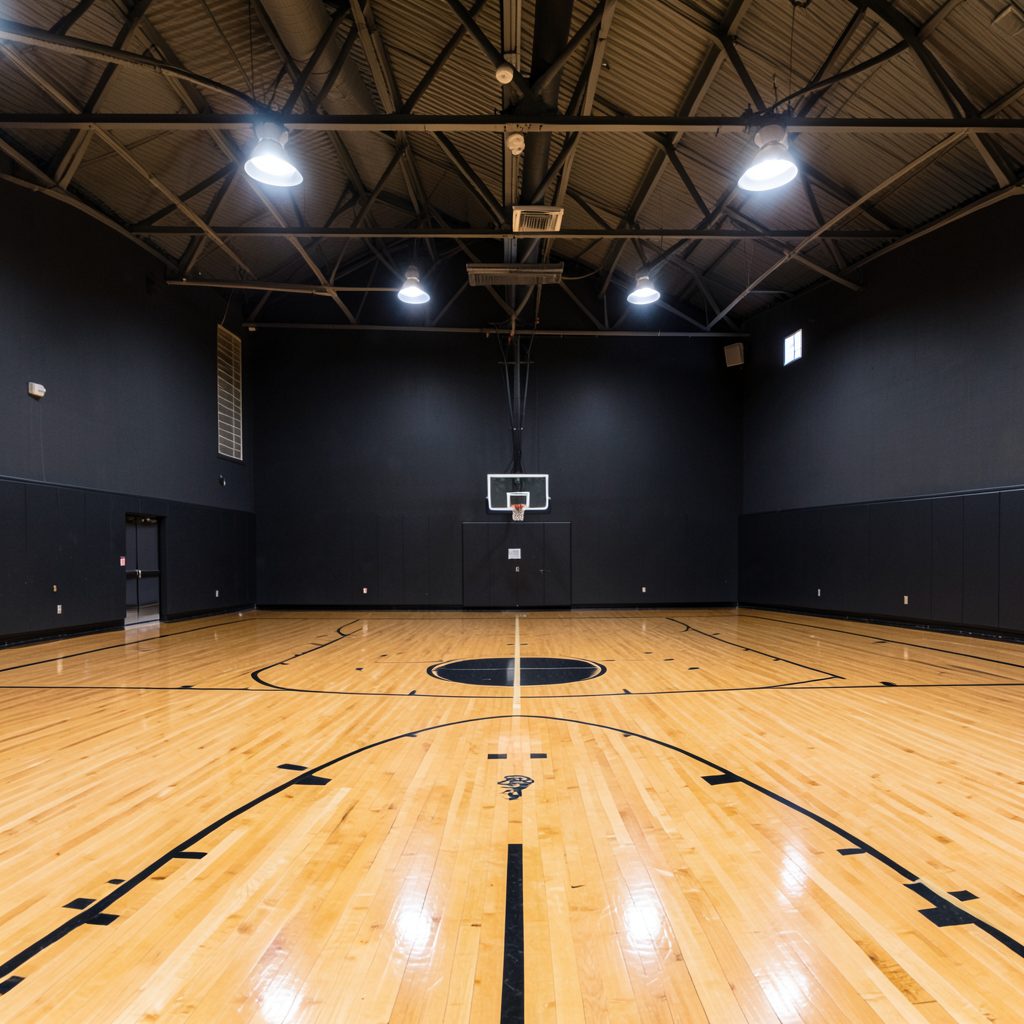
Leagues
Eight league divisions span every age group: Indy Pro AM, 18+ Open Men's, 30+ Men's, Bite Size (ages 3–6), Impact League, 5th/6th Grade, Middle School, and High School. Gather your team and compete.
Training
Individual and group basketball training for all skill levels. Major M.O.V.E.S. Basketball Training serves ages 4–7 on Wednesday and Thursday evenings at 6:30 PM — $30 per session or $100 unlimited monthly.
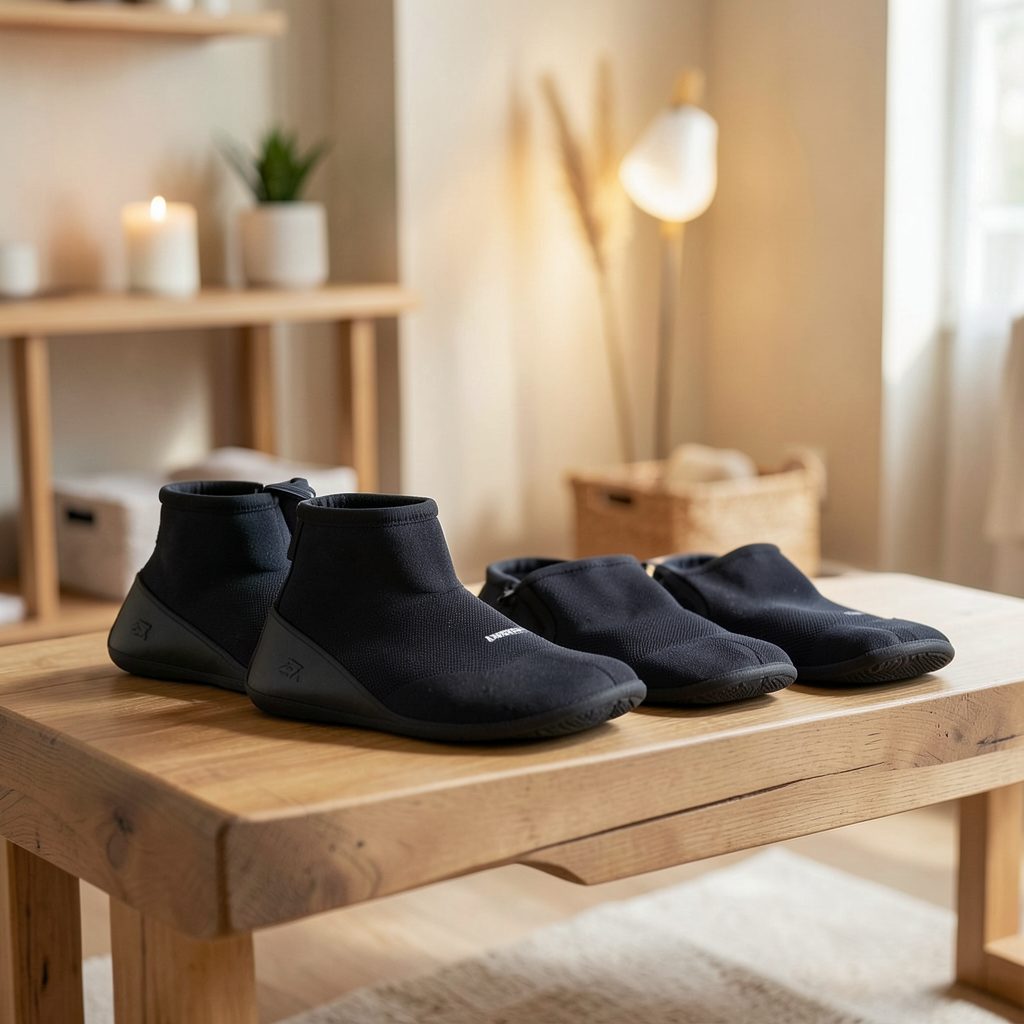
Wellness & Recovery
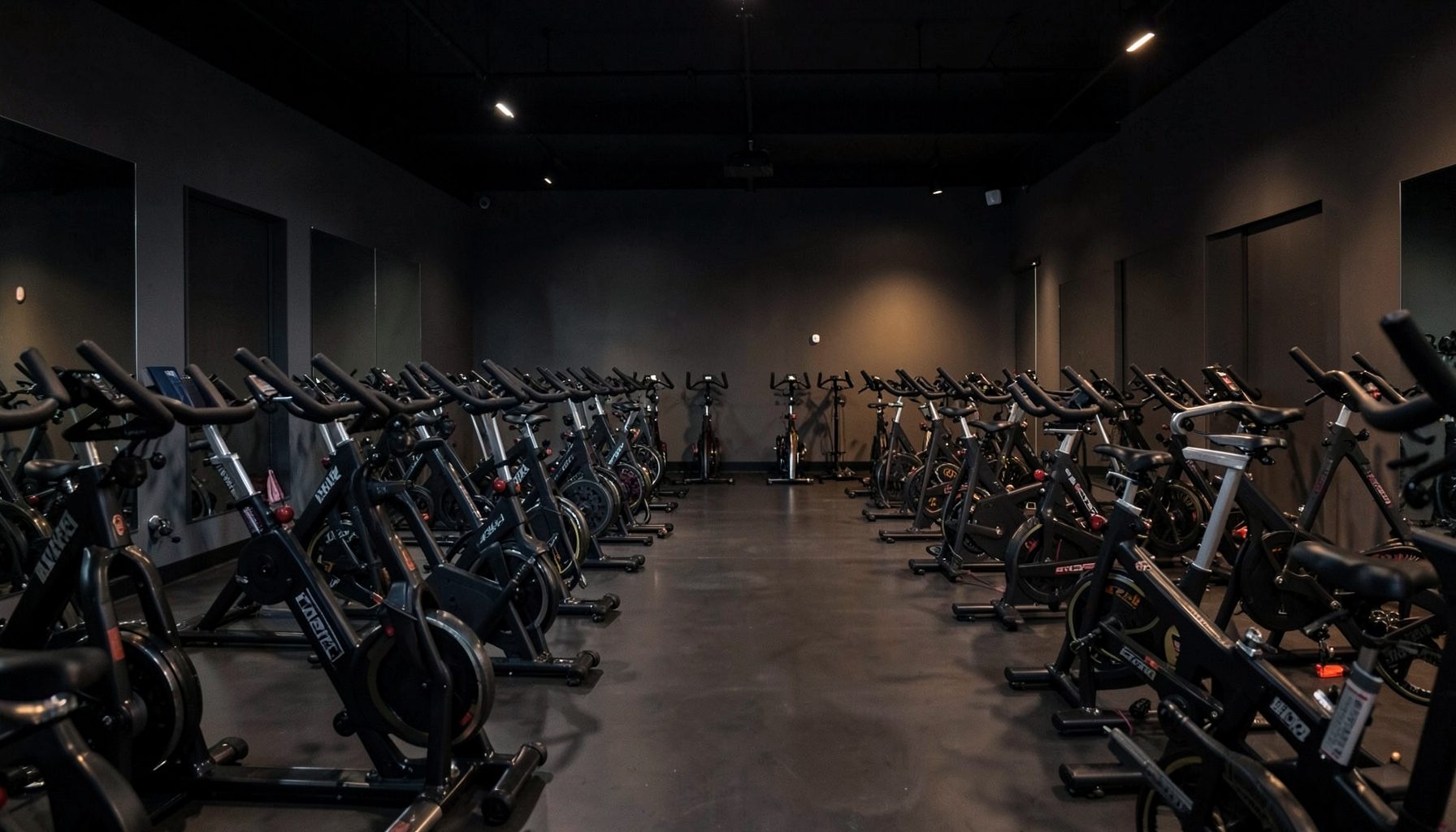
Normatec boot recovery and cryotherapy treatments help athletes bounce back faster. Cycle and spin classes add a cardio dimension to the holistic performance approach.
Have a Question?