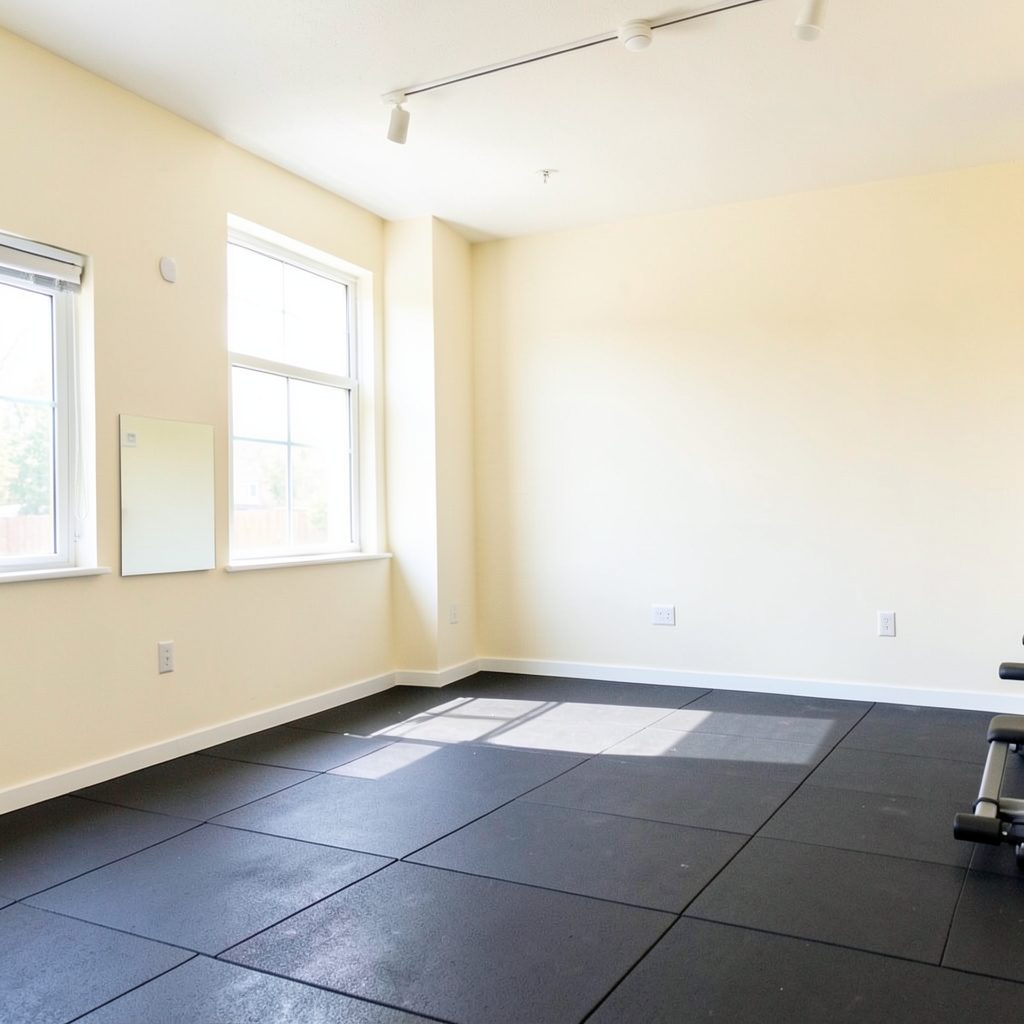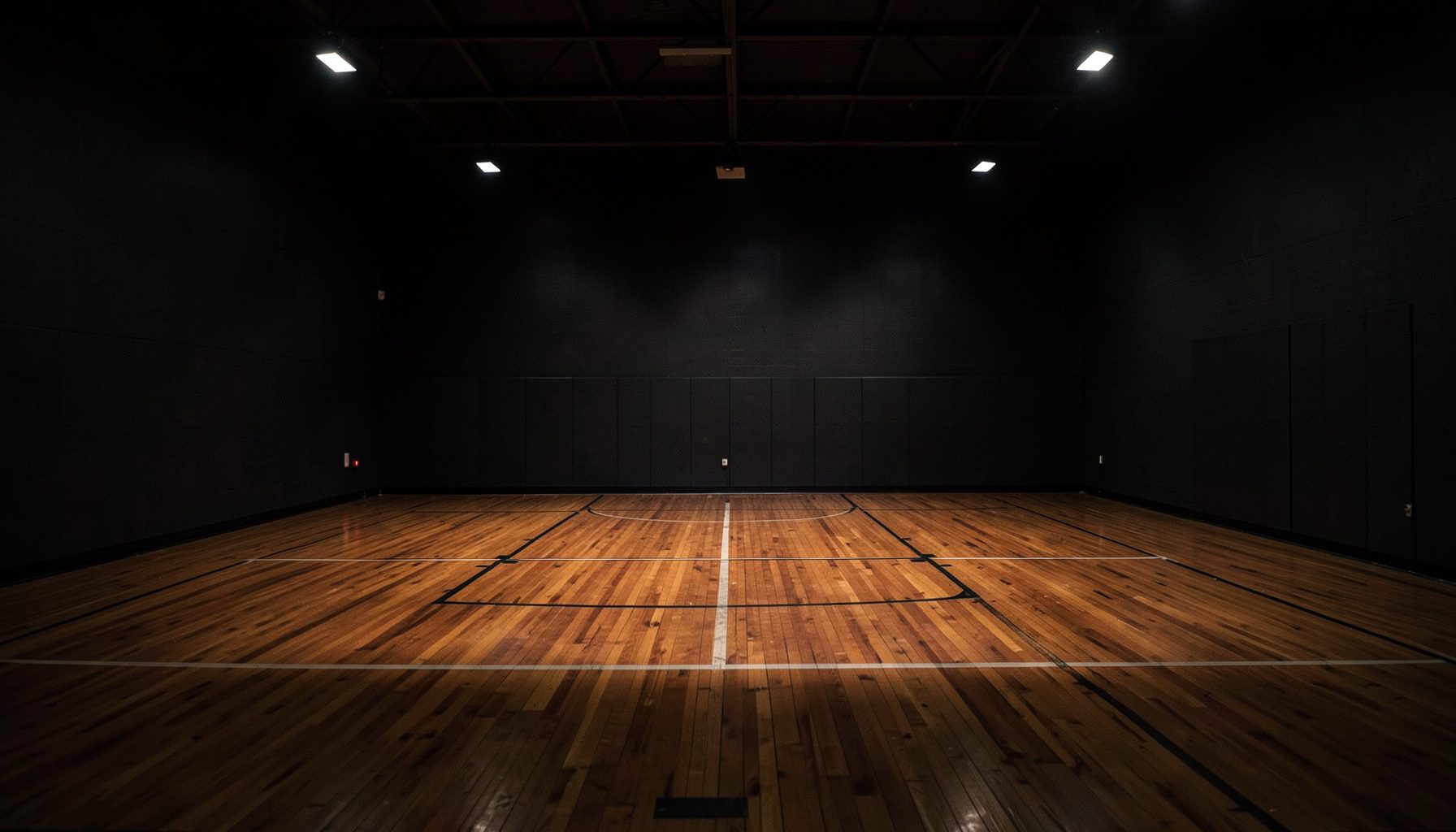
Train. Compete. Recover.
A multi-purpose athletic facility in Speedway, Indiana — basketball leagues, skill training, and wellness services all under one roof.
The Factory D1 Indy brings together three entities under one roof: competitive basketball leagues for all age groups, individual and group training, and wellness & recovery services including Normatec boot recovery and cryotherapy. Located off I-465 and High School Road at 6331 Crawfordsville Road, Speedway, Indiana 46224.
Get In TouchHow to Set Realistic Fitness Goals in a Spin Class Program
Joining a spin class can bring energy, structure, and accountability to a fitness routine. The music, instructor guidance, and group atmosphere make it easier to stay engaged than exercising alone. Still, enthusiasm at the beginning can lead people to set targets that are too aggressive, especially when every class feels like an opportunity to push harder.
Realistic goals create a sustainable path forward. They account for your current conditioning, schedule, recovery needs, and reasons for exercising. Whether you want better cardiovascular endurance, stronger legs, improved energy, or gradual weight management, your plan should encourage consistent effort rather than demand perfection.
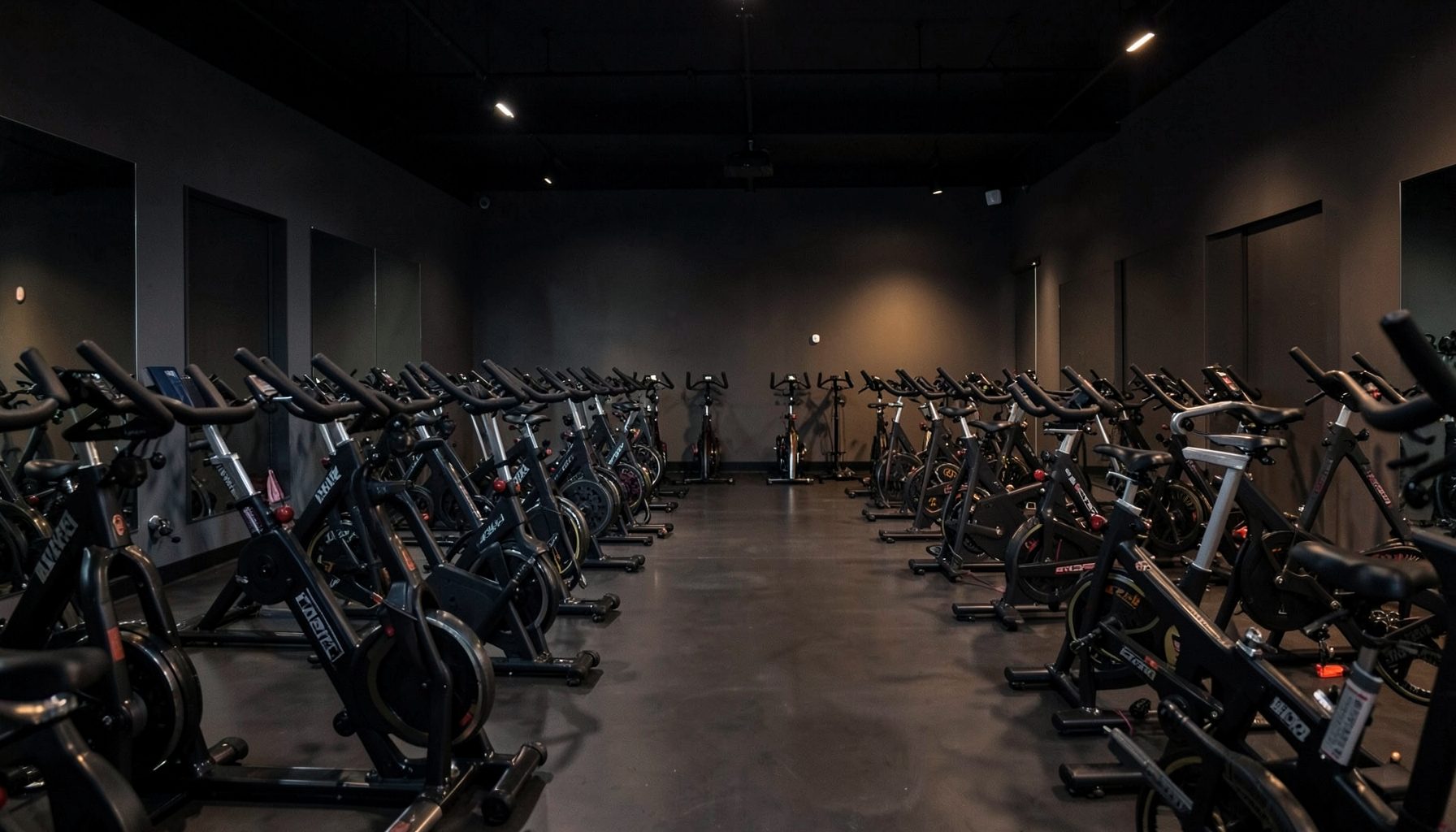
At The Factory D1 Indy, spin and cycle classes fit into a broader athletic and wellness environment. That makes it possible to approach indoor cycling as one part of a balanced routine that may include strength training, basketball, mobility work, and recovery services.
Start With An Honest Fitness Baseline
Before choosing a target, consider your current activity level. Someone who walks regularly but has never used a stationary bike will need a different starting point from an experienced cyclist or competitive athlete. Your baseline can include how long you exercise comfortably, how quickly your breathing becomes difficult, and how well you recover after exertion.
A first goal might focus on attendance rather than intensity. Committing to one or two classes per week for the first month gives your body time to adapt to cycling posture, resistance changes, and repeated high-effort intervals. It also helps you learn how the instructor structures warmups, climbs, sprints, and recovery periods.
Pay attention to signs that the goal needs adjustment. Persistent soreness, declining performance, poor sleep, or reluctance to attend class may indicate that your schedule is too demanding. A realistic plan should challenge you while leaving enough energy for work, family, and the rest of your training.
Define What Progress Means To You
“Getting fit” is useful as a general intention, but it is too broad to guide weekly decisions. A stronger goal identifies the outcome you want and the behavior that supports it. For example, you might aim to complete two cycling sessions each week, ride continuously for 45 minutes, or maintain a challenging resistance level during several intervals.
Different goals require different measurements. Cardiovascular improvement may appear as lower perceived exertion at the same resistance, faster recovery after a sprint, or the ability to sustain a longer class. Strength and power may be reflected in stronger hill efforts. Weight-related goals should be considered alongside nutrition, sleep, stress, and overall activity rather than judged by a single daily scale reading.
Use a short time frame for your first milestone. A four- to six-week target is long enough to reveal progress but brief enough to maintain focus. Once you reach it, reassess your performance and decide whether to extend the duration, add another session, or maintain your current level.
Use A Gradual Training Structure
Indoor cycling often includes intervals that alternate between moderate effort and short, intense bursts. These changes can improve aerobic capacity, muscular endurance, and power, but they also place stress on the legs and cardiovascular system. Building gradually allows your body to benefit from the workout without turning every session into a test of maximum effort.
The following framework can help organize early goals:
| Time Period | Practical Focus | Example Goal | Progress Signal |
|---|---|---|---|
| Weeks One And Two | Learn technique and pacing | Attend one or two classes weekly | Finish with controlled effort |
| Weeks Three And Four | Build consistency | Complete most planned sessions | Recover more comfortably |
| Weeks Five And Six | Add measured challenge | Increase resistance or effort briefly | Maintain form during harder intervals |
| After Six Weeks | Reassess and specialize | Choose endurance, power, or conditioning focus | Track a specific performance marker |
Avoid increasing frequency, duration, and intensity at the same time. If you add a third weekly class, keep the effort moderate for a while. If you begin riding harder, preserve rest days or reduce the length of another workout. This approach makes it easier to identify what helps and what creates excessive fatigue.
Resistance should feel purposeful rather than punishing. Good cycling form includes a stable torso, controlled pedal strokes, relaxed shoulders, and enough resistance to avoid bouncing in the saddle. If form breaks down, reduce the load and regain control before pursuing a higher number.
Track Progress Beyond The Scale
A fitness journal can turn vague impressions into useful information. After each class, record the date, duration, perceived effort, resistance or cadence details when available, and how you felt later that day. You do not need to document every metric; a few consistent notes are enough to identify trends.
Use a simple effort scale from one to ten. An easy ride may feel like a three or four, a challenging but manageable class may feel like a six or seven, and an all-out effort may reach nine or ten. Most sessions should not require maximum intensity. A mixture of moderate, challenging, and occasional high-effort training is more sustainable than constant exhaustion.
Also track non-performance changes. Better sleep, improved mood, greater confidence, easier stair climbing, and faster post-class recovery are meaningful outcomes. If your body measurements or weight are relevant to your goals, review them at longer intervals and alongside these broader indicators.
Balance Training With Recovery
Fitness adaptations occur between workouts, when the body repairs and becomes better prepared for future effort. Schedule at least one easier day between demanding cycling sessions when you are new to the program. Light walking, gentle stretching, or mobility work can support circulation without adding significant training stress.
Hydration, balanced meals, and sleep influence how well you perform in a spin class. A meal or snack containing carbohydrates and protein can support energy before or after training, while regular fluids help you manage sweat loss. Individual needs vary, so pay attention to how timing and food choices affect your comfort during class.
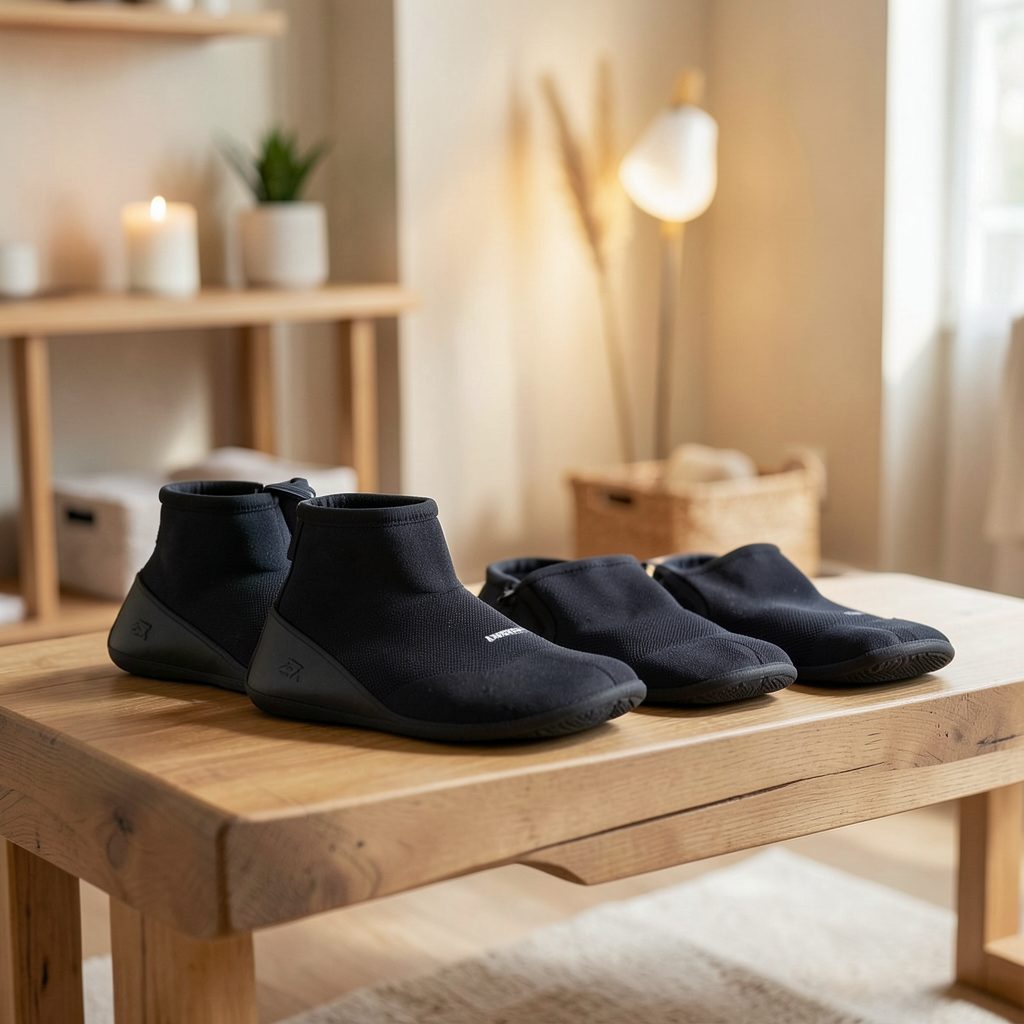
Recovery services can complement a demanding fitness schedule. For athletes who experience heavy legs after intense training, Normatec compression therapy uses dynamic compression to support circulation and post-workout recovery. It should enhance sound training habits, not replace rest, nutrition, or medical guidance when pain persists.
Fit Spin Classes Into Your Lifestyle
A goal is more likely to last when it works with your real calendar. Choose class times that fit your responsibilities and identify a backup option for busy weeks. Planning sessions in advance can reduce decision fatigue, while attending with a friend or training group can add accountability.
Think of cycling as part of a complete fitness schedule. You might pair two spin classes with strength work, mobility sessions, recreational basketball, or an easy recovery day. If you also play in a league, manage the total workload across the week rather than treating every activity as separate. The Factory D1 Indy offers adult basketball leagues for different skill levels, making it useful to consider how cycling supports your court performance without leaving your legs exhausted.
Your schedule should include room for ordinary disruptions. Missing one class does not erase progress, and trying to compensate with an extra-hard workout can create a cycle of fatigue. Resume the next planned session, adjust the week if necessary, and judge success by your long-term consistency.
Build A Goal-Setting Routine
Review your goals every few weeks instead of waiting until motivation disappears. Ask whether the target still matches your current priorities, whether the workload feels manageable, and which signs show improvement. A goal can be revised without being abandoned; changing from three classes to two during a demanding period may be the choice that protects long-term consistency.
Keep your next milestone specific and modest. Examples include completing four consecutive weeks of planned sessions, recovering more quickly after a hill interval, or maintaining a steady cadence through the final section of class. Small wins create evidence that your routine is working and provide a foundation for a more ambitious target.
Use these principles when planning your next cycle:
- Set a weekly attendance goal before setting a performance goal.
- Increase one training variable at a time, such as class frequency, duration, or intensity.
- Record perceived effort and recovery, not just calories or distance.
- Keep at least one easier day after a demanding ride.
- Reassess every four to six weeks and adjust based on evidence.
A spin class program should leave you feeling capable of doing more over time, not pressured to prove yourself every day. Start with a manageable commitment, monitor how your body responds, and let steady participation shape your progress.
Visit The Factory D1 Indy to explore cycle classes and build a fitness routine that supports conditioning, athletic performance, and recovery. Schedule your first session, choose a realistic starting goal, and take the next ride as the beginning of a sustainable training habit.
Inside The Factory
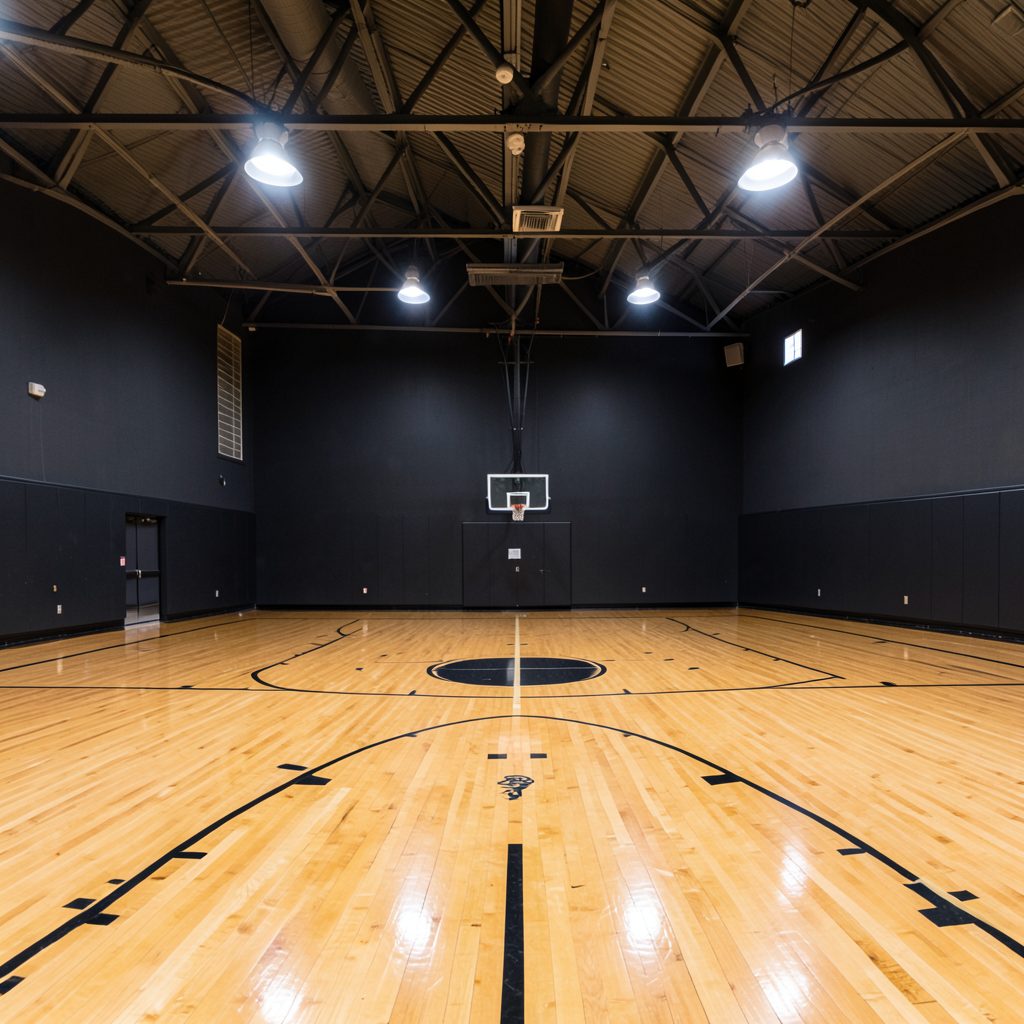

Three Entities, One Roof
Leagues
Eight league divisions span every age group: Indy Pro AM, 18+ Open Men's, 30+ Men's, Bite Size (ages 3–6), Impact League, 5th/6th Grade, Middle School, and High School. Gather your team and compete.
Training
Individual and group basketball training for all skill levels. Major M.O.V.E.S. Basketball Training serves ages 4–7 on Wednesday and Thursday evenings at 6:30 PM — $30 per session or $100 unlimited monthly.
Wellness & Recovery
Normatec boot recovery and cryotherapy treatments help athletes bounce back faster. Cycle and spin classes add a cardio dimension to the holistic performance approach.
Have a Question?